
fajsdfjash ddsa dsa as sa sad sda sadfjsadjfl jsadjk fjasdlkfjaskdfdklsaj klf
jsadj
asjdklj falsdjf
jaklj

Products
What Is the Difference Between a PID Controller and a Temperature Controller?
24 November 2026
Author:AODE
share:


A PID controller and a temperature controller are closely related, but they serve different roles in an industrial process. A temperature controller monitors and regulates process temperature, while PID (Proportional-Integral-Derivative) is a feedback control method used to adjust the system output. Many industrial temperature control units use PID, although the actual control method depends on the equipment design and process requirements.
For manufacturers, understanding this distinction is useful when selecting a mold temperature controller, evaluating temperature stability, or planning a customized temperature control system. The important question is not simply whether a unit uses PID, but whether its control configuration, heating capacity, and circulation performance can meet the demands of the production process.
What Is the Difference Between a PID Controller and a Temperature Controller?
The distinction becomes clearer when we look at what each term describes. One refers to the temperature regulation equipment or function; the other refers to the algorithm that helps regulate the process.
What Is a Temperature Controller?
A temperature controller measures the temperature of a process and adjusts the system output to maintain a target value. It receives feedback from a temperature sensor, compares the measured value with the setpoint, and sends a control signal to the relevant equipment.
Depending on the application, that signal may regulate an electric heater, cooling valve, pump, or other control component. The controller therefore works as part of a larger system rather than operating independently of the equipment it manages.
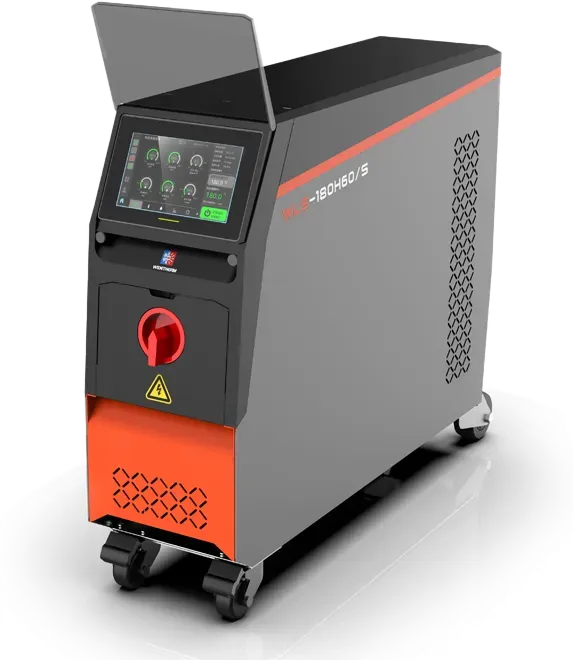
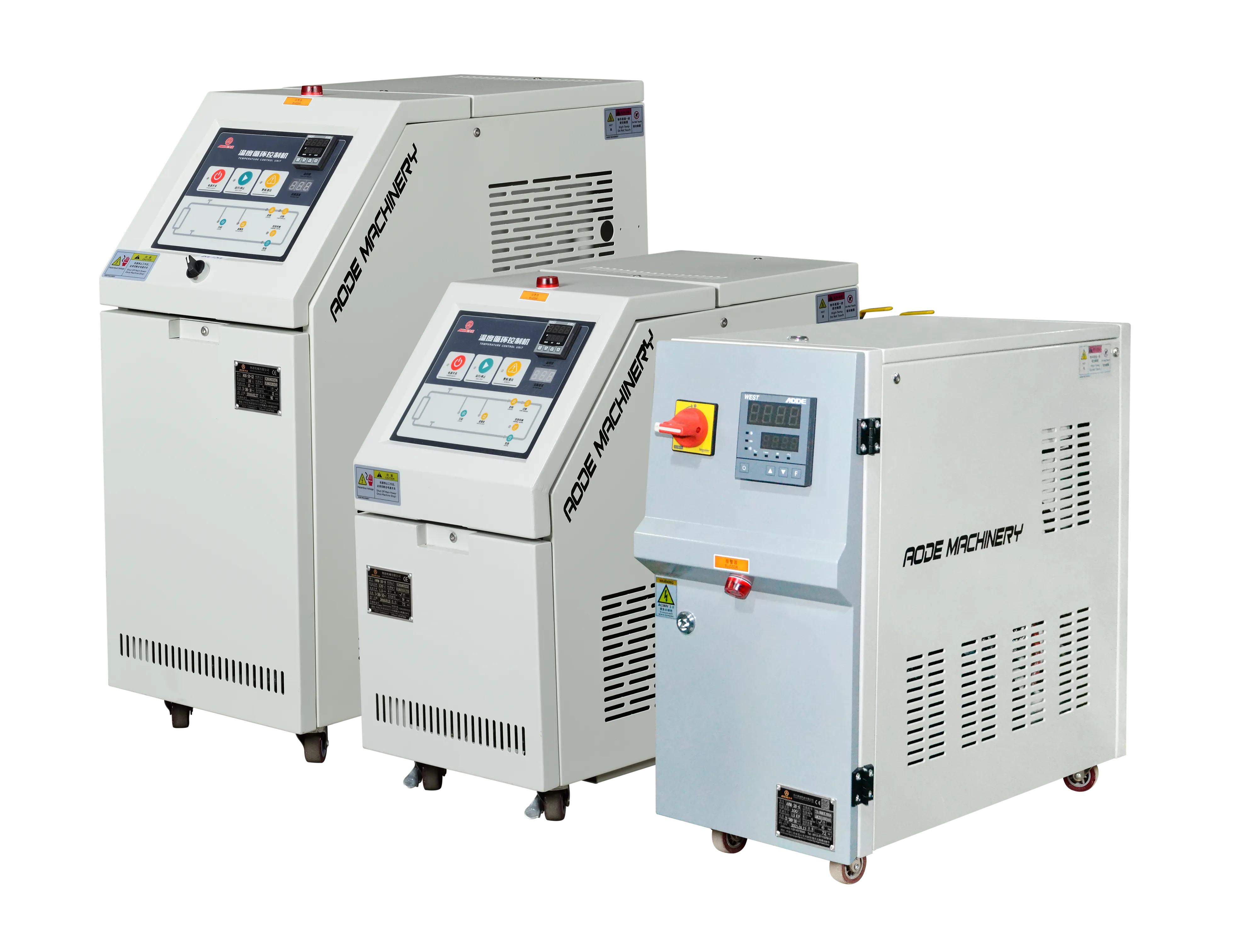
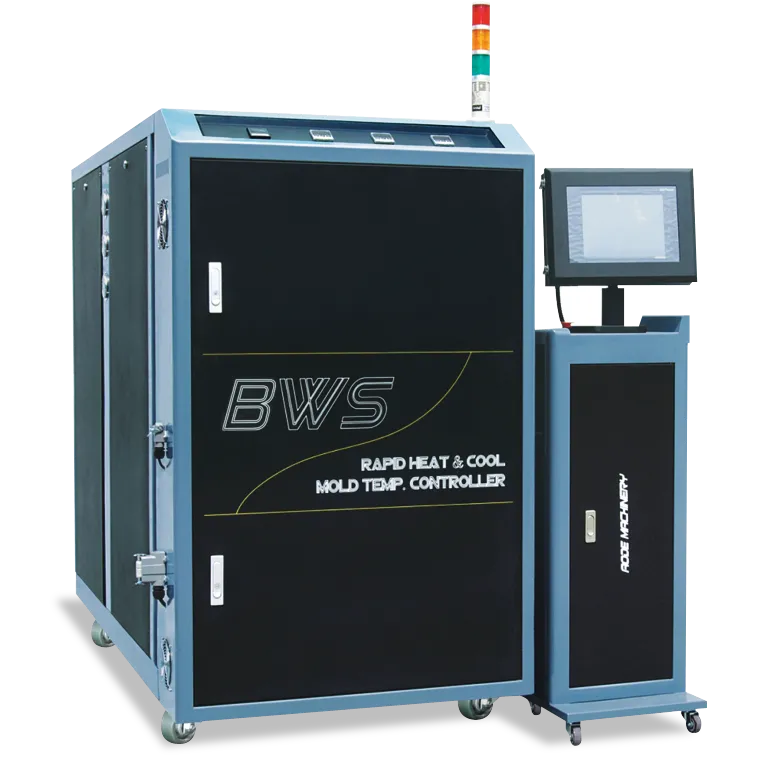
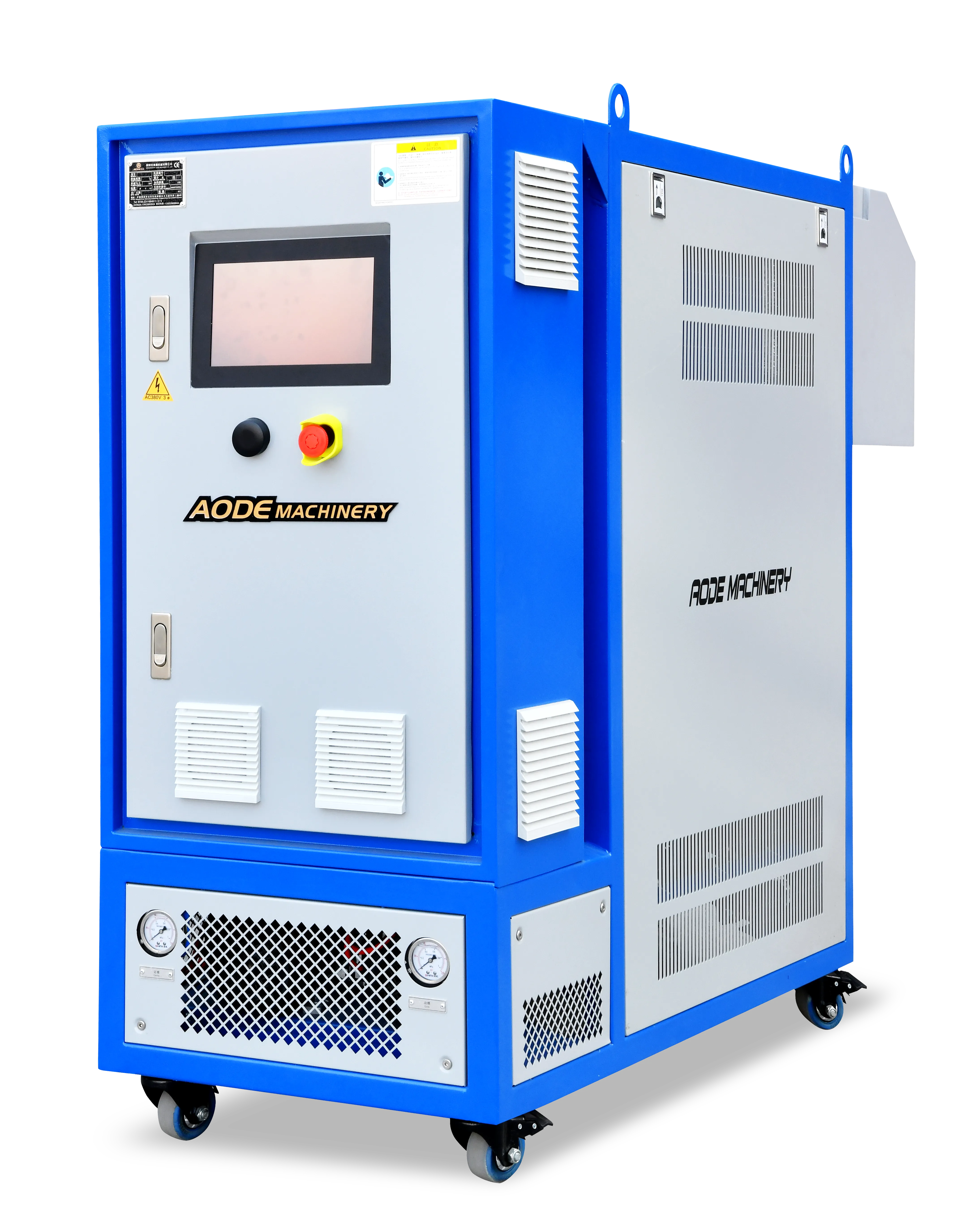
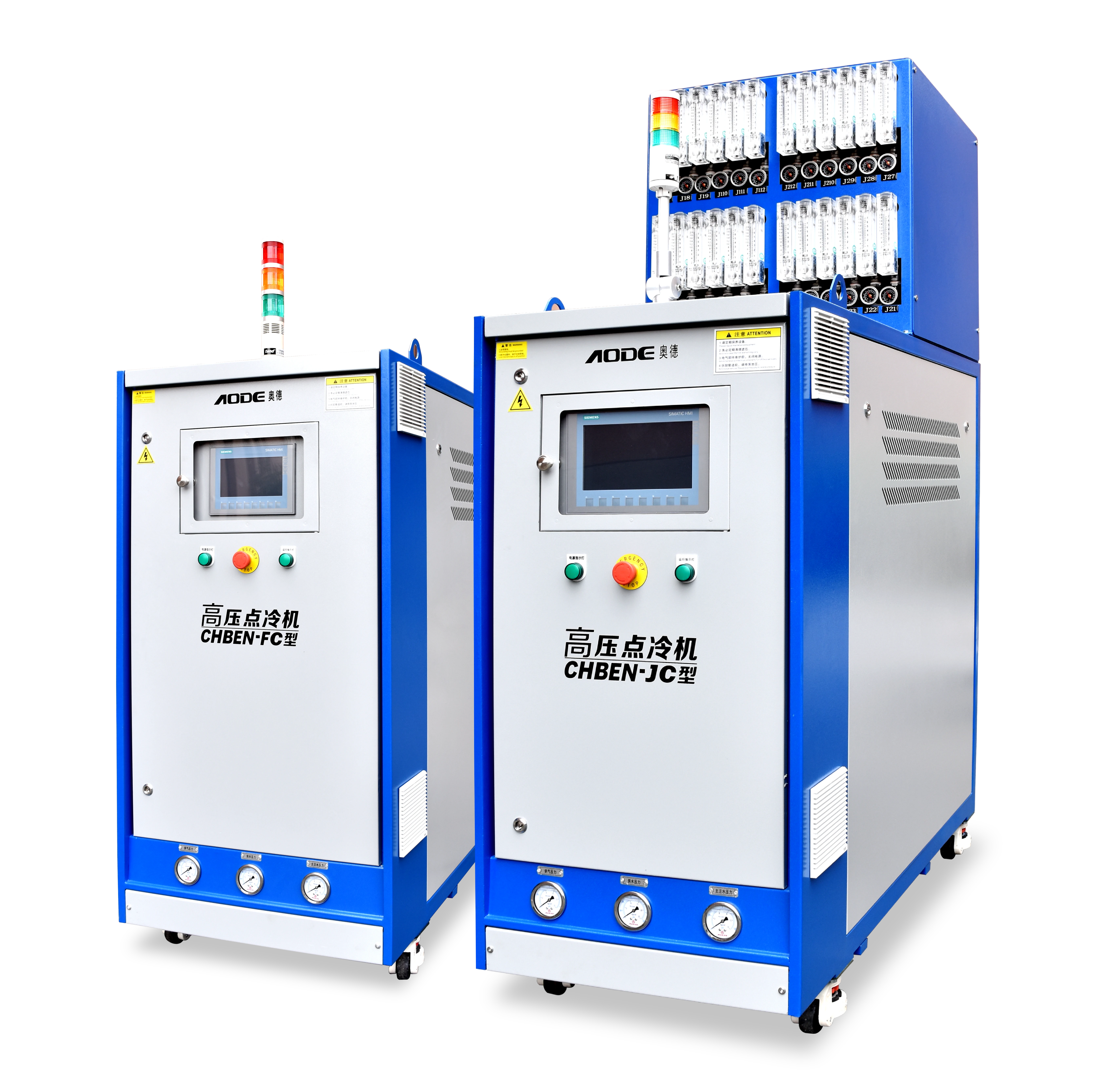
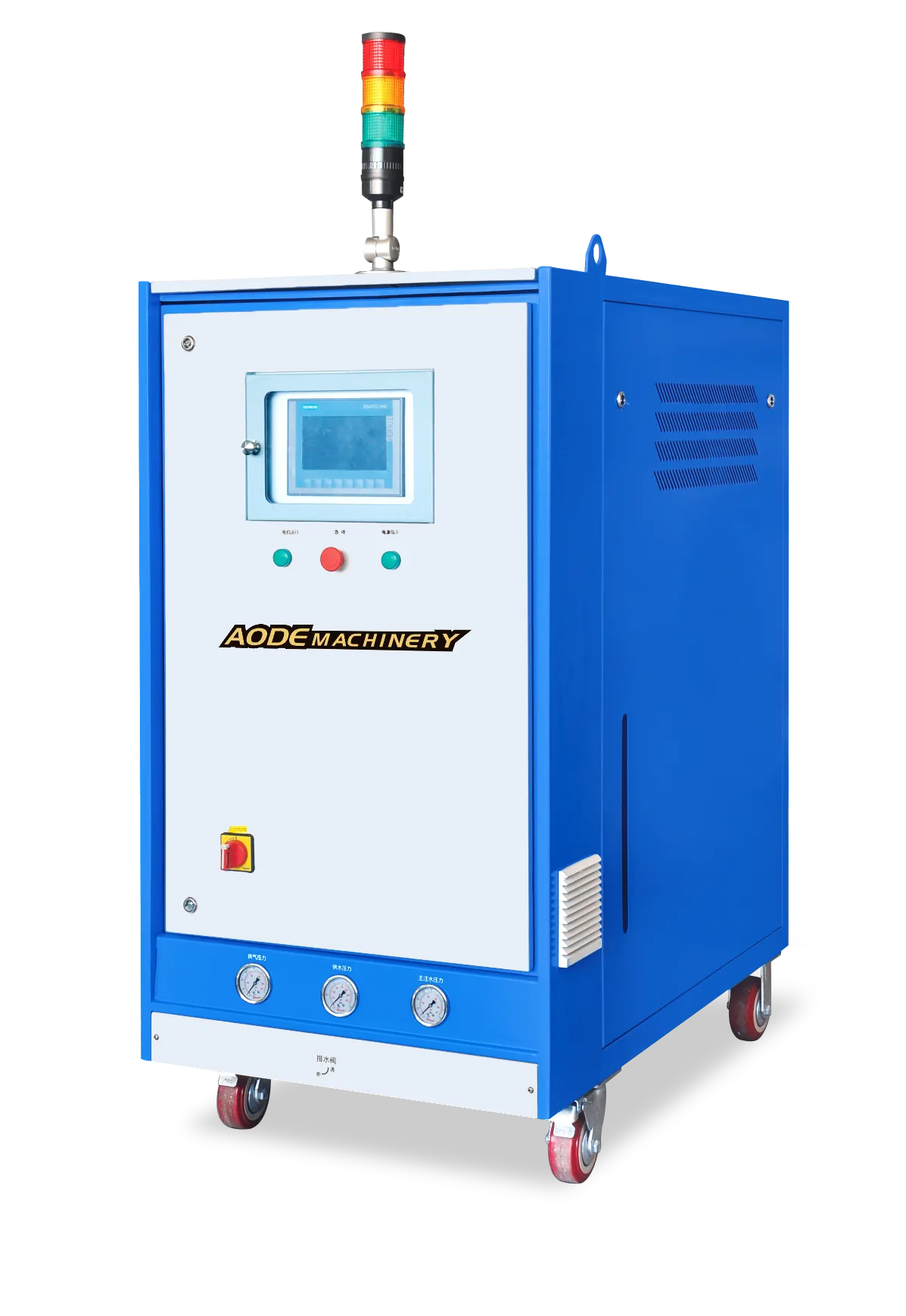
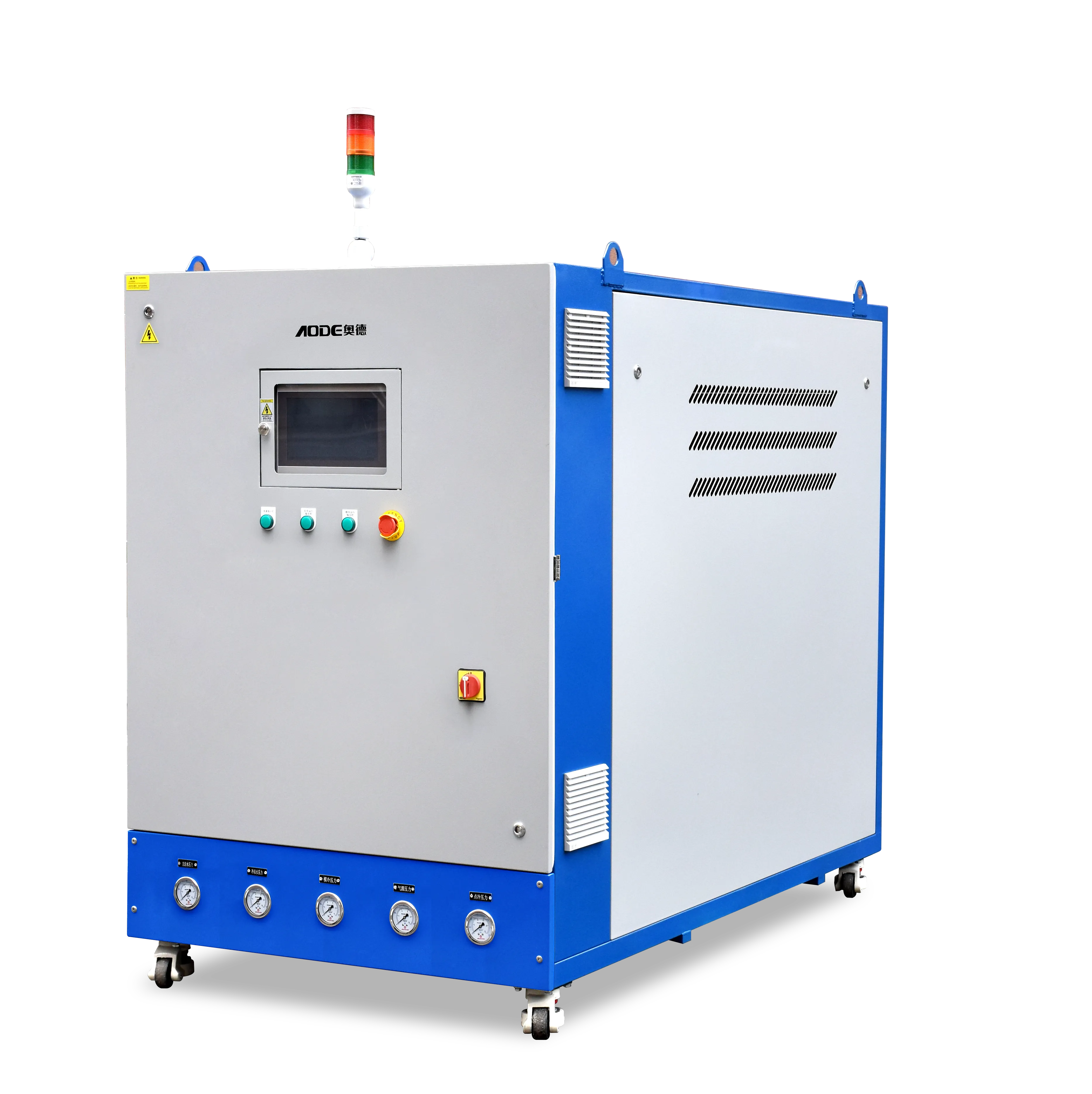
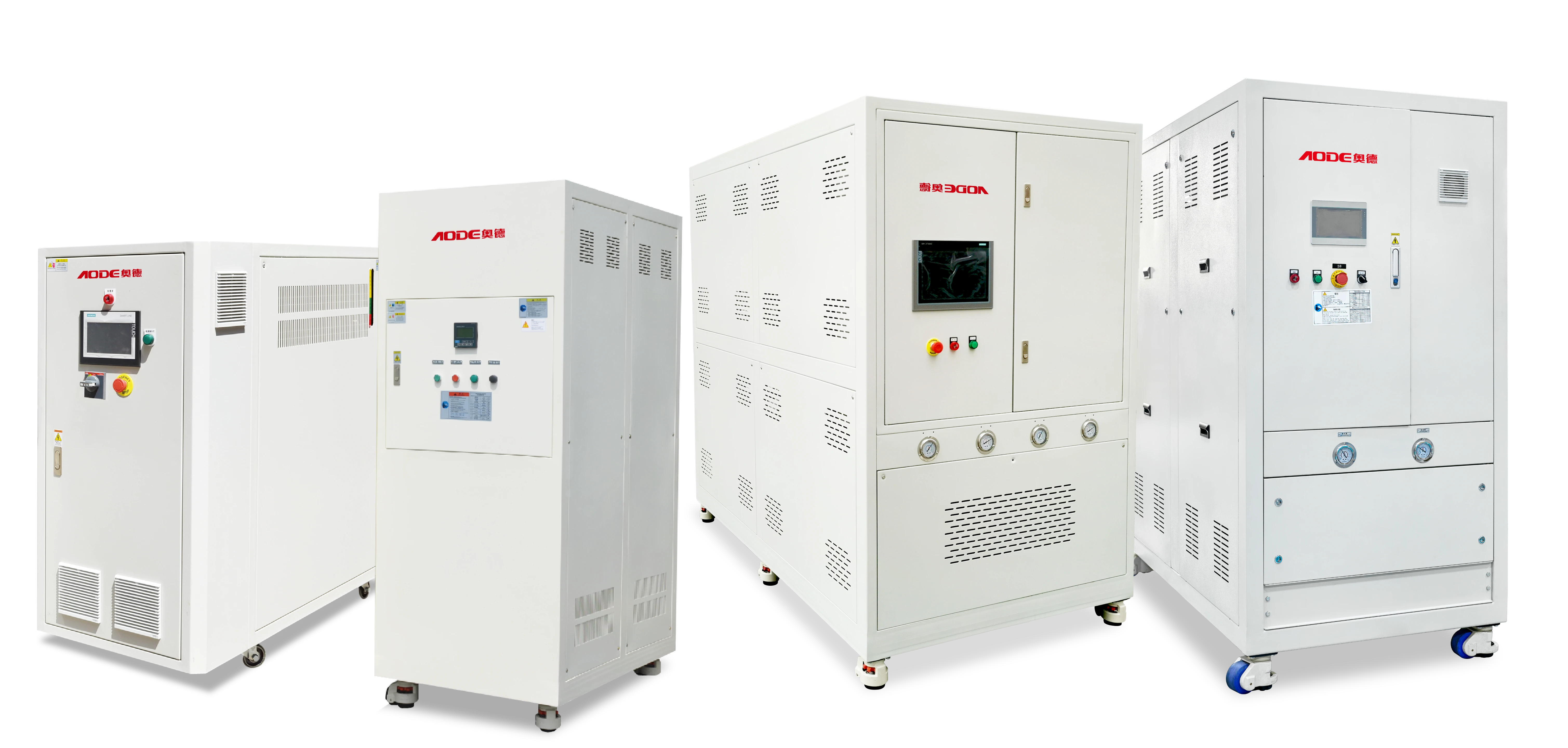
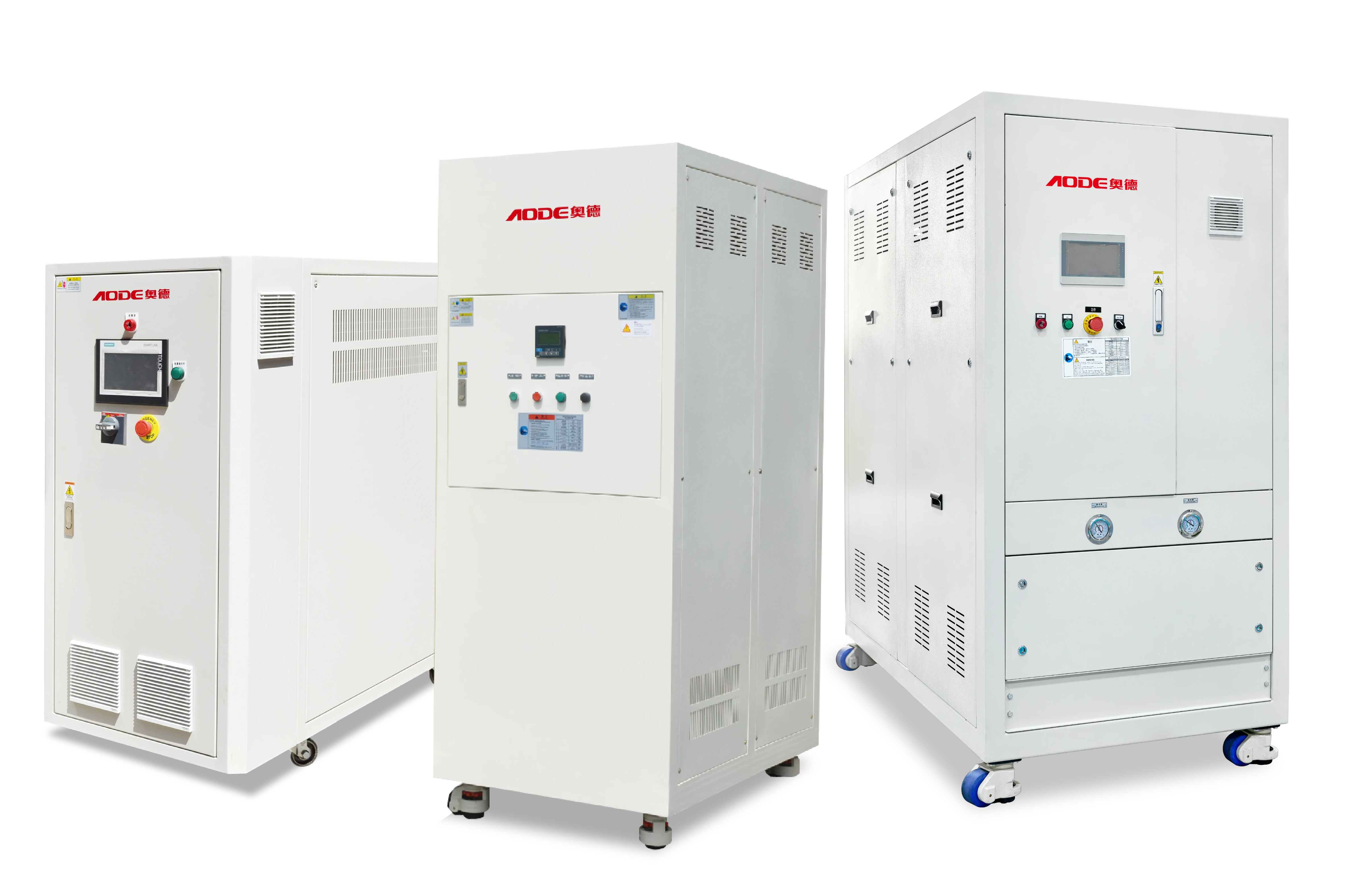
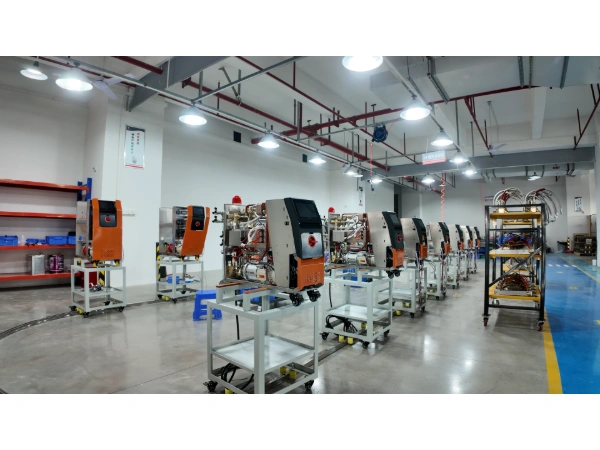
In a mold temperature control unit, for example, the controller works with the heating and circulation components to regulate the temperature of the heat transfer medium. AODE's water and oil temperature controllers are designed for different operating temperature requirements, with the corresponding heating and circulation configurations selected according to the application.
What Is a PID Controller?
PID stands for Proportional-Integral-Derivative. It is a feedback algorithm that calculates how much adjustment is needed to reduce the difference between the measured process value and the target temperature.
Each term has a specific function. Proportional action responds to the current error, integral action addresses accumulated error over time, and derivative action responds to the rate of change in the process signal. Together, they help the system respond to temperature changes and external disturbances.
However, using all three terms does not automatically produce better results. Some thermal processes operate effectively with PI control, while others may benefit from a full PID configuration. The appropriate choice depends on the thermal characteristics of the controlled object and the required response.
PID Controller vs. Temperature Controller: Key Differences
| Comparison | Temperature Controller | PID Control |
|---|---|---|
| Meaning | Equipment or control function for regulating temperature | Feedback control algorithm |
| Main role | Monitors temperature and manages control outputs | Calculates corrective output based on process feedback |
| Application | Industrial heating, cooling, and temperature regulation | Temperature, pressure, flow, and other process variables |
| Control methods | May use ON/OFF, P, PI, or PID | Combines proportional, integral, and derivative actions |
| Relationship | Defines what the system is designed to control | Can be implemented within a temperature control system |
A temperature controller can use PID, but not every temperature controller needs a full PID algorithm. PID can also be implemented through a standalone controller or a PLC-based automation system. This distinction is important when comparing equipment specifications, because the control method alone does not describe the performance of the complete temperature control unit.
How Do Different Temperature Control Methods Work?
PID is widely used in industrial temperature regulation, but it is not the only available option. The control method should match the thermal behavior of the process, the required stability, and how the equipment responds to changes in load.
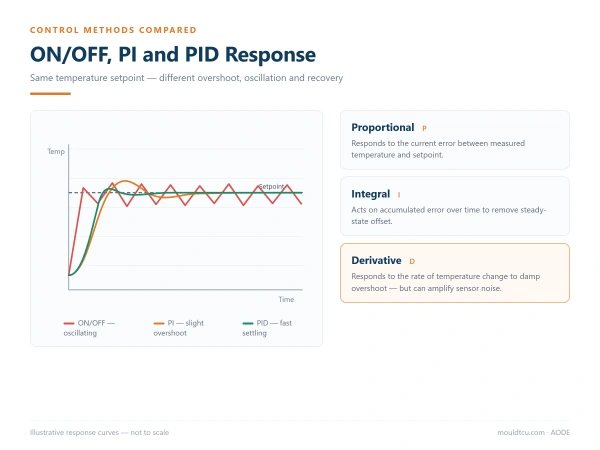
ON/OFF Control: Simple Switching for Basic Applications
ON/OFF control operates through two output states: on and off. In a heating application, the heater is activated when the temperature falls below the lower switching threshold and deactivated when it reaches the upper threshold.
A hysteresis band is normally used to prevent frequent switching when the measured temperature is close to the setpoint. This makes ON/OFF control relatively simple to configure, although the process temperature may still fluctuate around the target.
It can work well for applications with less demanding temperature stability requirements. For processes involving significant thermal inertia or tighter temperature limits, however, the switching behavior may not provide the level of regulation required.
Proportional and PI Control: Smoother Output Adjustment
Proportional control takes a different approach. Rather than switching the output fully on or off, it adjusts the output according to the size of the temperature error. As the measured temperature approaches the setpoint, the control output changes accordingly.
One limitation is that proportional control alone may leave a steady-state offset. Adding integral action allows the controller to respond to accumulated error, helping bring the process value closer to the target over time.
This is why PI control is suitable for many industrial heating applications. It offers a practical balance between response and stability without necessarily introducing derivative action.
PID Control: Managing Temperature Changes Through Feedback
PID combines proportional, integral, and derivative actions to regulate the control output. Its value lies in the ability to adjust the control response to the characteristics of the actual process.
Consider a system with a large thermal load. It may respond slowly to heating adjustments, while another process may react quickly but become unstable if the control output changes too aggressively. PID parameter tuning helps adapt the response to these conditions.
Incorrect tuning can still cause overshoot, oscillation, or slow recovery. Derivative action may also amplify measurement noise, so a full PID configuration is not automatically the best choice for every temperature control application.
PID Control vs. PLC-Based Temperature Control
PID and PLC are not competing technologies. PID describes the control algorithm, whereas a PLC is an automation controller that can execute logic, coordinate equipment, and run PID functions.
A standalone temperature controller may be sufficient for an independent heating circuit. In contrast, a production line with multiple temperature zones, pumps, valves, and operating sequences may require PLC-based coordination.
For customized industrial temperature control systems, the control architecture should be selected according to the number of control loops, equipment interfaces, and production requirements. A PLC can execute PID functions as part of this arrangement, so the two technologies can work together.
How Is PID Control Used in Industrial Temperature Control Systems?
Understanding the algorithm is only the starting point. In actual production, temperature regulation depends on how the controller works with the heater, circulation pump, heat transfer medium, and the equipment receiving the heat.
Mold Temperature Controllers: Coordinating Heating and Circulation
In injection molding, mold temperature influences material flow, cooling behavior, dimensional consistency, and surface quality. If the mold temperature changes during production, manufacturers may experience longer cycle times or inconsistent part quality.
A mold temperature controller circulates water or thermal oil through the mold circuit. The control system monitors the relevant temperature signals and adjusts the heating or cooling output according to the equipment configuration.
AODE offers both water and oil temperature control units for different mold temperature requirements. Water-based units are suitable for applications within their designed operating range, while oil-based systems support processes that require higher operating temperatures.
The choice is not simply between water and oil. Heating capacity, pump flow, pressure, heat transfer conditions, and the required temperature stability all influence the final configuration. A suitable control strategy must work together with these mechanical and thermal components.
High-Precision Temperature Control: Beyond Basic PID Regulation
Some manufacturing processes are more sensitive to temperature variation than conventional industrial heating applications. Optical injection molding and precision plastic component production, for instance, may require tighter control of thermal conditions to support consistent product quality.
For these applications, the control system needs to respond accurately to measured temperature changes while accounting for heat transfer delays and variations in production load.
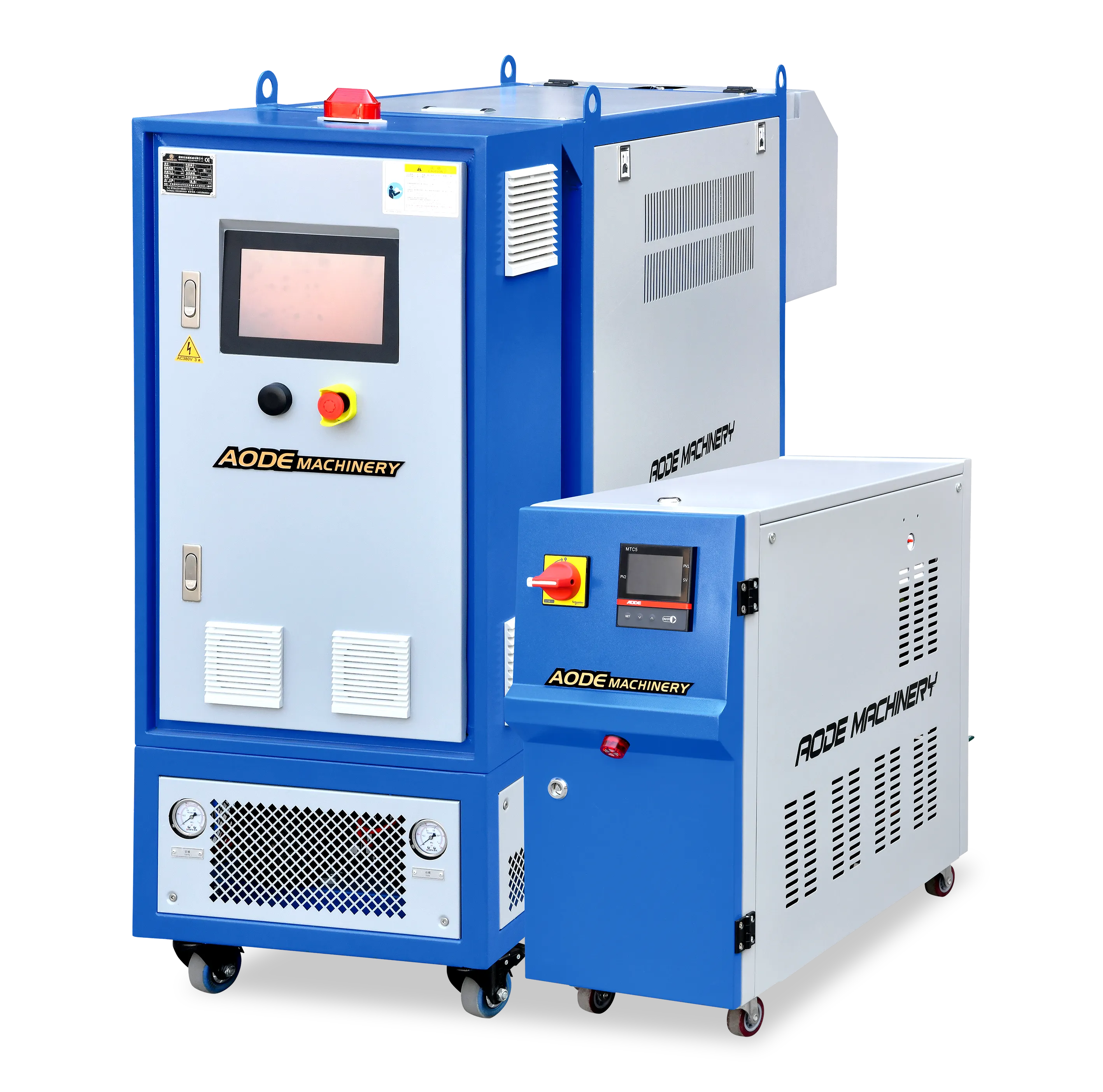
AODE's high-precision temperature control series features a dual-PID control configuration designed for demanding temperature regulation applications. This approach provides dedicated control capability for managing setpoint response and the effects of external disturbances, helping the system maintain more consistent thermal conditions.
Selected AODE high-precision models can achieve temperature control accuracy of up to ±0.1°C under specified operating conditions. This is a key consideration for manufacturers evaluating equipment for precision-sensitive processes. The actual result still depends on the model configuration, sensor measurement, circulation conditions, thermal load, and operating environment.
The important distinction is that high precision comes from the complete control design, not simply from adding a PID function. Control architecture, heating response, circulation performance, and the thermal characteristics of the application all contribute to the final result.
Integrated Heating and Cooling: Managing Different Process Stages
Not every industrial process requires heating alone. Some production stages need rapid heating, while others depend on controlled cooling before the next operating condition can begin.
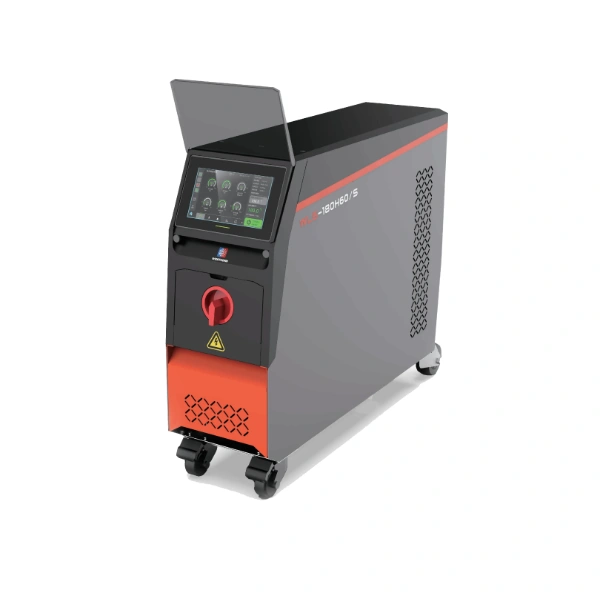
An integrated heating and cooling unit combines these functions within one temperature control system. Its control strategy needs to coordinate the relevant heating and cooling operations according to the process sequence, rather than treating them as unrelated functions.
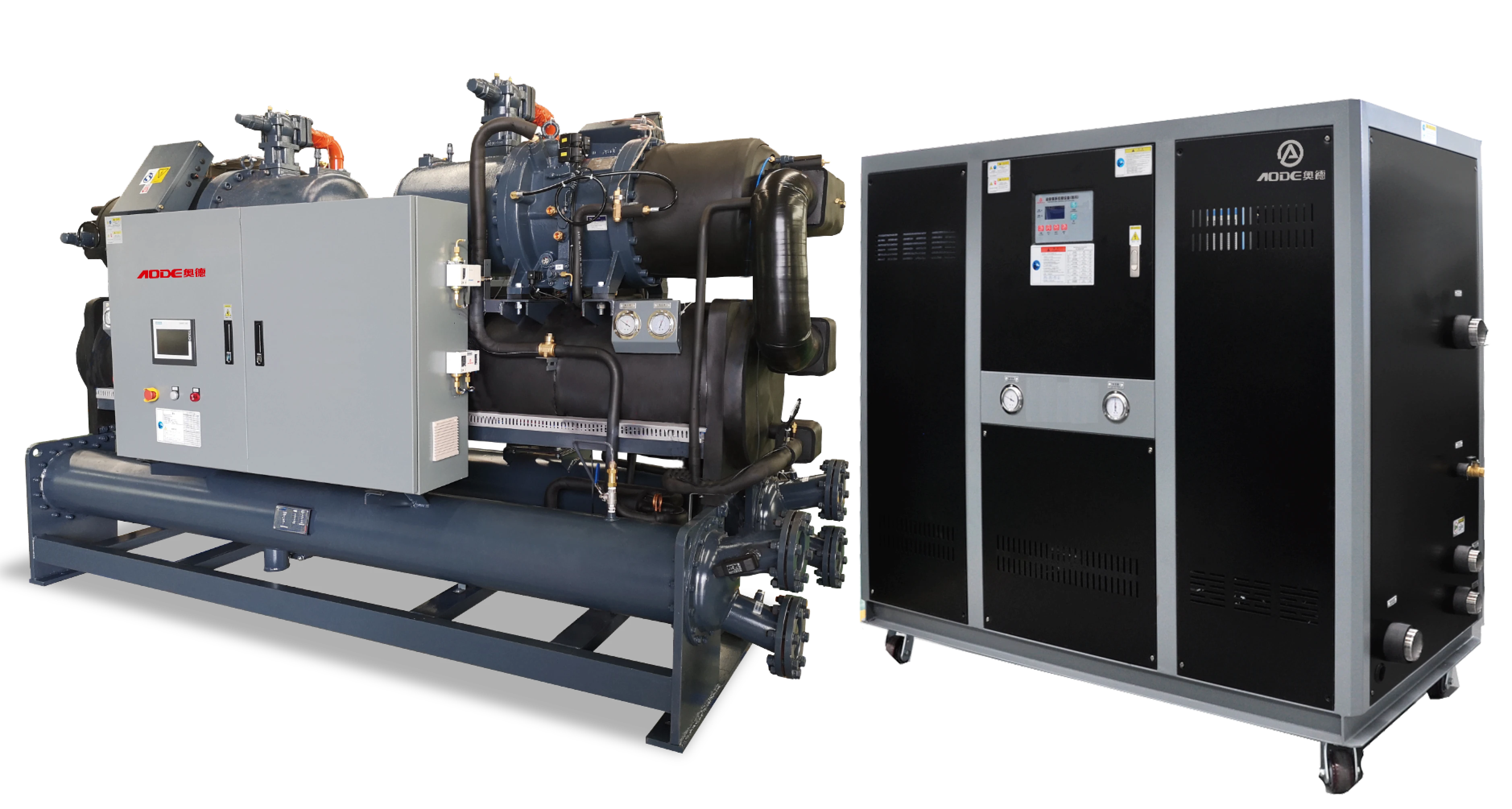
AODE's integrated heating and cooling solutions are designed for applications that require both temperature increase and temperature reduction. Depending on the process, the system configuration can be evaluated around the required temperature range, thermal load, circulation circuit, and changeover requirements.
For manufacturers, this type of solution can simplify the temperature control arrangement when both heating and cooling are essential to production.
What Determines the Actual Performance of a PID Temperature Control System?
A PID algorithm cannot compensate for every limitation in the equipment. Even a well-configured control loop may struggle if the sensor response is slow, the heater is undersized, or the circulating medium cannot transfer heat effectively.
| Performance Factor | Effect on Temperature Regulation |
|---|---|
| Temperature sensor | Measurement accuracy and response time influence feedback quality |
| PID tuning | Affects response speed, overshoot, and stability |
| Heating capacity | Determines how quickly the system can recover from heat demand |
| Pump flow and pressure | Influence circulation and heat transfer through the process circuit |
| Heat transfer medium | Affects operating temperature range and thermal behavior |
| Thermal load | Changes in mold size or production conditions can alter system response |
This is why selecting a PID temperature controller should involve more than checking its control mode. The equipment must be sized and configured for the actual thermal requirements of the process.
How to Choose the Right Temperature Control Method for Your Industrial Process?
Before comparing controller specifications, define what the production process needs to achieve. A suitable control method should support the required temperature range, stability, response time, and operating conditions.
Start with the Required Temperature Stability
The first consideration is how much temperature variation the process can tolerate. A basic heating application may operate satisfactorily with ON/OFF control, while a process that needs smoother output adjustment may require PI or PID control.
For precision applications, the evaluation should go further. Manufacturers need to consider the acceptable temperature deviation, the response to changes in thermal load, and whether the system can maintain stable conditions throughout the production cycle.
A tighter accuracy requirement may call for a specialized temperature control unit rather than simply upgrading the controller algorithm.
Match the Controller with the Complete Equipment Configuration
A temperature controller should be evaluated together with the equipment it operates. For a mold temperature control unit, this means reviewing the required operating temperature, heating power, pump flow, pressure, heat transfer medium, and mold circuit arrangement.
For example, a high-temperature oil application may require a different circulation and heating configuration from a standard water temperature control process. Similarly, a multi-circuit mold may need a more specific control arrangement than a single-circuit application.
AODE supports different temperature control configurations, including water and oil systems, high-precision units, and customized equipment. The appropriate solution depends on the process requirements rather than the controller type alone.
When Is a Customized Temperature Control System Necessary?
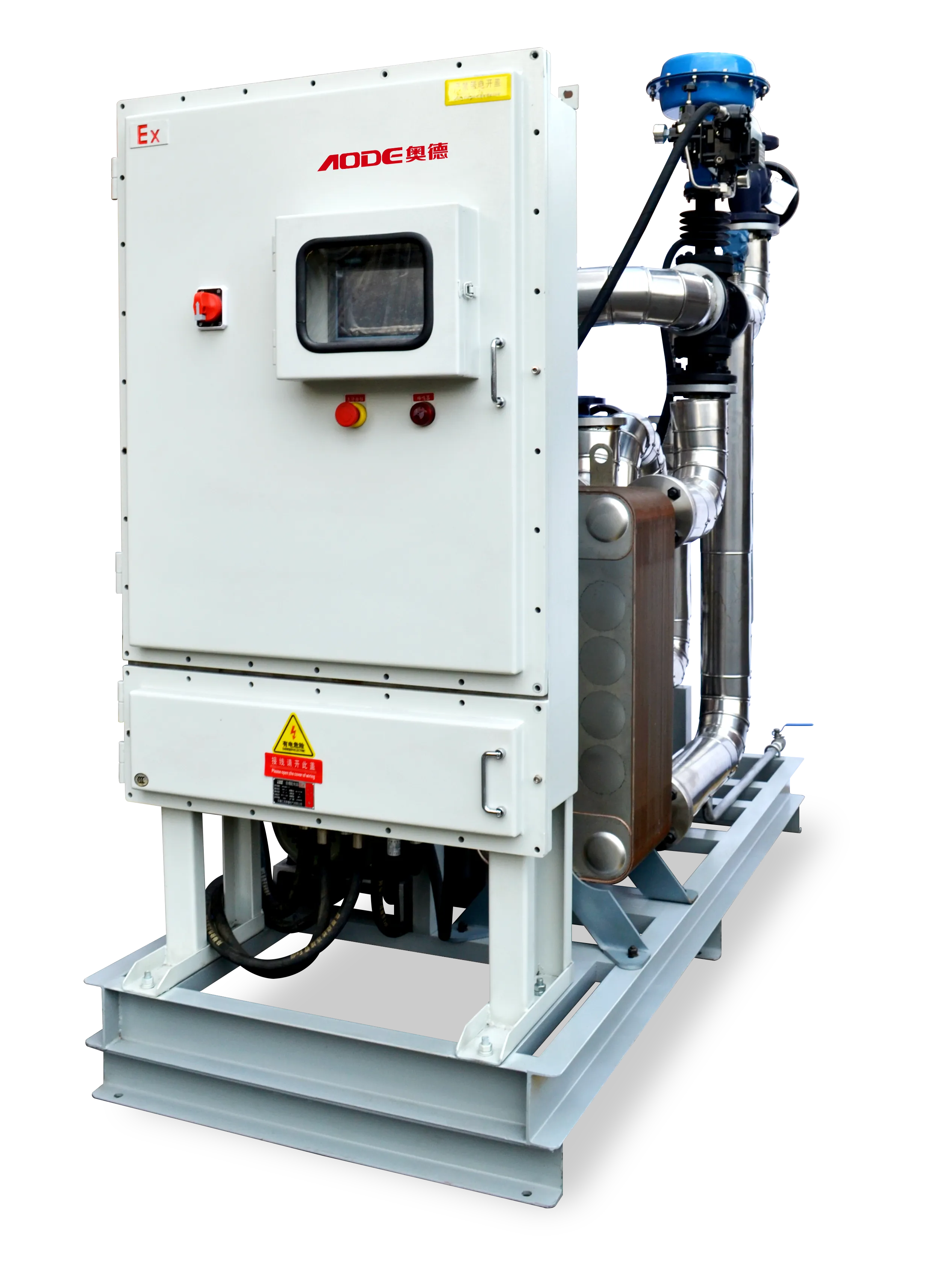
Standard temperature control units cover many common industrial applications. Customization becomes more relevant when the process involves unusual operating temperatures, multiple circuits, limited installation space, special connection requirements, or coordinated heating and cooling operations.
AODE provides equipment customization and temperature control system integration based on application requirements. The design can be evaluated around the required thermal range, heating capacity, circulation arrangement, control configuration, and production equipment interfaces.
For manufacturers planning a new production line or upgrading an existing process, discussing these conditions with the equipment manufacturer early can help avoid selecting a unit that meets the nominal temperature requirement but cannot support the actual production load.
Frequently Asked Questions
Is Every Temperature Controller a PID Controller?
No. A temperature controller may use ON/OFF, proportional, PI, or PID control. PID is one control method that can be integrated into a temperature regulation system.
Can a PID Controller Control Temperature?
Yes. PID is commonly used to regulate temperature by comparing the measured process value with the target temperature and adjusting the control output accordingly.
Is PID Better Than ON/OFF Temperature Control?
It depends on the process. ON/OFF control can be suitable for basic applications, while PID offers more adjustable feedback control. The right choice depends on temperature stability requirements, thermal response, and equipment design.
What Is the Difference Between a PI and PID Temperature Controller?
PI control combines proportional and integral actions to regulate temperature and reduce steady-state error. PID adds derivative action, which responds to the rate of change in the process signal. Not every thermal process requires the additional derivative term.
Does a PID Temperature Controller Guarantee ±0.1°C Accuracy?
No. PID control alone does not guarantee a specific temperature accuracy. Actual performance depends on the sensor, control configuration, heating and cooling capacity, circulation conditions, thermal load, and equipment design. A ±0.1°C specification should always be checked against the relevant equipment model and operating conditions.
Conclusion
A PID controller is a control method, while a temperature controller is the equipment or system responsible for regulating temperature. Although PID is widely used in industrial temperature control, the algorithm alone does not determine the final performance.
For manufacturers, the more important consideration is how the controller, sensors, heating components, circulation system, and heat transfer medium work together. A well-matched system can support stable production conditions more effectively than selecting a controller based on its PID label alone.
AODE provides water and oil temperature control units, high-precision temperature control equipment with dual-PID control, integrated heating and cooling systems, and customized industrial temperature control solutions. Contact our team to discuss your operating temperature, thermal load, and process requirements.
References
The following technical resources support the explanations of temperature controller functions, PID control, ON/OFF switching, and dual-PID operation.
OMRON – Overview of Temperature Controllers https://www.ia.omron.com/support/guide/53/introduction.html Covers temperature control system configuration, ON/OFF control, proportional action, integral action, derivative action, PID, and two-PID control.
International Society of Automation (ISA) – Fundamentals of PID Control https://www.isa.org/intech-home/2023/june-2023/features/fundamentals-pid-control Explains the role of proportional, integral, and derivative actions in industrial closed-loop control, including considerations related to derivative action and measurement noise.
OMRON – Explanation of Temperature Controller Terms https://www.ia.omron.com/support/guide/53/explanation_of_terms.html Provides technical explanations of control terminology, including hysteresis and temperature controller functions.
WIKA – Temperature Controller FAQ and Technical Information https://www.wika.com/en-us/faq.WIKA Provides explanations of PID control, setpoints, temperature fluctuations, overshoot, and hysteresis.
 Back to List
Table of Contents
×
CONTACT US
Cookie Policy
We use cookies and other tracking technologies online. Please read our Cookie Policy, which is part of this Cookie Policy , and is incorporated herein by reference.

loading...