

fajsdfjash ddsa dsa as sa sad sda sadfjsadjfl jsadjk fjasdlkfjaskdfdklsaj klf
jsadj
asjdklj falsdjf
jaklj
Advantages
Why Choose AODE as Your Mold Temperature Controller Manufacturer
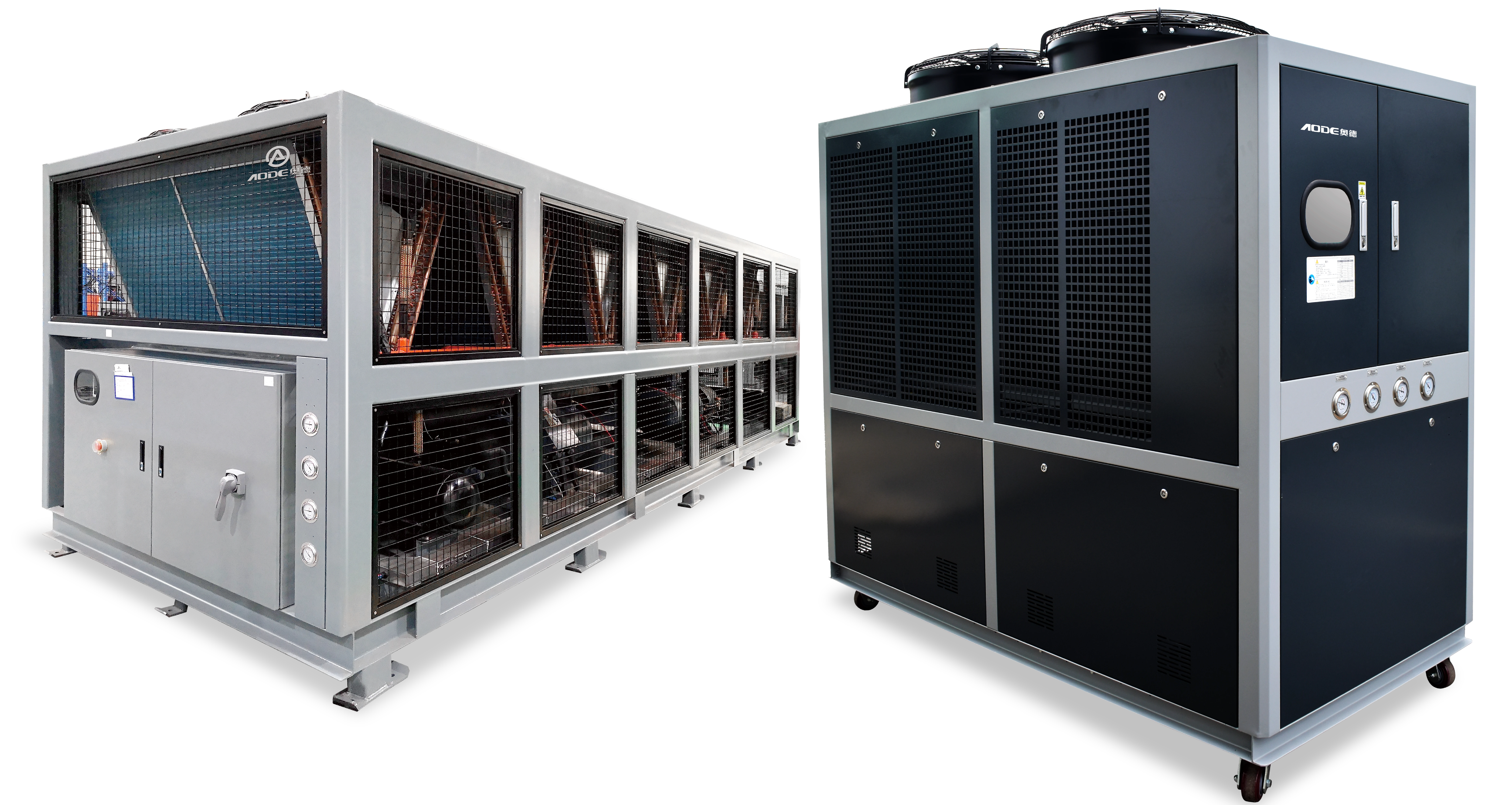
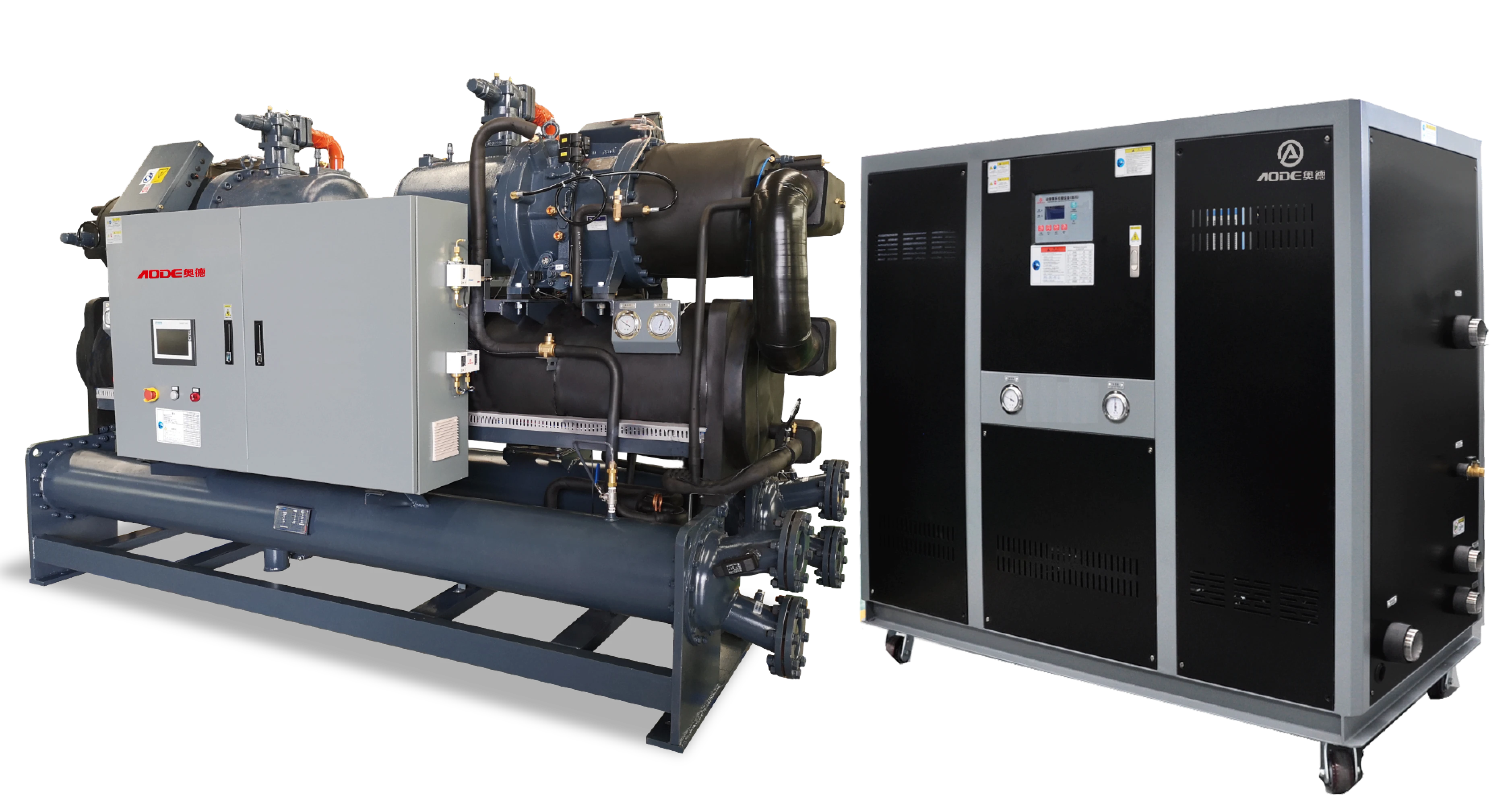
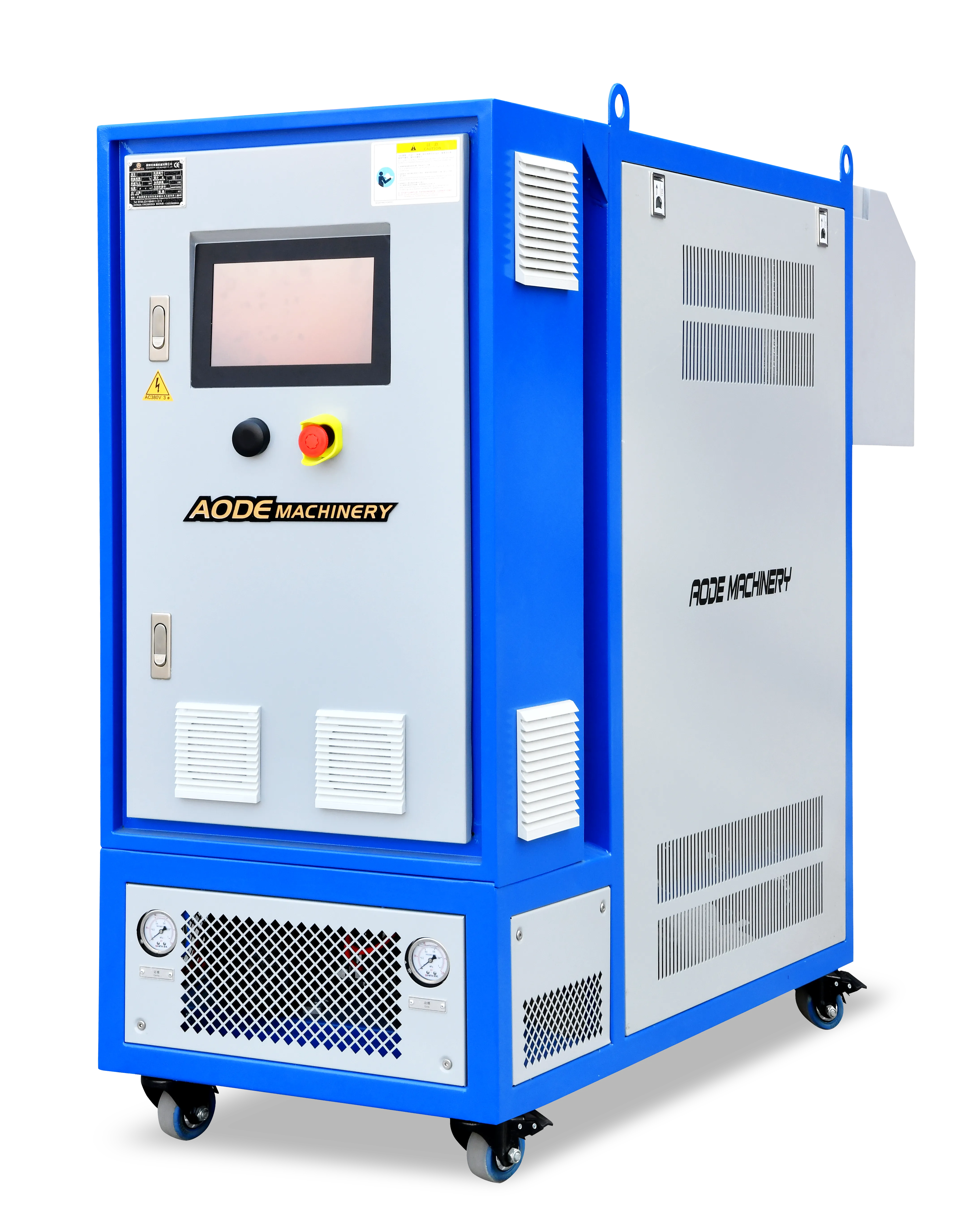
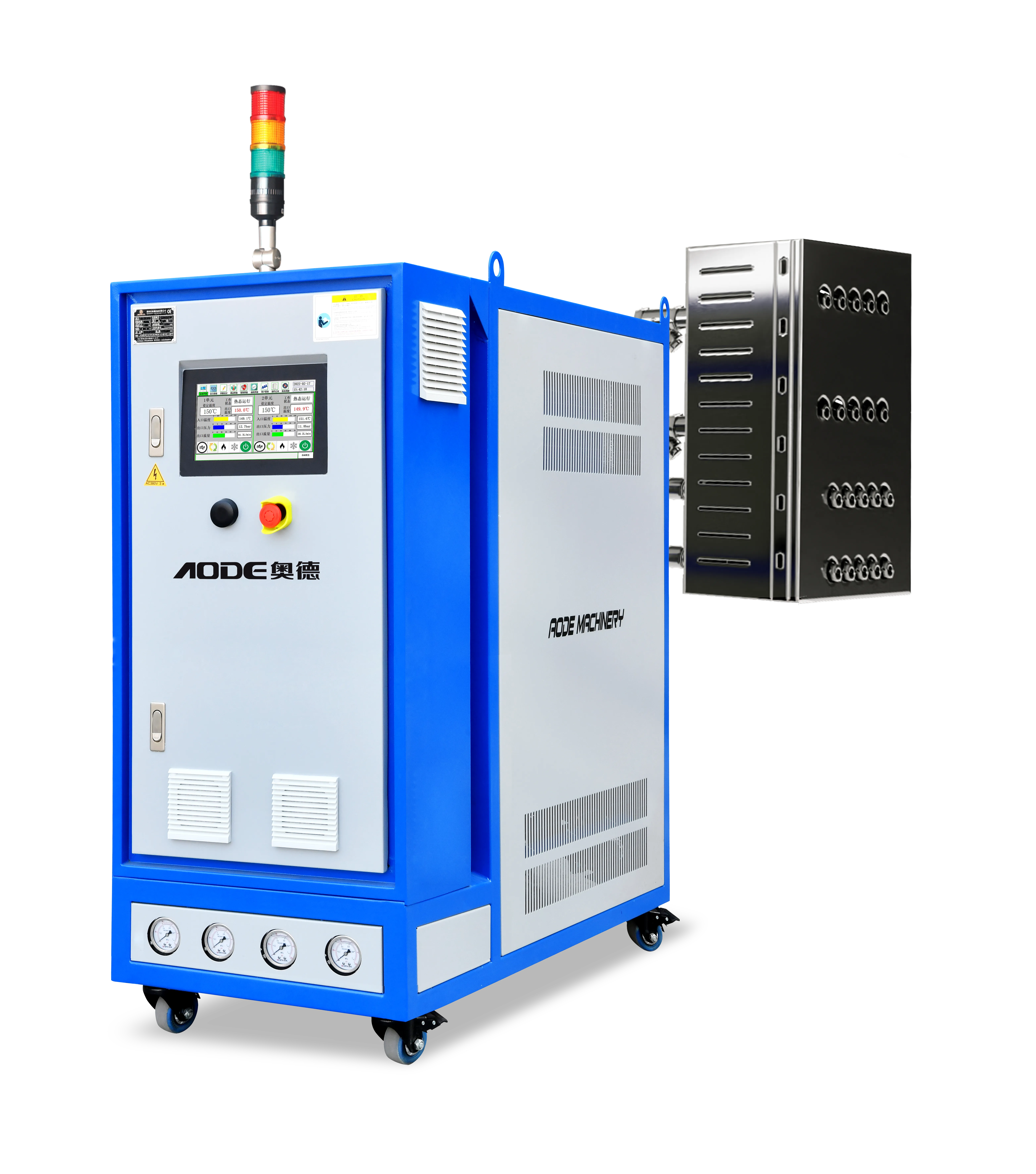
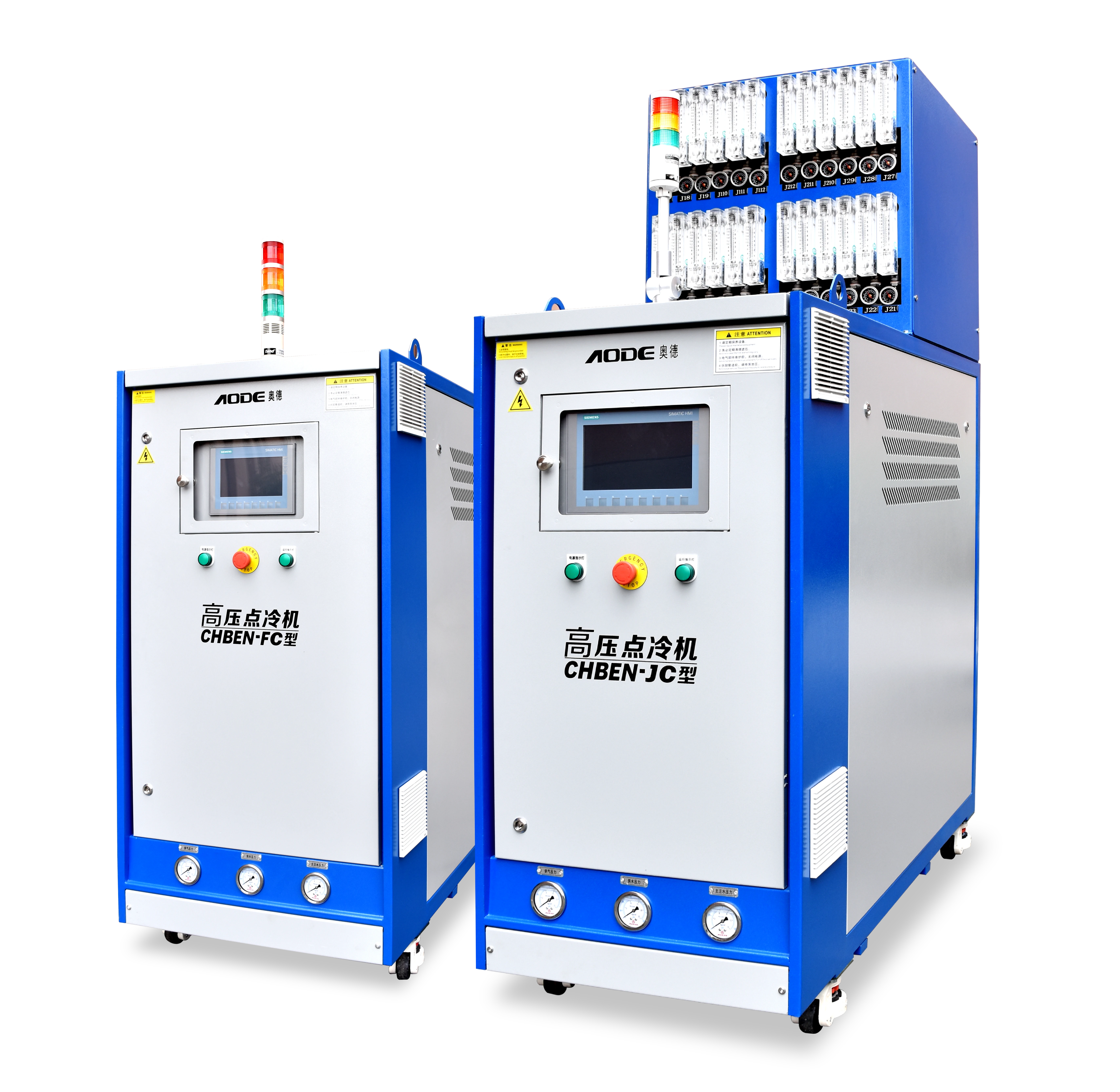
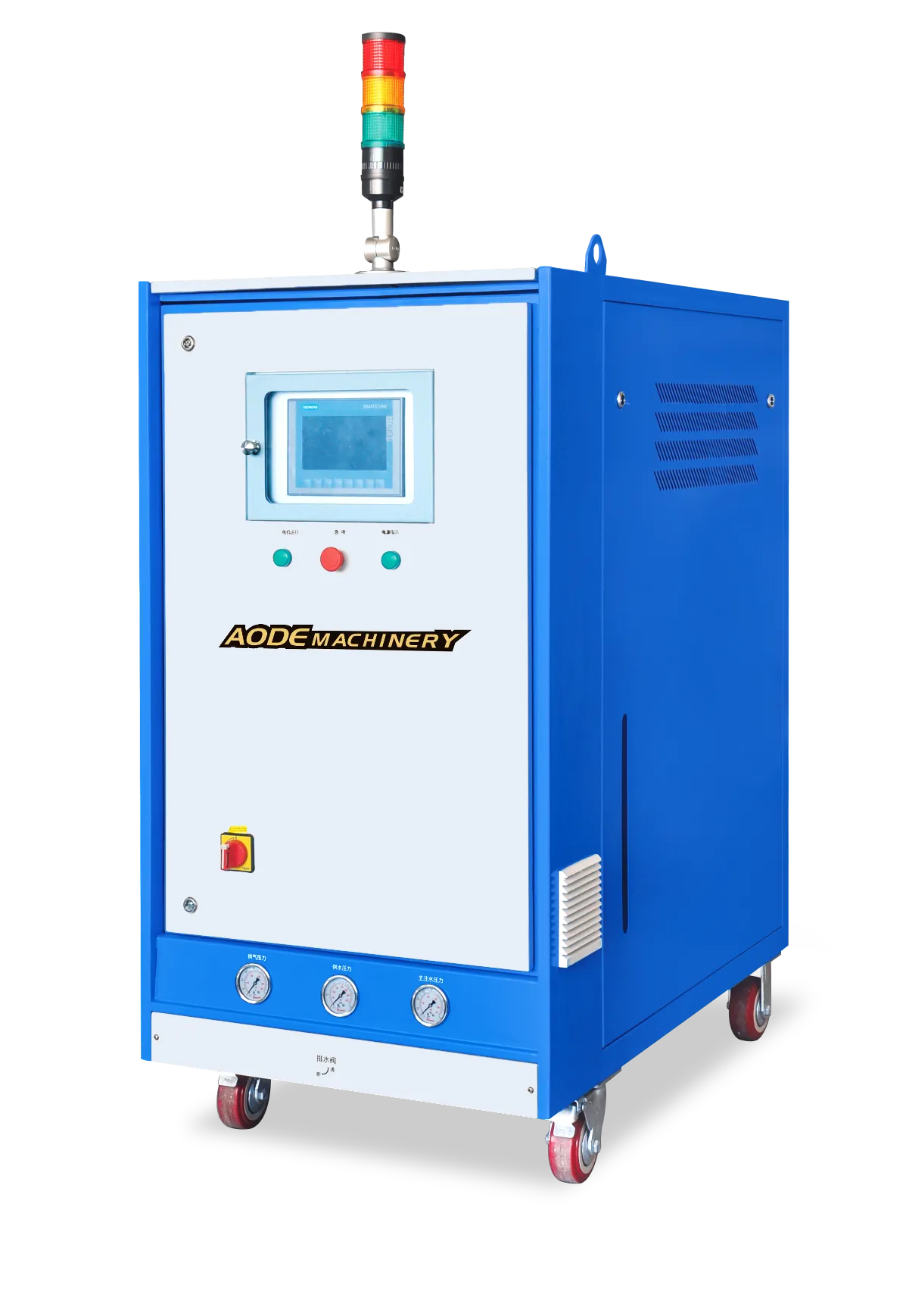
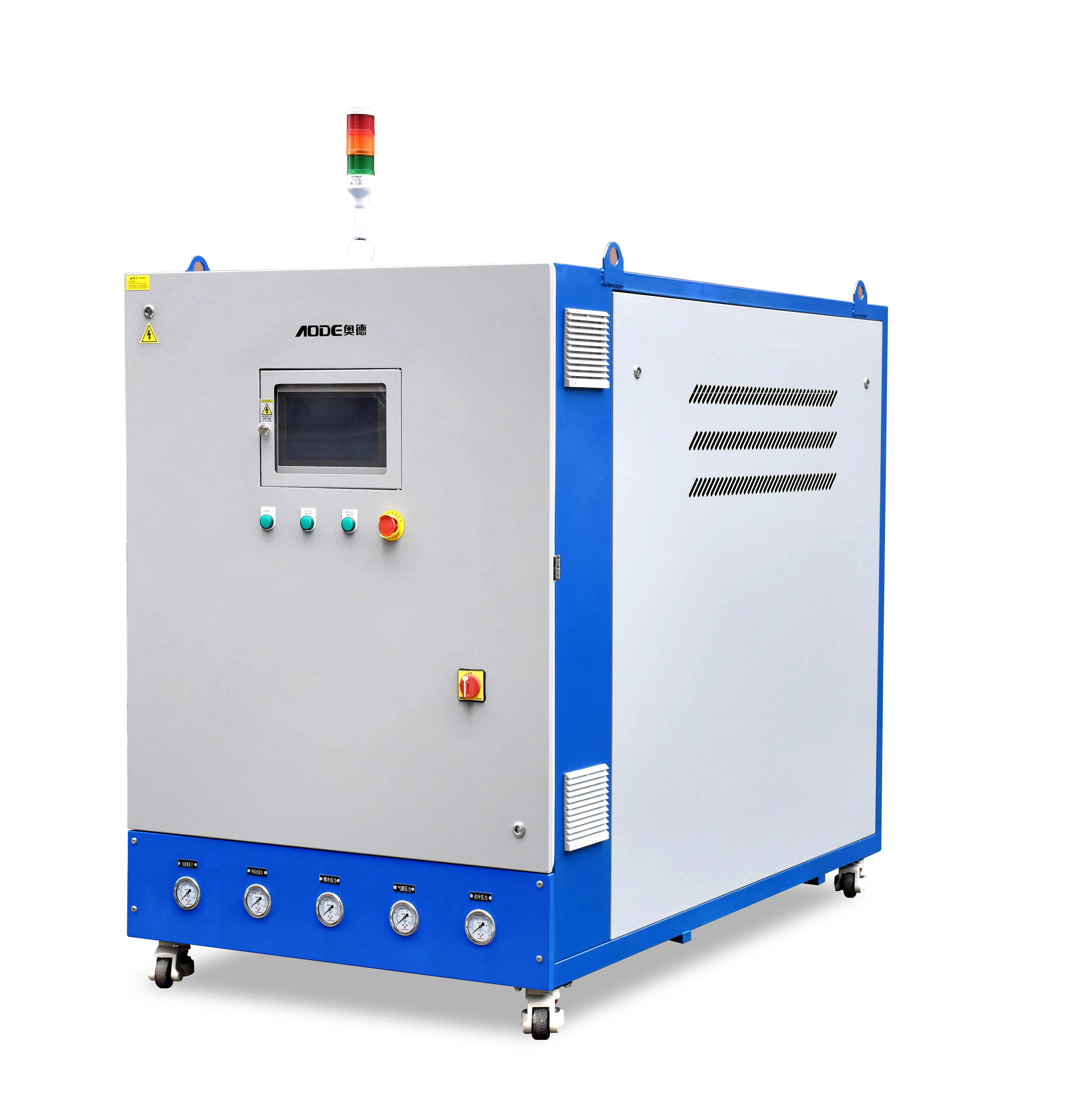
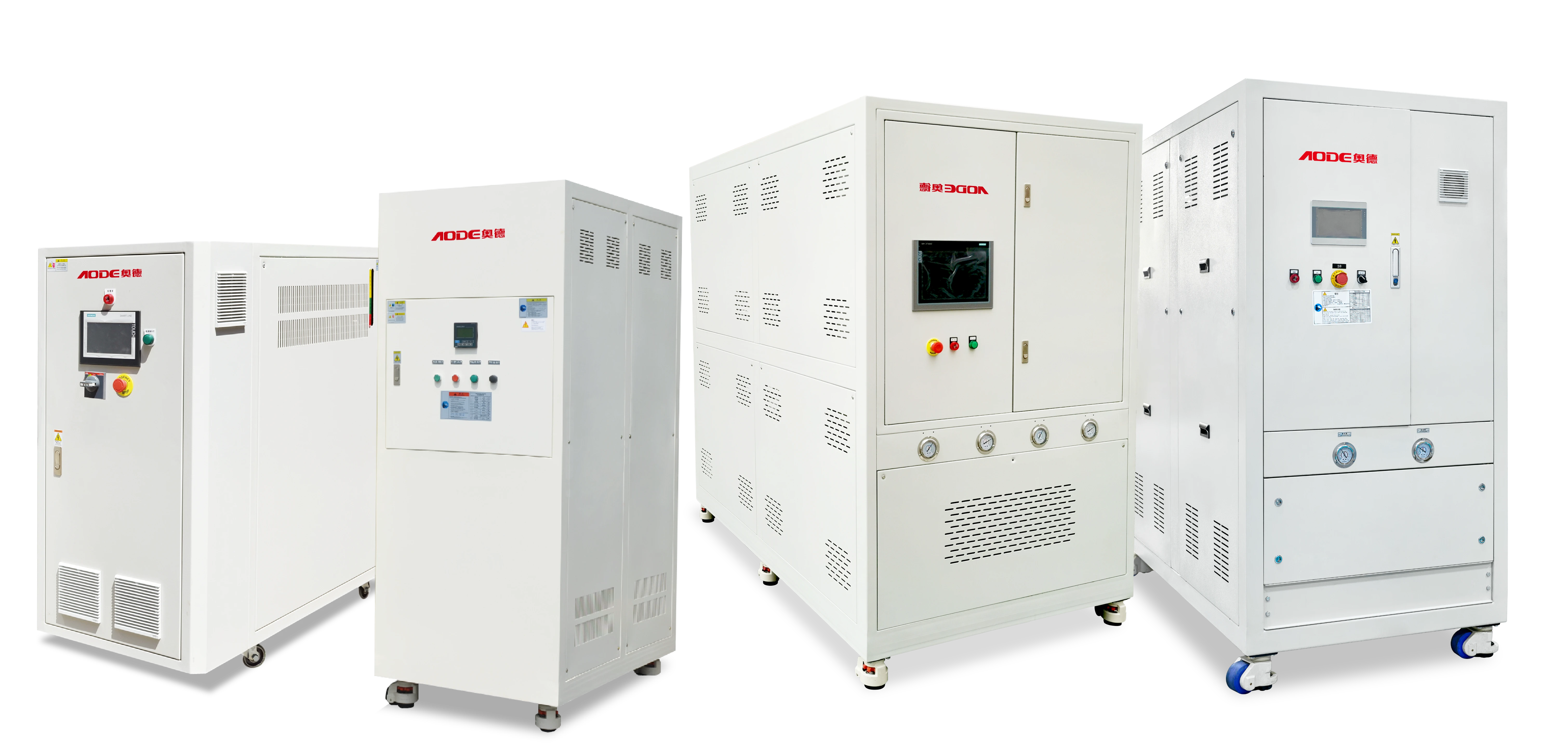
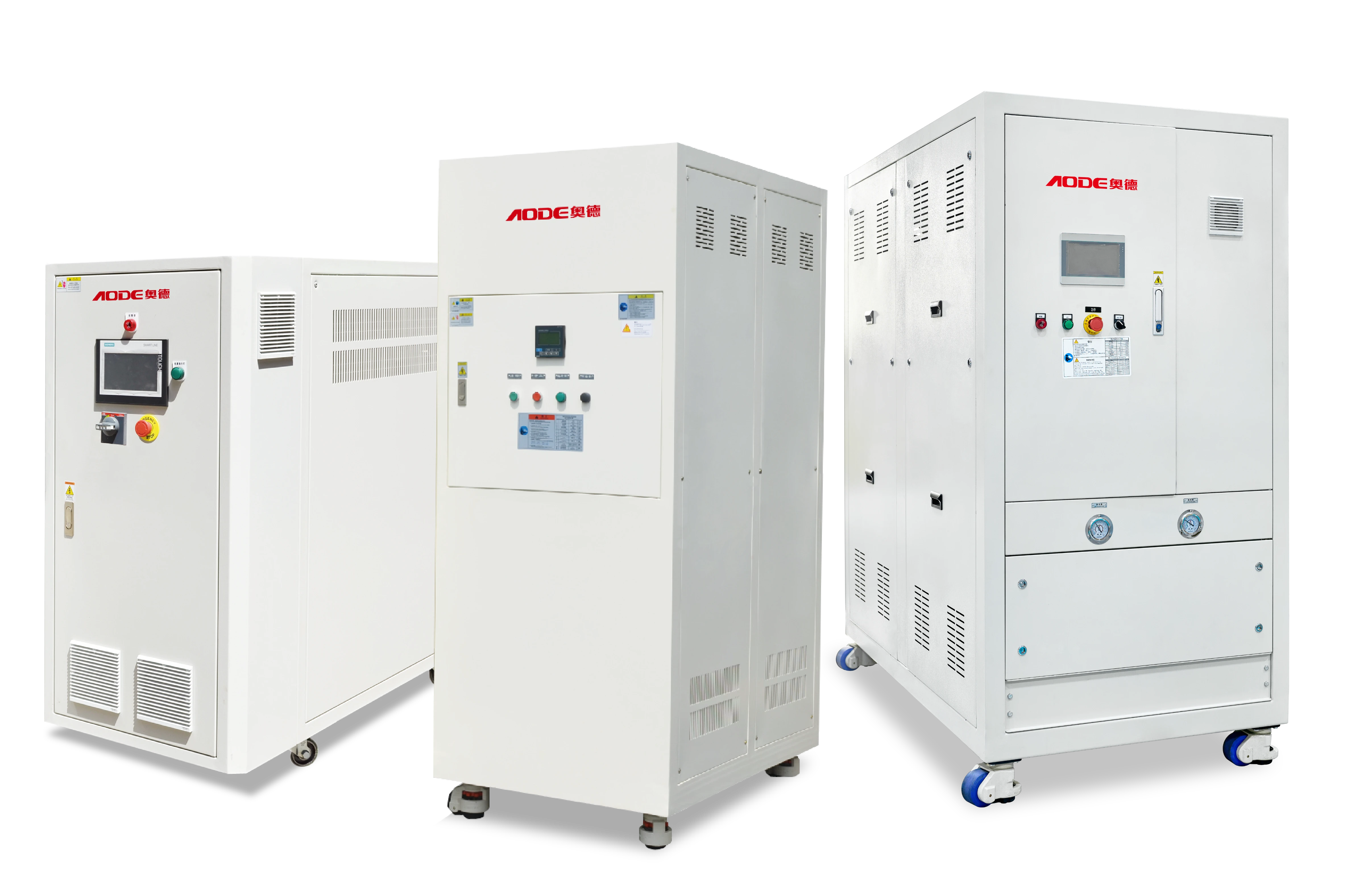
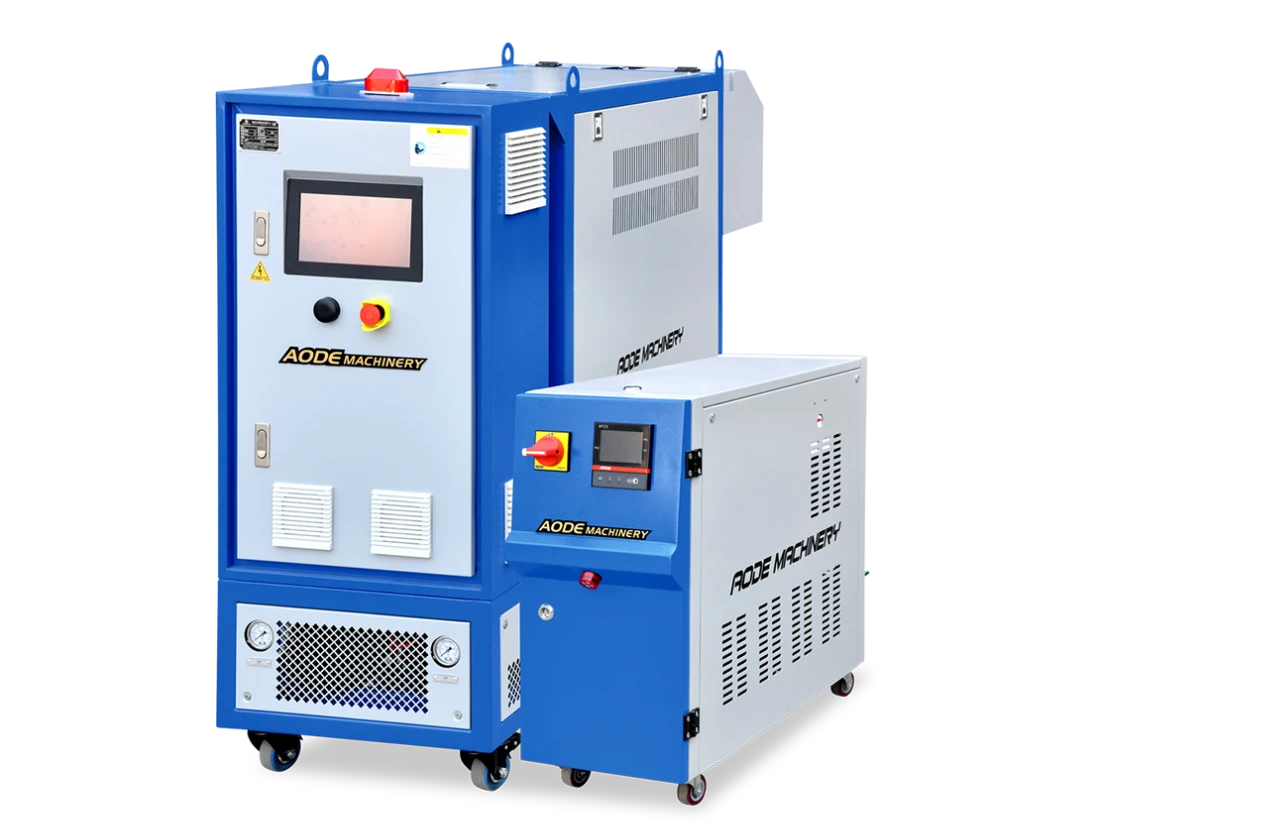
As a professional mold temperature controller manufacturer, AODE provides a comprehensive range of mold temperature controller solutions, including oil temperature control units, water temperature control units, 200℃ high-temperature water temperature control units, 320℃ die casting mould temperature controllers, rapid heating and cooling temperature control units, and 400℃ ultra-high-temperature oil temperature control units. These temperature control units are widely used in chemical processing, pharmaceuticals, new energy vehicle die casting, energy storage, 5G materials, semiconductors, aerospace, automotive parts, optical lenses, rubber, injection molding, packaging, and composite material processing industries.
Return oil/water temperature display, Automatic exhaust.
Heating power switch, By-pass pressure release circuit.
Temperature control range;+45℃~400℃(oil) +45℃~180℃(water).
Control mode: imported microcomputer or PLC (optional).
Electric components: SIEMENS、Weidmuller, ABB, LS, OMRON.
Safety protection: fault display, easy repair and maintenance.
Explosion-proof,Blowing back oil/water (optional).
RS485 communication(optional).
Product
Temperature Control Units
High Precision Temperature Controller
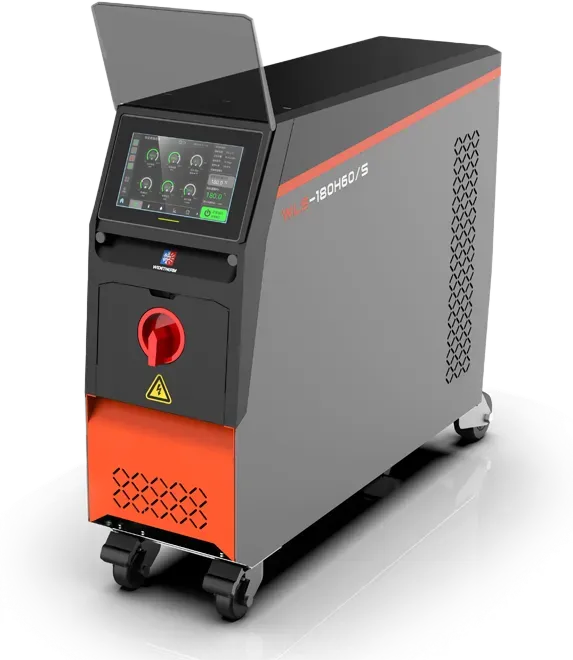
Smart IoT with built-in sensors monitors flow, pressure and temperature, while real-time diagnostics for getting fine controlled.
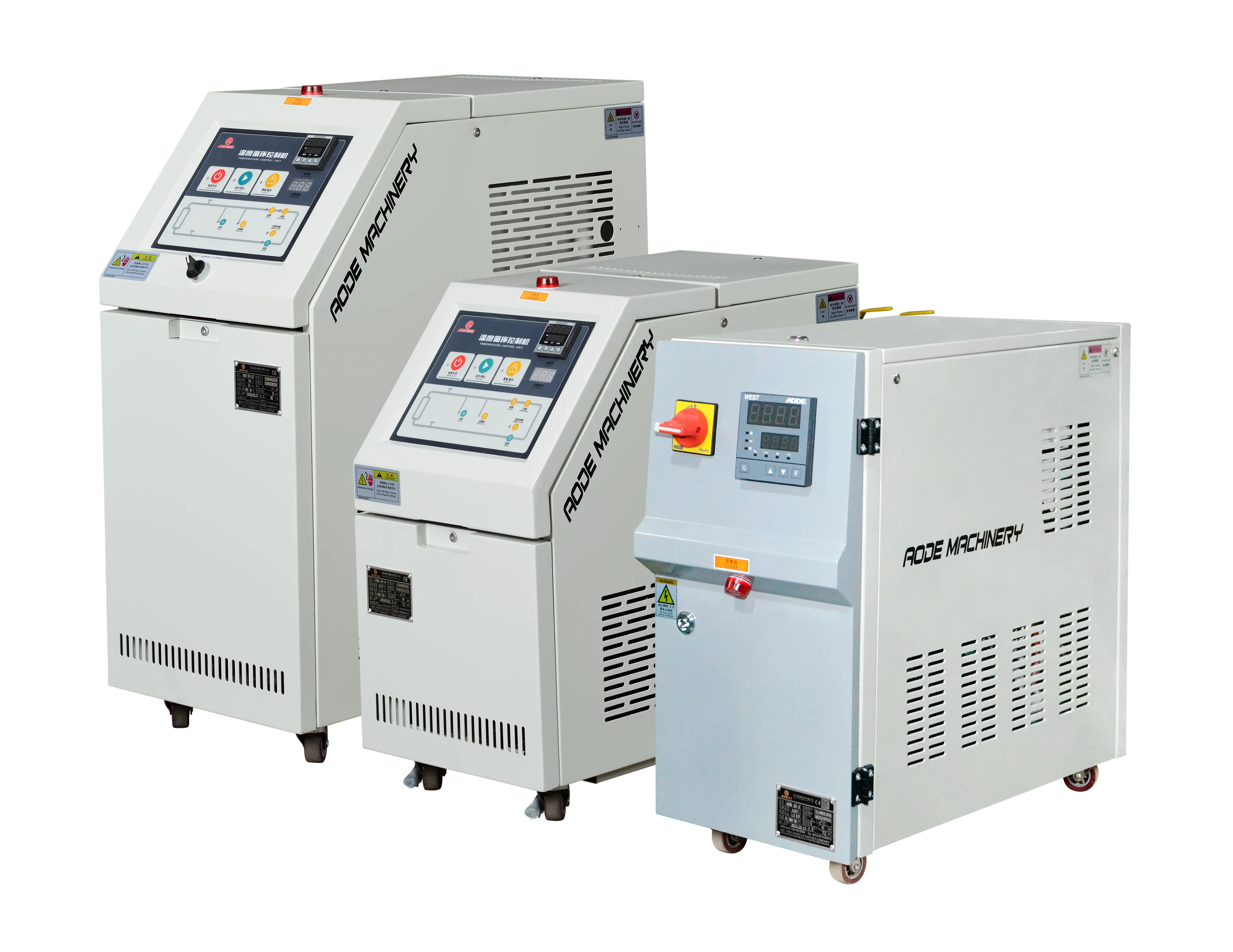
Water Temperature Control Unit
Precise, steady control for mainstream molding—clean water loops, fast ramp/soak, and easy maintenance.
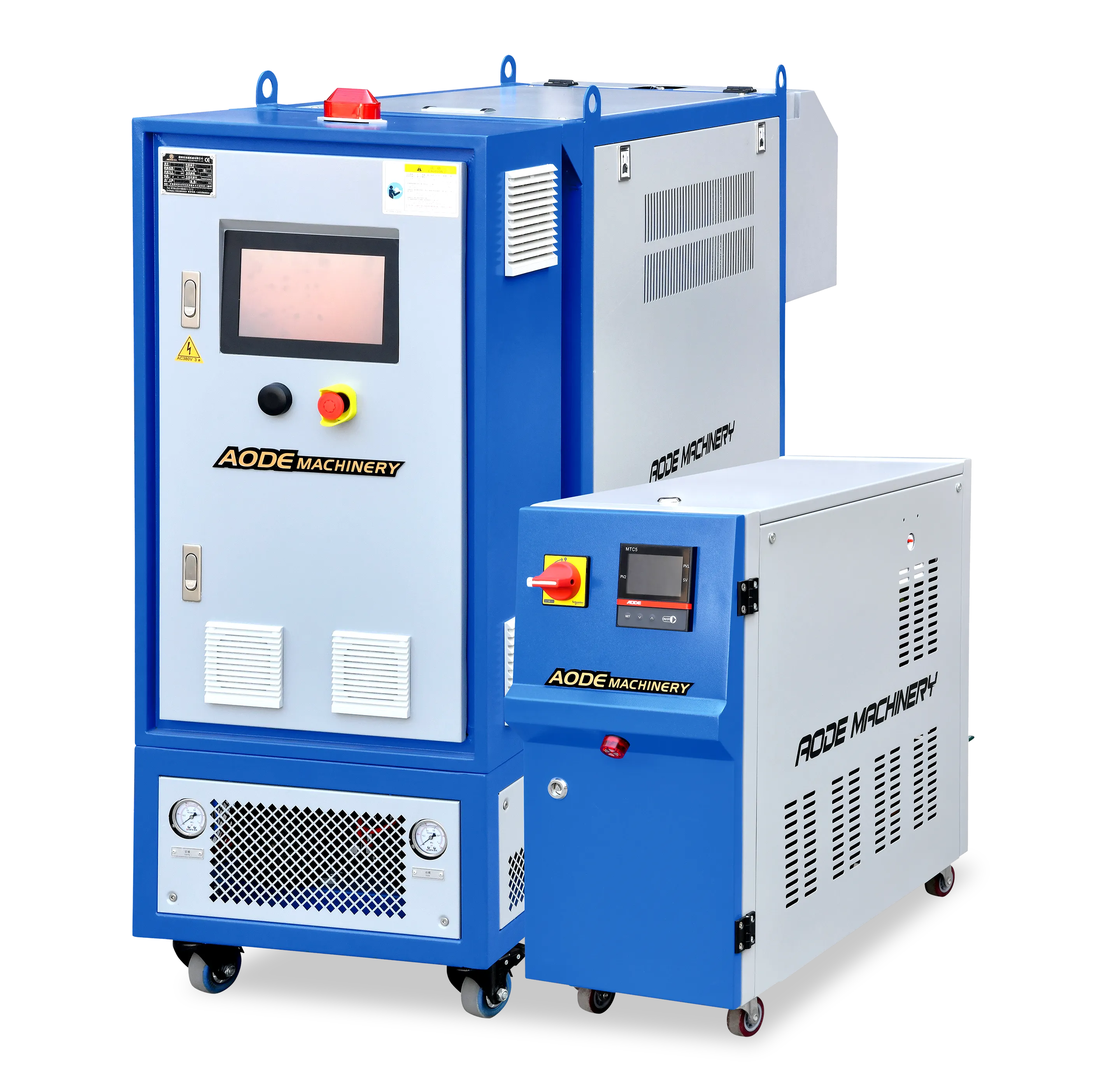
Oil Temperature Control Unit
Specialized mold temperature controller for die-casting industry with rapid heating and precise thermal stability.
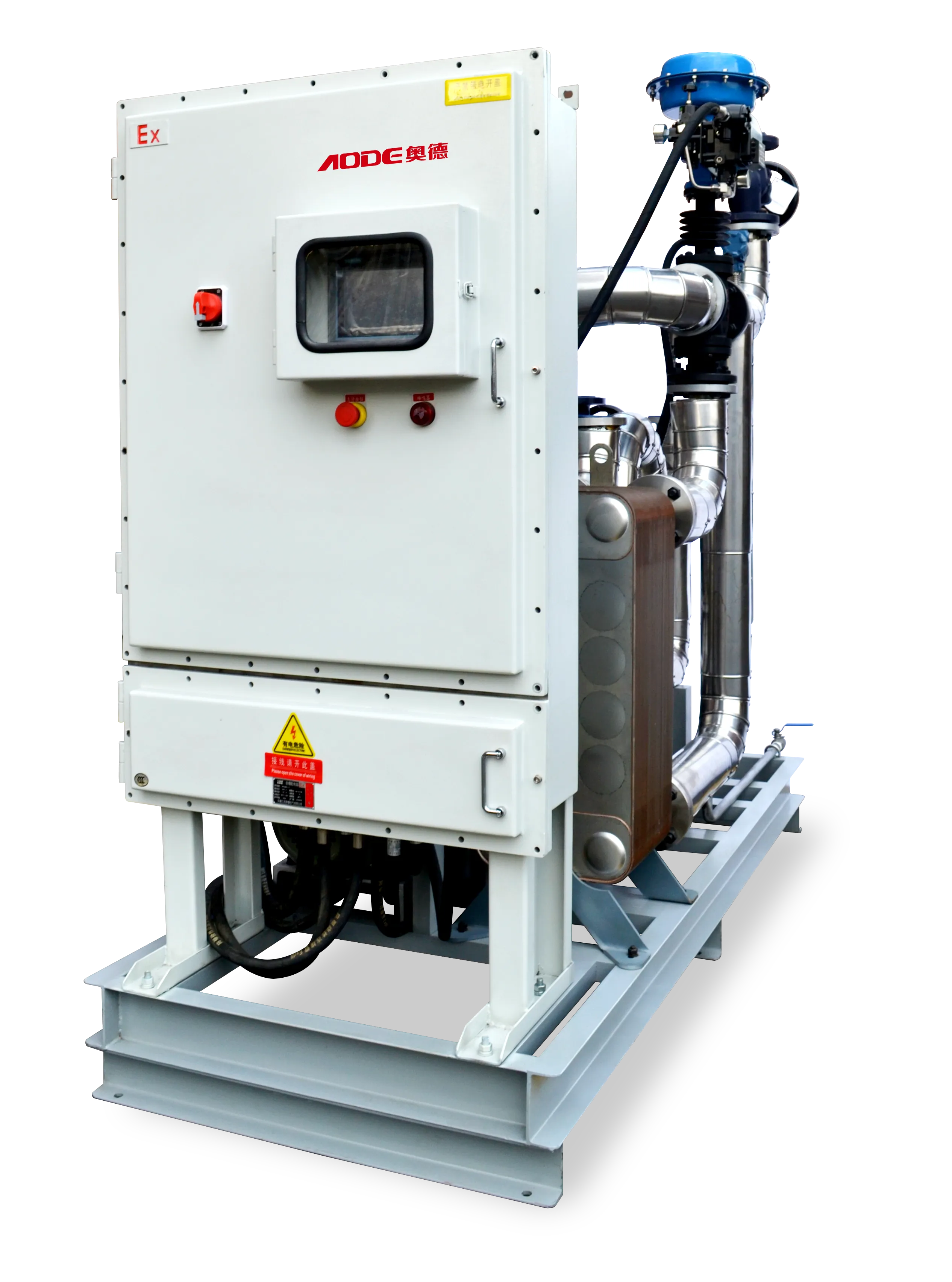
Temperature Control Unit
The AODE TCU temperature control system utilizes the client's primary cooling/heating utilities to supply the secondary TCU system, which then precisely controls the process temperature, ensuring only one heat transfer medium circulates within the reactor jacket.
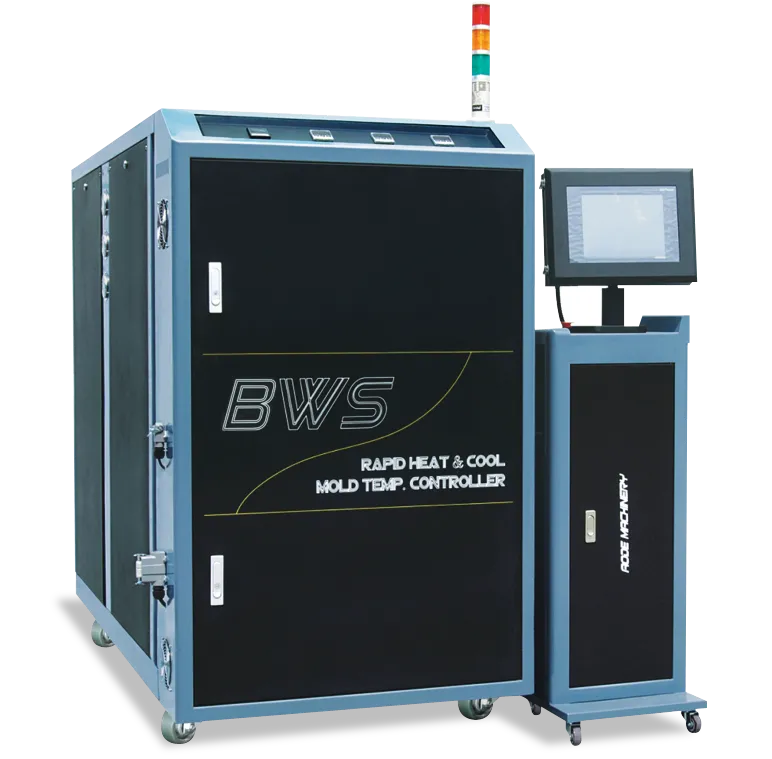
Rapid Heating Cooling Equipment
Designed for high-precision molding, this unit rapidly heats and cools molds to eliminate defects like weld lines, improve surface finish, and shorten cycle times. Ideal for automotive lenses, high-gloss parts, and electronics housings.
Solutions | Case Study
Discover Our Industrial Temperature Controller
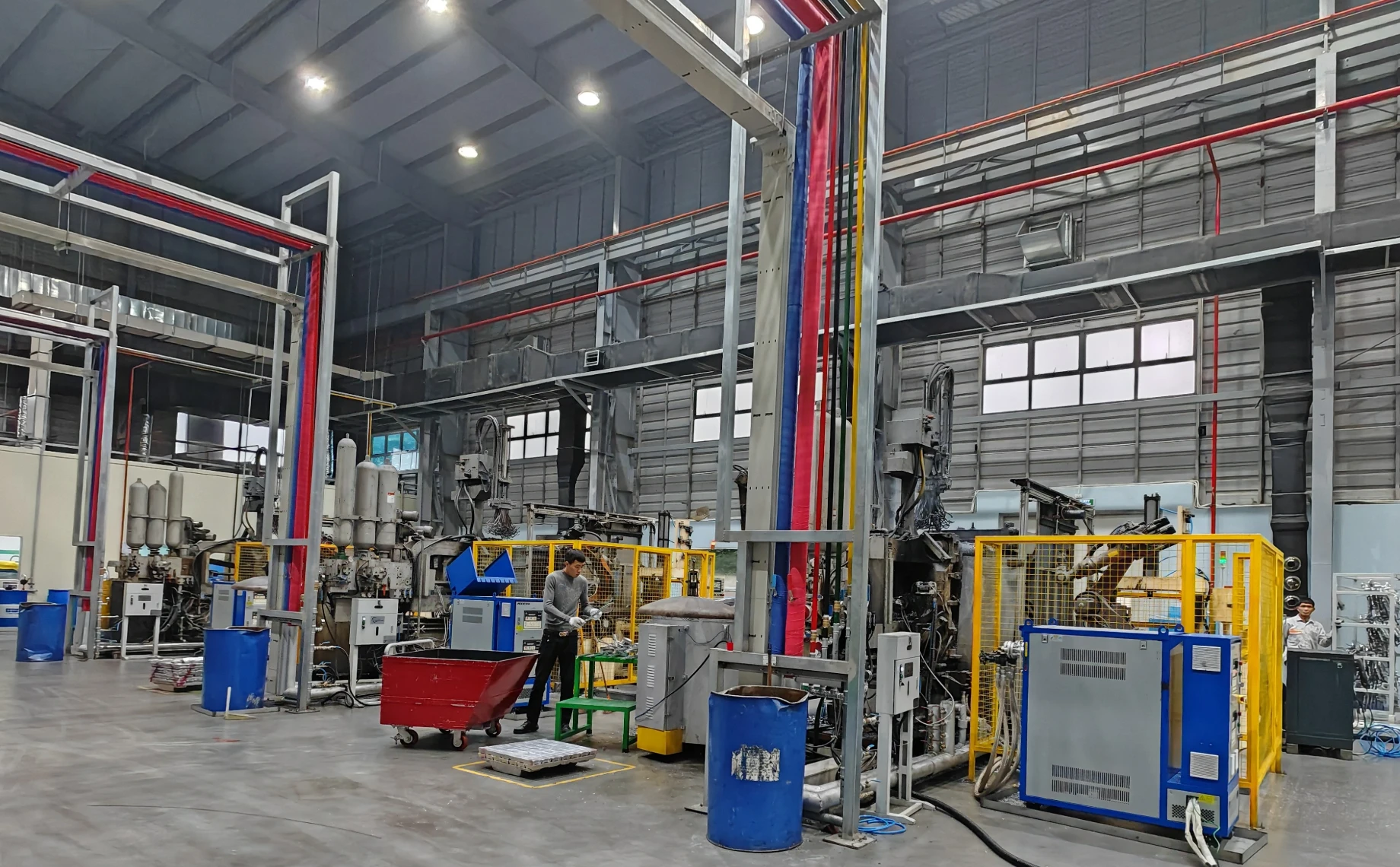
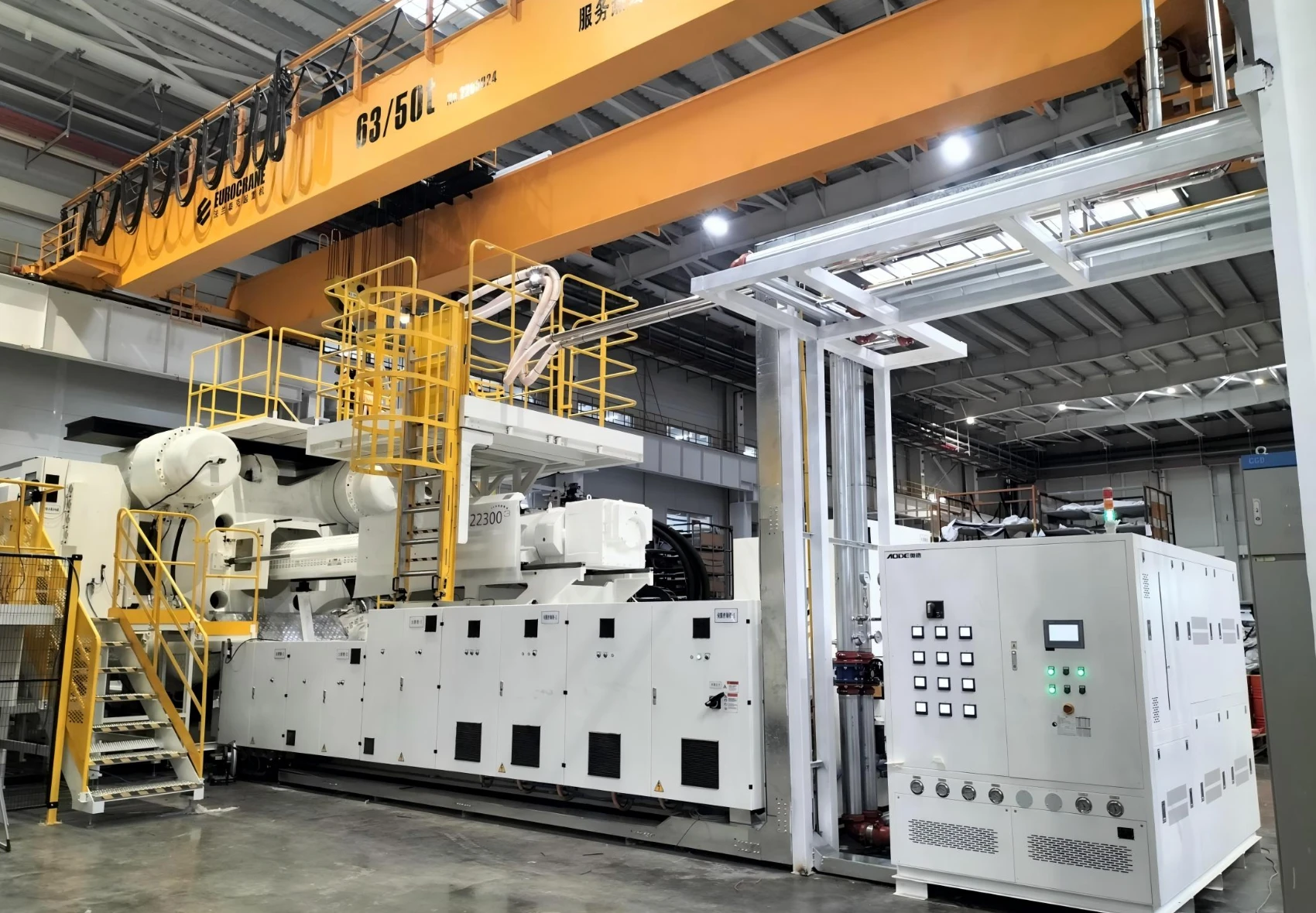
Die Casting Industry
Injection Molding Industry
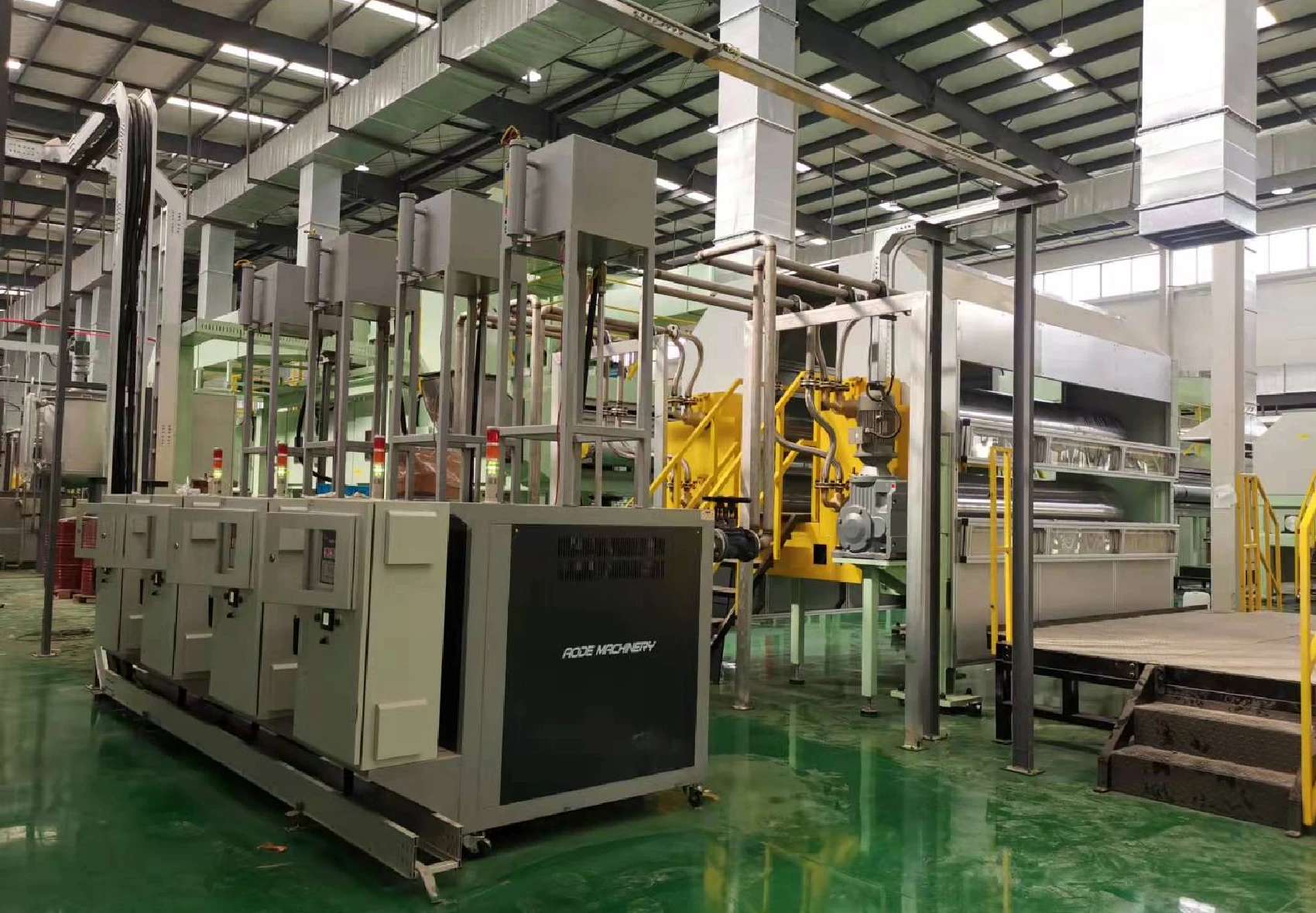
Film Industry
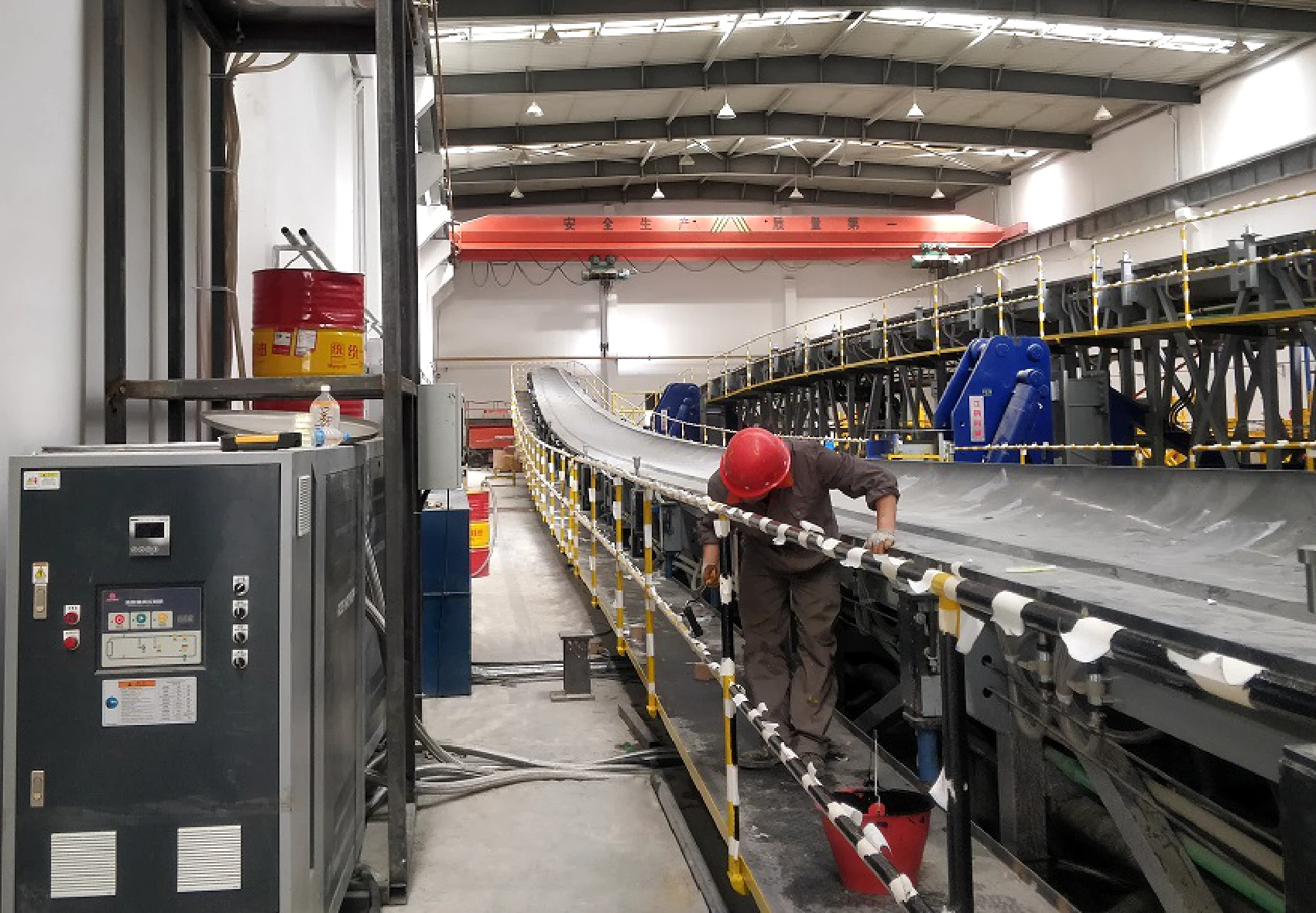
Composite Material Industry
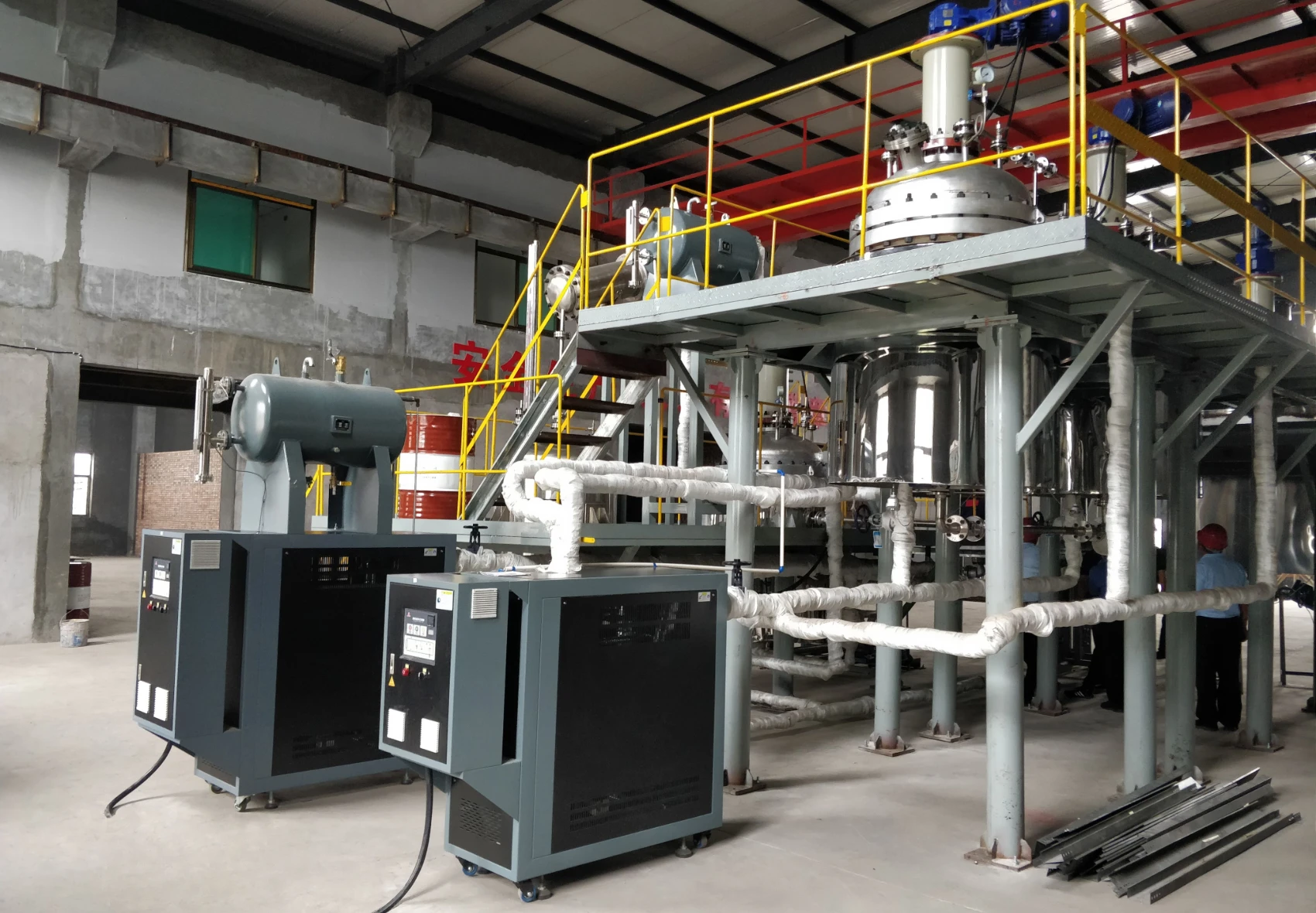
Pharmaceuticals Industry
EV Components Test
Rubber Industry
Semiconductors
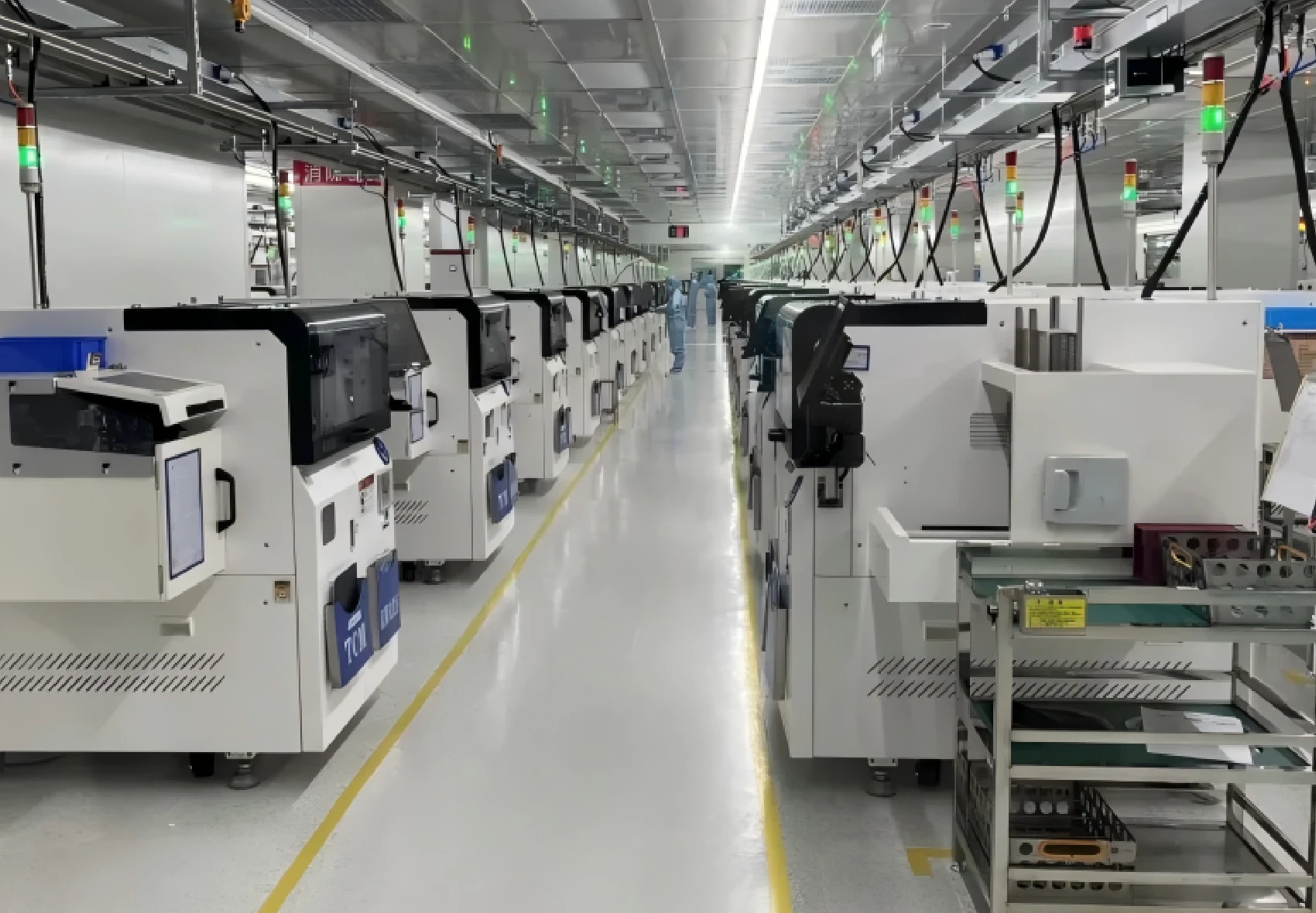
Very low fluctuation and clean circulation for packaging tools; multi channel temperature controllers support precise control for complex thermal zones with TCU configurations.
Mould Temperature Controller FAQs
How to choose the right mould temperature controller / mold temperature controller?
When selecting a suitable mould temperature controller or mold temperature controller, the choice between a water temperature control unit (Water TCU) and an oil temperature control unit (Oil TCU) mainly depends on two factors: temperature requirements and workshop conditions. A Water TCU heats up quickly, with a temperature range from 25°C to 200°C, and has relatively low environmental impact. On the other hand, an Oil TCU can withstand higher temperatures, reaching 45°C to 320°C, but the thermal oil often needs to be replaced, which increases operating costs. Considering these two points can essentially determine the right choice of temperature control unit for your production needs.
What is the difference between a water temperature control unit and oil temperature control unit?
The primary differences between an oil temperature control unit and a water temperature control unit lie in two areas: Heat transfer medium: An Oil TCU uses oil, whereas a Water TCU uses water. Temperature range: Water temperature control units generally operate between 25°C and 180°C, reaching up to 200°C, while oil temperature control units operate between 45°C and 320°C, reaching up to 400°C. These differences in heat medium and operating temperature define the main distinctions between water temperature control units and oil temperature control units.
How often should thermal oil in an oil temperature control unit be replaced?
The thermal oil in an Oil TCU should typically be replaced every 6 to 12 months. The replacement frequency depends mainly on two factors: working temperature and usage frequency. For industries requiring high temperatures where the thermal oil is maintained around 200°C, it is generally recommended to replace the oil every year to prevent carbonization, which would reduce heat transfer efficiency. For high-temperature applications with lower equipment usage, oil replacement can be delayed appropriately. If the thermal oil is contaminated or accidentally mixed with water, immediate replacement is necessary to maintain the mold temperature controller working principle and ensure stable performance.
What is the main function of a mould temperature controller / mold temperature controller?
The primary function of a mould temperature controller or mold temperature controller is to stabilize and precisely control the temperature of molds in industrial production. These temperature control units are now widely used in injection molding, die casting, rubber processing, and chemical industries. Mold temperature stability directly affects molding efficiency and product quality. By maintaining proper mold temperatures, the production cycle is shortened, cooling time is reduced, and overall efficiency is improved. In industrial production, mould temperature controllers are essential equipment.
How to maintain a mould temperature controller / mold temperature controller?
Proper maintenance can greatly extend the life of temperature control units: 1.Regularly clean the equipment surface, filters, and fluid tanks to prevent heat dissipation issues or blockages. 2.Check and replace contaminated heat transfer mediums promptly to maintain efficient thermal performance. 3.Inspect electrical components, heating tubes, and circulation pumps periodically to prevent malfunctions. 4.Monitor system pressure and pipeline sealing to ensure safe operation. Systematic maintenance reduces unexpected downtime, maintains precise temperature control, and improves production efficiency.
Why can mould temperature controllers heat above 300°C?
A mold temperature controller or Oil TCU can safely heat above 300°C primarily because it uses high-temperature resistant thermal oil as the heat transfer medium. This medium has low saturated vapor pressure at high temperatures, allowing stable operation under relatively low pressure. Additionally, the equipment is equipped with high-efficiency stainless steel heating tubes, which improve heating efficiency and durability. The PID automatic temperature control system allows precise adjustment and maintenance of the target temperature. Multiple safety measures—including over-temperature protection, pressure monitoring, reverse-flow protection, and heating anomaly detection—ensure safe operation under high-temperature conditions. These technological integrations allow mould temperature controllers and temperature control units to reliably meet high-temperature processing requirements in injection molding, die casting, and other industrial applications.
Can mould temperature control reduce defects and cycle time?
Yes. Stable mould temperature control helps maintain more uniform heating and cooling during each production cycle. This can reduce temperature-related problems such as warpage, uneven shrinkage, surface defects, and inconsistent dimensions. In suitable processes, more stable thermal conditions can also support shorter and more repeatable cycle times.
Why are pump flow and pressure important in a temperature control unit?
Pump flow and pressure determine how effectively a temperature control unit circulates water or oil through the process circuit. Insufficient flow can create uneven heat transfer and temperature differences across the mold, while insufficient pressure may reduce circulation through long or restrictive channels. The pump should therefore be matched to the actual circuit resistance and process requirements.
What temperature control accuracy is needed for precision molding?
The required temperature control accuracy depends on product tolerance, material behavior, mold structure, and process stability requirements. Precision applications such as optical parts, connectors, and other dimension-sensitive components generally require tighter temperature control. AODE high-precision systems can achieve up to ±0.1°C control accuracy for demanding processes.
How do I size a mould temperature controller?
A mould temperature controller should be sized according to the target temperature, mold heat load, heating time, cooling demand, and circulation resistance. Heater capacity determines how quickly the system reaches the required temperature, while pump flow and head affect heat-transfer stability. For large molds or multi-circuit systems, stronger circulation may be required to maintain uniform temperatures.

Contact Us
Get Your Temperature Control Solution
Tell us about your process, and our engineers will size the right mould temperature controller.
Share basic details and we'll return a tailored proposal and timeline within one business day.