

fajsdfjash ddsa dsa as sa sad sda sadfjsadjfl jsadjk fjasdlkfjaskdfdklsaj klf
jsadj
asjdklj falsdjf
jaklj
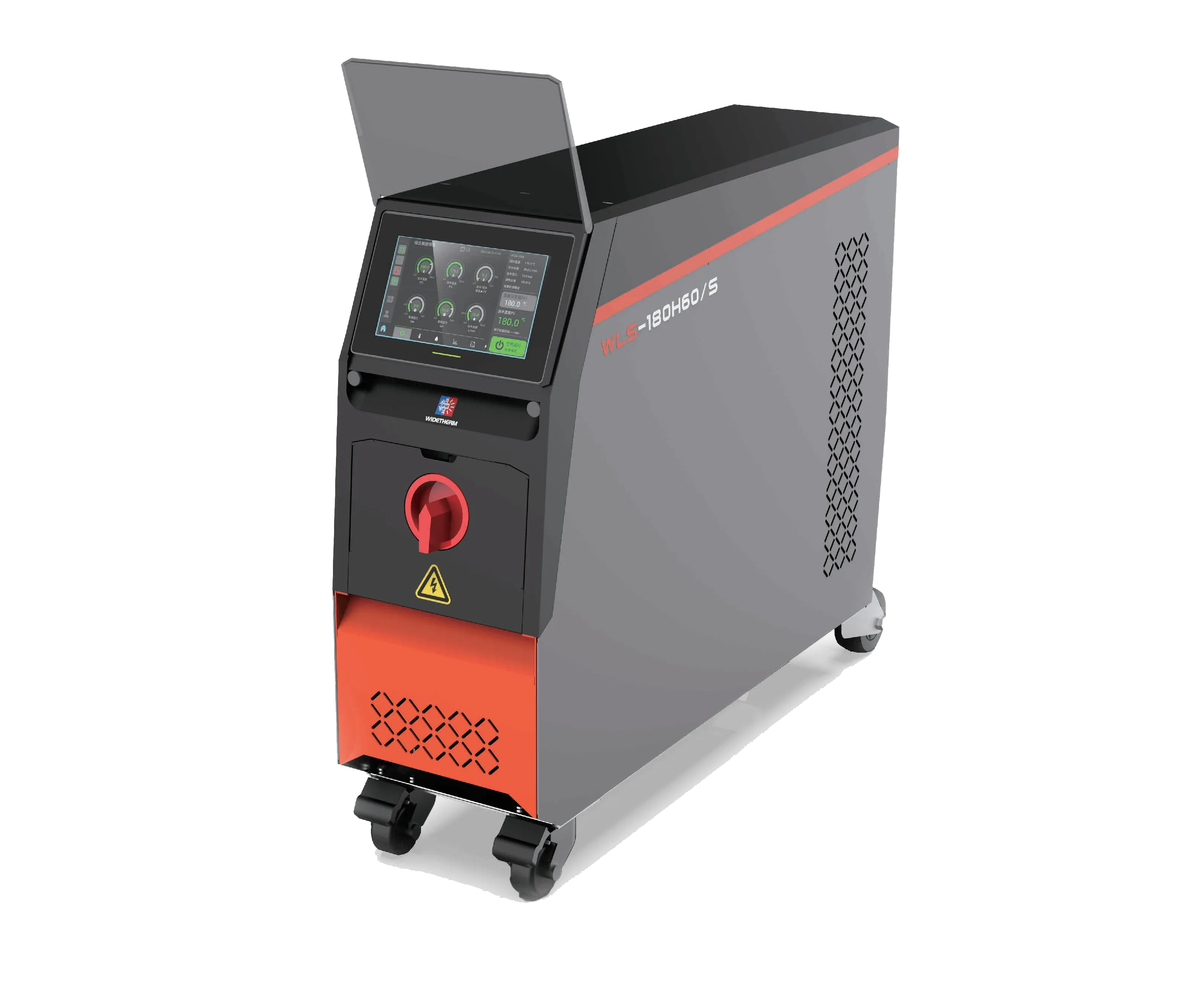
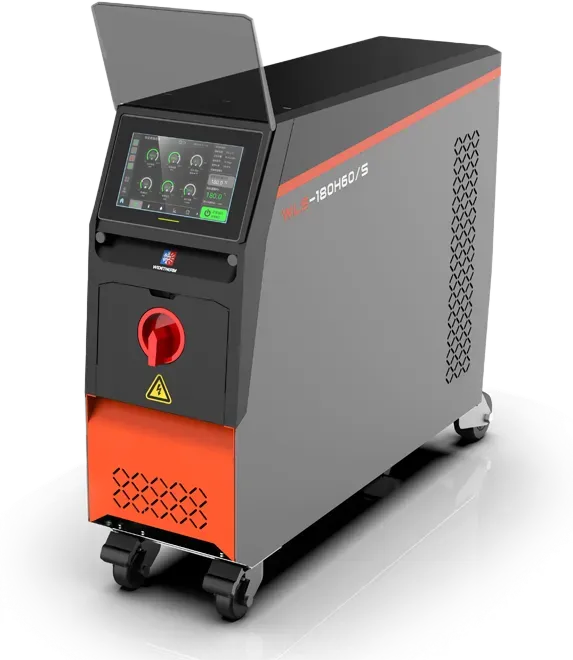
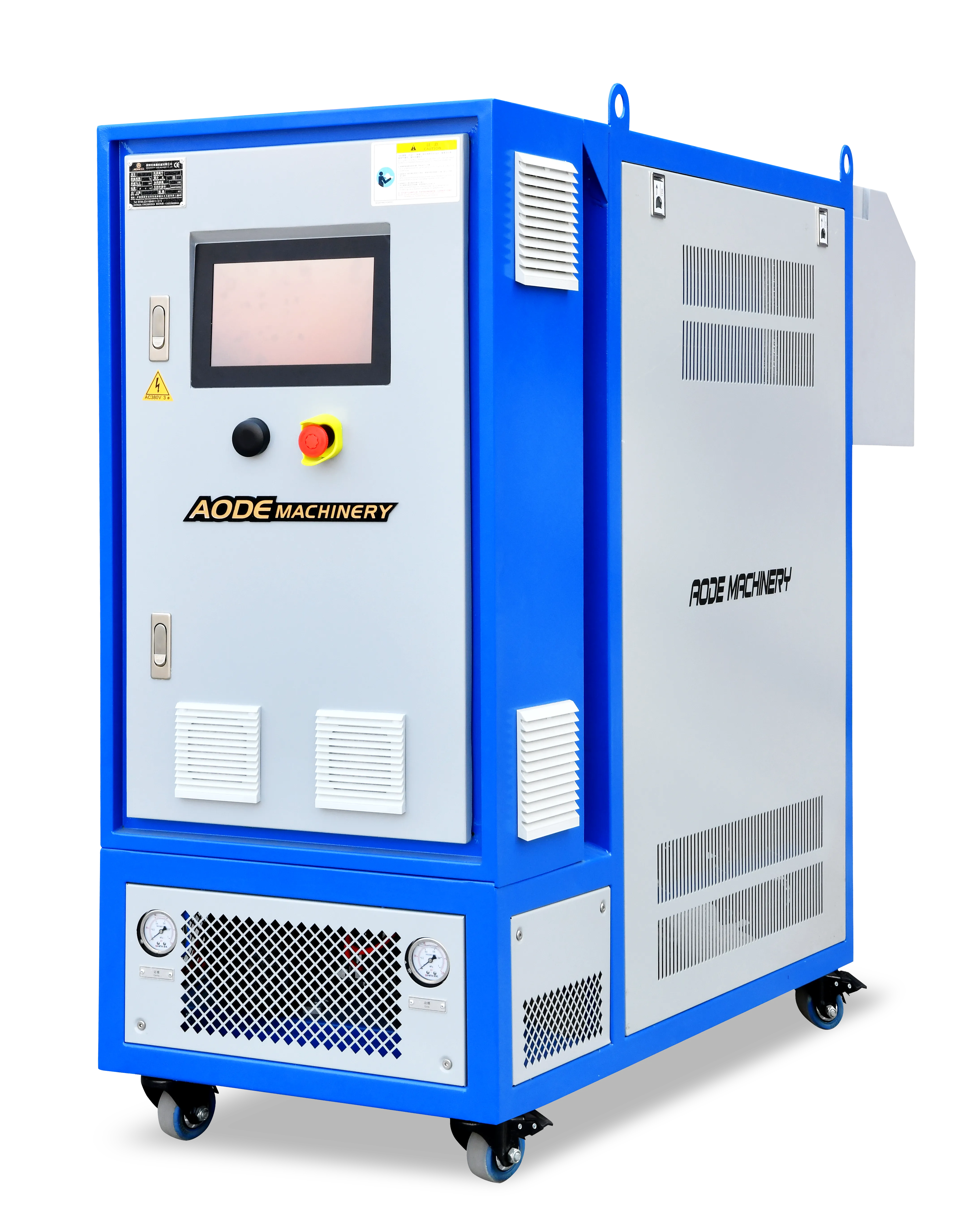
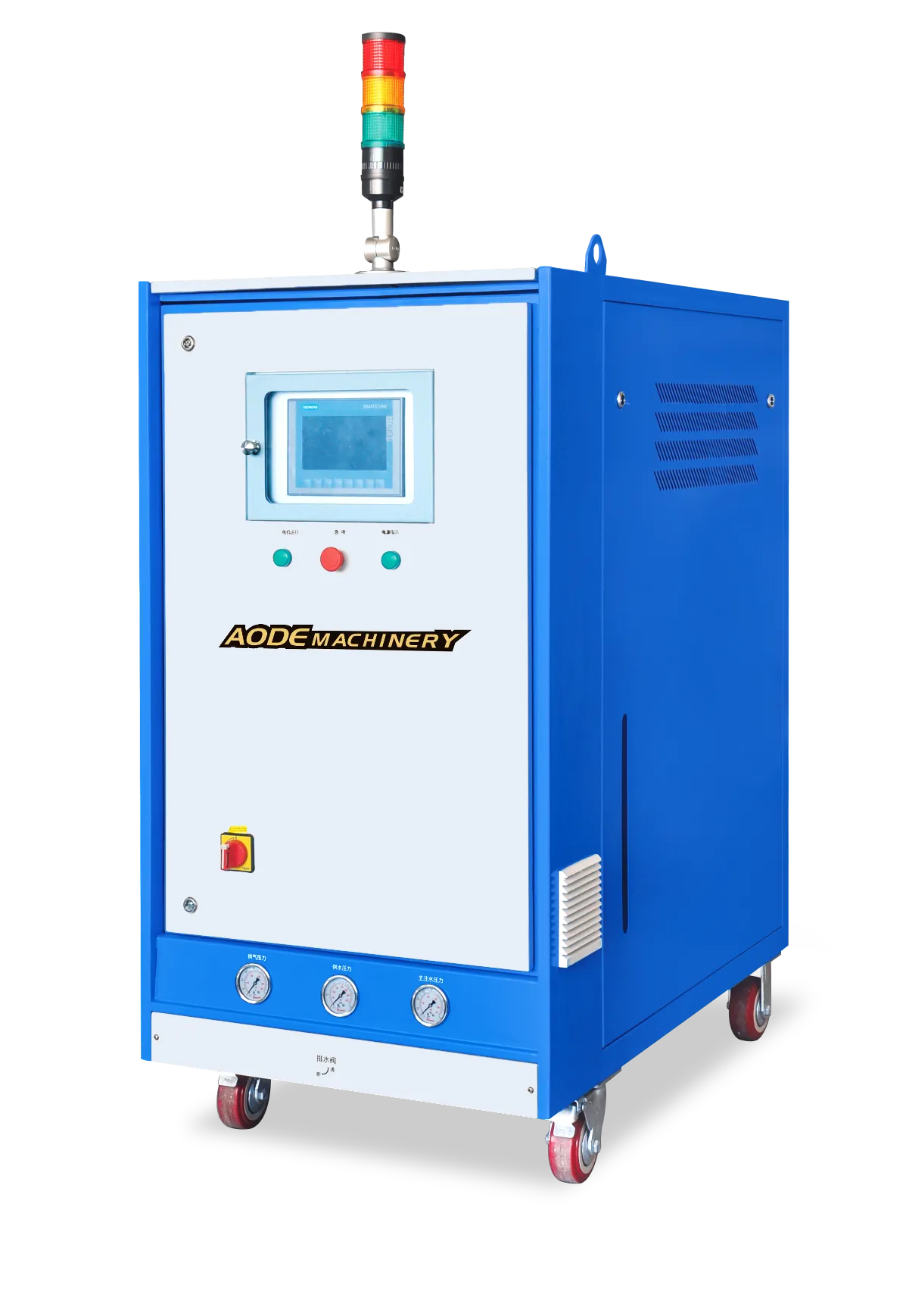
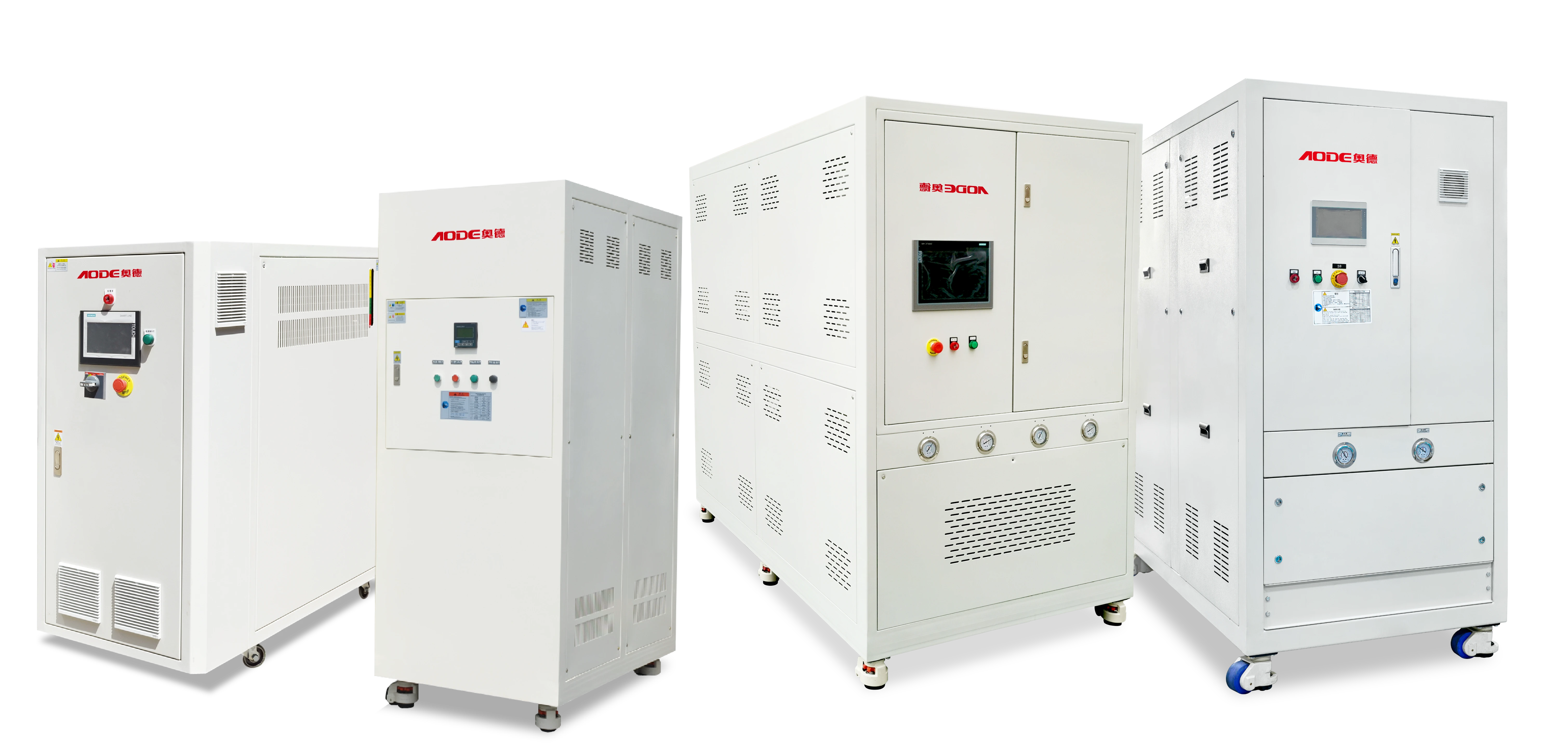
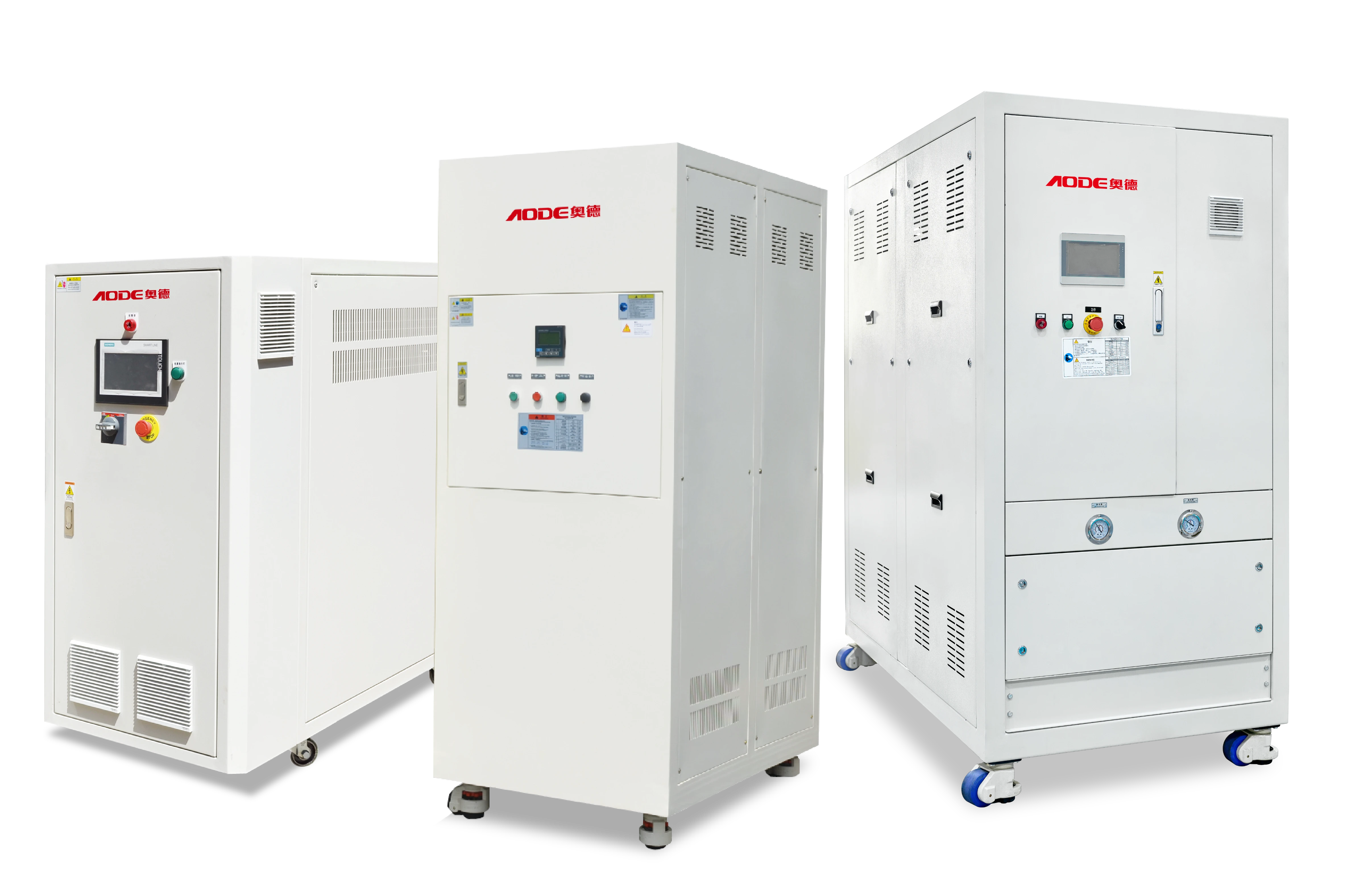
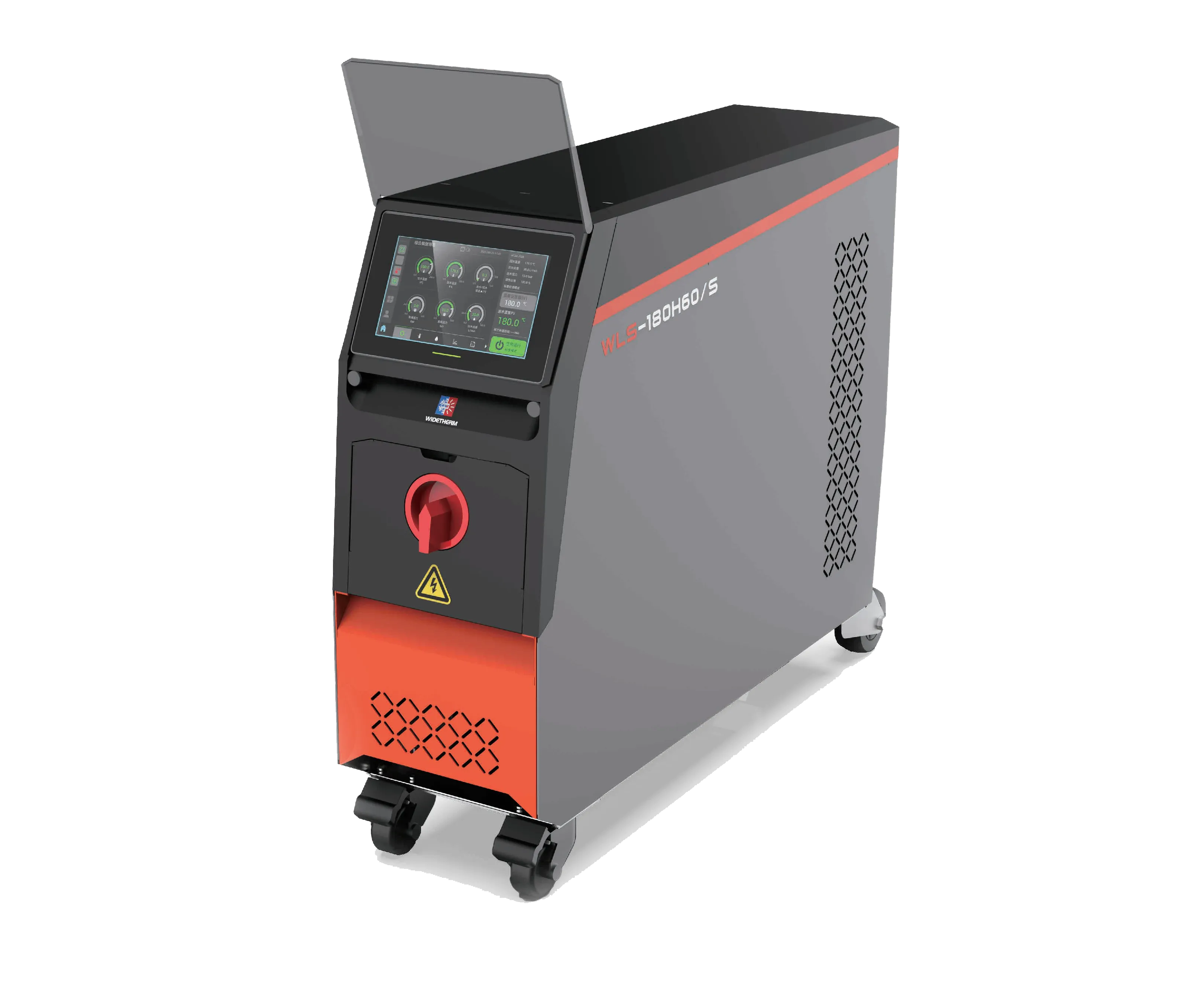
High Precision Temperature Controller
Temp Control Range: +20℃  +180℃±0.1℃
Features
High precision:±0.1℃,high efficiency,low energy
Intelligent operating system, data-driven monitoring
Magnetic drive pump,eliminating leaks.
Non-immersed pipeline energy-saving heater,eliminating scale buildup.
Modular design,fewer joints,no welding,reducing leakage risk.
Pump reverse drainage function,environmentally friendly,mold cleaning easily
USB data copy,RS485/OPCUA communication function.
Request a Quote
Download Manuals
Precise Temperature Control Specifications
| Operational Temperature Range | Above Cooling Water +20℃~+160℃ | Above Cooling Water +20℃~+180℃ | ||||
| Model | Unit | WLS-160H120-16 | WLS-160H150-24 | WLS-180H120-16 | WLS-180H150-24 | |
| Power Supply | Voltage | V | AC380/220V50Hz 3P | |||
| Breaker | A | 50/80 | 80/100 | 50/80 | 80/100 | |
| Cooling Water | Flow Rate | L/min | 20+ | |||
| Pressure | bar | 2bar~3bar | ||||
| Medium | / | Clean Water | ||||
| Heater | Control | / | Solid State Relay/SSR | |||
| Capacity | KW | 8*2(16kw) | 12*2(24kw) | 8*2(16kw) | 12*2(24kw) | |
| Booster Pump | Pressure | bar | 18bar | |||
| Output | W/2P | 150W | ||||
| Pump | Pressure | bar | 5bar | 6bar | 5bar | 6bar |
| Traffic | L/min | 120 | 150 | 120 | 150 | |
| Output | KW/3P | 2.5 | 3 | 2.5 | 3 | |
| Cooling Method | / | Direct Cooling Indirect cooling | ||||
| Water Level Detection | / | Pressure Type / Comprehensive Data Detection | ||||
| Temperature Sensor | / | PT100 | ||||
| Product Weight | KG | 100 | 120 | 110 | 130 | |
High Accuracy Mold Temperature Controller Related Products
FAQ
How does multi-channel temperature control benefit optical injection molding?
Multi-channel temperature control allows different mold zones to be managed independently, which is especially useful for complex molds and multi-cavity optical injection molding applications.
By balancing temperature differences between mold areas, the system helps reduce molding inconsistencies, shorten setup adjustments, and improve batch-to-batch product stability.
Why choose a high temperature water mold temperature controller for optical molding?
High temperature water mold temperature controllers provide fast heat transfer, clean operation, and accurate temperature regulation, making them suitable for precision molding processes that require stable thermal conditions.
For optical applications, AODE models with up to 180℃ operating temperature help improve mold temperature uniformity, support better surface replication, and maintain reliable production performance.
What applications use optical grade mold temperature controllers?
Optical grade mold temperature controllers are commonly used in industries where surface quality and dimensional accuracy are critical, including optical lenses, LED light guides, automotive lighting components, transparent parts, and precision electronic products.
These applications rely on stable temperature management to reduce molding variation and maintain consistent product performance.
How does mold temperature control affect optical injection molding quality?
Mold temperature directly influences the appearance, dimensional stability, and optical performance of molded parts.
Poor temperature control may result in defects such as uneven gloss, flow marks, warpage, internal stress, or optical distortion. A precise mold temperature controller maintains uniform heat distribution, helping manufacturers achieve consistent quality in high-precision molding production.
What temperature accuracy can an optical grade mold temperature controller achieve?
An optical grade mold temperature controller is designed for applications that require extremely stable thermal control, with advanced models achieving temperature accuracy of approximately ±0.1℃.
AODE optical grade models, including WLS-160H120-16, WLS-160H150-24, WLS-180H120-16, and WLS-180H150-24, support operating temperatures up to 160℃ or 180℃, providing stable molding conditions for precision optical components.
Why is precise temperature control important for optical injection molding?
Precise temperature control is critical in optical injection molding because even small temperature fluctuations can affect resin flow, cooling behavior, internal stress, and optical performance.
For optical lenses, light guide plates, and transparent components, a stable optical grade mold temperature controller helps maintain consistent mold conditions, improving surface clarity, dimensional accuracy, and production repeatability.