
fajsdfjash ddsa dsa as sa sad sda sadfjsadjfl jsadjk fjasdlkfjaskdfdklsaj klf
jsadj
asjdklj falsdjf
jaklj

Products
What Is a Water Cooled Industrial Chiller?
17 June 2026
Author:
share:


In industrial production, chillers usually do not directly participate in product forming or processing as the main equipment, but serve as important auxiliary equipment to provide stable cooling conditions for the production process. Although it does not directly determine the product structure, it affects equipment operating status, process temperature stability, production rhythm, and product quality.
This article will introduce the basic definition of water-cooled industrial chillers, the differences between them and ordinary cooling water systems, the basic working process, and the industries suitable for application, helping you more clearly understand the role of water-cooled industrial chillers in industrial cooling systems.
1. What is a water-cooled industrial chiller?
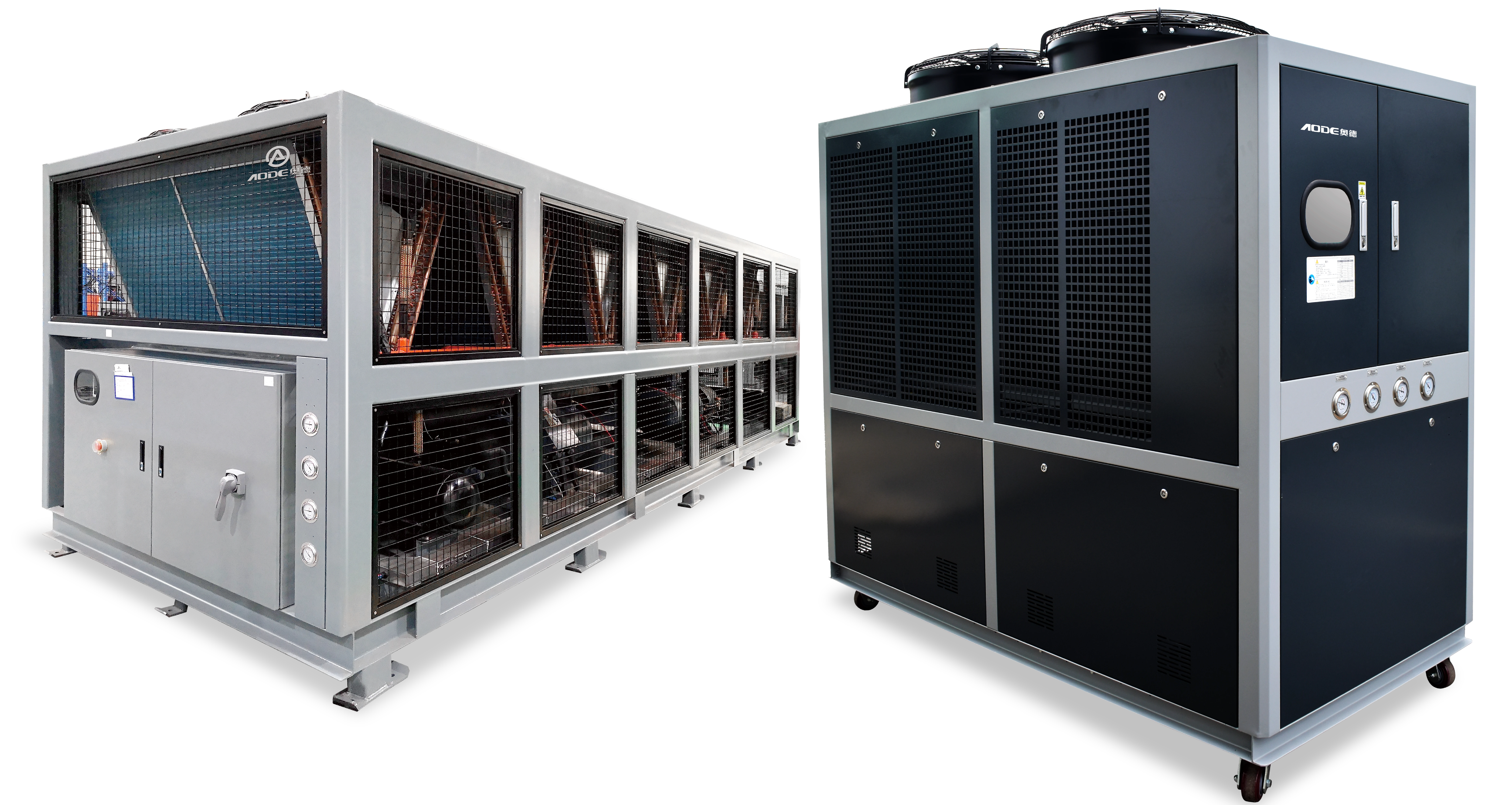
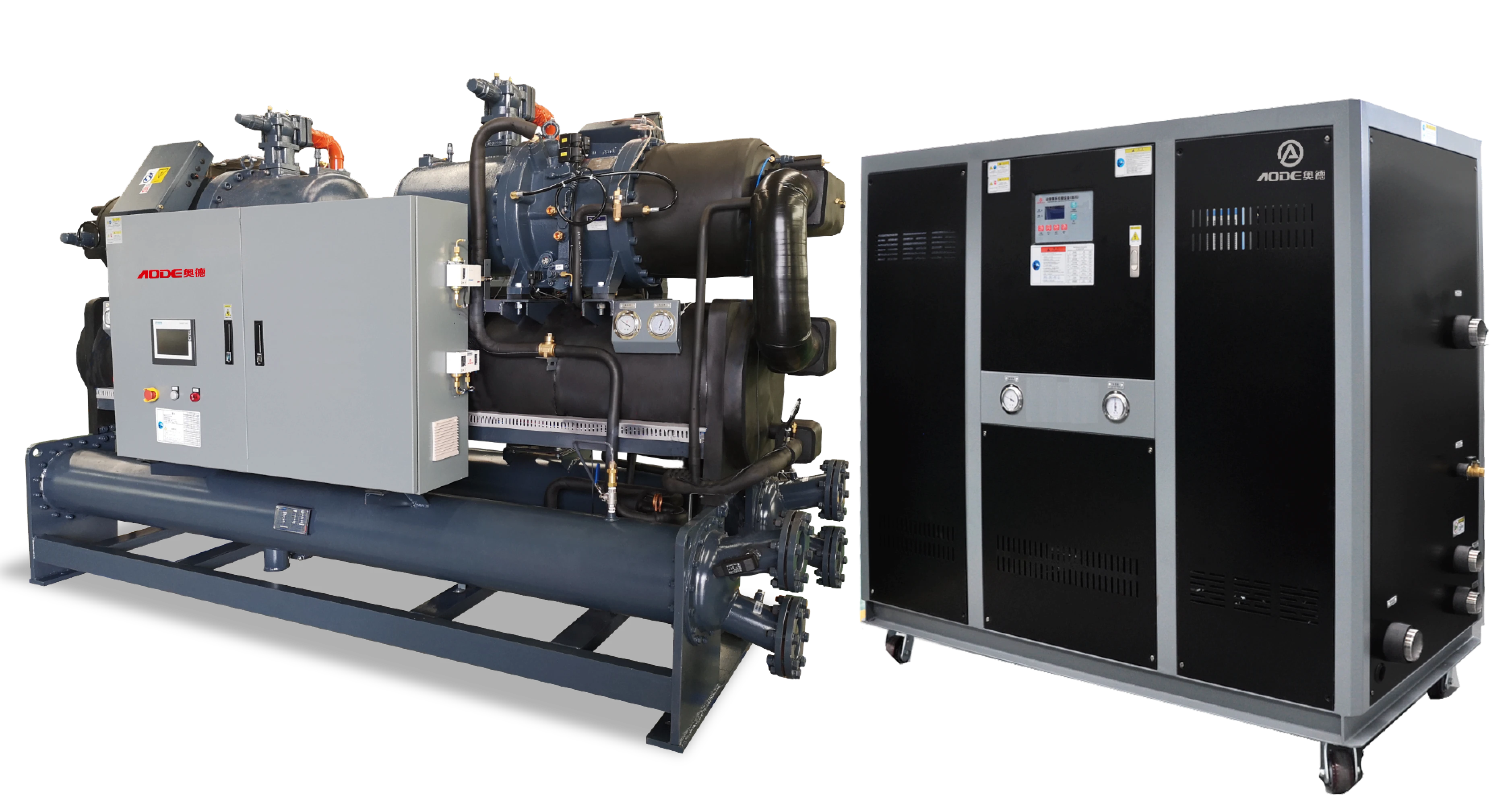
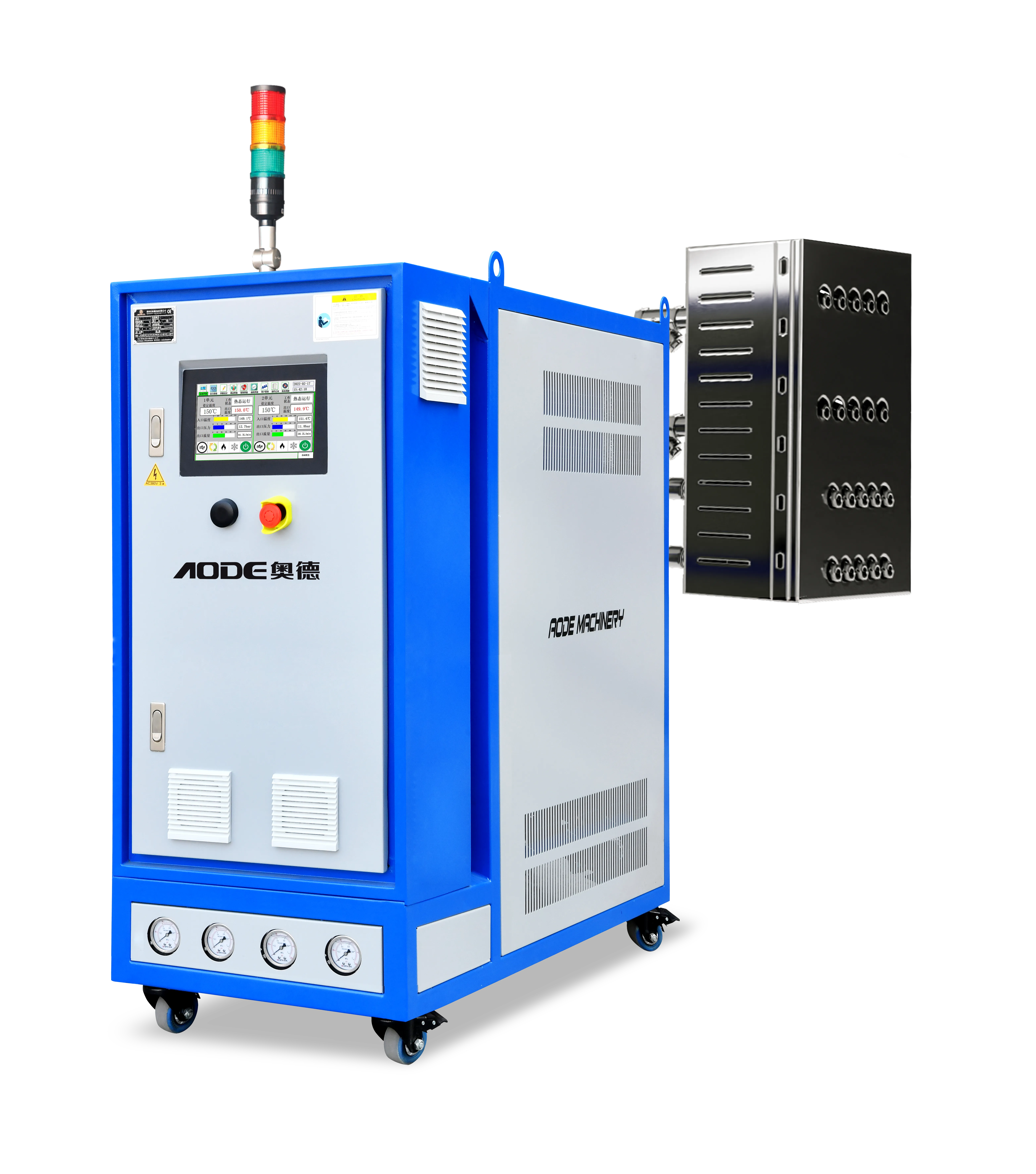
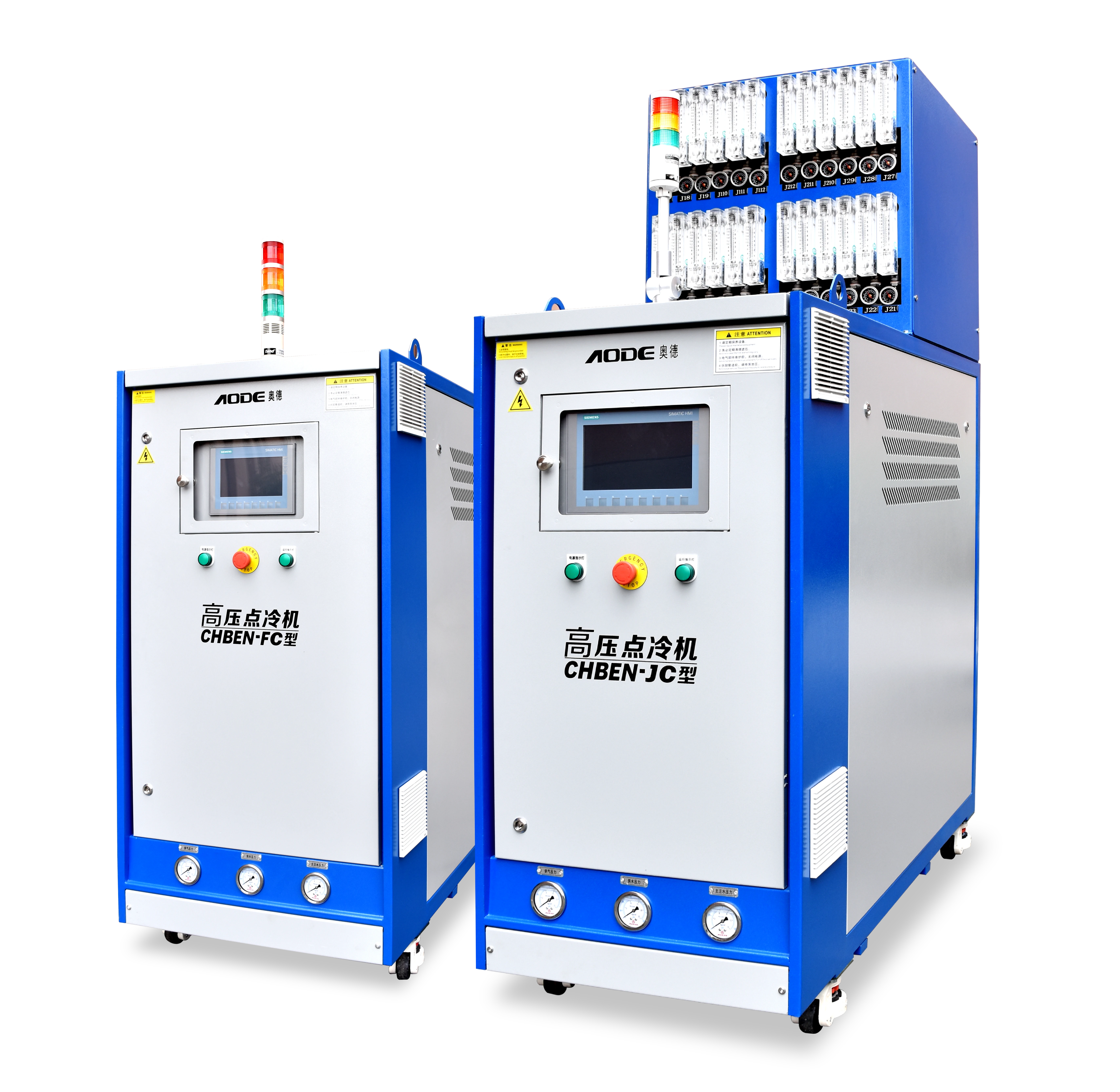
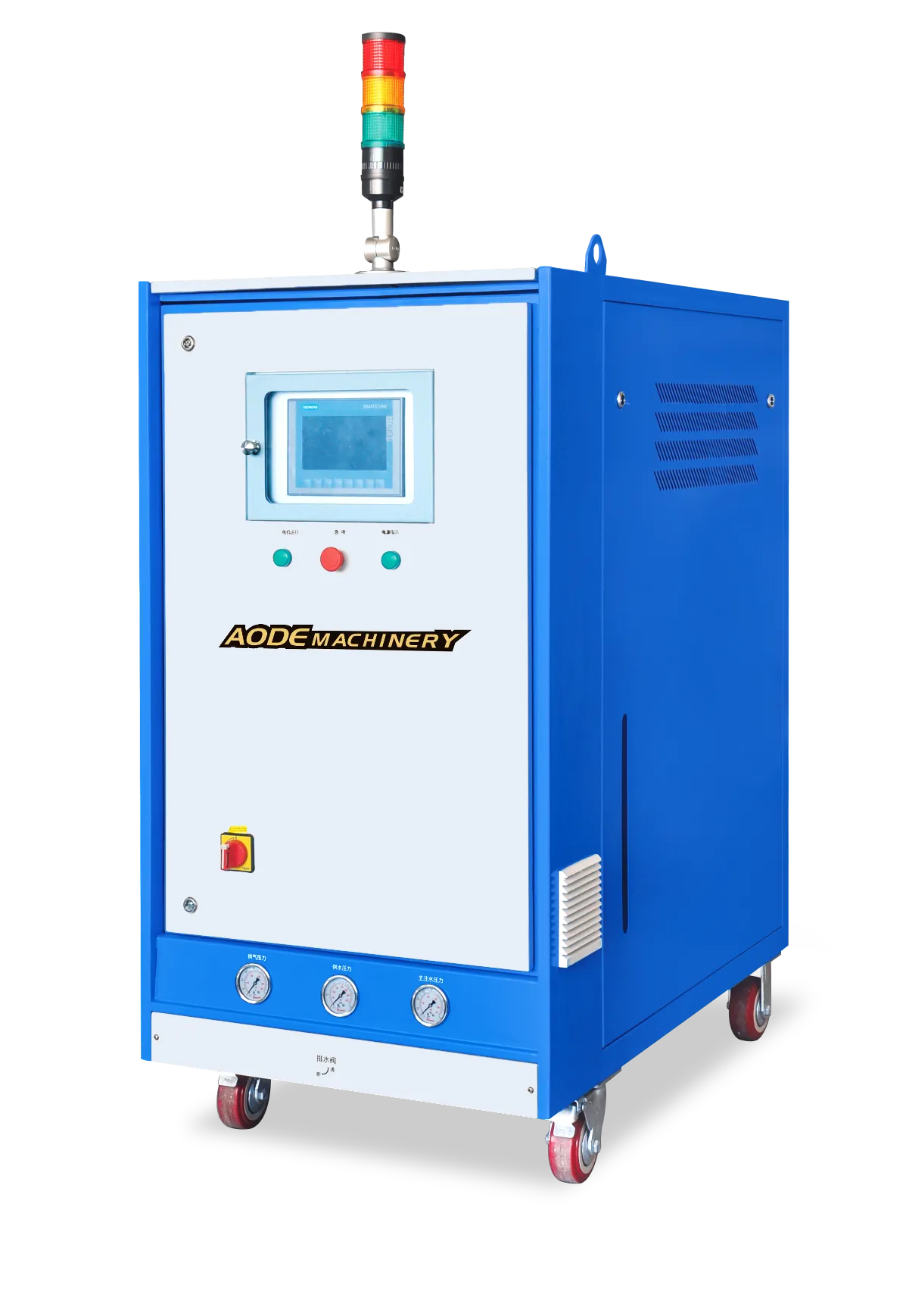
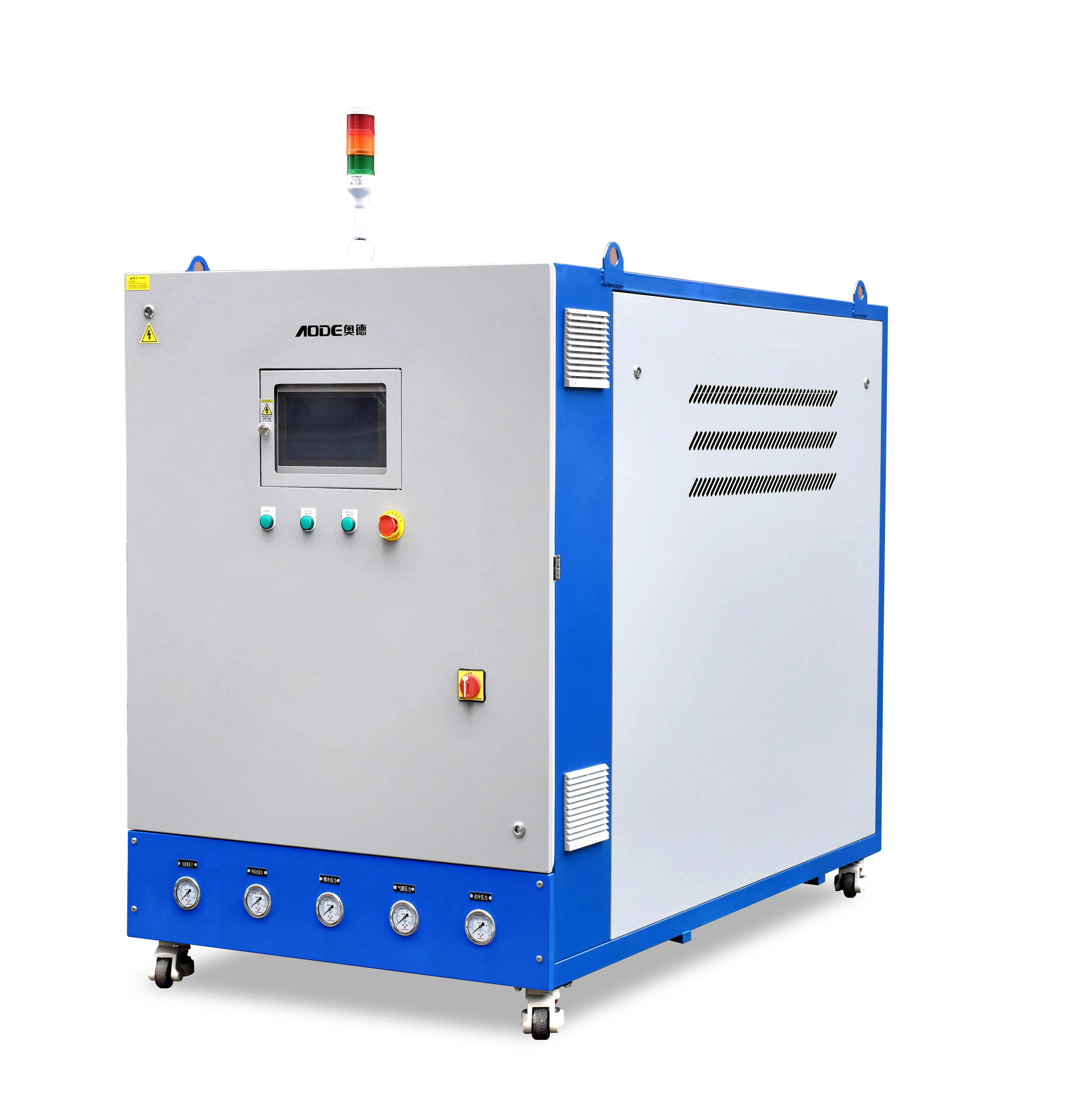
A water-cooled industrial chiller is a refrigeration device used in industrial production. Its main function is to provide stable chilled water cooling for equipment, molds, or process flows. It lowers the water temperature to the set range through the refrigeration system, and then delivers the chilled water to the equipment or process end that needs cooling through the water pump.
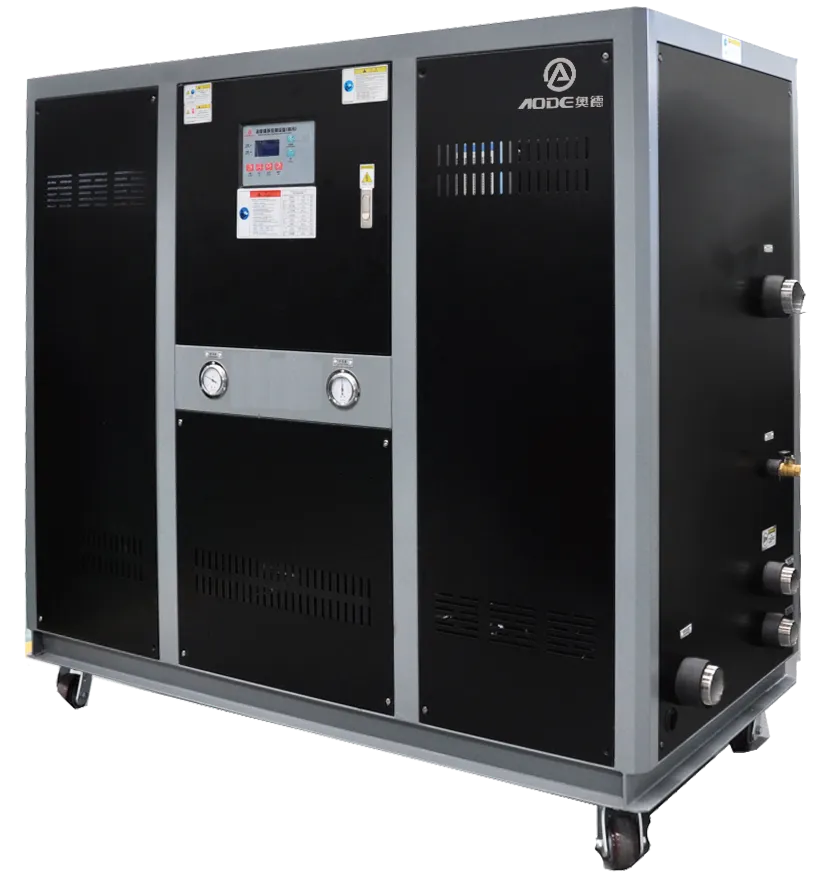
Compared with ordinary cooling equipment, industrial chillers usually need to adapt to more complex production environments. It not only needs to meet certain cooling capacity requirements, but also needs to maintain stable water temperature, sufficient flow, reliable operation, and be able to cooperate with the working rhythm of different production equipment.
2. What is the difference between a water cooled chiller and an ordinary cooling water system?
Ordinary cooling water systems and water cooled chillers can both be used for industrial cooling, but there are obvious differences between the two in cooling method, temperature stability, and applicable scenarios.
| Comparison Item | Ordinary Cooling Water System | Water-Cooled Industrial Chiller |
| Cooling method | Mainly relies on cooling towers, circulating water pools, or natural heat exchange for cooling | Actively refrigerates through a refrigeration system such as compressor, evaporator, and condenser |
| Temperature control ability | Water temperature is easily affected by ambient temperature, and control accuracy is relatively limited | Can automatically adjust according to the set temperature, making water temperature more stable and controllable |
| Stability | Under continuous production or high-temperature environments, water temperature is prone to rising or fluctuating | Can continuously remove process heat and keep chilled water temperature relatively stable |
| Applicable scenarios | Suitable for cooling needs with low temperature requirements and small heat loads | Suitable for continuous production, high heat loads, and industrial scenarios with higher requirements for temperature stability |
| Typical value | Simple structure, suitable for basic cooling | Stronger cooling capacity, helping improve production stability and product quality |
When the production process has clear requirements for cooling water temperature, or when ordinary circulating water can no longer meet stable cooling needs, a water-cooled industrial chiller is usually a more reliable choice.
3. How does an industrial water chiller system work?
The working process of an industrial water chiller system can be understood as the coordination among three circulation systems, namely the chilled water circulation, refrigerant circulation, and cooling water circulation.
The first is chilled water circulation. After being cooled by the chiller, the chilled water is delivered by the water pump to production equipment, molds, reactors, or other process ends that need cooling. During use, the chilled water absorbs heat, and after the water temperature rises, it returns to the chiller for cooling again, circulating continuously in this way.
The second is refrigerant circulation. The refrigerant absorbs the heat brought back by the chilled water in the evaporator, causing the chilled water temperature to drop. After absorbing heat, the refrigerant becomes low-pressure gas, then enters the compressor and is compressed into high-temperature and high-pressure gas. After that, the refrigerant enters the condenser to release heat, then passes through the throttling device to reduce pressure and temperature, and returns to the evaporator again to continue absorbing heat.
The third is cooling water circulation. The condenser of an industrial water chiller system needs cooling water to take away the heat released by the refrigerant. After absorbing heat, the cooling water enters the cooling tower or external cooling system for heat dissipation, and after cooling down, it returns to the condenser to continue circulating.
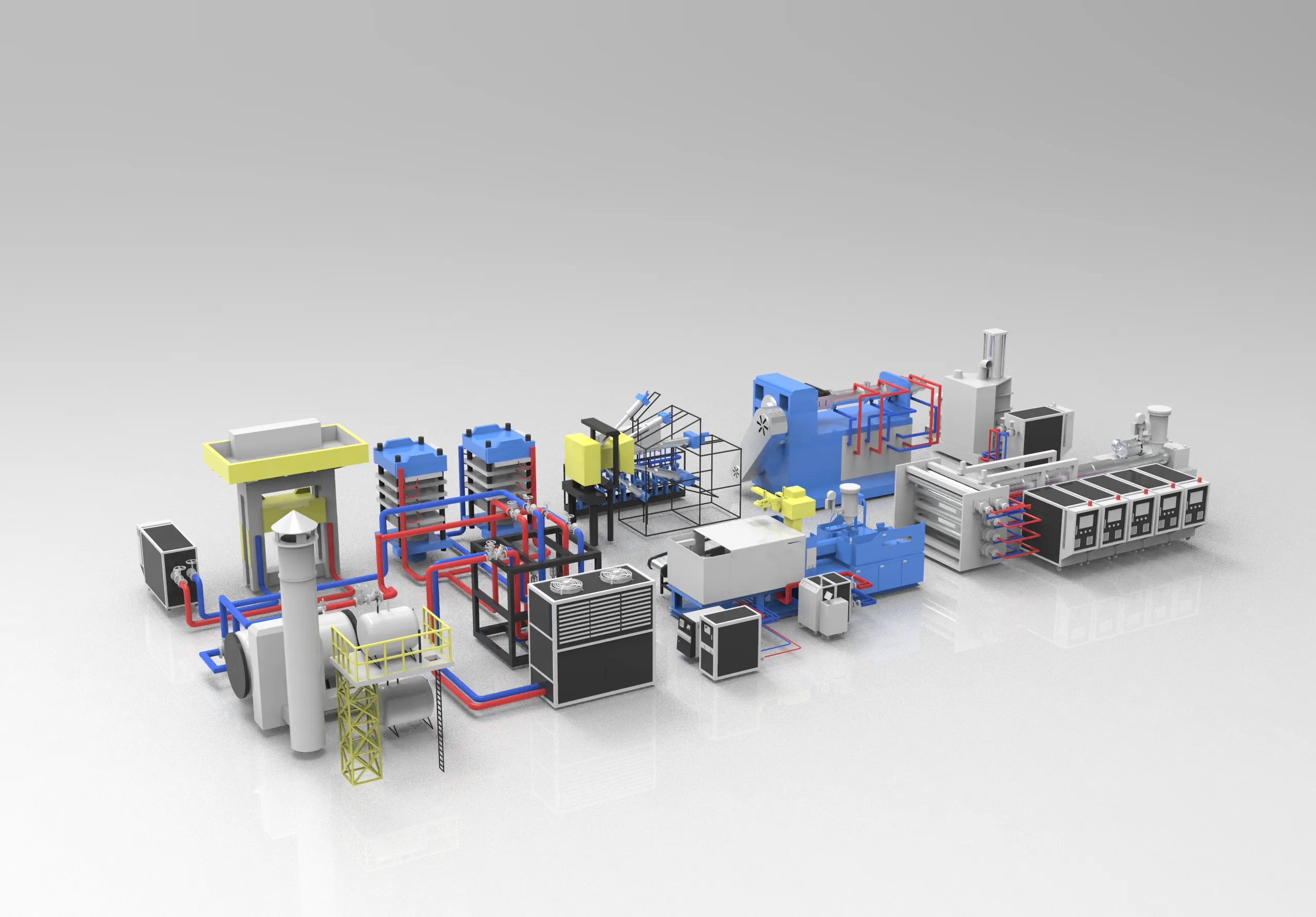
These three circulations cooperate with each other to form a complete cooling process. The heat from the production end is first brought back to the chiller by the chilled water, then the water-cooled chiller transfers the heat to the condenser through the refrigerant circulation, and finally the cooling water and cooling tower discharge the heat out of the system. Through this method, the industrial water chiller system can continuously output chilled water with stable temperature, providing reliable cooling conditions for industrial production.
4. Which industries are suitable for using industrial water cooled chillers?
Industrial water cooled chillers are widely used in industrial production scenarios that require stable cooling, and are especially suitable for industries with large heat loads, long production times, and high requirements for temperature control. Different industries have different requirements for cooling water temperature, flow, stability, and system configuration, so selection needs to be made according to the specific process.
| Application Industry | Main Cooling Objects | Role of Water-Cooled Industrial Chiller |
| Die-casting industry | Die-casting molds, hydraulic systems, equipment cooling systems, centralized cooling systems | Provides stable cooling water, helps control mold thermal balance, and reduces problems such as shrinkage cavities, deformation, and dimensional fluctuations caused by unstable cooling. |
| Injection molding industry | Injection molds, injection molding machine oil cooling, auxiliary equipment | Shortens cooling time, improves molding stability, and reduces problems such as product deformation, shrinkage, and surface defects |
| Chemical industry | Reactors, heat exchangers, process pipelines | Maintains stable reaction temperature and reduces process risks caused by temperature fluctuations. |
| Electronics industry | Production equipment, testing equipment, precision processing equipment | Helps equipment maintain a suitable operating temperature and reduces precision decline, equipment abnormalities, or production instability caused by overheating. |
| Food processing industry | Process cooling, packaging equipment, material cooling systems | Provides stable cooling for the production process, helping improve production continuity and maintain product quality. |
| Mechanical processing industry | Processing equipment, spindles, hydraulic systems, coolant systems | Helps control equipment temperature rise and improve processing stability and equipment operation reliability. |
| Laser equipment industry | Lasers, laser cutting equipment, welding equipment | Provides stable cooling for laser core components and reduces the impact of temperature fluctuations on equipment output and processing accuracy. |
| Rubber and plastic extrusion industry | Extrusion equipment, rollers, shaping systems, cooling water tanks | Helps control the material cooling process and improves product dimensional stability and continuous production efficiency. |
In general, as long as there are continuous heat dissipation, temperature control, or stable cooling needs in the production process, a suitable industrial water cooled chiller can be selected according to the actual working conditions.
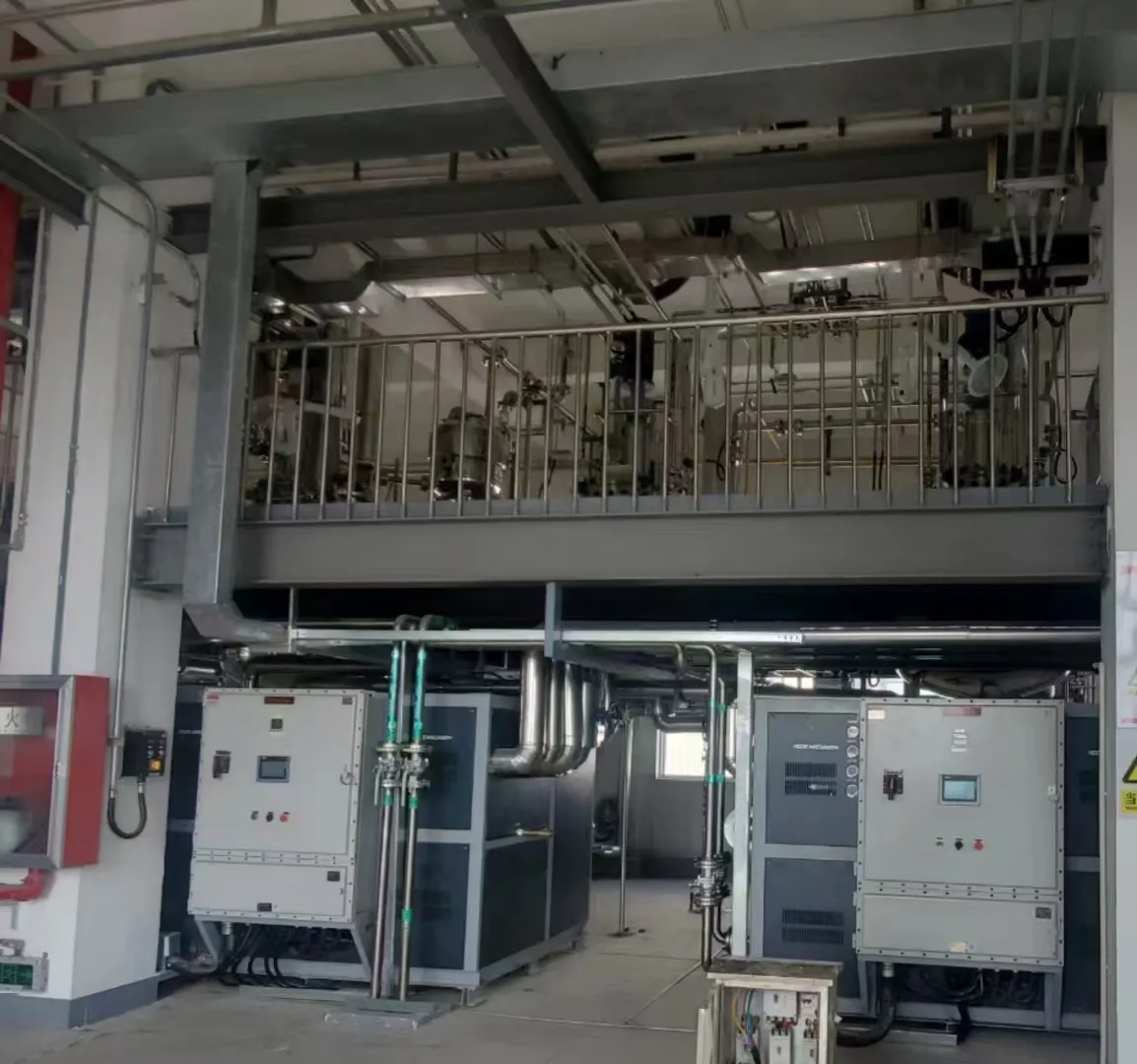
Summary
In actual selection, enterprises need to make judgments based on factors such as target water temperature, cooling capacity, flow, operating time, and on-site installation conditions. AODE can provide water-cooled industrial chillers and supporting temperature control system solutions according to the process needs of different industries, helping production sites achieve more stable cooling control. If you still have other questions about water-cooled industrial chillers, contact AODE engineers immediately to help you answer them!
 Back to List
Table of Contents
×
CONTACT US
Cookie Policy
We use cookies and other tracking technologies online. Please read our Cookie Policy, which is part of this Cookie Policy , and is incorporated herein by reference.

loading...