

fajsdfjash ddsa dsa as sa sad sda sadfjsadjfl jsadjk fjasdlkfjaskdfdklsaj klf
jsadj
asjdklj falsdjf
jaklj
Composite Material Industry








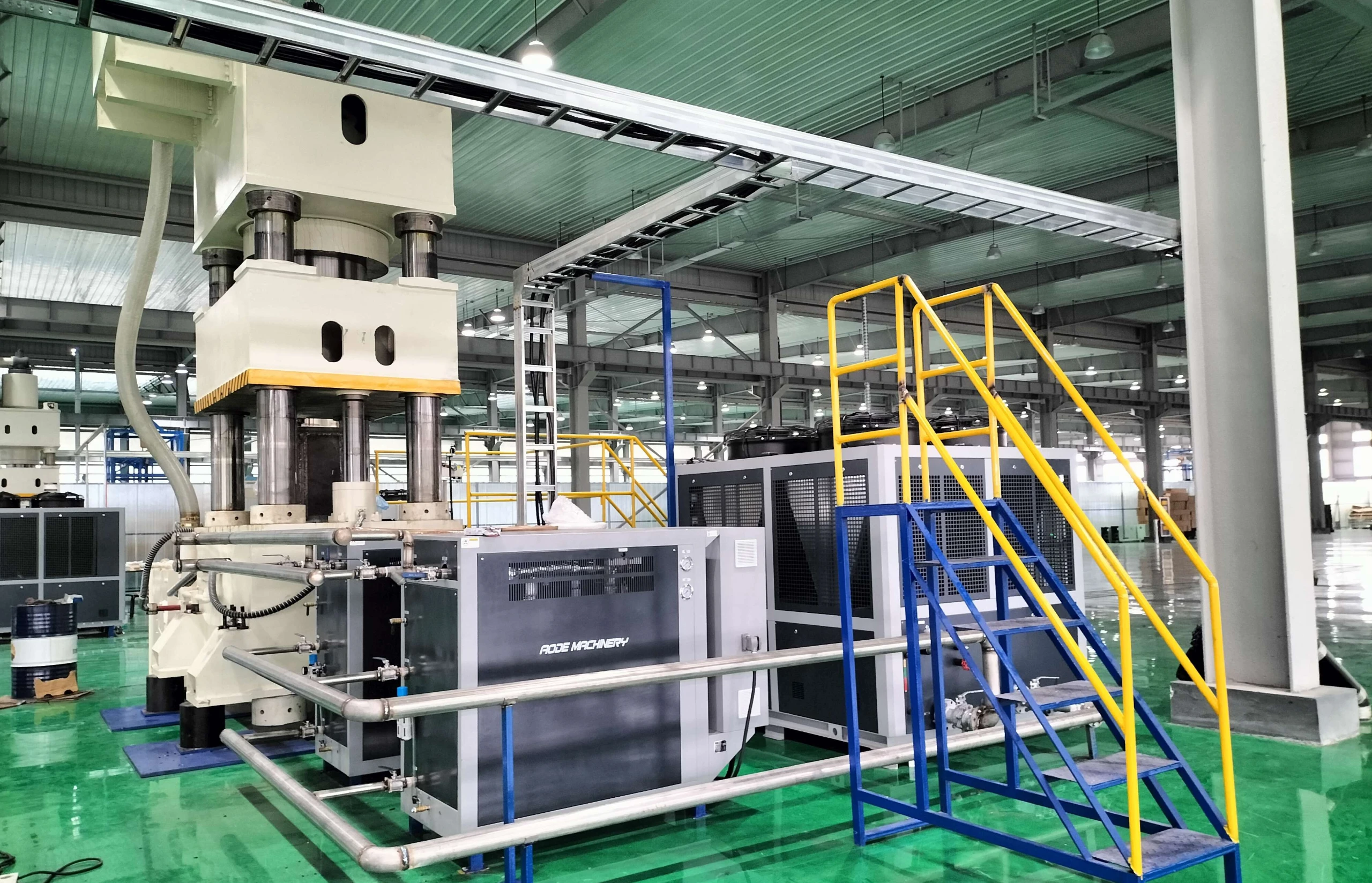
Mainly used in automotive interior parts, LFT-D, PCB aluminum substrate/circuit board, wind power blade, CFRP carbon fiber, AFRP, DMC, GMT, BMC, SMC molding and other composite products molding mold temperature control.
Industry Achievements

Early pioneer of 400 °C PCB lamination MTC in China
built for high-temperature lamination demands.

First-mover in advanced control methods
Integrated hot/cold oil in one system, rapid heat–quench forming, and stepwise temperature profiling.

Strategic OEM Alliances
long-term partnerships with 6 global hydraulic machinery brands.
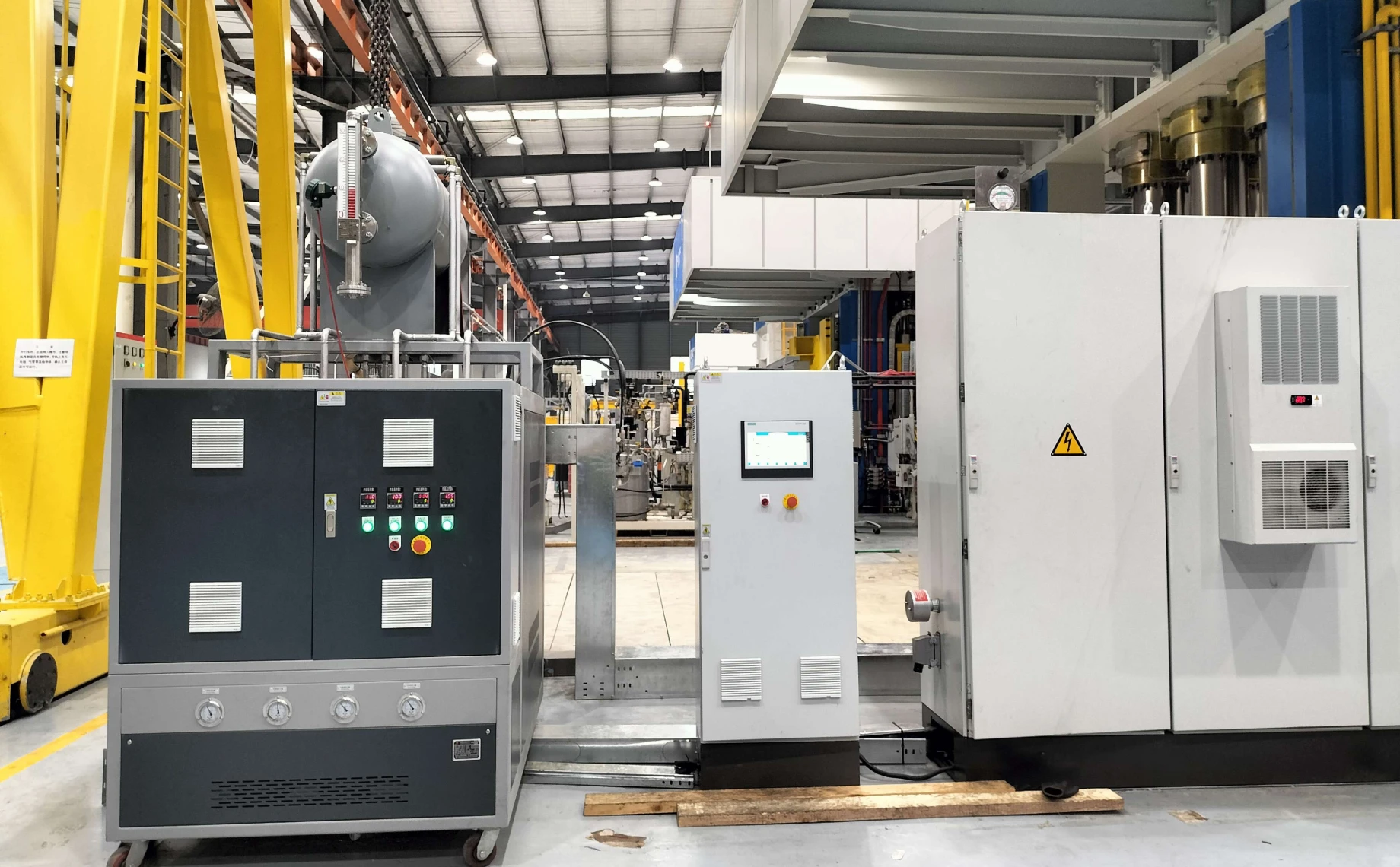
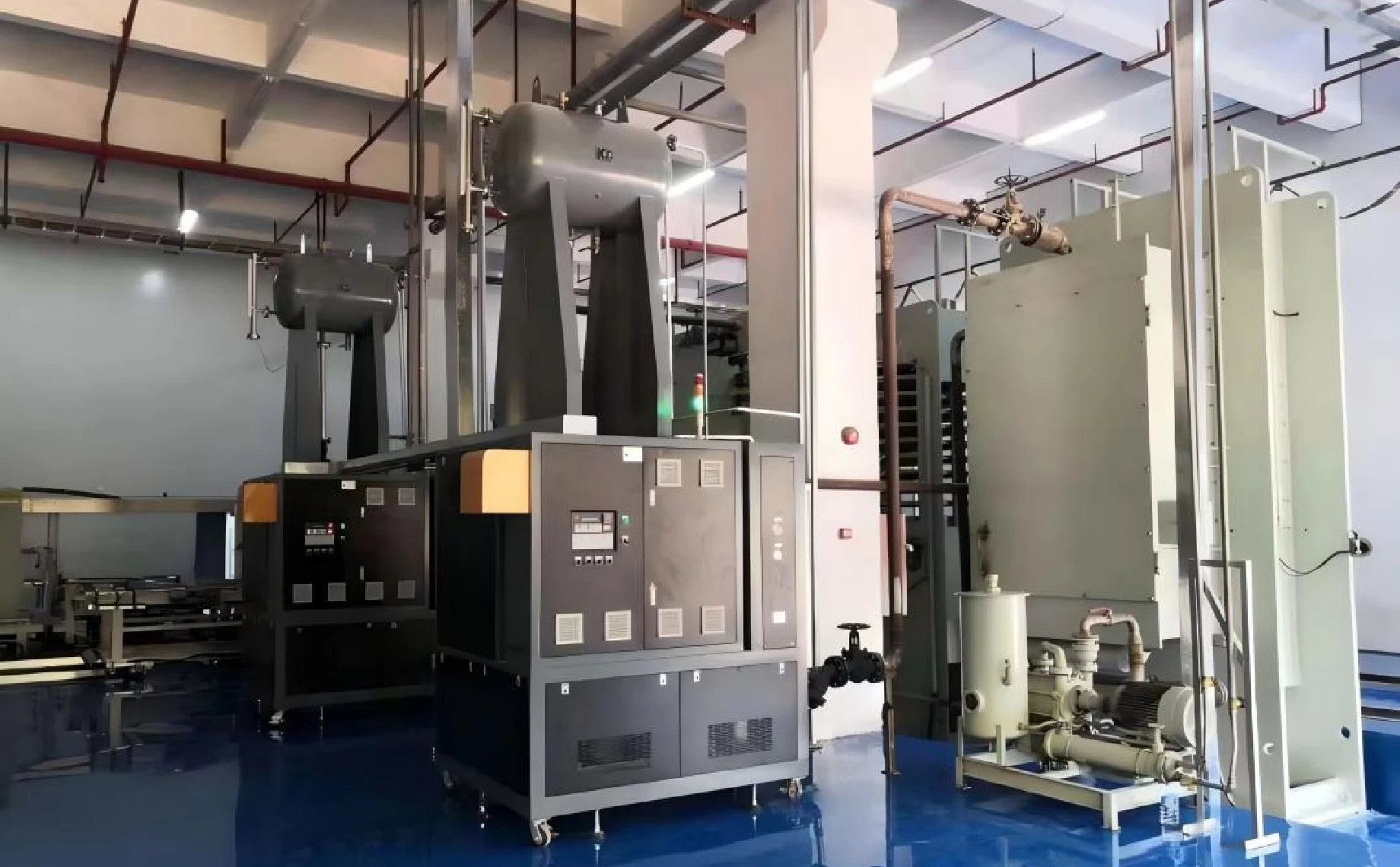
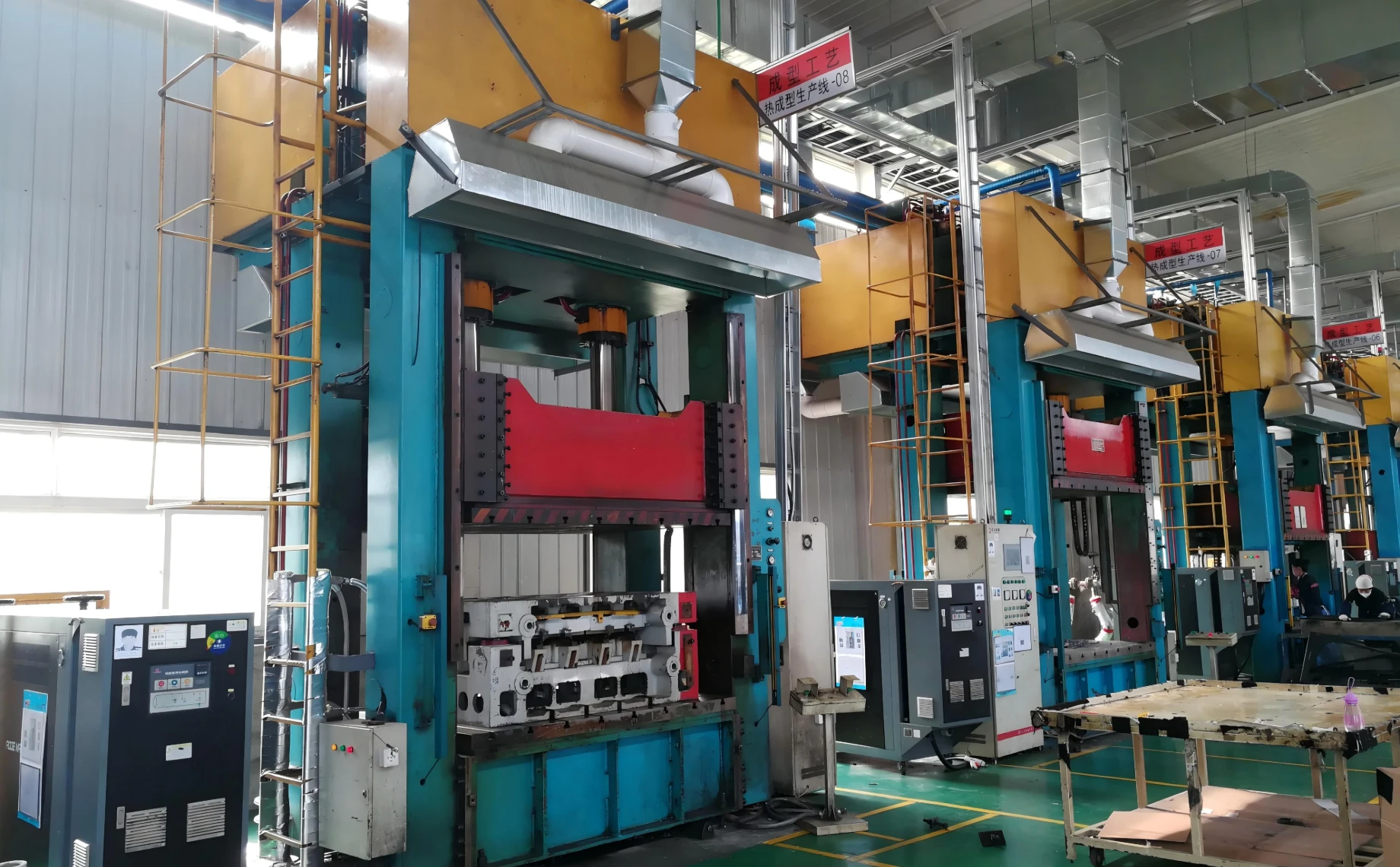
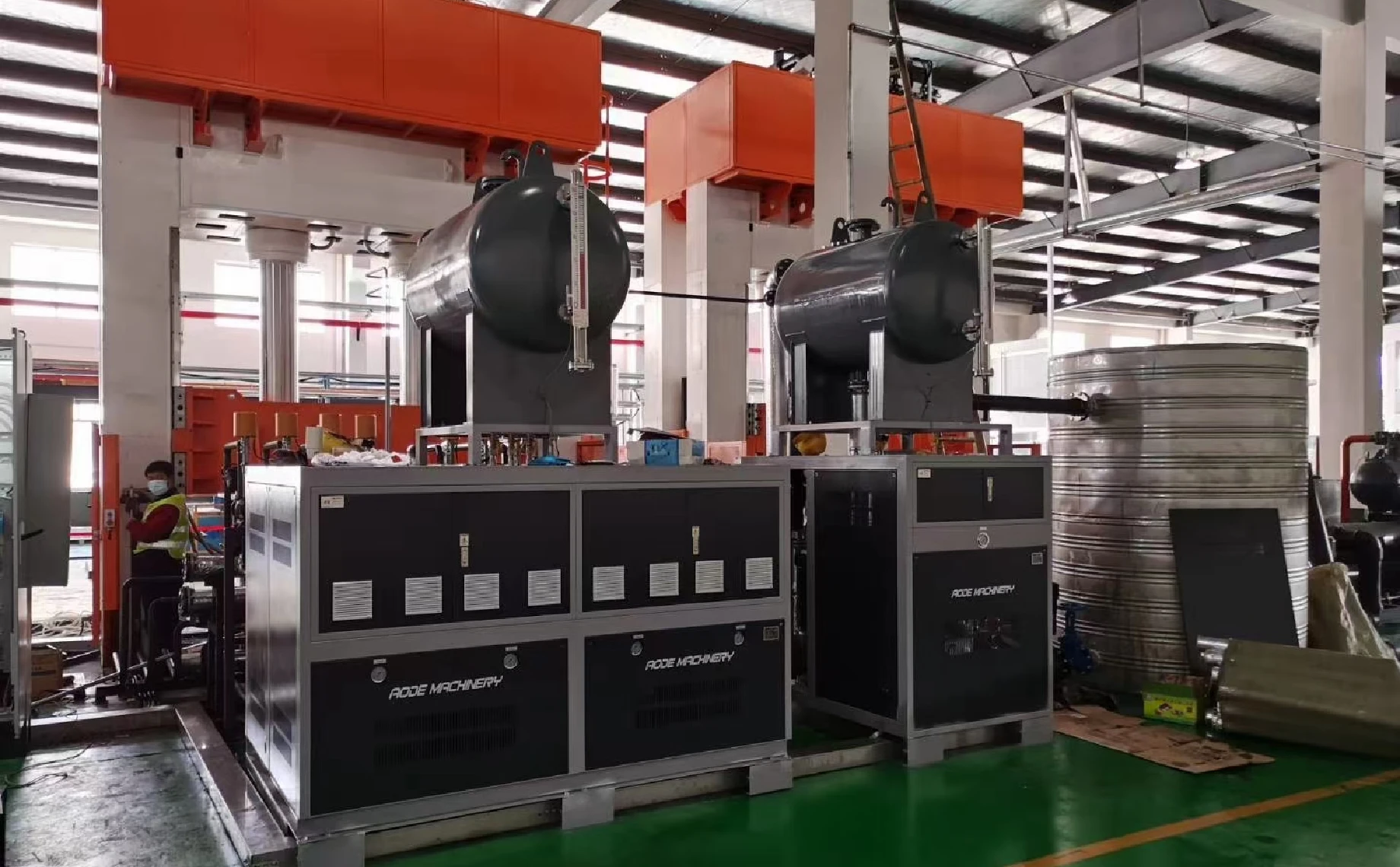
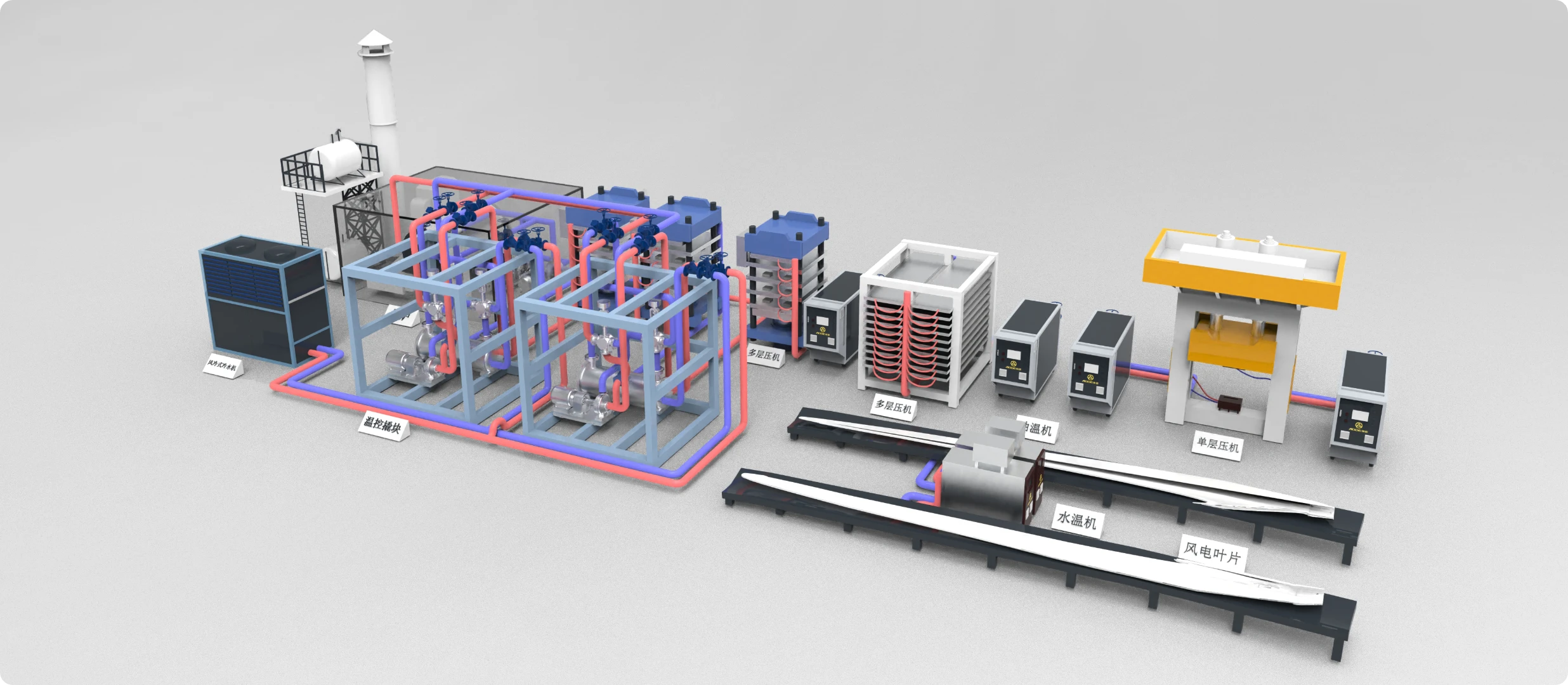
System Integration Showcase
Thermoset Composite Manufacturing
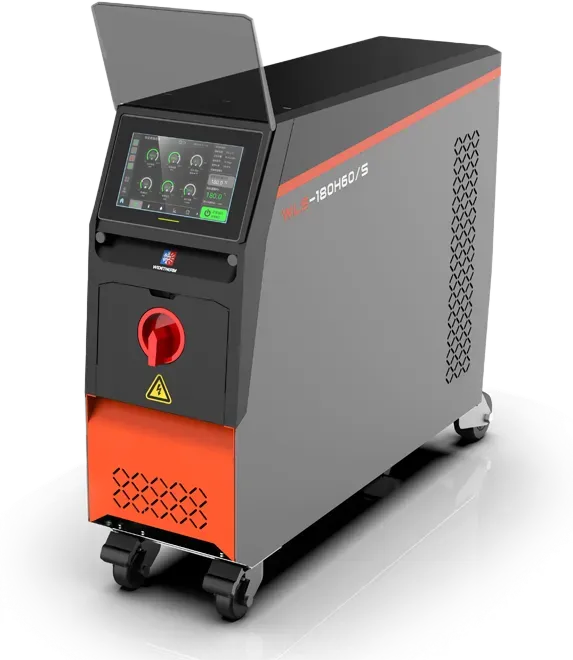
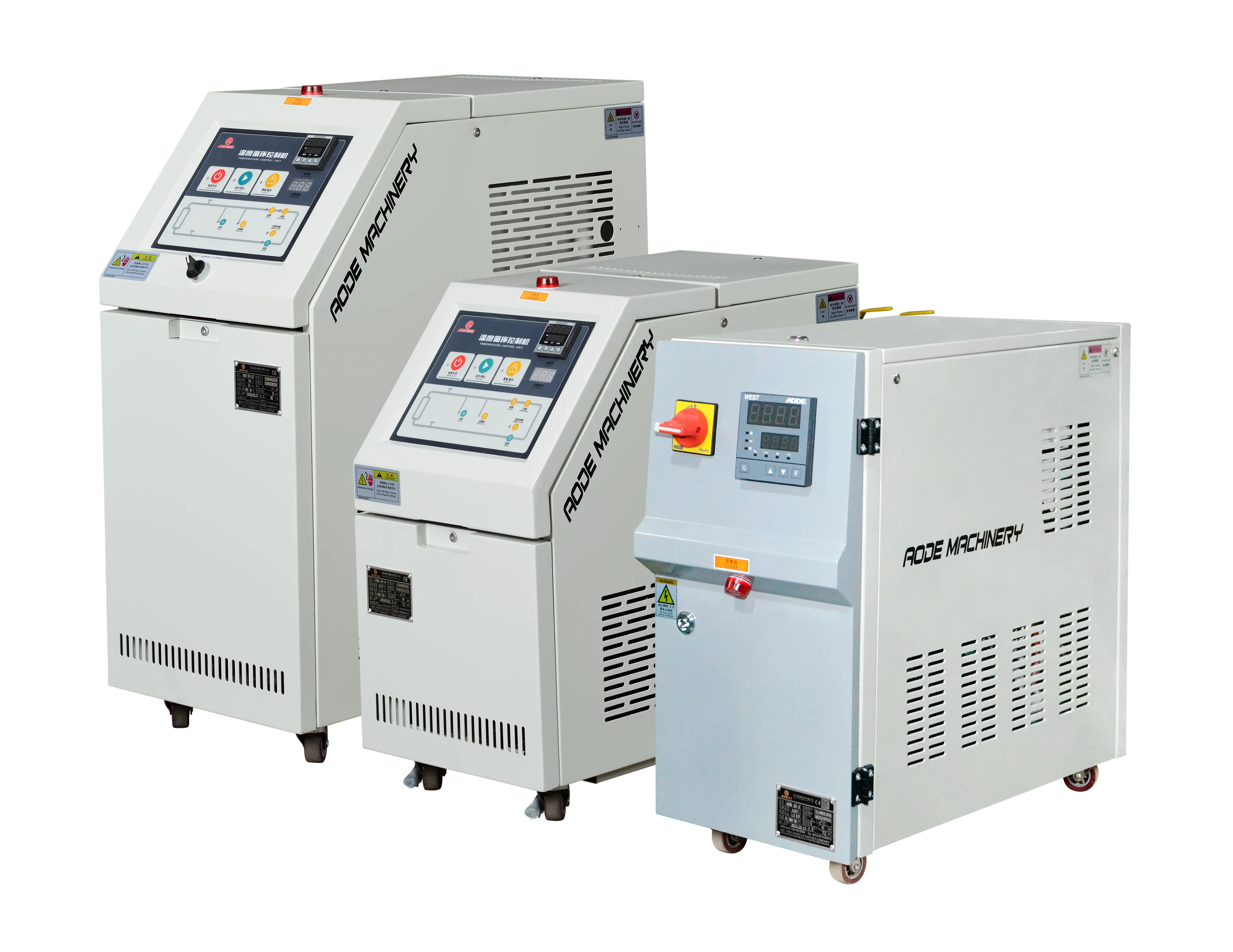
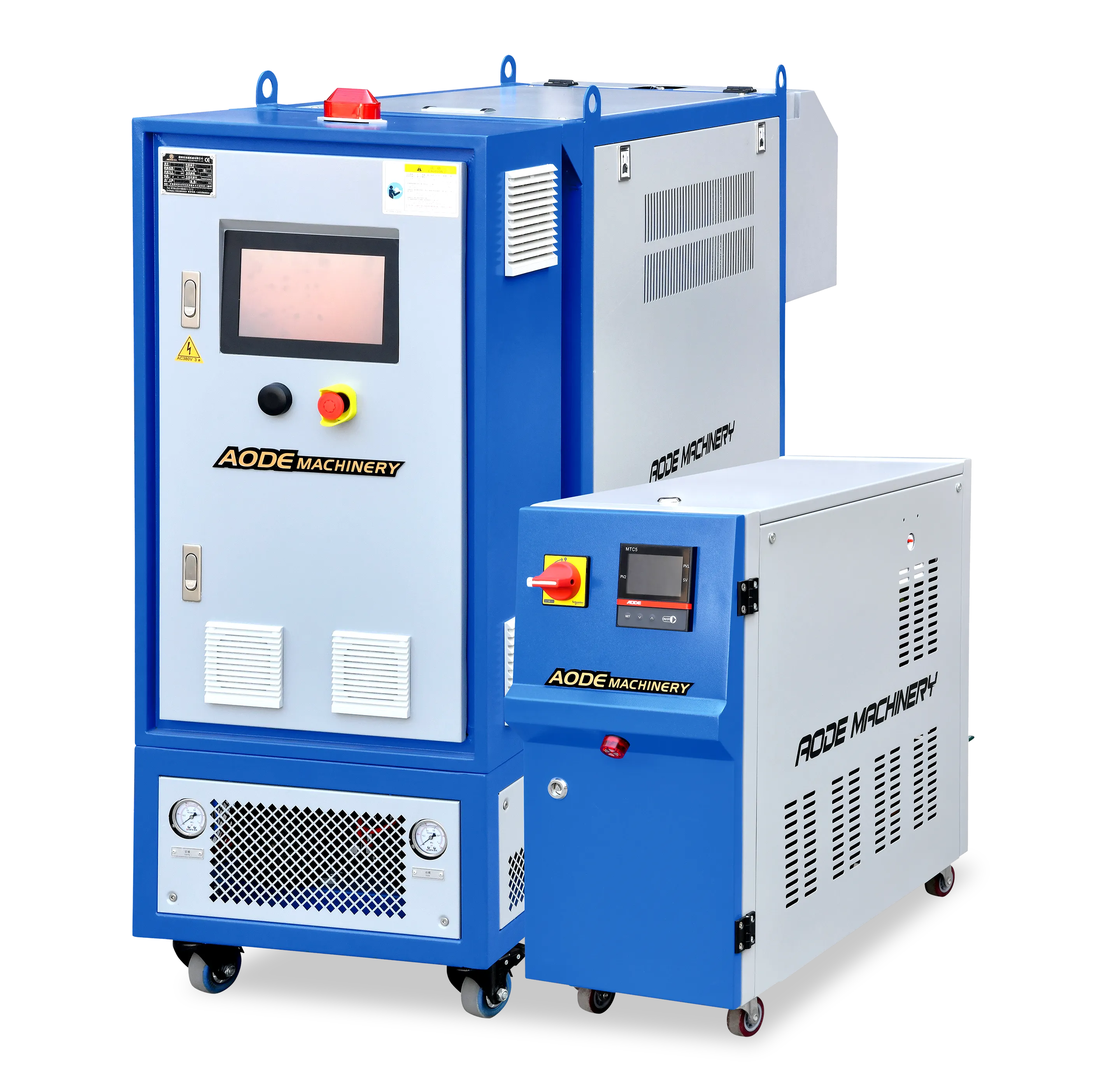
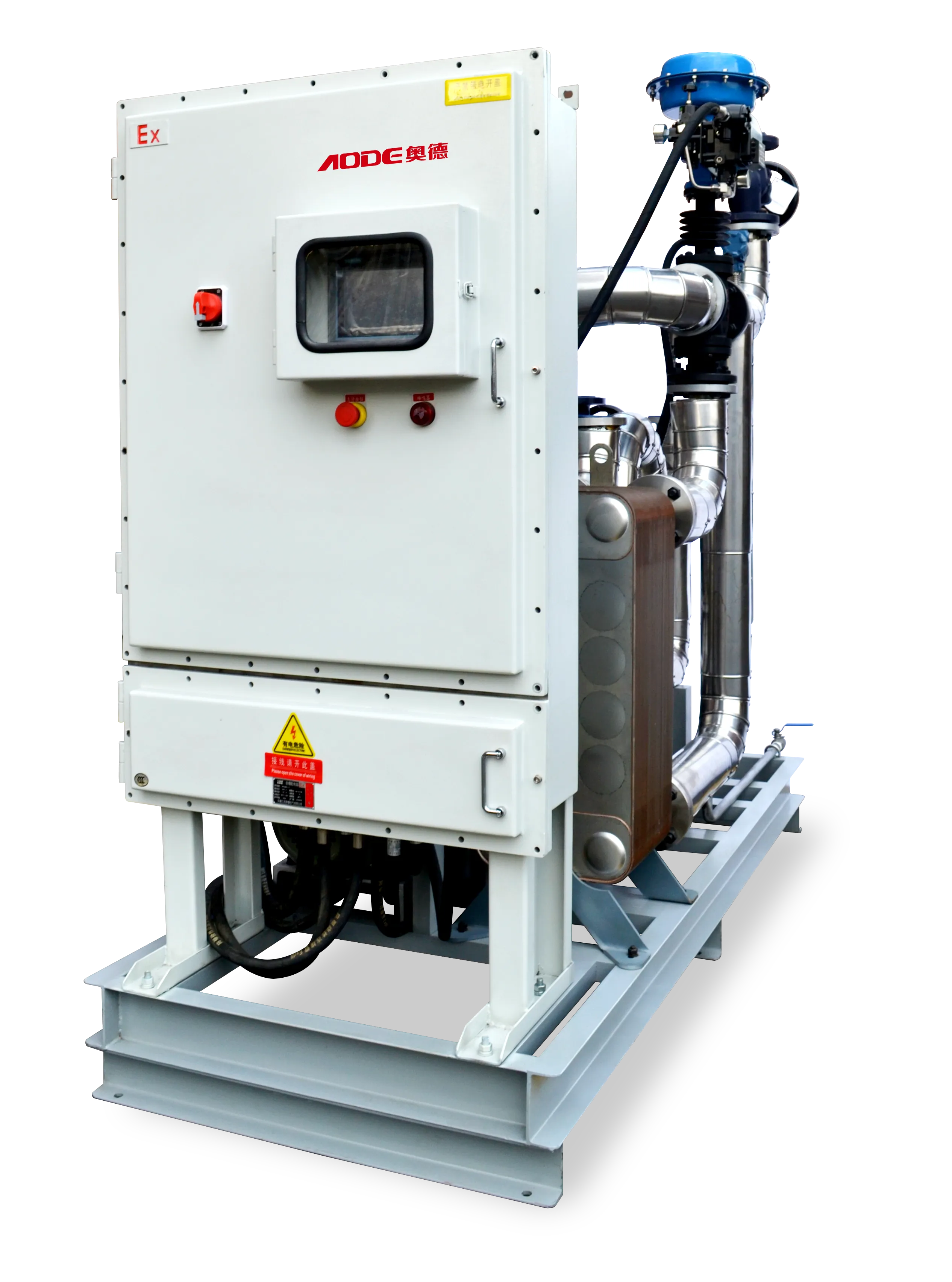
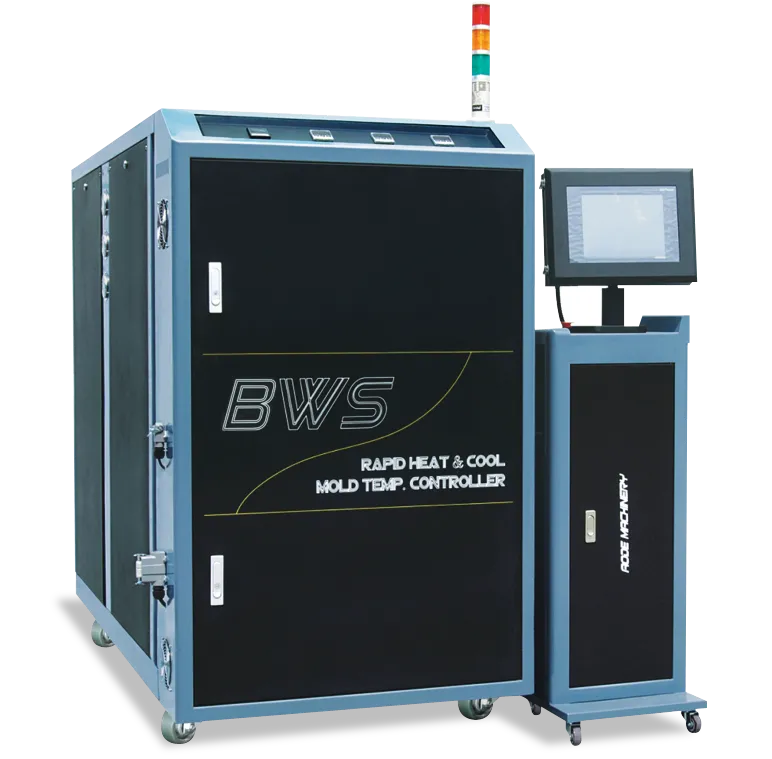
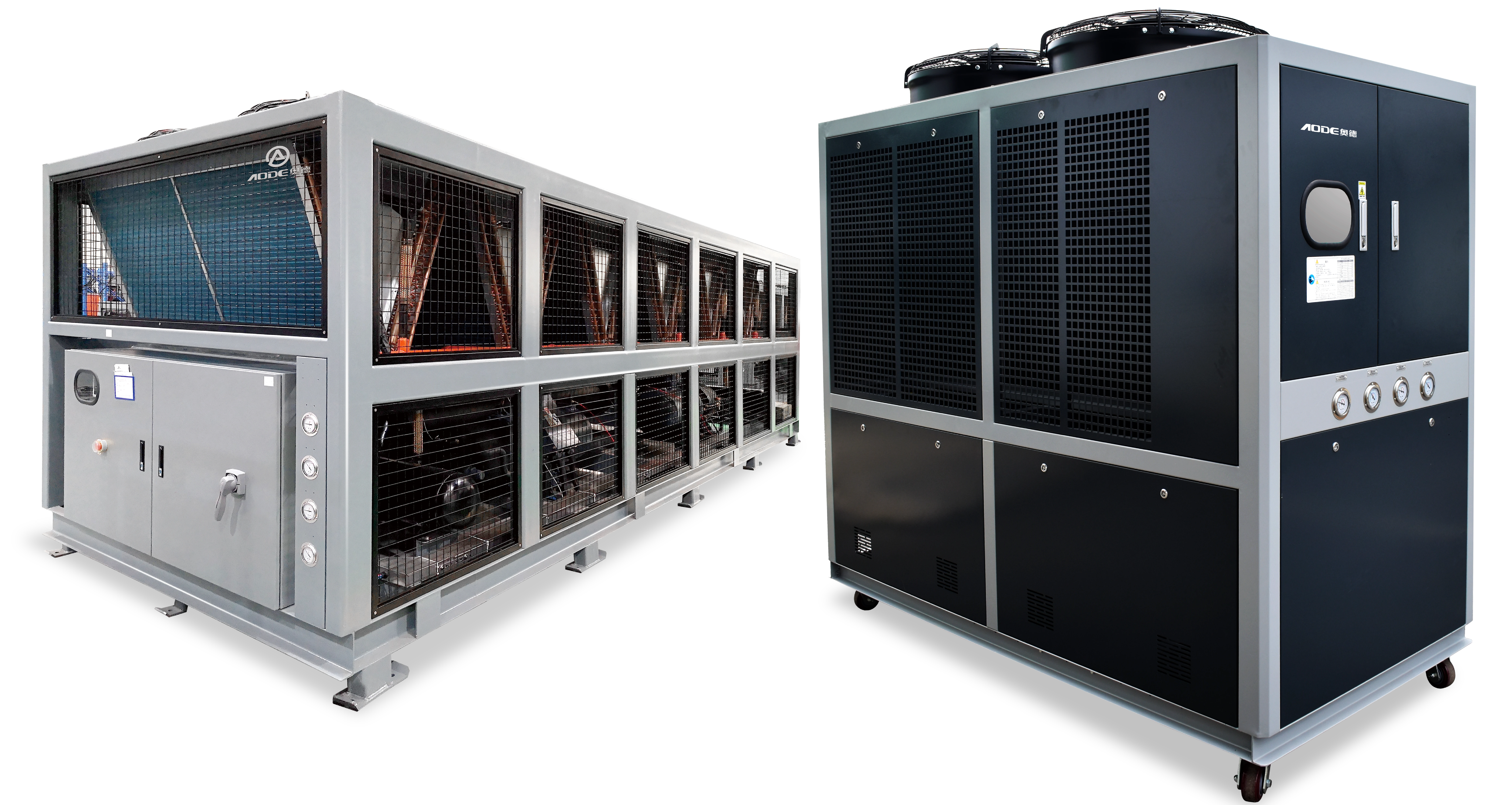
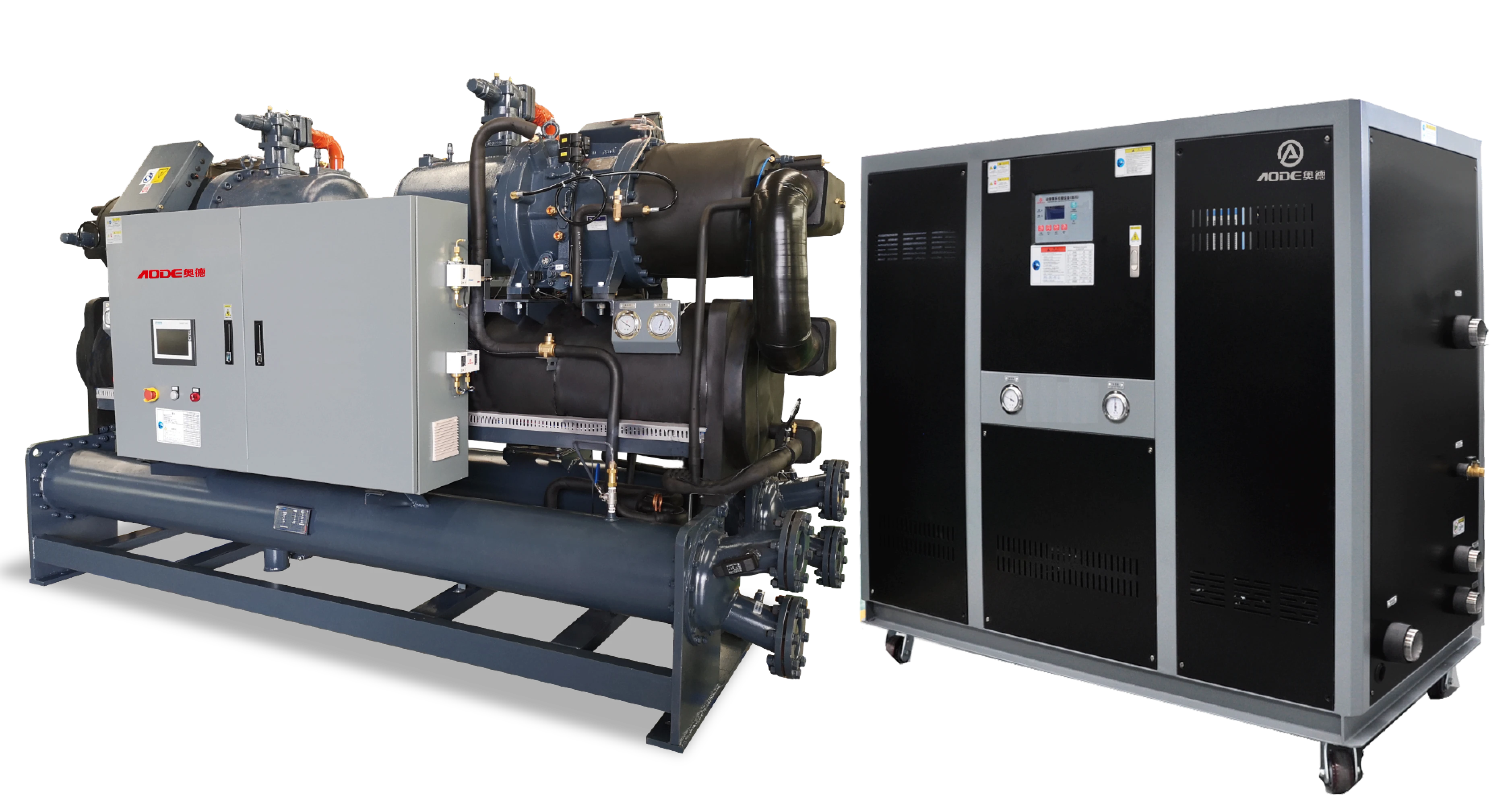
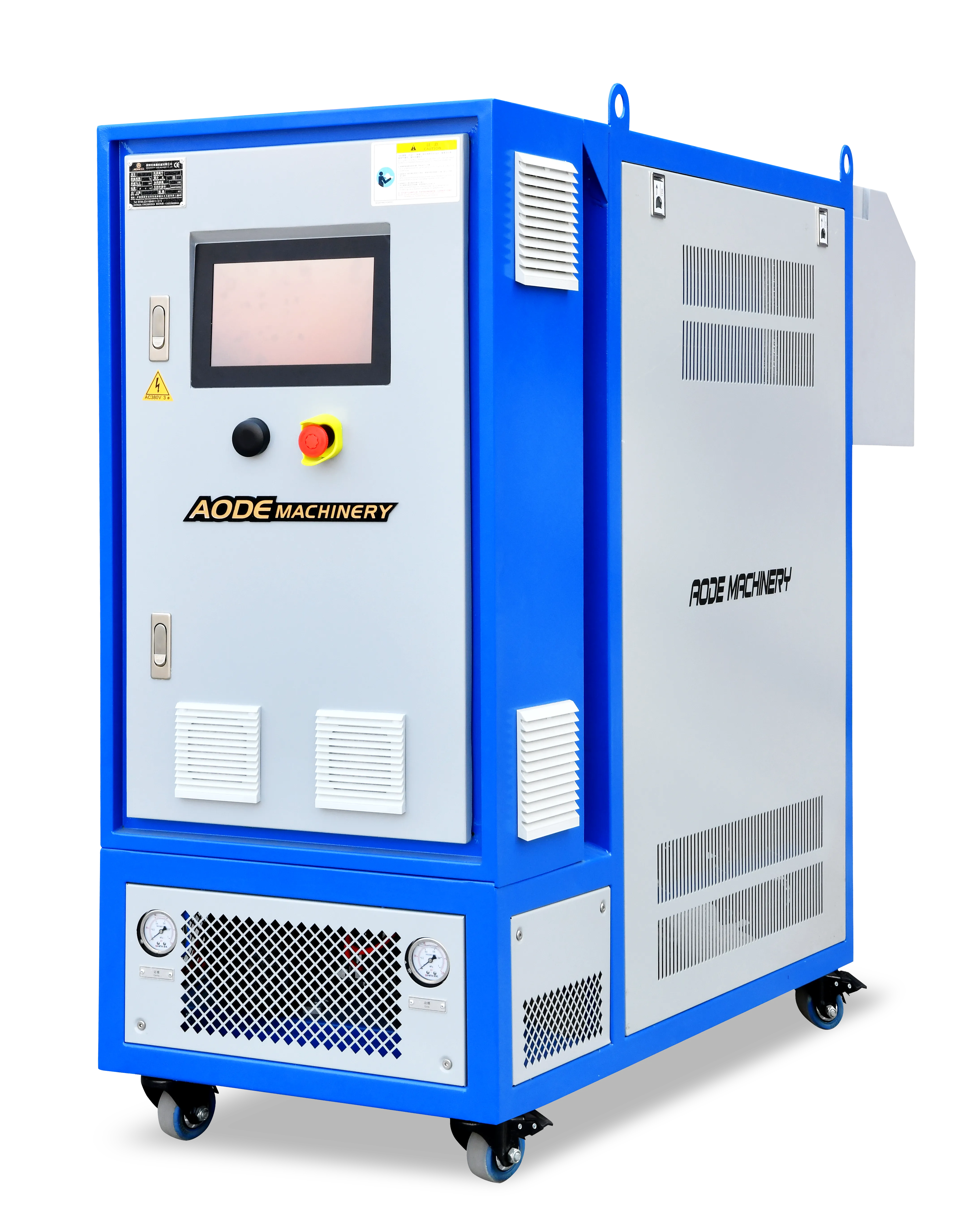
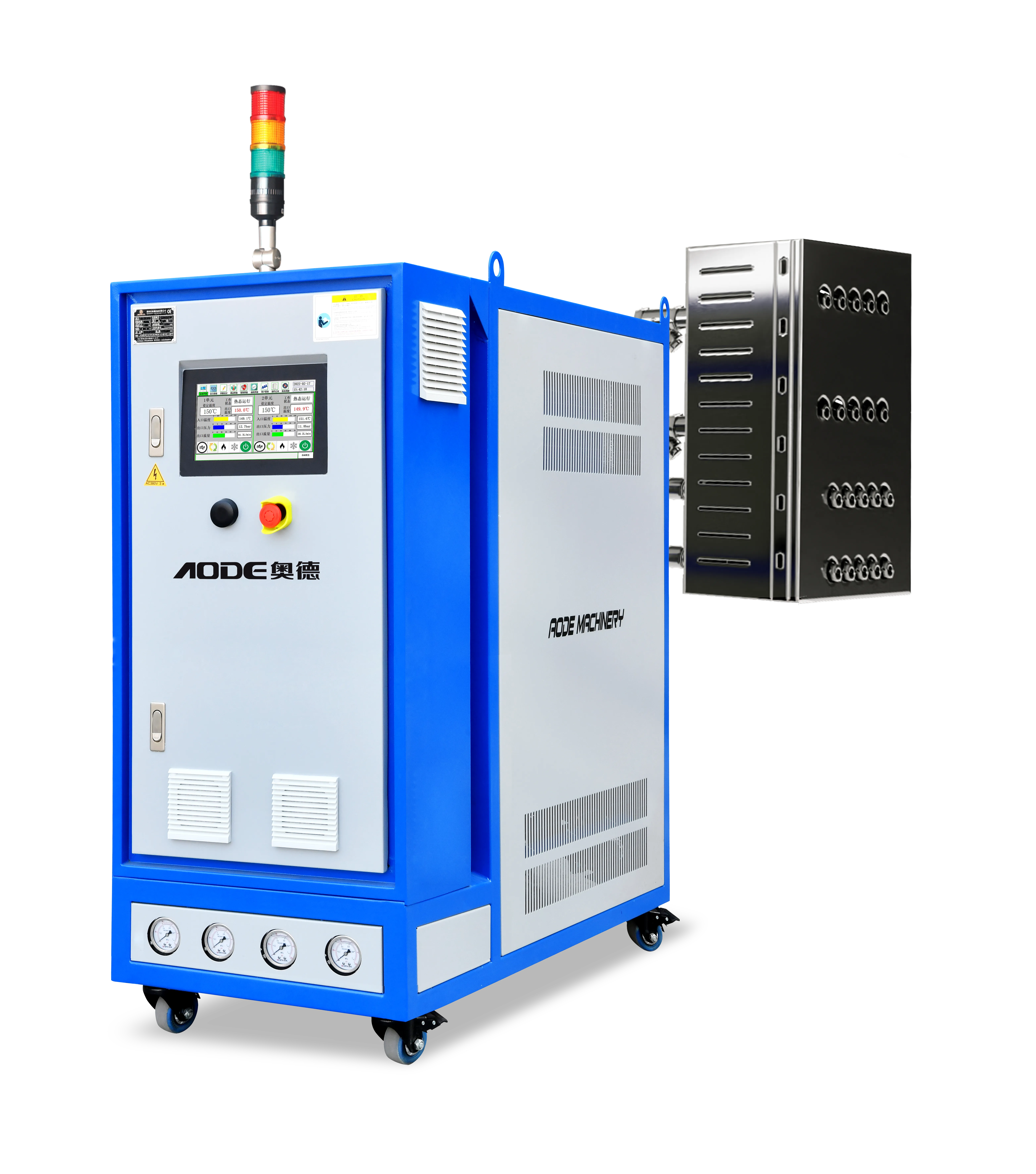
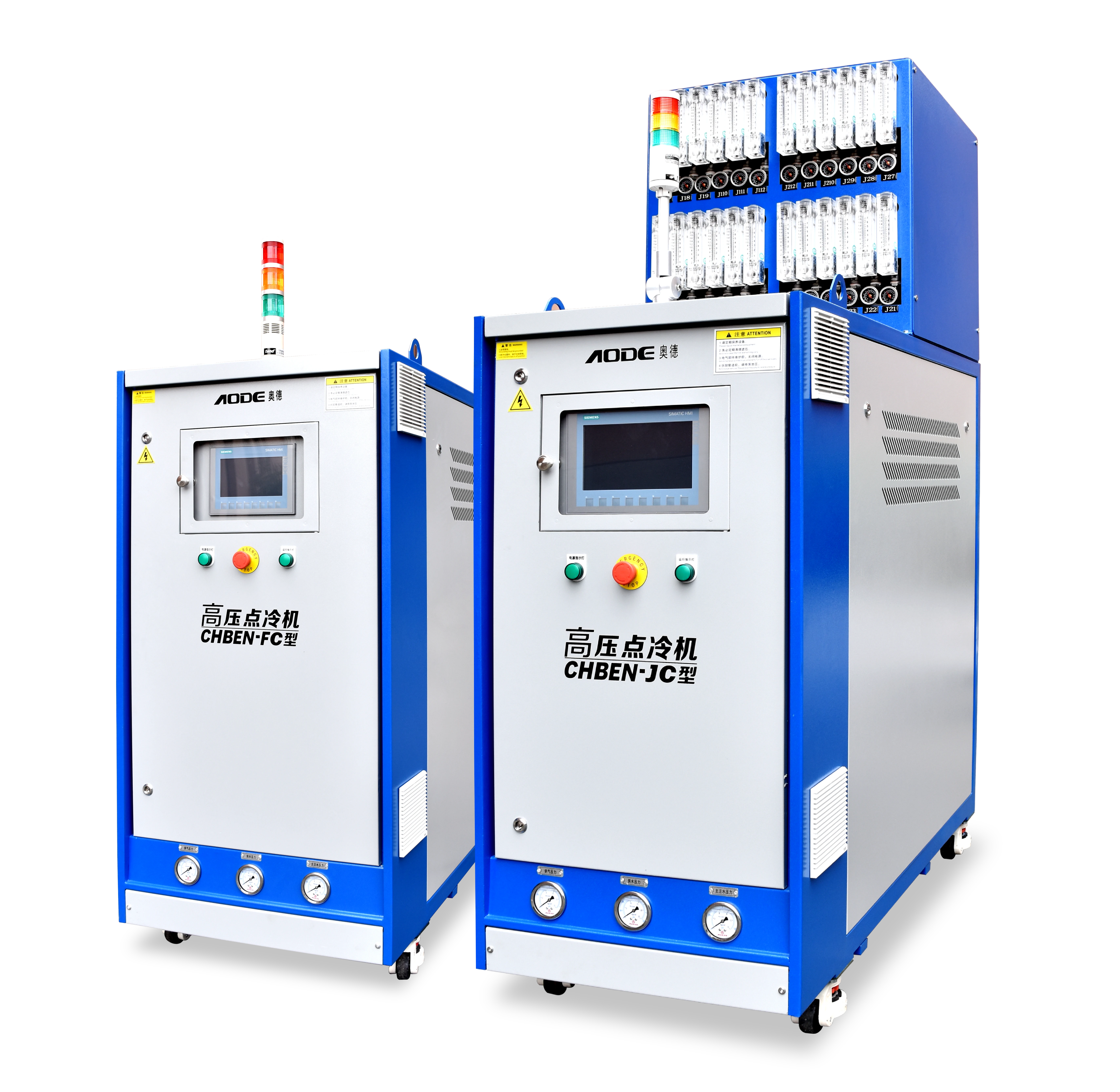
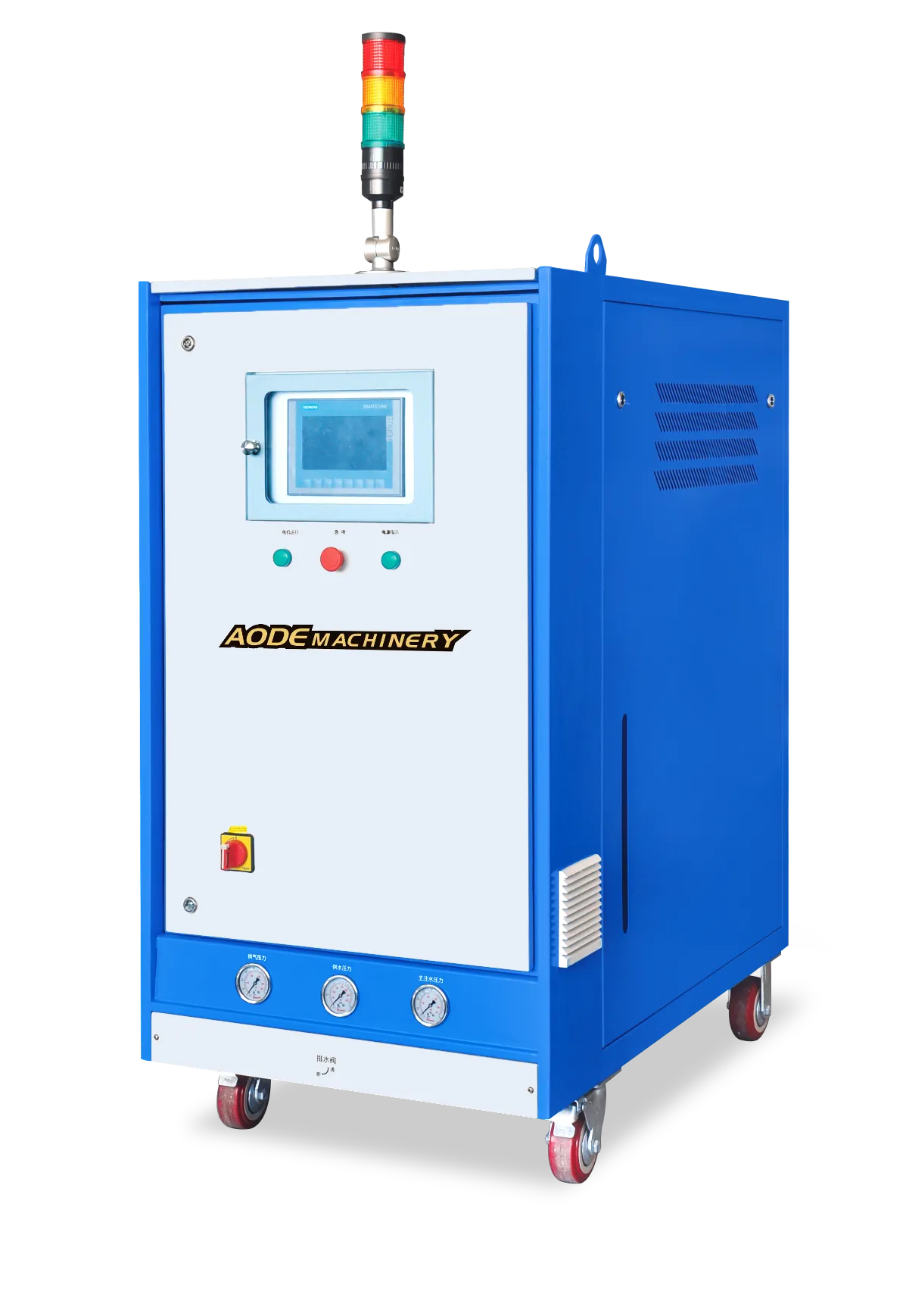
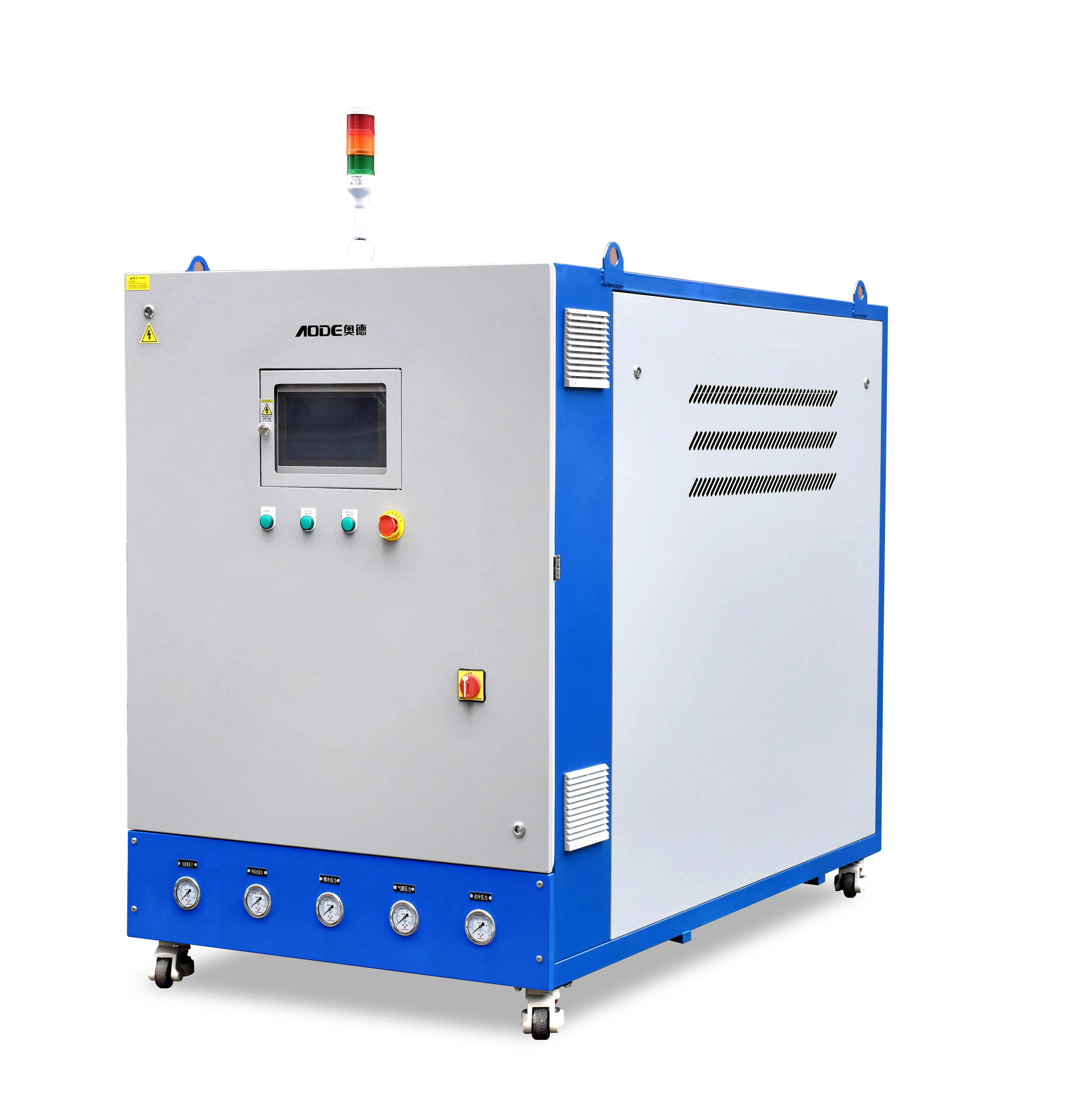
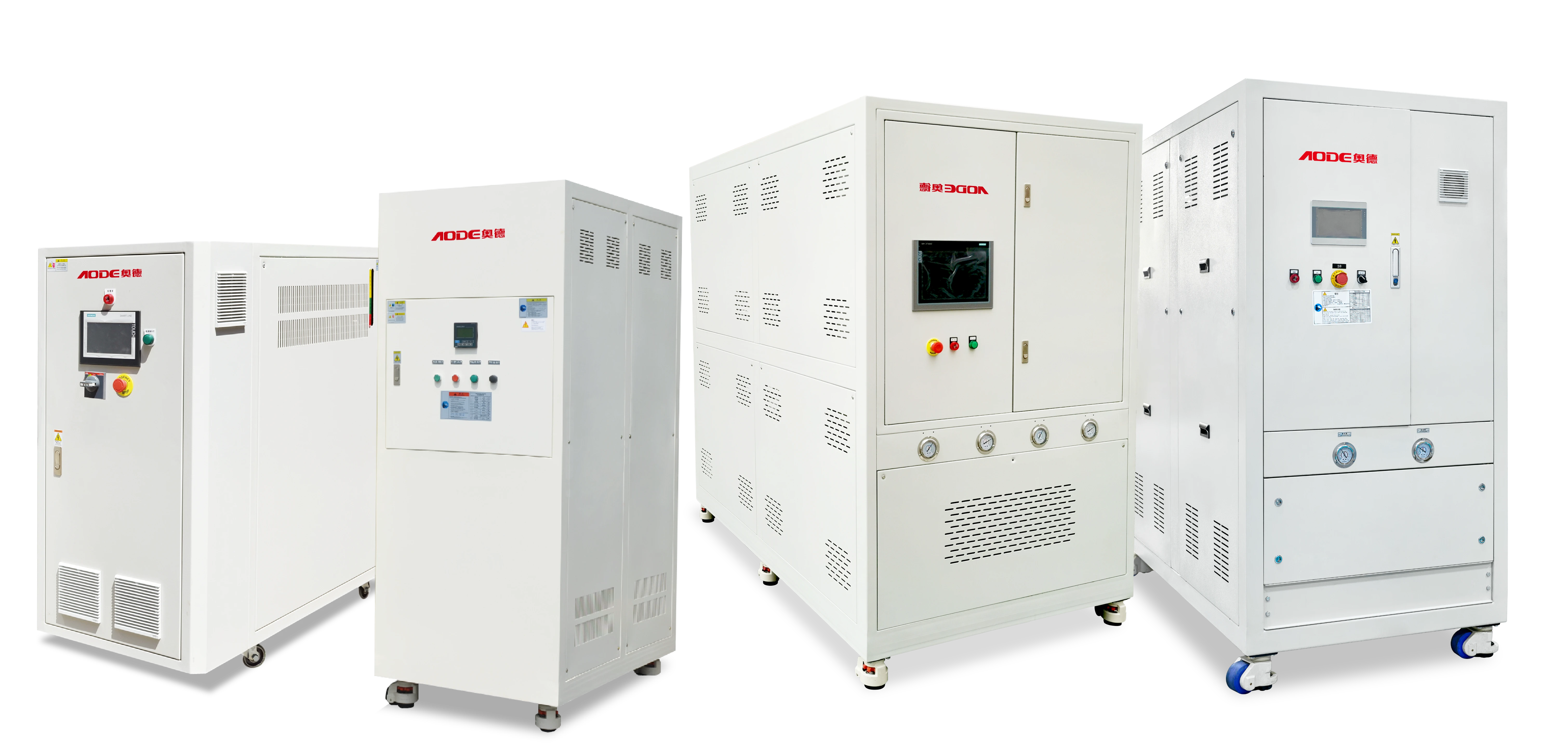
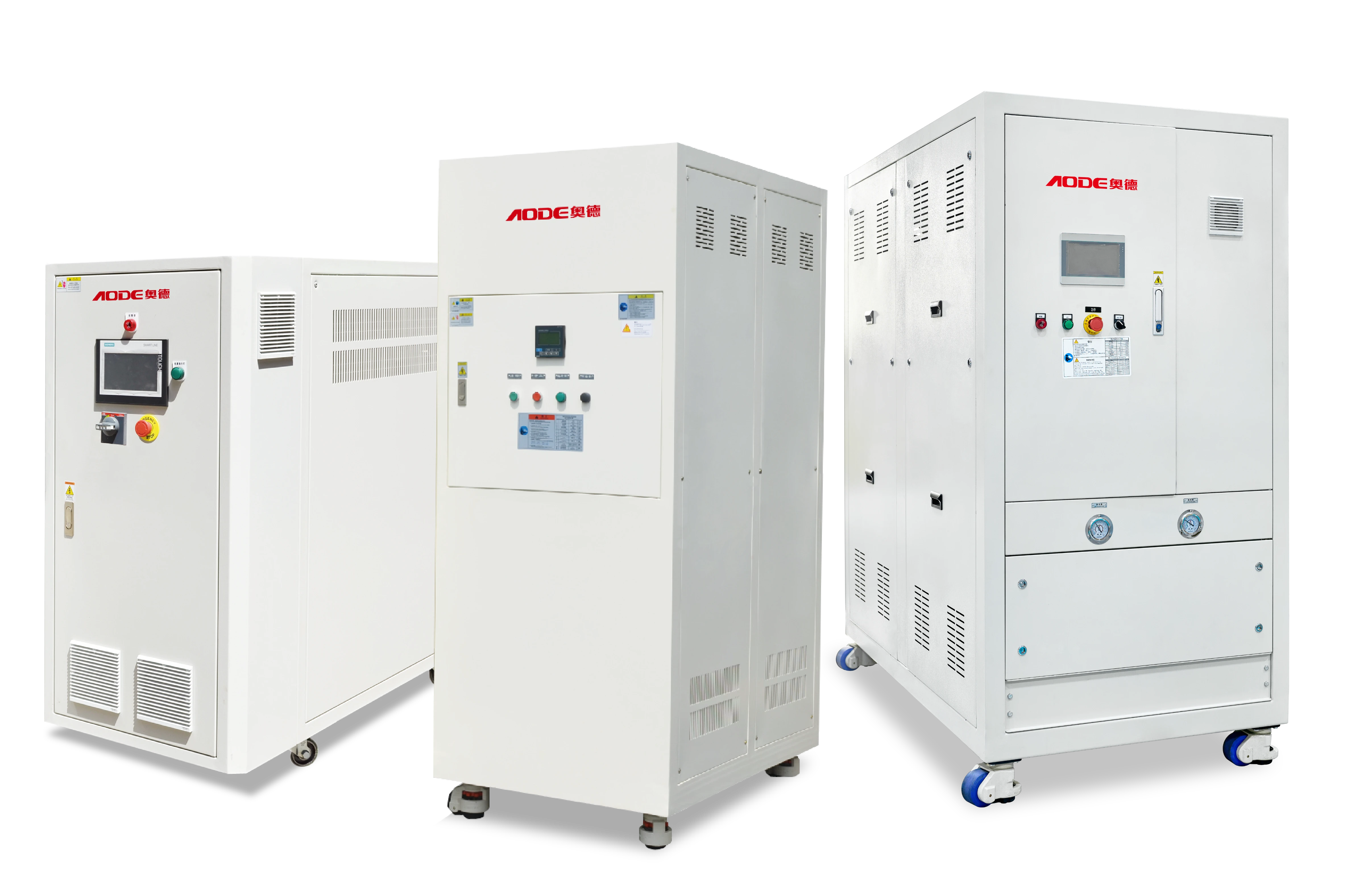
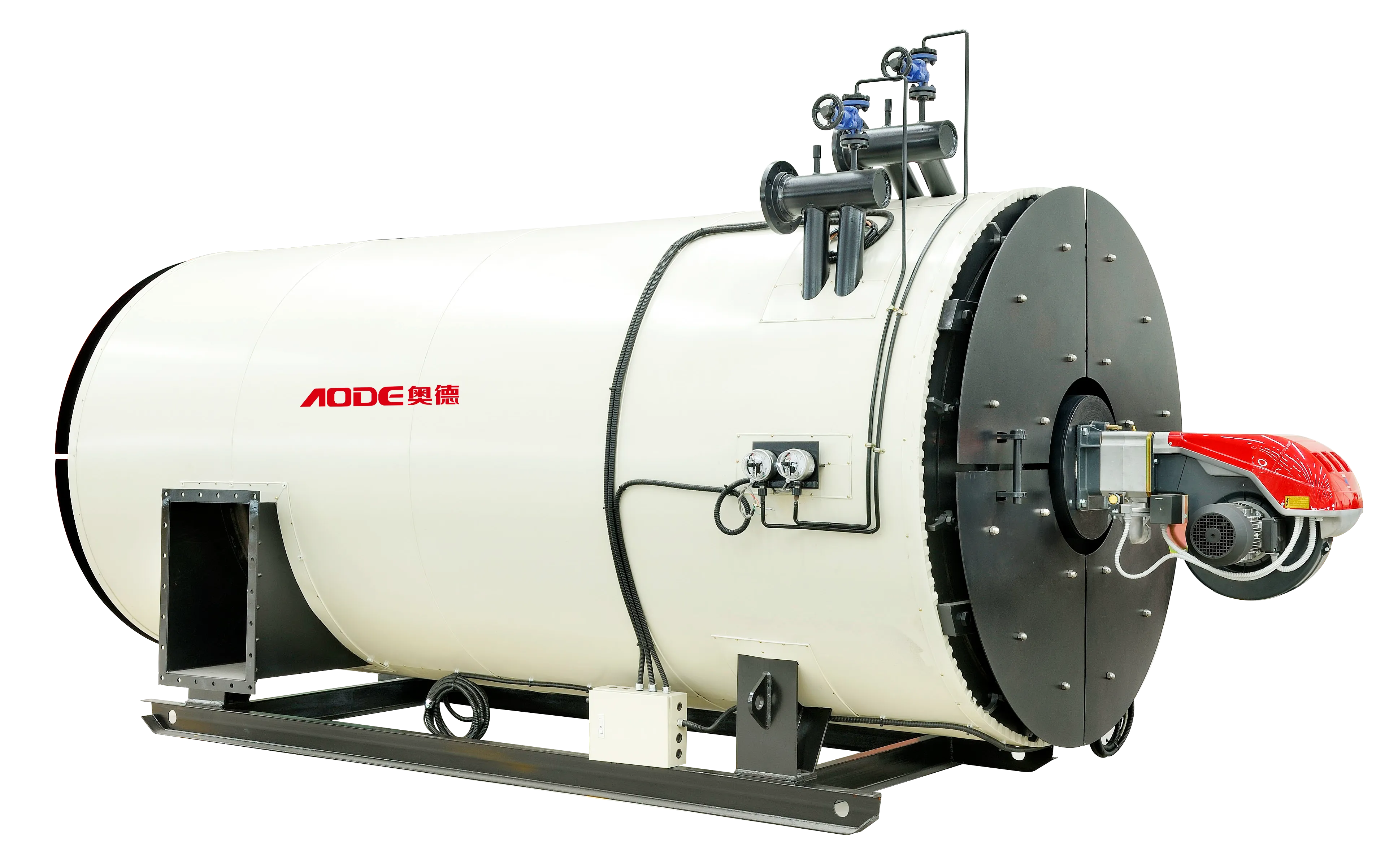
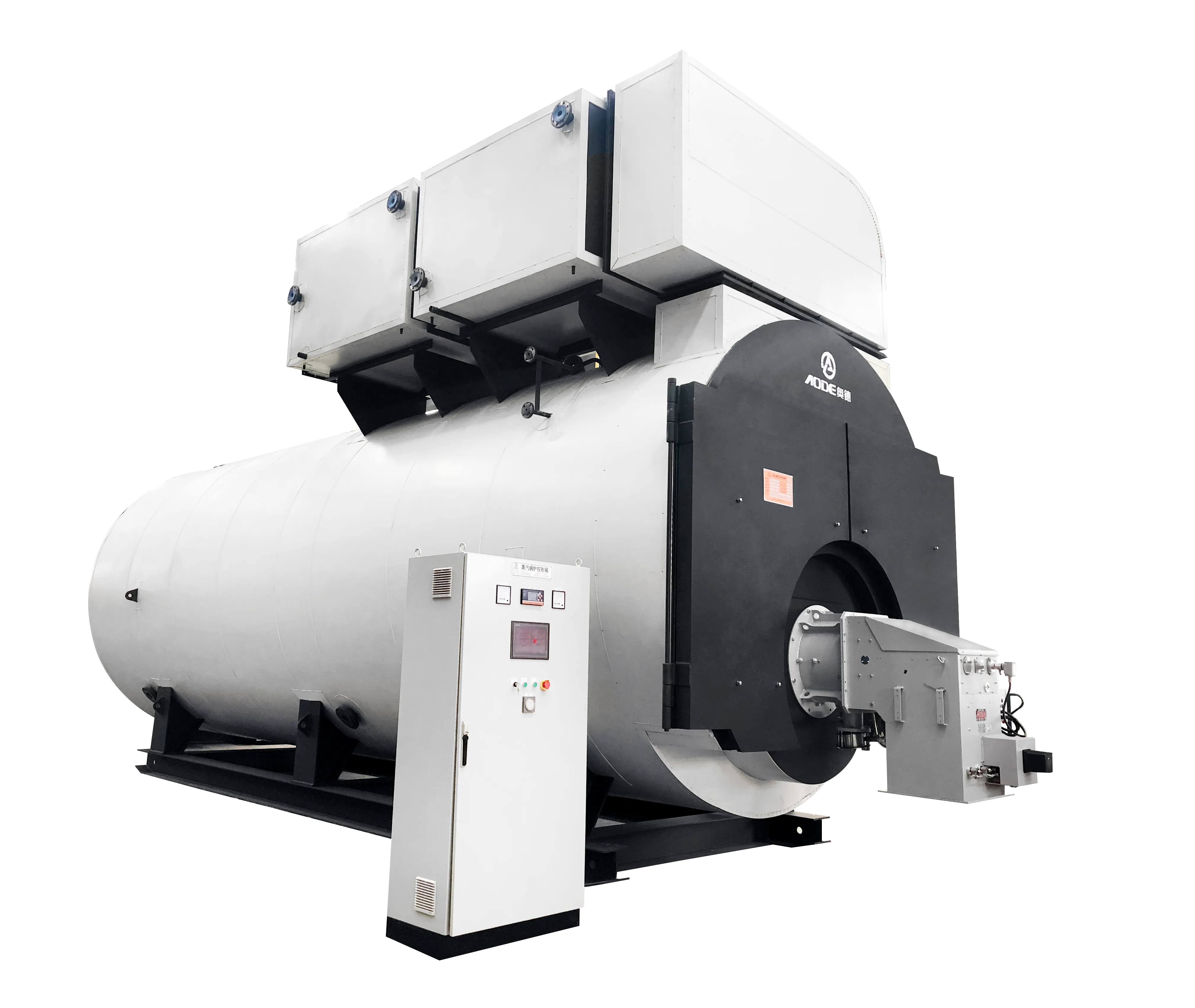
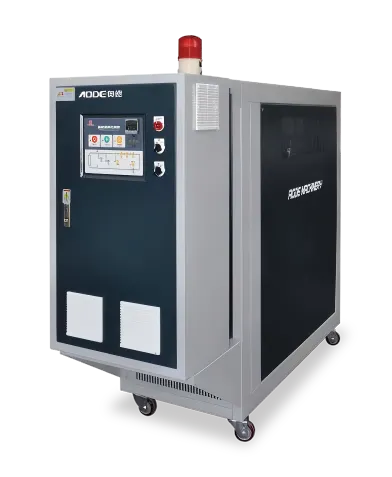
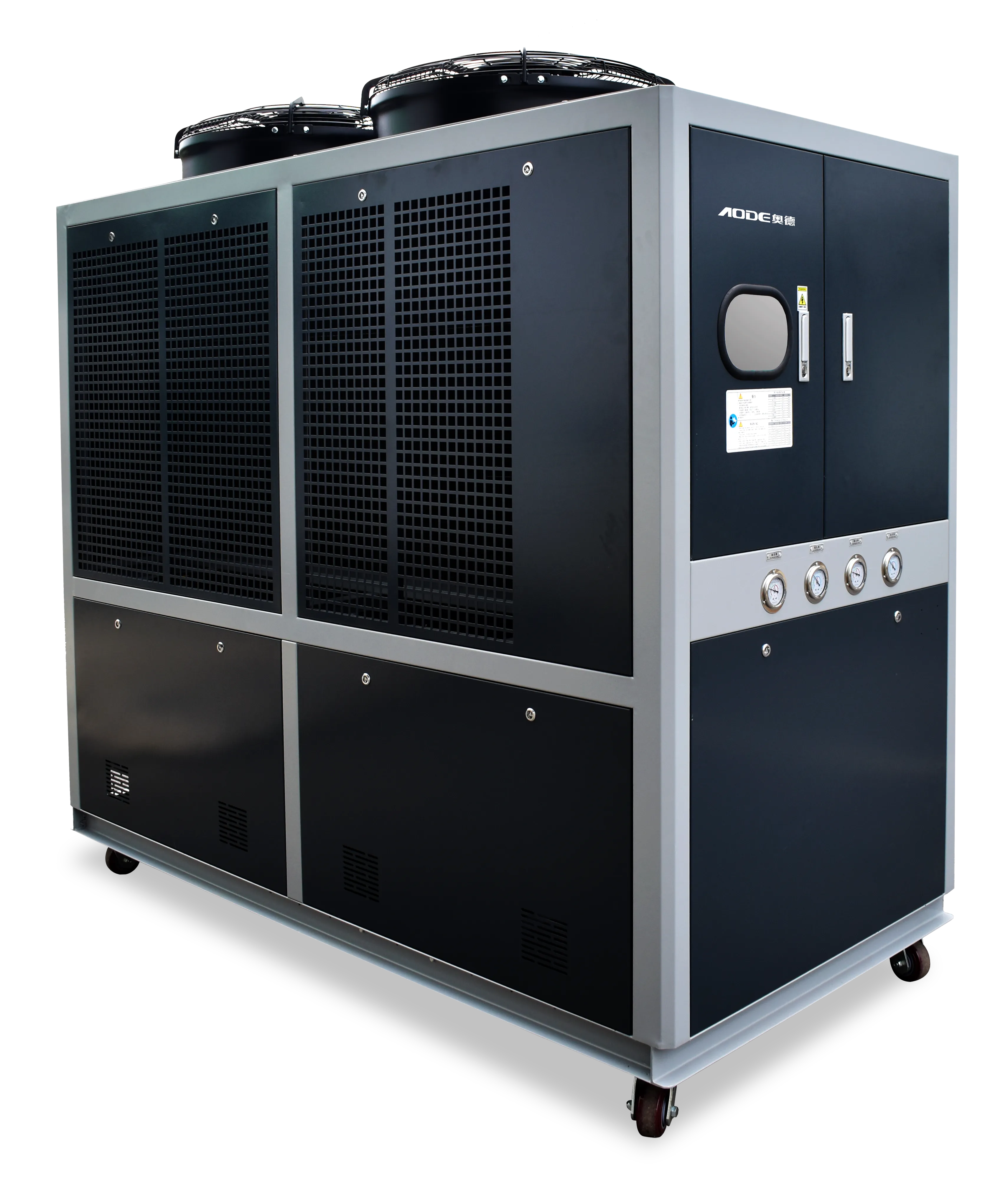
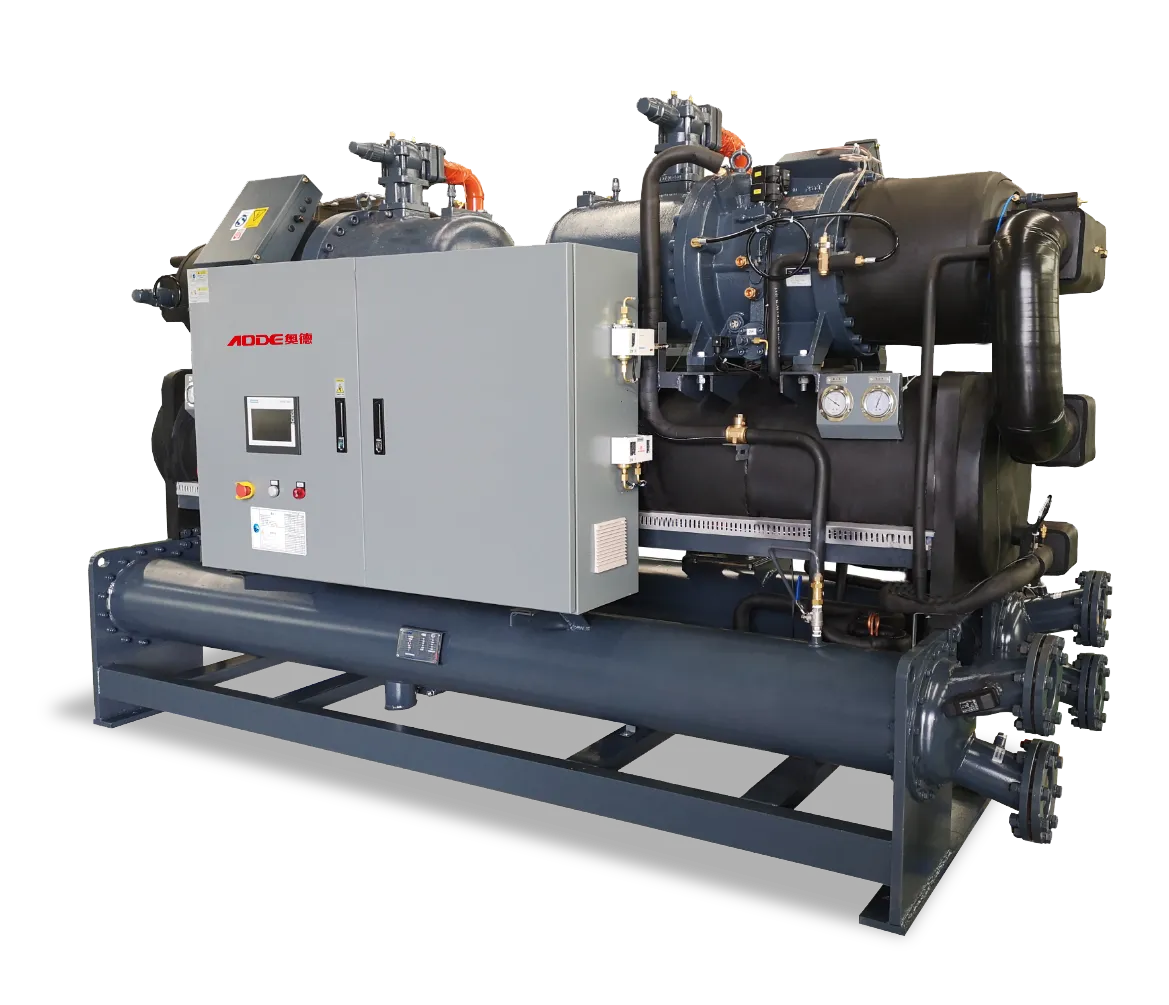
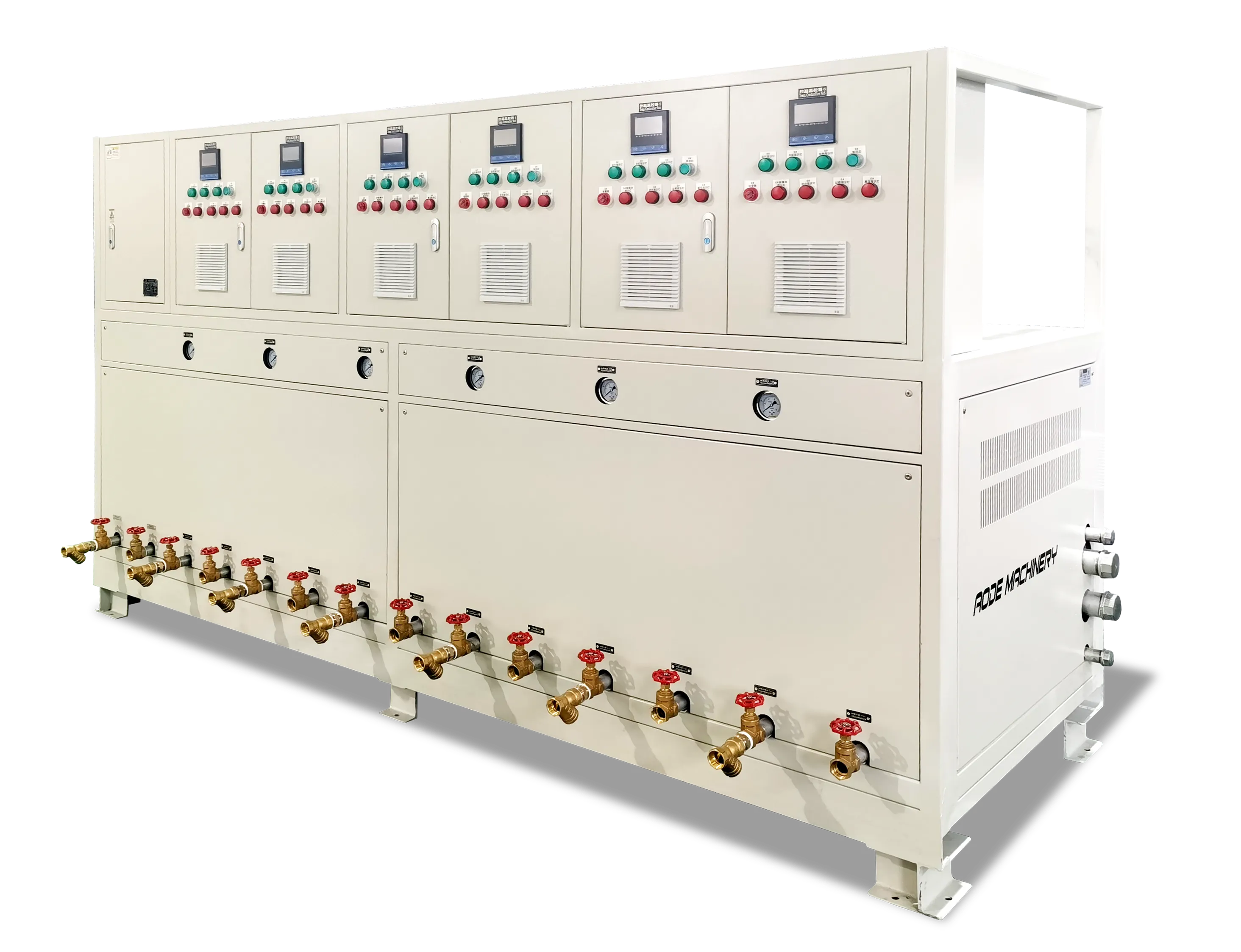
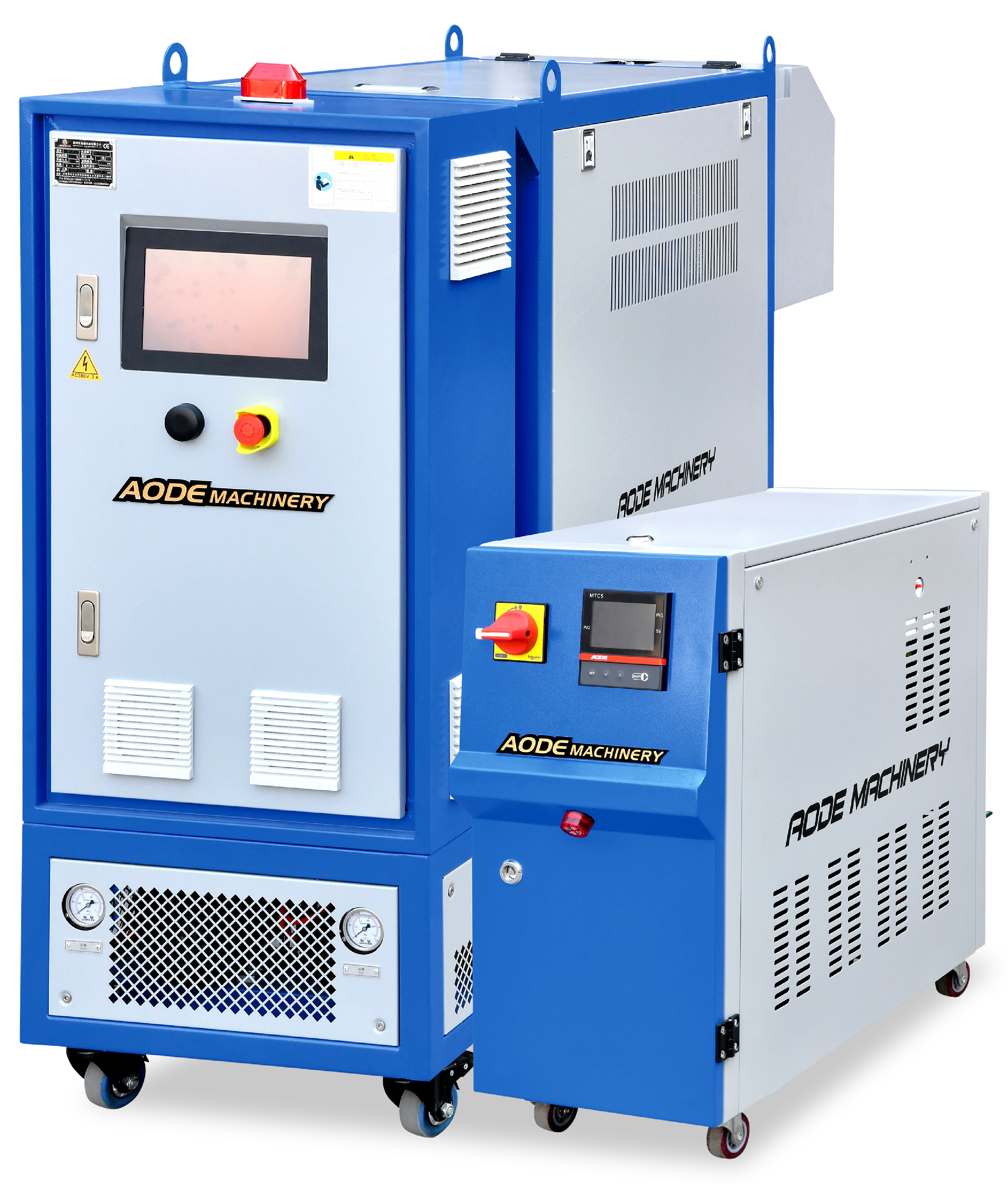
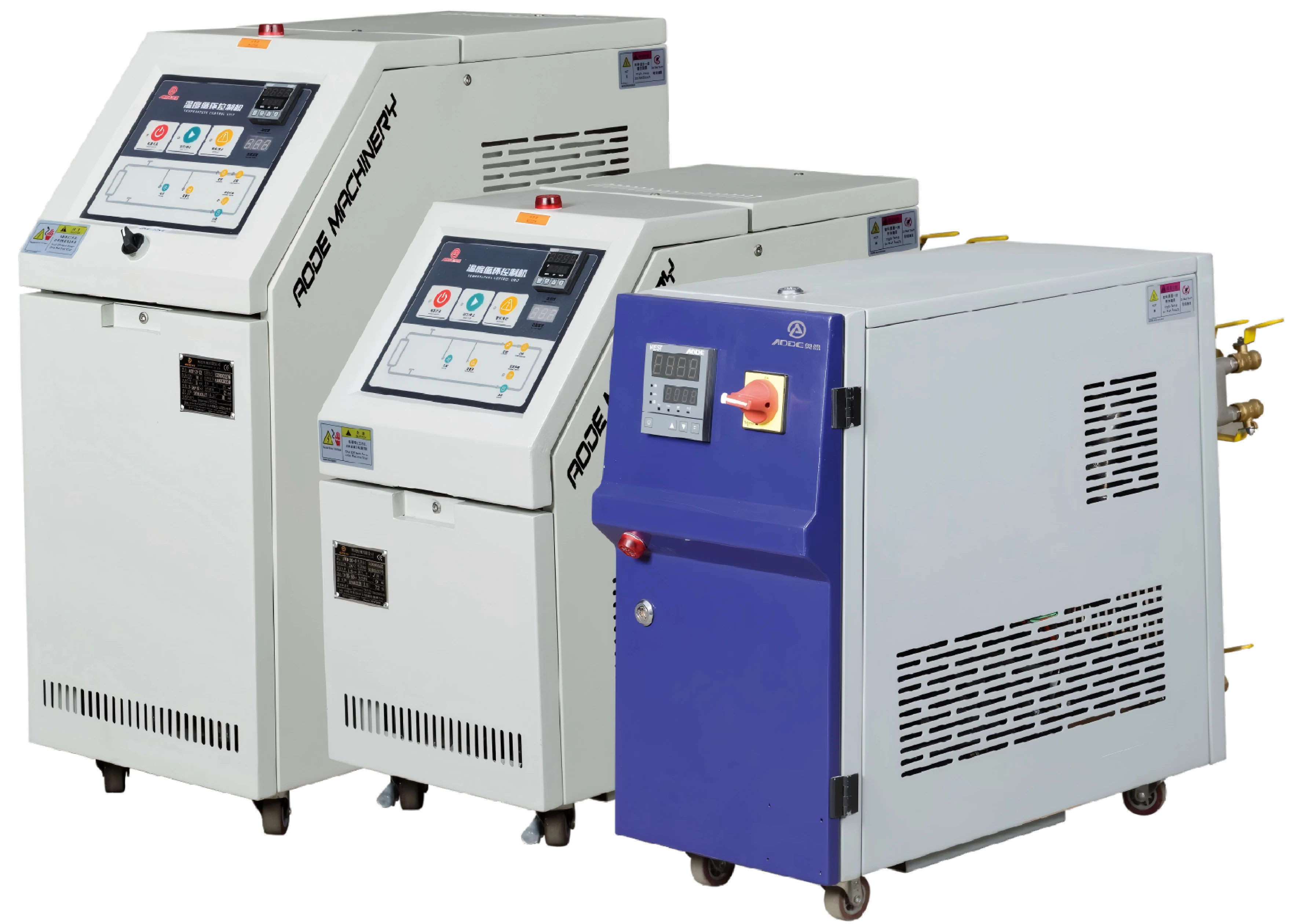
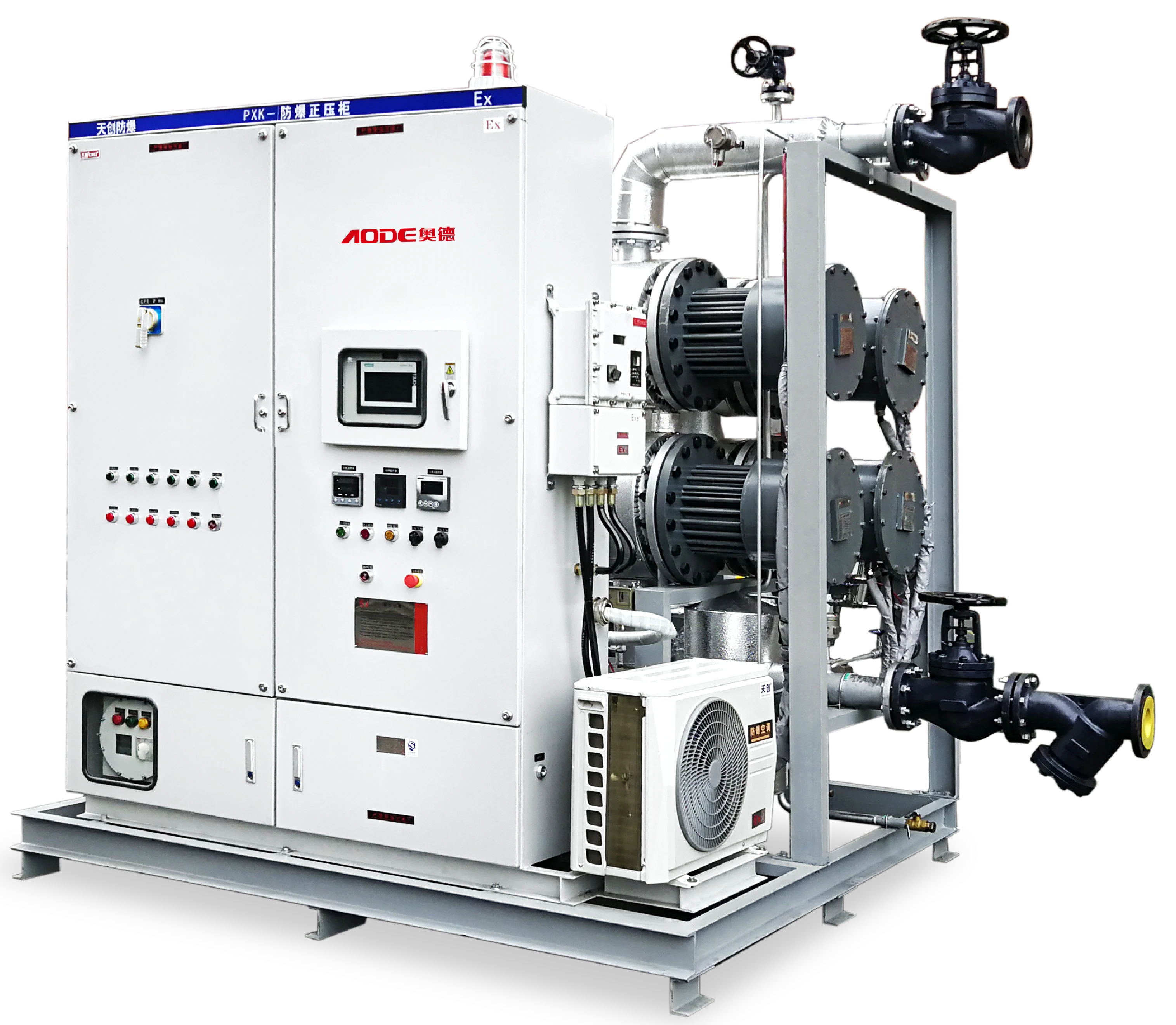
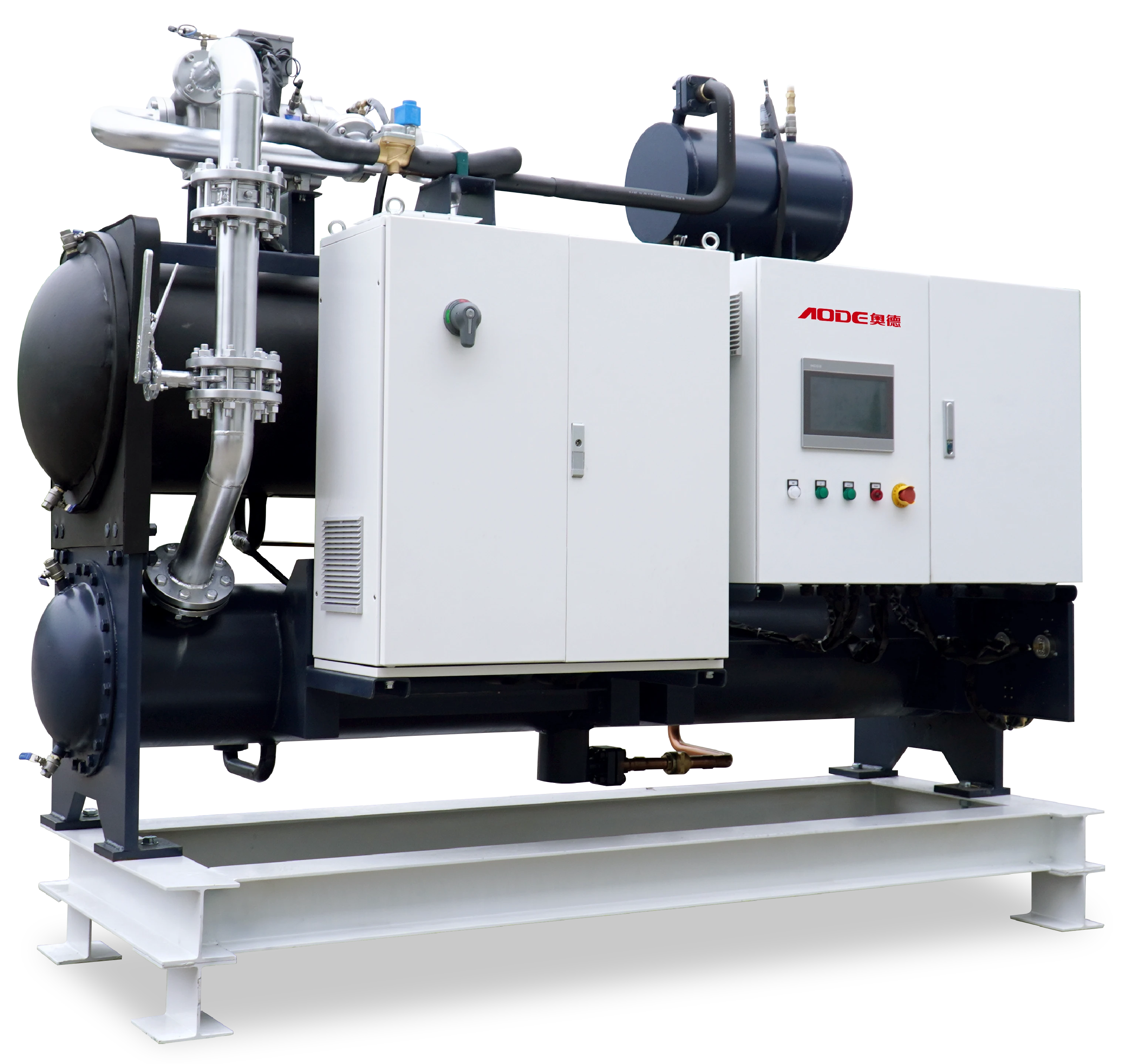
Relevant Products Showcase
Thermoset Rigid Composite Material Solutions
Files Download
Everything you need to plan, size, integrate, and maintain composite material temperature control. Use these resources to support curing stability, mold heating, controlled cooling, and process repeatability.
View Relavent Resources 
FAQs About Composite Material Temperature Control
How does hot and cold oil control shorten composite molding cycles?
Hot and cold oil temperature control heats the mold during curing and cools it after forming. This helps shorten cycle time while keeping the composite process temperature controlled.
Why do SMC and BMC molds need stable heating and cooling?
SMC and BMC molds need stable heating and cooling to control curing speed, surface quality, and demolding stability. A composite temperature control unit helps reduce incomplete curing and surface defects.
Does RTM require mold temperature control?
Yes. RTM mold temperature control is important because resin viscosity, flow distance, and impregnation quality all change with temperature. Stable mold temperature helps reduce dry spots and curing variation.
What temperature control is useful for carbon fiber hot press molding?
Carbon fiber hot press molding benefits from stable high-temperature mold heating. A high-temperature thermal oil heater for carbon fiber molding supports resin curing, consolidation, and repeatable press results.
How does temperature profiling reduce composite warpage?
Temperature profiling reduces warpage by controlling preheating, curing, holding, and cooling stages. Stepwise temperature control for composite molding helps lower internal stress and curing deviation.
Why does composite curing need controlled heating?
Composite curing needs controlled heating because resin flow and curing reaction are temperature-sensitive. A composite mould temperature controller helps keep curing temperature stable and improves part consistency.

Contact Us
Get Your Temperature Control Solution
Tell us about your process, and our engineers will size the right mould temperature controller.
Share basic details and we'll return a tailored proposal and timeline within one business day.