
fajsdfjash ddsa dsa as sa sad sda sadfjsadjfl jsadjk fjasdlkfjaskdfdklsaj klf
jsadj
asjdklj falsdjf
jaklj

Products
How to Diagnose Mold Temperature Fluctuations in Injection Molding?
12 November 2026
Author:AODE
share:


Mold temperature fluctuations can affect injection molding quality even when your machine settings remain unchanged. You may notice inconsistent part dimensions, warpage, or variations in cooling time, while the temperature controller appears to operate normally. In many cases, the problem comes from circulation conditions, cooling performance, or changes in the mold's thermal load rather than the controller alone.
To diagnose mold temperature fluctuations, start by comparing the controller setpoint with its actual reading. Then check the supply and return temperatures, circulation flow, cooling water conditions, and mold temperature distribution. These measurements help you identify where heat transfer becomes unstable before making unnecessary equipment adjustments.
What Are the Signs of Unstable Mold Temperature?
Temperature instability often becomes noticeable through changes in molded part quality. Components that previously met dimensional requirements may develop uneven shrinkage, warpage, or surface variations. You might also find that parts from different cavities behave differently or require longer cooling times before ejection.
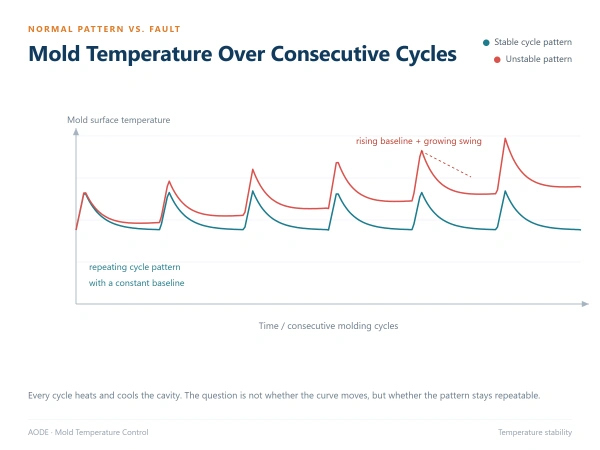
However, temperature changes during each molding cycle are normal. According to LANXESS's Processing Data for the Injection Molder, the cavity surface heats up as molten plastic enters the mold and cools again before the next cycle. Under stable production conditions, this produces a repeating temperature pattern rather than an absolutely constant mold surface temperature.
The important distinction is whether that pattern remains consistent. If temperatures gradually rise, fluctuate irregularly, or differ significantly between mold areas, we need to examine the circulation and cooling conditions rather than focusing only on the TCU display.
What Causes Mold Temperature Fluctuations?
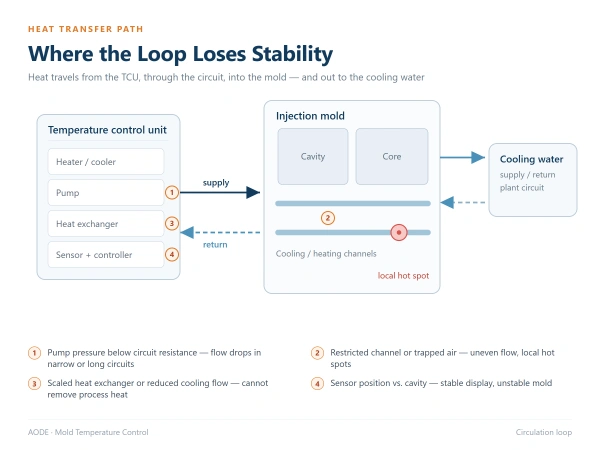
Several factors can interfere with heat transfer between the temperature control unit (TCU) and the mold. Circulation restrictions, insufficient cooling, inaccurate temperature feedback, and changing production loads can all contribute to unstable operating conditions.
Insufficient Circulation Flow and Pump Pressure
Water or thermal oil must circulate through the mold channels to transfer heat effectively. When flow decreases, some mold areas may receive insufficient heating or cooling. Blocked passages, narrow hoses, trapped air, and excessive circuit resistance are common conditions worth checking.
Pump pressure is closely related to this problem. LANXESS's injection molding technical guide explains that cooling channel geometry and flow resistance affect the time required to reach thermal equilibrium. A pump that cannot overcome the circuit's resistance may fail to deliver the necessary circulation flow.
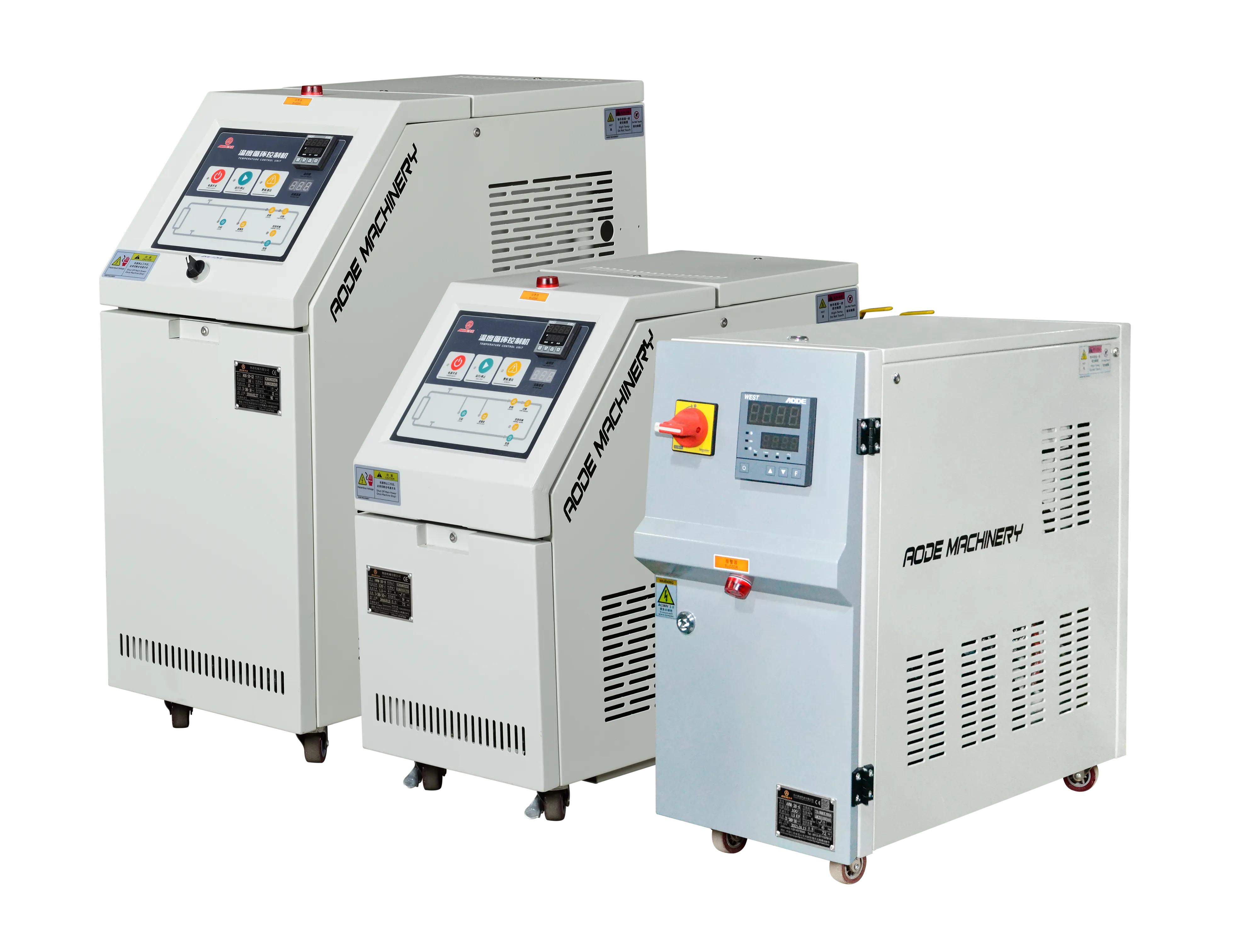
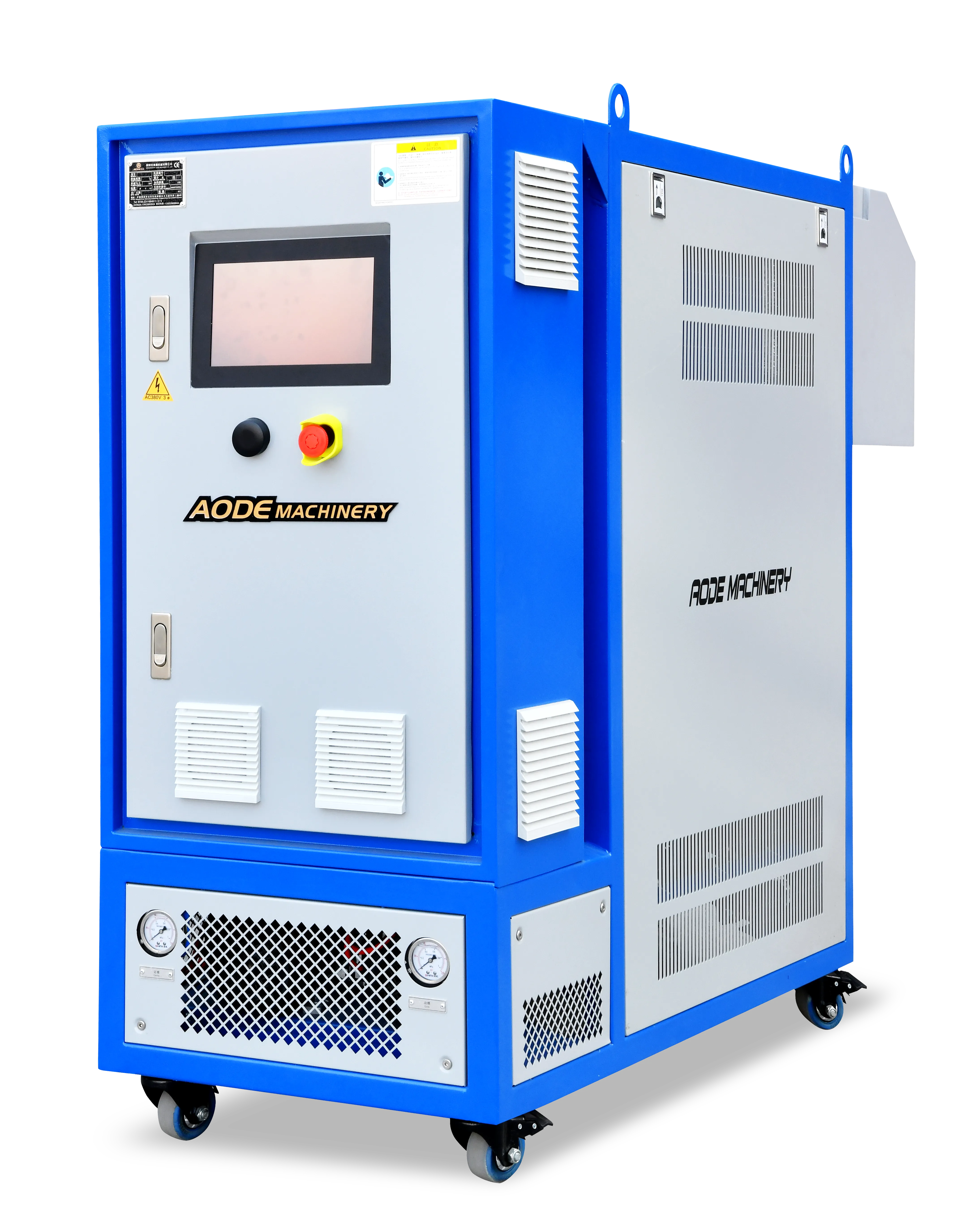
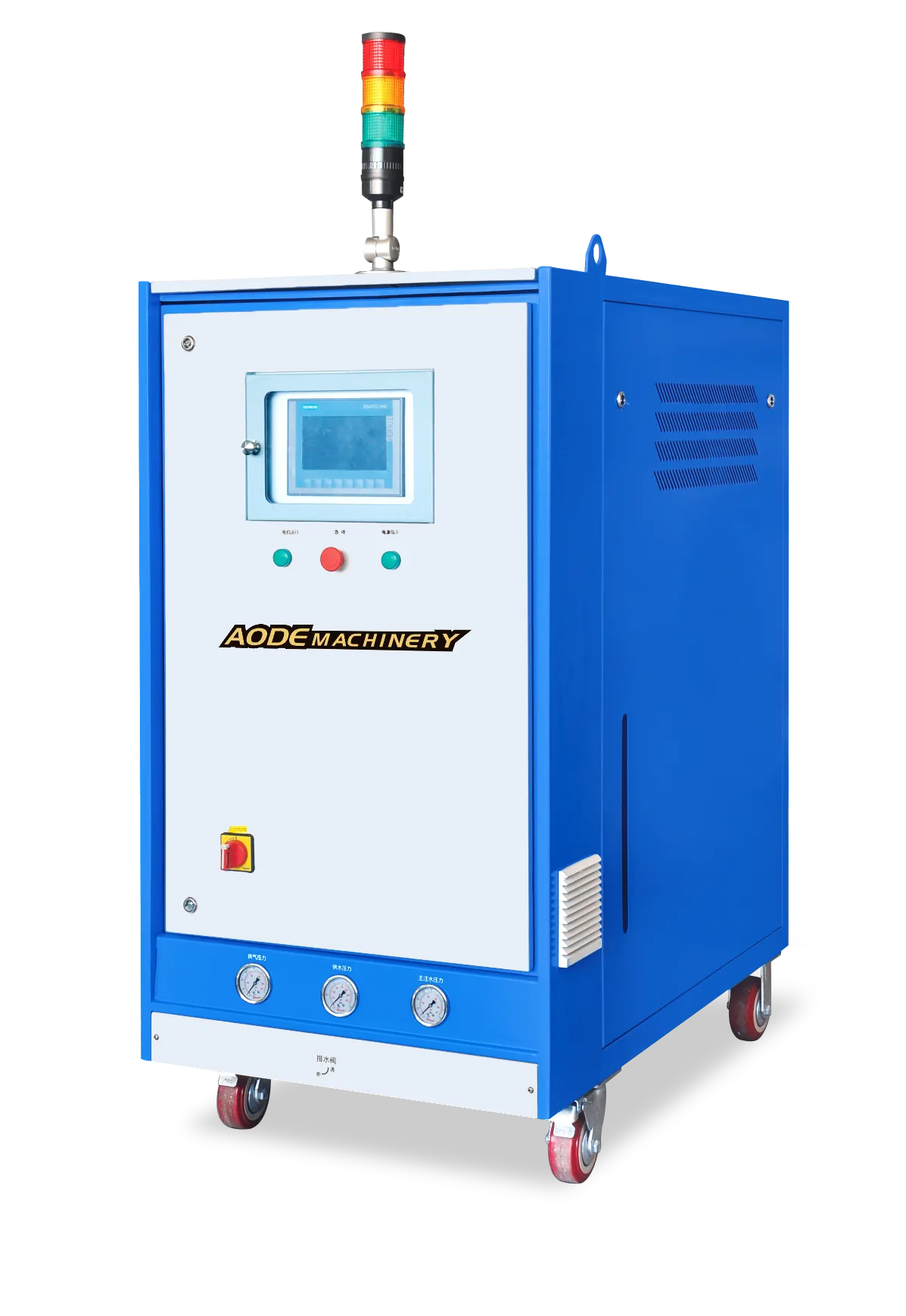
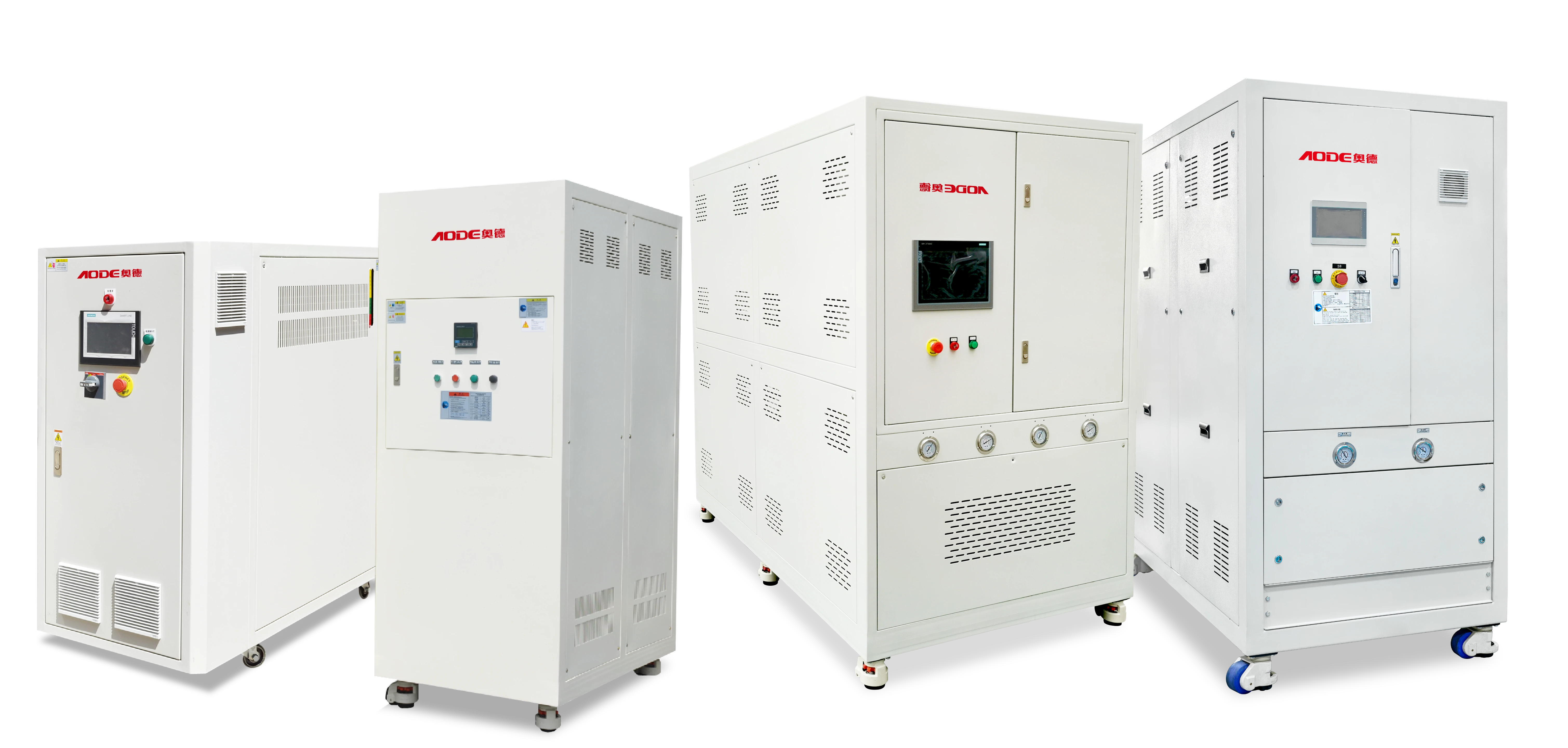
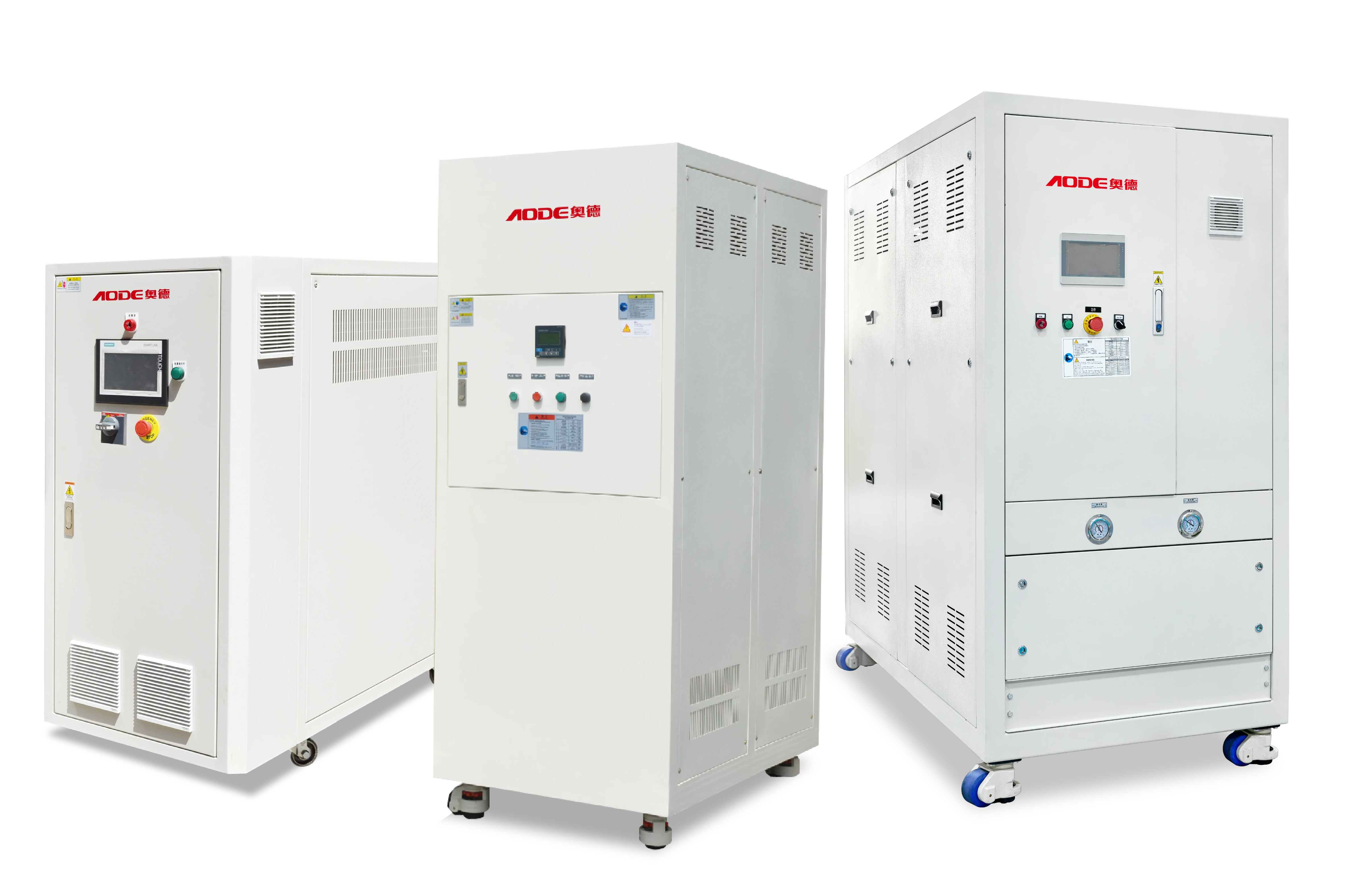
This is why we need to consider actual operating conditions rather than maximum pump ratings alone. For example, AODE's standard water temperature controller range includes the AWM-05(A), rated at 26 L/min with a 15 m pump head, and the AWM-20, rated at 150 L/min with an 18 m pump head. The appropriate configuration depends on the connected mold's circulation requirements.
Cooling Water and Heat Exchange Problems
The cooling system must remove the heat transferred from molten plastic into the mold. If facility cooling water becomes warmer, the available flow decreases, or the heat exchanger loses efficiency, the controller may struggle to maintain its target temperature.
These problems are sometimes more noticeable during continuous production than during startup. Scale deposits, restricted filters, or changing cooling water conditions may reduce performance gradually, while increased production output can introduce additional thermal load.
Autodesk Moldflow's technical documentation explains how heat from the molten material is transferred through the mold and removed by cooling circuits. Its analysis also shows how cooling channel placement and heat transfer conditions influence temperature distribution. These factors should be considered when investigating persistent temperature increases or uneven mold cooling.
Temperature Sensors and Process Changes
A temperature controller relies on sensor feedback to regulate heating and cooling. Inaccurate readings, unsuitable sensor placement, or incorrect control parameters can produce repeated temperature overshoot or unstable regulation. Before changing the settings, you should verify the measurement location and confirm that the sensor operates correctly.
Production changes can create similar symptoms even when the equipment is functioning normally. Shorter cycle times, increased material throughput, or changes in melt temperature affect how much heat enters the mold. Comparing temperature records with production conditions can help identify whether the instability developed after a process change.
How to Troubleshoot Mold Temperature Fluctuations Step by Step?
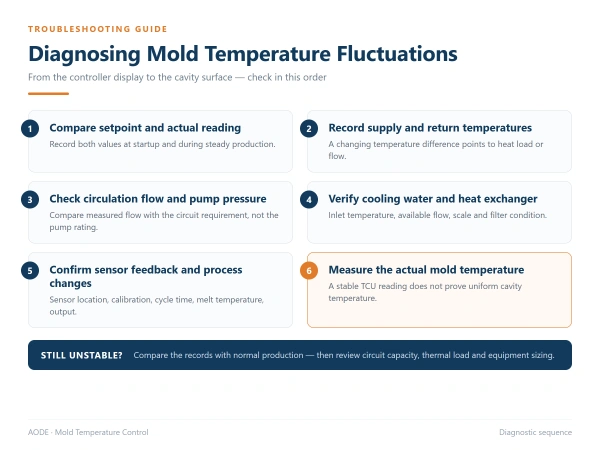
Start with the controller display and record the setpoint, actual temperature, and operating conditions during startup and steady production. If the displayed temperature repeatedly overshoots the target, check temperature feedback and heating or cooling operation. If the reading remains stable, the next step is to examine the mold circulation system.
Measure the supply and return temperatures, then check the flow conditions in each relevant circuit. A changing temperature difference may indicate variations in heat load or circulation performance, although the acceptable range depends on the mold design and operating conditions. Where practical, actual flow and pressure measurements provide a more reliable assessment than nominal pump specifications.
You should also inspect the cooling water supply and review equipment alarms. AODE's standard water temperature controllers include return-water temperature display, automatic venting during startup, a BY-PASS pressure relief circuit, and protection against water shortage, pump reversal, and overload. These functions provide useful operating information, although additional measurements may still be required to identify problems inside individual mold channels.
For a more reliable diagnosis, record the mold's target temperature, TCU supply and return temperatures, cycle time, and any available flow or pressure readings under the same production conditions. Comparing these records during normal operation and when fluctuations occur can help reveal changes in circulation or thermal load. If individual circuit measurements are unavailable, note the measurement limitations rather than assuming that stable controller readings confirm uniform mold cooling.
The table below summarizes common symptoms and the checks you should consider first.
| Observed Problem | Possible Cause | Recommended Check |
|---|---|---|
| TCU temperature stays above setpoint | Insufficient cooling or excessive heat load | Cooling water supply, cooling system, production load |
| TCU reading is stable but mold has hot spots | Restricted circulation or uneven flow | Mold channels, circuit flow and resistance |
| Temperature overshoots during startup | Sensor or control settings | Sensor feedback, controller parameters |
| Different cavities show inconsistent temperatures | Uneven flow or thermal distribution | Individual circuits and cavity temperatures |
| Temperature drifts during continuous production | Cooling conditions or process load changes | Supply conditions, cycle time, production records |
| Circulation-related alarms occur repeatedly | Water supply or pump problems | Water level, connections, pump operation |
Once the initial checks are complete, compare your findings with previous production records. If temperature instability appears only after a change in output or cycle time, the existing system may be operating under a different thermal load. If the problem continues under unchanged conditions, the mold circuit and temperature control equipment may require more detailed inspection.
Why Can Mold Temperature Change Even When the TCU Setpoint Is Stable?
The temperature displayed by a TCU does not necessarily represent the temperature at the mold cavity surface. Most conventional controllers regulate the circulating medium at a defined measurement point, while heat must still pass through the mold channels and surrounding metal.
A restricted cooling channel, for example, may receive insufficient flow even when the controller maintains a stable supply temperature. Different areas of the mold can consequently develop different thermal conditions without a significant change appearing on the controller display.
LANXESS emphasizes the importance of measuring actual mold temperatures rather than relying exclusively on the TCU setpoint. Autodesk Moldflow also identifies cooling channel placement, heat transfer conditions, and mold temperature distribution as important factors affecting local hot spots and molding performance.
This distinction becomes especially relevant in optical and precision injection molding, where temperature differences may influence dimensional consistency and surface quality. For applications requiring tighter temperature regulation, AODE provides high-precision temperature controller configurations with specified accuracy up to ±0.1°C and operating temperatures up to 160°C or 180°C, depending on the model.
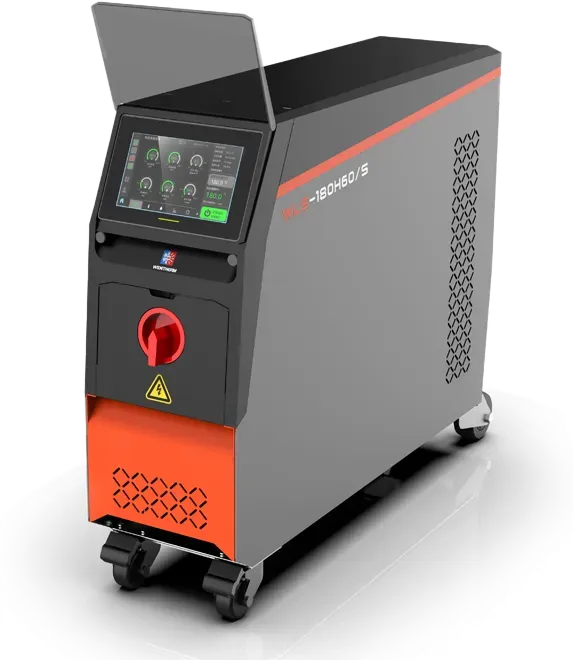
The WLS series combines PT100 temperature sensors, magnetic drive pumps, and intelligent temperature regulation. Its process monitoring system can display supply and return water temperatures, pressure, flow, and operating information, while communication options such as RS485 and OPC UA support integration requirements.
When Should You Reevaluate Your Mold Temperature Controller?
Not every temperature fluctuation requires replacing the TCU. If the problem results from blocked channels, trapped air, inaccurate sensors, or unstable facility cooling water, correcting those conditions may restore normal performance.
Equipment selection deserves another look when the controller cannot maintain the required temperature under normal production conditions, or when the connected mold needs greater circulation capacity than the existing pump can deliver. Changes in mold dimensions, production cycle time, or material requirements may also affect the necessary heating and cooling capacity.
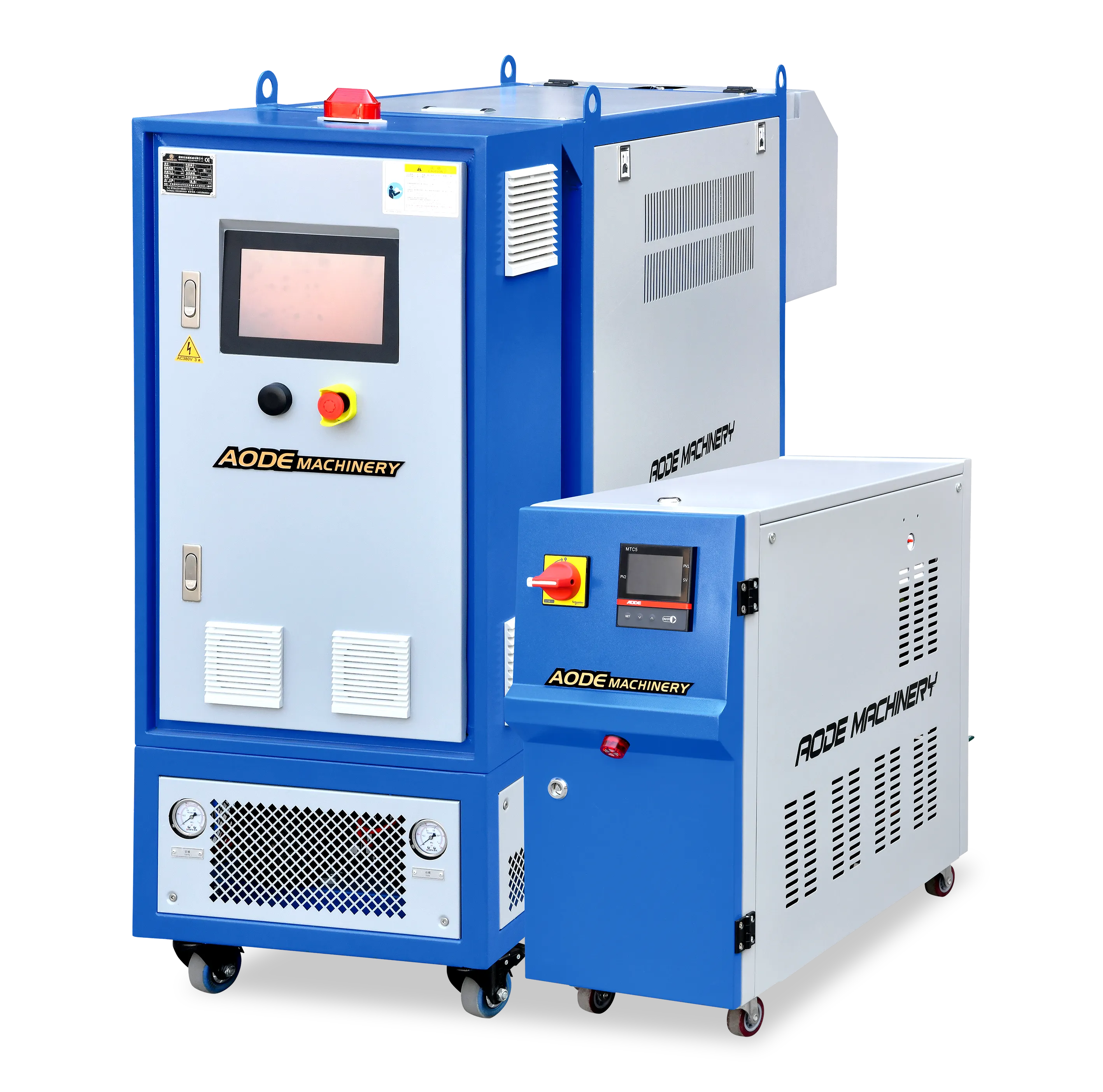
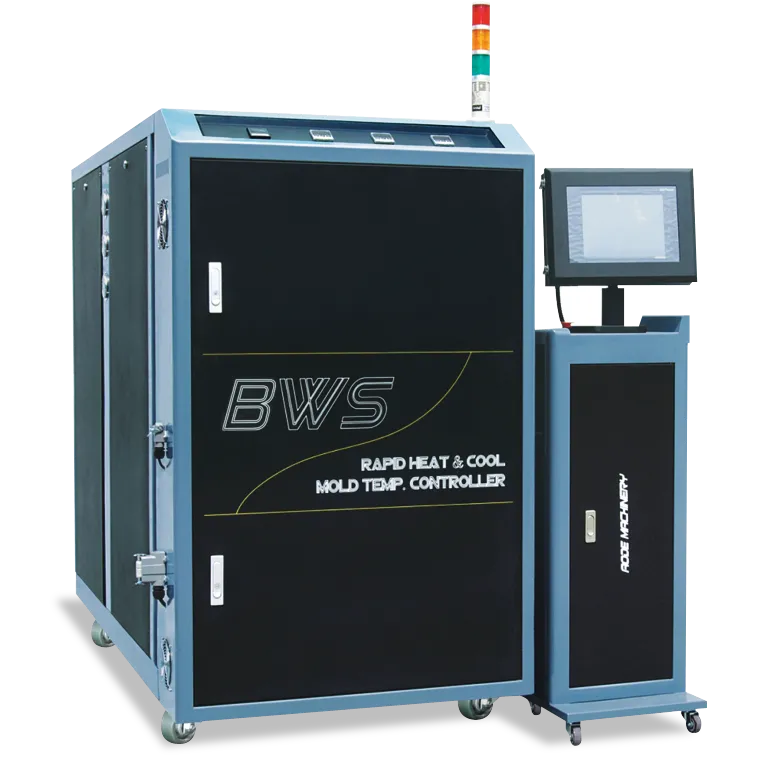
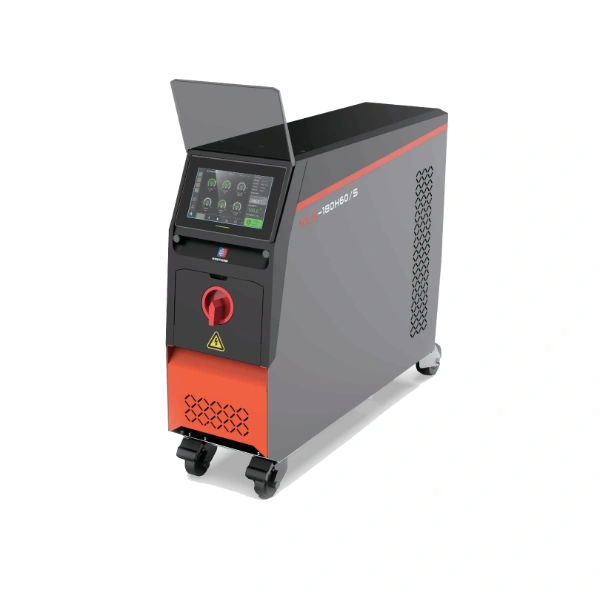
For conventional water-based applications, AODE offers temperature controllers with different heating capacities and pump configurations. When tighter temperature regulation is required, our high-precision series provides additional temperature sensing and process monitoring capabilities. The appropriate model depends on your operating temperature, circulation requirements, and control needs rather than a single performance specification.
When evaluating a new temperature control unit, we recommend reviewing the process temperature, mold circuit resistance, heating and cooling loads, and actual operating conditions together. This helps determine whether a different equipment configuration is necessary or whether improvements to the existing circulation system would be more effective.
Frequently Asked Questions
Why does mold temperature fluctuate even when the controller is working?
The controller may maintain its setpoint while changes in circulation flow, cooling water conditions, or production heat load affect the mold. Restricted channels and uneven flow distribution can create local temperature differences without significantly changing the TCU display. Check the actual mold temperature, supply and return temperatures, and circulation conditions before adjusting the controller.
Can insufficient water flow cause unstable mold temperature?
Yes. Insufficient flow reduces heat transfer between the circulating medium and the mold, potentially creating uneven cooling or local hot spots. Blocked channels, trapped air, undersized hoses, and inadequate pump performance are possible causes. Actual operating flow should be evaluated against the mold circuit requirements rather than the pump's maximum rated capacity alone.
How do you know whether the TCU or mold circuit is causing the problem?
Compare the controller's setpoint and actual reading with supply and return temperatures and measurements taken at the mold. If the circulating medium remains stable but local mold temperatures vary, investigate flow distribution and channel conditions. If the medium temperature itself cannot reach or maintain the target, examine the controller, cooling supply, and process heat load.
Does a high-precision temperature controller eliminate mold temperature fluctuations?
A high-precision controller can regulate circulating medium temperature more closely, but it cannot eliminate every temperature difference inside the mold. Cooling channel geometry, circulation flow, thermal load, and sensor placement still affect actual mold temperatures. For precision molding, you should evaluate the complete thermal control system rather than relying only on the controller's stated accuracy.
Conclusion
Mold temperature fluctuations should be diagnosed by examining the entire heat transfer process, not just the temperature controller. Comparing actual temperatures, checking circulation performance, and reviewing cooling and production conditions can help identify the cause before unnecessary adjustments or equipment replacement.
Need help identifying the cause of unstable mold temperature? Contact AODE with your mold and process details to review the right temperature control configuration.
References
References
1. LANXESS – Processing Data for the Injection Molder (2017)
2. Autodesk – Temperature, Mold (Transient from Start-up)
3. AODE – Standard Water Temperature Controller
https://www.mouldtcu.com/product/standard-water-temperature-controller.html
4. AODE – High Precision Temperature Controller
https://www.mouldtcu.com/product/optical-grade-mold-temp-controller.html
 Back to List
Previous
No more
Next
No more
Table of Contents
×
CONTACT US
Cookie Policy
We use cookies and other tracking technologies online. Please read our Cookie Policy, which is part of this Cookie Policy , and is incorporated herein by reference.

loading...