

fajsdfjash ddsa dsa as sa sad sda sadfjsadjfl jsadjk fjasdlkfjaskdfdklsaj klf
jsadj
asjdklj falsdjf
jaklj
Extrusion Temperature Control







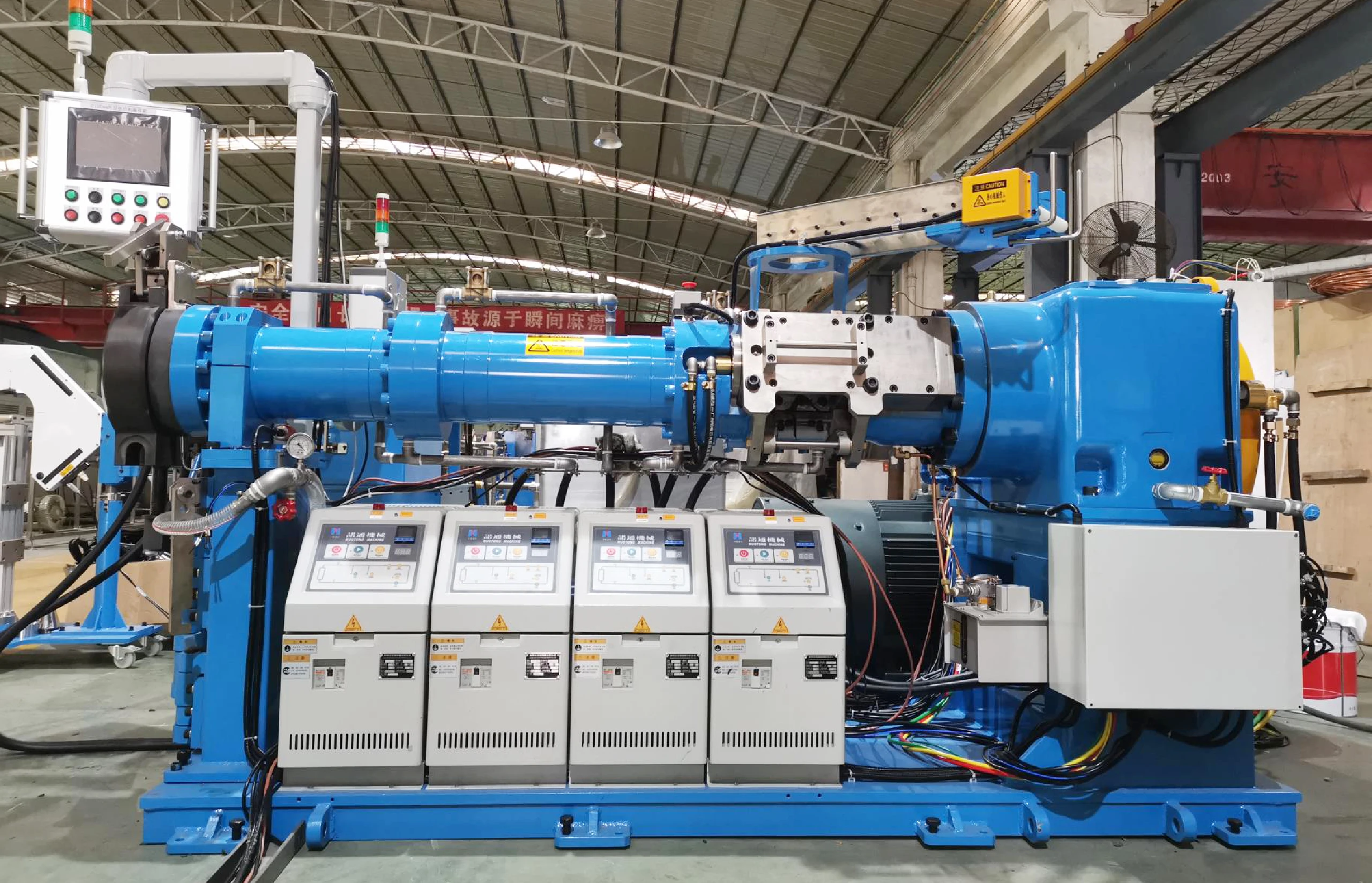
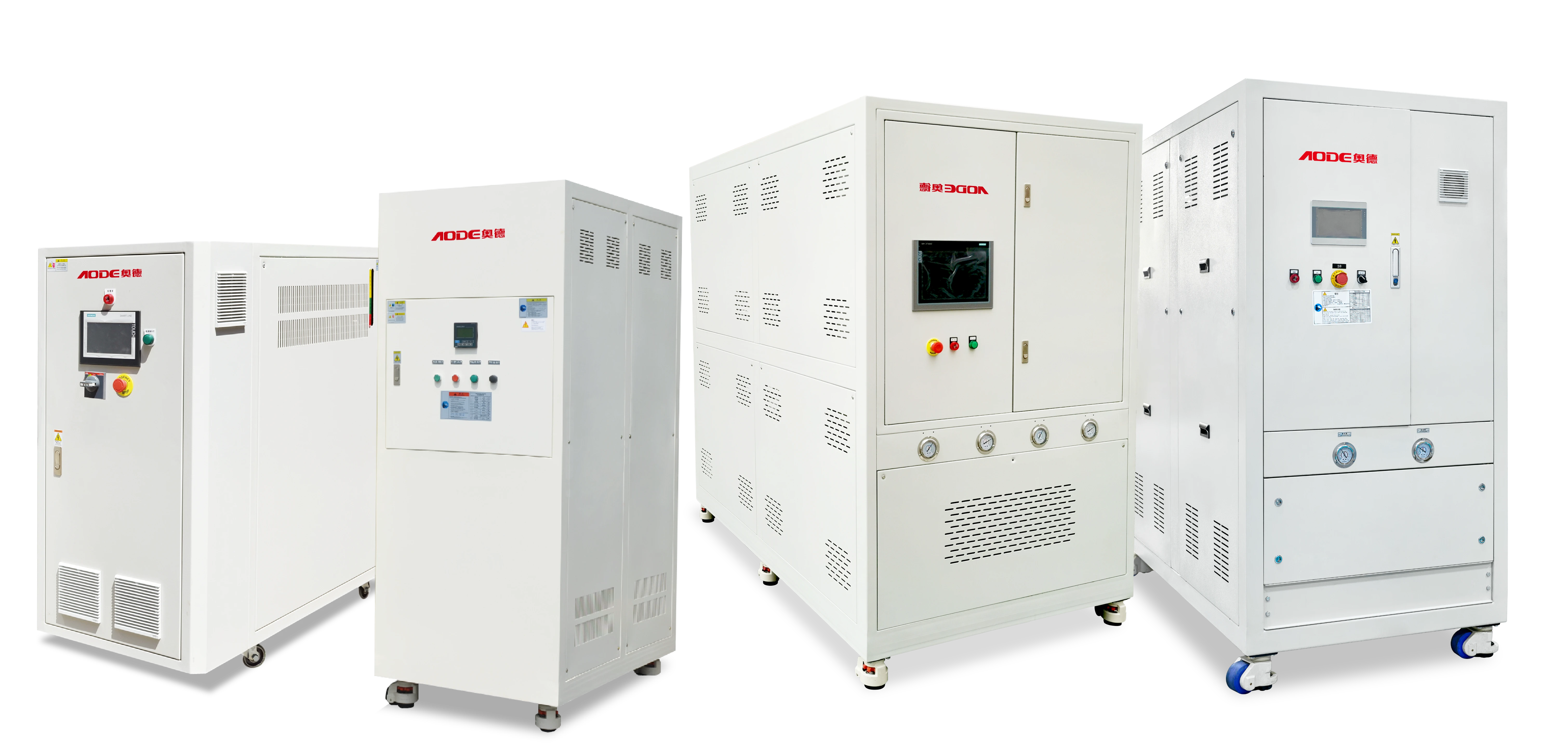
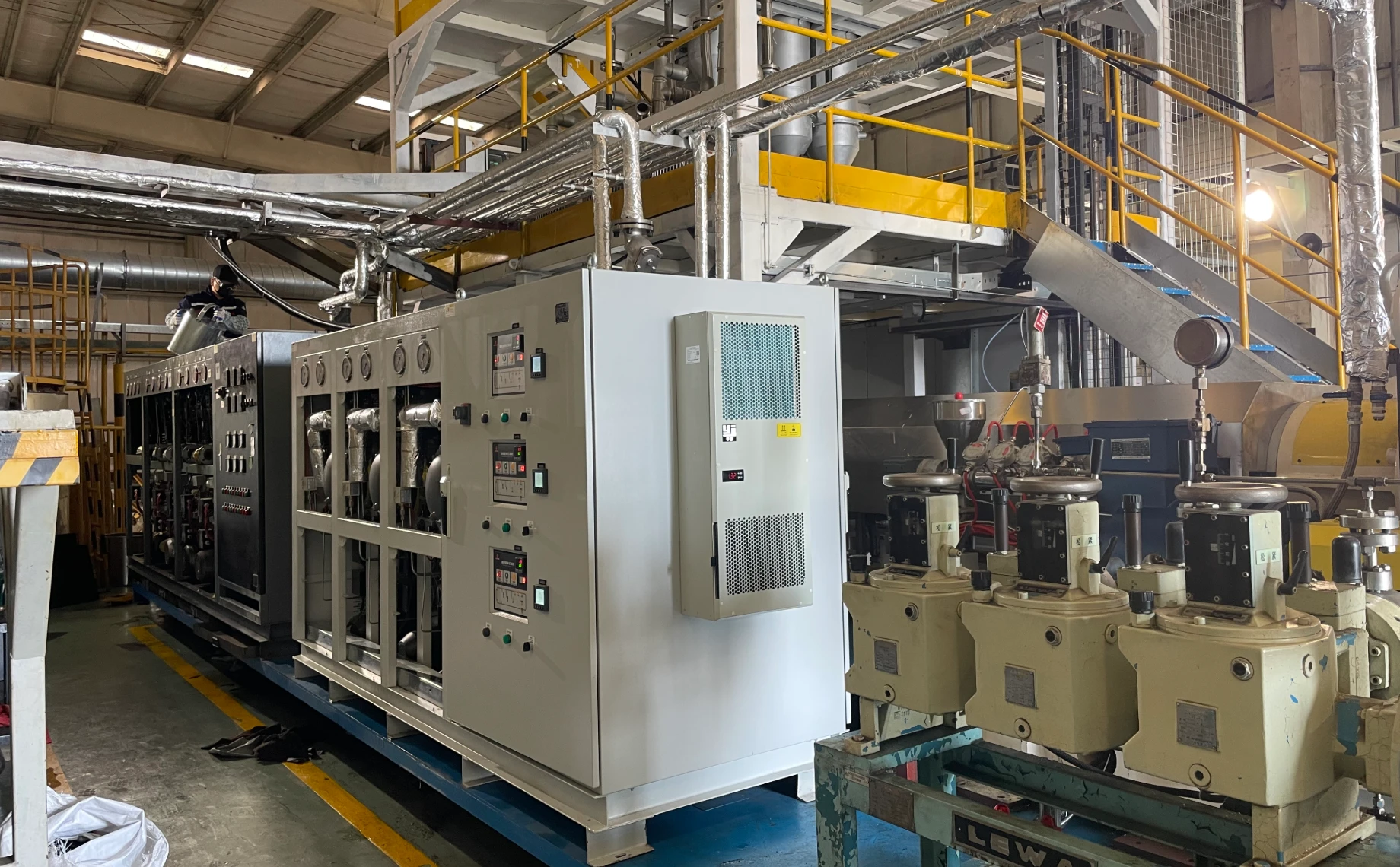
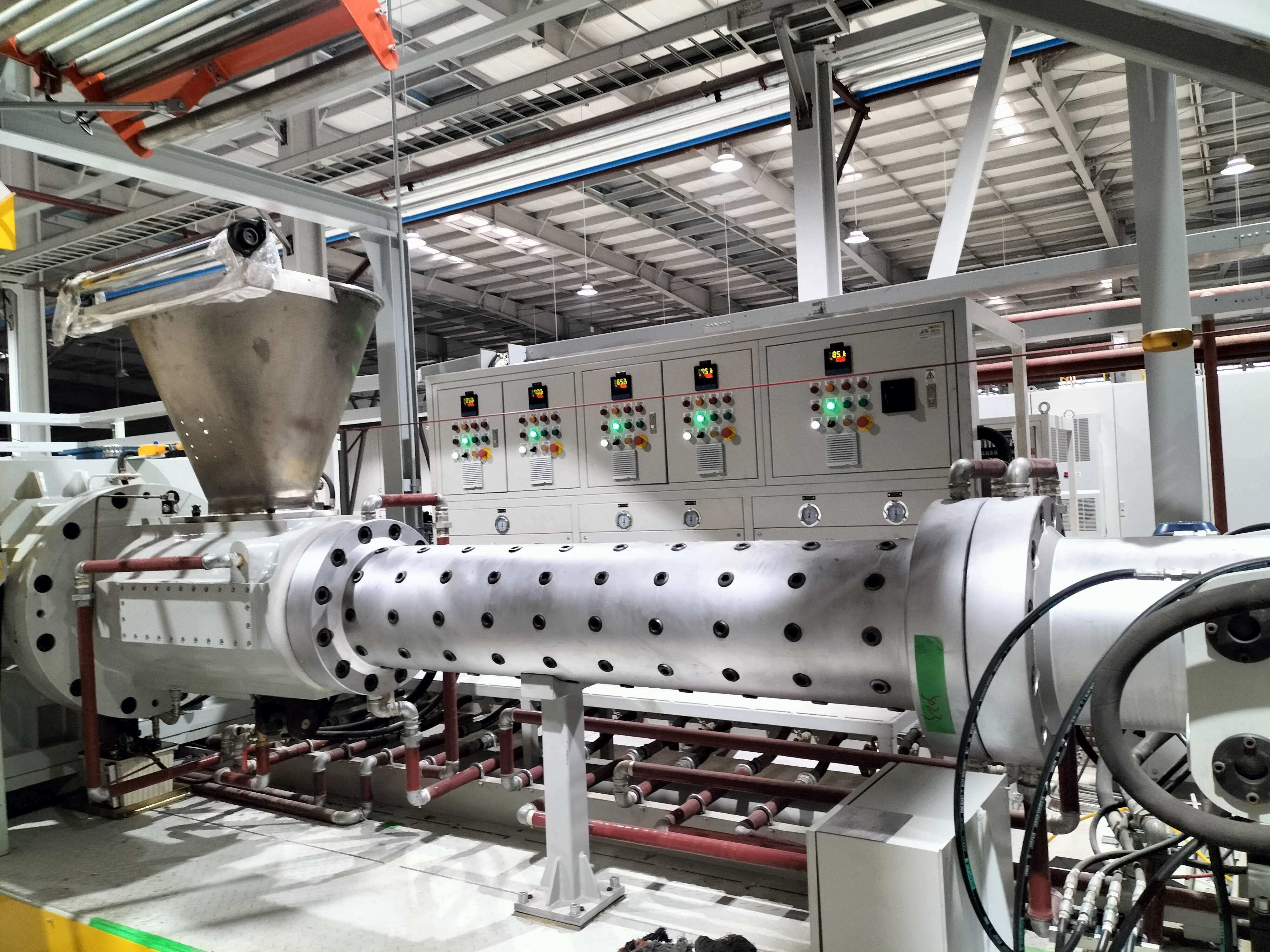
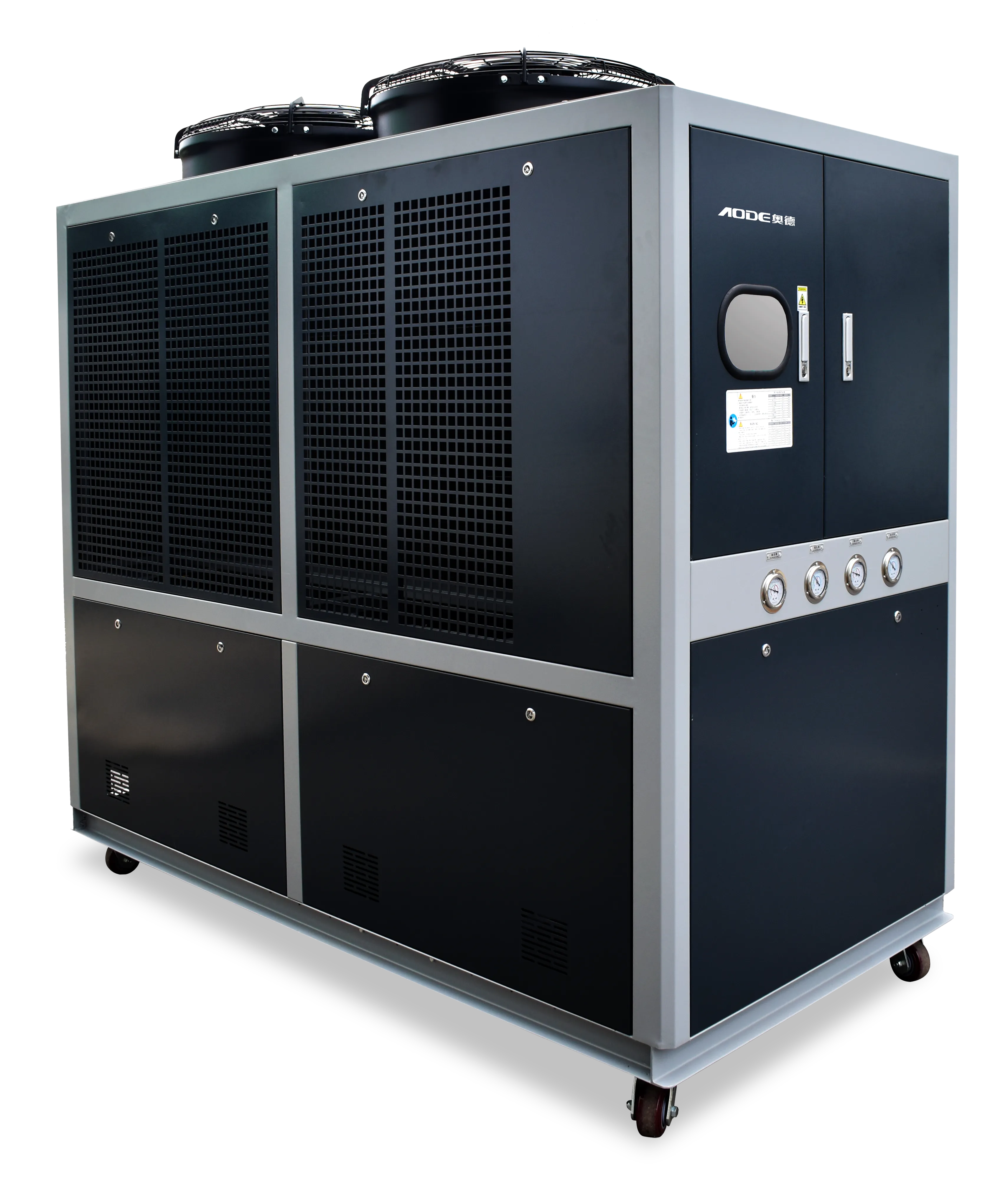
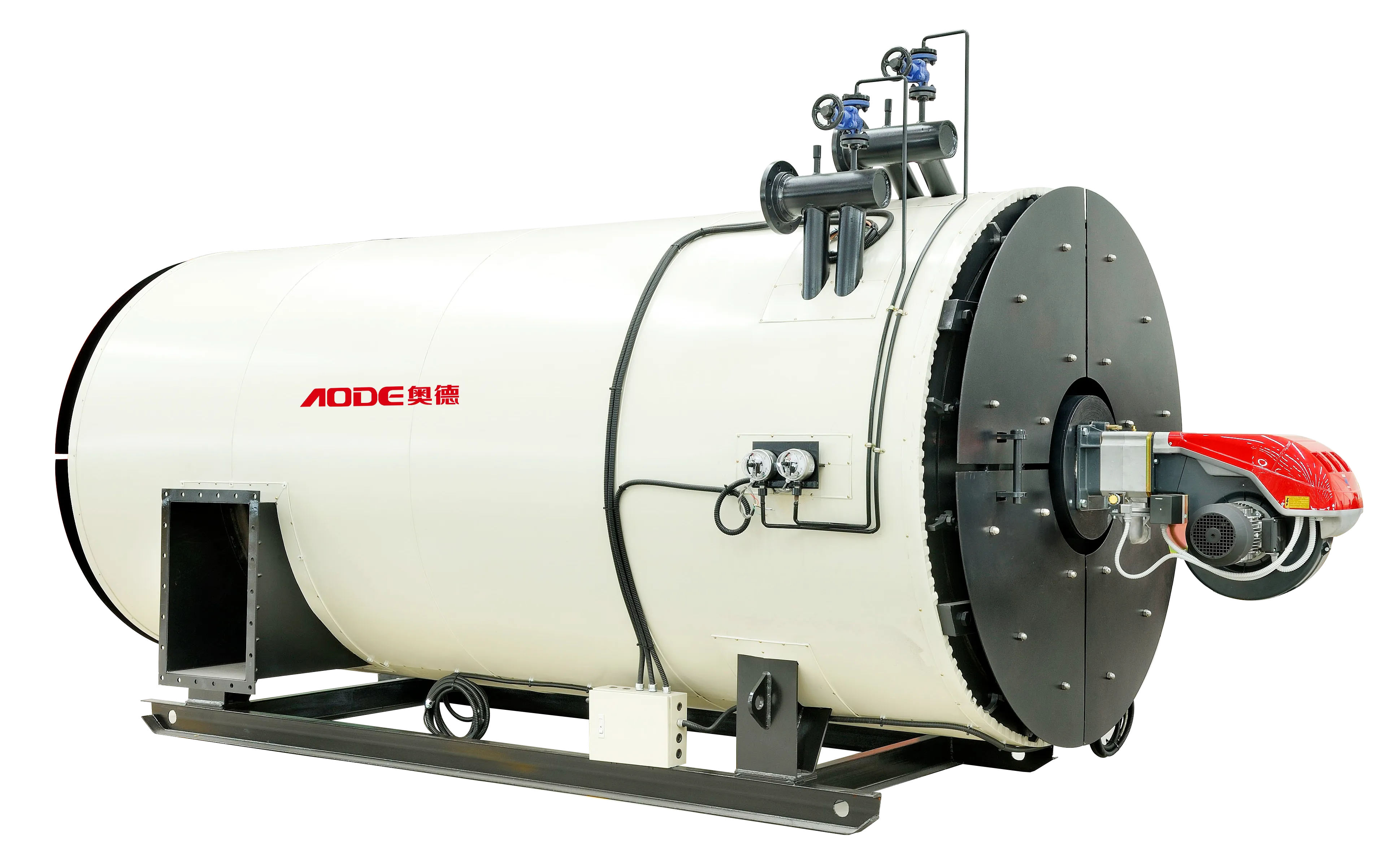
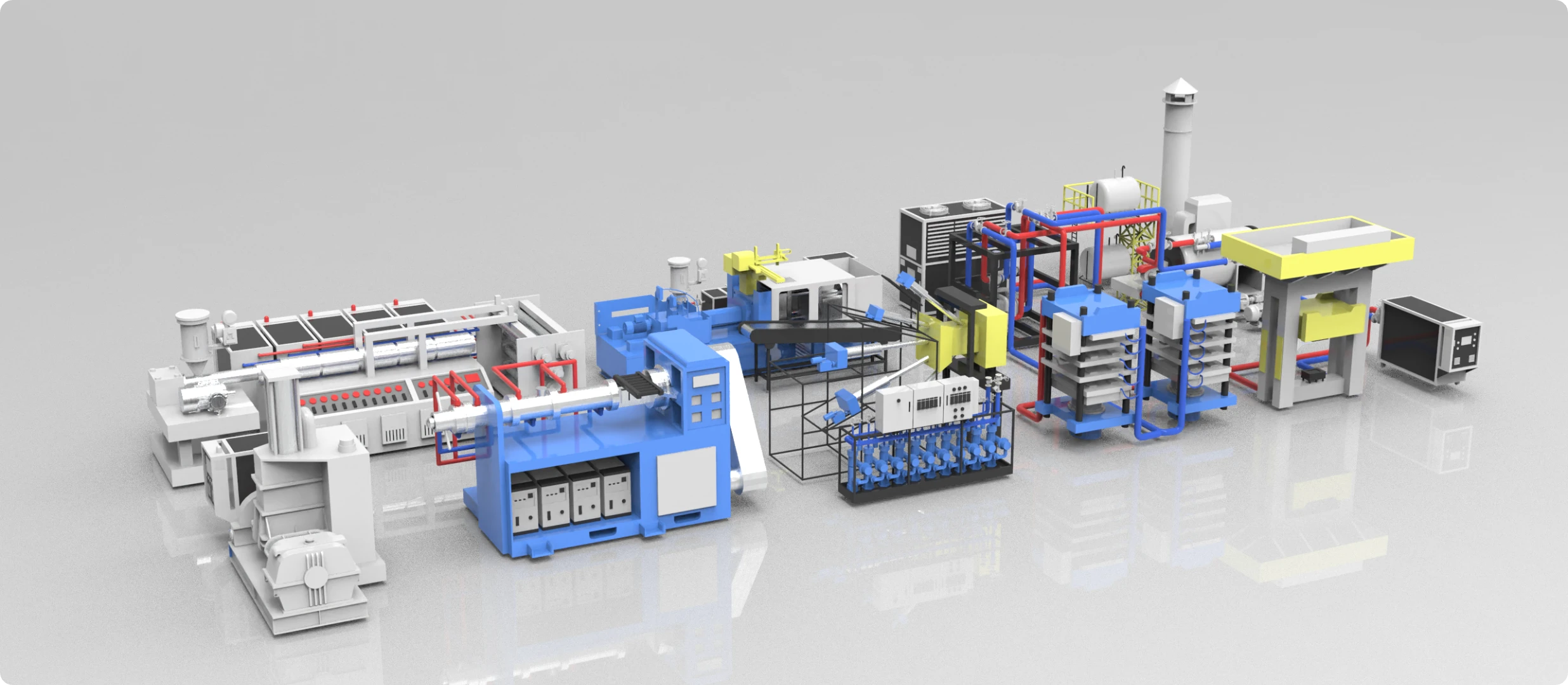
AODE provides temperature control units, industrial chillers, and integrated heating and cooling solutions for rubber and plastics processing applications in transportation vehicles, construction machinery, electronics, heavy industry, and emerging industries. For rubber extrusion and related production processes, the system can support stable temperature control for extruder cylinders, screws, dies, rolling rollers, plate vulcanization, drum vulcanization, open mixing, internal mixing, kneading machines, and other key process equipment.
Proven Temperature Control and Industrial Chiller Solutions

Trusted by global tire brands
AODE temperature-control equipment is deployed by leading tire makers including Bridgestone, Giti Tire, Wanli Tire, Hankook, Kenda, and Linglong Tire.

Strategic OEM partnerships
We maintain long-term strategic cooperation with 8 global rubber molding machine brands, ensuring smoother integration, interlocks, and service coordination.

Complete product portfolio
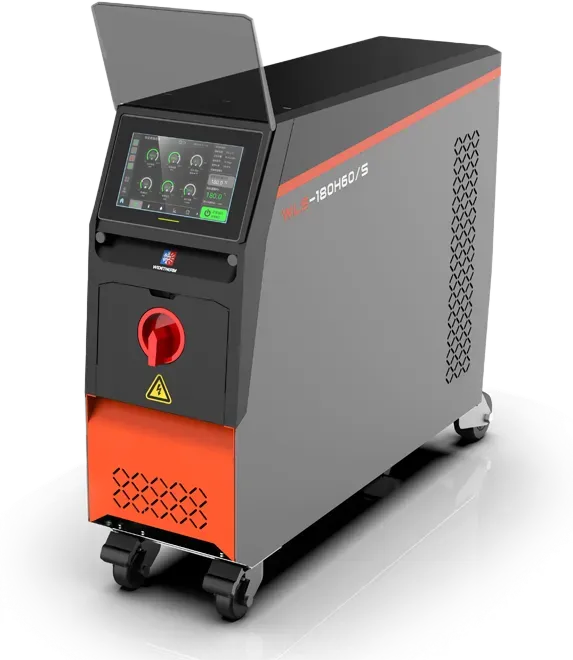
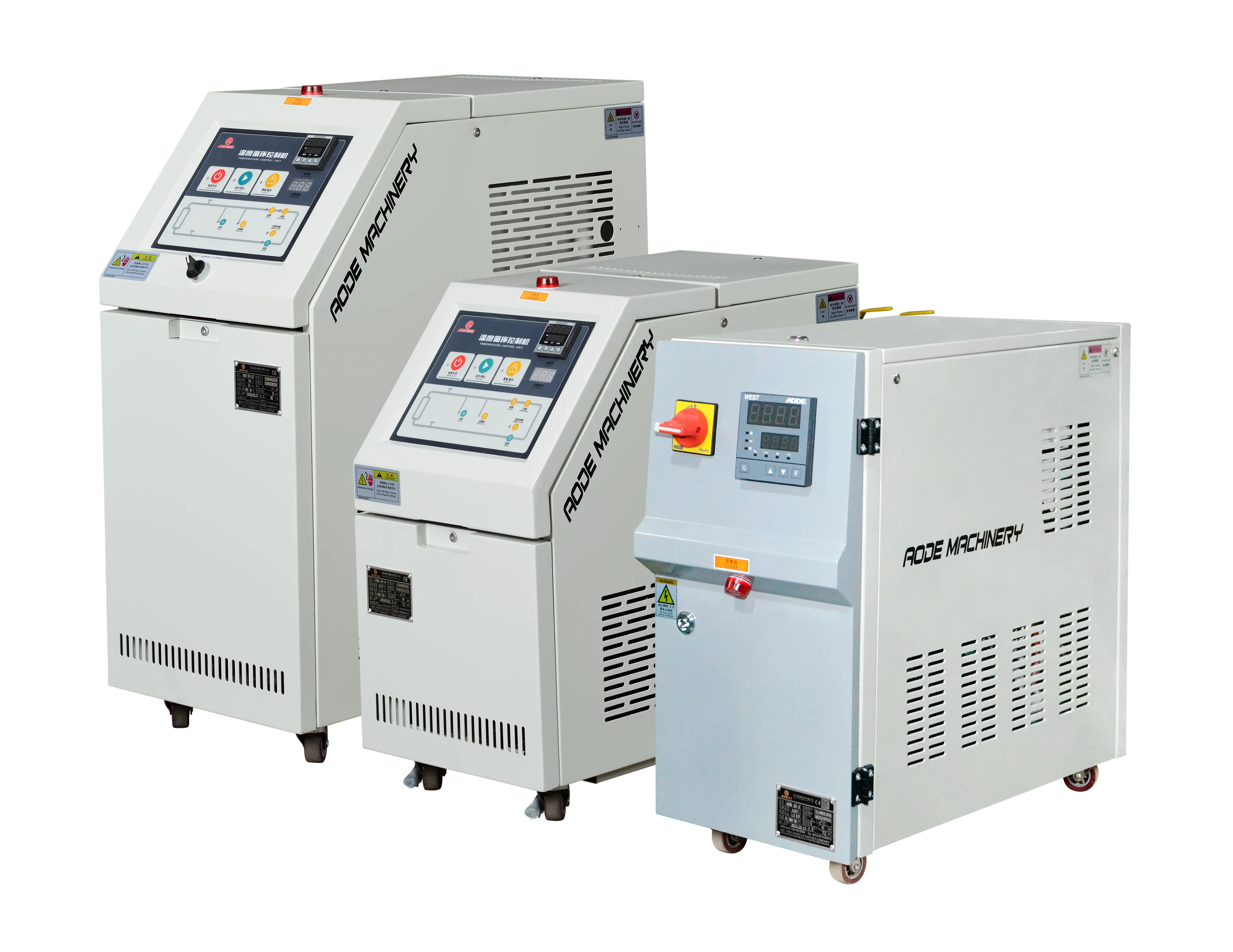
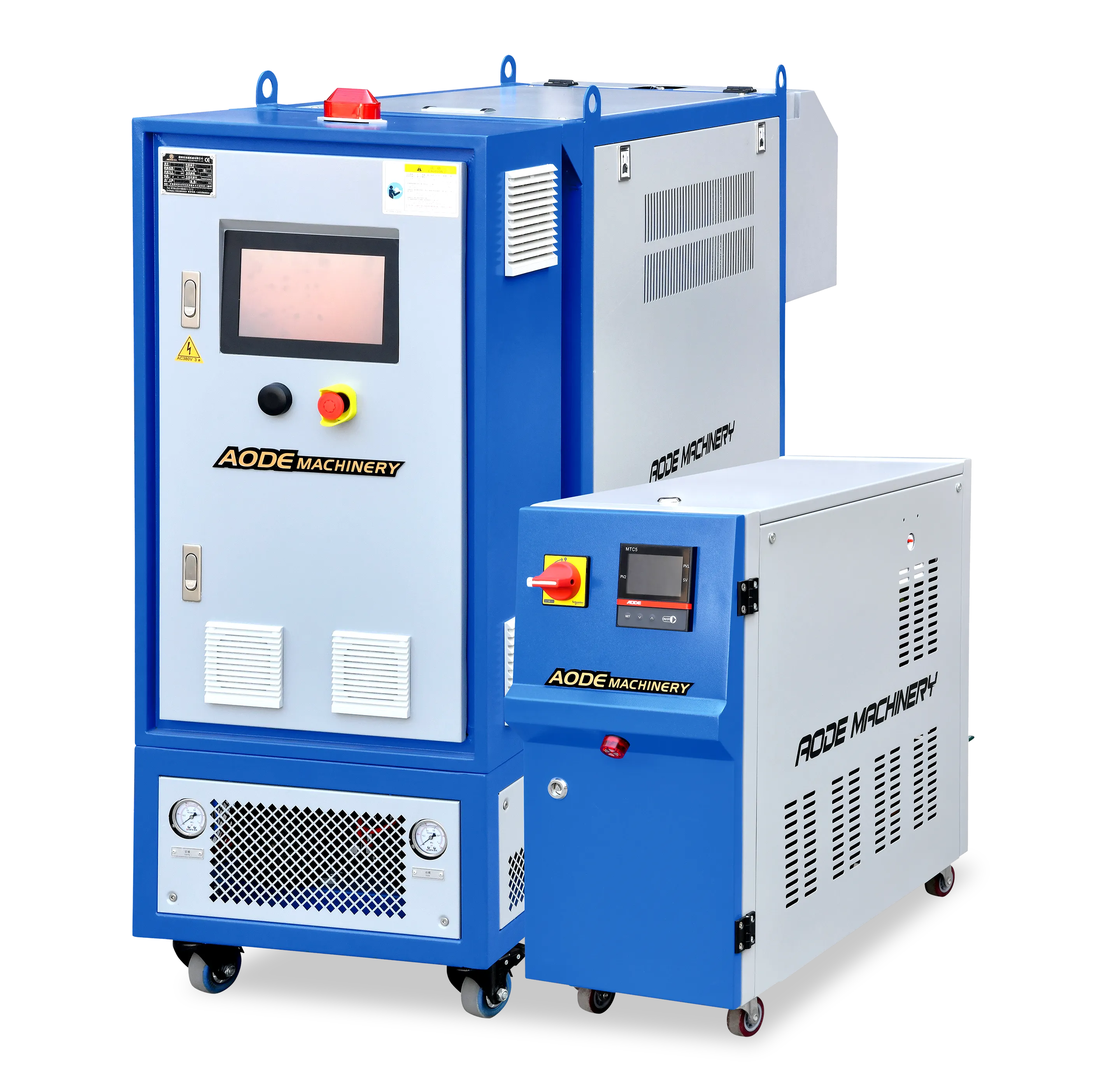
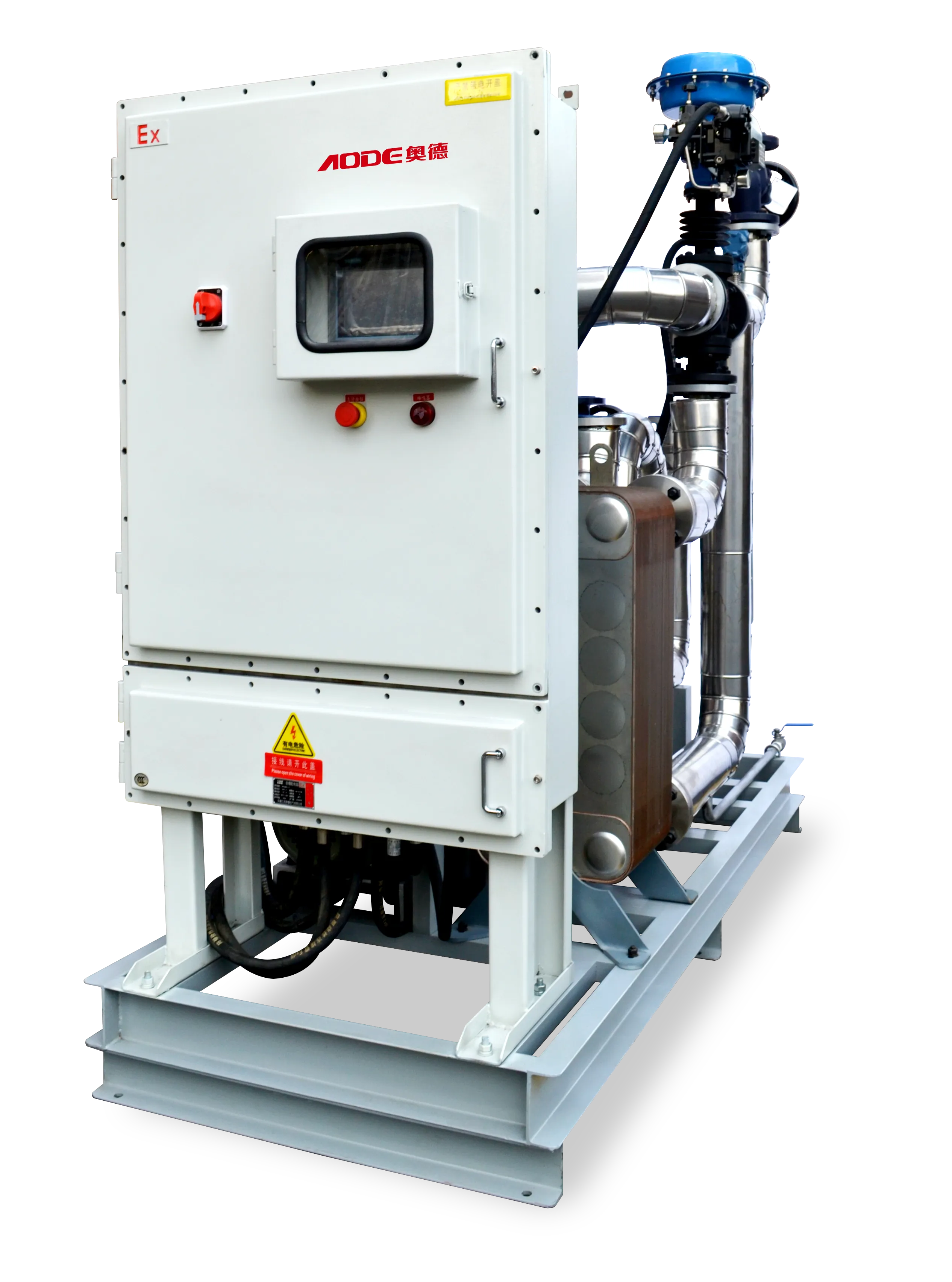
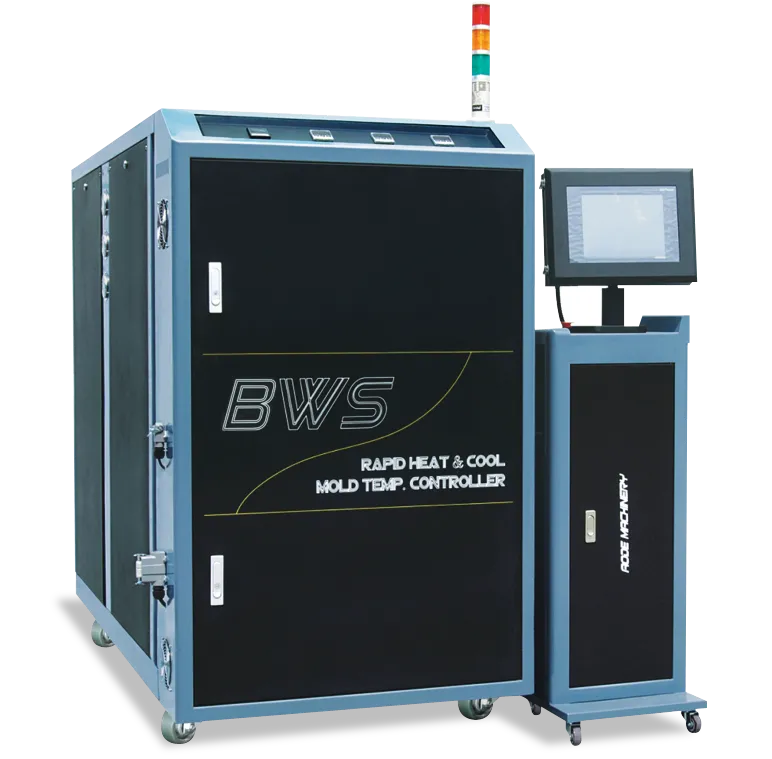
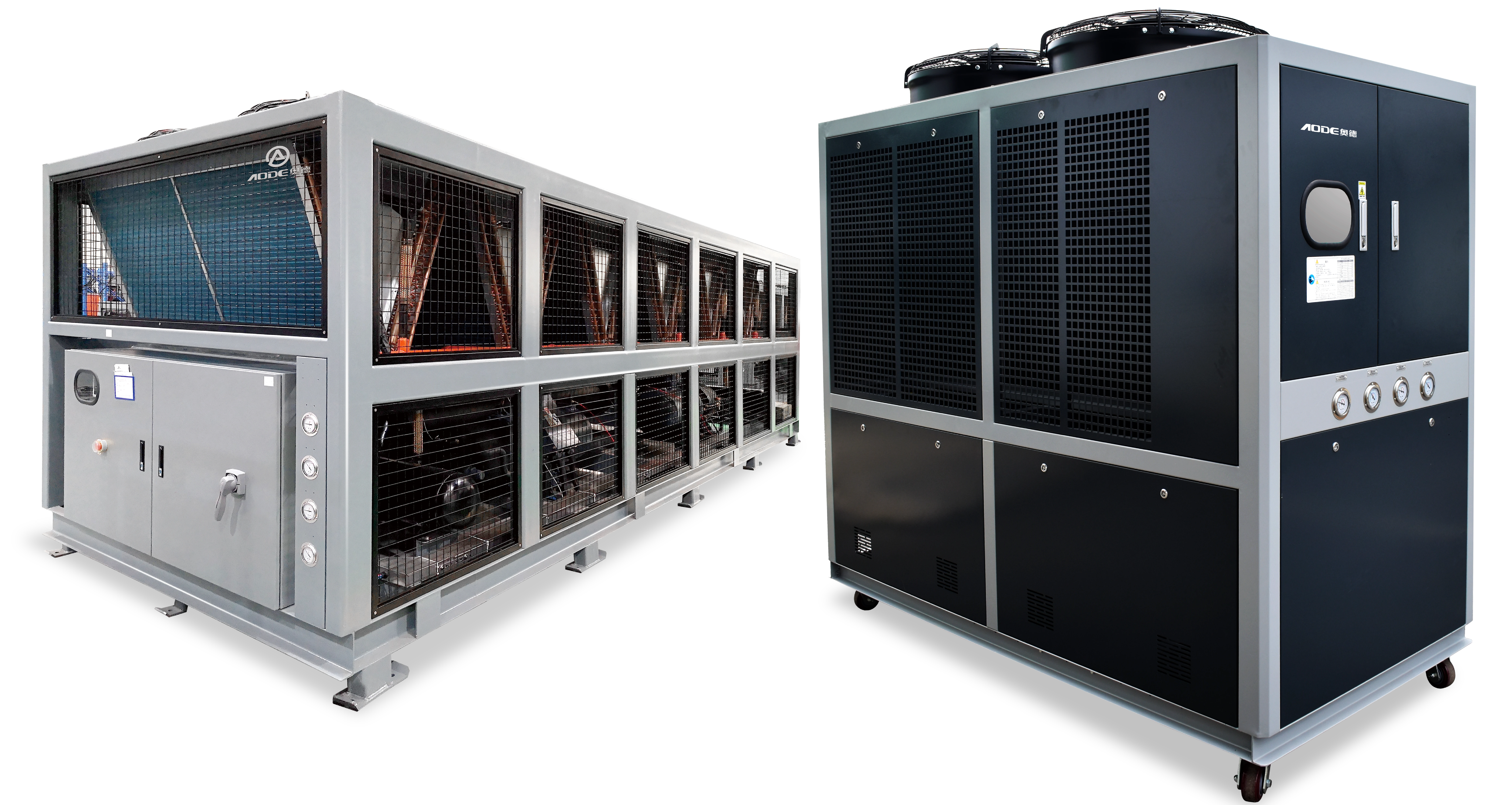
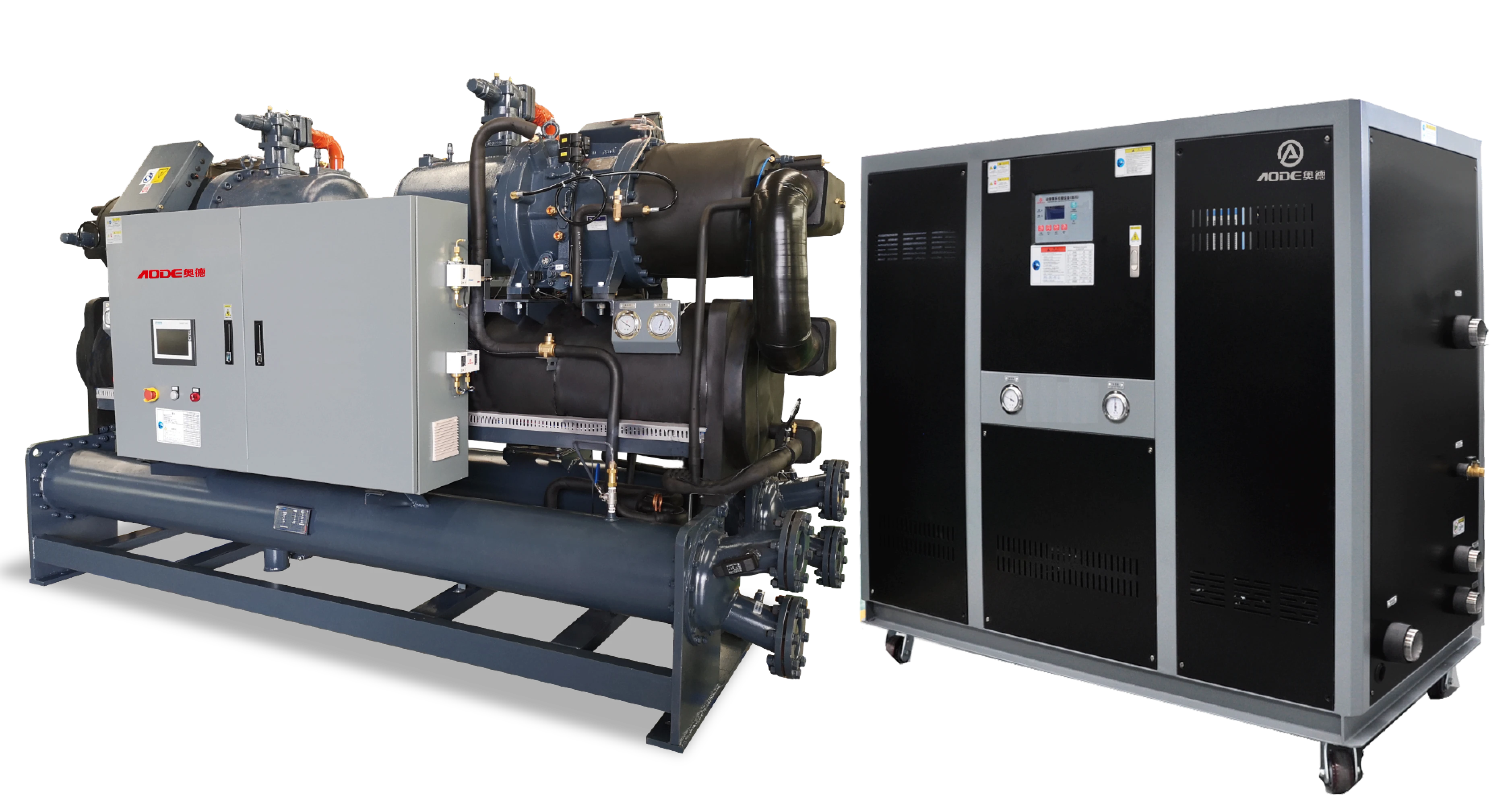
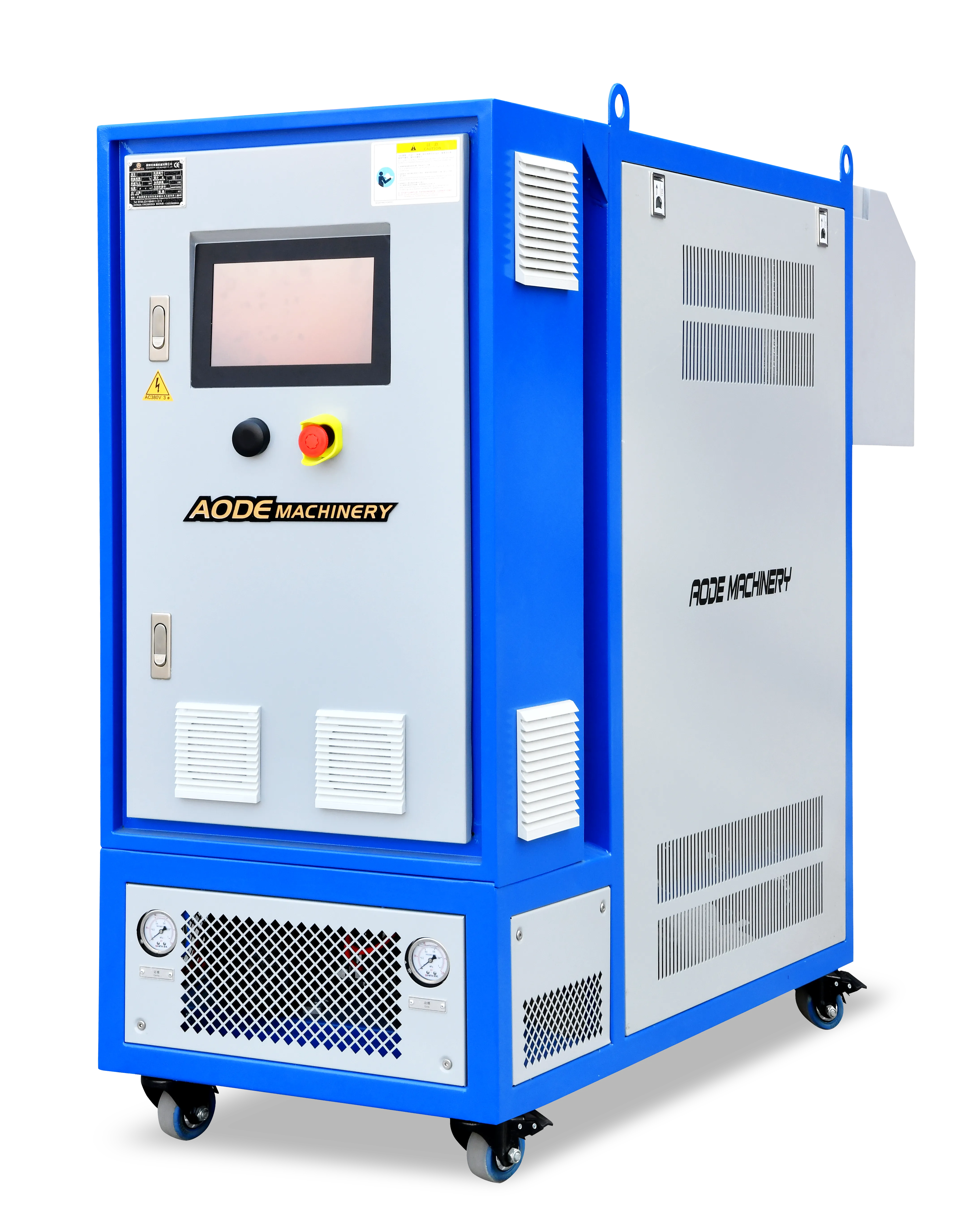
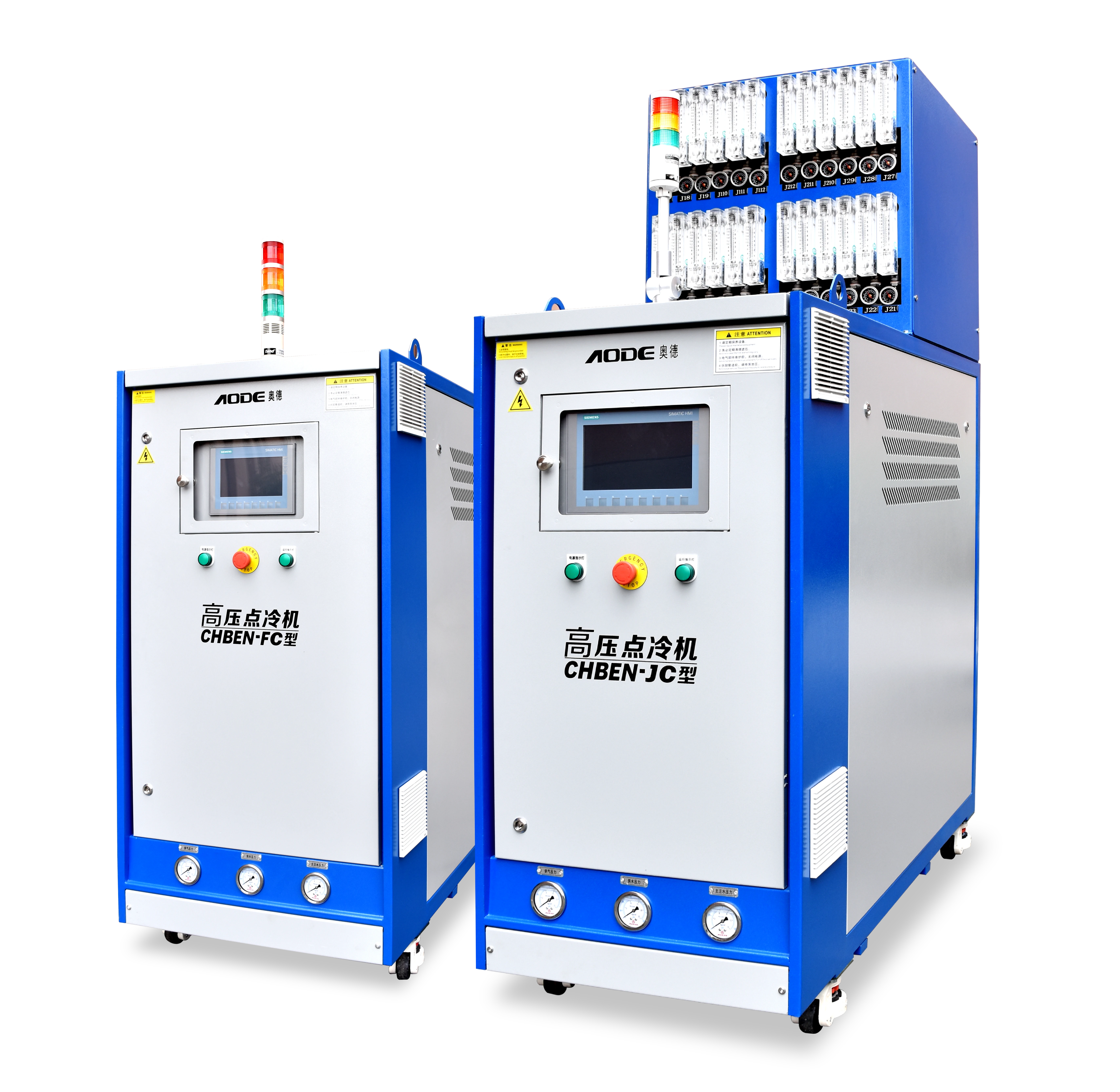
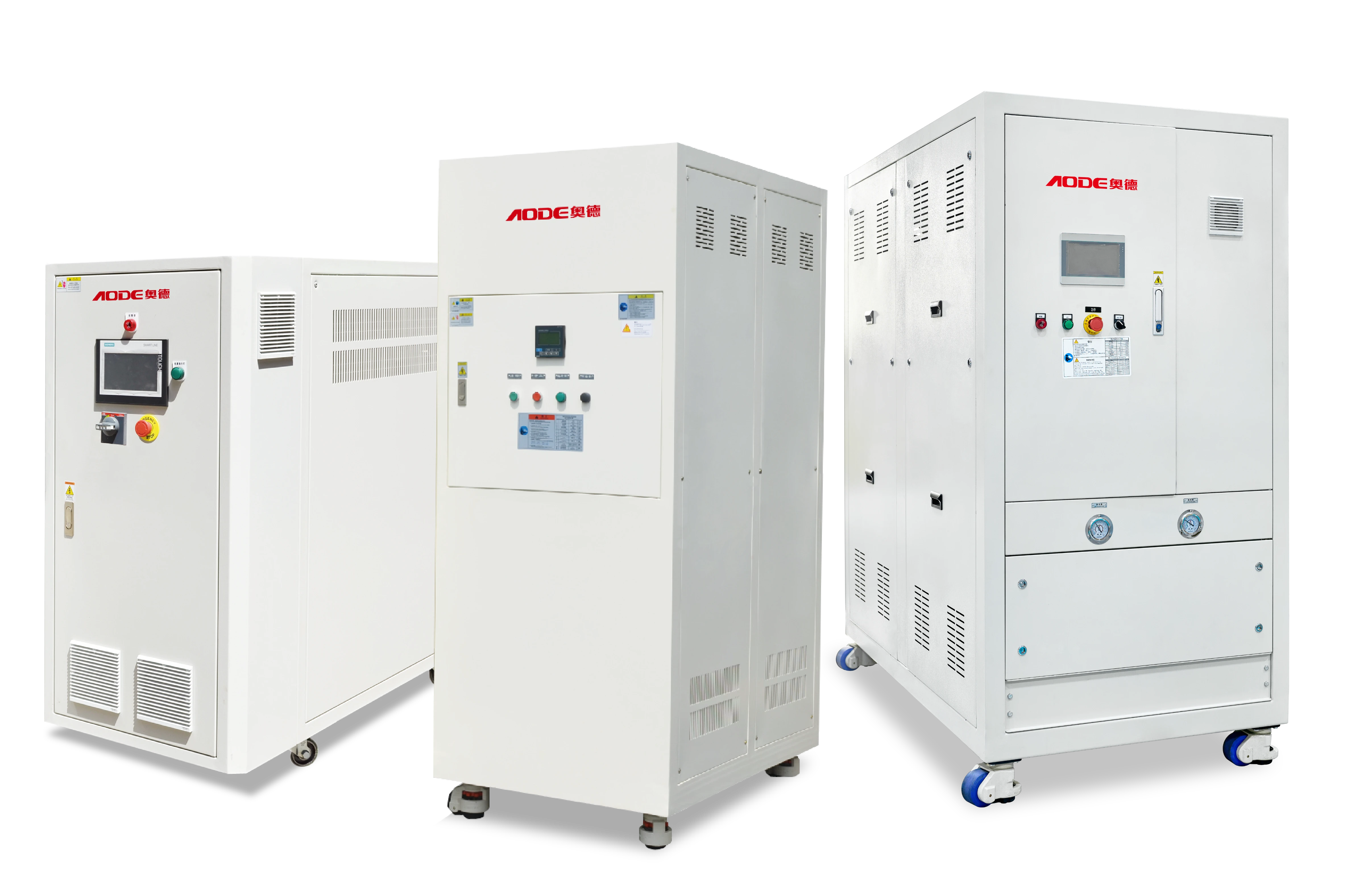
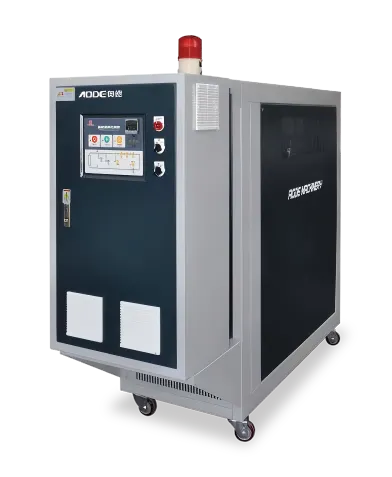
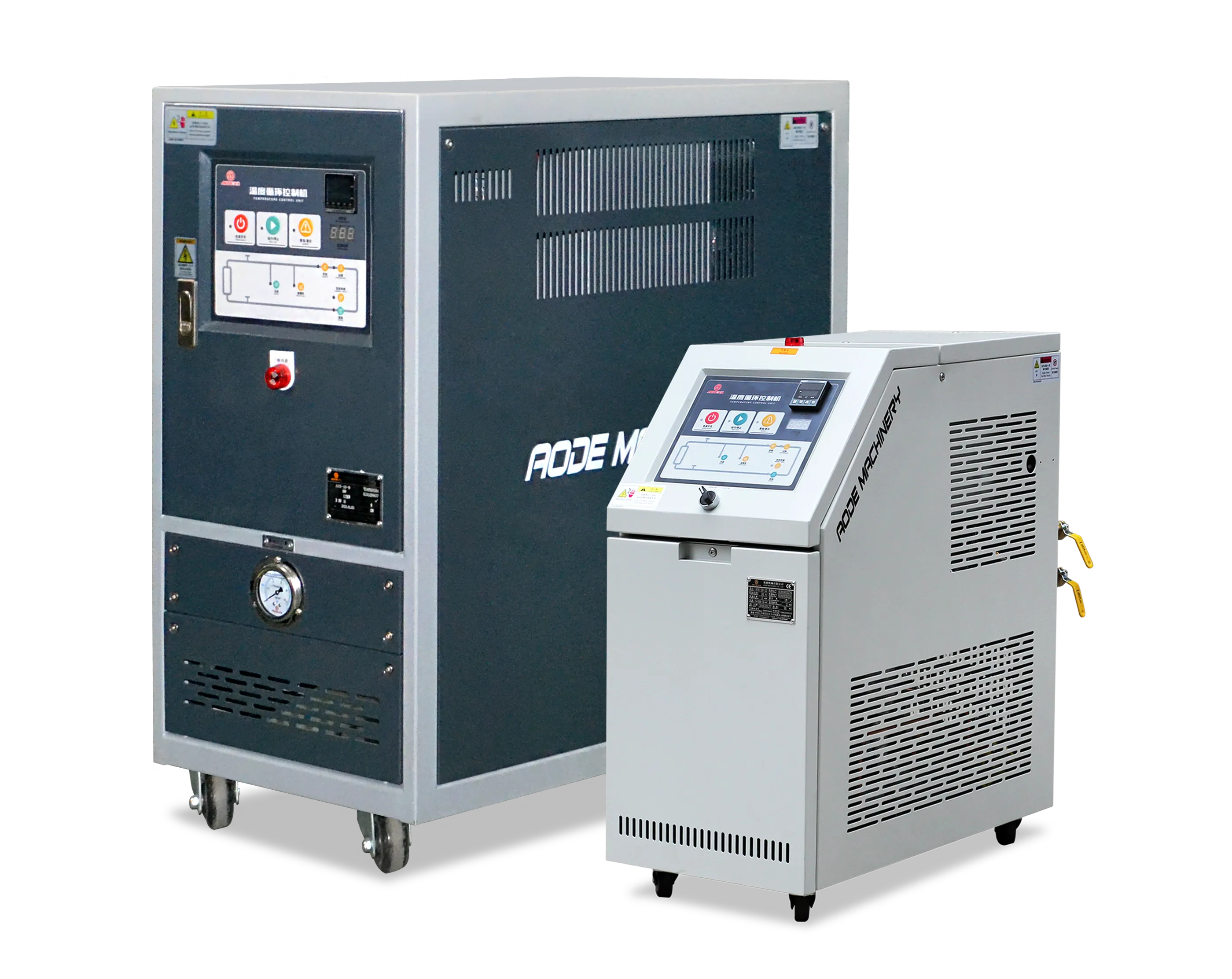
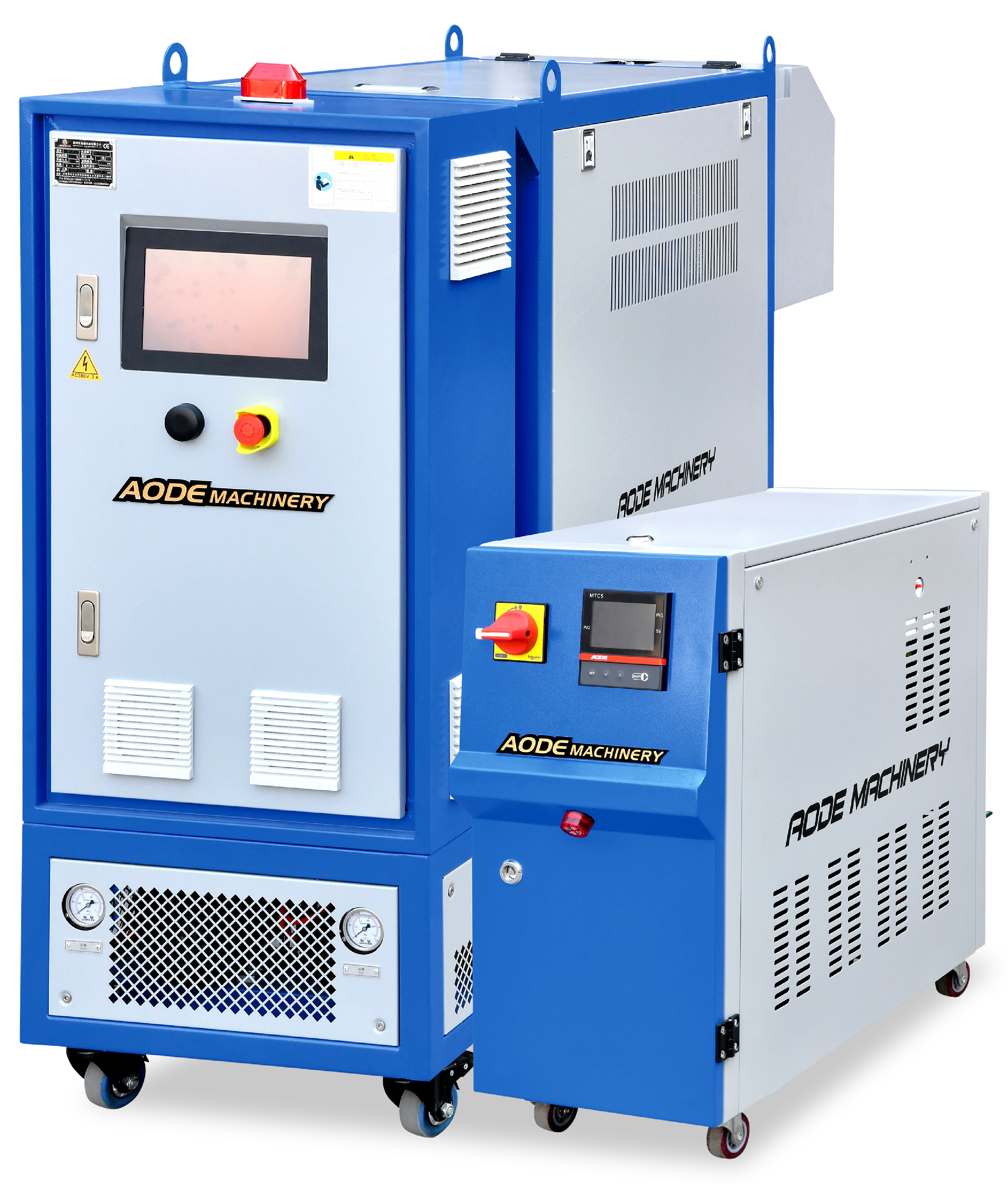
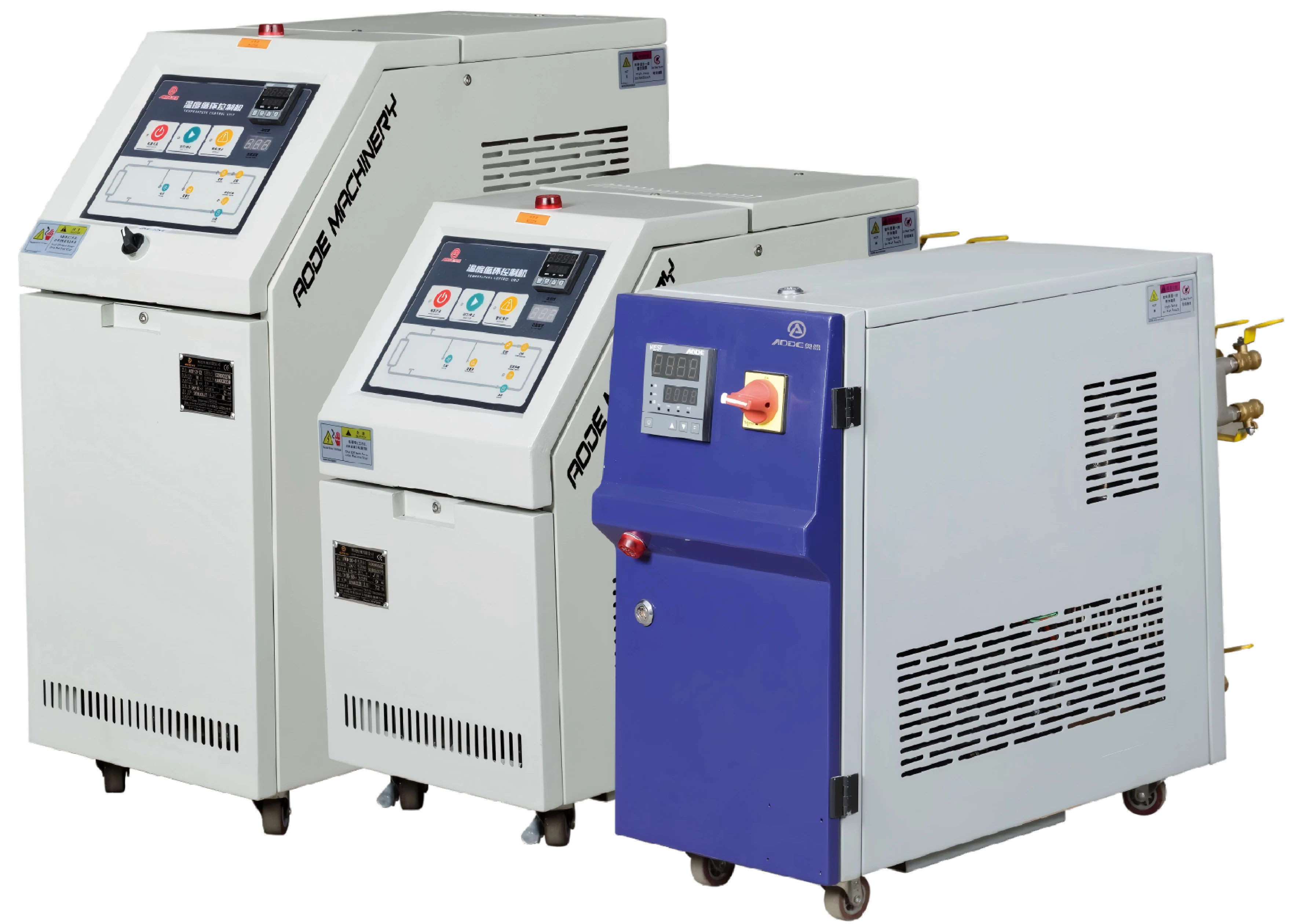
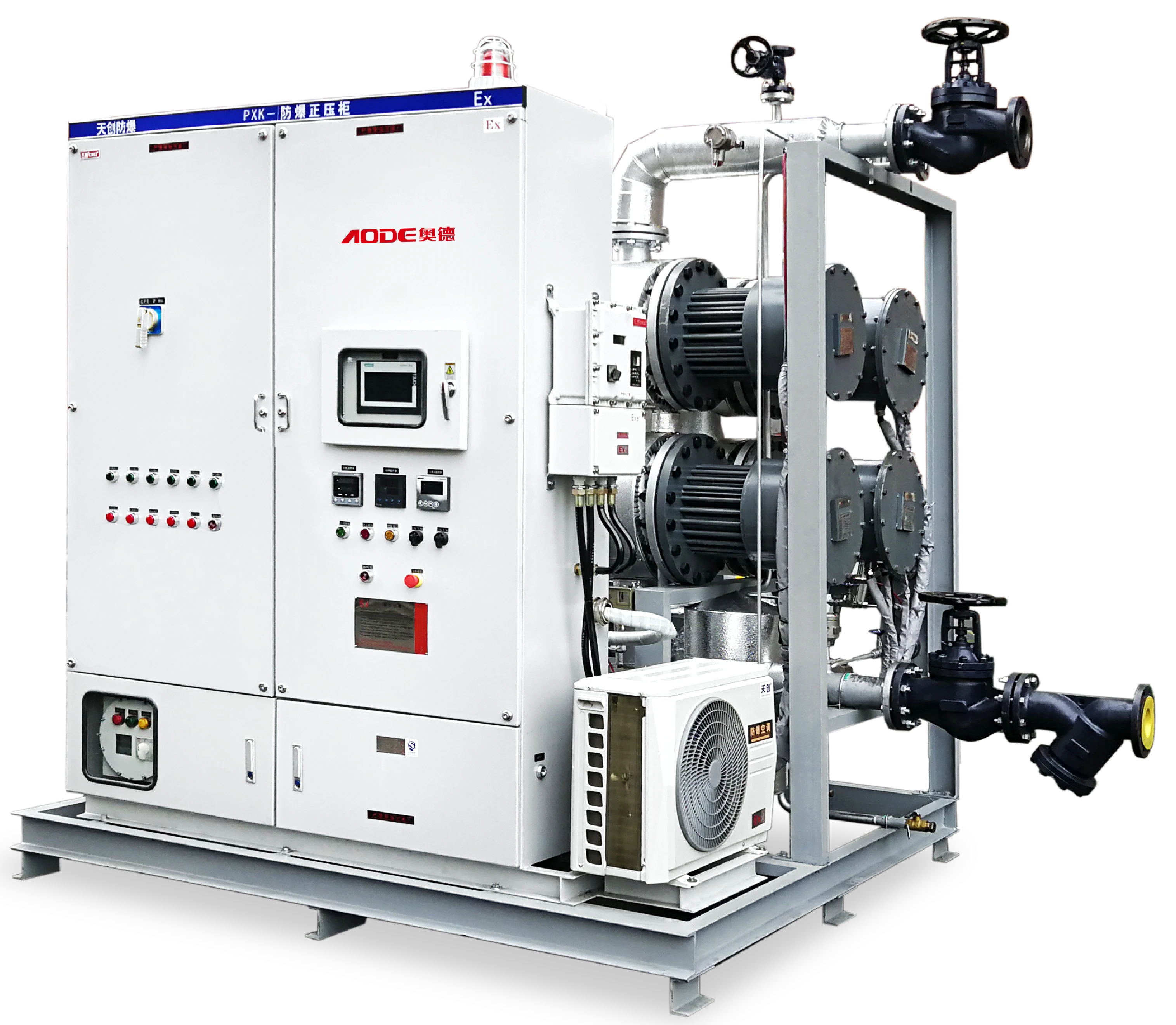
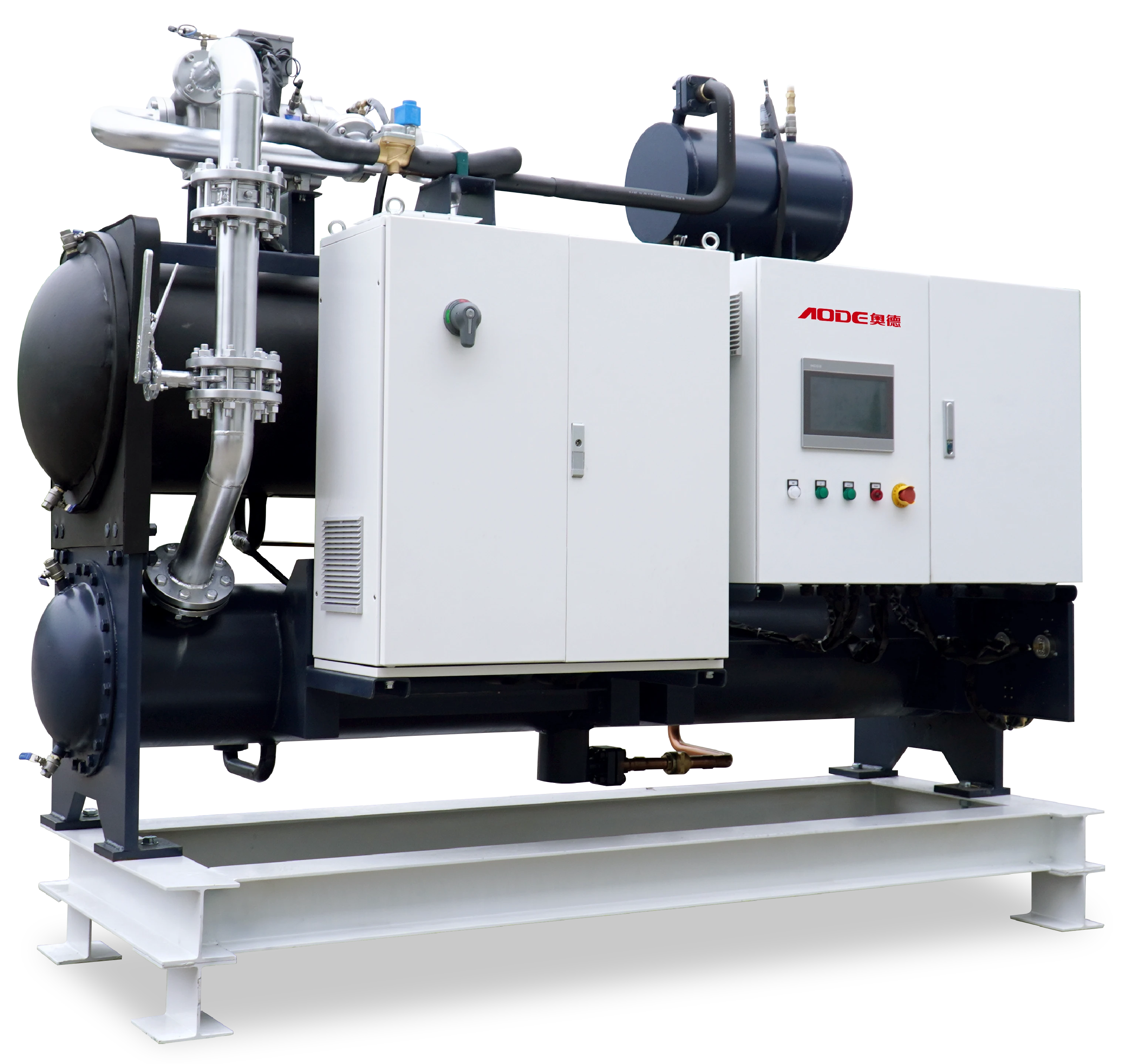
A full lineup for rubber processes: TCU temperature control units, multi-channel temperature control skids, mold temperature controllers (MTC), and industrial chillers.
System Integration Showcase
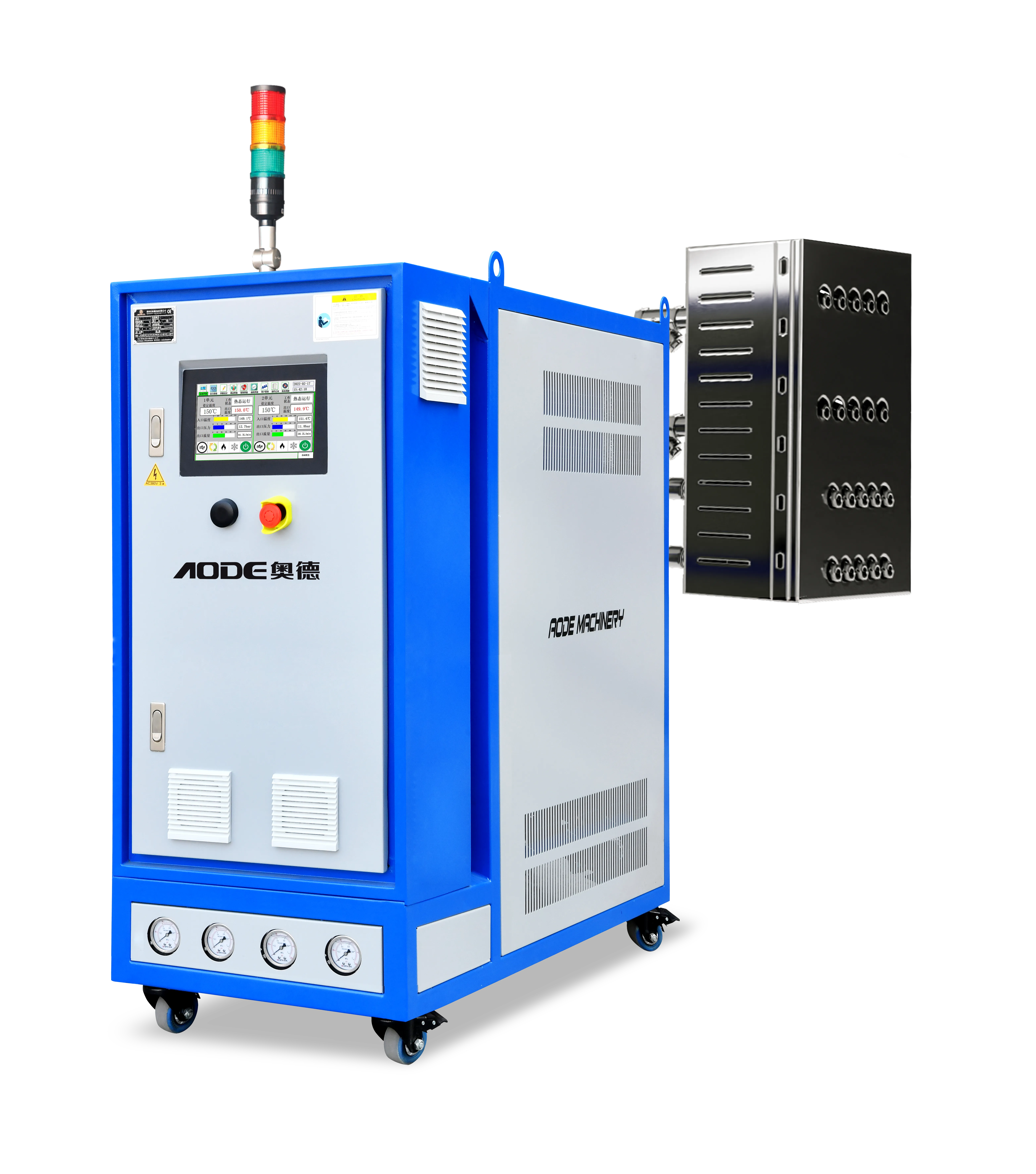
Extruder Temperature Controllers
Relevant Products Showcase
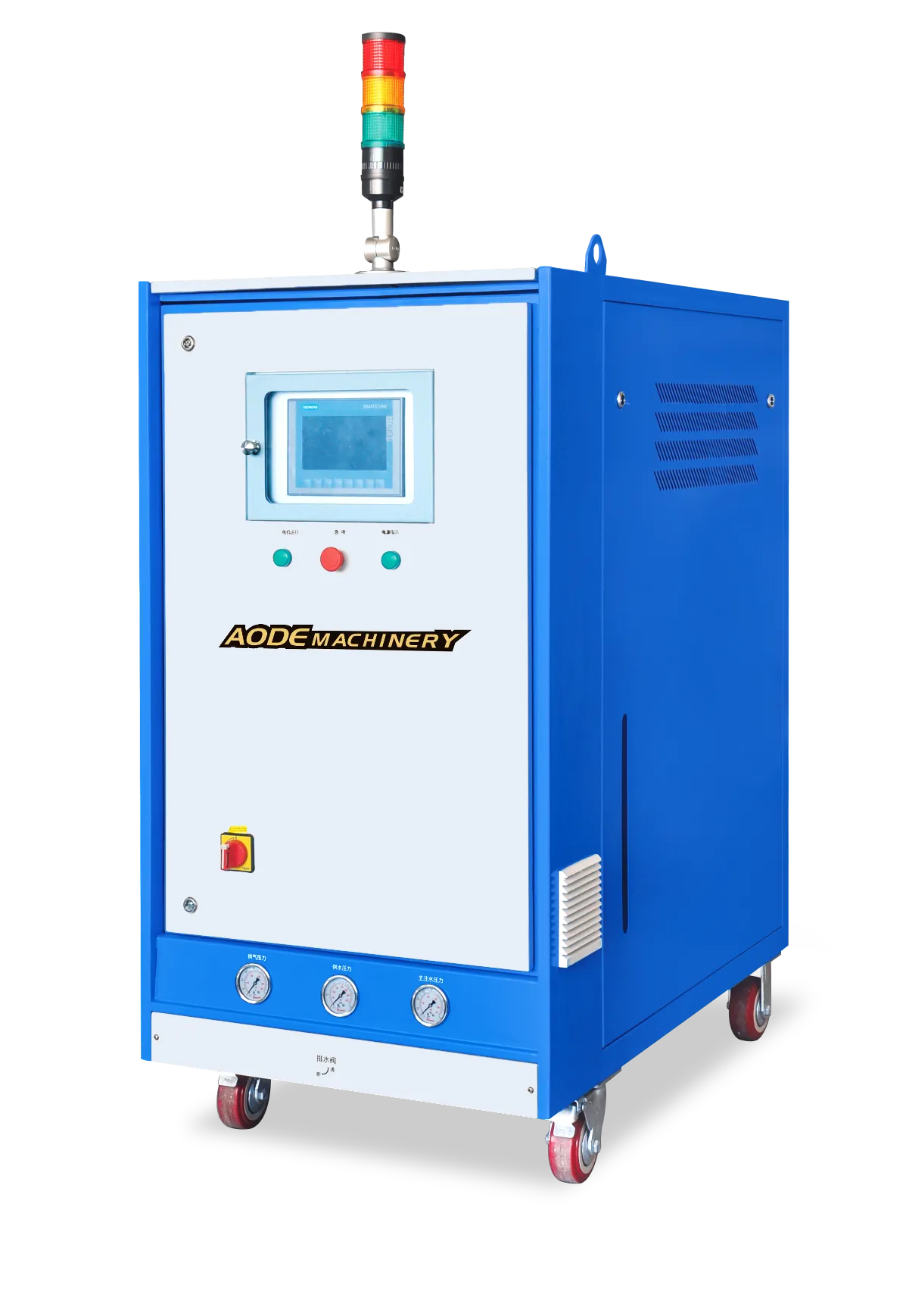
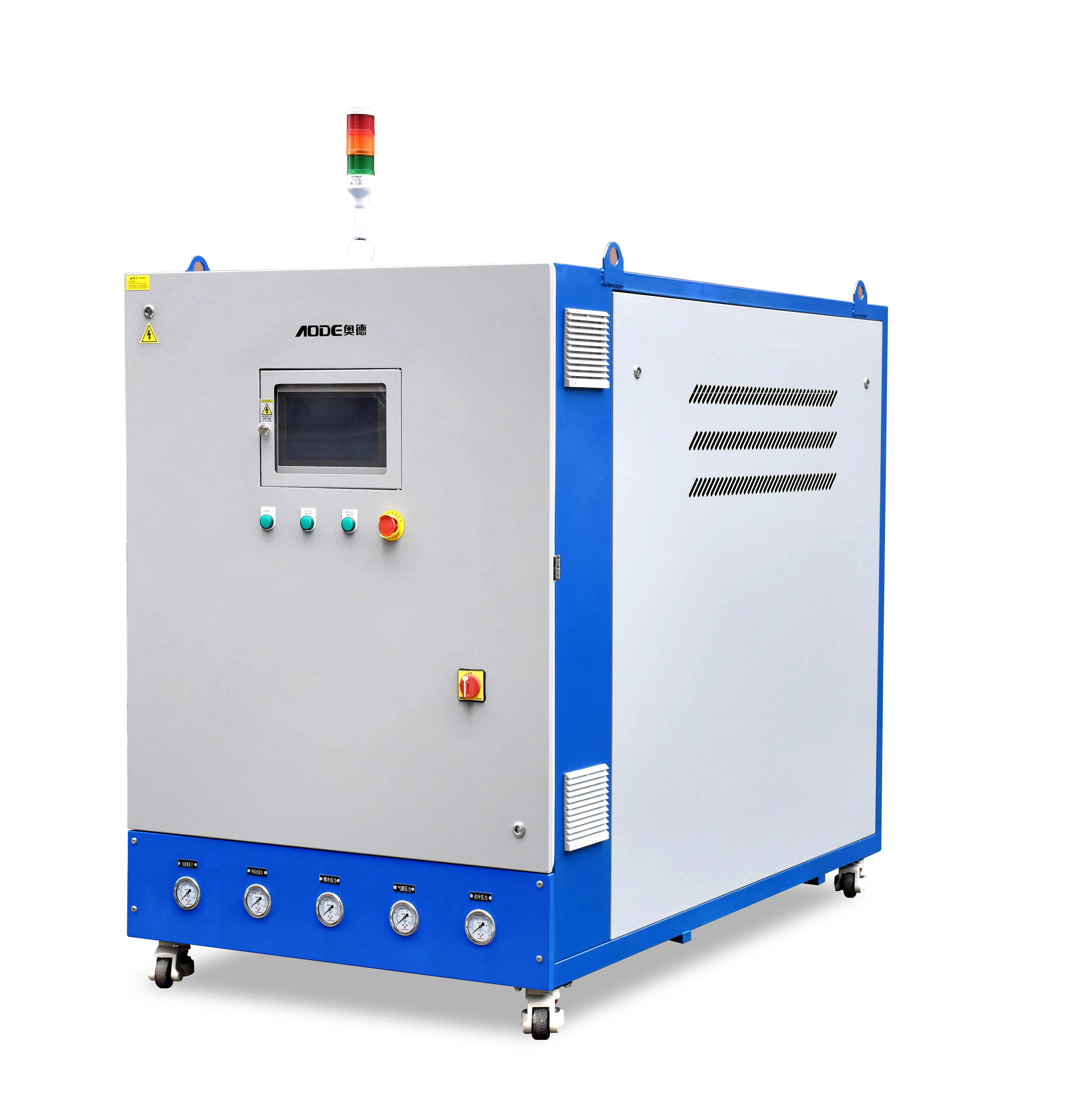
Temperature Control Units and Chillers for Rubber Processing
Files Download
Everything you need to plan, size, integrate, and maintain rubber and plastics extrusion temperature control. Use these resources to stabilize extrusion quality, reduce defects, and improve line efficiency.
View Relavent Resources 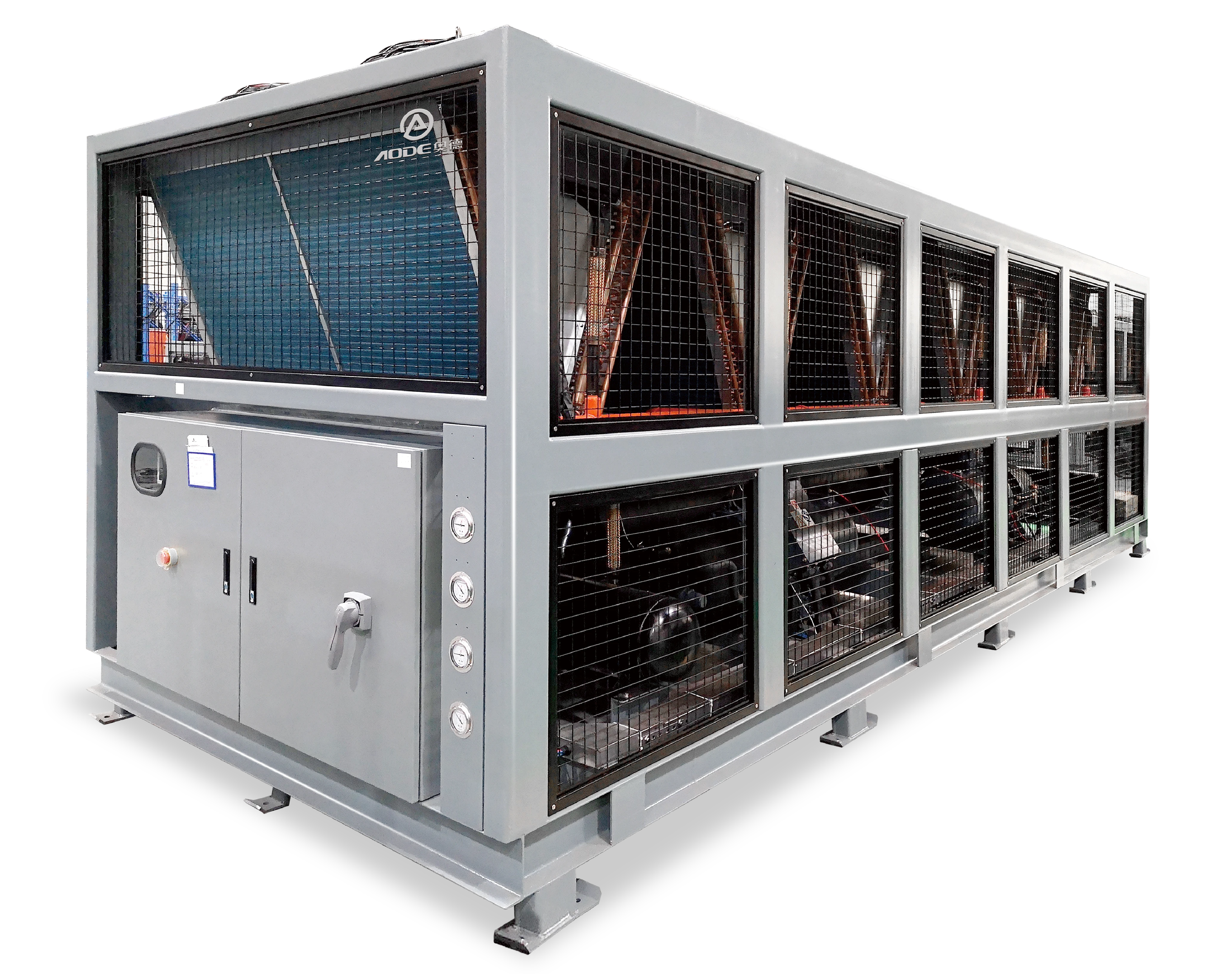
FAQs About Rubber and Plastics Extrusion Temperature Control
How does temperature control affect rubber vulcanization quality?
Vulcanization quality depends on stable heating time and temperature. Rubber vulcanization temperature control helps reduce under-cure, over-cure, hardness variation, and unstable product performance.
When is centralized heating better for rubber processing?
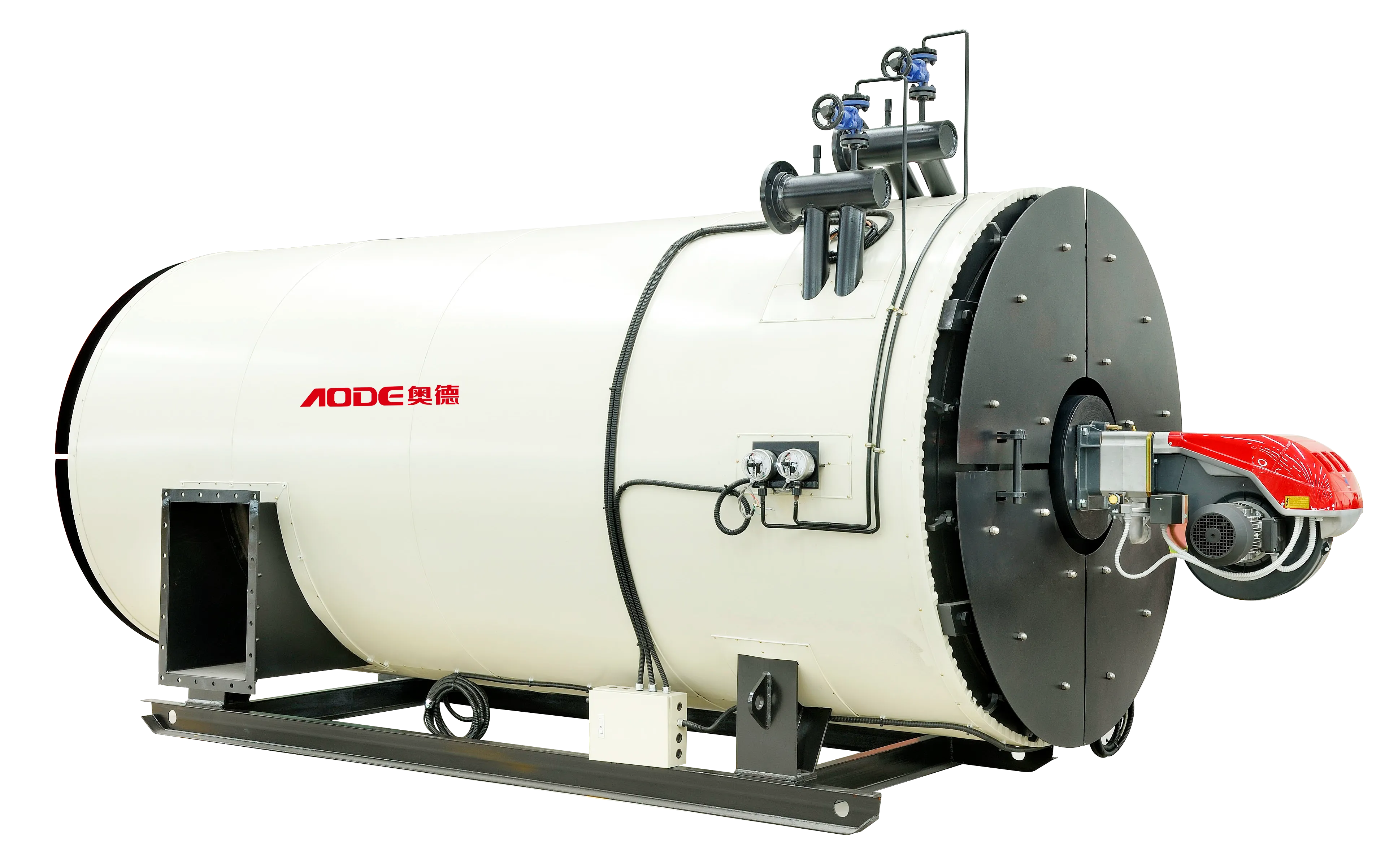
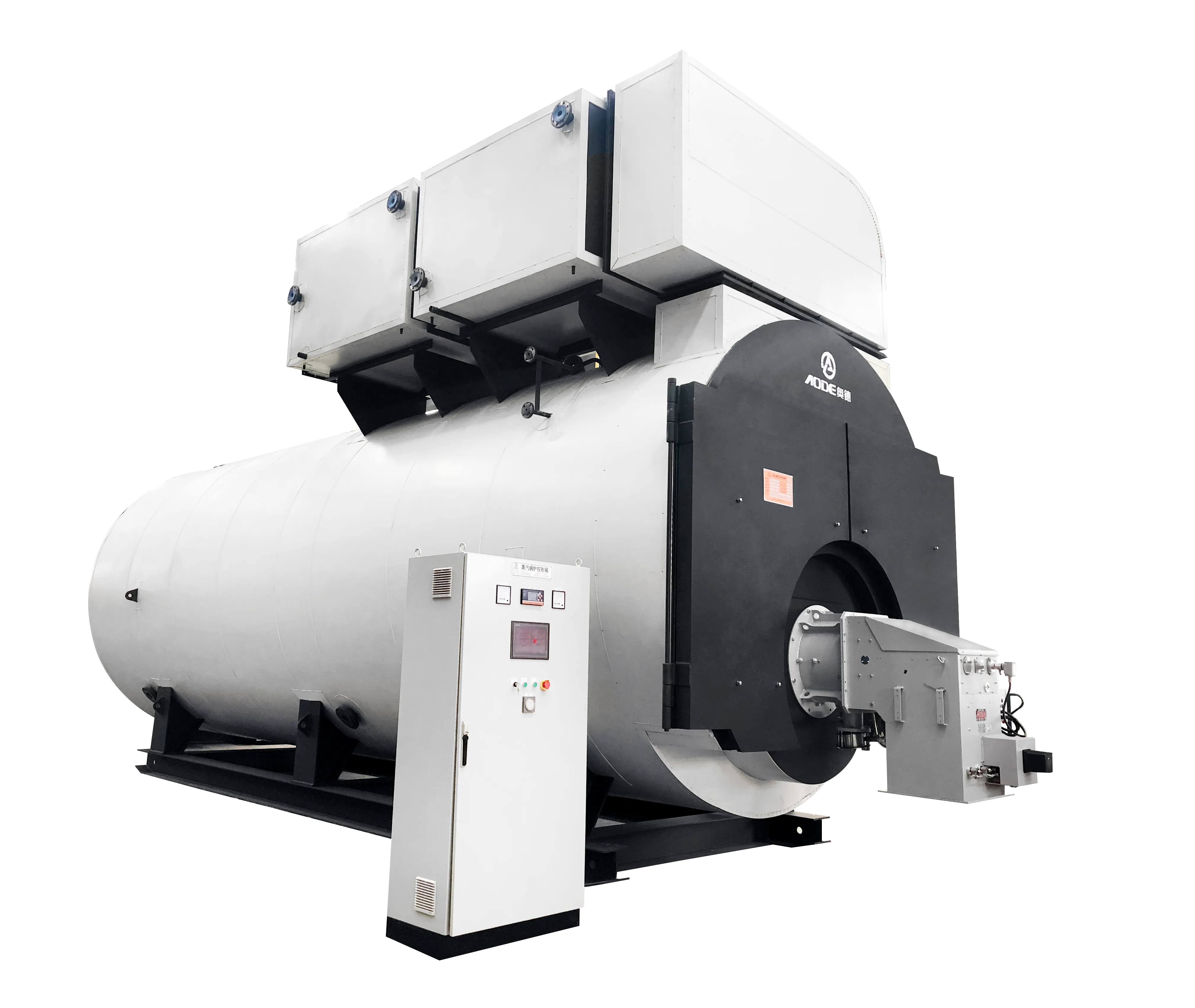
Centralized heating is better when calendering, vulcanization, or multiple stations need continuous heat. A gas fired boiler for rubber processing can provide stable heat for large heat-load production.
What cooling problem does an industrial chiller solve in extrusion lines?
An industrial chiller for extrusion processing solves unstable cooling in tanks, rollers, and downstream systems. Stable cooling helps reduce deformation, surface marks, and unstable line speed.
Why is roller temperature important in rubber calendering?
Roller temperature affects sheet thickness, surface smoothness, and compound flow. Stable roller temperature control for rubber calendering helps reduce thickness variation and surface defects.
How can rubber mixing avoid scorch problems?
Rubber scorch can occur when compound temperature rises beyond the safe process range. A thermal oil temperature control unit for rubber mixing helps control heat during kneading and mixing.
Why does extruded product size fluctuate during production?
Size fluctuation is often related to unstable barrel, screw, or die temperature. An extruder temperature controller keeps melt temperature more consistent and helps improve dimensional stability.

Contact Us
Get Your Temperature Control Solution
Tell us about your process, and our engineers will size the right mould temperature controller.
Share basic details and we'll return a tailored proposal and timeline within one business day.