
fajsdfjash ddsa dsa as sa sad sda sadfjsadjfl jsadjk fjasdlkfjaskdfdklsaj klf
jsadj
asjdklj falsdjf
jaklj

Products
Application Value of Mold Temperature Controllers in NEV Rear Floor Die Casting
16 June 2026
Author:AODE
share:


1.Why does rear floor die casting require mold temperature control?
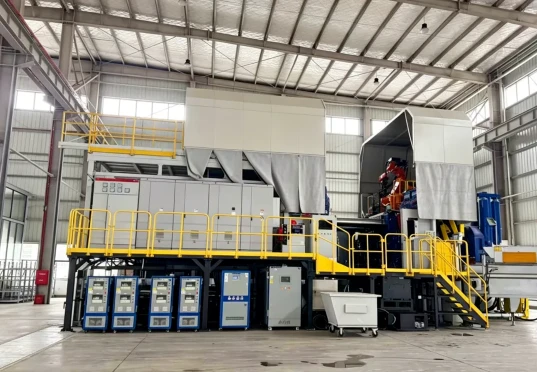
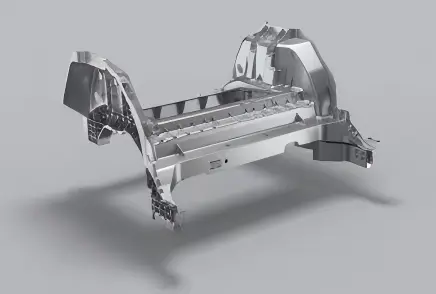
In new energy vehicle die casting, the die casting part corresponding to the rear floor has a large volume and weight, a large mold temperature distribution area, and many zones, requiring relatively complex mold temperature control. To ensure fluidity and the stability of product performance during the forming process, more precise mold temperature is required. At the same time, good thermal balance of the mold temperature also has an obvious inhibitory effect on problems such as casting deformation, cold shuts, and cracks. Therefore, rear floor die casting does not rely on a single precise device for simple temperature control, but requires multi-temperature-zone and multi-circuit coordinated control.
2.How does mold temperature affect casting quality?
During the die casting process, the mold temperature field affects aluminum liquid filling, the solidification sequence of the casting, the cooling rate, and the risk of product deformation. If the local temperature is too low, it may cause problems such as cold shuts and insufficient filling; if the local temperature is too high, it is likely to increase the risk of shrinkage cavities, shrinkage porosity, mold sticking, or deformation. Ultimately, this will lead to a decrease in die casting production cycle, production efficiency, and an increase in the comprehensive cost of the casting.
3.What is the main role of the mold temperature controller?
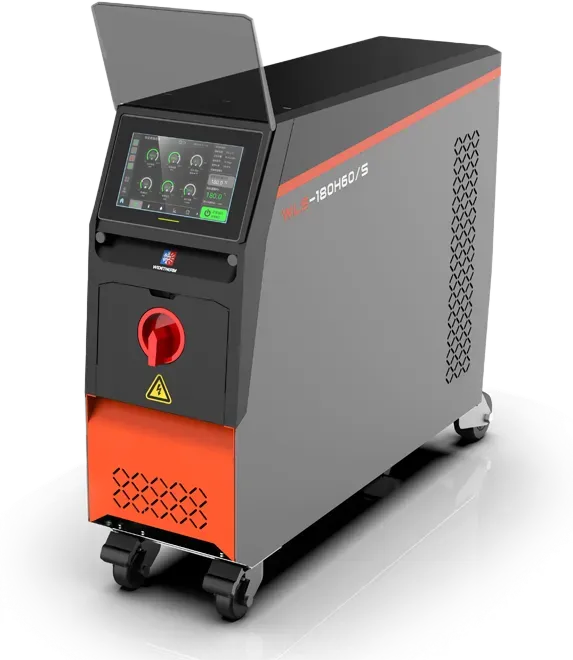
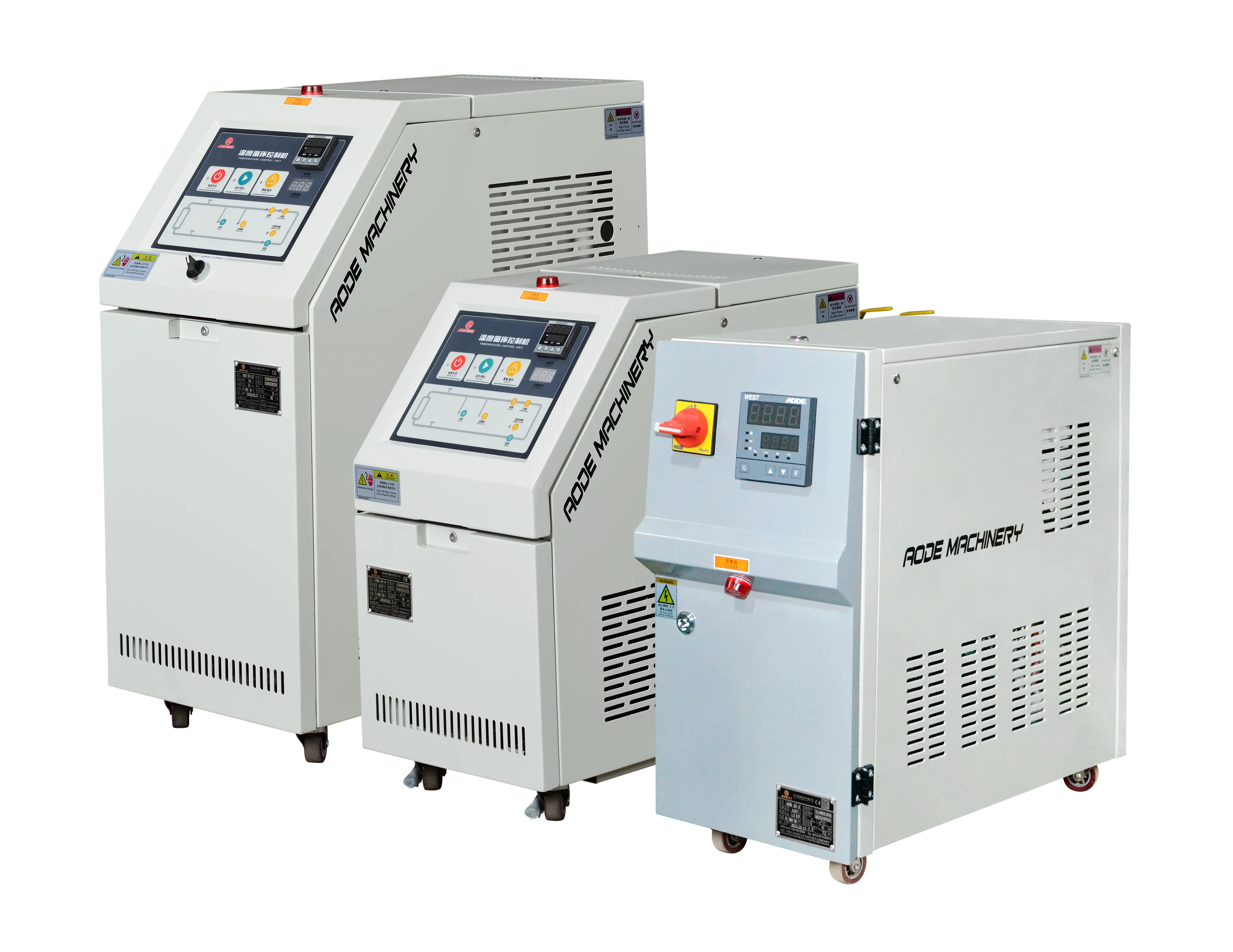
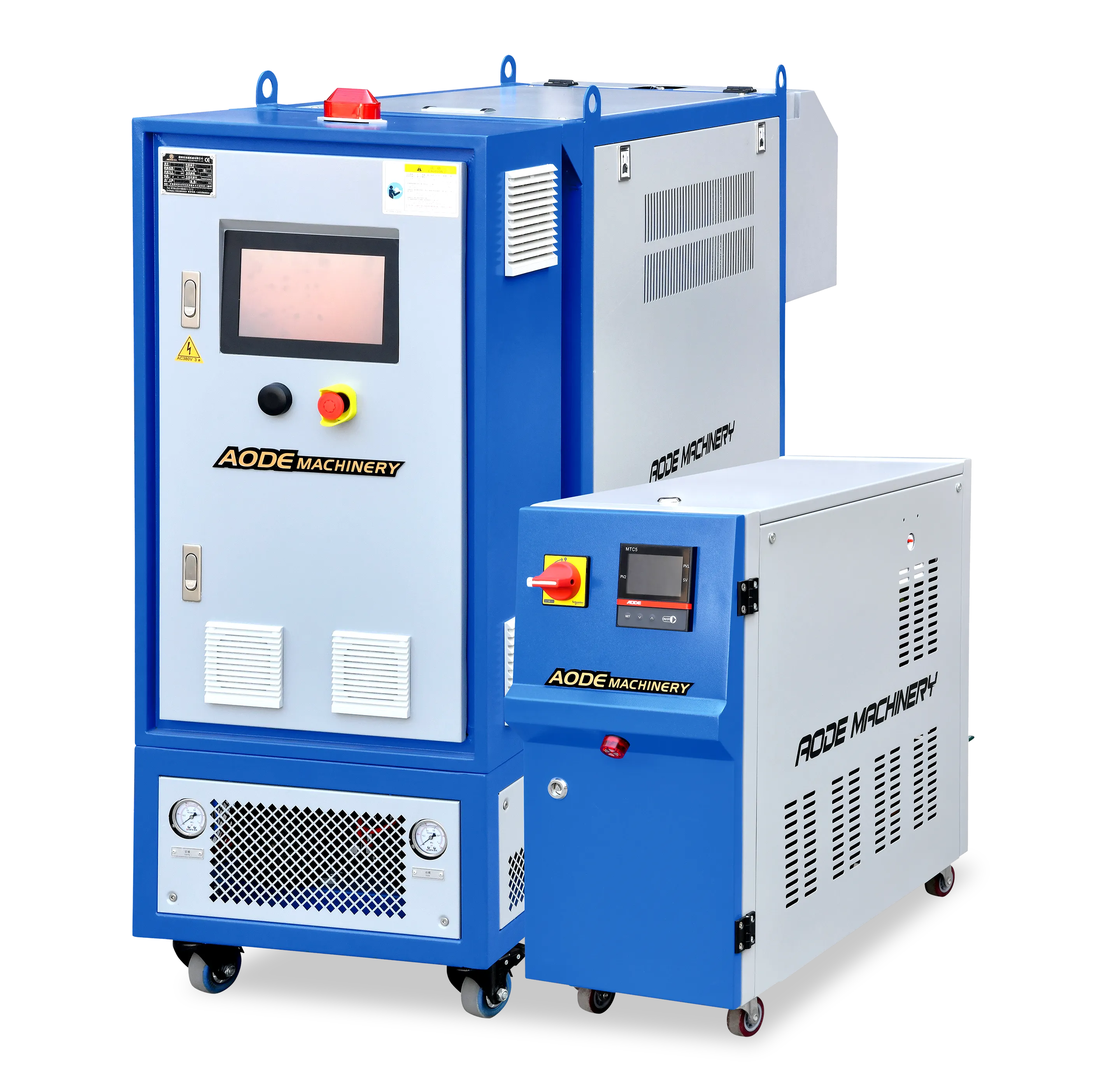
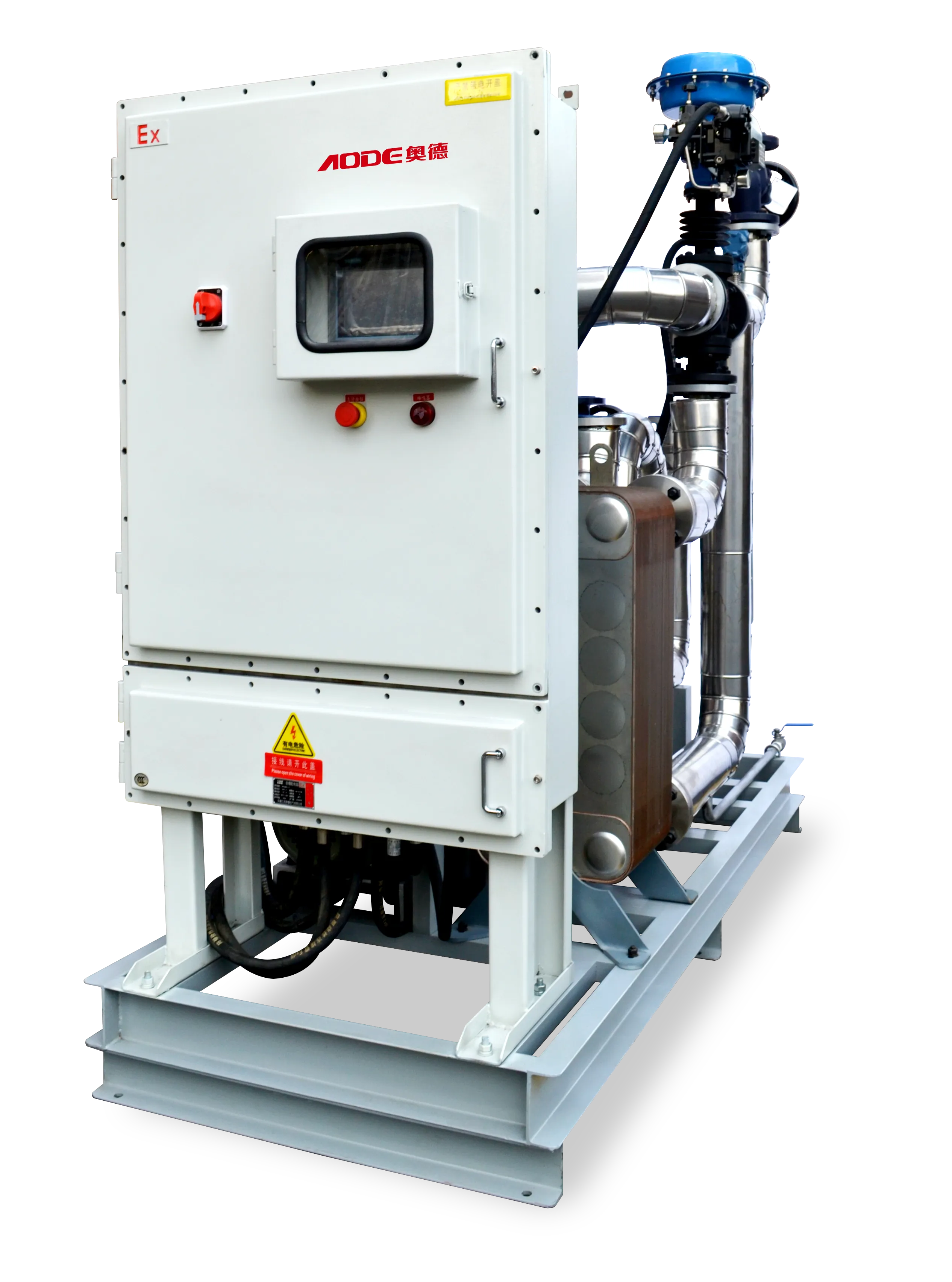
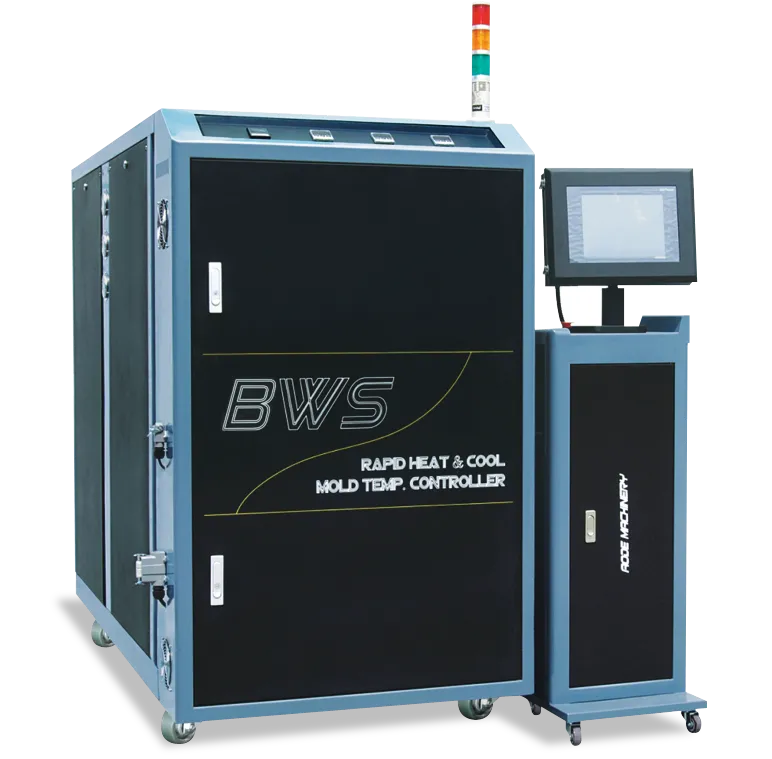
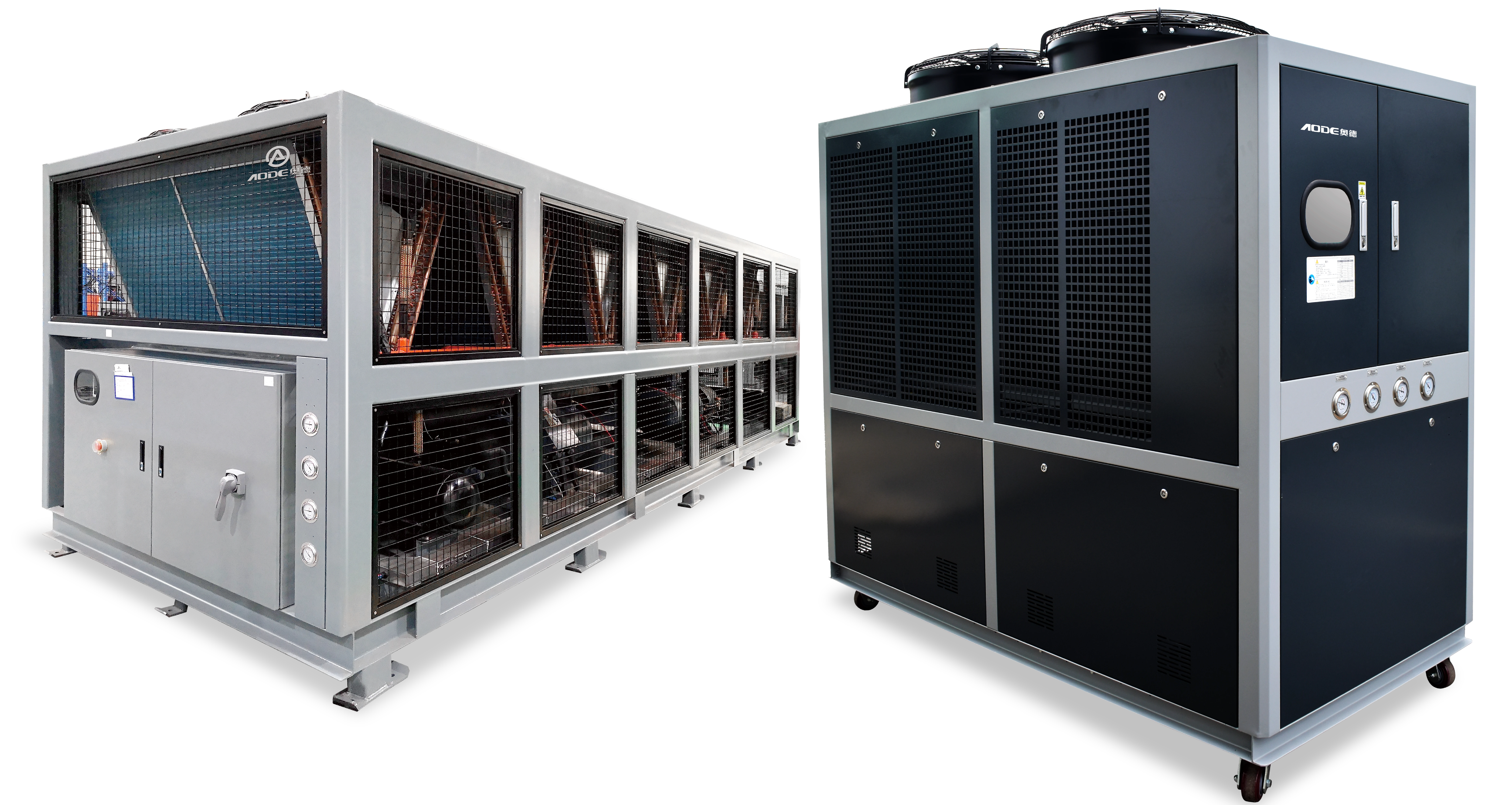
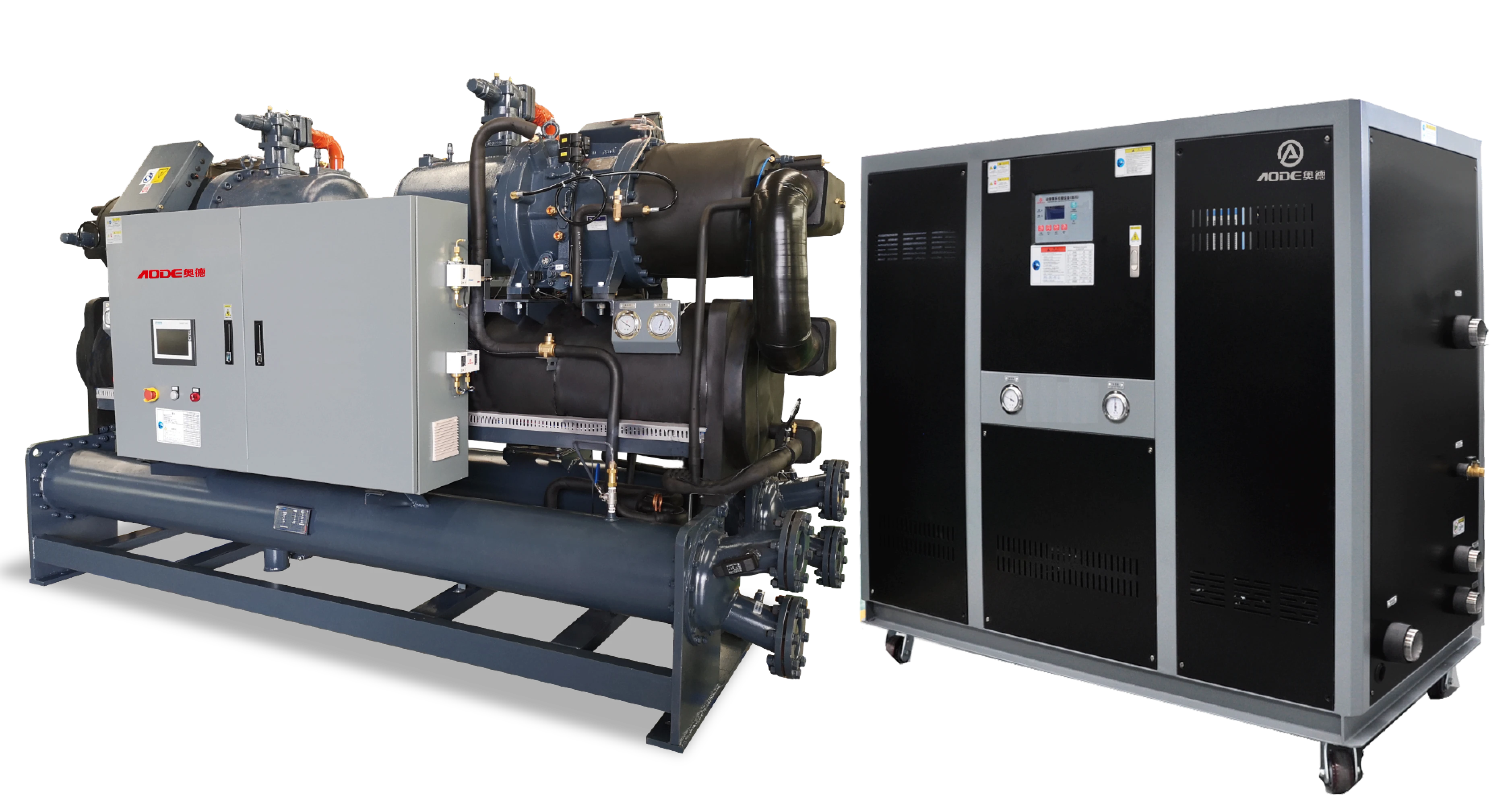
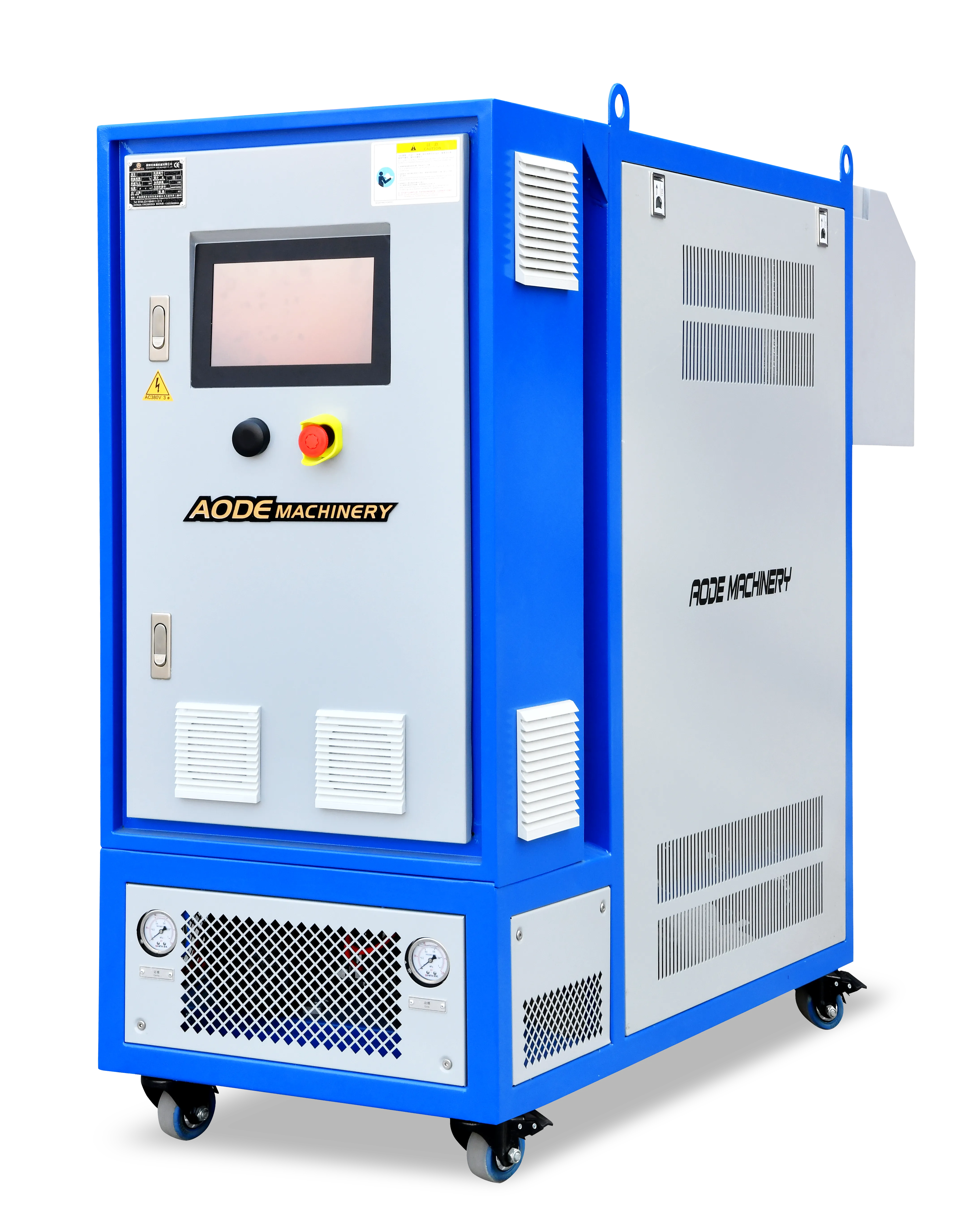
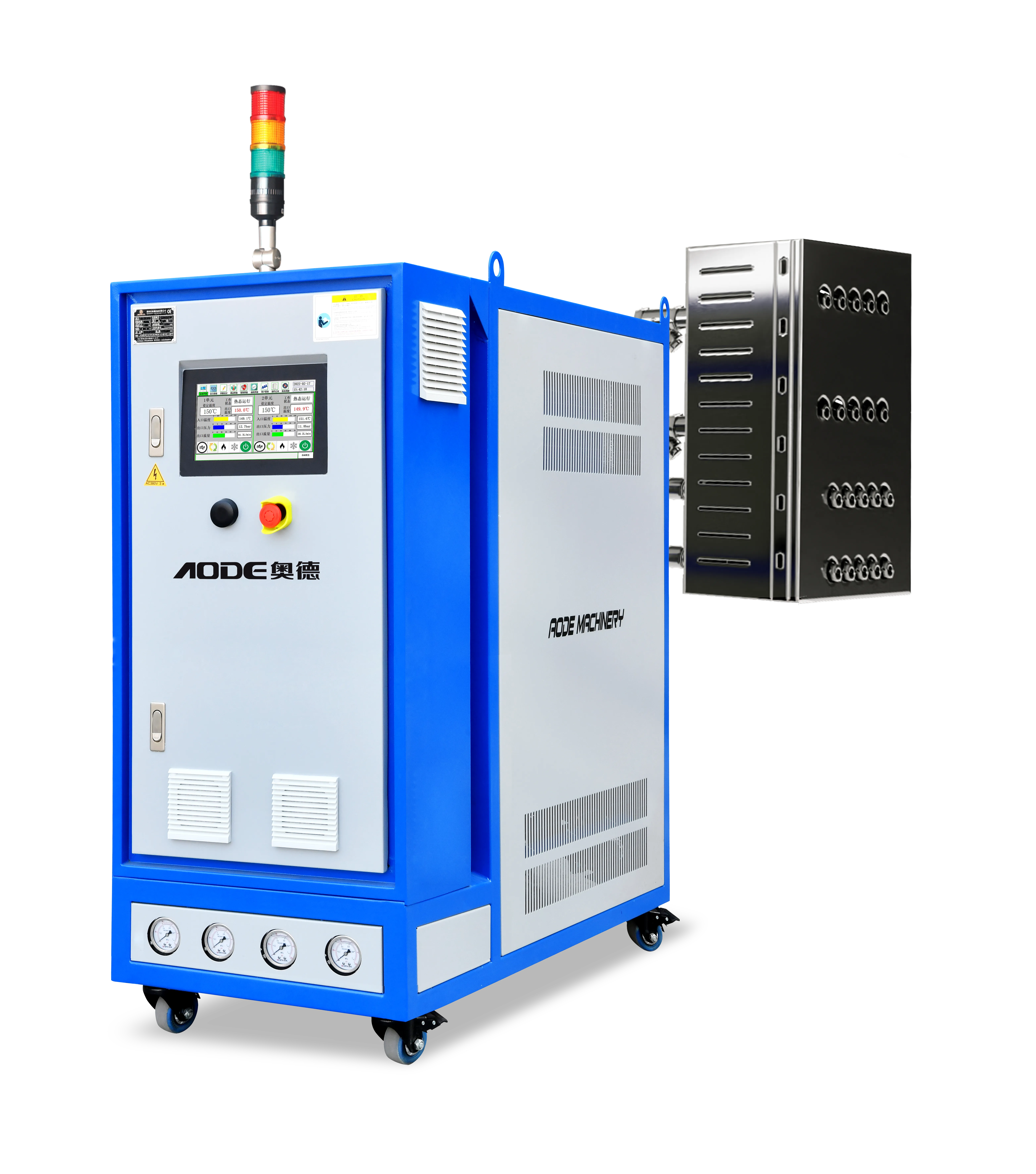
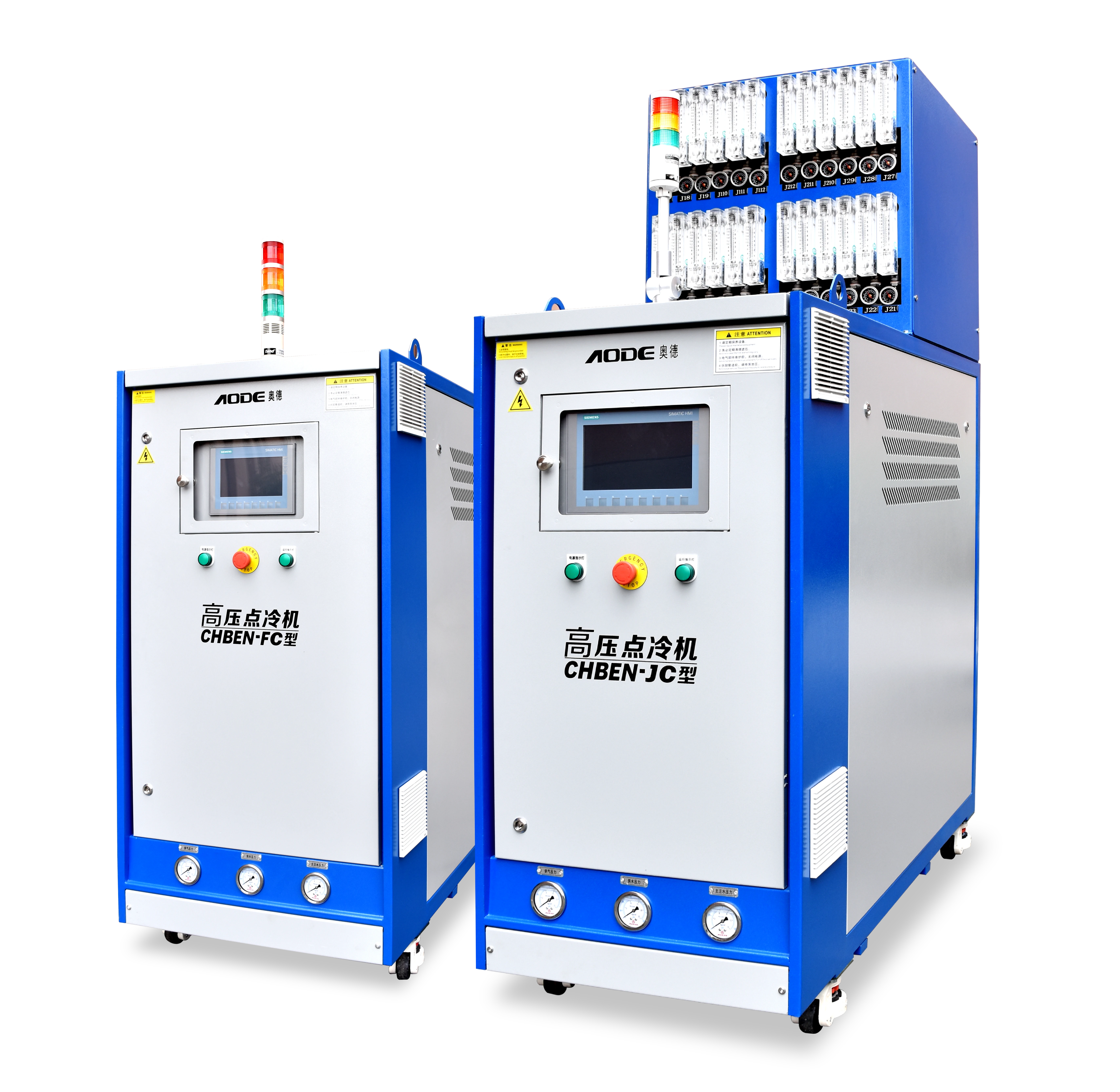
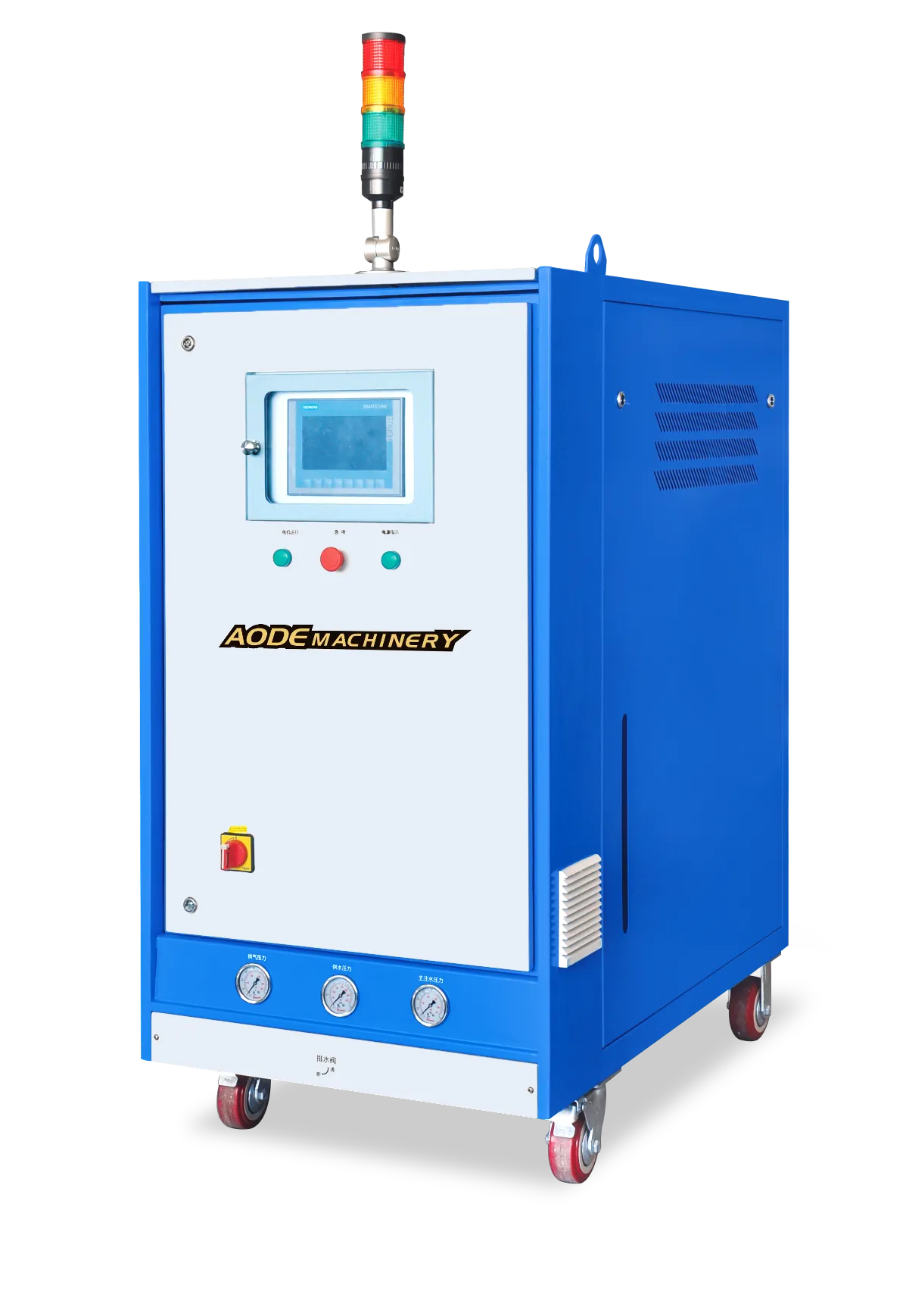
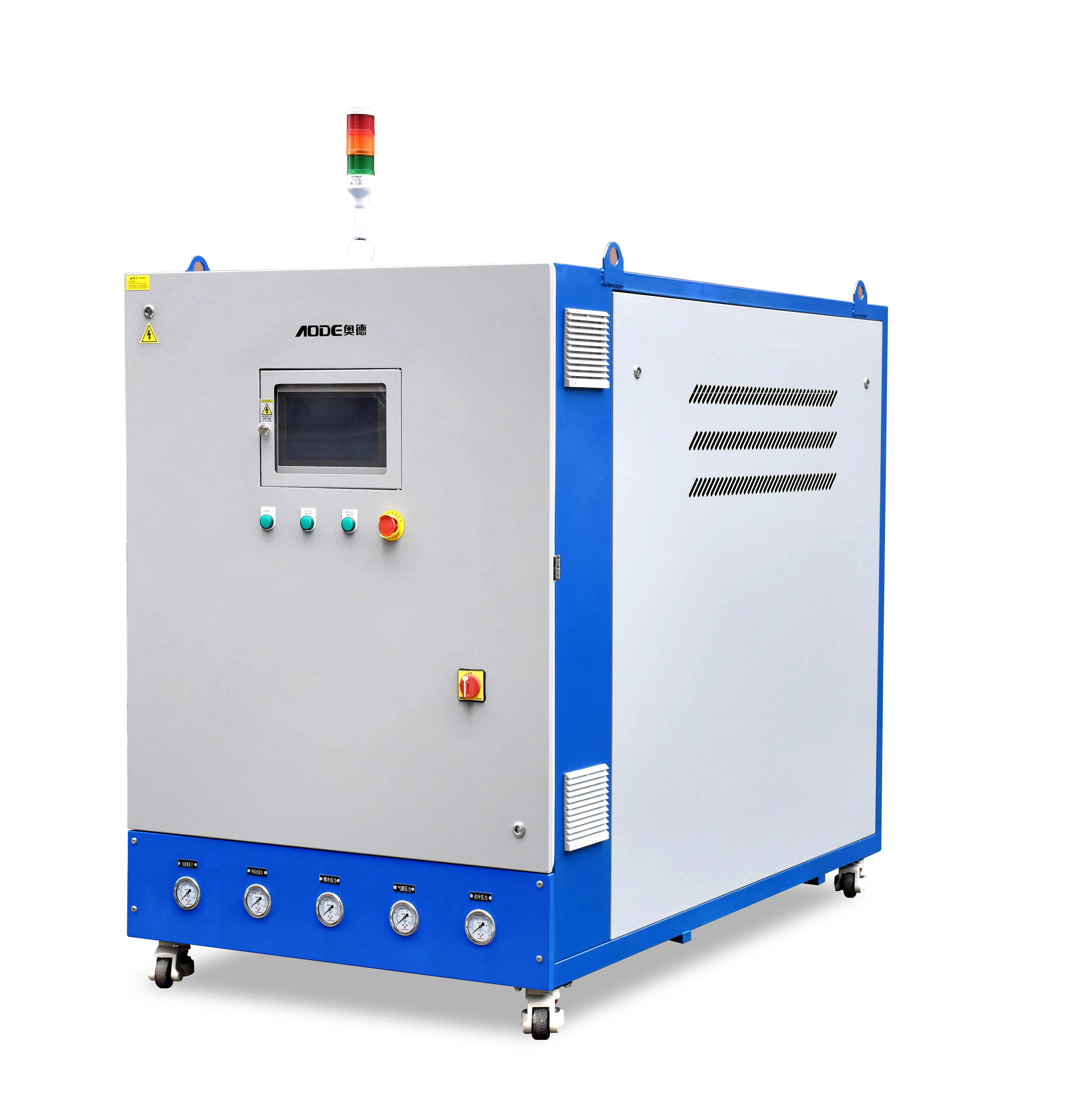
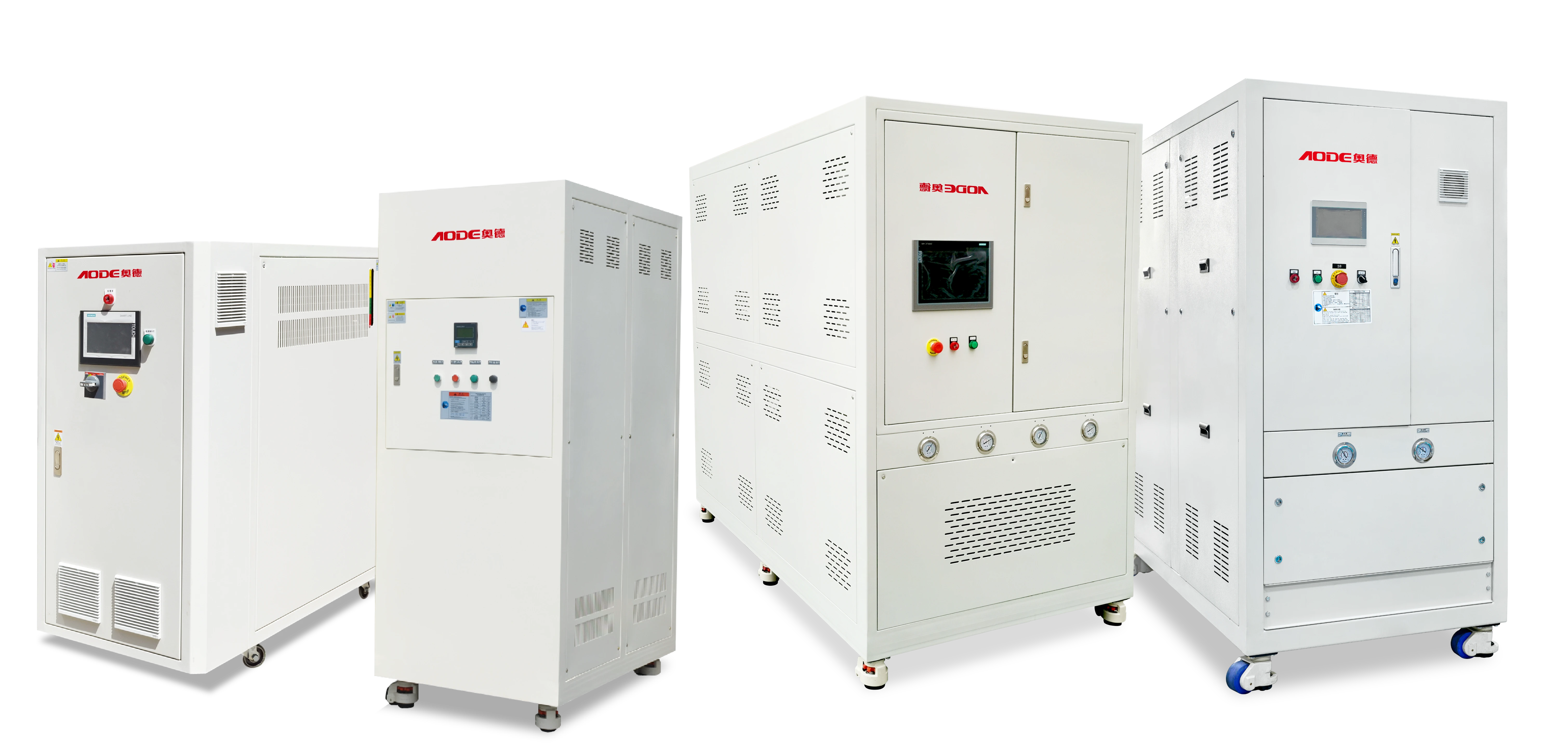
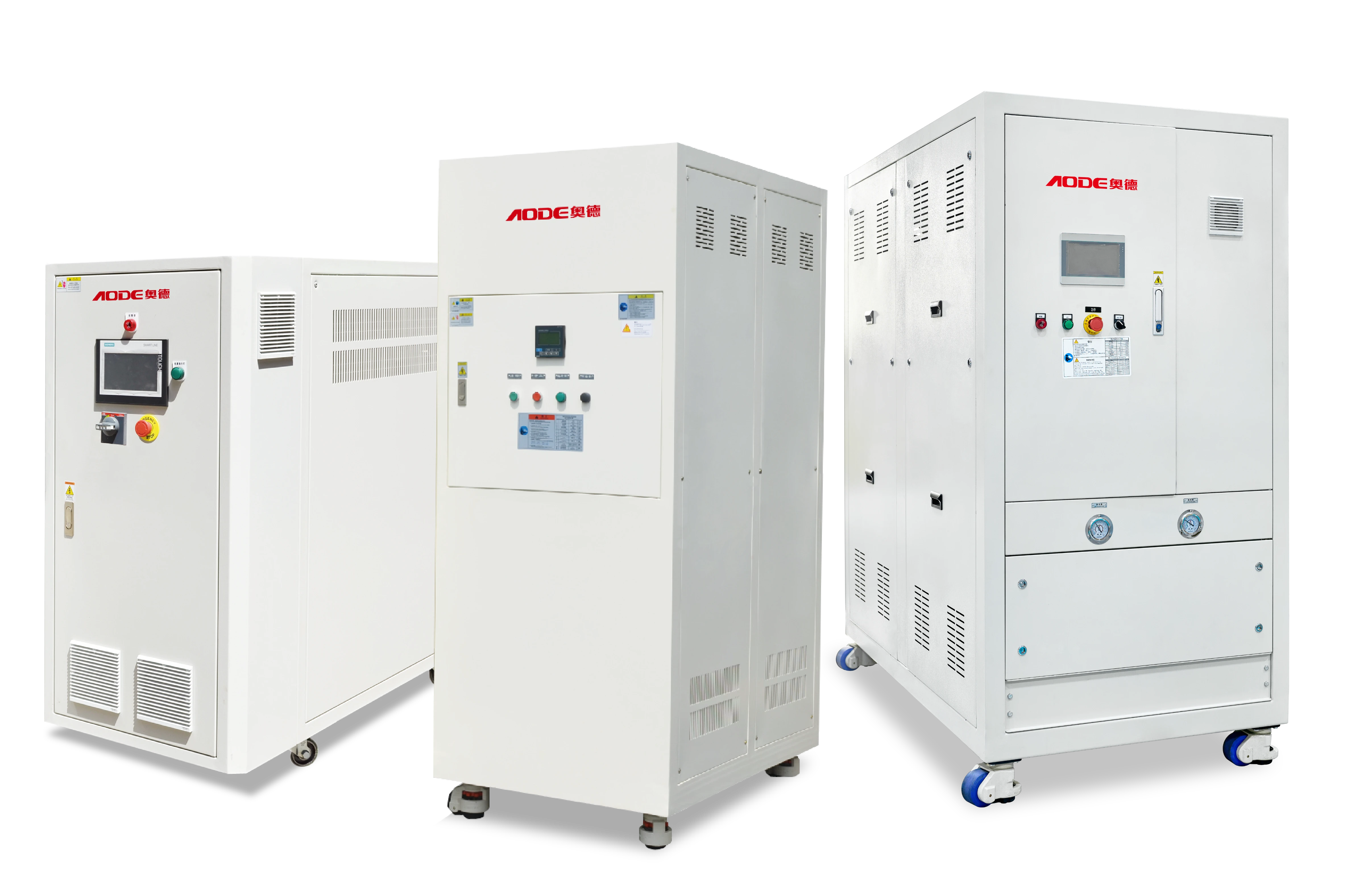
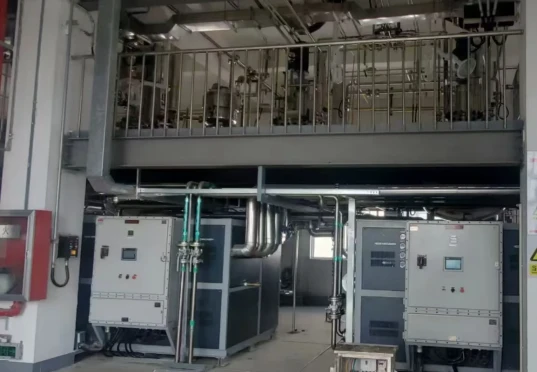
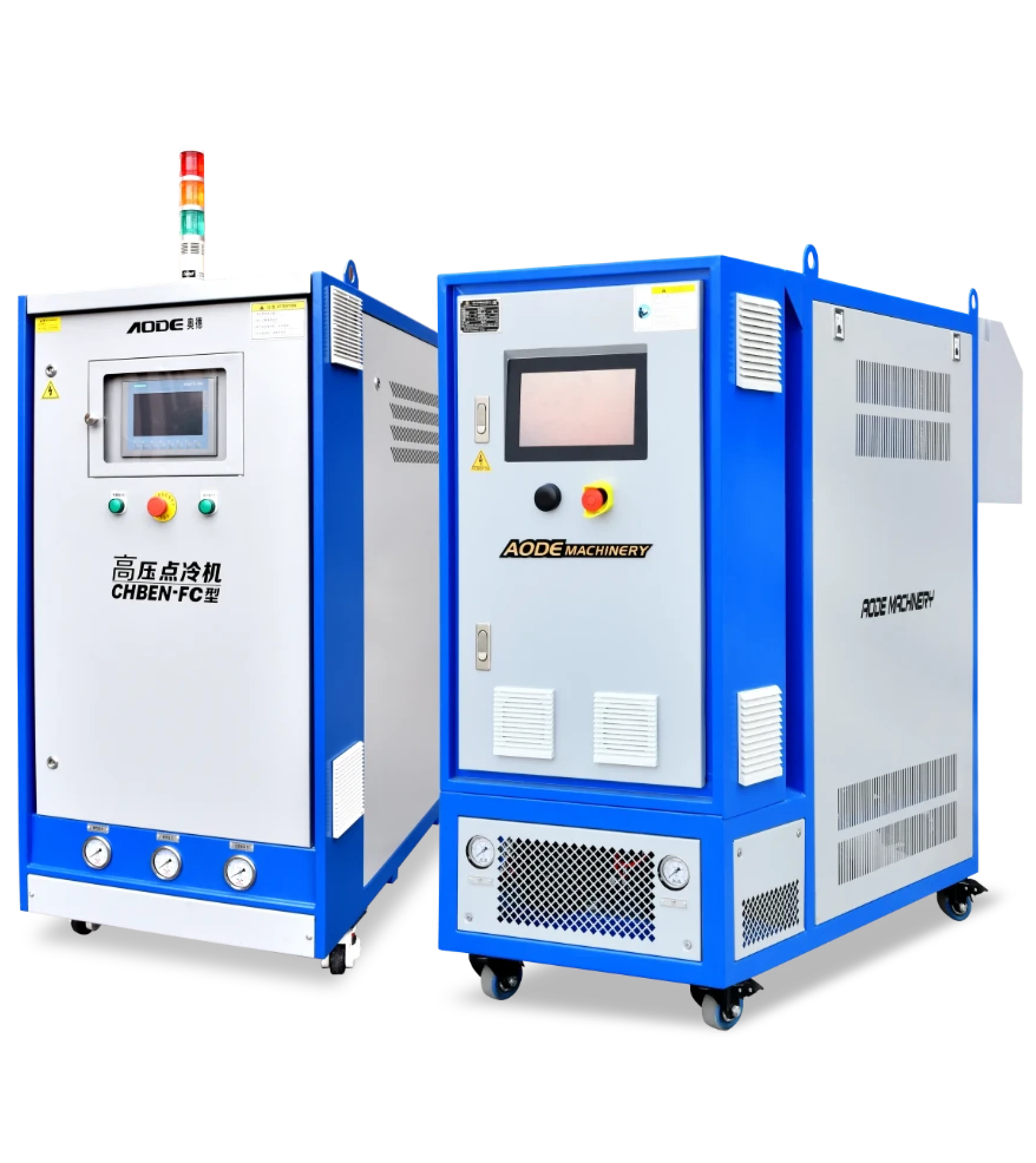
Why can AODE’s mold temperature controller help the mold establish thermal balance? The main reason is that under conditions without temperature control equipment, the heat output of the mold basically relies on the mold’s own heat dissipation, and when balance is reached, the temperature is high and the cycle is long. The oil temperature controller can provide heat compensation for the mold, and is suitable for positions that need to raise and stabilize mold temperature.In comparison, the die casting water temperature controller can not only provide a certain amount of heat compensation for the mold, but also quickly take away excess heat, helping the mold reach thermal balance faster and maintain a stable temperature state.
4.How do water temperature controllers and oil temperature controllers divide their work in rear floor molds?
Because the heat load in different areas is different, the application positions of the required water temperature controllers and oil temperature controllers are also different.
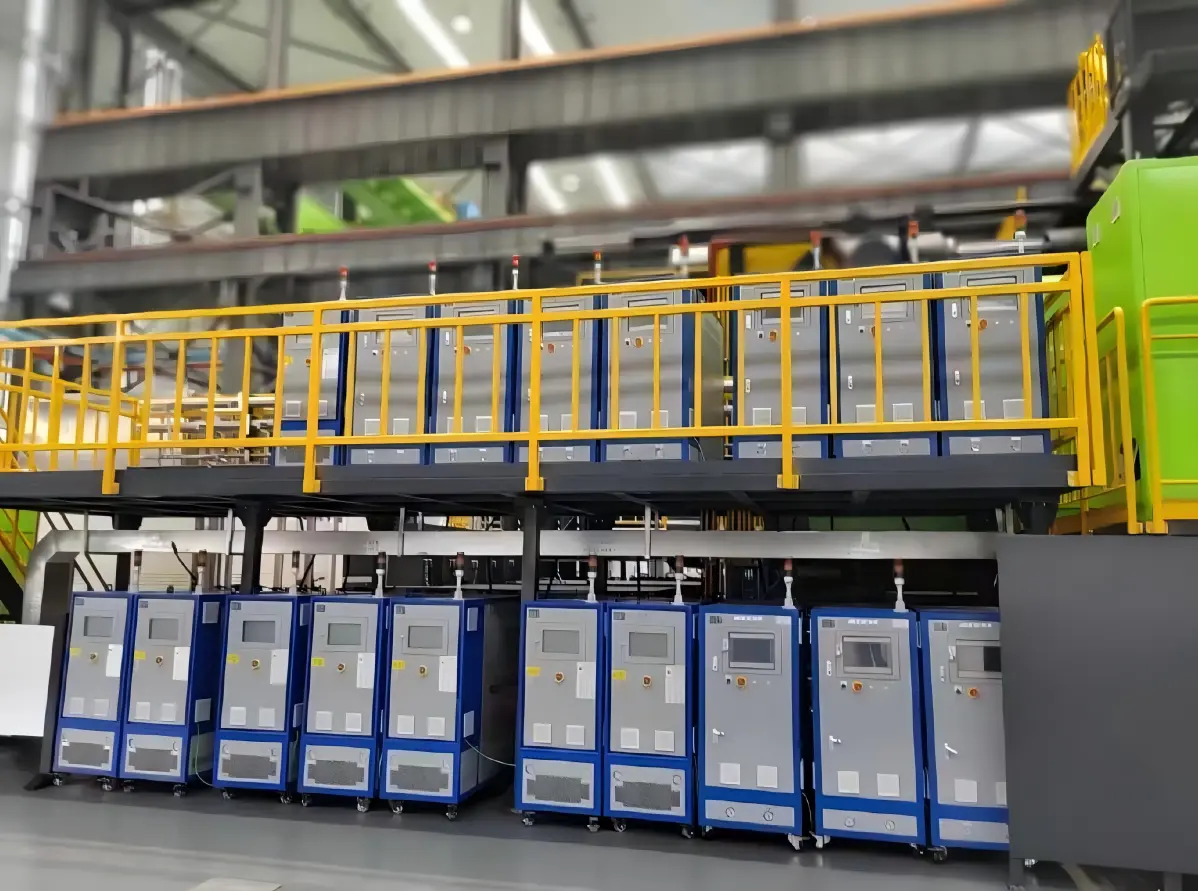
Water temperature controllers are mainly used in medium-temperature control areas between 50°C and 160°C, such as moving mold runners, moving mold inserts, fixed mold runners, special structural positions such as fixed mold thresholds, fixed mold shock absorbers, and side slider related areas. Water temperature controllers make use of the high heat exchange efficiency of water media to play the role of rapid heat exchange, heat removal, and maintaining stability in the medium-temperature zone.
Oil temperature controllers are mainly used in high-temperature control areas between 150°C and 220°C, such as moving mold floor, moving mold wheel hub, moving mold slag ladle, fixed mold floor, fixed mold wheel hub, and other positions far from the feed inlet and thin-wall positions, which can stably control mold temperature and provide certain temperature compensation.
The number of oil temperature controllers and water temperature controllers to be configured also needs to consider the type of release agent used. When using water-based release agents, it is recommended to increase the number of oil temperature controllers configured, which can reduce the influence of the release agent on the mold surface temperature. When using oil-based release agents, the number of water temperature controllers configured should be increased.
5.Summary
For large integrated die castings such as rear floors, choosing a suitable mold temperature controller solution is an important foundation for improving forming stability, controlling product defects, and ensuring mass production cycle. AODE can provide customers with more suitable mold temperature control equipment and overall solutions according to mold structure, temperature zone distribution, number of flow channels, and production needs.
 Back to List
Table of Contents
×
CONTACT US
Cookie Policy
We use cookies and other tracking technologies online. Please read our Cookie Policy, which is part of this Cookie Policy , and is incorporated herein by reference.

loading...