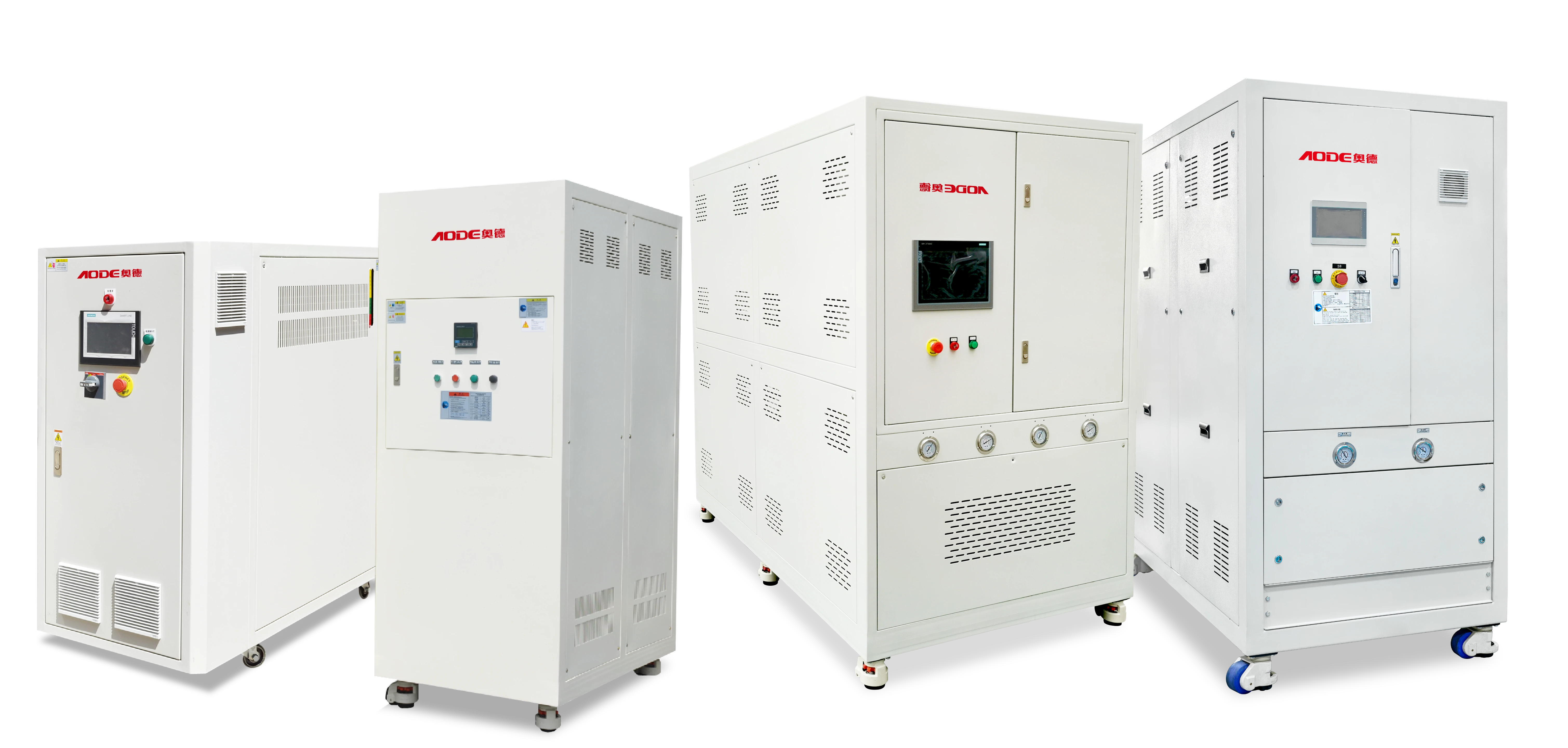
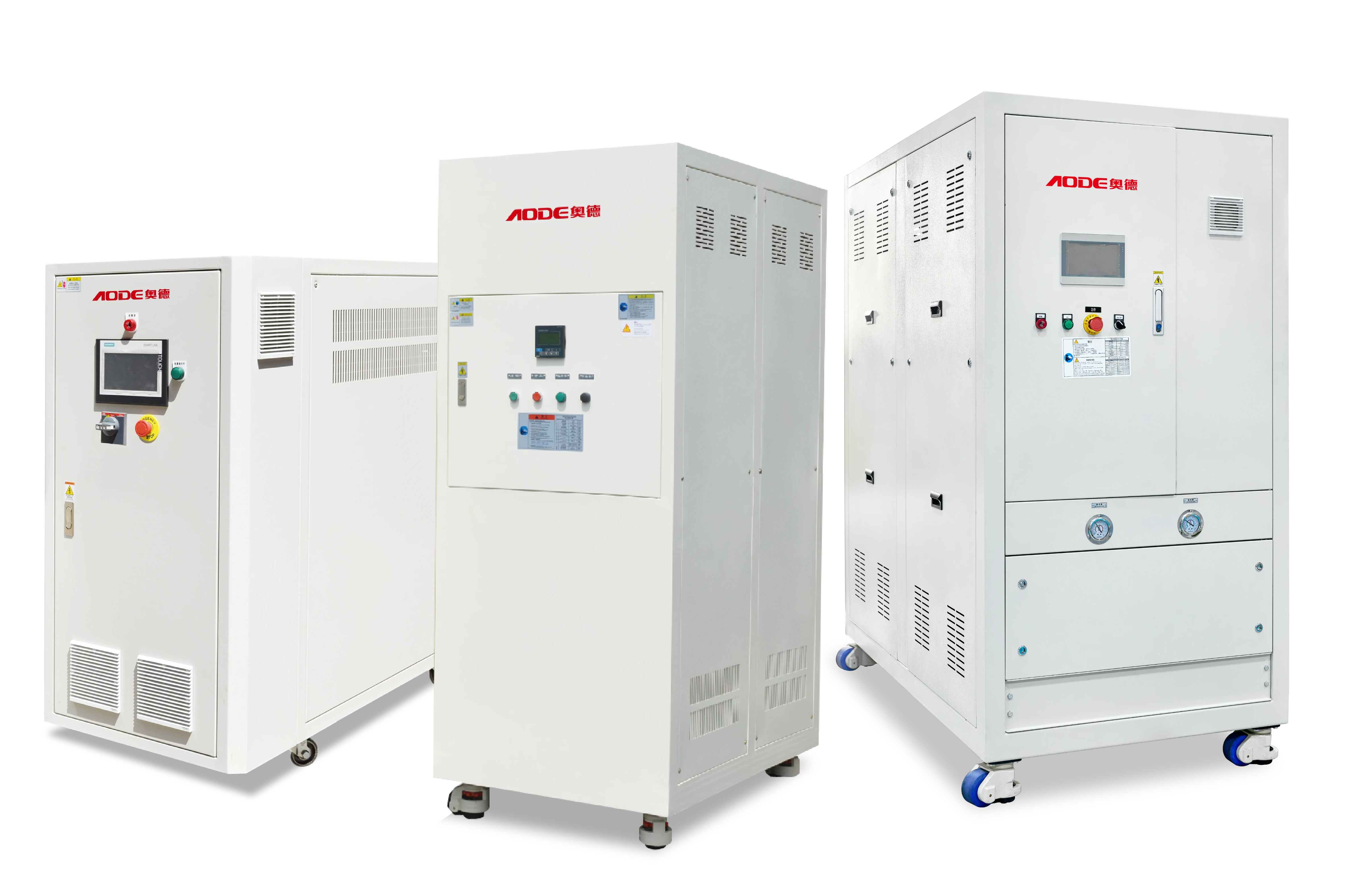

fajsdfjash ddsa dsa as sa sad sda sadfjsadjfl jsadjk fjasdlkfjaskdfdklsaj klf
jsadj
asjdklj falsdjf
jaklj
Products
What Should You Consider When Choosing a Mold Temperature Controller Manufacturer?
16 November 2026
Author:AODE
share:


Finding the right mold temperature controller manufacturer takes more than comparing quotations and product specifications. When purchasing equipment for industrial production, the supplier's manufacturing capabilities, engineering resources, quality management, and technical support all influence the long-term value of your investment.
Two manufacturers may offer similar temperature controllers at comparable prices, yet differ considerably in production management, customization capabilities, and equipment testing. These differences can affect everything from the initial order to future equipment requirements and after-sales service.
So, how do you determine whether a manufacturer is capable of meeting your requirements? Rather than focusing only on its product catalog, it is worth examining how the company manages production, handles technical requirements, controls quality, and supports customers after delivery. The following considerations provide a practical starting point for evaluating a potential manufacturing partner.
Is the Supplier a Real Mold Temperature Controller Manufacturer or a Trading Company?
Verify the Factory and Its Production Operations
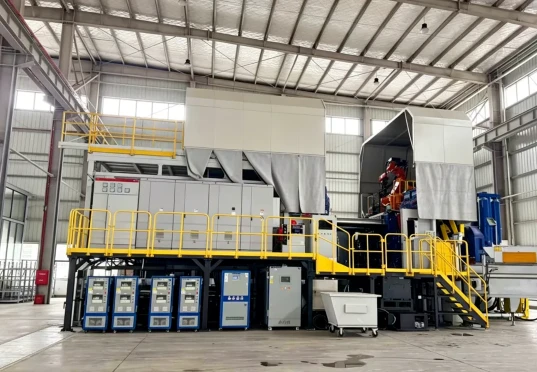
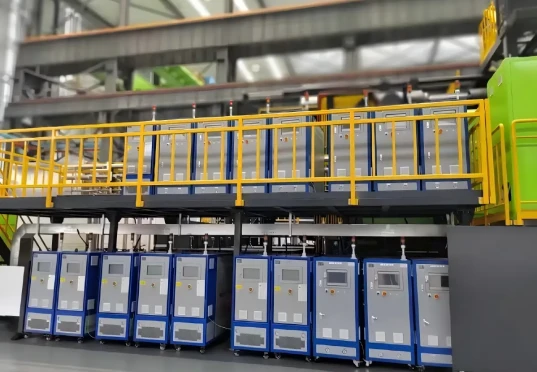
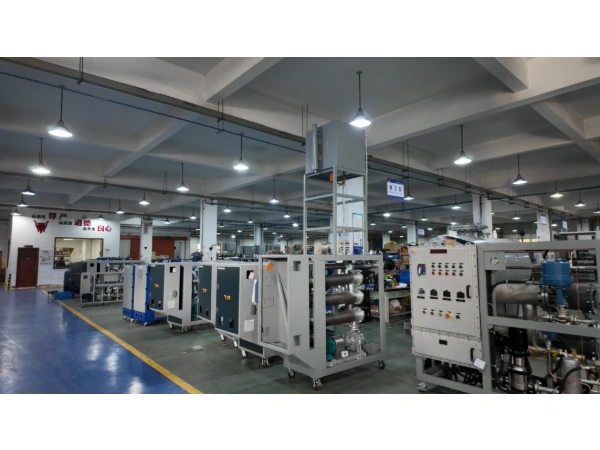
Ask to see the manufacturing facilities rather than relying solely on product photographs. Production videos, factory tours, and on-site visits can help you understand whether the company has dedicated assembly areas, production personnel, and equipment testing facilities. You can also ask which manufacturing processes are completed internally and which are handled by external partners.
Outsourcing certain components is common in industrial manufacturing. What matters is whether the supplier maintains control over equipment configuration, assembly standards, inspection, and final product quality. A genuine manufacturing operation should be able to explain how an order moves from production planning to finished equipment and shipment.
Establish Responsibility for Manufacturing and Quality
Clarify who takes responsibility if an equipment configuration needs to be changed, a production issue occurs, or a product requires technical support. This becomes particularly important when purchasing customized equipment or establishing an OEM relationship.
If you work through a trading company, ask it to identify the actual manufacturing partner and explain how production quality and after-sales responsibilities are managed. A clear division of responsibilities helps prevent communication problems when technical or commercial issues arise.
Does the Manufacturer Have In-House Engineering and Customization Capabilities?
Not every production line can work with an off-the-shelf temperature controller. Your project may involve specific heating arrangements, pump configurations, electrical requirements, control interfaces, or equipment structures that need to work with existing machinery. A manufacturer's ability to assess and develop these configurations is a more meaningful indicator of engineering capability than simply claiming to offer customized products.
Look at how its engineering team handles a project. Can it review your technical requirements, assess the feasibility of modifications, and provide drawings or configuration details before production? More specialized equipment may also require mechanical design, electrical control development, component selection, and prototype verification.
OEM projects can involve additional requirements, including enclosure design, branding, electrical standards, technical documentation, and repeat production consistency. Before moving forward, establish what can be customized, how the design will be confirmed, and which specifications both parties will use for final acceptance.
How Does a Manufacturer Ensure Mold Temperature Controller Quality?
A manufacturer's certificates provide information about its management systems, but they do not independently prove that every temperature control unit will perform reliably. You also need to understand how quality is managed during component sourcing, assembly, electrical inspection, and final performance verification.
For mold temperature controllers, components such as pumps, heating elements, electrical parts, control systems, valves, and protective devices all contribute to equipment operation. Ask how these components are selected and inspected, whether critical parts can be traced, and what checks are performed before the equipment leaves the factory. Depending on the model and configuration, functional testing may cover temperature control operation, circulation performance, leakage checks, electrical safety, and protective functions.
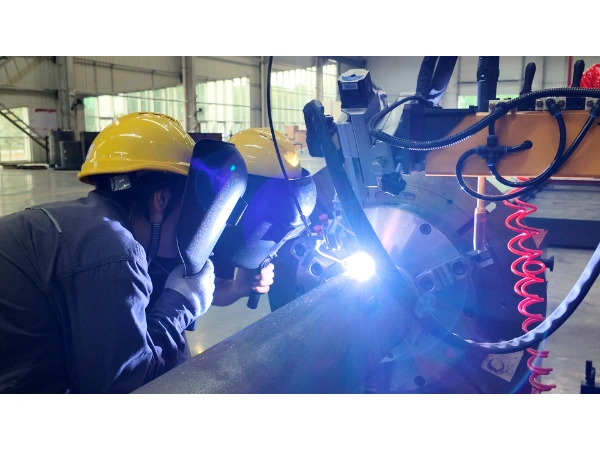
International management standards provide another reference when assessing a manufacturer's quality system. ISO 9001 addresses quality management, ISO 14001 covers environmental management, ISO 45001 focuses on occupational health and safety, and ISO 50001 concerns energy management. Equipment sold into international markets must also be assessed against applicable electrical safety requirements, including IEC 60204-1 where relevant.
Rather than relying on certification logos alone, request information about the inspection procedures and testing records associated with your order. These details provide a more practical understanding of how the manufacturer maintains product consistency.
Can the Manufacturer Support Different Industrial Applications?
Experience in one manufacturing process does not automatically translate into experience across every industrial application. Injection molding, die casting, rubber processing, extrusion, and sheet production can involve different equipment configurations and thermal management requirements.
For example, precision injection molding may place greater emphasis on temperature stability and repeatable processing conditions. Die casting can involve temperature management around specific mold areas, while rubber processing and extrusion may require different heating arrangements. Sheet and film production can also involve coordinated temperature control across rollers and multiple processing sections.
When discussing your project with a potential supplier, ask for examples of equipment supplied to comparable applications. Previous project experience, relevant equipment configurations, and technical documentation can help establish whether the manufacturer understands your production environment. If the equipment needs to work with an existing production line, involving your engineering or production team in the discussion can also help identify potential integration issues early.
What Production Capacity and Lead Time Can a Manufacturer Provide?
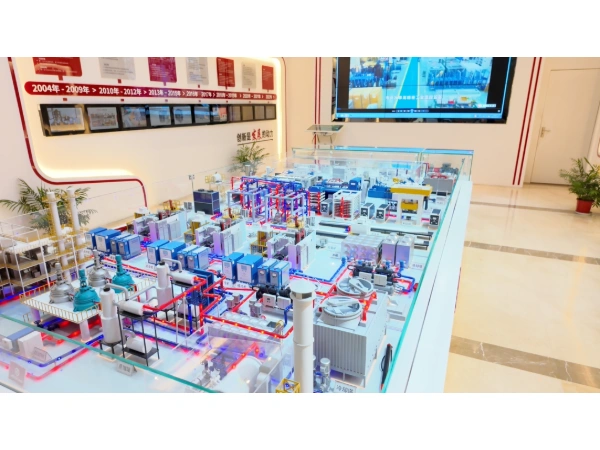
A successful first order does not necessarily demonstrate that a supplier can support your business as it grows. As purchasing volumes increase, consistent production and dependable delivery become increasingly important.
Look at the manufacturer's actual production capacity, standard model availability, component supply arrangements, and typical lead times. Customized equipment requires additional coordination, including engineering confirmation, component procurement, assembly, and testing. A realistic production plan should account for these stages rather than simply provide an estimated shipping date.
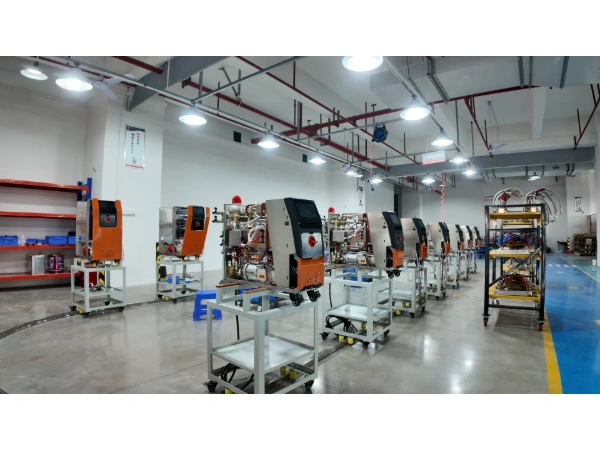
Repeat-order consistency is equally important. Ask how previously approved specifications are maintained, whether production schedules can accommodate changing order volumes, and how potential delays are communicated. These details matter when equipment delivery is linked to installation schedules, production plans, or customer commitments.
What After-Sales Support Should a Mold Temperature Controller Supplier Provide?
Equipment performance is only part of the purchasing decision. Once a temperature control unit enters your production environment, installation guidance, operating instructions, troubleshooting, and spare parts availability become part of the relationship.
Before ordering, clarify what technical assistance the manufacturer provides and how service requests are handled. Depending on the agreement, this may include commissioning guidance, maintenance recommendations, remote troubleshooting, replacement parts, and warranty support. You should also establish the warranty coverage, response procedures, and responsibilities of both parties if equipment requires repair.
Technical support should also cover the information needed to operate and maintain the equipment properly. Product documentation, electrical diagrams, maintenance instructions, and troubleshooting guidance can make it easier to resolve routine issues. A manufacturer with an organized service process can help reduce unnecessary downtime and make long-term equipment management more predictable.
How to Evaluate a Manufacturer Before Placing an Order
Once you have shortlisted a manufacturer, move from general discussions to specific commercial and technical verification. This is particularly important for customized projects, large-volume orders, and OEM cooperation, where misunderstandings about specifications or acceptance requirements can become costly.
| Evaluation Stage | Information and Evidence to Request |
|---|---|
| Before Ordering | Company background, factory information, certifications, product specifications, quotation details, MOQ, payment terms, and warranty conditions |
| Before Mass Production | Approved drawings, confirmed equipment configuration, component requirements, sample approval, and acceptance criteria |
| Before Shipment | Inspection records, functional testing results, electrical documentation, packaging details, spare parts list, and shipping arrangements |
The quotation deserves particular attention. Do not compare equipment prices without checking what each supplier has included. Confirm the equipment configuration, standard accessories, control system, technical documentation, packaging, and any additional charges. You should also review quotation validity, payment arrangements, warranty coverage, and the conditions for handling replacement parts.
Before production begins, both parties should approve the final technical specifications. Drawings, equipment configurations, and subsequent modifications need to be documented so that the delivered units can be checked against the agreed requirements.
Depending on the order value and project complexity, you may also arrange a factory inspection, sample evaluation, or pre-shipment inspection. For repeat purchases, retaining the original specifications and inspection records helps maintain consistency between orders. These steps turn a supplier's promises into requirements that can actually be checked.
How We Approach Manufacturing Cooperation at AODE
At AODE, we understand that every temperature control project starts with different production conditions and technical requirements. Some projects involve selecting a suitable standard configuration, while others require engineering adjustments to work with existing machinery or a particular manufacturing process.
We begin by understanding the intended application, technical requirements, and expected equipment configuration. Our engineering and manufacturing teams can then discuss suitable arrangements, technical documentation, and production considerations. When a project involves non-standard equipment, confirming the technical scope and approval process early helps both parties manage expectations before production starts.
Our manufacturing operations are supported by more than 306 patents and intellectual property assets. We also operate under ISO 9001, ISO 14001, ISO 45001, and ISO 50001 management systems. These resources support our work with industrial customers, machinery manufacturers, and international business partners.
If you are evaluating a mold temperature controller manufacturer for an upcoming project, share your application, expected order volume, and technical requirements with our team. We can discuss the appropriate equipment range, clarify the scope of customization, and determine the next steps for technical evaluation and commercial cooperation.
Contact AODE to discuss your project requirements and explore a manufacturing partnership.
Frequently Asked Questions
How Can You Verify Whether a Mold Temperature Controller Supplier Is a Real Manufacturer?
Ask for the company's factory information, production facilities, engineering resources, and quality inspection procedures. Factory photographs, production videos, and online or on-site visits can provide additional evidence. You should also clarify which processes are handled internally and who is responsible for the finished equipment.
What Is the Difference Between a Mold Temperature Controller Manufacturer and an OEM Supplier?
A manufacturer produces equipment through its own manufacturing operations, while an OEM supplier produces products according to another company's specifications or branding requirements. A manufacturer can also provide OEM services. Before cooperation, clarify the responsibilities for design, production, quality control, and after-sales support.
Do Mold Temperature Controller Manufacturers Provide Customized Equipment?
Many manufacturers can adapt equipment configurations according to application requirements, including operating temperature, heating capacity, pump arrangements, cooling methods, electrical specifications, and control functions. The available options depend on their engineering resources and product range. Providing technical requirements at the beginning of a project helps establish whether the proposed customization is feasible.
What Certifications Should a Mold Temperature Controller Manufacturer Have?
ISO 9001 is a widely used quality management standard, while ISO 14001, ISO 45001, and ISO 50001 address environmental management, occupational health and safety, and energy management. Depending on the equipment and destination market, additional electrical safety and product compliance requirements may apply. Always verify the certificate's validity, scope, and issuing body rather than relying on certification logos alone.
What Information Should You Request Before Placing a Bulk Order?
Request the manufacturer's company profile, product specifications, technical drawings where applicable, quality documentation, inspection procedures, warranty terms, delivery schedule, and spare parts information. Before mass production begins, confirm the final configuration, production schedule, acceptance criteria, and commercial terms.
References
International Organization for Standardization (ISO) – Management System Standards
https://www.iso.org/management-system-standards.html
International Organization for Standardization (ISO) – ISO 14001: Environmental Management Systems
https://www.iso.org/standard/14001.html
International Organization for Standardization (ISO) – ISO 45001:2018: Occupational Health and Safety Management Systems
https://www.iso.org/standard/63787.html
International Electrotechnical Commission (IEC) – IEC 60204-1:2016 + AMD1:2021: Safety of Machinery – Electrical Equipment of Machines
https://webstore.iec.ch/en/publication/71256
AODE – Official Website
 Back to List
Previous
No more
Next
Top 5 Mold Temperature Controller Manufacturers in...
Table of Contents
×
CONTACT US
Cookie Policy
We use cookies and other tracking technologies online. Please read our Cookie Policy, which is part of this Cookie Policy , and is incorporated herein by reference.

loading...