

fajsdfjash ddsa dsa as sa sad sda sadfjsadjfl jsadjk fjasdlkfjaskdfdklsaj klf
jsadj
asjdklj falsdjf
jaklj
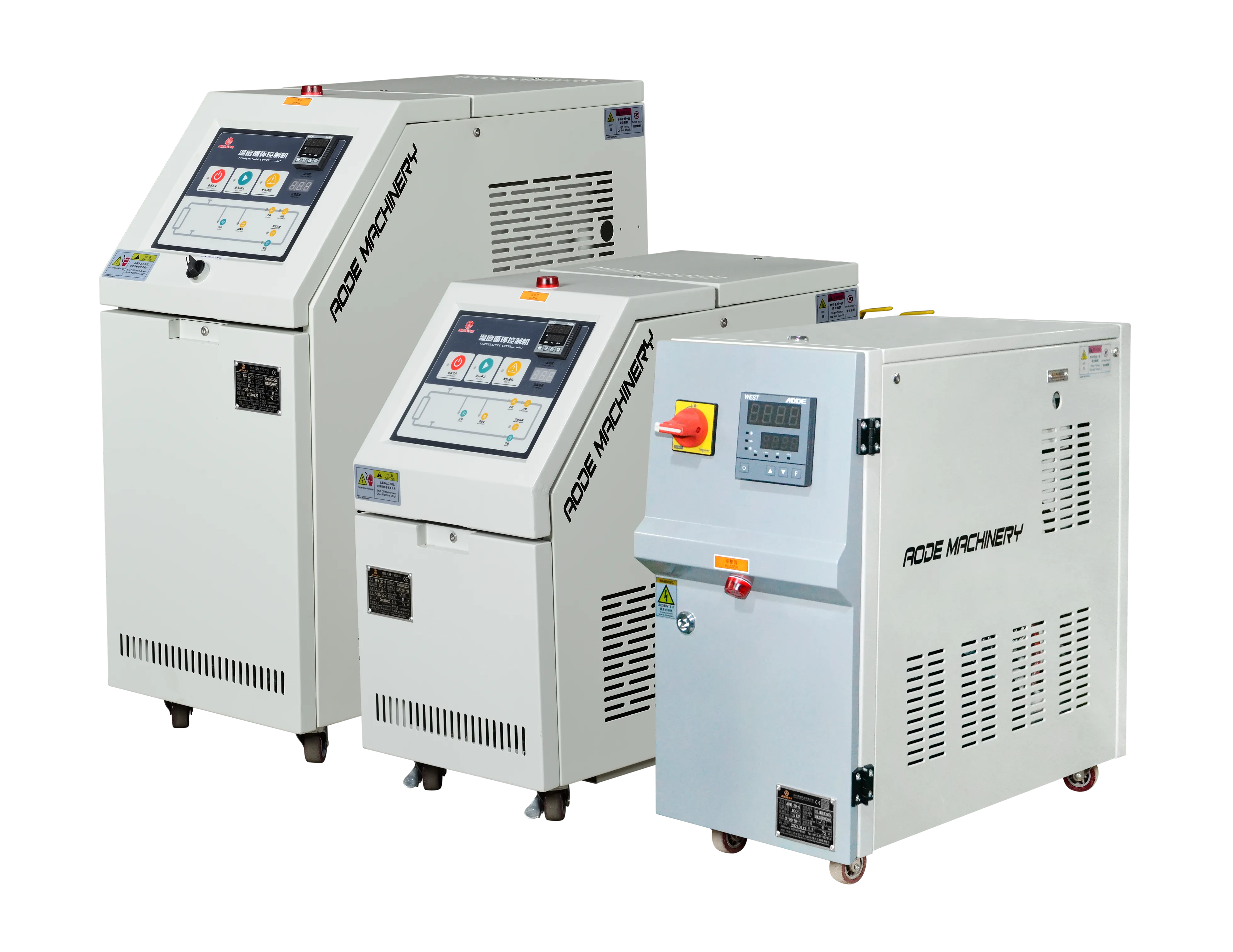
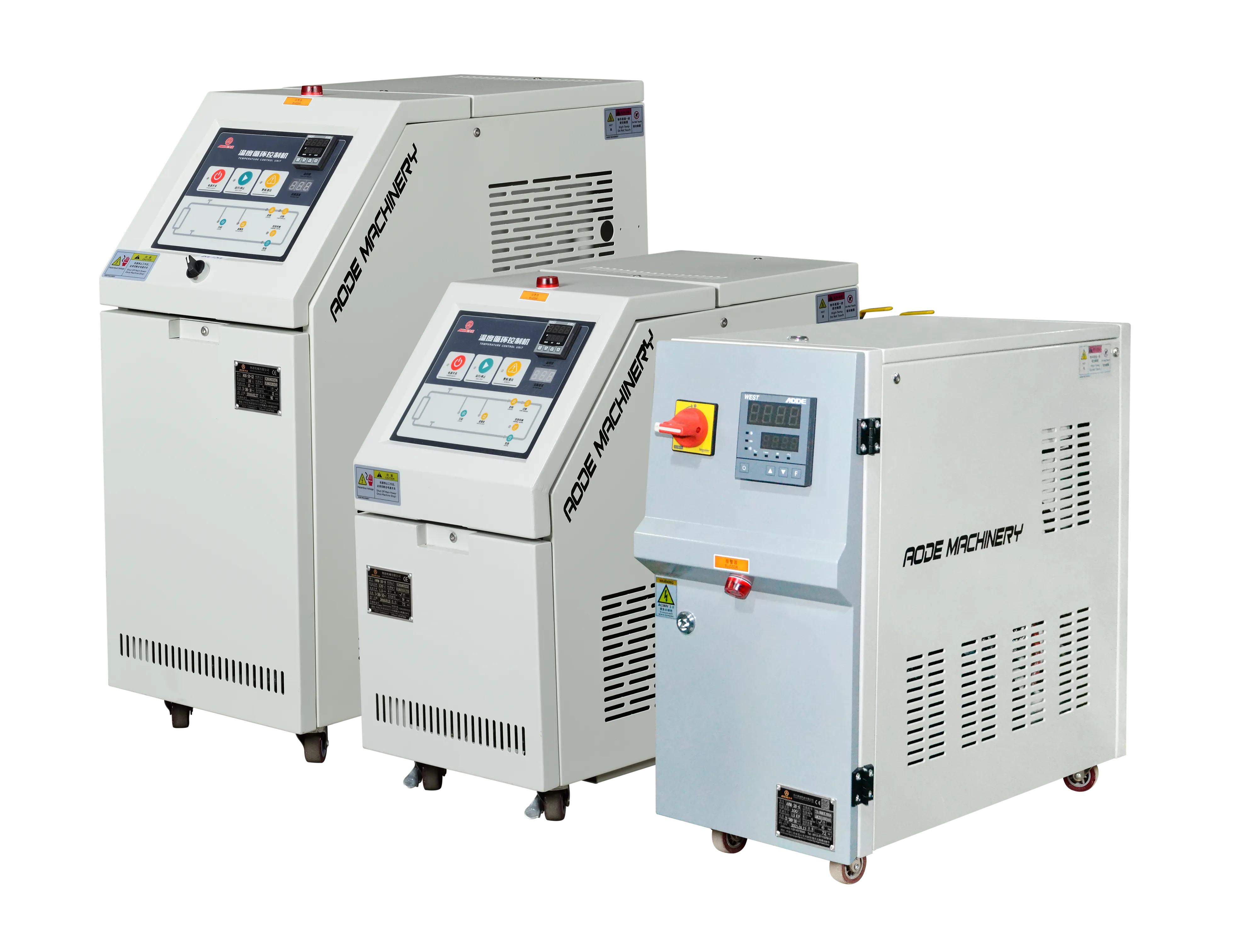
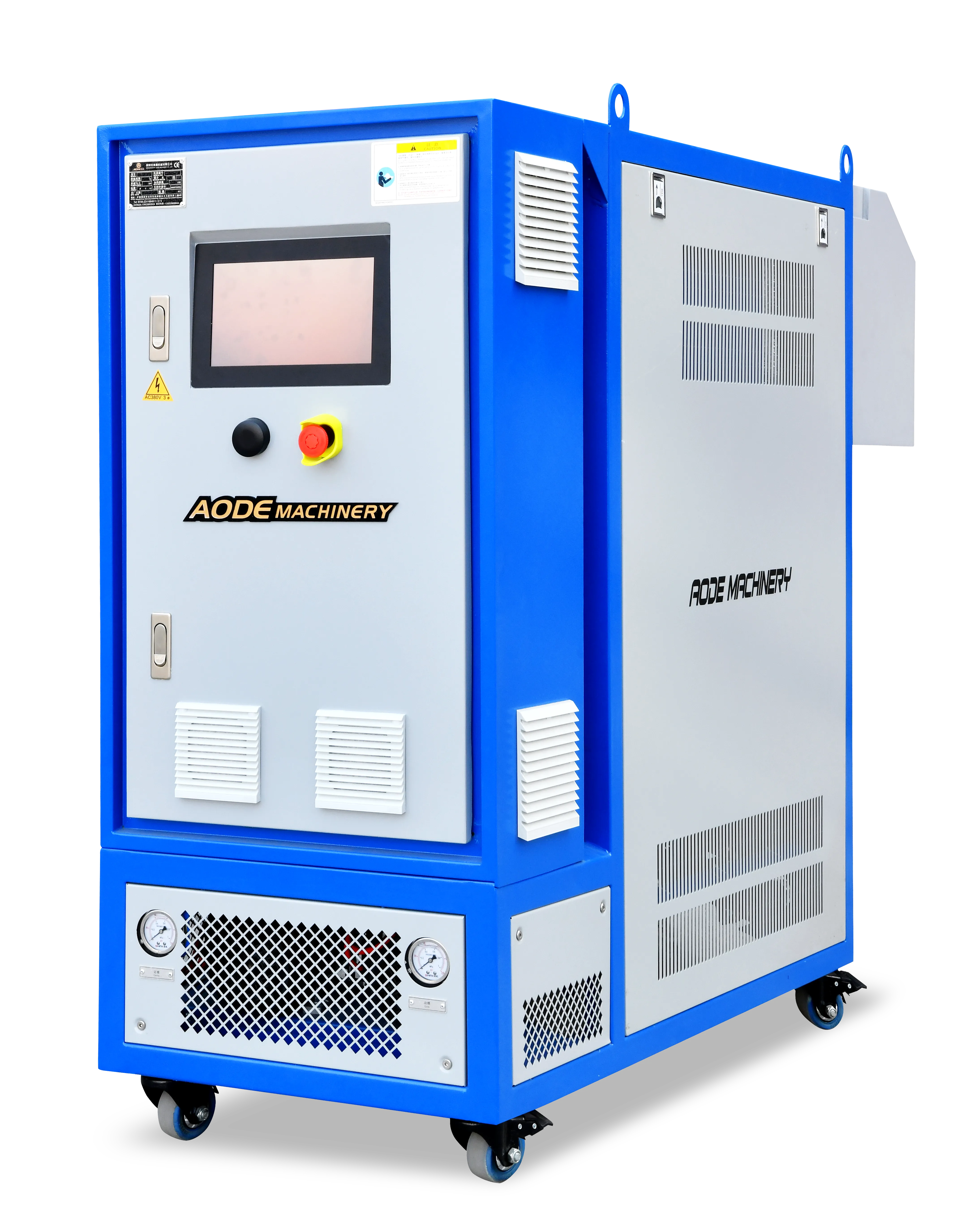
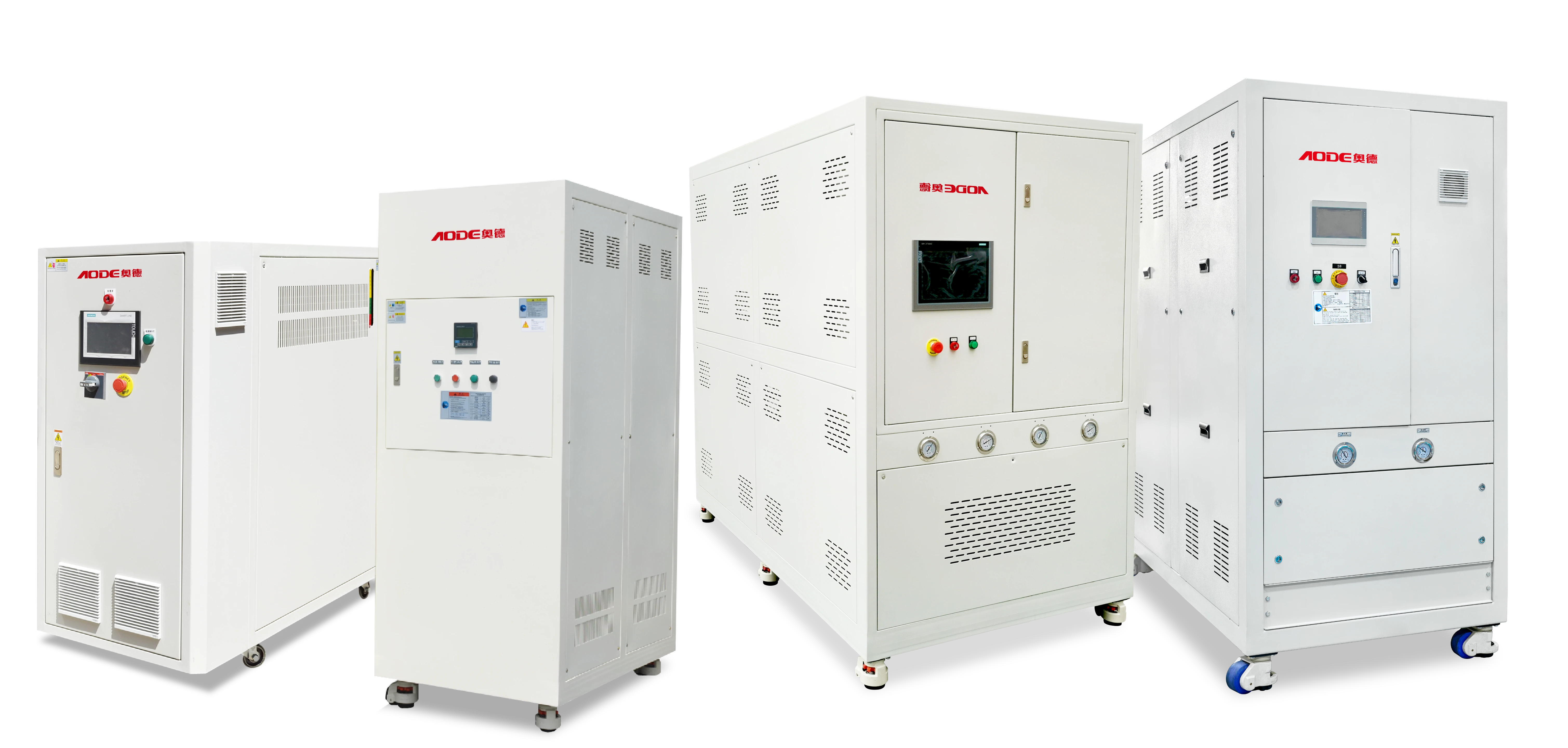
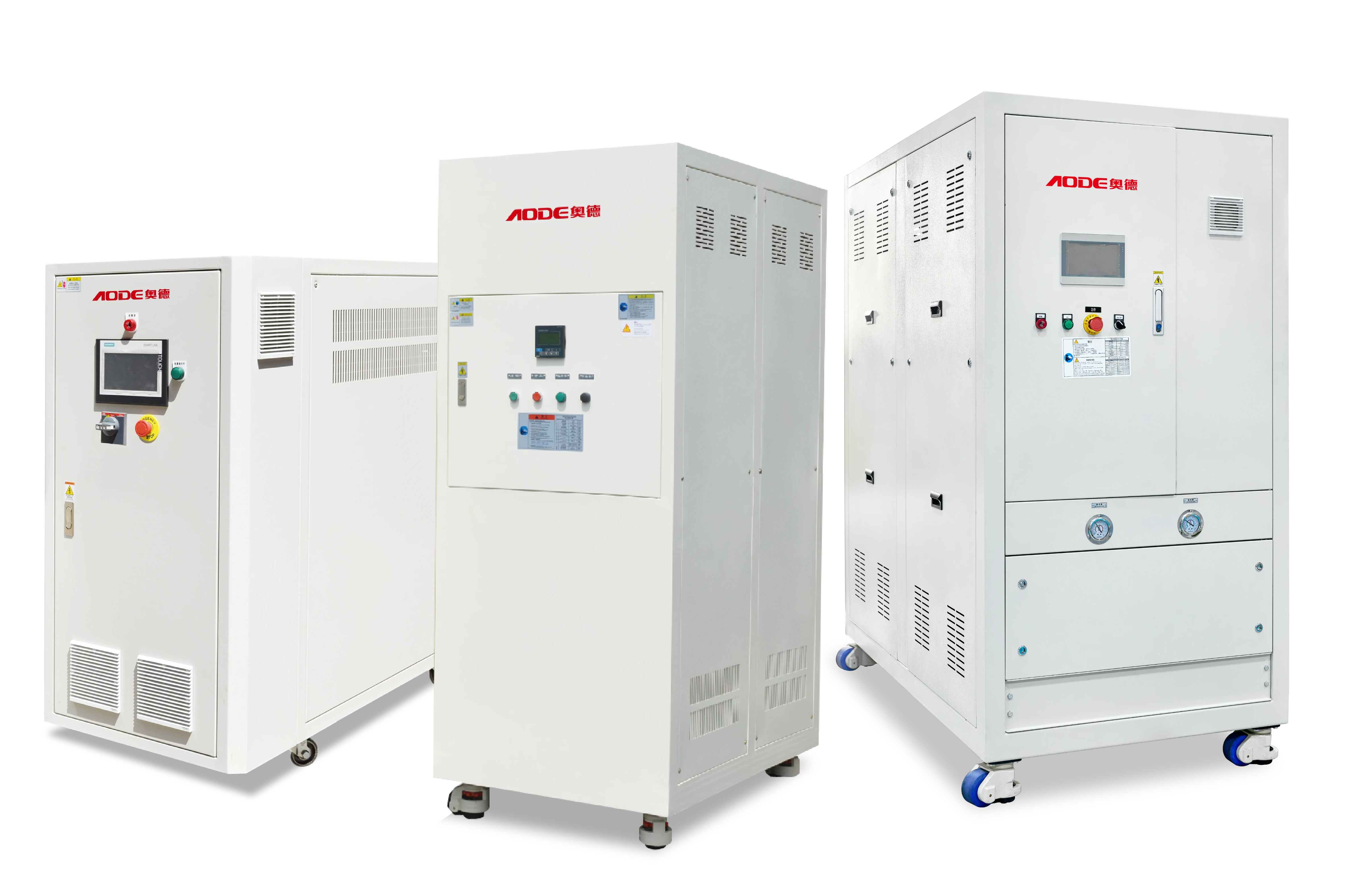
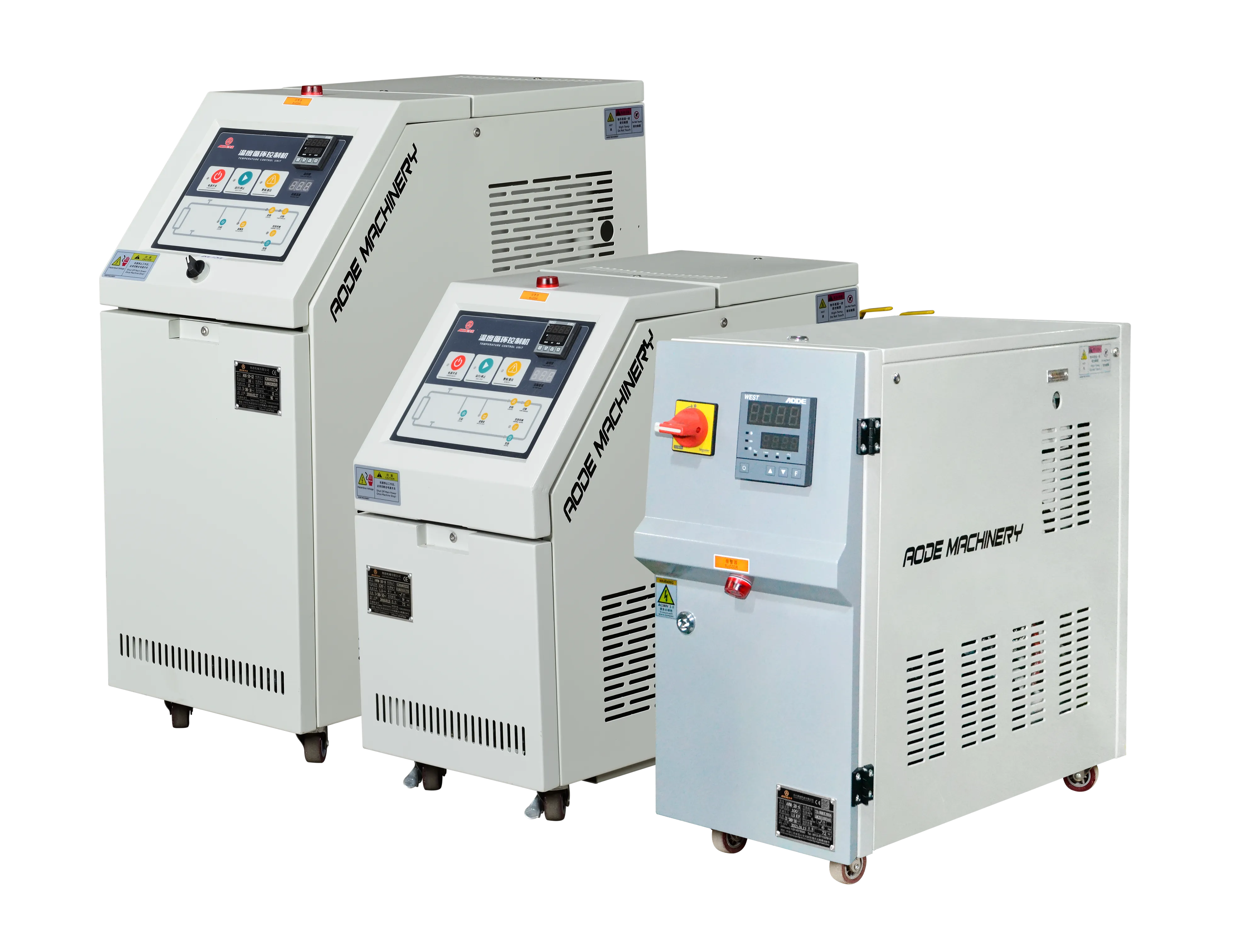
Standard Water Mold Temperature Controller
Temp Control Range: +25℃  +100℃
Key Highlights:
Temperature Control Accuracy: PID ±1°C
Maximum Operating Temperature: 100°C
Heating Capacity: 6–18 kW
Direct Cooling & Automatic Air Venting
Custom Configurations Available
Request a Quote
How Water Mold Temperature Controllers Work
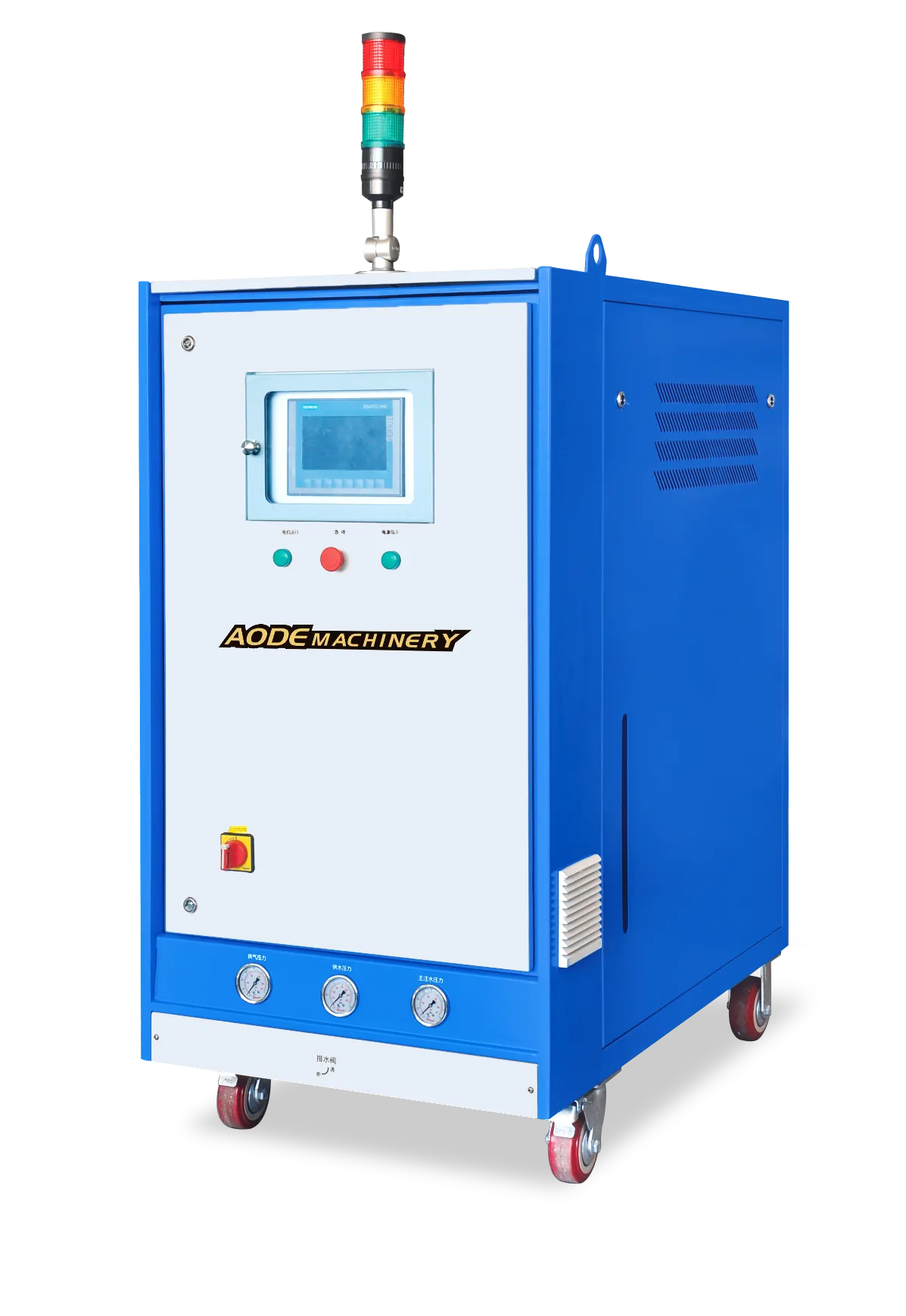
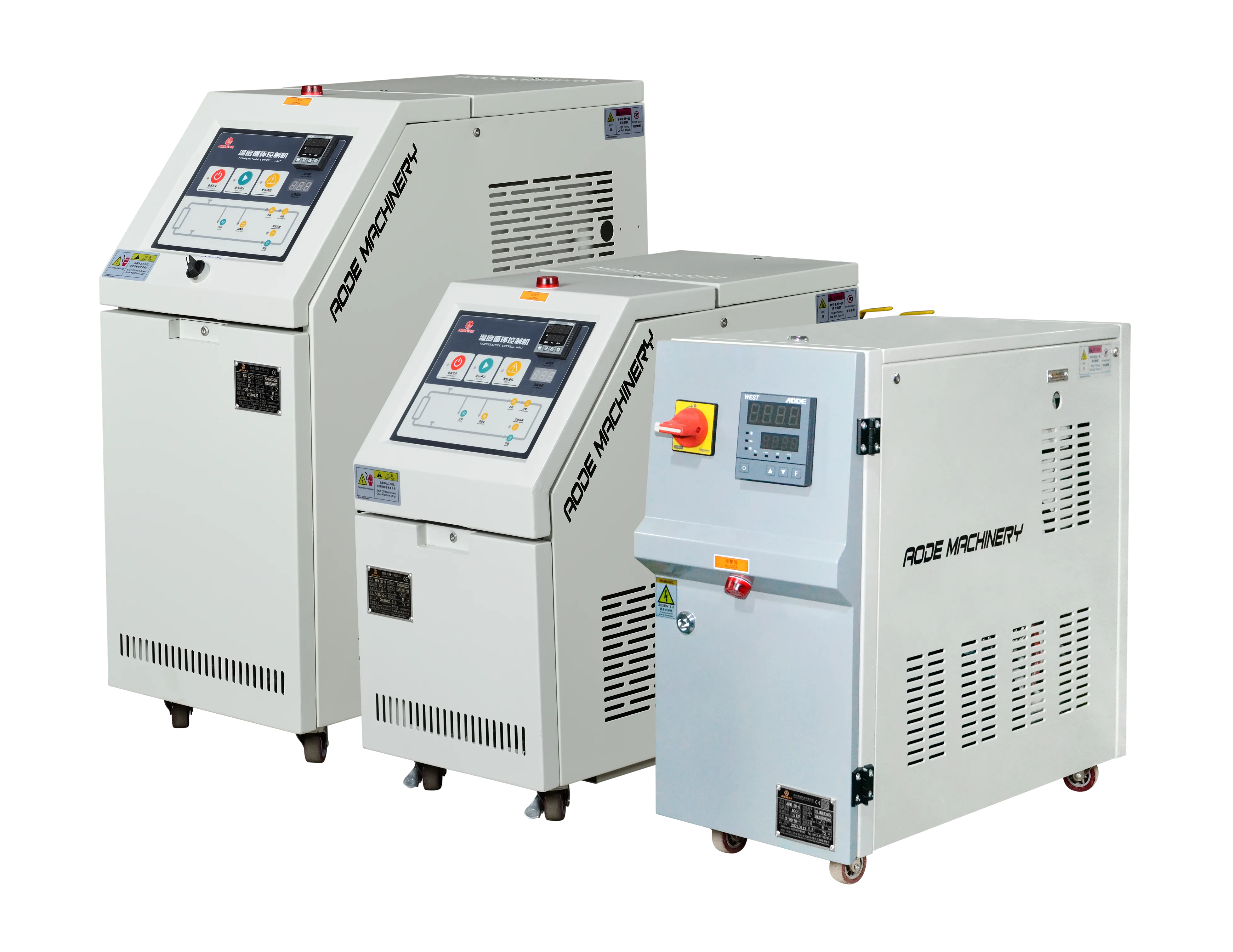
Water-based heating and circulation for molds, processing equipment, and compatible temperature-controlled production systems.
Consistent mold temperature is essential for maintaining repeatable molding conditions throughout production. AODE's AWM series provides controlled water heating and circulation, helping manufacturers manage the thermal conditions that influence material flow, shrinkage, and dimensional accuracy.
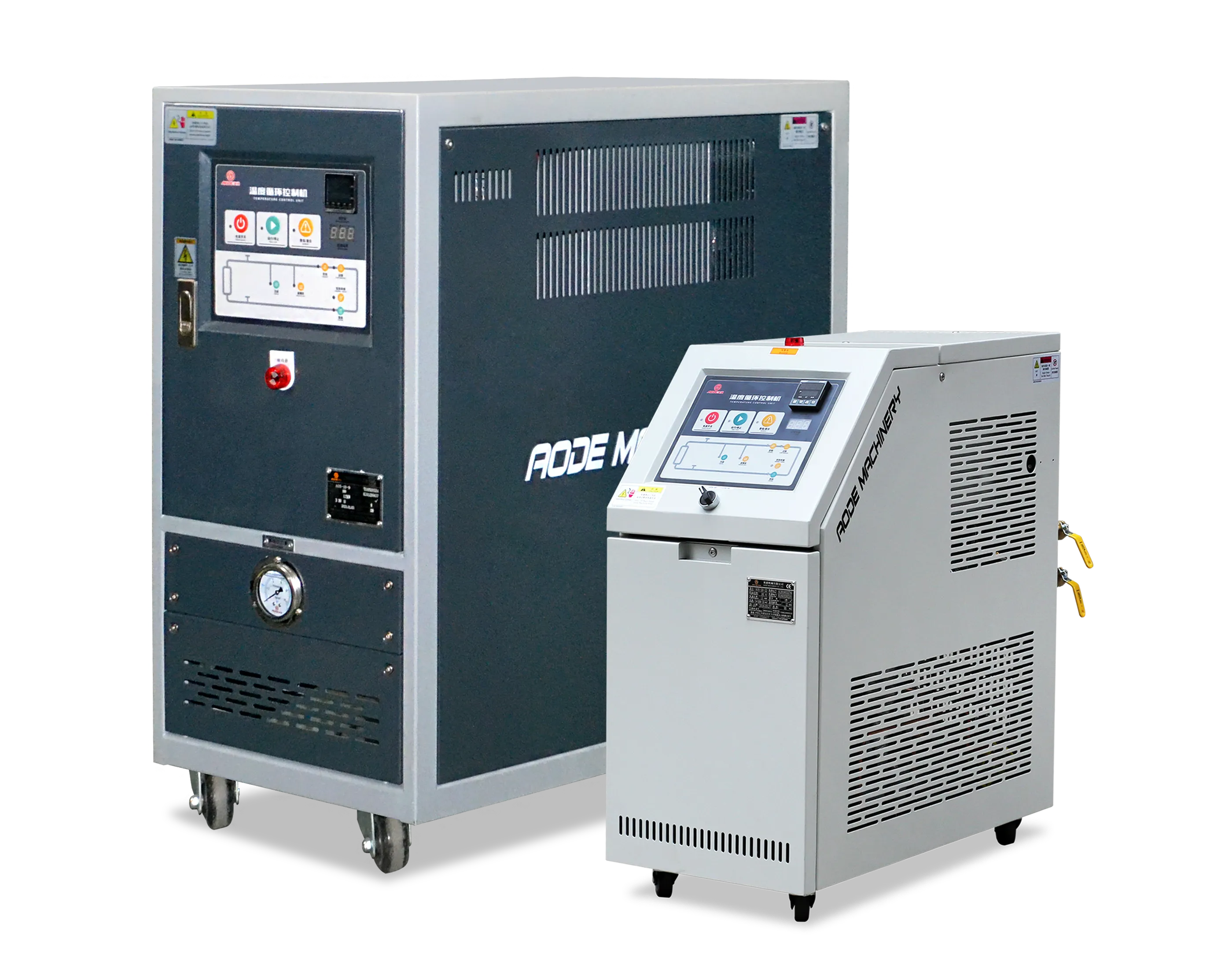
Our water temperature control unit is available in several heating capacities and pump configurations to accommodate different mold sizes and circulation requirements. The compact AWM models serve conventional single-circuit applications, while the AWMD configuration offers an alternative for equipment requiring two circulation circuits.
With straightforward operation and accessible temperature monitoring, the series is suitable for routine production environments where reliable thermal management and equipment compatibility are priorities.
Find the Right AWM Model for Your Mold
Let us help you match the controller to your molding conditions.
Request a Quote
Key Features of the AWM Water Temperature Controller
Integrated heating, cooling, circulation, and monitoring functions simplify daily mold temperature management while supporting repeatable production conditions.
1
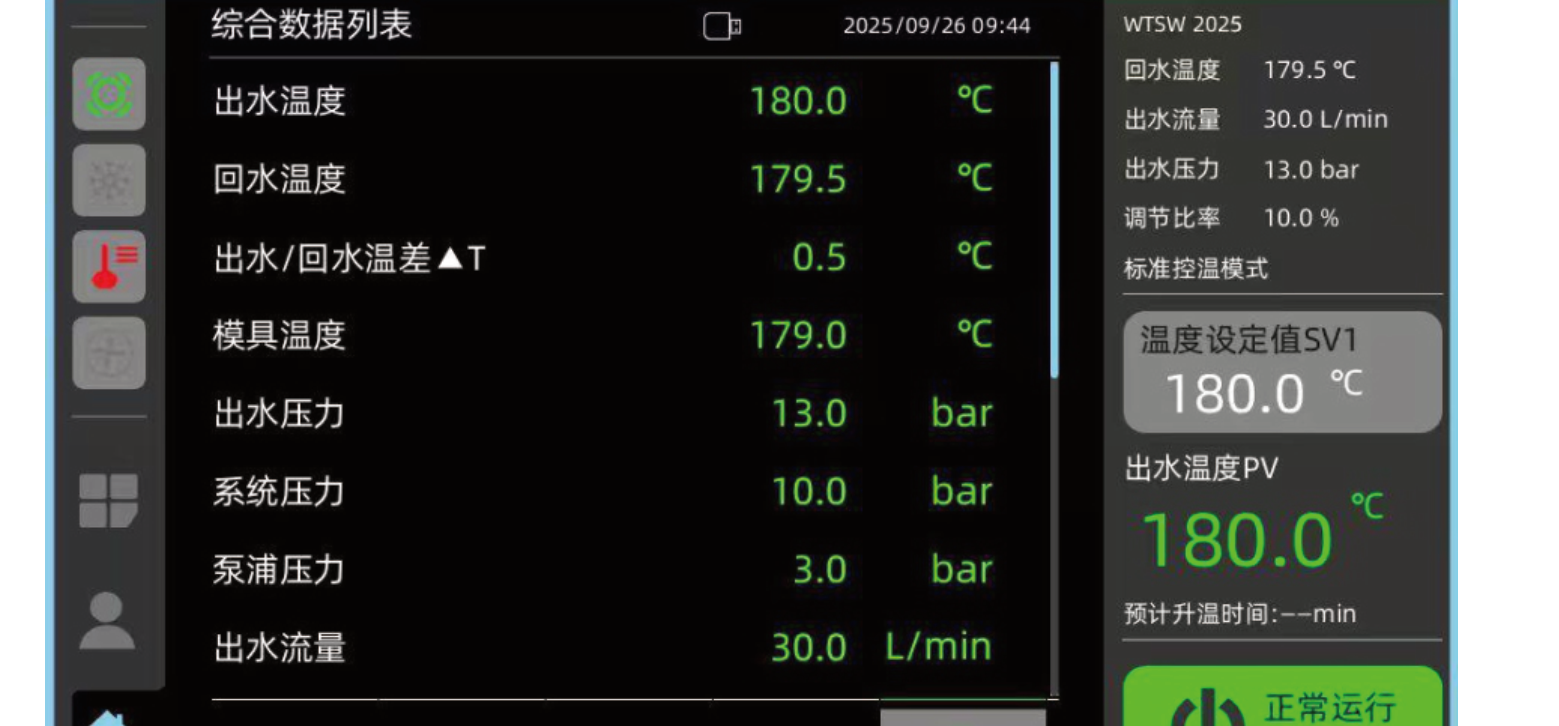
PID Regulation with Direct Cooling
PID regulation adjusts heating and cooling in response to temperature feedback, with a specified control accuracy of ±1°C. Direct cooling introduces cooling water into the circulation circuit when heat removal is required.
2
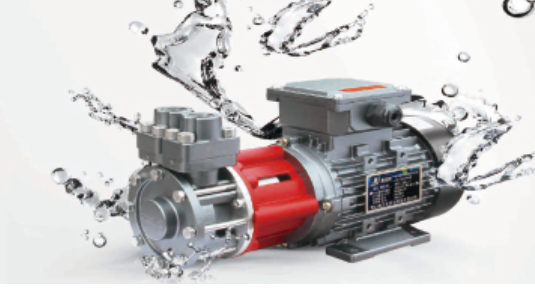
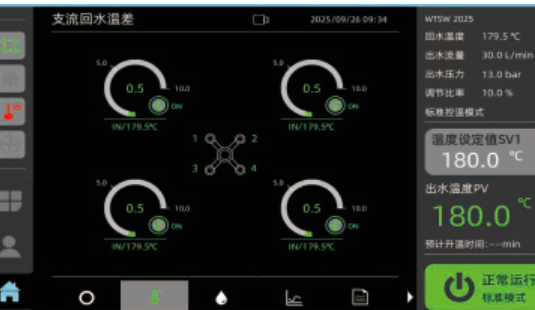
Automatic Venting and Return Water Monitoring
Trapped air can interfere with water circulation during startup. Automatic venting assists in removing air from the circuit, while return water temperature monitoring gives operators additional insight into heat transfer within the mold.
3
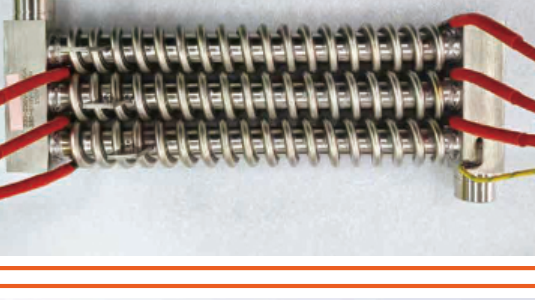
Bypass Circuit and Equipment Protection
A bypass pressure relief arrangement supports circulation circuit protection. Integrated alarms identify water shortages, pump reversal, and motor overload, allowing operators to respond to abnormal operating conditions.
4
Flexible Heating and Circulation Arrangements
The AWM and AWMD models offer different heating capacities, pump ratings, and water connections. Single- and dual-circuit arrangements allow you to select equipment according to the configuration of your molding machinery.
Match the Controller to Your Equipment
Explore the heating and circulation configurations available for your application.
Request a Quote
Standard Water Temperature Controller Specifications
Compare the heating capacity, pump performance, water connections, and electrical requirements of AODE's AWM series to identify a suitable configuration.
| ITEM | UNIT | AWM-05(A) | AWM-10(A) | AWM-20 | AWMD-10 |
| Temp control range | ℃ | Inlet water temperature +25℃~100℃ | |||
| Temp control accuracy | ℃ | PID±1℃ | |||
| Power supply | / | AC 3N-380/400V-50HZ | |||
| Heat transfer medium | / | Water | |||
| Cooling method | / | Direct cooling | |||
| Heating capacity | KW | 6 | 9 | 12 | 9+9 |
| Motor power | KW | 0.37 | 0.75 | 1.5 | 0.75+0.75 |
| Pump flow | L/min | 26 | 100/33 | 150 | 100+100 |
| Pump head | m | 15 | 16/20 | 18 | 16 |
| Max.power consumption | KW | 6.37 | 9.75 | 13.5 | 19.5 |
| Alarm function | / | Pump reversal/Water shortage/Overload | |||
| Cooling water pipe | inch | 1/2 | 1/2 | 1/2 | 1/2 |
| Circulating water pipe | inch | 3/8*2 | 3/8*4 | 1 | (3/8*4)*2 |
| Size(L×W×H) | mm | 650*288*645 | 650*288*645 | 650*288*645 | 800*420*750 |
Compare AWM Model Configurations
The AWM-05(A) provides the lowest heating and pump capacity for molds with limited thermal and circulation requirements. The AWM-10(A) offers a 9 kW heating configuration with alternative pump ratings and four 3/8-inch circulation connections. The AWM-20 delivers the highest standard heating and pump flow ratings with a 1-inch circulation connection for tooling requiring greater circulation capacity. All three models share the same specified temperature control accuracy; select according to actual thermal and hydraulic demand rather than an expectation of greater precision.
Not Sure Which AWM Model Fits Your Requirements?
Contact AODE for a customized water mold temperature control solution.
Request a Quote
How to Choose the Right Water Temperature Controller?
Choosing a water temperature controller involves matching its heating capacity, circulation performance, and circuit configuration to your molding equipment. The following factors will help you identify a suitable AWM or AWMD model.
01
Operating Temperature Requirements
Start with the mold temperature required by your plastic material and molding process. The AWM series operates at temperatures up to 100°C, making it suitable for conventional water-based mold heating. If your process requires higher temperatures, a pressurized water temperature controller may be more appropriate.
02
Heating Capacity Selection
The required heating capacity depends on mold mass, initial temperature, target temperature, and available startup time. AODE's AWM and AWMD models offer heating configurations from 6 to 18 kW. Select the heating output according to your actual thermal load rather than injection molding machine tonnage alone.
03
Water Circulation Performance
Adequate circulation allows heat to be transferred between the controller and mold. Channel diameter, hose length, connection size, and internal resistance influence the actual water flow. Both pump flow and head should be evaluated against your mold circuit requirements before selecting a model.
04
Single- or Dual-Circuit Configuration
Consider how many circulation circuits your molding equipment requires. Standard AWM models provide single-circuit arrangements, while the AWMD configuration incorporates two sets of heating and circulation components. The choice should reflect the mold connection layout and temperature management requirements of your machinery.
AODE offers standard and custom water temperature controllers for different injection molding requirements. Our team can assist with model selection based on your operating conditions, equipment layout, and production objectives.
Water Mold Temperature Controller Applications
The AWM series supports a range of injection molding processes where controlled water heating and circulation are compatible with the required mold temperatures.
Household Appliance Housings
Plastic Caps and Closures
Automotive Clips and Brackets
Industrial Plastic Fittings
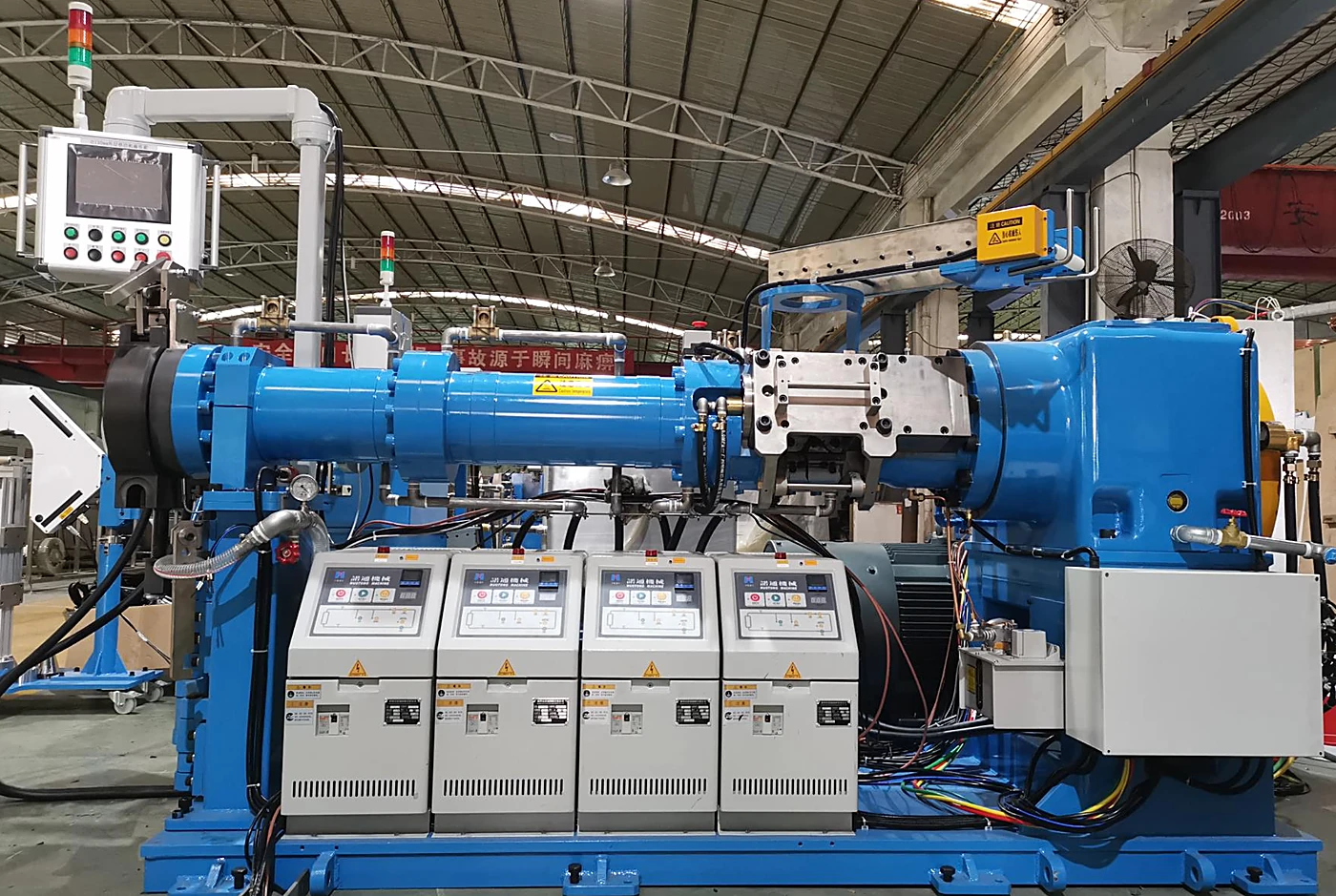
Broad surfaces, reinforcing ribs, and mounting features create varying thermal conditions within appliance molds. Appropriate mold temperature regulation helps manage shrinkage and warpage while supporting consistent surface quality.
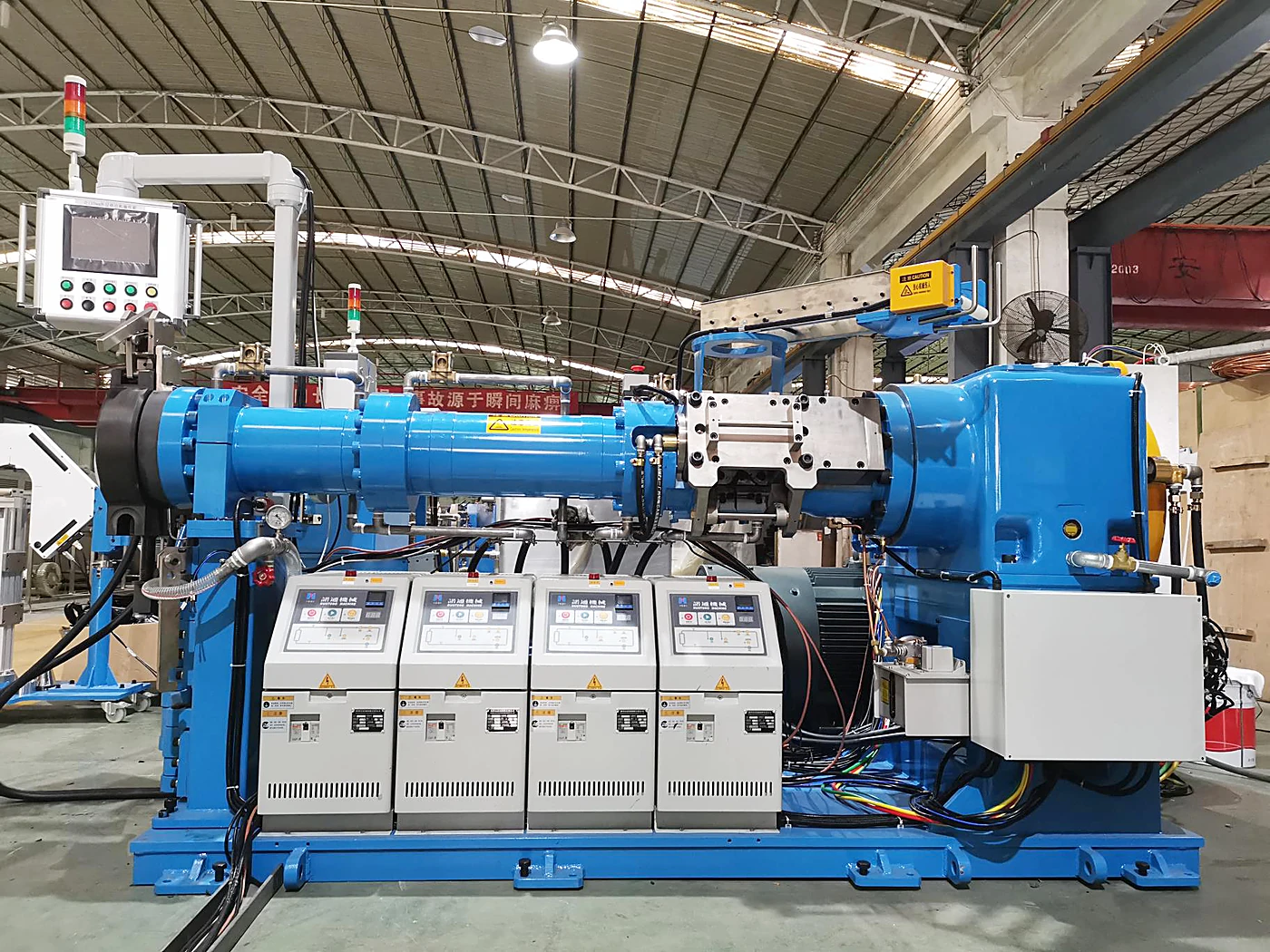
Threaded and sealing features require repeatable dimensions across successive molding cycles. Maintaining suitable mold temperatures helps preserve the forming conditions necessary for reliable assembly and sealing performance.
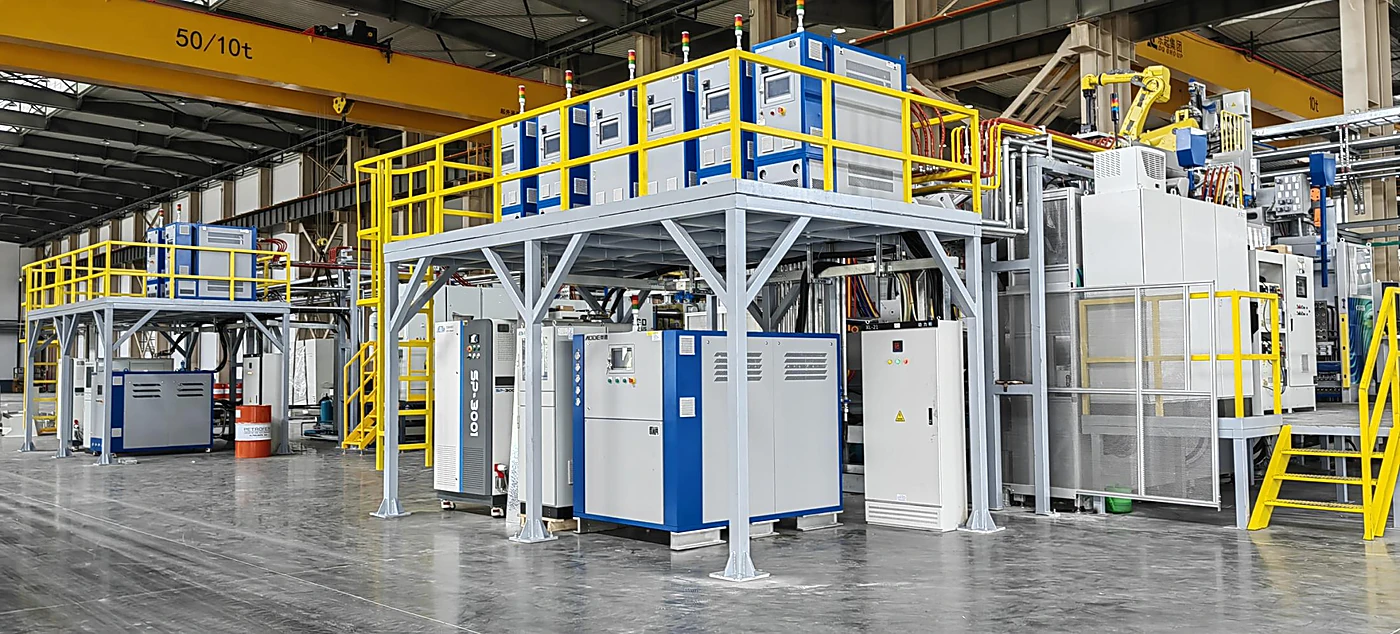
Small automotive components often feature snap-fit structures and precise assembly points. Controlled thermal conditions during molding help manage dimensional variation in these functional features.
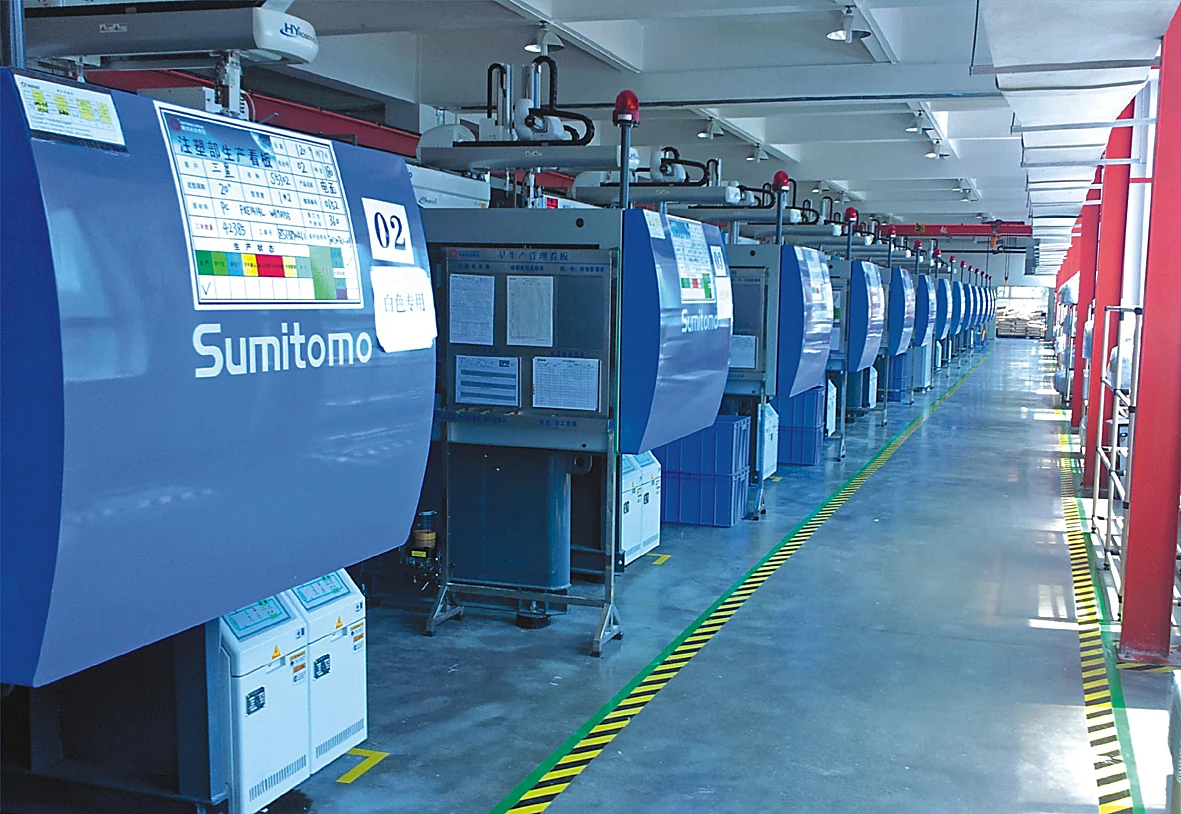
Pipe fittings and protective enclosures may contain uneven wall thicknesses and complex internal geometries. Water-based mold temperature regulation helps establish suitable material flow and solidification conditions.
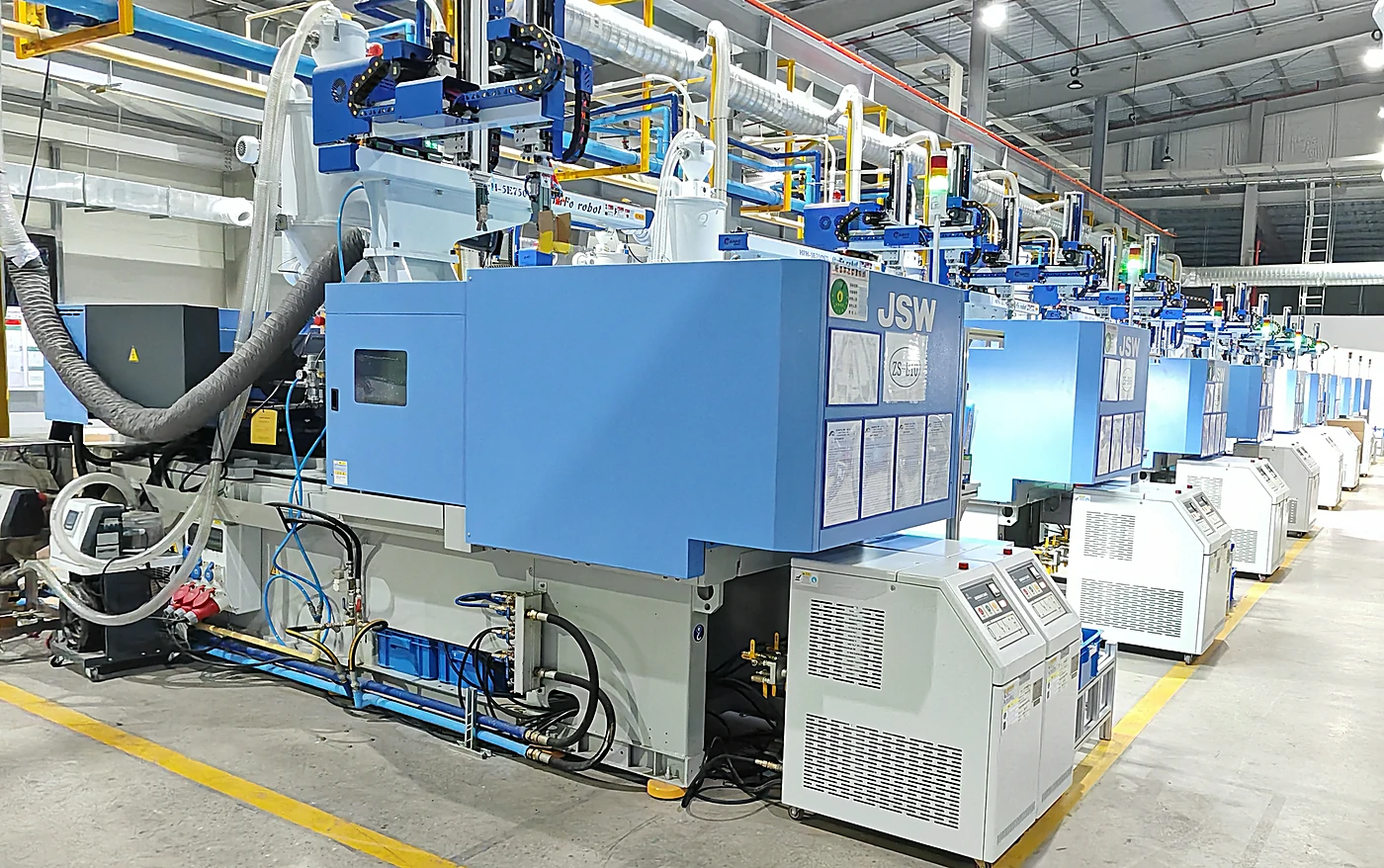
Custom Water Temperature Controller
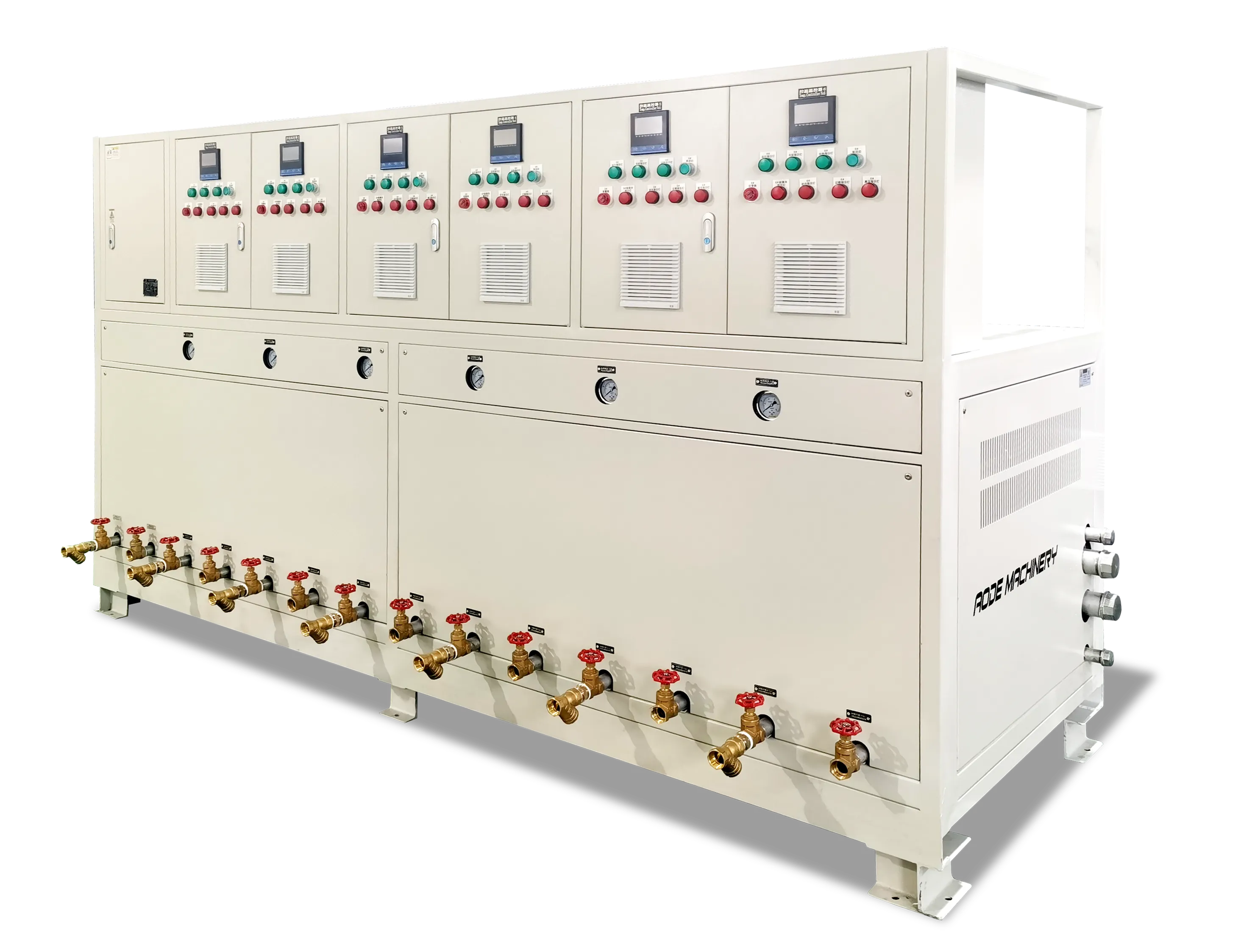
Standard equipment may not fit every mold or installation layout. AODE manufactures custom water temperature controllers with flexible heating, circulation, and connection configurations. We adapt the equipment to your process requirements and existing machinery, providing a temperature control solution suited to your production environment.
Request a Custom Solution →
Related Water Temperature Control Units
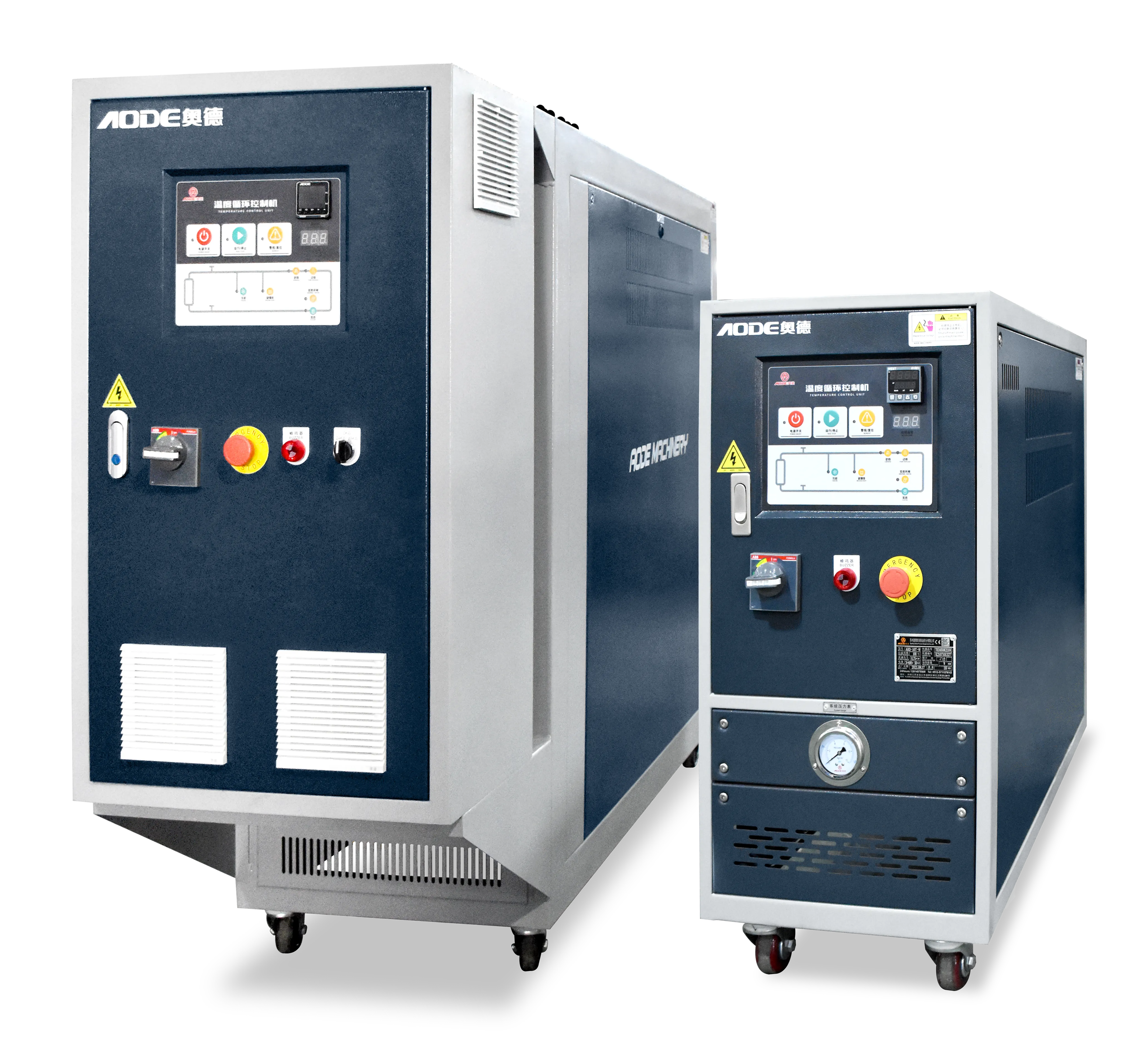
From standard mold heating to higher temperatures and specialized circulation requirements, explore AODE's water temperature control units and related equipment for different industrial processes.
FAQ
What happens if the mold temperature is unstable during continuous production?
Temperature fluctuations during continuous production can affect plastic shrinkage, surface finish, and dimensional consistency. Changes in production cycles, mold heat load, and water circulation conditions may all contribute to unstable mold temperatures.
AODE's standard water mold temperature controller uses PID temperature regulation with a specified accuracy of ±1°C to manage circulating water temperature. Operators can also check return water temperature to assess operating conditions. If fluctuations continue, the mold circuit, heating capacity, and cooling water supply should be reviewed to identify the cause.
Why is the actual mold temperature different from the controller's set temperature?
The controller's set temperature refers to the temperature target at its control sensor, which may not match the temperature measured at the mold surface. Heat loss through hoses, mold channel layout, circulation flow, and heat transfer from the process can all affect the difference.
AODE's standard water temperature control unit provides return water temperature display to help operators monitor the circulation system. For applications requiring closer temperature verification, measure the mold at suitable locations and review the water circuit conditions rather than relying on the setpoint alone.
What should I check if water flow through the mold is too low?
Low circulation flow may result from blocked mold channels, restricted hoses, incorrectly positioned valves, trapped air, or excessive pressure loss. Even when a pump operates normally, the actual flow through the mold may be lower than its rated maximum flow.
Check that the circuit is correctly connected and that the required valves are open. AODE's standard water type mold temperature controller includes automatic air venting at startup, which helps remove trapped air from the circulation system. If the problem continues, stop the unit safely and have qualified personnel inspect the circuit before restarting production.
Why is my water temperature controller not cooling down properly?
First, check whether the external cooling water supply has sufficient flow and pressure and whether its temperature is low enough for the intended process. Restricted circulation, incorrect valve operation, or problems with the cooling control system may prevent the equipment from reducing the circulating water temperature as expected.
AODE's AWM series uses direct cooling, so its cooling performance depends on the available cooling water and operating conditions. If the issue persists, qualified technicians should inspect the cooling circuit and control components after safely isolating the equipment.
Can a water temperature control unit replace an industrial chiller?
Not in every application. A standard water temperature control unit regulates the temperature of circulating water through heating and direct cooling, but it does not provide the same independent refrigeration function as an industrial chiller.
If a process requires cooling water below the available supply temperature, an industrial chiller may be necessary. In some production systems, a chiller supplies cooling water while a temperature controller regulates the water circulating through the mold or processing equipment. The suitable arrangement depends on the required temperature and cooling load.
How do I select the right AODE standard water temperature controller model?
Start with the required operating temperature, estimated heating load, circulation flow, pump head, and available site utilities. AODE's AWM range includes models with different heating capacities, pump flow ratings, and water connection arrangements, including a dual-circuit configuration.
Customers should provide their mold or equipment type, operating conditions, circuit requirements, and power supply details. AODE can review these specifications and recommend a suitable standard model or customized temperature control equipment based on the actual process.