

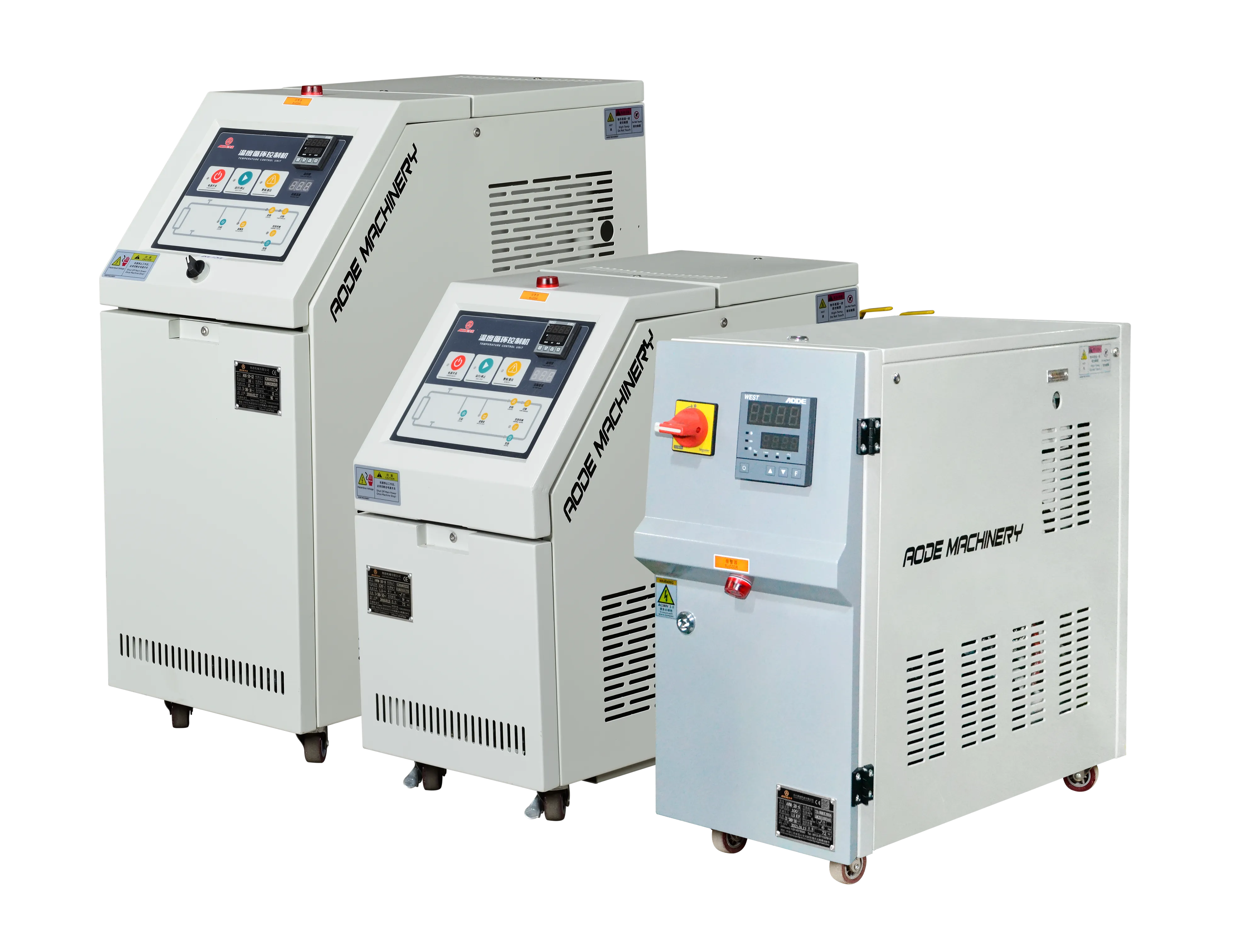
fajsdfjash ddsa dsa as sa sad sda sadfjsadjfl jsadjk fjasdlkfjaskdfdklsaj klf
jsadj
asjdklj falsdjf
jaklj
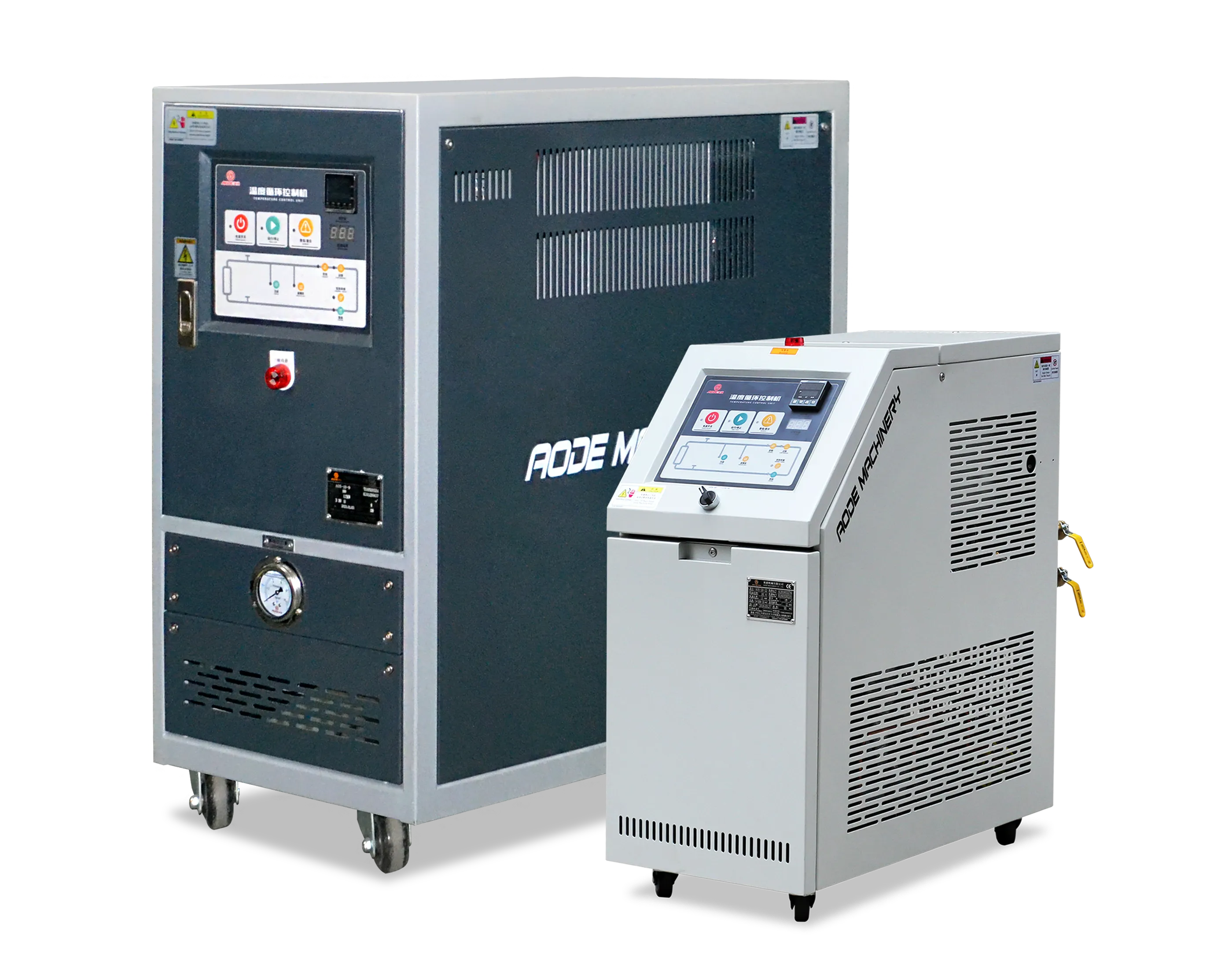
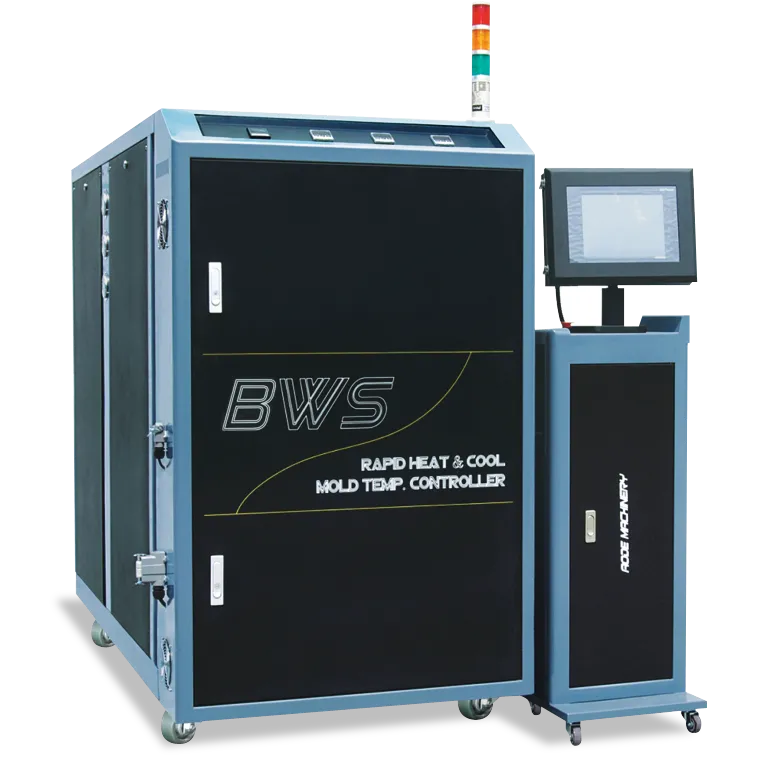
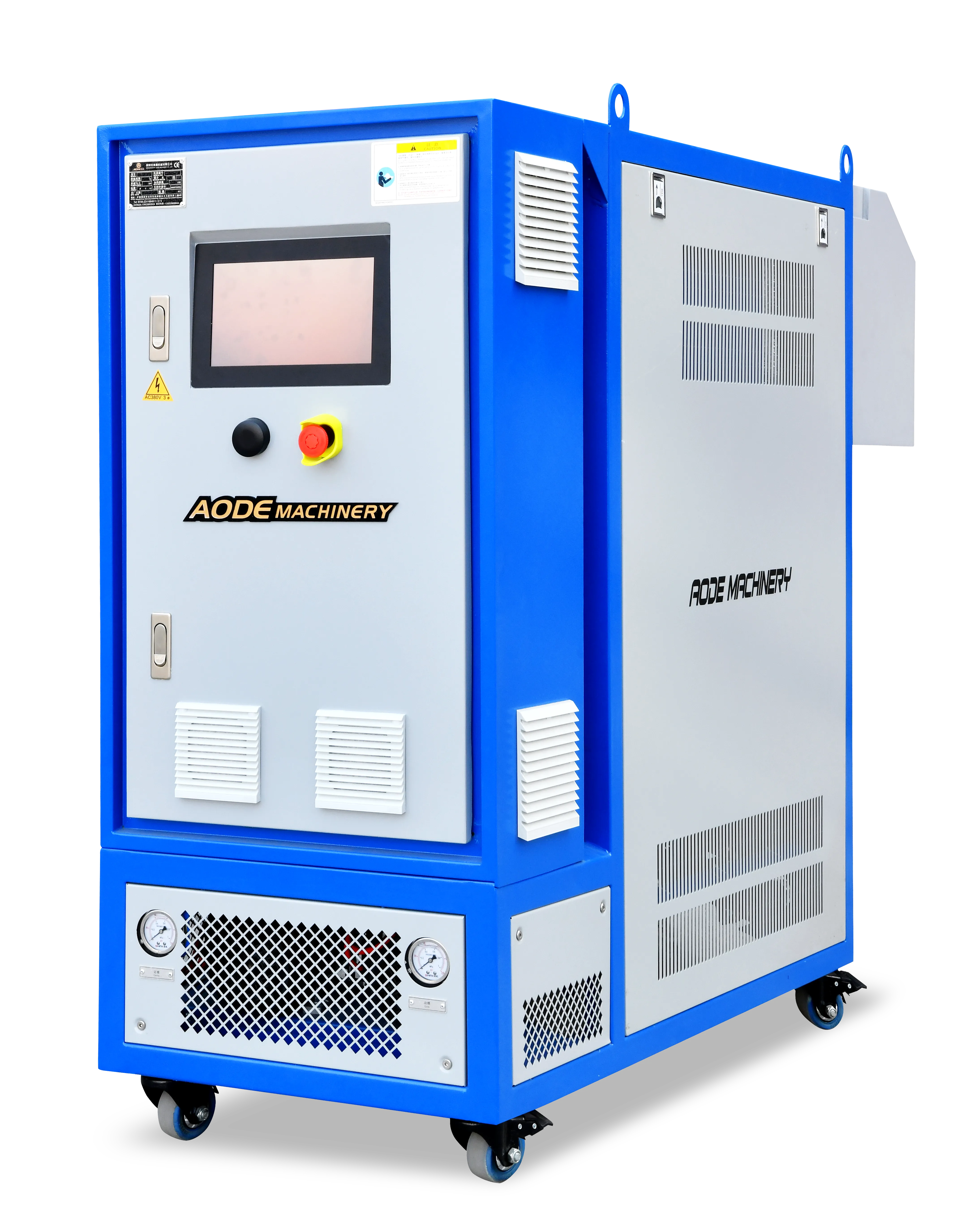
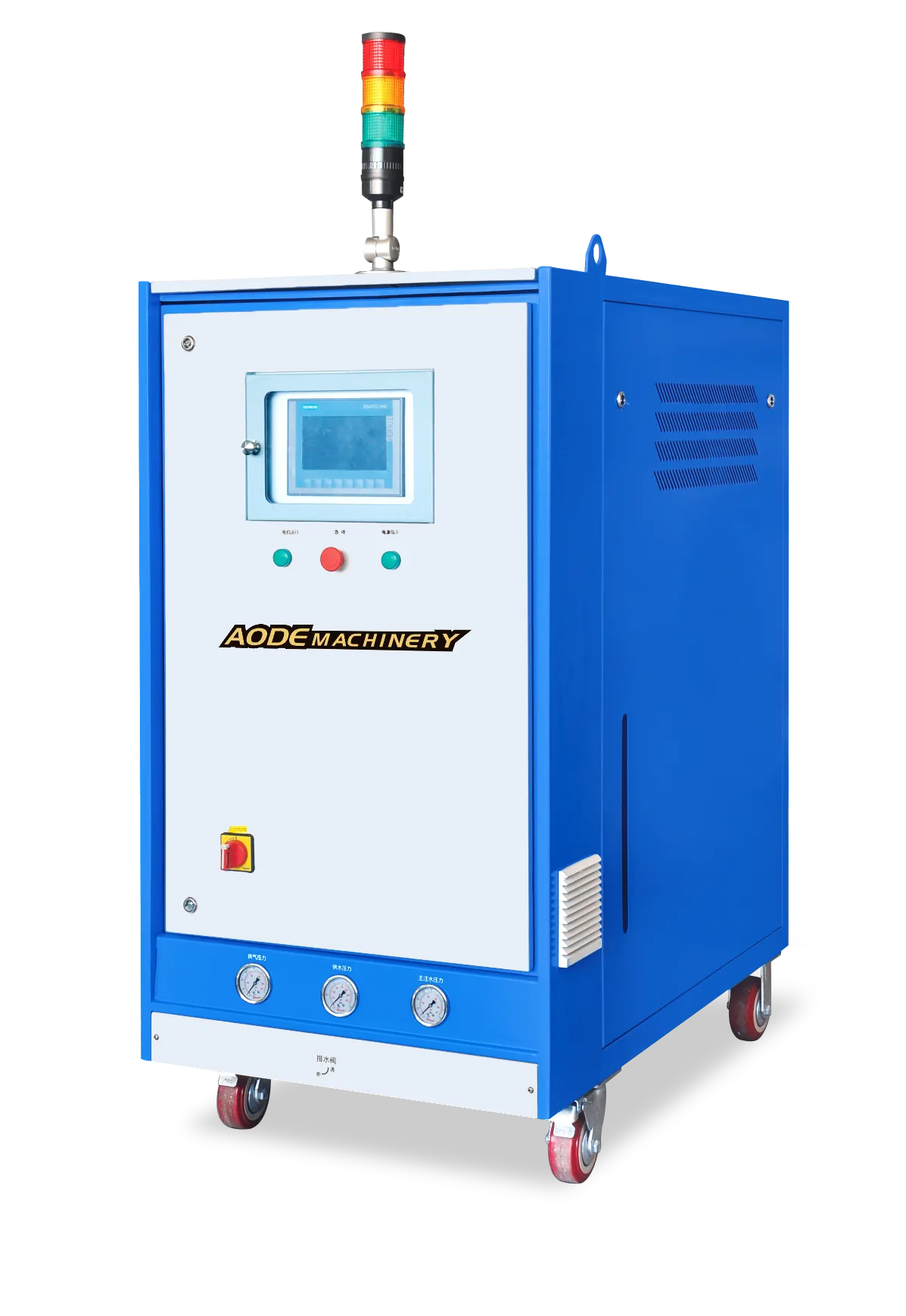
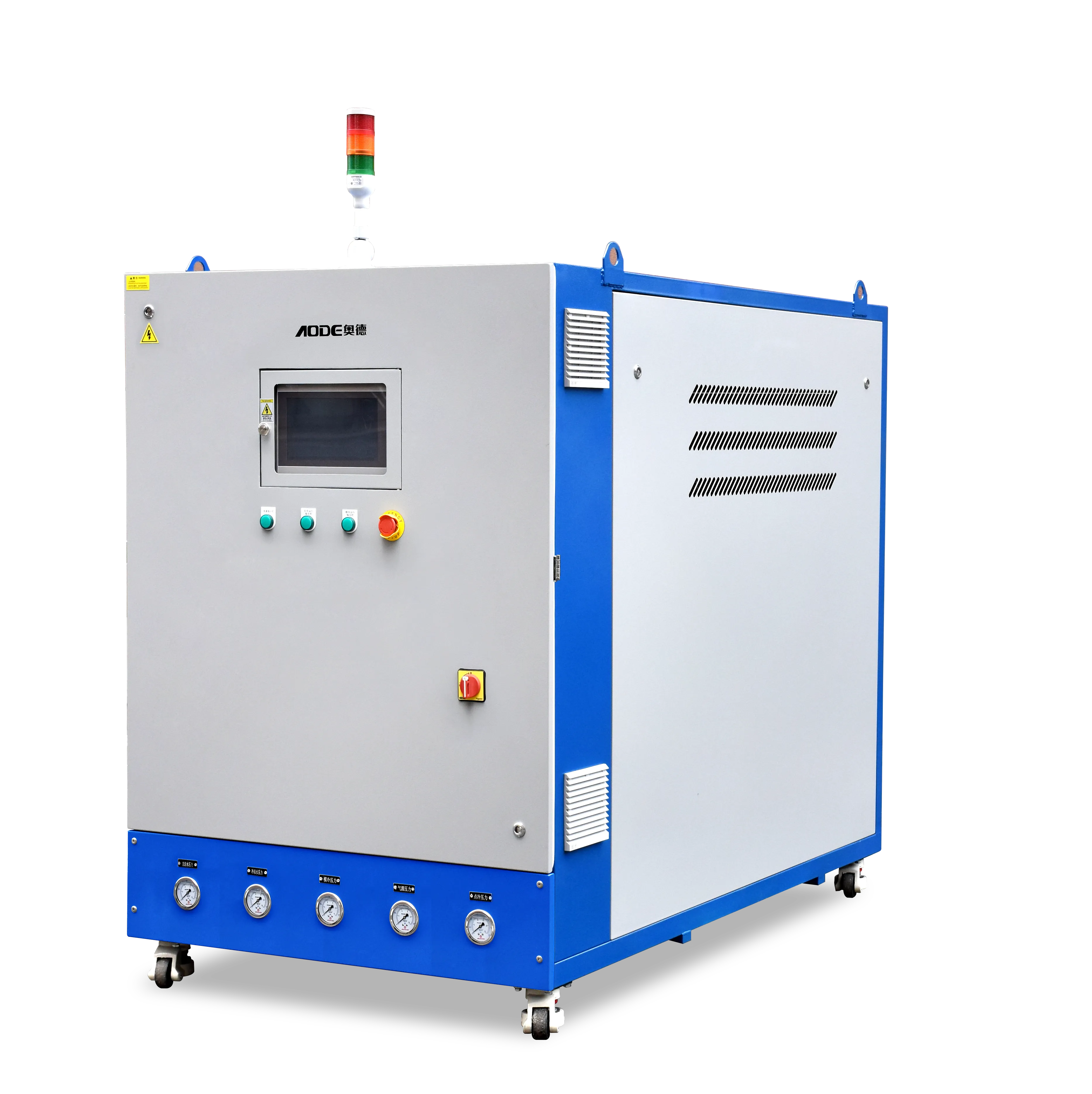
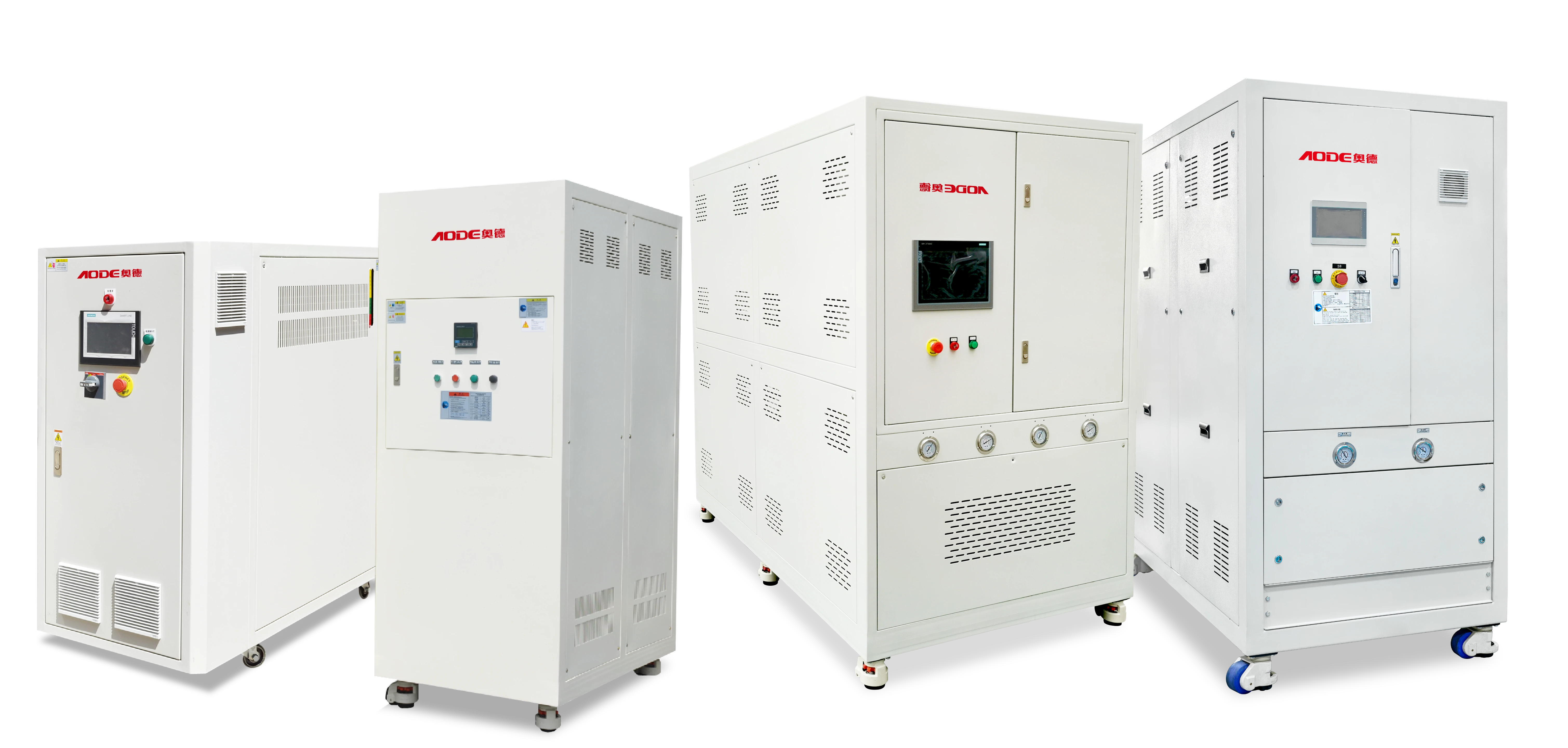
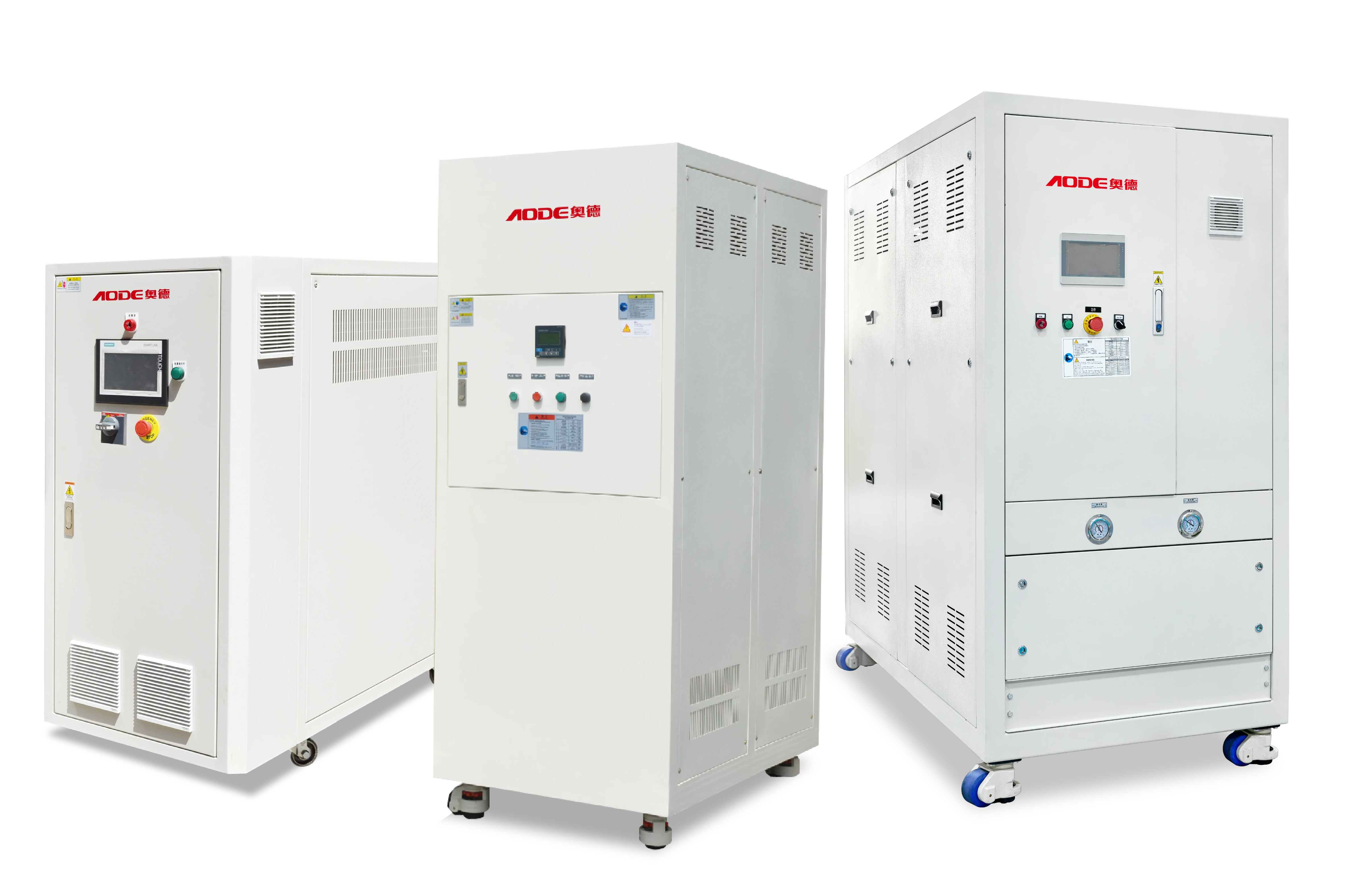
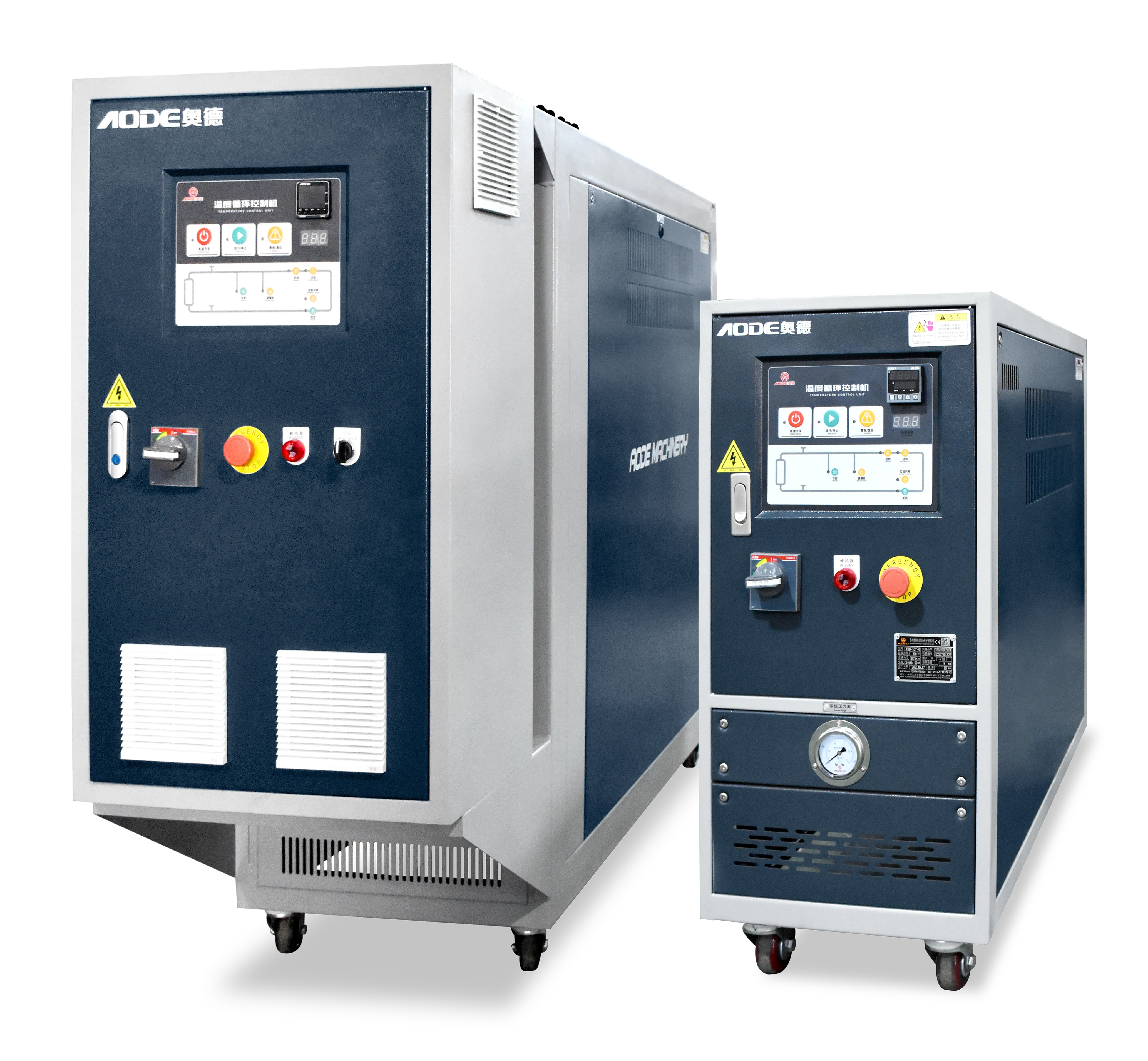
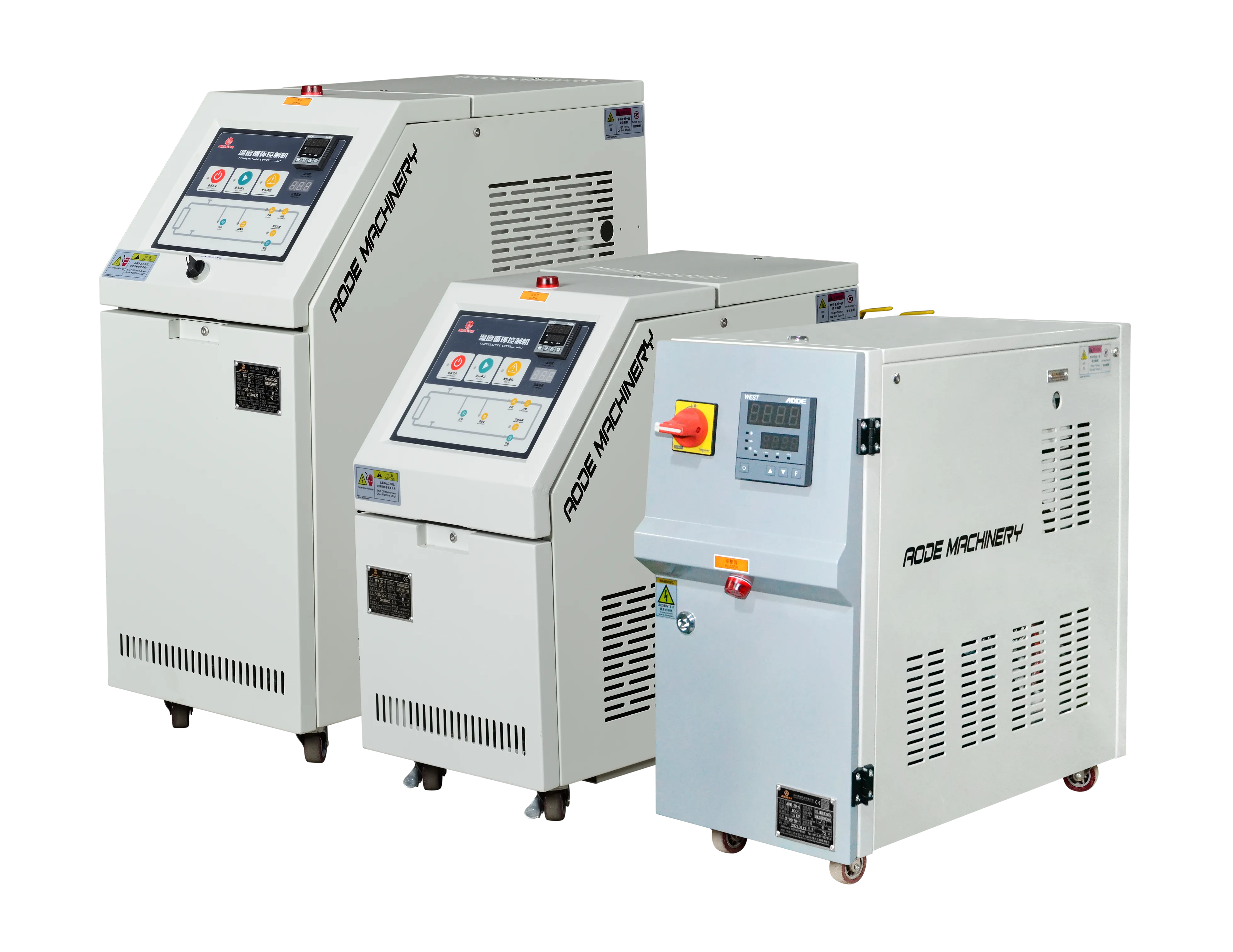
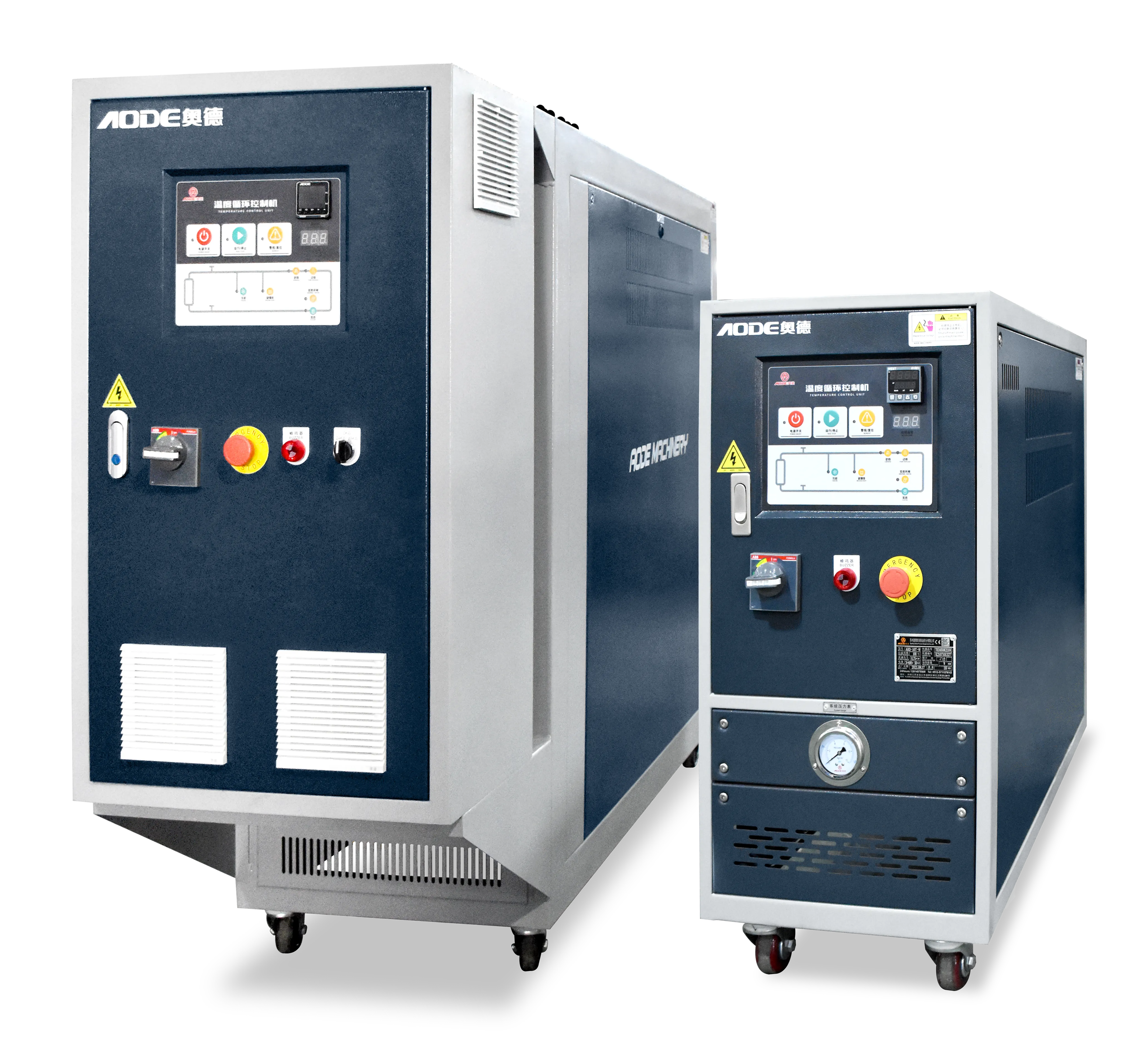
Large Flow Water Temperature Controller
Temp Control Range: +25℃  +98℃
Key Highlights:
Maximum Operating Temperature: 98°C
Temperature Control Accuracy: ±1°C
Pump Flow: 233–267 L/min
Heating Capacity: 24–72 kW
Custom Configurations Available
Request a Quote
How Large-Flow Water Temperature Controllers Work
Heating power and water circulation perform different tasks in mold temperature control. The heater determines how much energy the controller can supply, while circulation influences how effectively that energy is transferred throughout the tooling.
The ARD series offers four heating capacities across a relatively narrow range of rated pump flows. You can therefore evaluate additional heating output without assuming that every increase in thermal demand requires an equivalent increase in pump size.
This distinction becomes particularly important in large-scale injection molding. The energy required to prepare a mold for production can differ substantially from the amount of heat that must be removed once continuous molding begins. Selecting a large capacity mold temperature controller requires consideration of both operating stages.
Understanding how heating and circulation contribute at each stage helps avoid oversizing one function while overlooking the other. The ARD configurations are designed around this practical distinction in large-mold temperature control.
Match Controller Capacity to Your Actual Mold Heat Load
Submit your mold heat load and circulation requirements for a capacity recommendation.
Request a Quote
How ARD Manages High Thermal Loads
The ARD combines high-volume water circulation with selectable heating capacity, direct cooling, and integrated equipment protection for large-mold applications.
1
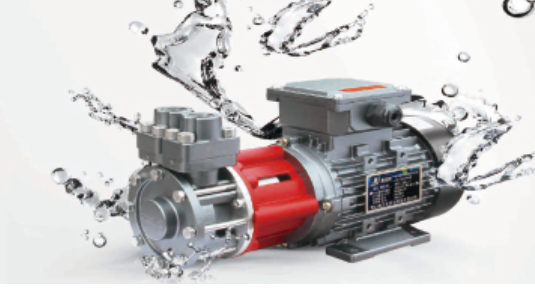
High-Volume Heat Transfer
Under a given heat load, greater water flow reduces the temperature change of the circulating fluid as it passes through the tooling. The ARD’s high-capacity circulation range addresses applications requiring substantial water movement through extensive mold channels. Effective heat distribution also depends on the design of the connected water circuit.
2
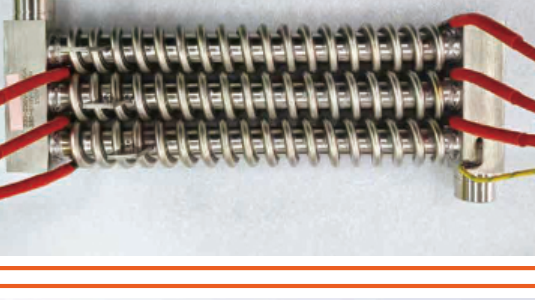
Four Heating Capacity Options
Tooling mass and production preparation schedules determine how much heating output is required. With 24, 36, 48, and 72 kW configurations, the ARD series provides distinct capacity options rather than relying on a single heater rating for all large-mold applications.
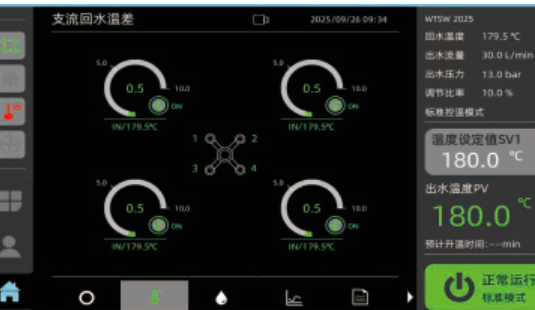
3
Direct Cooling During Production
Once molten material begins transferring heat into the mold, the controller may need to remove energy rather than supply it. Direct cooling introduces external cooling water into the circulation circuit to regulate temperature when additional heat removal is required. Achievable cooling performance depends on the available water supply and process conditions.
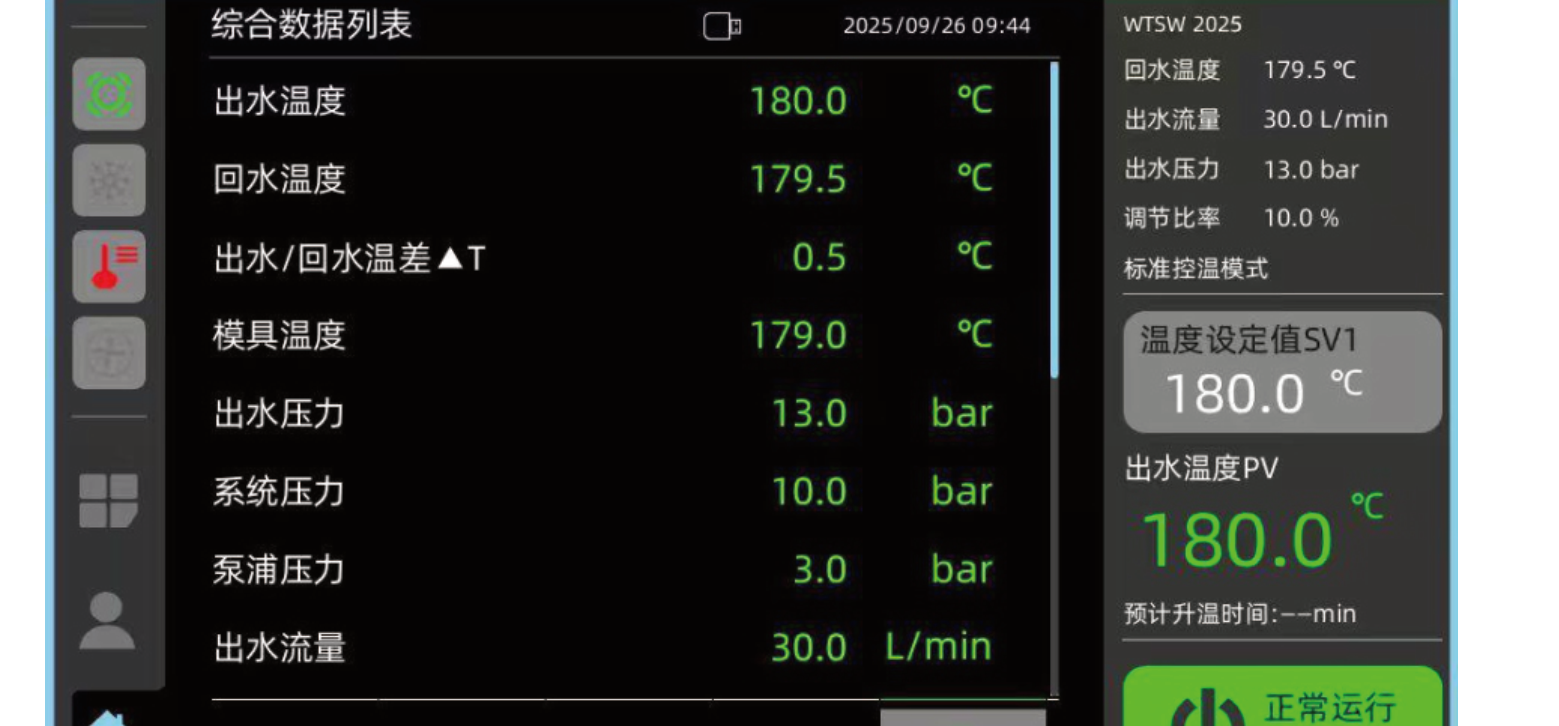
4
Hydraulic and Thermal Protection
High pressure, overheating, motor overload, water shortages, and reverse pump rotation represent different equipment operating abnormalities. Integrated alarm functions identify the reported condition, helping operators take appropriate action according to the equipment’s operating procedures.
Review Your Mold Heating and Cooling Requirements
Our engineering team can review the thermal and circulation demands of your tooling.
Request a Quote
ARD Series Technical Specifications
Compare the heating, circulation, and electrical specifications across the four ARD models to identify a configuration suited to your mold heat load.
| ITEM | UNIT | ARD-30-24 | ARD-30-36 | ARD-40-48 | ARD-50-72 |
| Maximum Operating Temperature | °C | 98 | 98 | 98 | 98 |
| Temperature Control Accuracy | °C | ±1 | ±1 | ±1 | ±1 |
| Heating Capacity | kW | 24 | 36 | 48 | 72 |
| Pump Motor Power | kW | 2.2 | 2.2 | 3.0 | 4.0 |
| Pump Flow | L/min | 233 | 233 | 255 | 267 |
| Pump Head | m | 20 | 20 | 25 | 30 |
| Maximum Power Consumption | kW | 26.2 | 38.2 | 51 | 76 |
| Cooling Water Connection | inch | 1/2 | 1/2 | 1/2 | 3/4 |
| Temperature Regulation | / | PID | |||
| Heat Transfer Medium | / | Water | |||
| Cooling Method | / | Direct Cooling | |||
| Power Supply | / | AC 3N, 380/400 V, 50 Hz + PE | |||
| Alarm Functions | / | Pump Reversal, Water Shortage, Overheating, Overload, High Pressure | |||
Comparing Heating and Circulation Configurations
Across the four models, rated heating capacity increases from 24 to 72 kW, while pump flow increases by approximately 15%. The difference is important when selecting equipment: a process that requires additional heating output may not need a proportionate increase in circulation capacity.
Compare ARD Model Configurations and Pricing
Request a quotation for the ARD-30-24, ARD-30-36, ARD-40-48, or ARD-50-72 configuration.
Request a Quote
How Much Heating Capacity and Water Flow Does Your Mold Need?
The selection of a temperature controller for large molds should begin with the thermal characteristics of the production process. Mold size provides useful context, but heating time, production throughput, and water channel design determine the actual equipment requirements.
01
01. Separate Startup Heating from Production Cooling
During startup the controller heats the mold to its operating temperature; once production begins, molten material introduces additional heat that may need continuous removal. If mold preparation is slow, evaluate heater output and tooling mass; if temperature rises during production, focus on cooling capacity and circulation instead.
02
02. Estimate Required Flow from the Heat Load
Heat transfer, water flow and supply-to-return temperature difference follow Q = ṁ × Cp × ΔT. For a 50 kW load, an allowable ΔT of 3°C, 5°C or 10°C needs roughly 239, 144 or 72 L/min. Treat these as initial estimates only; final pump selection must account for actual water properties, circuit resistance and pump performance.
03
03. Check Water Distribution Across the Mold
Total circulation flow alone cannot show how much water reaches each mold passage; differences in channel diameter, length and local restrictions can cause uneven distribution. Review the manifold and branch layout before specifying the controller, as extra pump capacity cannot replace proper channel design and hydraulic balancing.
04
04. Select the Appropriate ARD Capacity Combination
Compare your heating and circulation needs with the available ARD configurations: the heater must meet mold preparation time, and the pump must deliver working flow against actual circuit resistance. Check electrical capacity and cooling-water supply as well, since higher capacity only helps when utilities and tooling can support it.
Mold heat load, allowable water temperature difference, working flow, and startup heating time form the basis of ARD equipment selection. Combining these requirements helps avoid unnecessary oversizing while addressing the actual limitations of your temperature control system.
Temperature Control for Large Molds and High-Output Molding
The ARD series supports large tooling and high-throughput production where substantial water circulation and heating capacity are required.
Automotive Bumper and Exterior Molding
Large Plastic Container Molding
Industrial Pallet and Crate Molding
High-Output Injection Molding
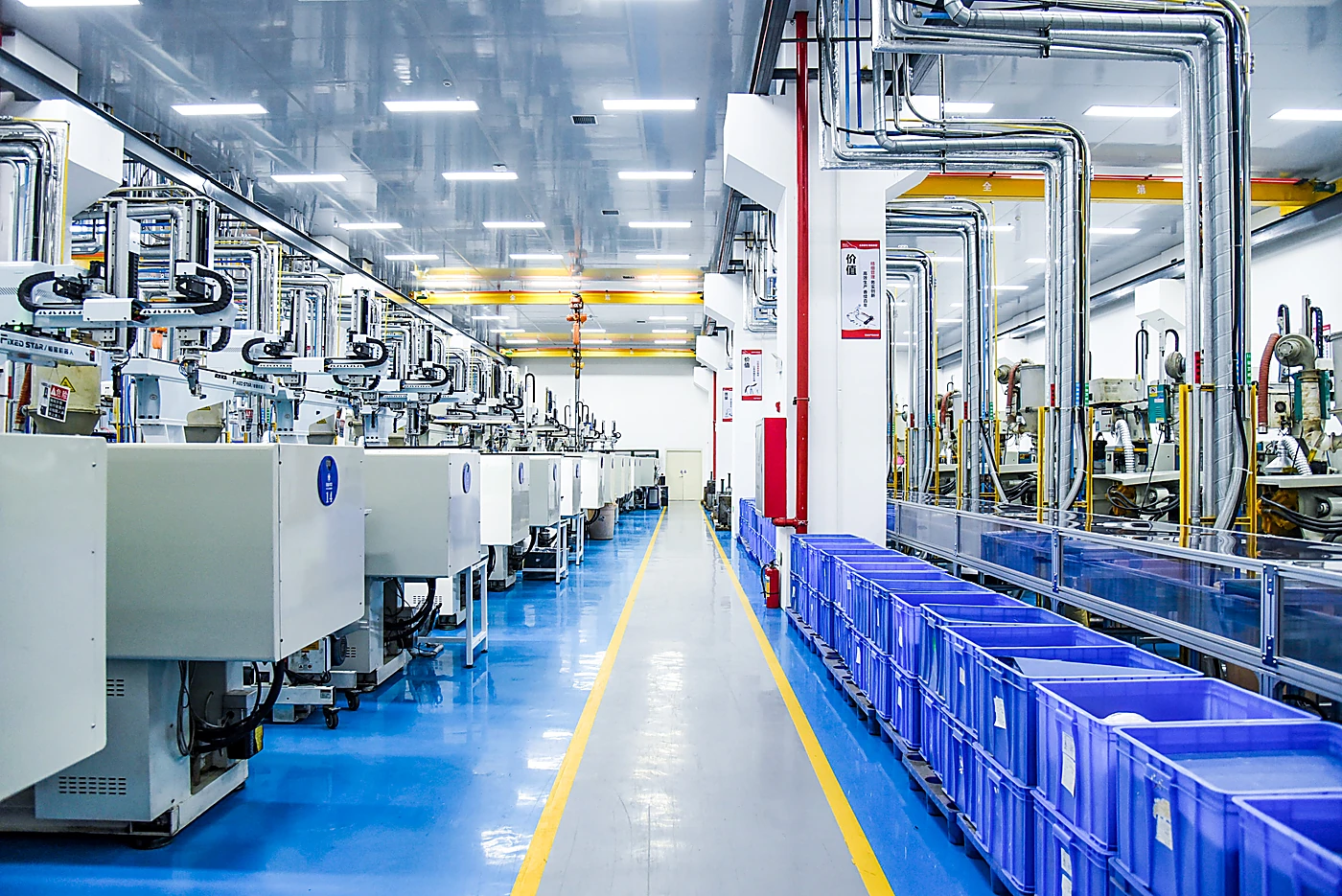
The width and surface geometry of large automotive exterior components make thermal distribution an important tooling consideration. Uneven cooling may contribute to differential shrinkage and distortion across the finished part. ARD equipment is an option for molds requiring greater overall water circulation and heating capacity.
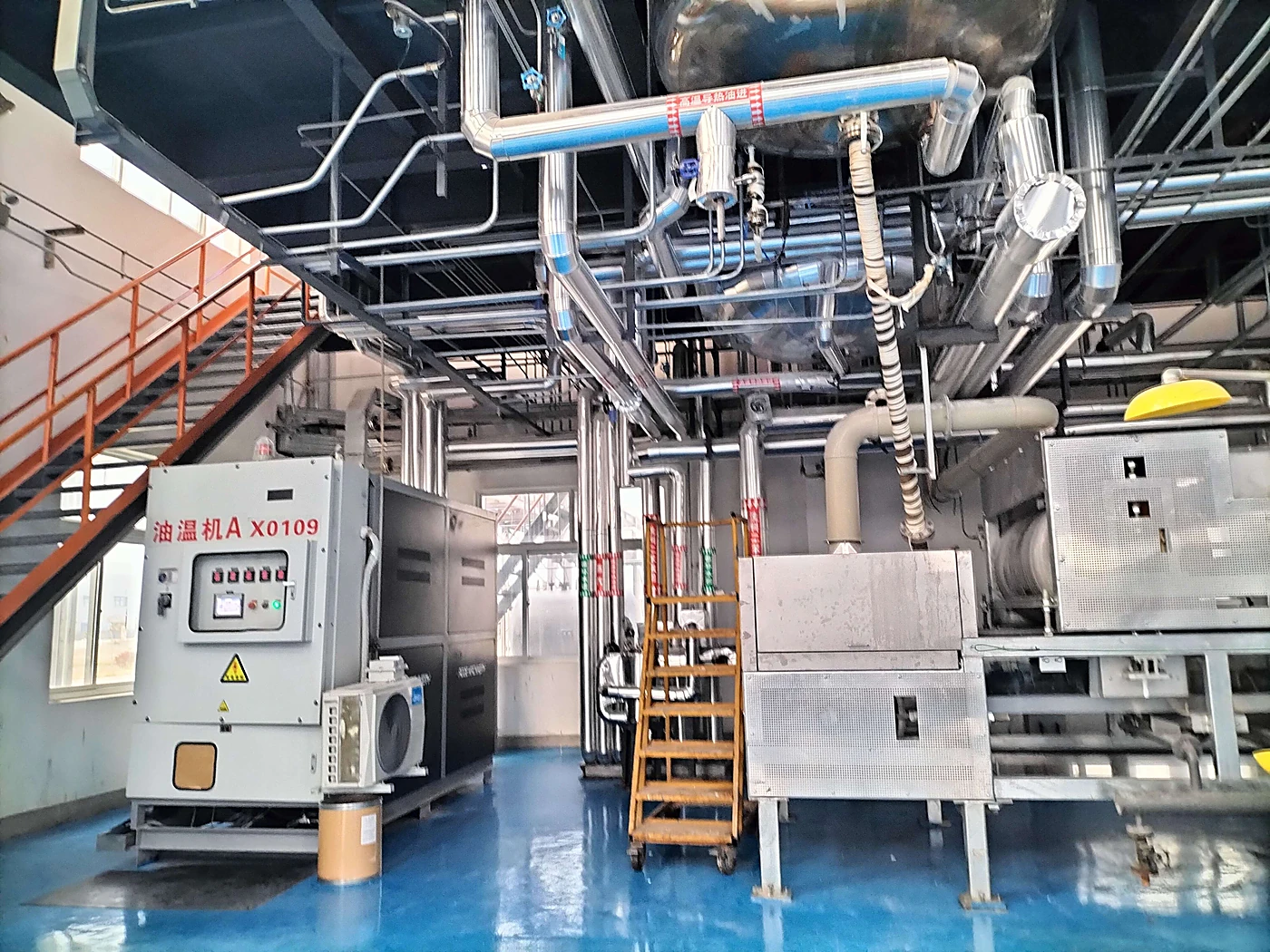
Large containers often combine extensive forming surfaces with corners, reinforced rims, and structural transitions. These regions can release heat at different rates, making total mold thermal demand more important than external part dimensions alone. Equipment selection should account for the complete tooling geometry and internal cooling arrangement.
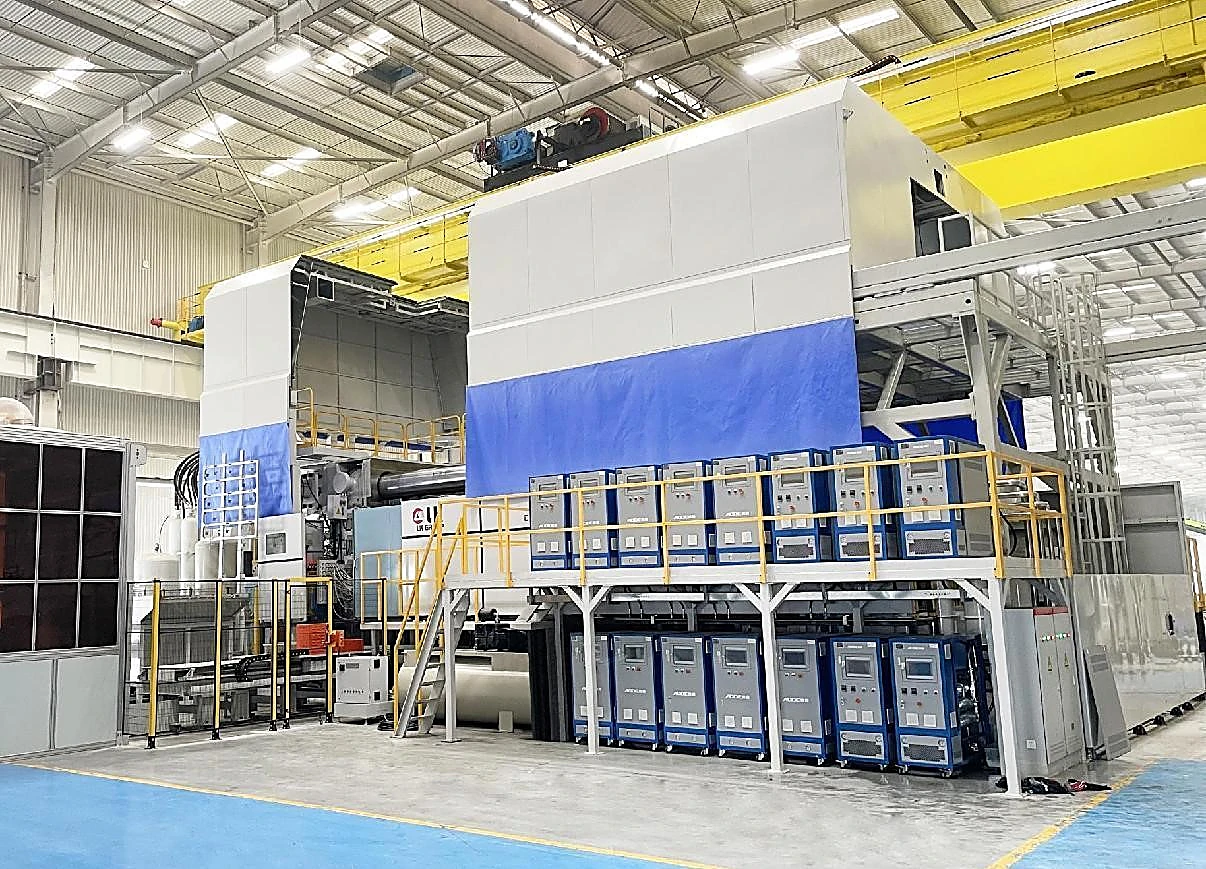
Load-bearing ribs and thick structural sections can retain heat longer than thinner areas of a molded part. Industrial pallet and crate production may therefore require substantial heat removal over successive molding cycles, together with sufficient heater output to prepare heavy tooling before production begins.
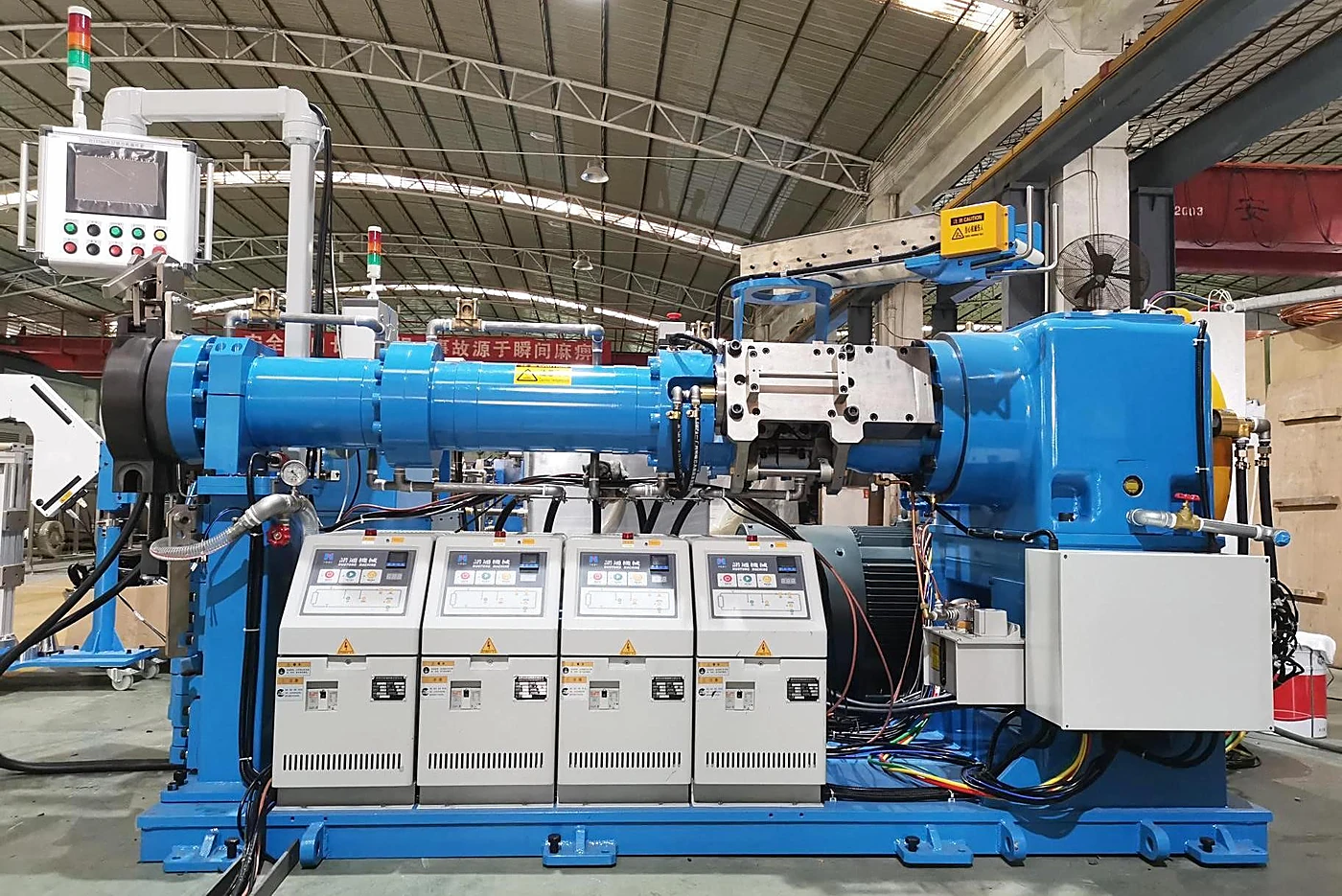
Production throughput determines how frequently new process heat enters the mold. Even relatively modest tooling dimensions can generate considerable continuous cooling demand at high production rates. A large flow temperature control unit should be selected according to this accumulated thermal load rather than part size alone.
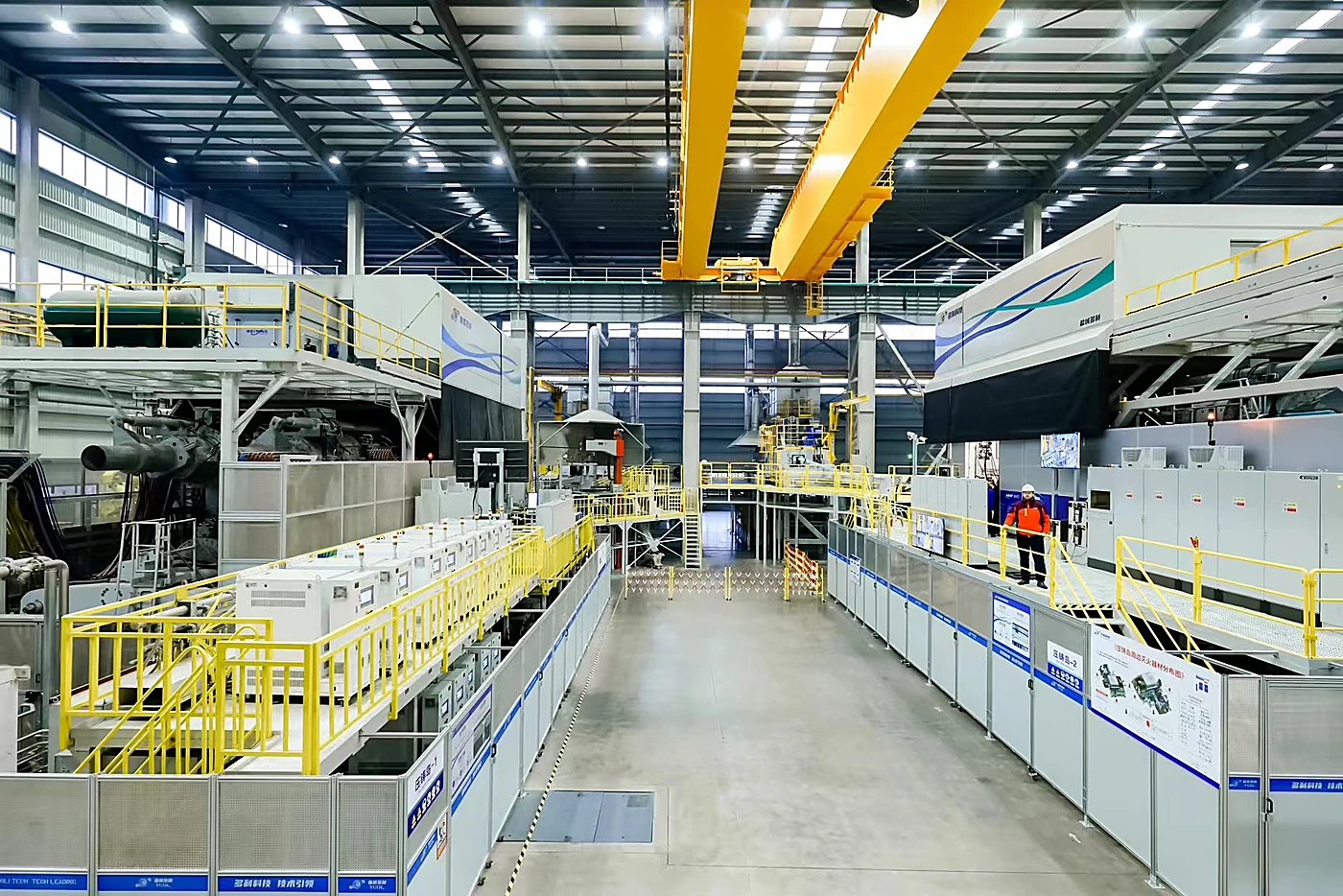
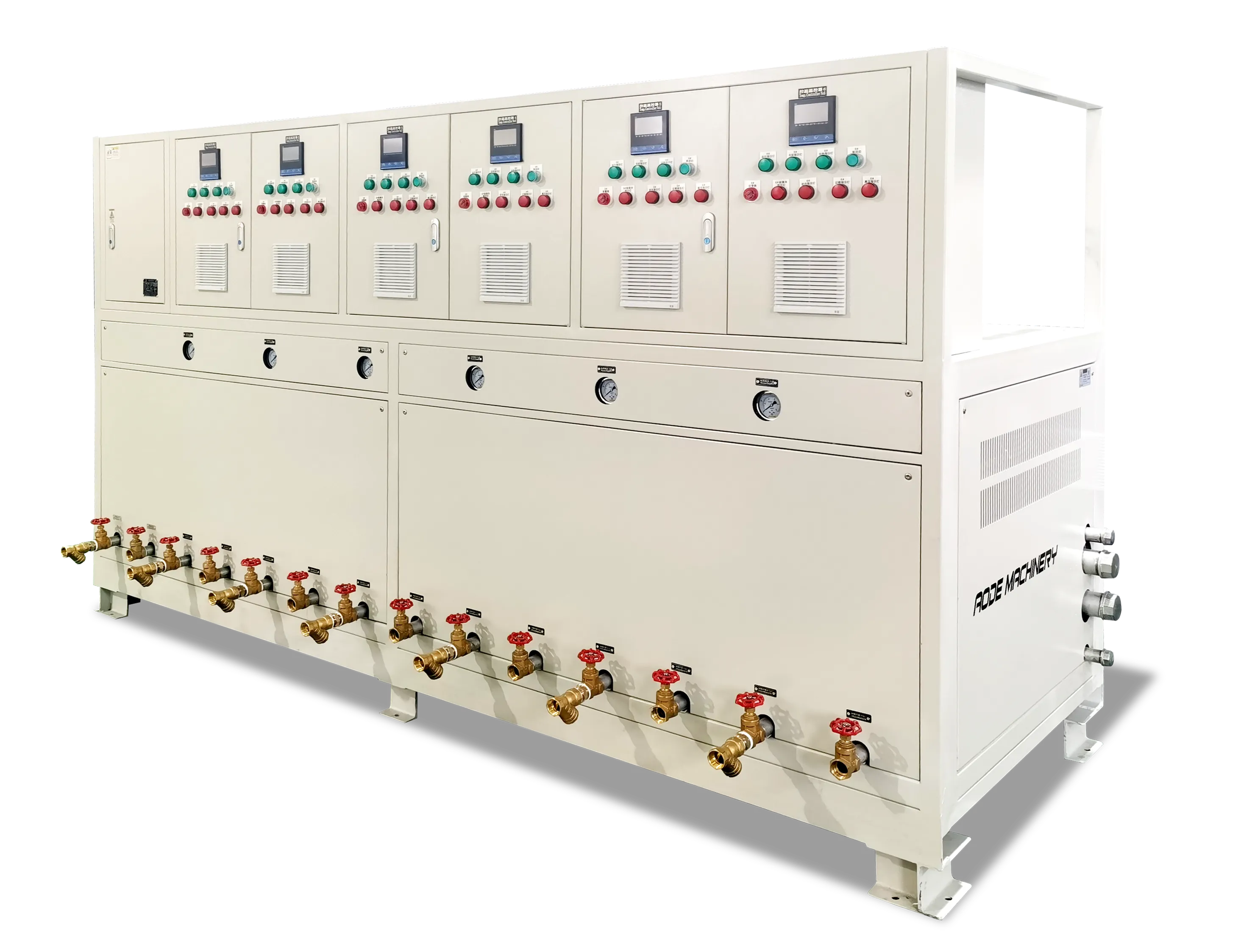
Custom Large Flow Water Temperature Controller
Increasing heating output does not necessarily require increasing pump size. At AODE, we evaluate non-standard heater and circulation combinations against your mold’s startup requirements, production heat load, working flow, and manifold connections. These conditions form the engineering basis for a custom large flow water temperature controller.
Request a Custom Solution →
Related Industrial Temperature Control Units
Explore related water temperature controllers for different flow, head, and temperature requirements.
FAQ
What technical information is required for an ARD quotation?
Include your mold dimensions or mass, required operating temperature, available heating time, estimated production heat load, and circulation requirements. Details about electrical supply, cooling water conditions, purchase quantity, and delivery destination allow us to evaluate suitable equipment configurations and confirm pricing, minimum order requirements, technical documentation, and lead time.
Can AODE customize heating capacity without increasing pump size?
Yes. We evaluate non-standard combinations of heating output and pump performance according to actual process conditions. Where the existing circulation capacity is sufficient, a different heating configuration may be technically feasible without increasing the pump motor size.
When should I upgrade from ARD to ARDN?
Consider ARDN when the existing ARD configurations cannot meet the required pump operating point or piping connection requirements. ARDN models offer higher available pump head, 2-inch circulation connections, and heating capacities up to 90 kW. An upgrade should address a specific thermal or hydraulic limitation rather than simply provide a larger nominal equipment rating.
Does 72 kW heating capacity mean the ARD-50-72 can remove 72 kW of process heat?
No. The 72 kW rating describes the electrical heating capacity, not the cooling capacity. Heat removal depends on cooling water availability, inlet temperature, circulation conditions, and system design. Heating and cooling requirements must be assessed separately when selecting equipment.
Why do some mold areas remain hotter even with sufficient total water flow?
Local hot spots may result from restricted passages, unequal branch flow, deposits inside cooling channels, or differences in heat generation across the mold. Measuring individual branch flow and local temperature conditions can help identify the cause before a larger controller is considered.
Will increasing water flow reduce the injection molding cycle time?
Higher water flow can improve heat removal when circulation is the limiting factor. Actual cycle time also depends on material properties, part thickness, cooling channel geometry, and the available cooling water supply. Once other factors become limiting, further increases in flow may not produce a meaningful reduction in cooling time.
Can a large flow temperature controller reduce mold preheating time?
It may help when insufficient circulation is limiting heat transfer to the tooling. However, preheating time also depends on heater output, mold mass, initial temperature, target temperature, and heat losses. If heating capacity is the primary limitation, increasing water flow alone may have little effect.
Does a larger mold always require a higher-flow temperature controller?
No. The required circulation flow depends on thermal load, allowable water temperature change, channel arrangement, and hydraulic resistance. A large mold with a moderate production heat load may require less circulation than smaller tooling operating at a substantially higher production rate.