
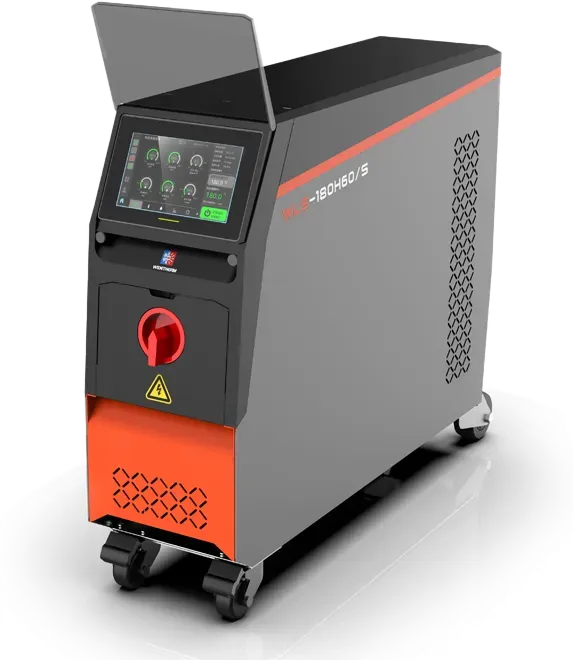
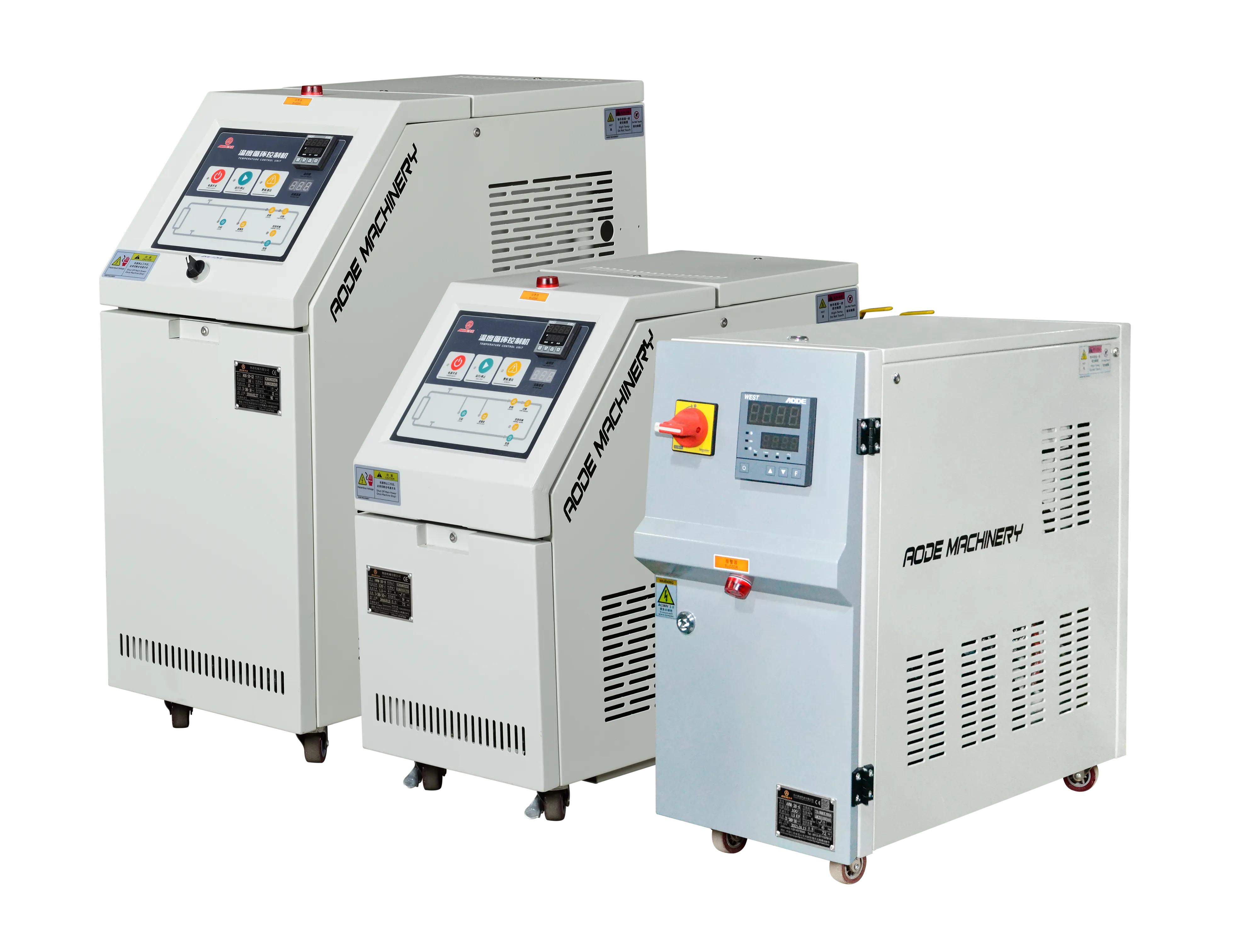
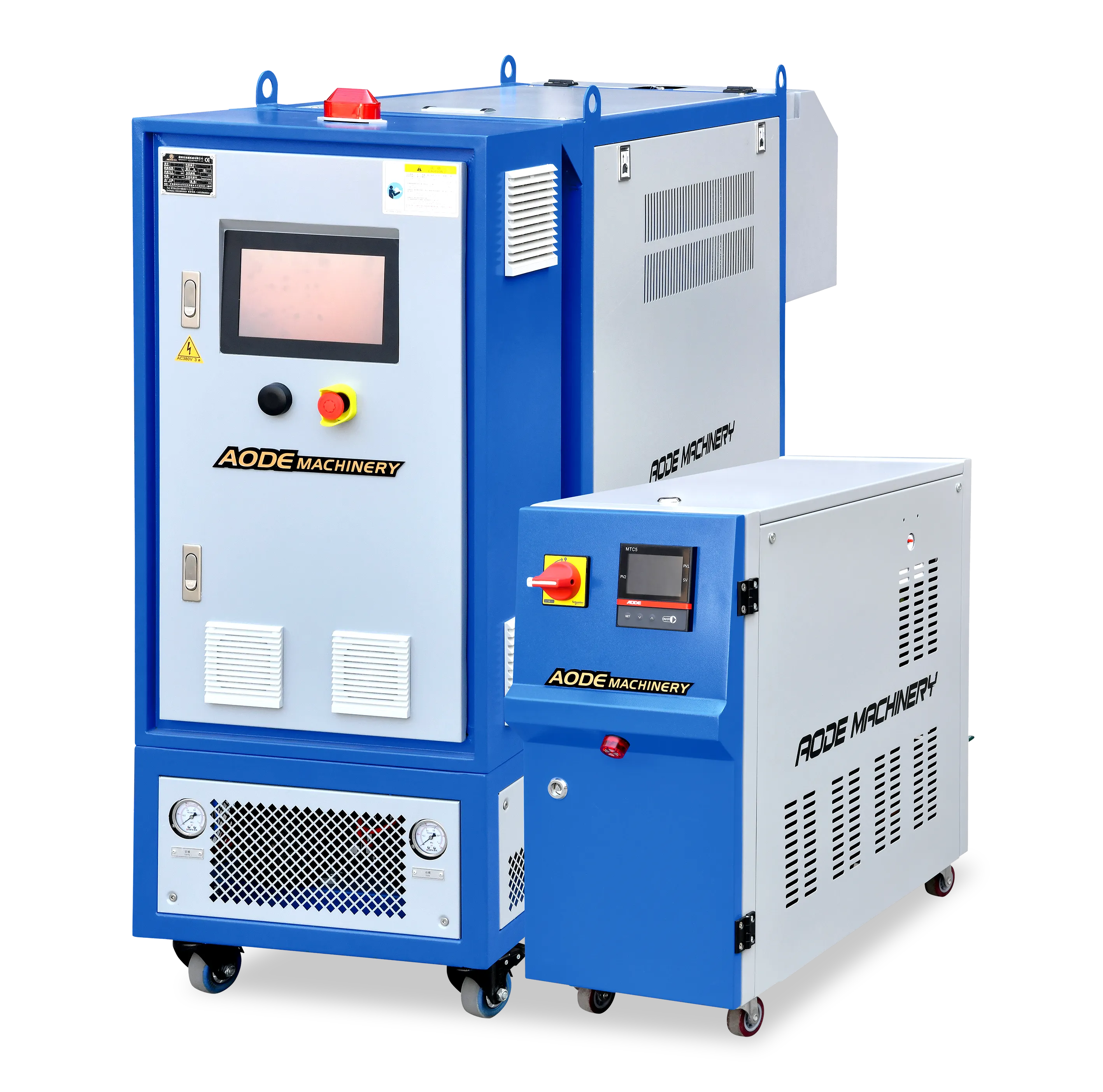
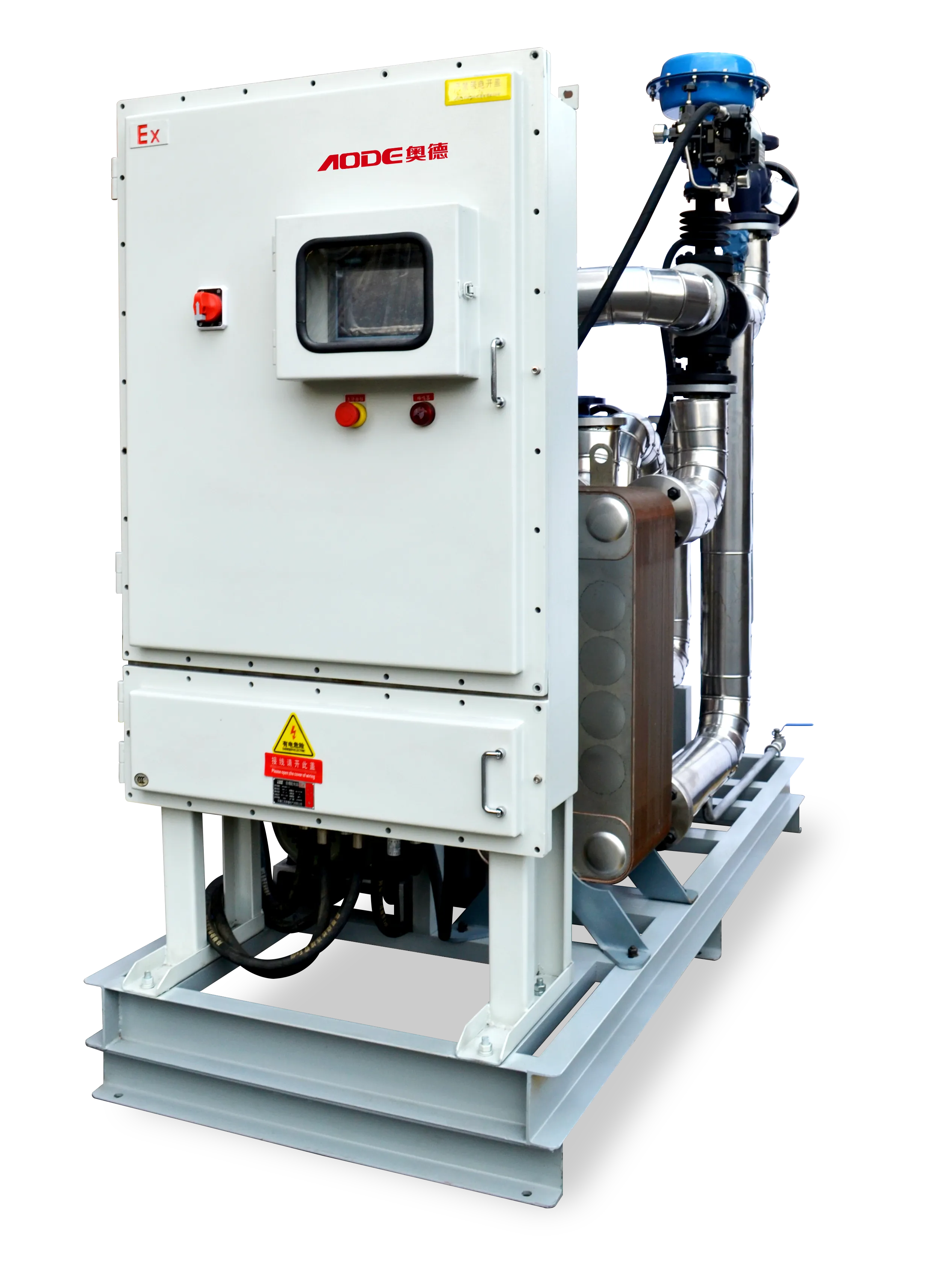
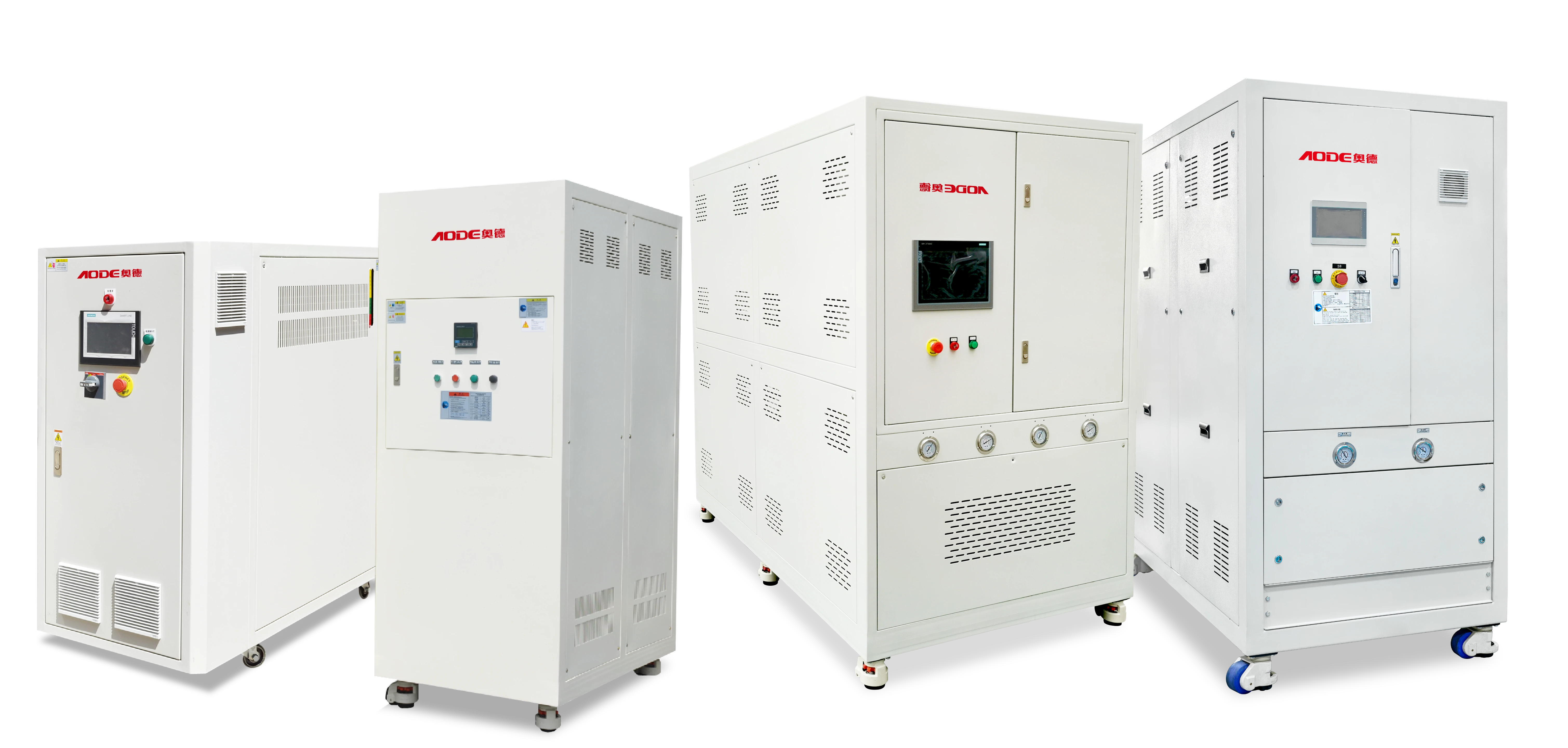
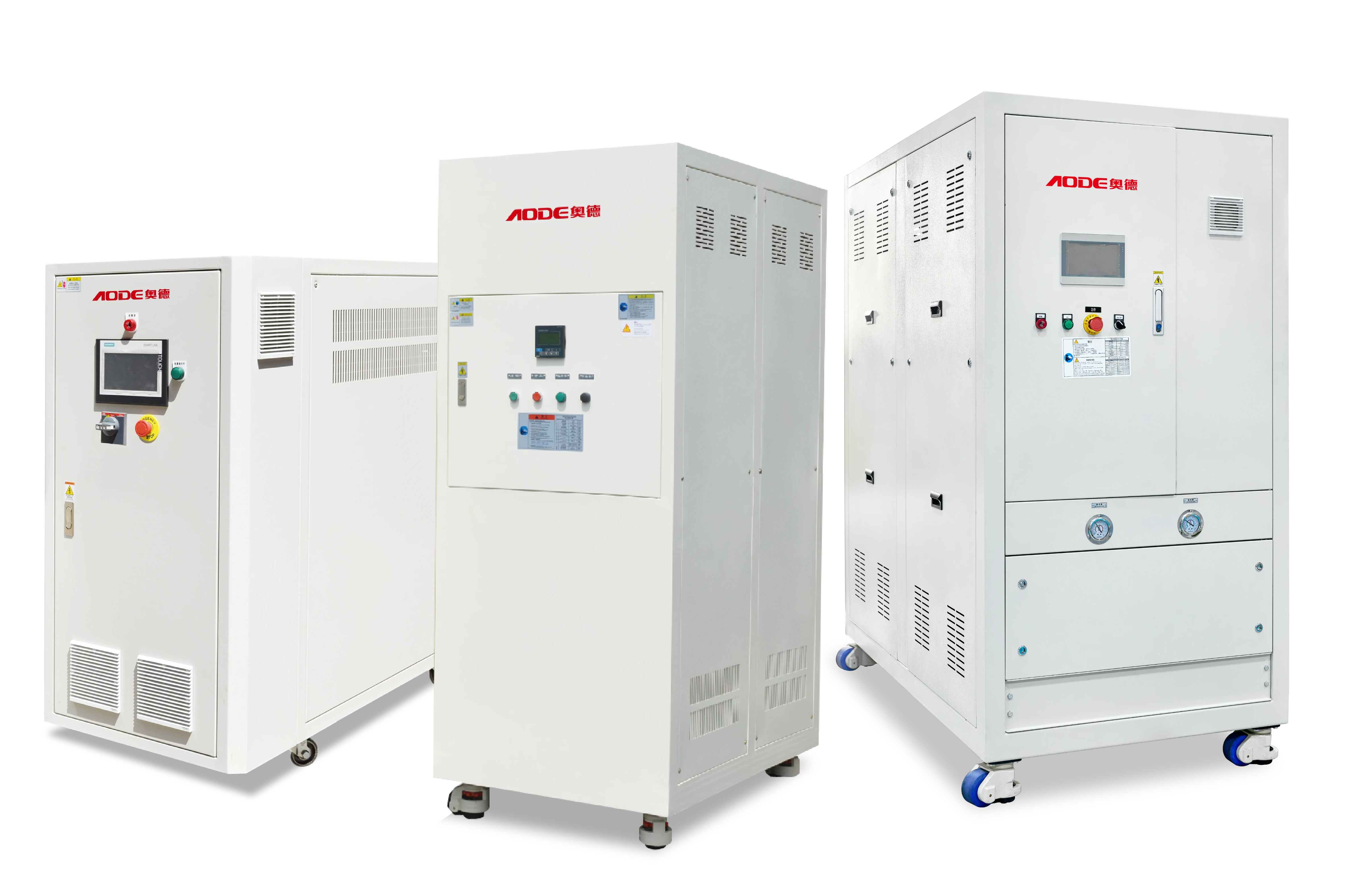

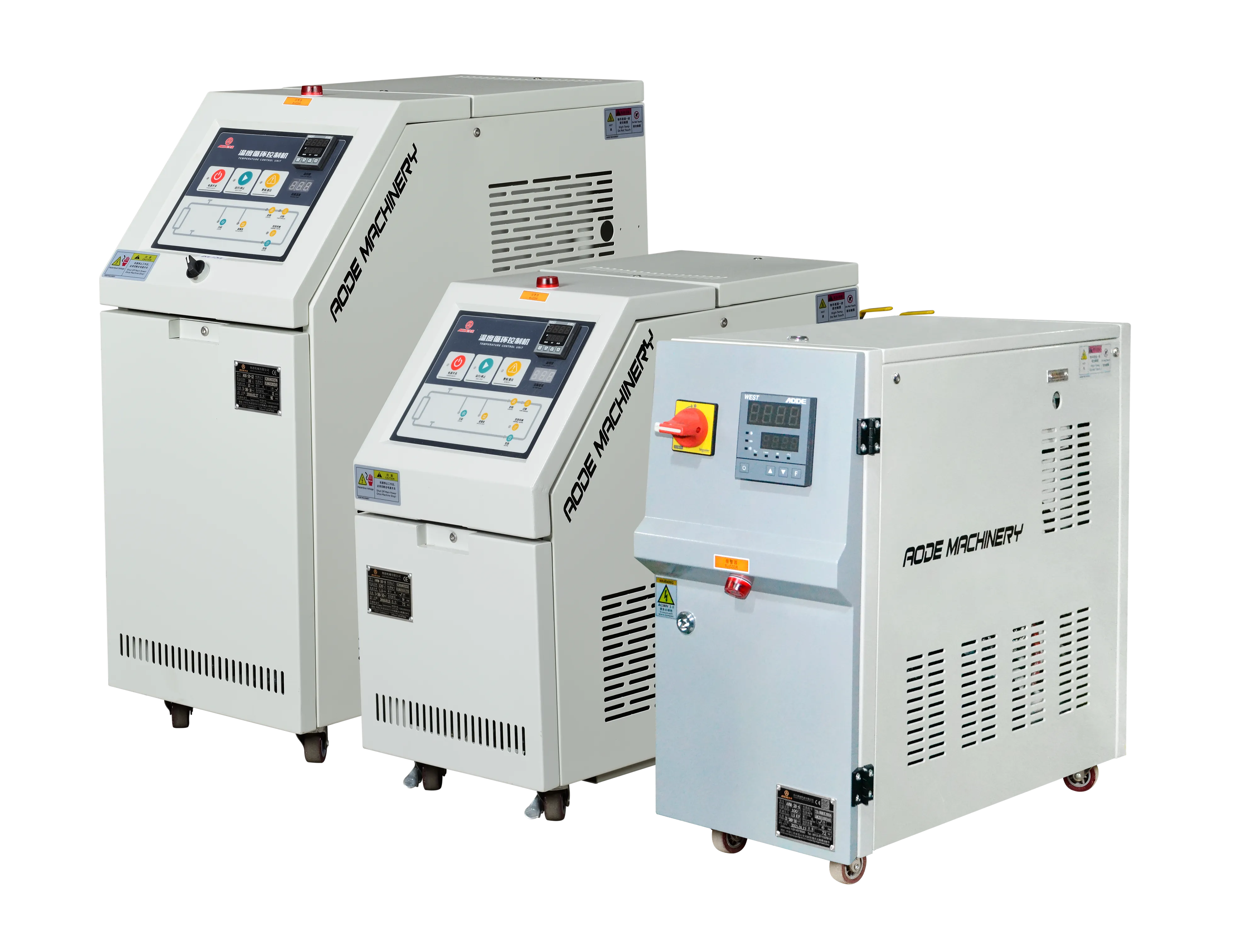
fajsdfjash ddsa dsa as sa sad sda sadfjsadjfl jsadjk fjasdlkfjaskdfdklsaj klf
jsadj
asjdklj falsdjf
jaklj
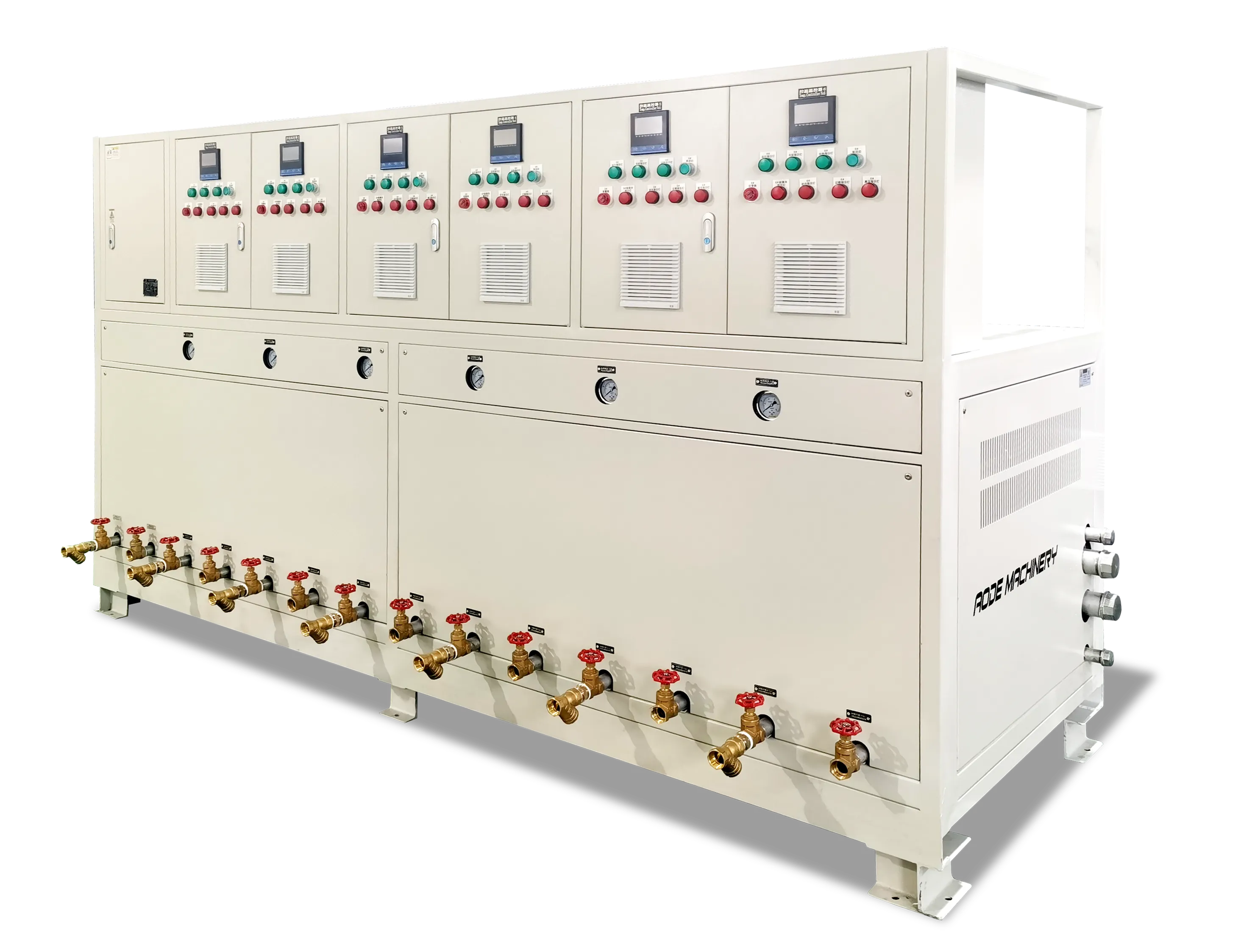
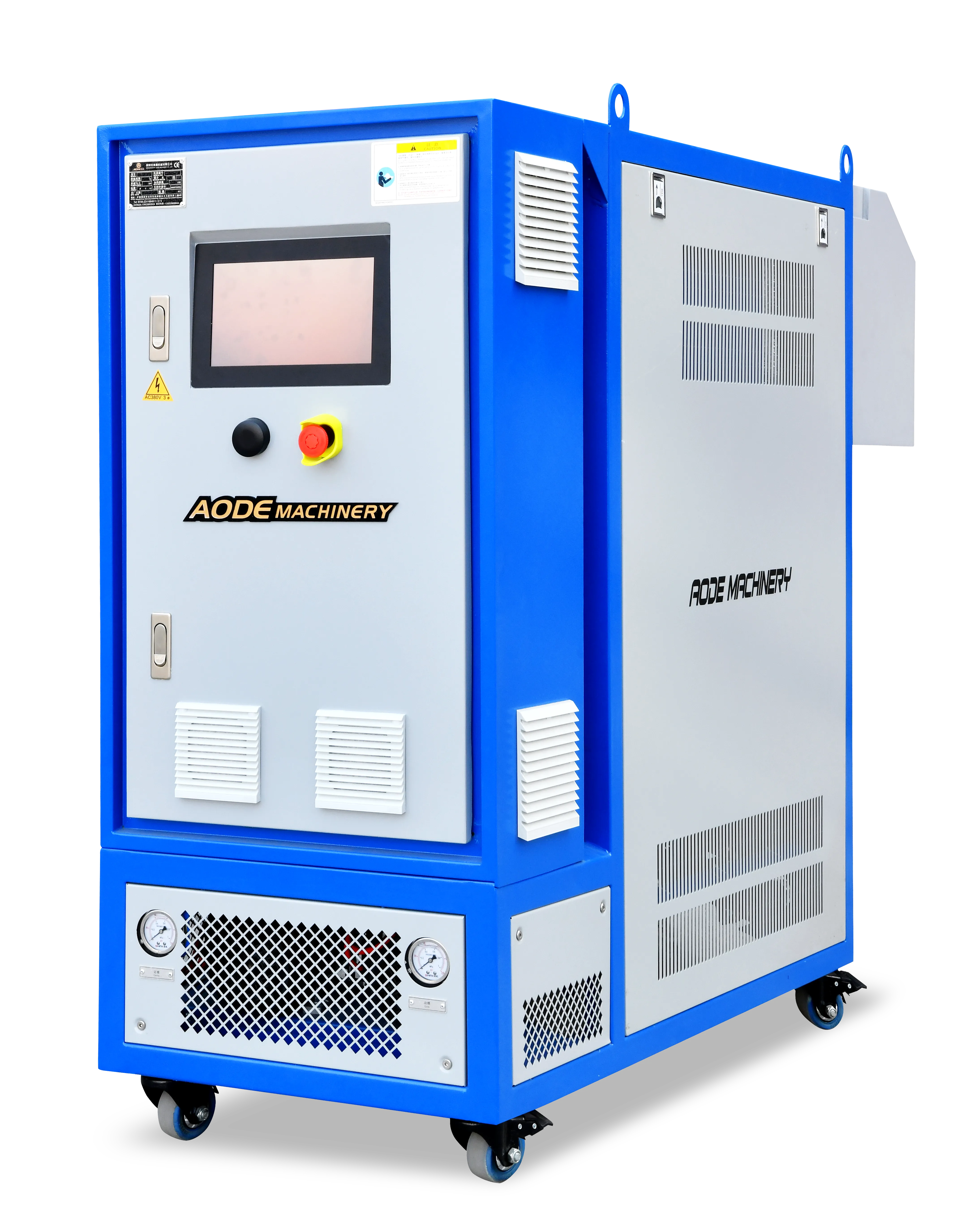
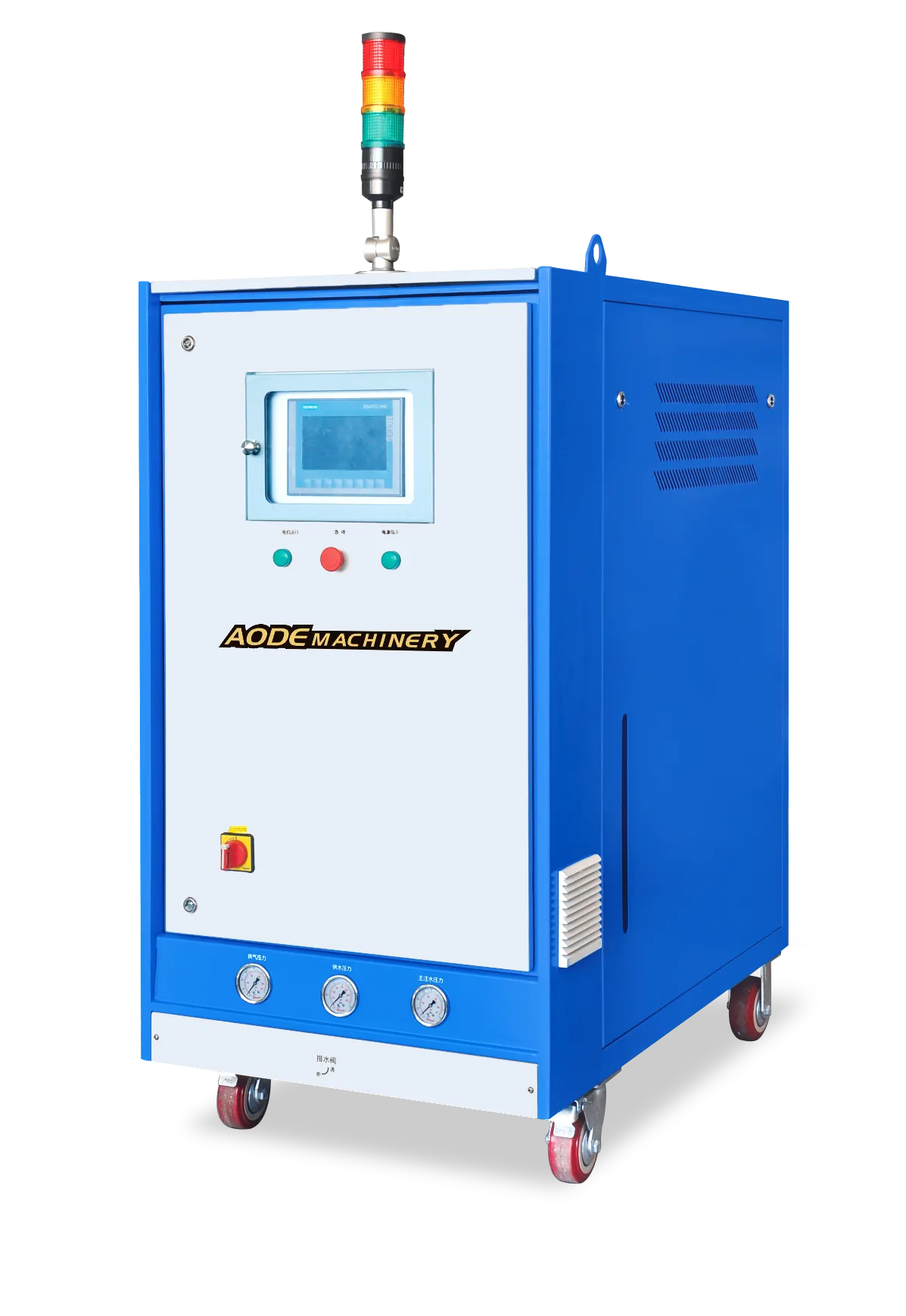
Extrusion Temperature Control Unit
Temp Control Range: +25℃  +120℃
Key Highlights:
Maximum Operating Temperature: 120°C
Temperature Control Accuracy: PID ±1°C
Heating Capacity: 3–9 kW
Optional PLC Control and RS485 Communication
Custom Configurations Available
Request a Quote
How Extrusion Temperature Control Units Work
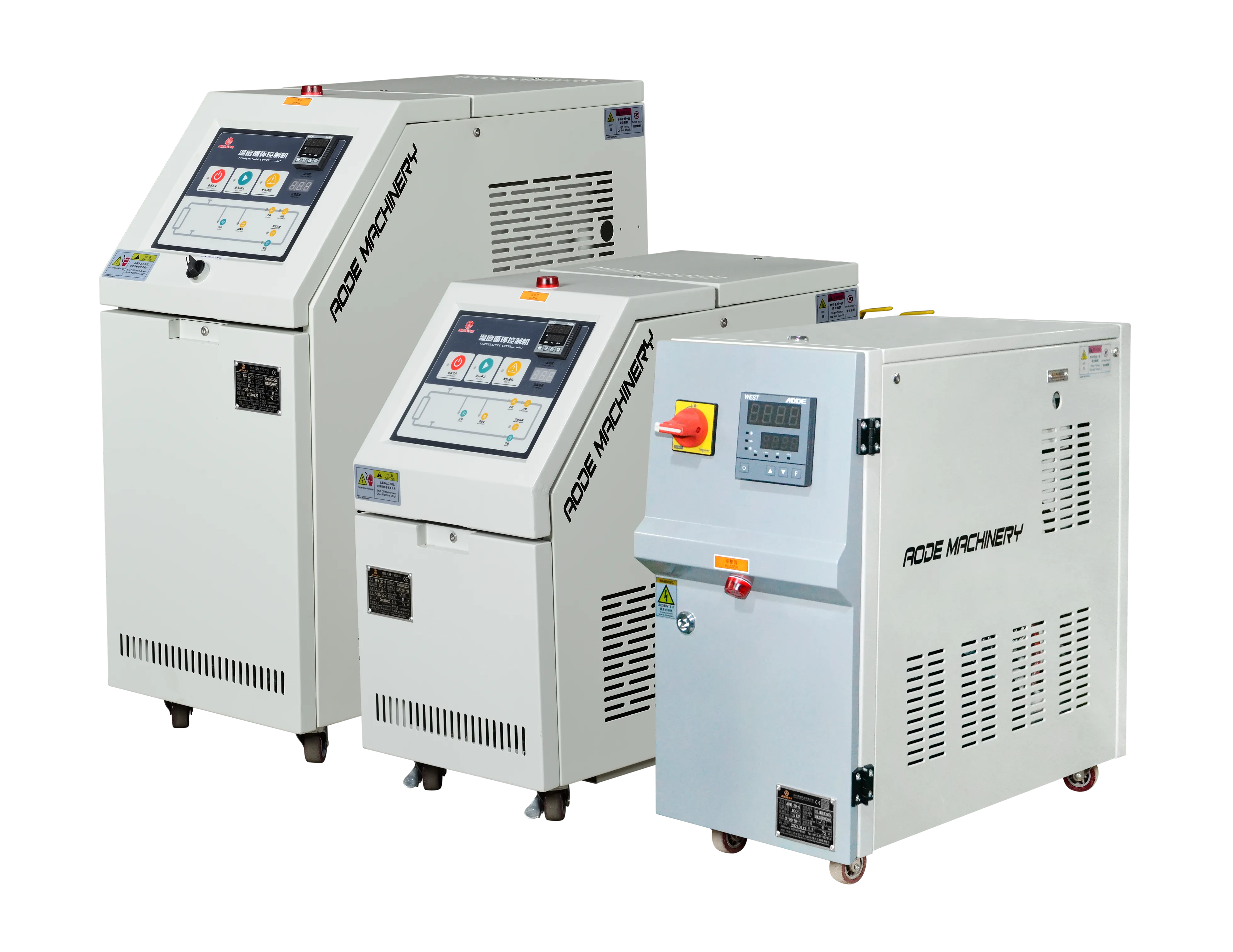
Along an extrusion line, different components perform distinct thermal functions. The die shapes the material, processing rolls influence downstream forming conditions, and auxiliary tooling may require localized heating or cooling. Each liquid-controlled component has its own temperature and circulation requirements.
We developed the AEX series to serve compatible thermal circuits within this continuous manufacturing process.
Each unit supplies temperature-controlled water through an individual circulation arrangement, allowing the equipment configuration to be matched to a specific processing component.
Available in three capacity grades, the AEX provides a dedicated water temperature control option for new extrusion machinery and existing production lines.
Configure Temperature Control for Your Extrusion Equipment
Submit your extrusion equipment requirements for a temperature control recommendation.
Request a Quote
AEX Control Functions for Continuous Extrusion
The AEX combines heating power switching, direct cooling, and optional integration functions for continuous extrusion equipment.
1
Heating Power Switching
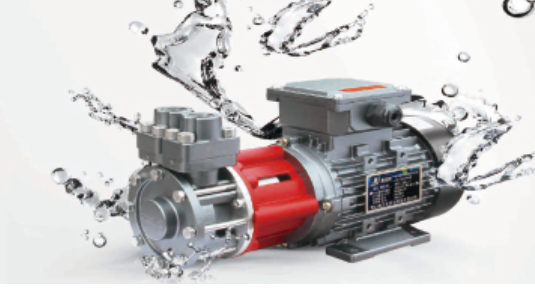
Thermal demand during equipment preparation can differ from demand during steady production. Heating power switching provides flexibility in heater operation as process requirements change. Direct cooling complements the heating function when excess heat must be removed from the circulation circuit.
2
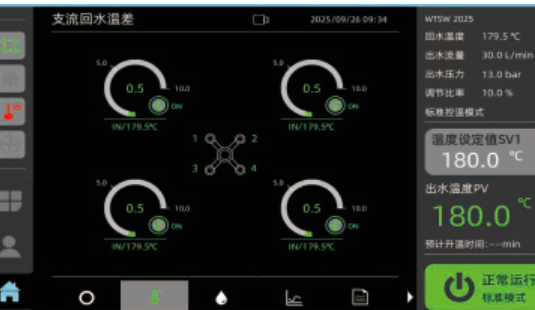
Automatic Venting and Return Water Monitoring
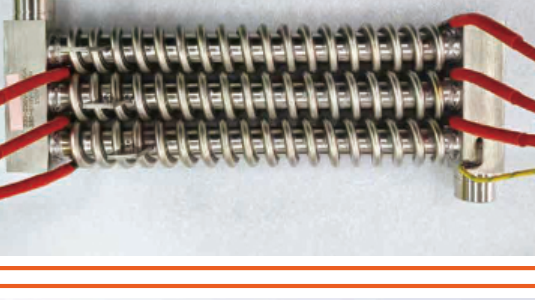
Preparing the water circuit is part of extrusion equipment startup. Automatic venting assists in releasing trapped air, while the return water temperature display allows operators to observe the thermal condition of water returning from the connected processing component.
3
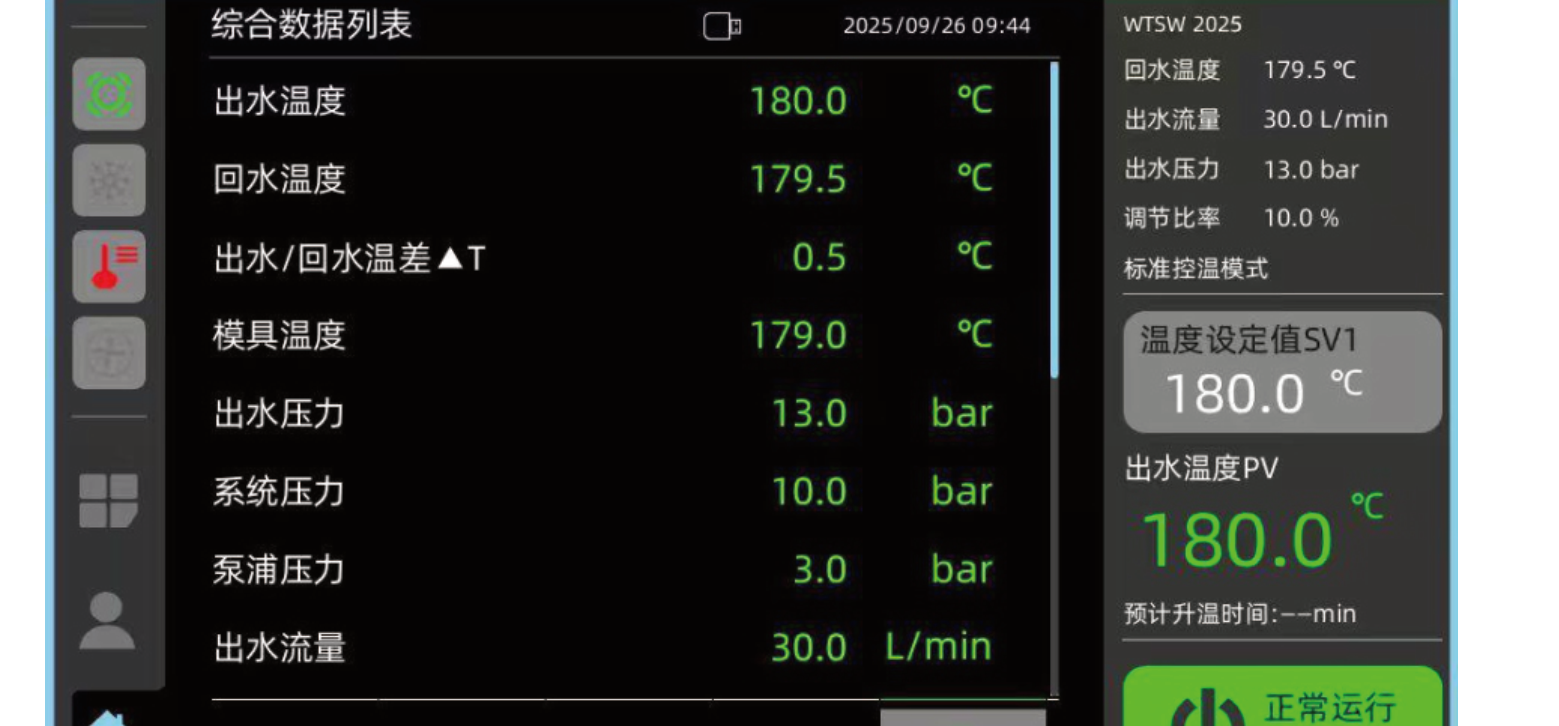
Optional Automation and Communication Interfaces
Temperature control equipment may need to exchange information with the extrusion line’s control system. Optional PLC control and RS485 communication extend the available integration options beyond local microcomputer operation. The required communication protocol and supported control functions can be specified during equipment selection.
4
Water Circuit Management and Equipment Protection
Bypass circulation and fault indications support daily equipment operation. Production lines with specific startup or servicing procedures can also be equipped with optional rapid cooling startup and blowback water return functions, subject to the selected configuration.
Review Available AEX Control Functions
Our team can review the control functions required by your extrusion line.
Request a Quote
AEX-05, AEX-10, and AEX-20 Technical Specifications
Compare the heating, circulation, and connection specifications across the three AEX models to identify a configuration suited to your extrusion component.
| ITEM | UNIT | AEX-05 | AEX-10 | AEX-20 |
| Maximum Operating Temperature | °C | 120 | 120 | 120 |
| Temperature Control Accuracy | °C | ±1 | ±1 | ±1 |
| Heating Capacity | kW | 3 | 4 | 9 |
| Pump Motor Power | kW | 0.57 | 0.75 | 1.5 |
| Pump Flow | L/min | 35 | 100 | 180 |
| Pump Head | m | 20 | 22 | 24 |
| Maximum Power Consumption | kW | 4 | 5 | 11 |
| Cooling Water Connection | inch | 1/2 | 1/2 | 1/2 |
| Circulation Connection | inch | 1/2 | 3/4 | 1 |
| Dimensions (L × W × H) | mm | 525 × 260 × 530 | 525 × 260 × 530 | 800 × 325 × 640 |
| Temperature Regulation | / | PID | ||
| Heat Transfer Medium | / | Water | ||
| Cooling Method | / | Direct Cooling | ||
| Power Supply | / | AC 3N, 380/480 V, 50 Hz | ||
| Circuit Configuration | / | Single Circuit | ||
| Alarm Functions | / | Pump Reversal, Water Shortage, Excess Temperature, Overload | ||
AEX Model Configuration Comparison
The AEX-05 and AEX-10 share cabinet dimensions of 525 × 260 × 530 mm, but the AEX-10 has approximately 2.86 times the published pump flow rating. For machinery with predetermined installation space, this provides an alternative circulation configuration without increasing the controller’s nominal cabinet dimensions.
Compare AEX Capacity and Installation Options
Request a quotation for the AEX-05, AEX-10, or AEX-20 configuration.
Request a Quote
Integrating an Extrusion Temperature Controller into Your Machinery
Selecting an extrusion temperature control unit involves defining the controlled component, the process operating range, the available installation space, and the required control interfaces.
01
01. Define the Temperature-Controlled Component
Start with the component requiring liquid temperature regulation—a die, processing roll, or auxiliary tooling—and establish its operating temperature and existing water circulation connections. Set the controller according to that component's thermal requirements rather than the overall polymer melt temperature, and connect only components compatible with the AEX temperature range and hydraulic conditions.
02
02. Establish the Operating Range of the Extrusion Process
Production speed varies with material grade, product dimensions, and output requirements, changing the heat transferred between the material and the temperature-controlled equipment. Specify the controller for the expected range of operating conditions rather than a single point, so heating, circulation, and cooling requirements are evaluated on a representative basis.
03
03. Match Equipment Capacity to the Available Installation Space
Temperature control units are usually installed alongside the extruder or within a predetermined layout, so compare available space with the selected model's cabinet size, water connections, and maintenance access. Compact AEX configurations offer different circulation capacities within the same cabinet dimensions, while the AEX-20 requires additional installation space.
04
04. Specify Control Interfaces and Operating Functions
Define how the controller will operate within your line, since local operation, centralized monitoring, and automated coordination place different demands on the control configuration. Specify any communication or specialized functions before ordering, including control commands, communication protocol, startup sequence, and assisted water return requirements.
Providing the controlled component’s specifications, production operating range, installation layout, and required control functions helps us identify a suitable AEX configuration without adding unnecessary equipment complexity.
Temperature Control Across Plastic and Rubber Extrusion Processes
The AEX serves individual liquid-controlled components across plastic and rubber extrusion processes.
Plastic Pipe Extrusion
Plastic Profile Extrusion
Sheet and Film Extrusion
Rubber Extrusion
Continuous pipe production requires coordinated thermal management between forming equipment and downstream processing sections. Dedicated water circulation can regulate compatible tooling and auxiliary components that require localized temperature adjustment throughout production.
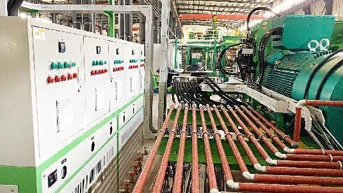
Complex profiles contain corners, thin walls, and structural transitions that place different demands on material forming. Where extrusion tooling incorporates liquid circulation channels, localized extrusion die temperature control helps establish the thermal conditions required by the forming process.
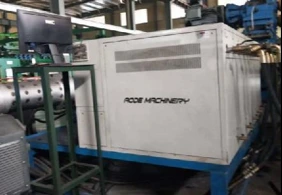
Heat transfer occurs continuously as moving sheet or film contacts processing rolls. A dedicated AEX unit can serve an individual liquid-controlled roll when its required water temperature, circulation rate, and thermal load fall within the selected model’s capabilities.
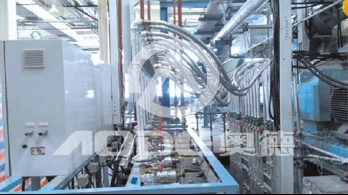
The temperature history of a rubber compound influences its viscosity and processing behavior. Localized water temperature regulation can be applied to compatible dies and auxiliary components where the machinery design requires controlled thermal conditions.
.jpg)
Custom Extrusion Temperature Control Unit
Extrusion machinery has its own installation layout, thermal requirements, and control architecture. We work from your equipment specifications to evaluate heating output, pump capacity, and available control configurations. AODE’s custom extrusion temperature control units accommodate non-standard requirements for dedicated liquid circulation within new or existing extrusion machinery.
Request a Custom Solution →
Related Industrial Temperature Control Units
Explore related temperature control equipment for extrusion and mold heating applications.
FAQ
What technical information is required for an AEX quotation?
Provide the extrusion machinery type, temperature-controlled component, required operating temperature, heating demand, and circulation requirements. Equipment drawings, installation dimensions, electrical specifications, and required options are useful for machinery integration. Include your purchase quantity and delivery destination so we can confirm pricing, technical documentation, minimum order requirements, and lead time.
Can AODE customize the heating and pump capacity for extrusion machinery?
Yes. Heating output and pump motor capacity can be customized according to the application's thermal and circulation requirements. Our engineering team reviews the connected equipment and intended operating conditions before determining the appropriate non-standard configuration.
When should I choose AEXT or AEXF instead of AEX?
Select an AEX model when one dedicated circulation arrangement meets your equipment requirements. The AEXT and AEXF incorporate three and four sets of heating and pump components, respectively, offering alternatives for machinery with multiple temperature-controlled sections. Separate temperature setpoints and control functions should be confirmed when specifying a multi-circuit configuration.
What is the purpose of the optional blowback water return function?
Blowback water return assists in removing water from a compatible circulation circuit during equipment shutdown, tooling replacement, or servicing. The function's operating procedure depends on the selected equipment configuration. Follow the manufacturer's cooling, isolation, and safety instructions before carrying out maintenance.
Does RS485 communication mean the AEX supports Modbus RTU?
RS485 defines an electrical communication interface rather than a specific communication protocol. AODE offers optional RS485 configurations, but protocol compatibility, data addresses, and supported commands must be confirmed before integration with your extrusion line.
Why does the return water temperature change during continuous extrusion?
The returning water reflects heat exchanged with the connected processing component. Changes in material throughput, line speed, or circulation flow can therefore influence its temperature. Operators can use the return water reading to observe changing thermal conditions, although it does not directly indicate the temperature of the extruded material.
Can the AEX control the temperature of an individual processing roll?
Yes, provided the roll is designed for water circulation and its thermal and hydraulic requirements fall within the controller's capabilities. Roll dimensions, rotary union specifications, internal passages, and operating temperature should be reviewed when selecting the equipment.
Can the AEX replace an extruder's barrel heating system?
No. The AEX regulates compatible liquid circulation circuits rather than replacing all barrel heating and cooling functions. Extrusion barrels may use electrical heaters, air cooling, or other thermal regulation methods according to the original machinery design.