

fajsdfjash ddsa dsa as sa sad sda sadfjsadjfl jsadjk fjasdlkfjaskdfdklsaj klf
jsadj
asjdklj falsdjf
jaklj
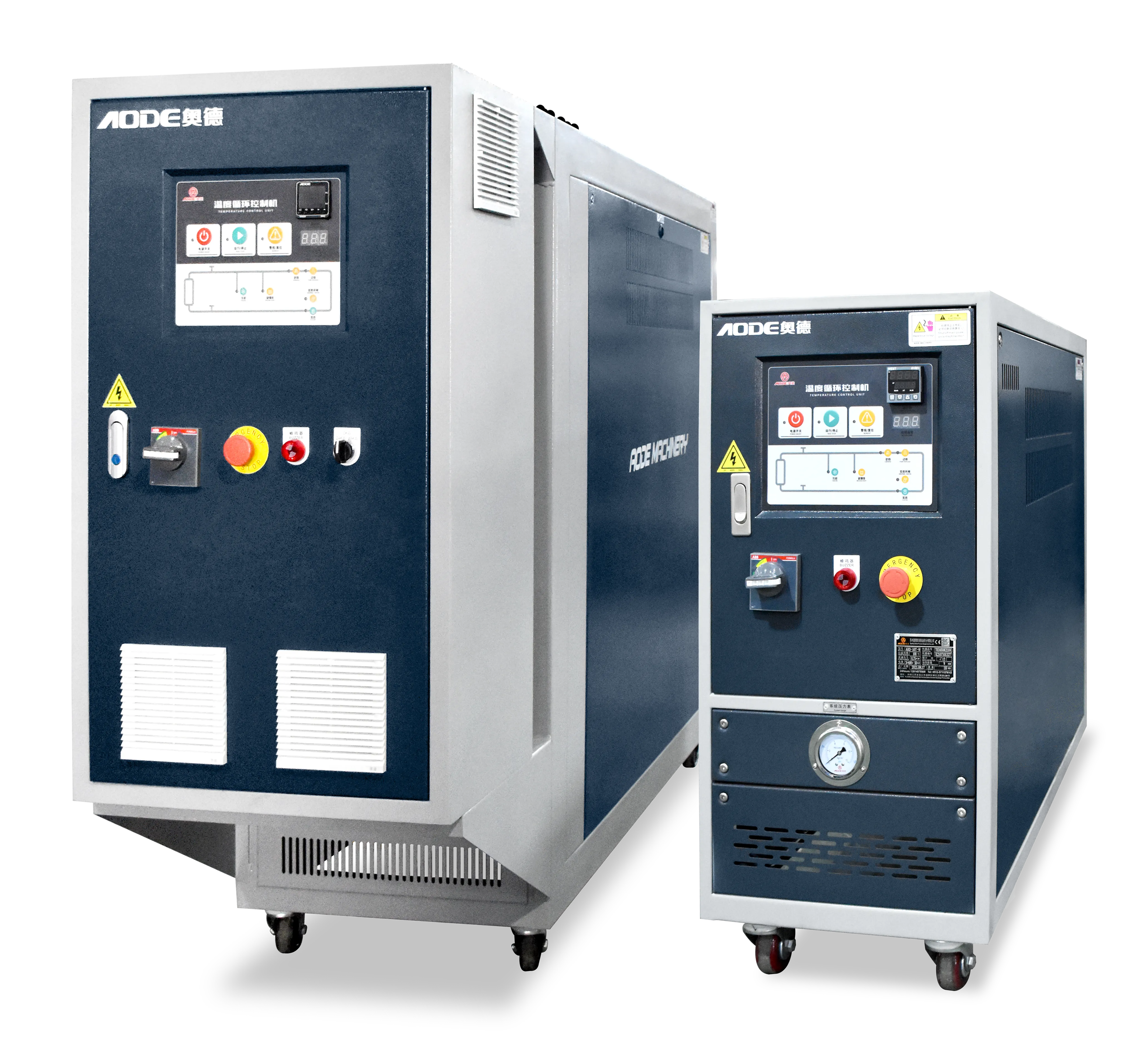
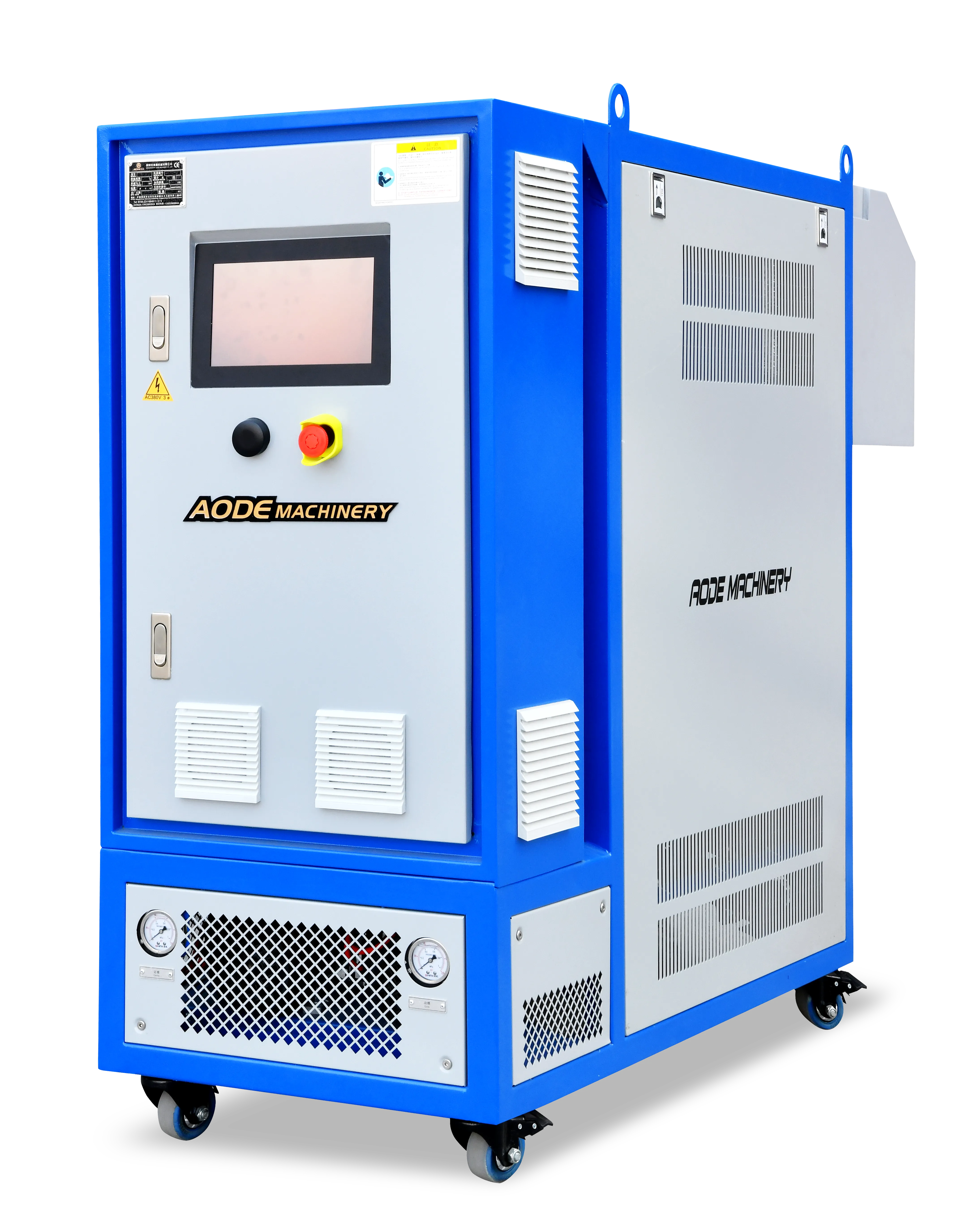
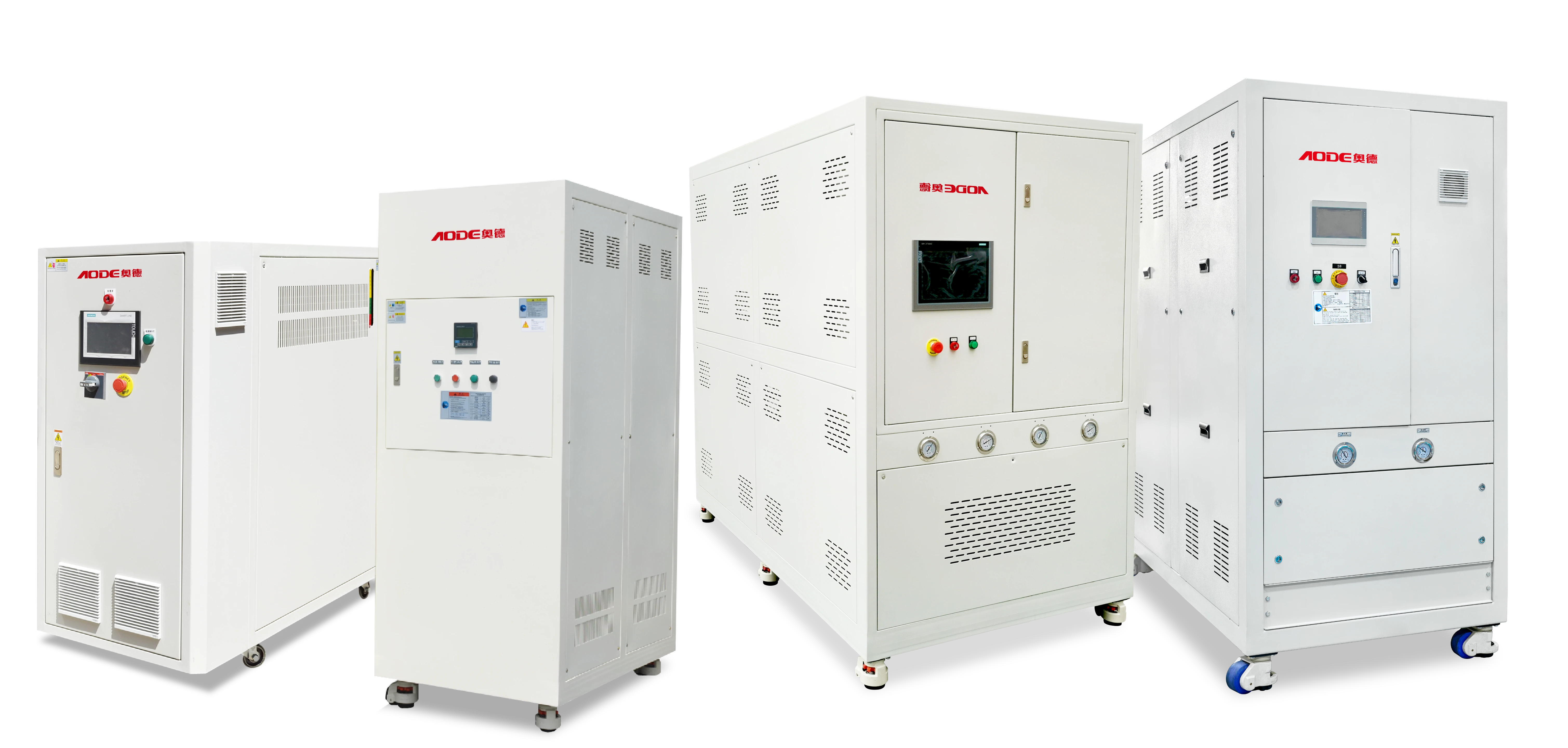
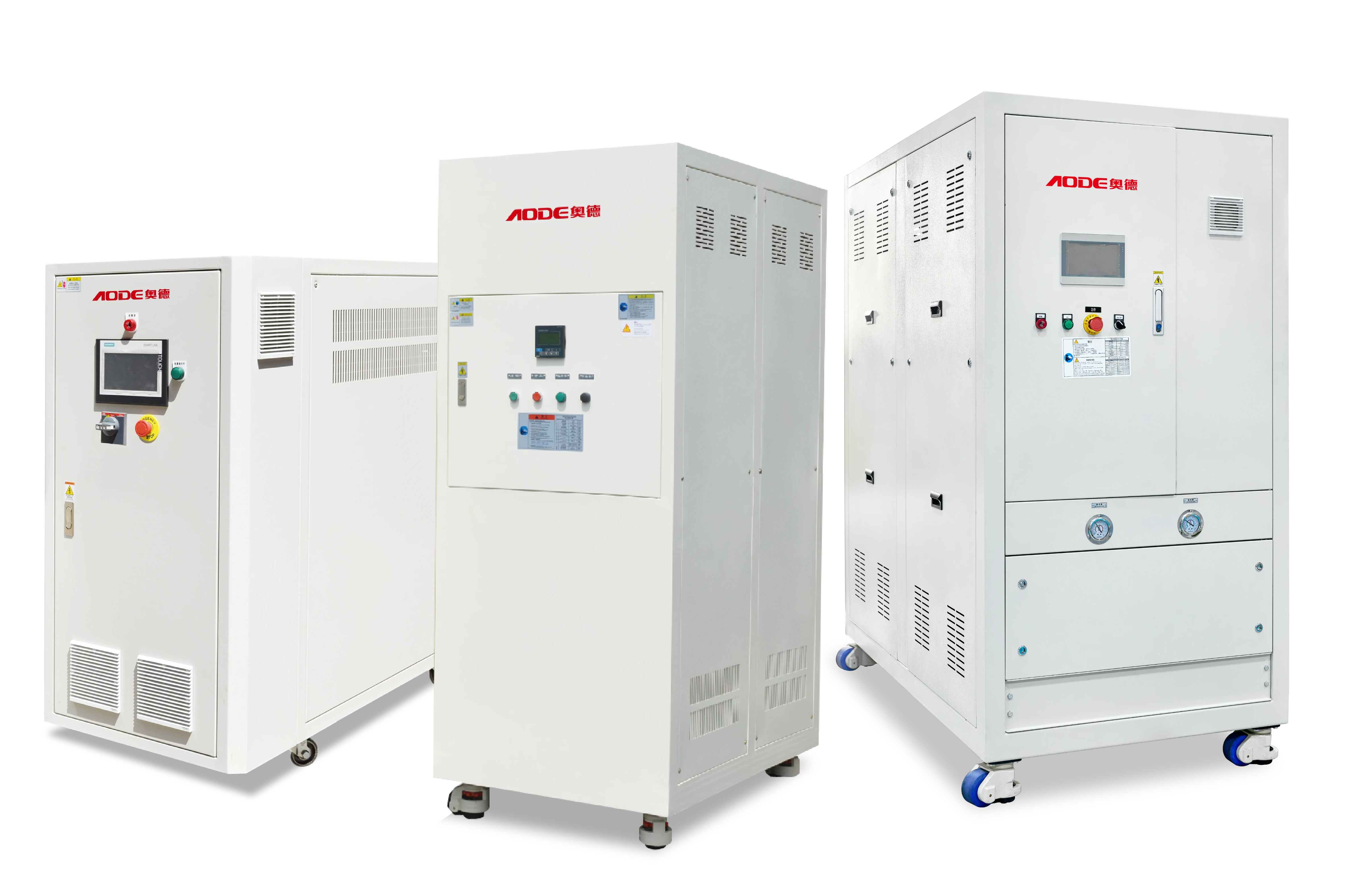
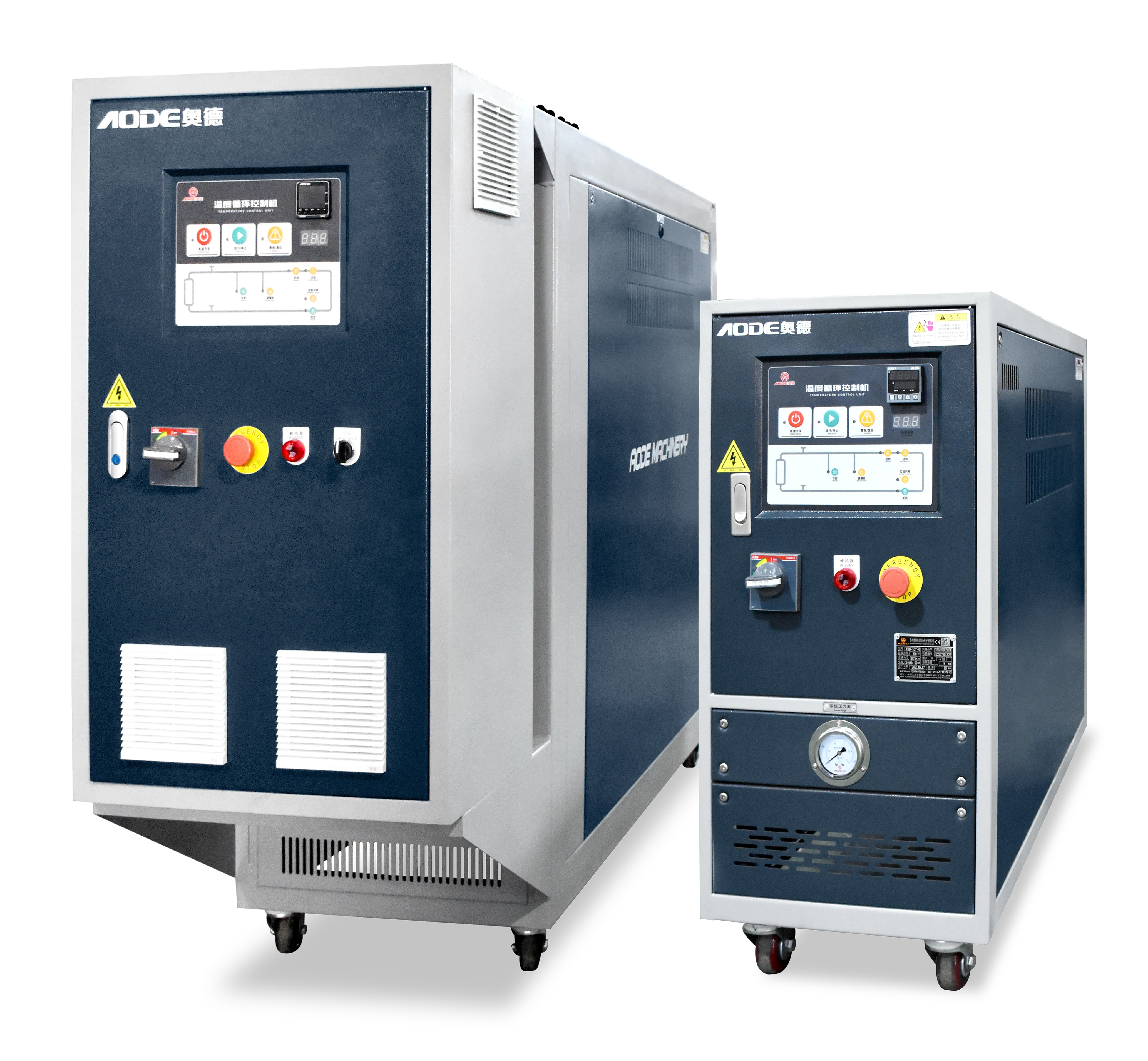
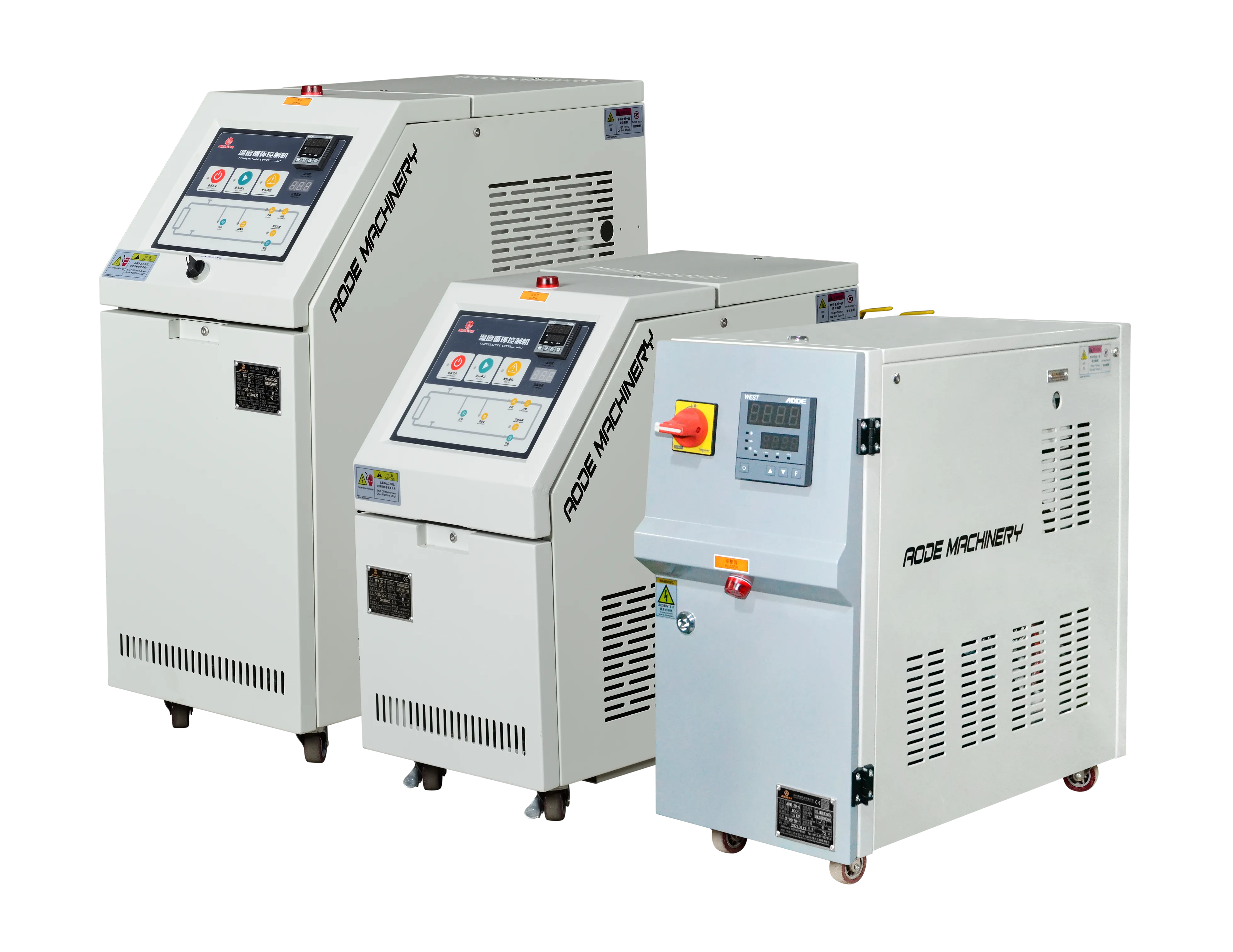
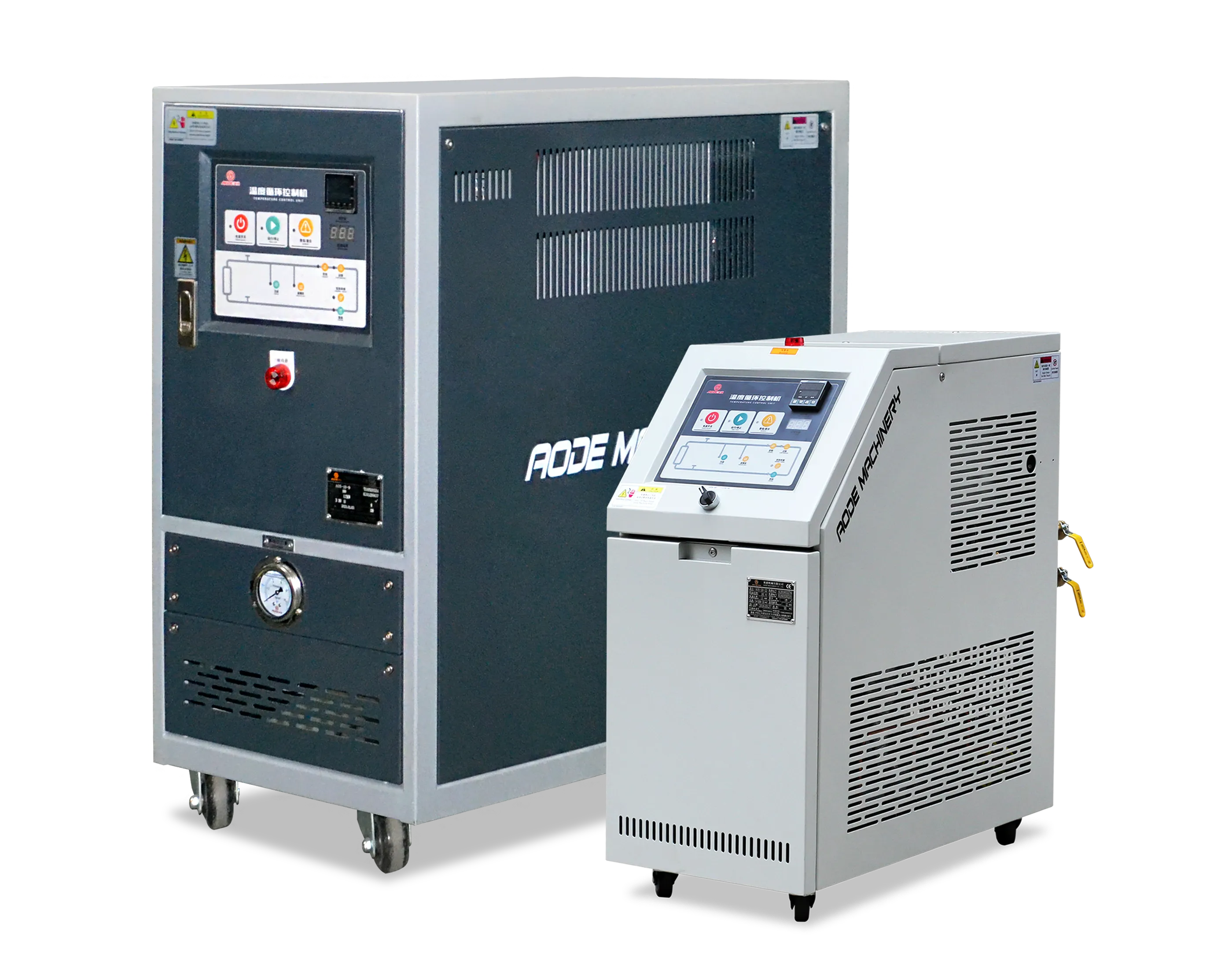
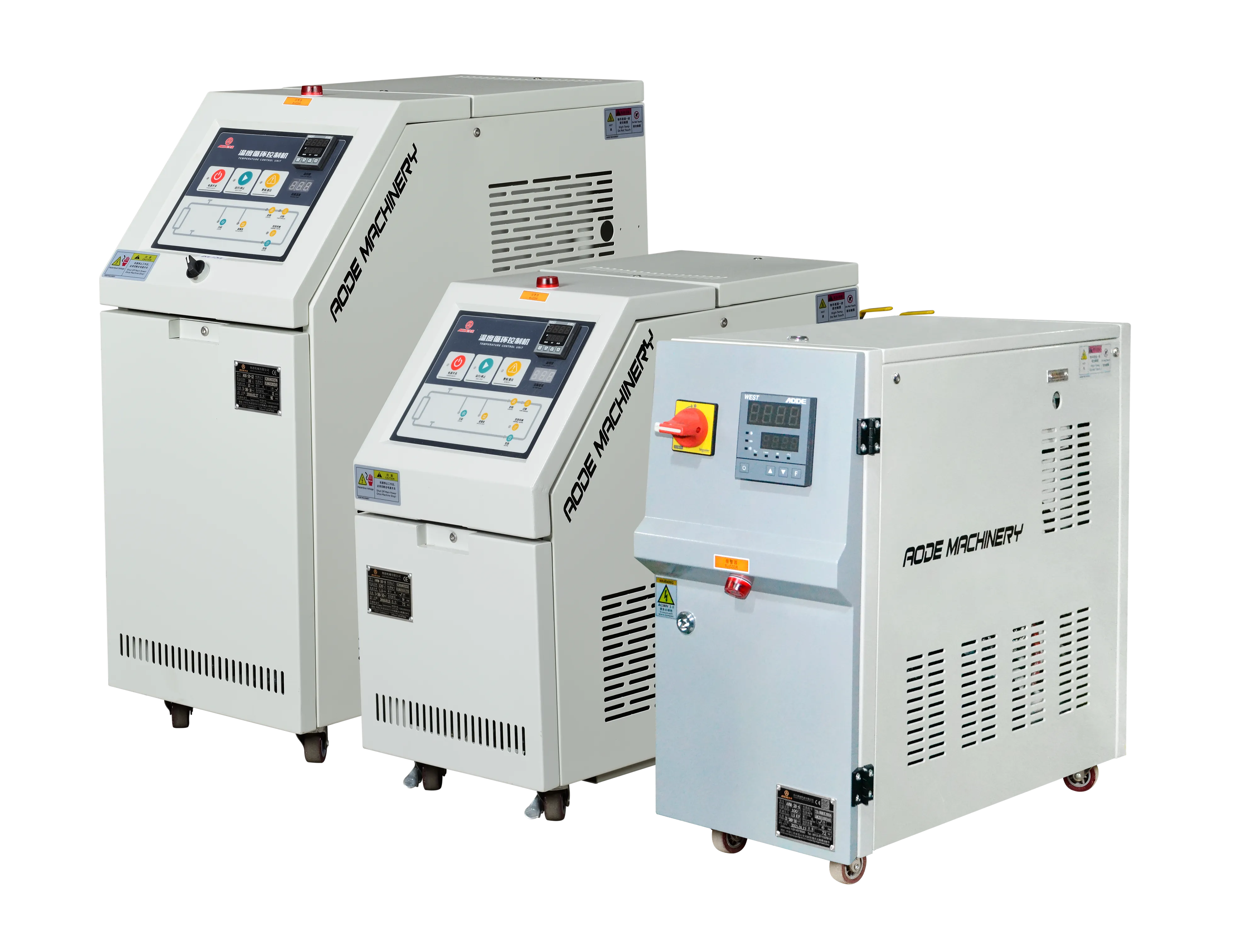
High-Head Large-Flow Water Temperature Controller
Temp Control Range: +25℃  +98℃
Key Highlights:
Maximum Operating Temperature: 98°C
Pump Flow: 267–334 L/min
Pump Head: 34–47 m
Circulation Connection: 2 inches
Heating Capacity: 72–90 kW
Custom Configurations Available
Request a Quote
How High-Head Large-Flow Water Temperature Controllers Work
Large industrial water circuits often extend well beyond the mold itself. Supply and return piping, distribution manifolds, connecting valves, and the distance between production equipment all influence the conditions under which a circulation pump operates.
The ARDN series combines higher nominal pump head ratings with large-diameter circulation connections, making its hydraulic configuration particularly relevant when integrating temperature control equipment into extensive industrial water networks.
Our two ARDN models cover different circulation and heating requirements within the same 98°C temperature rating. For manufacturers expanding production equipment or modernizing an existing hydraulic system, the high-head water temperature controller offers an additional configuration without requiring a transition to elevated-temperature pressurized water equipment.
Evaluating the full circulation network — not only the controller — helps identify whether higher pump head, larger connections, or additional heating capacity is the appropriate response to an industrial water circulation requirement.
Plan Your Industrial Water Circulation System
Submit your piping layout and circulation requirements for a system review.
Request a Quote
Large-Diameter Connections and High-Head Pump Design
The ARDN pairs 2-inch circulation connections with higher-head pump configurations and high-capacity heating for extensive industrial water circuits.
1
2-Inch Connections for Industrial Pipework
Both ARDN models feature 2-inch circulation connections for integration with suitably sized industrial piping and distribution manifolds. These connections accommodate larger pipework at the equipment interface, helping avoid unnecessary reductions in the circulation path. Actual internal pipe dimensions and connection standards remain important during installation.
2
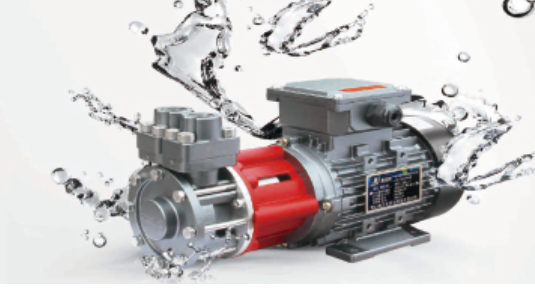
Alternative High-Head Pump Configurations
The ARDN range uses different pump motor and hydraulic configurations from the standard ARD series. Its nominal pump head ratings of 34 and 47 m extend the available equipment selection range for installations with greater circulation resistance, while maintaining substantial rated water flow.
3
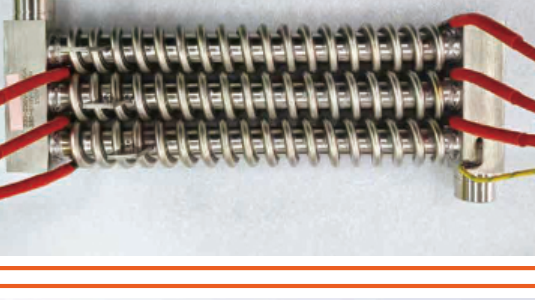
High-Capacity Heating with Direct Cooling
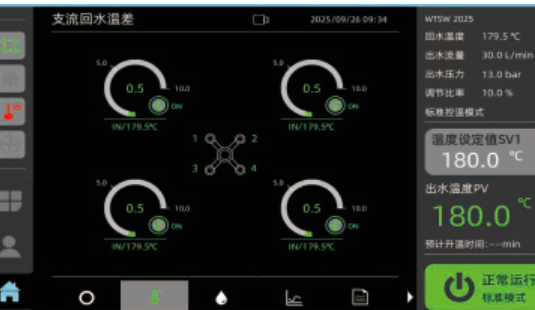
Expanding a circulation network must be accompanied by sufficient thermal capacity. The ARDN’s 72 and 90 kW heating configurations address substantial heating requirements, while PID regulation and direct cooling manage circulating water temperature as process conditions change.
4
Hydraulic and Electrical Fault Monitoring
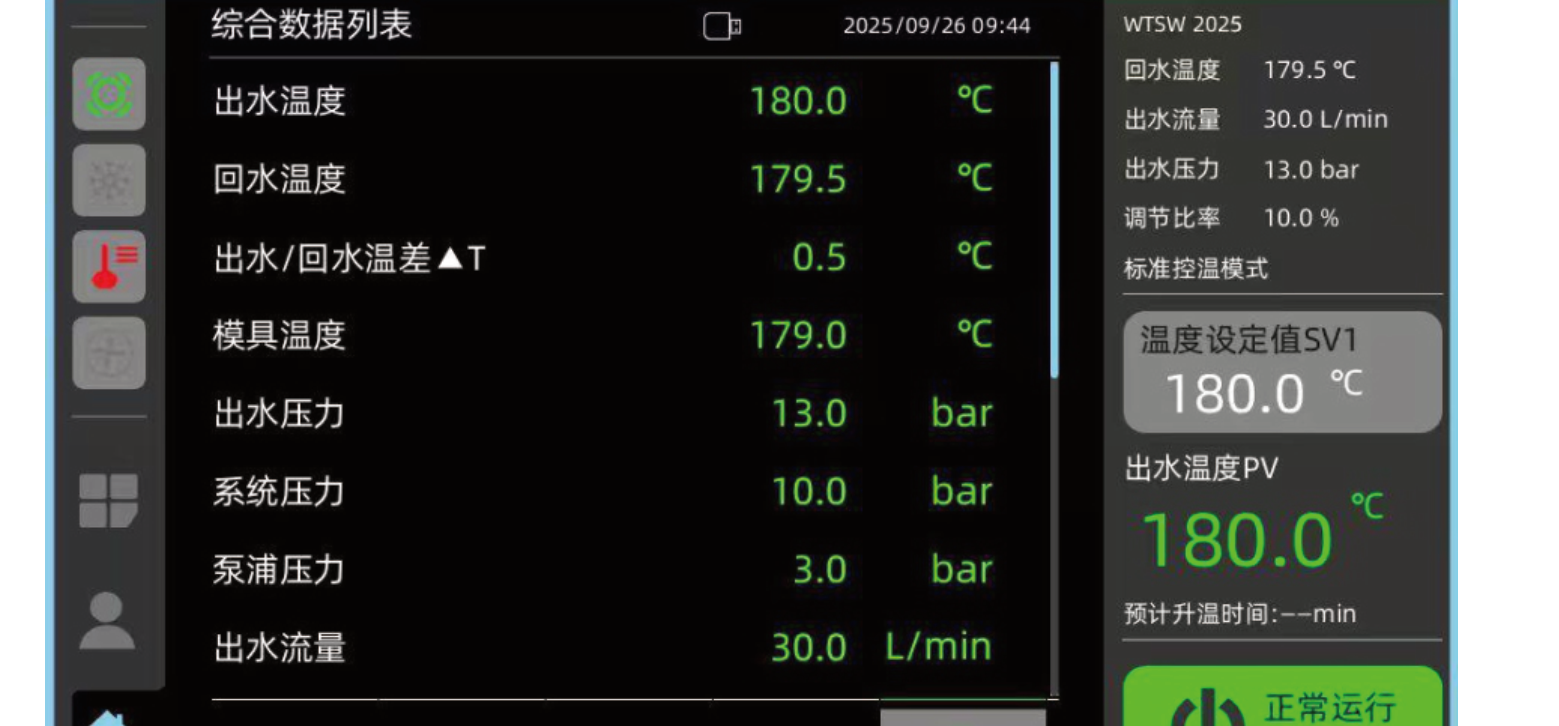
Pressure-related alarms help operators recognize abnormal hydraulic conditions during circulation. Equipment protection also covers overheating, water shortages, motor overload, and reverse pump rotation. Individual fault indications allow the reported operating problem to be identified before inspection and servicing.
Review Pump Configurations and Connection Requirements
Our engineering team can assess the hydraulic requirements of your installation.
Request a Quote
ARDN-50-72 and ARDN-75-90 Technical Specifications
Compare the hydraulic and thermal specifications of the two ARDN models, including pump head, flow, connections, and electrical requirements.
| ITEM | UNIT | ARDN-50-72 | ARDN-75-90 |
| Maximum Operating Temperature | °C | 98 | 98 |
| Temperature Control Accuracy | °C | ±1 | ±1 |
| Heating Capacity | kW | 72 | 90 |
| Pump Motor Power | kW | 3.0 | 5.5 |
| Pump Flow | L/min | 267 | 334 |
| Pump Head | m | 34 | 47 |
| Maximum Power Consumption | kW | 75 | 95.5 |
| Cooling Water Connection | inch | 3/4 | 3/4 |
| Circulation Connection | inch | 2 | 2 |
| Temperature Regulation | / | PID | |
| Heat Transfer Medium | / | Water | |
| Cooling Method | / | Direct Cooling | |
| Power Supply | / | AC 3N, 380/400 V, 50 Hz + PE | |
| Alarm Functions | / | Pump Reversal, Water Shortage, Overheating, Overload, High Pressure | |
ARDN Model Configuration Comparison
Moving from the ARDN-50-72 to the ARDN-75-90 increases rated pump head by approximately 38%, compared with a 25% increase in both published flow and heating capacity. Both models retain the same nominal circulation connection size. Compared with the ARD-50-72, the ARDN-50-72 shares the same 72 kW heating and 267 L/min flow but raises the rated pump head from 30 m to 34 m with a lower-rated pump motor.
Compare ARDN Configurations for Your Installation
Request a quotation for an ARDN-50-72 or ARDN-75-90 configuration.
Request a Quote
Is Your Circulation System Limited by the Pump or the Piping?
Before specifying a high-head temperature control unit, establish which part of the existing circulation system restricts performance. Equipment replacement, pipework modification, and hydraulic balancing address different problems.
01
01. Establish the Limitations of Your Existing Controller
Record the existing controller's pump specifications, actual working flow, and operating conditions, then compare them with the circulation requirements of the connected equipment. A controller with sufficient heating may need a different hydraulic configuration rather than more heater capacity—a distinction that matters when moving from ARD to ARDN equipment.
02
02. Identify Restrictions Outside the Mold
External hoses, reduction fittings, valves, and manifolds can restrict circulation before water reaches the tooling—limitations that equipment replacement alone may not resolve. For example, at 267 L/min, increasing the actual internal pipe diameter from 40 mm to 50 mm lowers calculated average velocity from 3.54 m/s to 2.27 m/s (about 36%); a nominal 2-inch connection does not guarantee a 50 mm internal diameter, and this example does not represent measured ARDN performance.
03
03. Evaluate the Benefits of an ARDN Upgrade
After removing unnecessary restrictions, assess whether the existing pump configuration can meet the required hydraulic performance. The ARDN-50-72 suits cases where the current 72 kW heating capacity remains sufficient but a different pump is needed; where greater thermal and circulation capacity is required, evaluate the ARDN-75-90 against the applicable pump curve and measured system conditions.
04
04. Confirm Compatibility with the Existing Installation
Equipment upgrades can affect electrical capacity, connection arrangements, cooling water demand, and connected components' operating conditions, so review the temperature and pressure ratings of existing hoses, valves, manifolds, and tooling before changing the circulation configuration. Note that the ARDN-75-90 has a higher specified maximum power consumption, which must be factored into electrical integration planning.
An effective circulation upgrade begins with identifying the actual system limitation. Existing equipment specifications, measured water flow, piping dimensions, and hydraulic drawings allow us to evaluate whether an ARDN configuration or a modification to the connected circuit is more appropriate.
High-Head Temperature Control for Large Industrial Circuits
The ARDN series supports industrial installations where supply and return piping, manifolds, and remote equipment create substantial circulation resistance.
Large Automotive Interior Component Molds
Large Multi-Cavity Mold Manifolds
Industrial Compression Molding Tooling
Large-Area Industrial Heating Plates
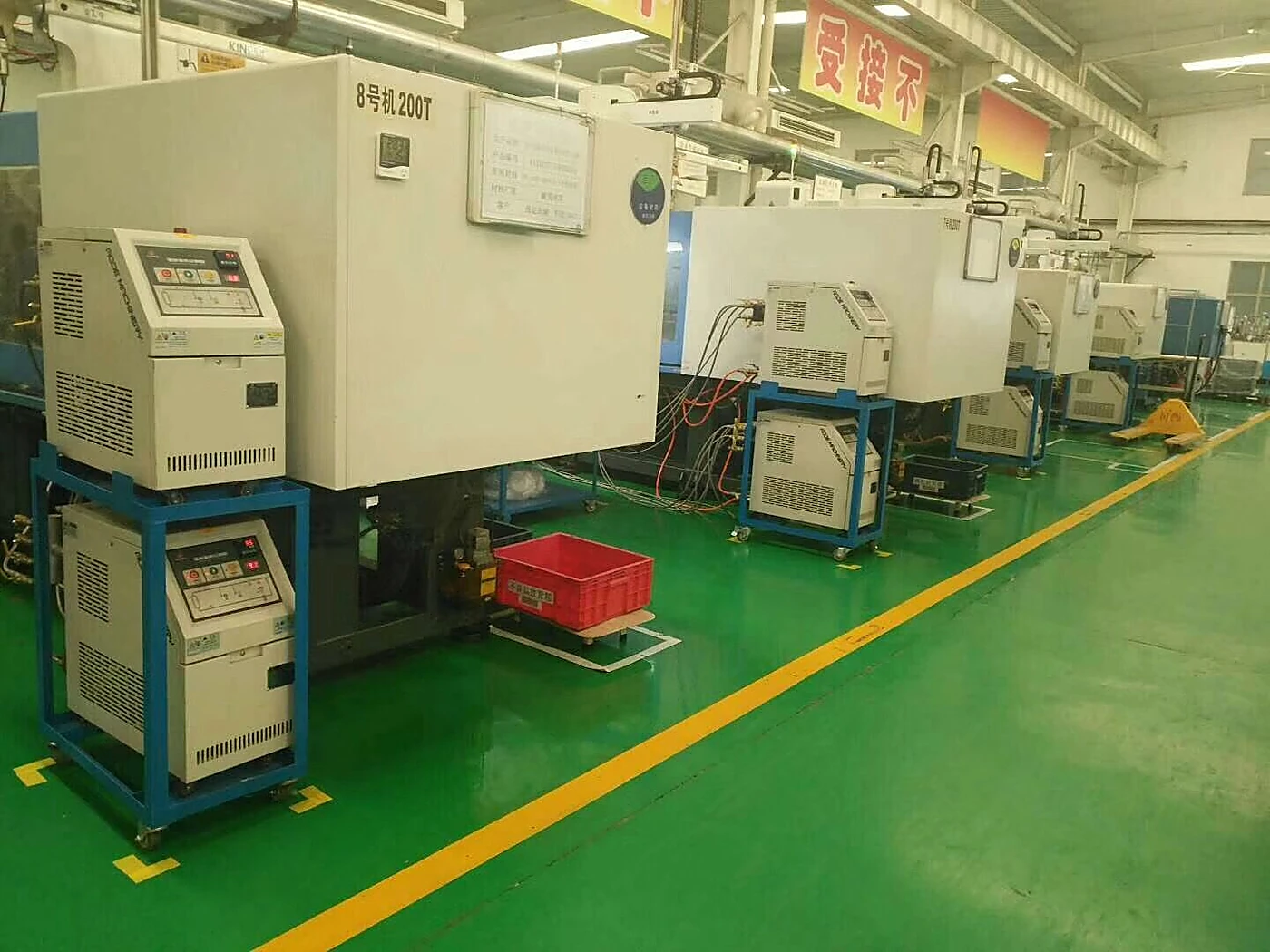
Instrument panels and door panels require extensive forming tools that may incorporate several internal water circuits. When temperature control equipment is positioned away from the molding machine, the length and arrangement of supply and return piping become important hydraulic considerations. ARDN equipment can be considered for installations requiring greater available pump head and substantial circulation capacity.
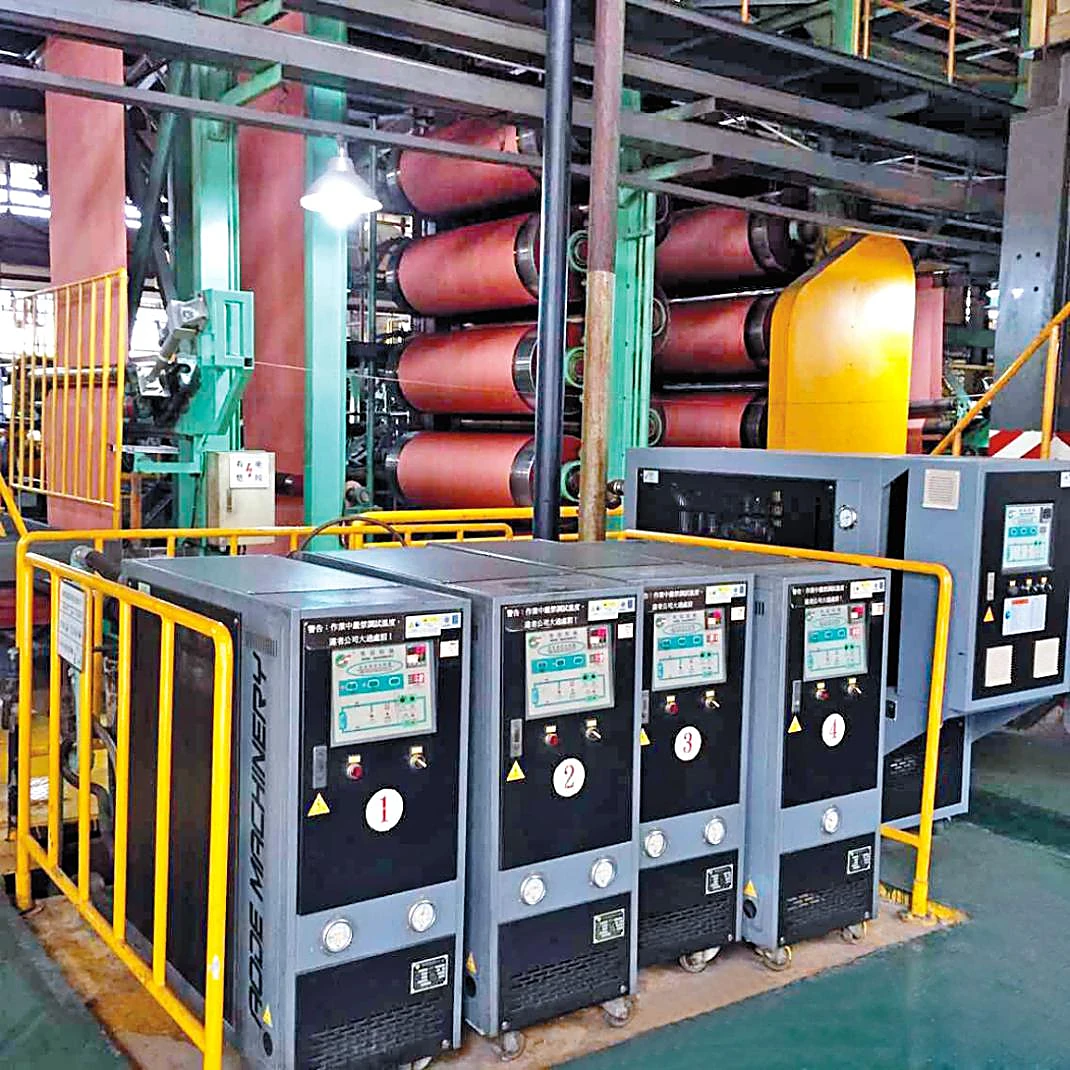
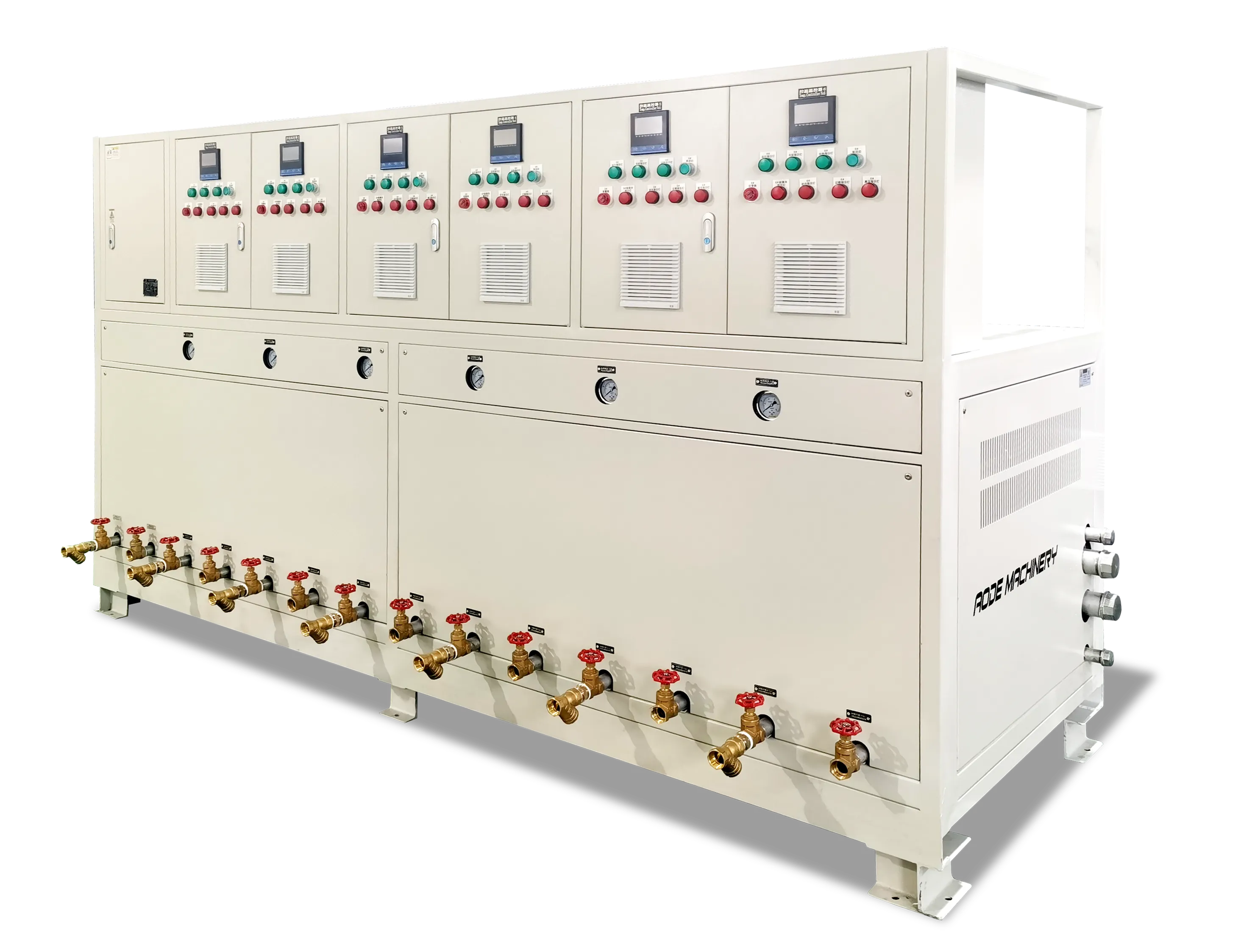
A central distribution manifold must supply water to several cavity groups without introducing unnecessary restrictions at its main connections. A high-flow mold temperature controller can be integrated into suitably designed manifold systems where substantial overall flow and differential pressure are required. Individual branch balancing remains necessary to achieve the intended water distribution.
Large compression molding dies may incorporate extended liquid circulation passages within thick forming structures. Water must travel through both the internal tooling passages and the external pipework serving the mold. For compression molding processes compatible with the ARDN temperature range, equipment selection should account for the combined hydraulic resistance of these circulation paths.
Water-controlled heating plates transfer thermal energy across broad working surfaces. Connecting several compatible plates to a shared circulation network can increase the overall hydraulic and thermal demand. The ARDN series provides equipment configurations for consideration where centralized heating and circulation must accommodate these connected loads.

Custom High-Head Water Temperature Control Systems
An existing piping network can impose fixed connection sizes, installation constraints, and hydraulic requirements. At AODE, we review these conditions together with heating duty and circulation performance when developing a custom high-head water temperature controller for new machinery or existing industrial installations.
Request a Custom Solution →
Related Water Temperature Control Equipment
Explore related water temperature controllers for different flow, head, and circulation requirements.
FAQ
What information is required for an ARDN replacement or upgrade quotation?
Include the existing controller model, required operating temperature, measured or target water flow, piping dimensions, electrical supply, and identified hydraulic limitations. Installation drawings are particularly useful for replacement projects. Our team can review these details and confirm available technical specifications, pricing, minimum order requirements, and delivery arrangements.
Can AODE customize pump configurations and circulation connections?
Non-standard pump and connection requirements can be submitted for engineering evaluation. We assess the existing piping layout, required circulation performance, connection specifications, and operating conditions to determine whether a customized equipment configuration is technically feasible.
Can the ARDN supply several industrial circulation branches?
Yes, provided the connected branches are compatible with the controller's thermal and hydraulic capabilities. A suitable distribution manifold and individual branch balancing are necessary to achieve the required water distribution. A shared circulation system does not automatically provide independent temperature regulation for each branch.
Does the ARDN-50-72 consume less energy than the ARD-50-72?
The ARDN-50-72 has a lower-rated pump motor and a slightly lower specified maximum power consumption. However, these ratings do not establish actual energy savings. Electrical consumption depends on pump efficiency, operating flow, head, heater duty, and production conditions.
What causes high-pressure alarms in large-flow temperature control systems?
Possible causes include closed valves, obstructed passages, excessive hydraulic resistance, and abnormal operating conditions. Follow the equipment's prescribed shutdown procedure when a high-pressure alarm occurs. Qualified personnel should investigate the affected circuit before operation resumes.
Why does water flow remain low after upgrading the circulation pump?
The limitation may originate from blocked channels, undersized hoses, restrictive valves, an unsuitable manifold, or excessive overall circuit resistance. Increasing pump capacity without addressing these conditions may not produce the expected circulation improvement. Measuring flow and differential pressure can help locate the underlying restriction.
Can the ARDN be connected to existing smaller-diameter piping?
Suitable adapters may allow connection to smaller pipework, subject to connection compatibility and operating requirements. However, a reduction in pipe diameter can introduce additional hydraulic resistance and limit working flow. The suitability of retaining existing piping should be assessed before installation.
What is the difference between ARD and ARDN temperature controllers?
The ARD series offers a wider selection of heating capacities for large-mold temperature control. ARDN equipment extends the available hydraulic capacity through higher pump head ratings and 2-inch circulation connections. Both series operate at temperatures up to 98°C, but their equipment configurations address different thermal and circulation requirements.