

fajsdfjash ddsa dsa as sa sad sda sadfjsadjfl jsadjk fjasdlkfjaskdfdklsaj klf
jsadj
asjdklj falsdjf
jaklj
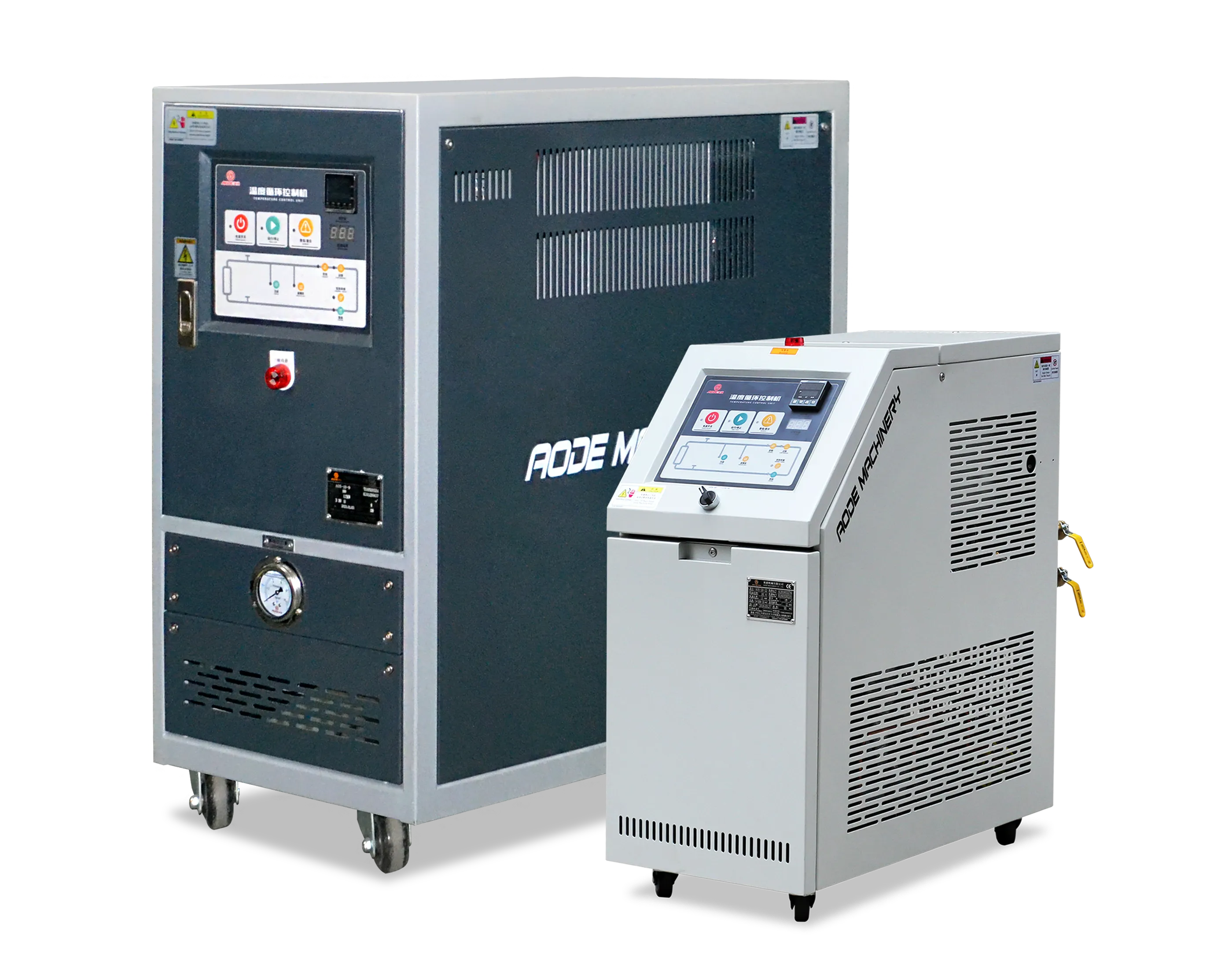
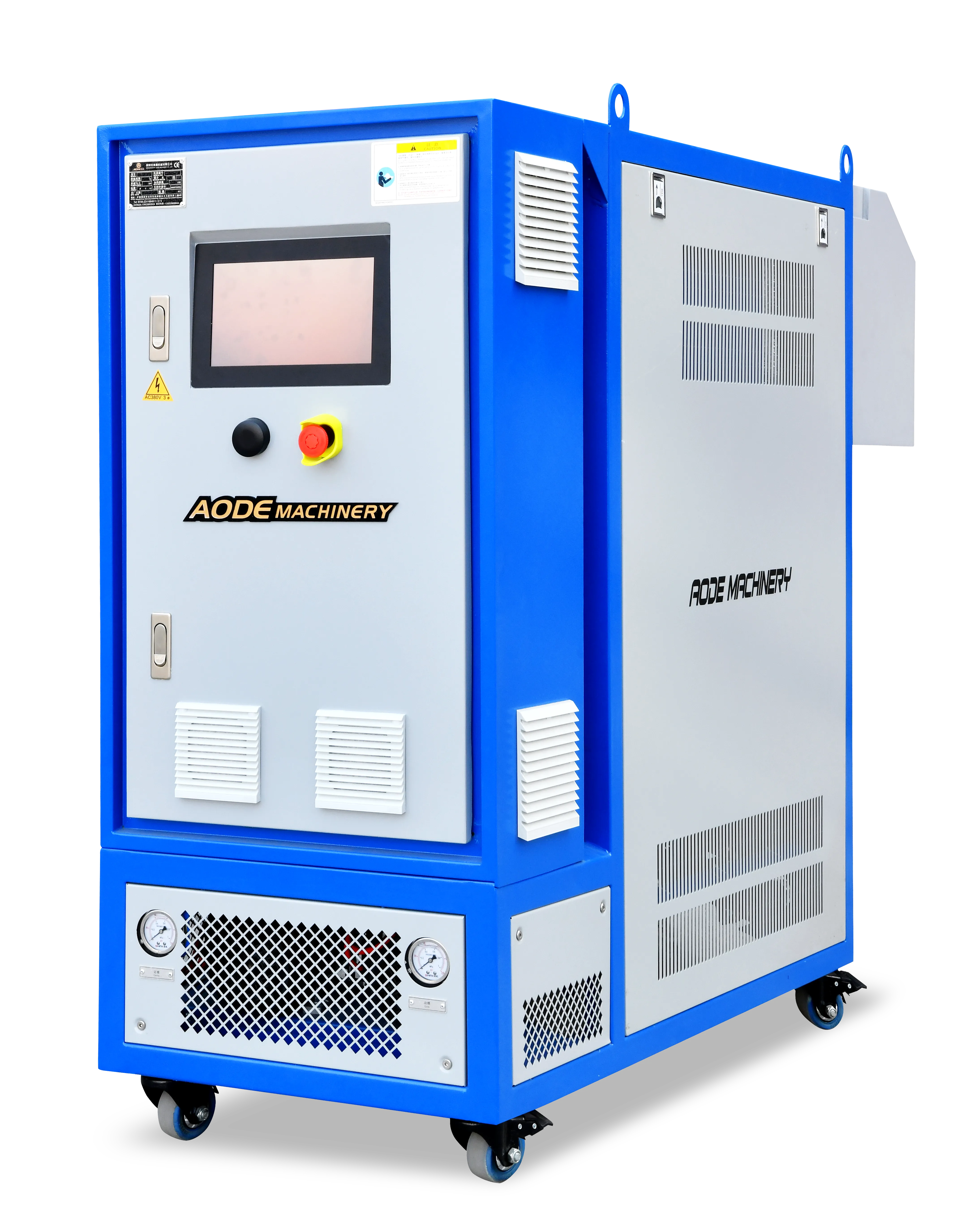
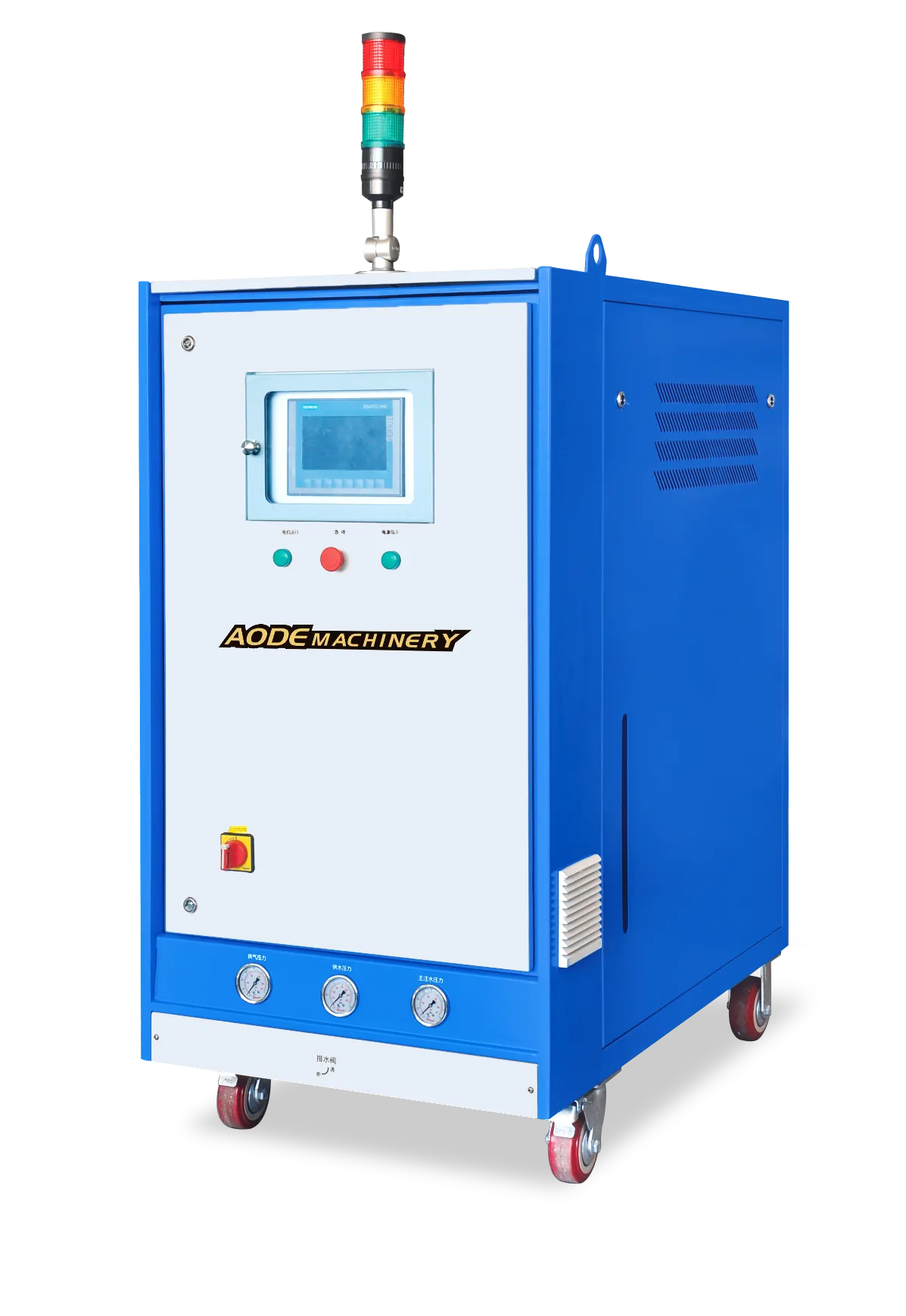
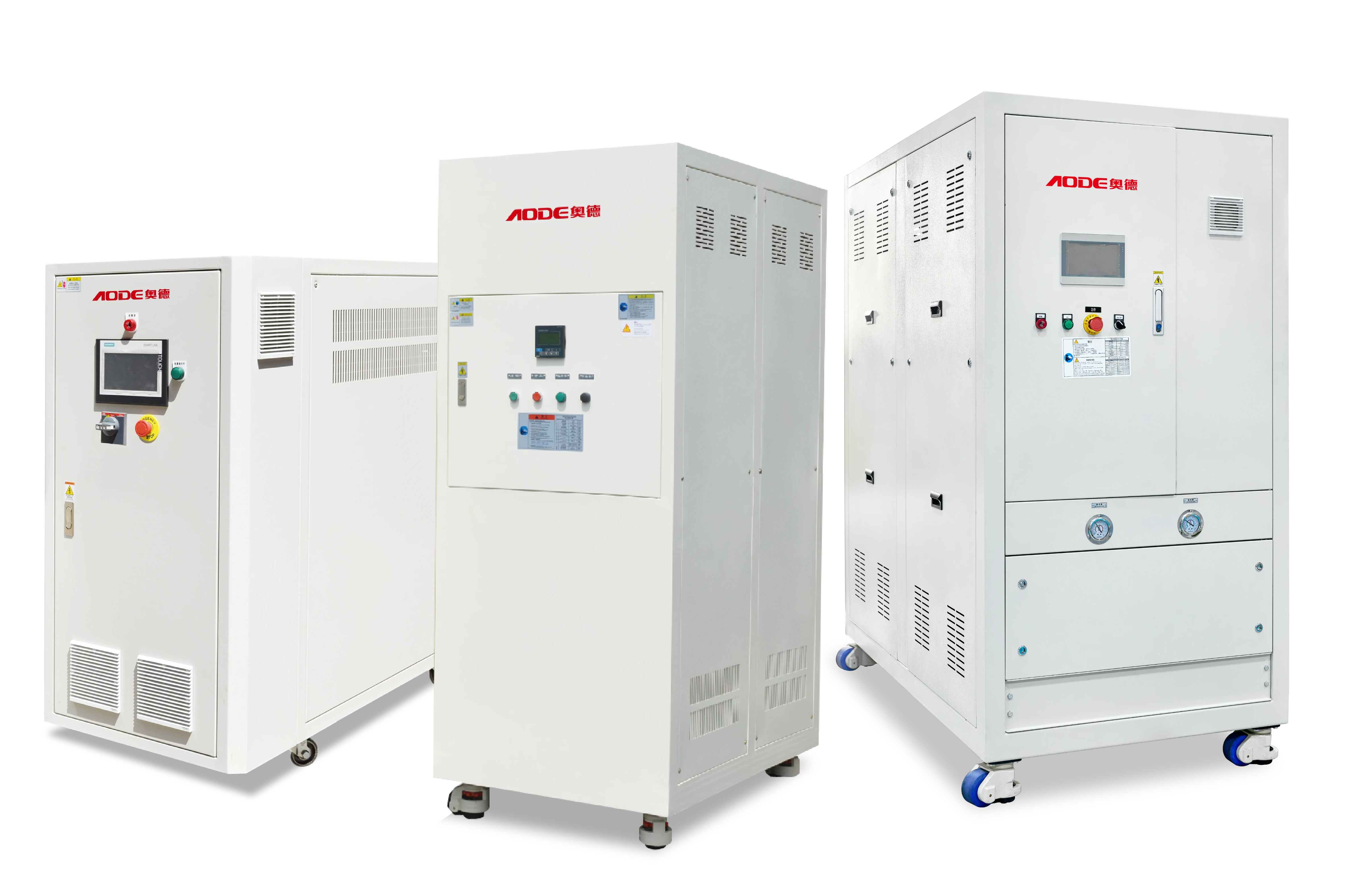
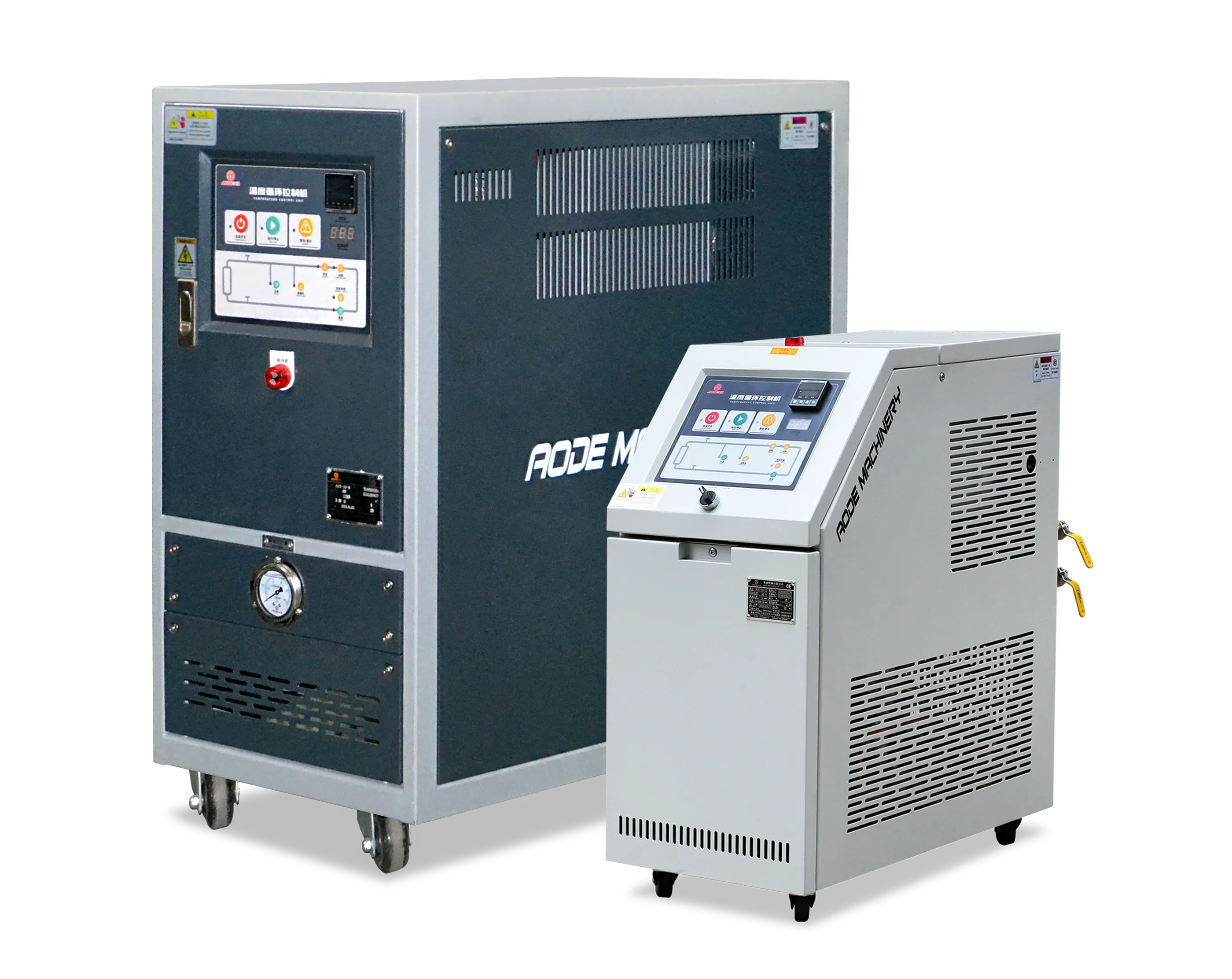
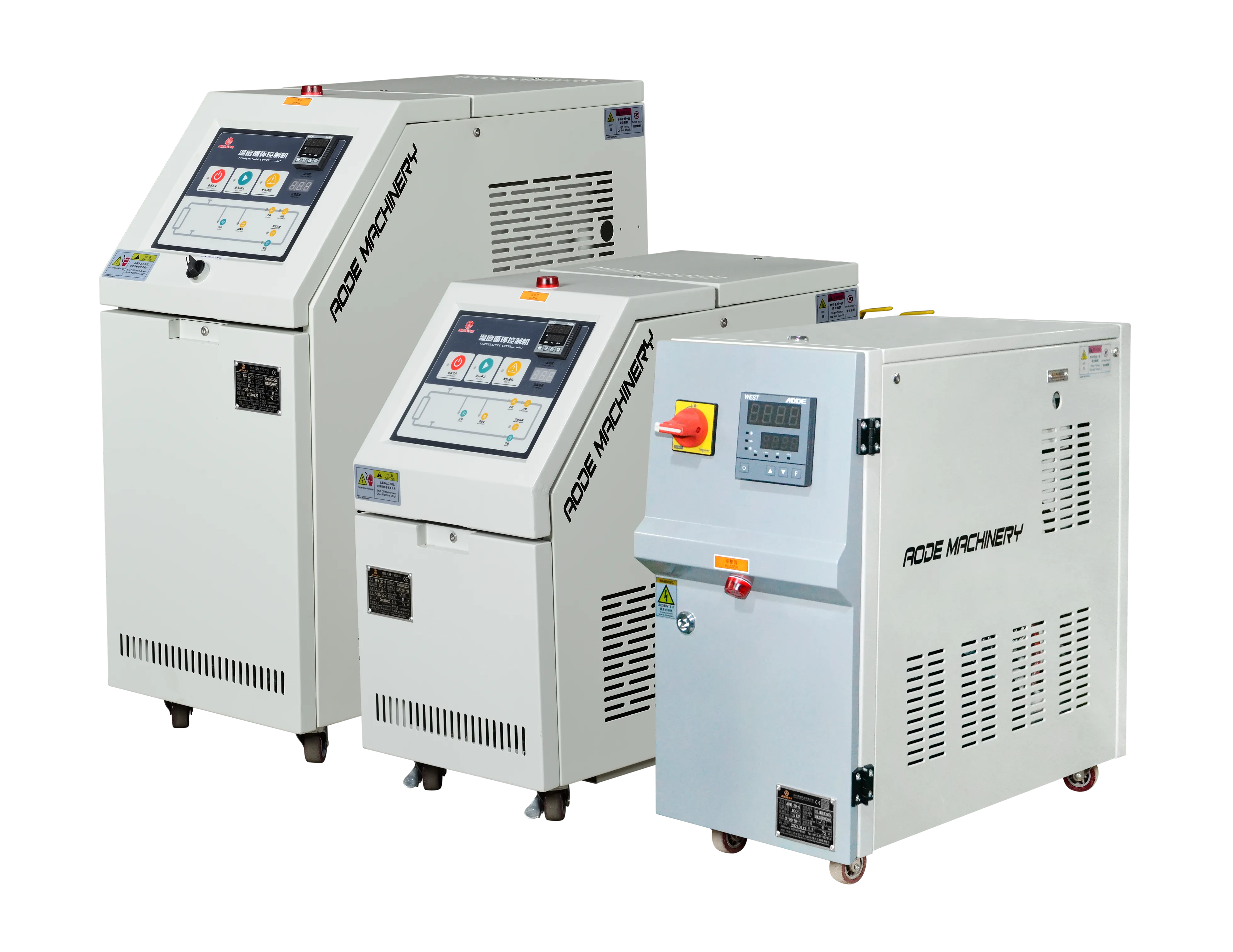
150°C High Temperature Water Temperature Controller
Temp Control Range: +25℃  +150℃
Key Highlights:
Maximum Operating Temperature: 150°C
Temperature Control Accuracy: ±1°C
Heating Capacity: 9 / 12 kW
Pump Head: 60 m
Custom Configurations Available
Request a Quote
How High-Temperature Water Temperature Controllers Work
Pressurized water circulation extends the usable temperature range of water-based heating beyond that of conventional water controllers.
Reaching a higher mold temperature does not always mean changing the heat transfer medium. If your tooling is designed for pressurized water circulation, the AEWH series extends the usable temperature range of water-based heating beyond that of conventional water controllers.
Retaining water may allow manufacturers to avoid converting compatible equipment to a thermal oil system. This option is particularly relevant when upgrading existing production machinery with suitable liquid circulation passages. However, the temperature and pressure limits of the connected equipment must be evaluated before increasing its operating temperature.
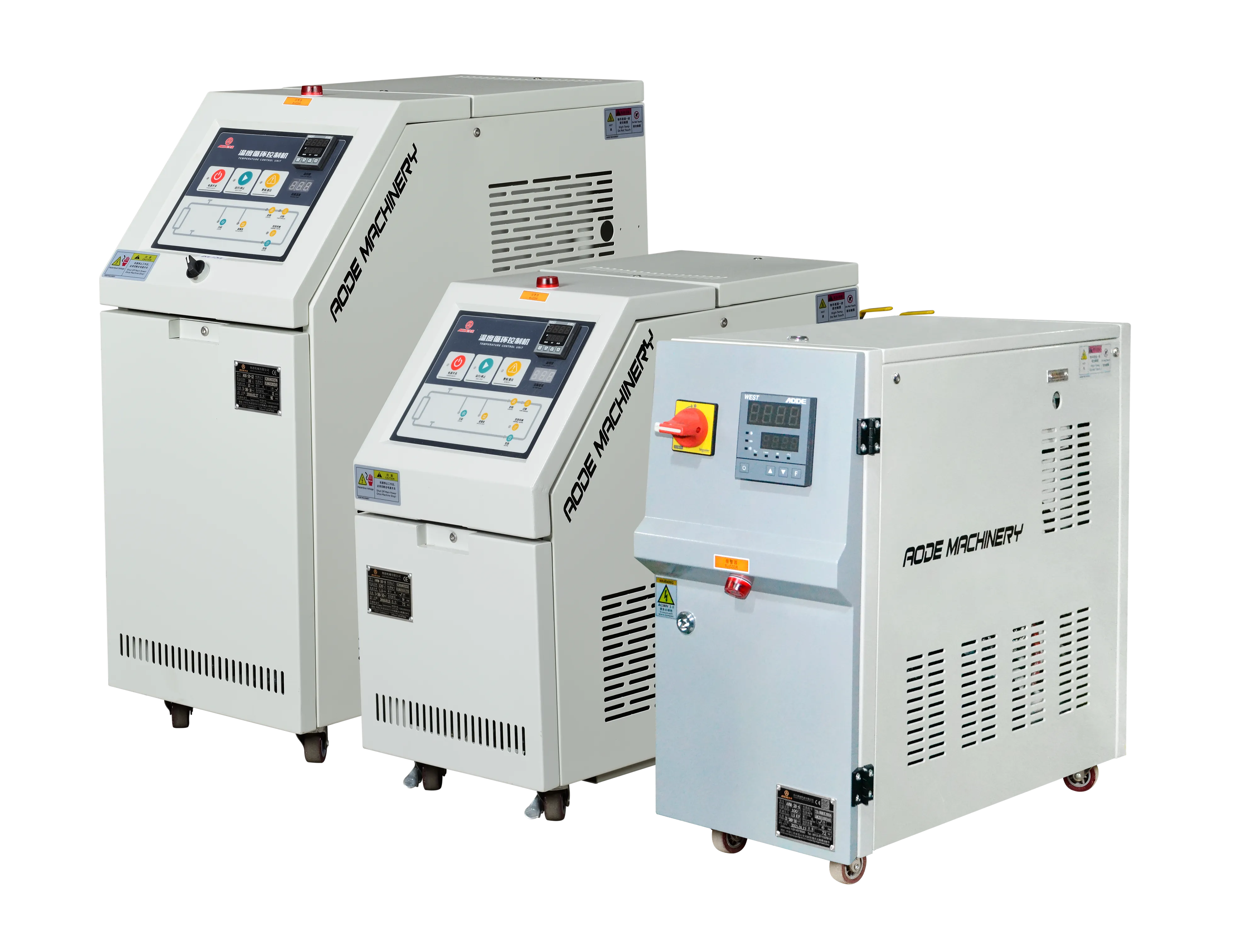
We offer two AEWH configurations with different heating outputs, pump capacities, and circulation connections. Both models operate within the same temperature grade, allowing equipment selection to focus on the actual thermal and hydraulic requirements of your process.
Increase Your Process Temperature Without Changing the Heat Transfer Medium
Explore AEWH configurations suited to your pressurized water process.
Request a Quote
Pressurized Water Heating and Indirect Cooling
The AEWH series combines pressurized hot-water circulation, indirect cooling, and configurable heating control within a defined 150°C operating limit.
1
Water Circulation Above 100°C
At atmospheric pressure, water boils at approximately 100°C. Operating at higher temperatures requires sufficient system pressure to prevent boiling. The AEWH hydraulic system is designed for pressurized hot water circulation within its specified 150°C operating limit.
2
Heat Removal Without Mixing Water Circuits
Excess process heat passes through a heat exchanger to the external cooling water. Keeping the two water streams separate avoids introducing cooling water directly into the hot process circuit and allows each circuit to operate under its respective conditions.
3
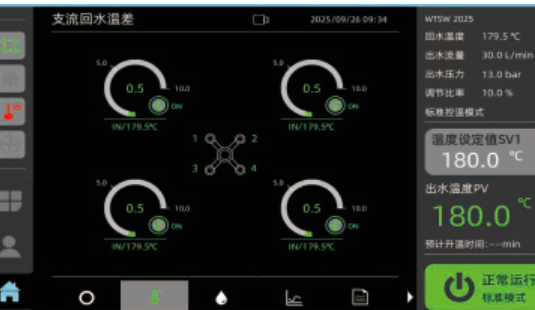
Configurable Heating Control
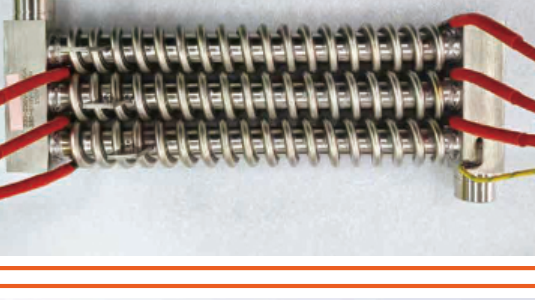
Thermal demand changes between equipment startup and continuous production. PID regulation responds to temperature feedback, while contactor, solid-state relay (SSR), and silicon-controlled rectifier (SCR) heating control arrangements can be evaluated according to the required equipment configuration.
4
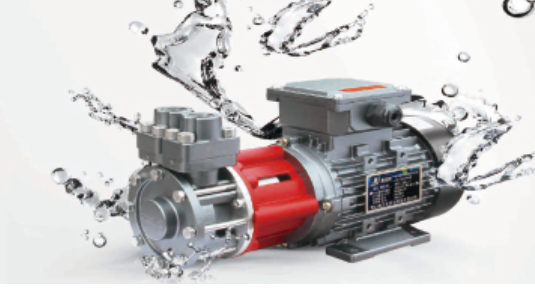
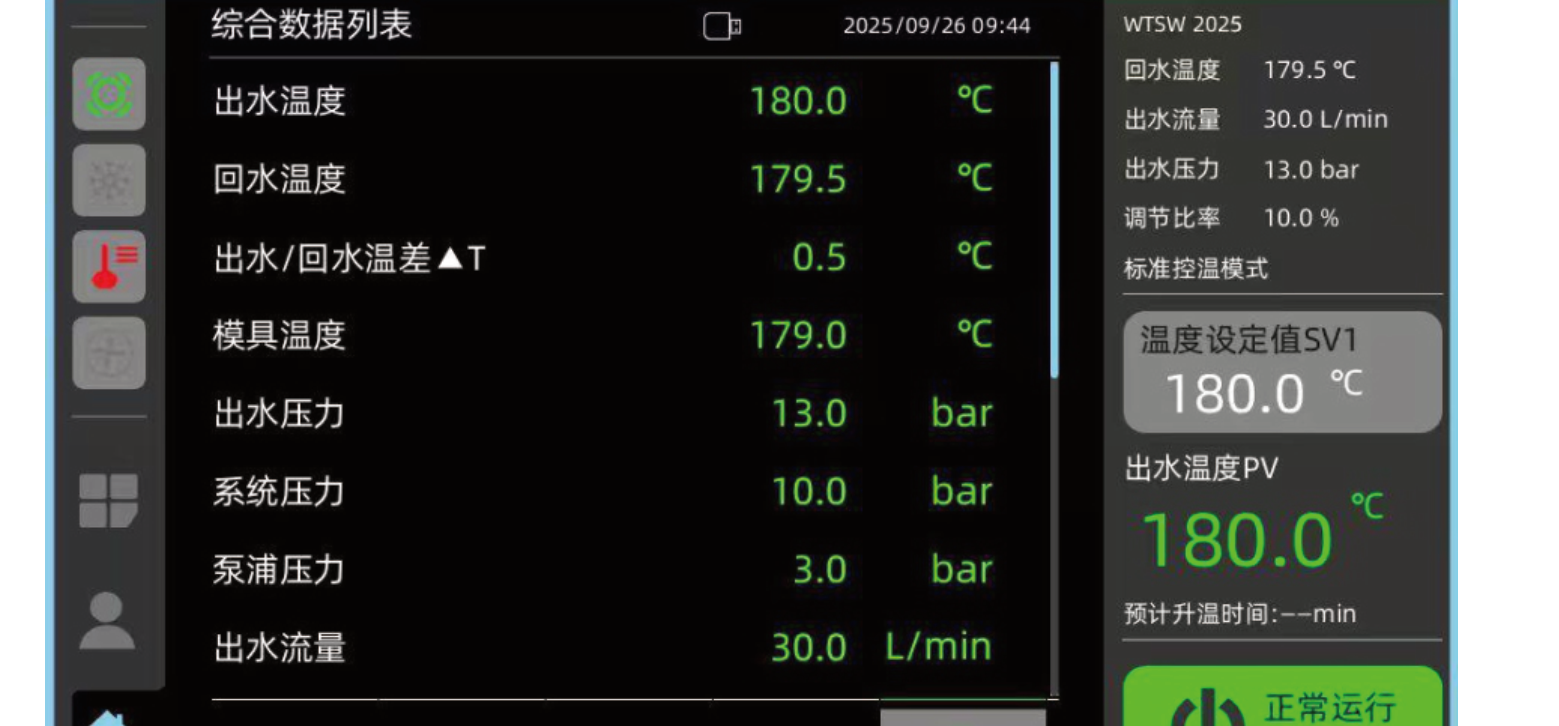
60 m Head Circulation Pump
Adequate heater output cannot compensate for insufficient water circulation through restrictive tooling. Both AEWH models specify a nominal pump head of 60 m, with different flow ratings to accommodate varying hydraulic requirements. Actual working flow depends on the resistance of the connected circuit.
Review Your High-Temperature Water Circuit
Our engineering team can review your pressurized water circuit requirements.
Request a Quote
AEWH-10 and AEWH-20 Technical Specifications
Compare heating output, circulation performance, and connection specifications of the two AEWH models to identify a suitable configuration.
| ITEM | UNIT | AEWH-10 | AEWH-20 |
| Temp control range | ℃ | Inlet water temperature +25℃~150℃ | |
| Temp control accuracy | ℃ | PID±1℃ | |
| Power supply | / | AC 3N-380/400V-50HZ | |
| Heat transfer medium | / | Water | |
| Cooling method | / | Indirect cooling | |
| Heating capacity | KW | 9 | 12 |
| Motor power | KW | 0.75 | 1.5 |
| Pump flow | L/min | 40 | 60 |
| Pump head | m | 60 | 60 |
| Max.power consumption | KW | 9.75 | 13.5 |
| Alarm function | / | Pump reversal/Water shortage/Overload/Abnormal heating | |
| Cooling water pipe | inch | 1/2 | 1/2 |
| Circulating water pipe | inch | 3/8*2 | 1 |
| Size(L×W×H) | mm | 700*360*780 | 700*360*780 |
Selecting Between AEWH-10 and AEWH-20
The AEWH-20 offers approximately 33% more rated heating capacity and 50% greater published pump flow than the AEWH-10. Consider the AEWH-10 when the process has lower heating and circulation demands and is compatible with the 3/8-inch connection arrangement. The AEWH-20 suits equipment with higher thermal and hydraulic demands and a 1-inch circulation connection. Both models retain the same temperature rating and control accuracy, so the choice depends on process demand rather than a need for higher temperature precision.
Compare AEWH Model Configurations and Pricing
Request a quotation for the AEWH-10 or AEWH-20 configuration.
Request a Quote
What to Consider Before Selecting a 150°C Water Temperature Controller
A 150°C water temperature controller must be compatible with the entire hot water circuit, not just the required process temperature. Before selecting an AEWH model, consider the following four engineering requirements.
01
01. Suitability of Water as the Heat Transfer Medium
Begin with the operating temperature specified for your material or manufacturing process. Water remains an option when the required temperature falls within the controller's rated operating range and the connected equipment is designed for pressurized operation. For higher temperatures or incompatible tooling, a thermal oil system may be more appropriate.
02
02. Temperature and Pressure Limits of the Connected System
Upgrading from a conventional water controller to a high-temperature unit may require more than replacing the machine itself. Inspect the operating ratings of mold passages, hoses, valves, fittings, and seals. Every connected component must be suitable for the intended temperature and pressure conditions.
03
03. Balance Heating Demand with Circulation Performance
The heater must supply enough energy to bring the equipment to its working temperature and compensate for ongoing heat losses. At the same time, the pump must deliver sufficient working flow through the connected water passages. Evaluate both requirements before choosing between the AEWH-10 and AEWH-20.
04
04. Heat Exchanger and Cooling Water Conditions
Consider how much excess heat must be removed during normal production. Cooling water temperature, available flow, and heat exchanger performance influence the system's ability to maintain the setpoint when the process generates additional heat. Adequate heating capacity alone does not guarantee effective temperature regulation.
To evaluate the AEWH series, we recommend providing your process temperature, equipment connection details, thermal load, and available cooling water conditions. These details help establish whether a standard model meets the requirements of your installation.
Industrial Applications of 150°C Water Temperature Control
The extended operating temperature of the AEWH series makes it relevant to manufacturing equipment that requires controlled hot water circulation for localized heating, sustained thermal regulation, or continuous heat transfer.
Engineering Plastic Injection Molding
Extrusion Die Heating
Heated Processing Rolls
Industrial Tooling and Heated Fixtures
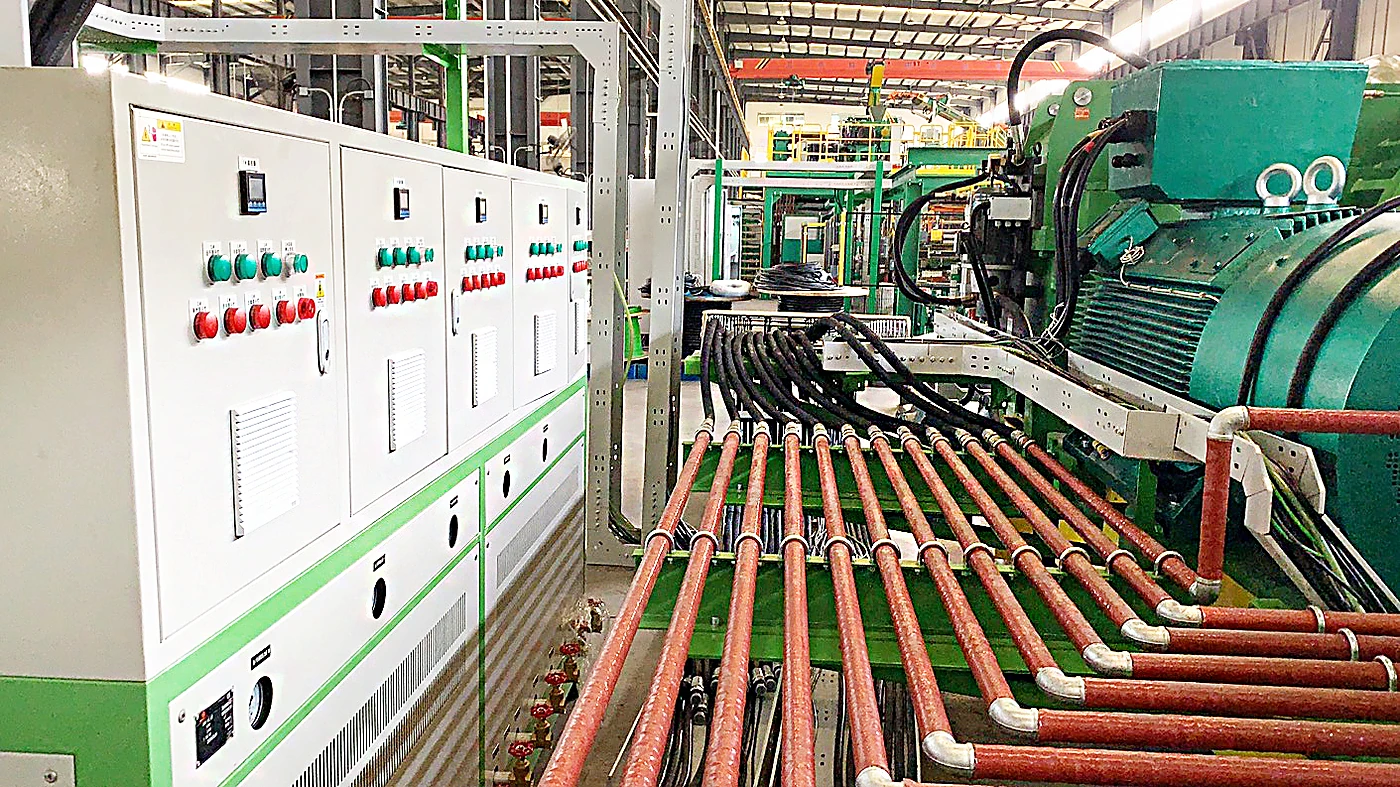
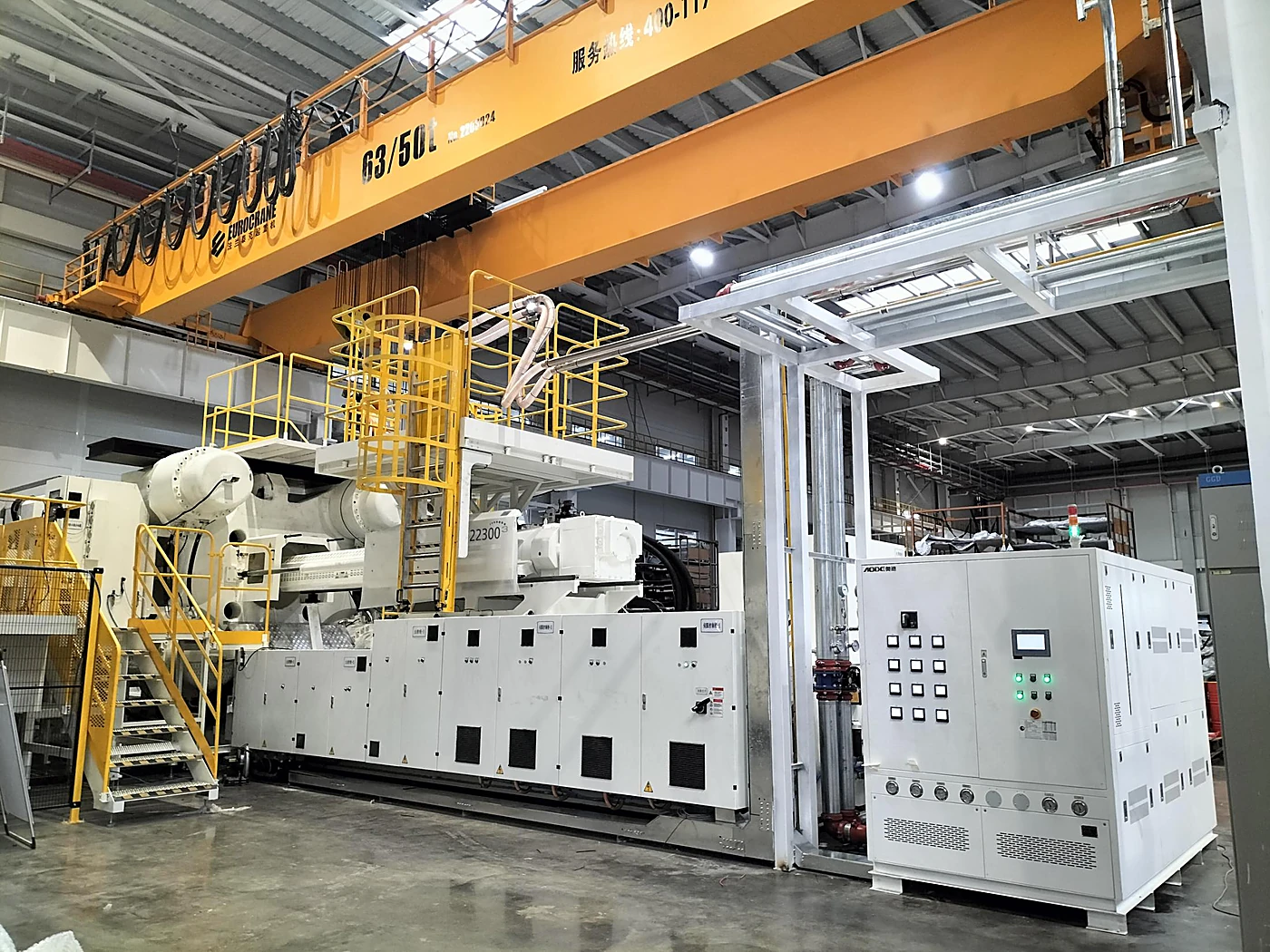
Some engineering polymers require mold temperatures beyond the operating range of conventional water controllers. Where the recommended processing temperature falls within the AEWH temperature range, pressurized water provides a heating option for suitably rated molds.
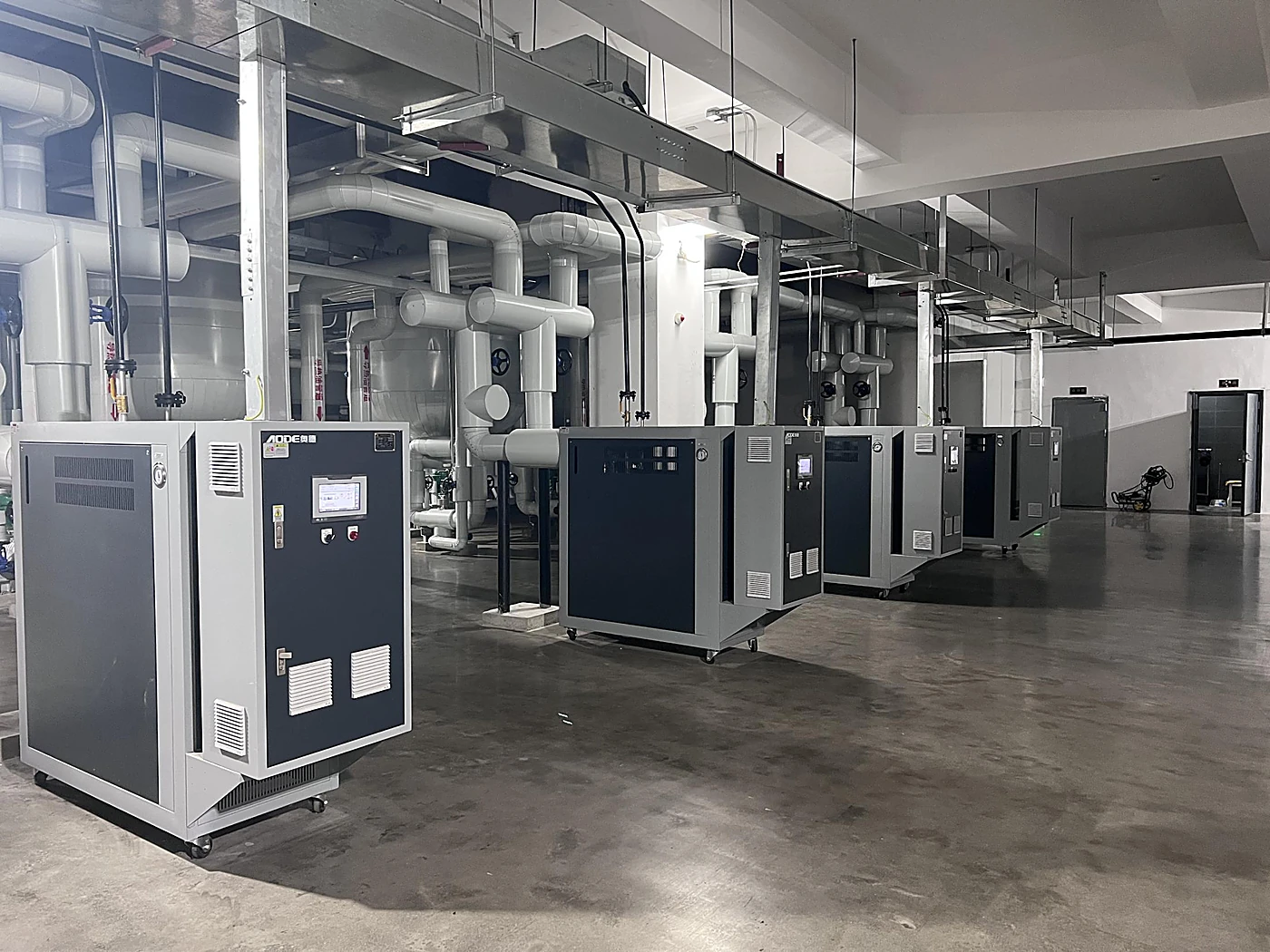
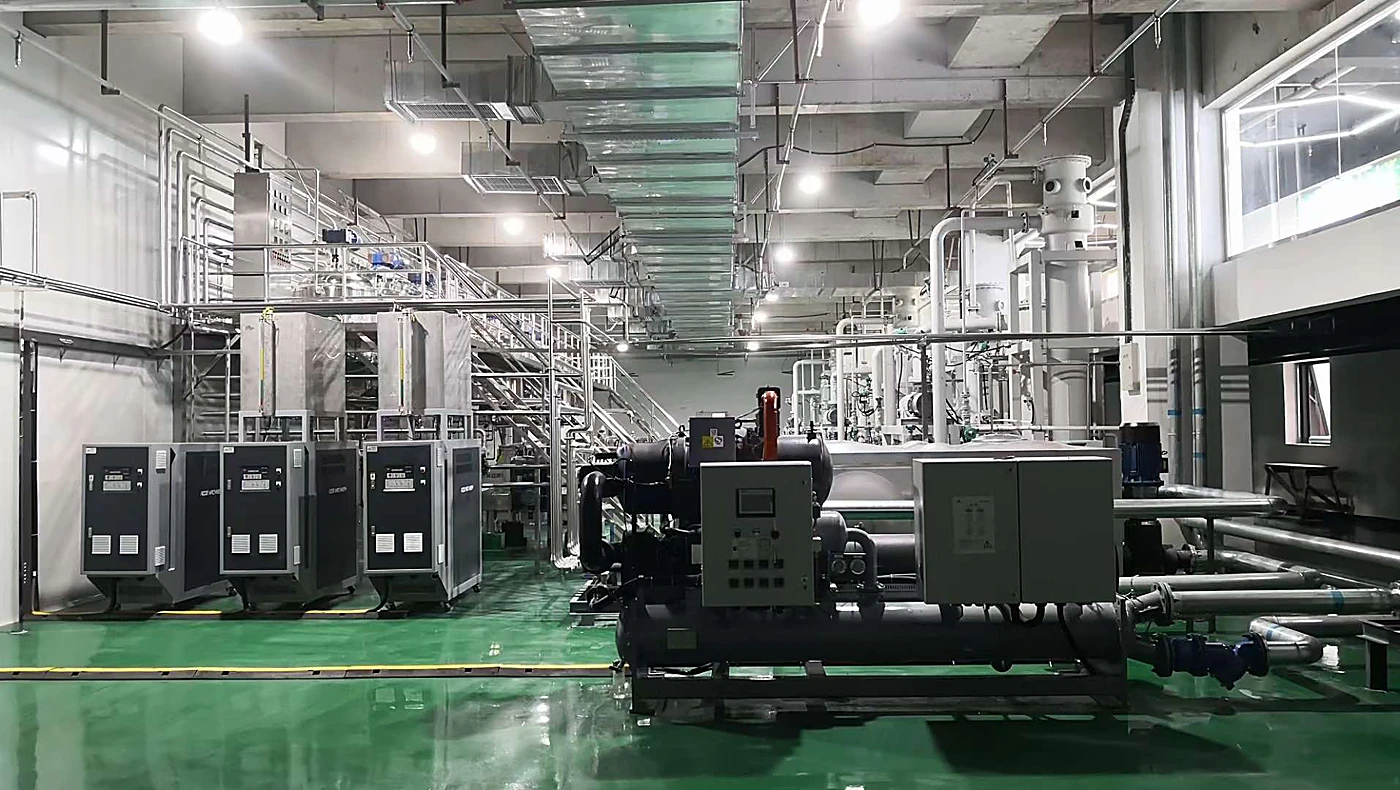
A liquid-heated extrusion die must compensate for heat losses through exposed surfaces and connected equipment. The AEWH can supply controlled hot water to compatible internal passages without replacing the extruder's electrical barrel heating functions.
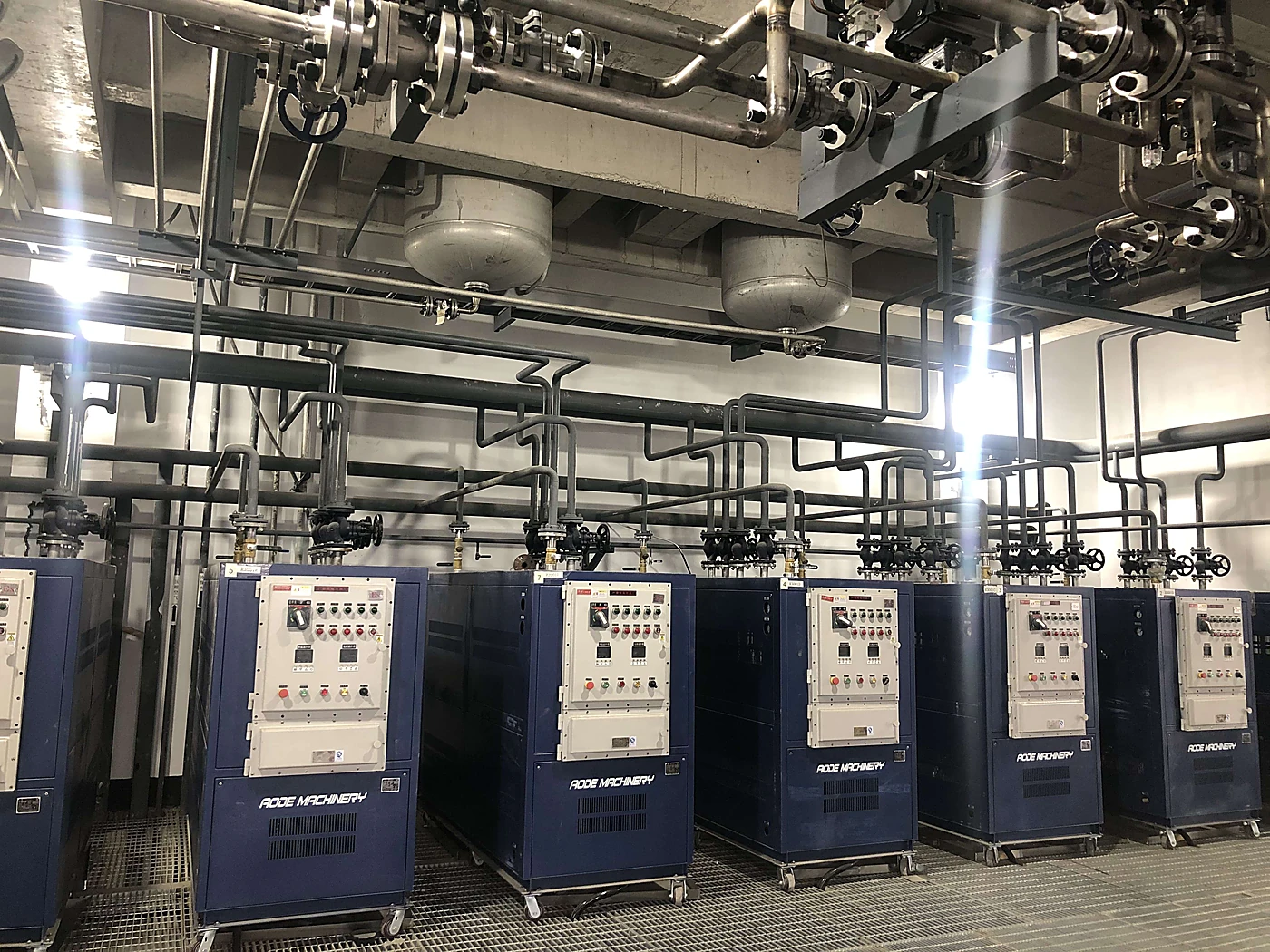
Heat passes between the roll surface and the material throughout continuous sheet and film production. Water circulation inside suitably rated rolls provides a means of managing this thermal exchange according to the required surface temperature.
Heated plates and assembly fixtures may need to remain at their working temperature for extended production periods. The AEWH can be evaluated for tooling equipped with internal water passages where sustained heating and controlled heat removal are required.
Custom High Temperature Water TCU
Designing a pressurized water system involves more than changing heater or pump capacity. AODE develops custom high temperature water TCUs by evaluating operating temperature, hydraulic conditions, connection arrangements, and heat exchange demand as part of the equipment design.
Request a Custom Solution →
Alternative Heat Transfer and Temperature Control Solutions
Explore related water temperature controllers and alternative heat transfer equipment for different operating temperatures and process requirements.
FAQ
How can I obtain AEWH pricing, technical documentation, and delivery information?
Send us your required operating temperature, preferred model, purchase quantity, electrical specifications, and delivery destination. AODE can provide available technical documentation, equipment recommendations, and quotations, including applicable minimum order requirements, production lead time, and shipping arrangements.
Can AODE manufacture a high temperature water TCU with non-standard specifications?
Yes. We evaluate non-standard requirements involving heating capacity, pump performance, control components, and installation connections. For pressurized hot water applications, the proposed configuration must also satisfy the applicable temperature, hydraulic, and equipment protection requirements.
When should I choose AEWT instead of AEWH?
Consider the AEWT series when the required operating temperature exceeds 150°C or the hydraulic demand falls beyond the available AEWH pump configurations. AEWT models extend the temperature rating to 180°C and offer a nominal pump head of 120 m. Actual model selection should be based on the required thermal load and pump operating point.
How does water quality affect an indirect cooling temperature controller?
Mineral deposits can accumulate on heat transfer surfaces, reducing heat exchanger performance and restricting water circulation. Monitoring water quality and following the recommended cleaning procedures help maintain suitable heat transfer conditions. Pressurized components must be safely cooled, depressurized, and isolated before servicing.
Why does the water temperature rise above the setpoint during production?
Temperature may increase when the process introduces more heat than the cooling system can remove. Insufficient cooling water flow, elevated cooling water inlet temperature, or reduced heat exchanger performance can contribute to this condition. Persistent deviations should be investigated according to the equipment operating instructions.
Why does my high temperature water TCU take too long to reach its setpoint?
Extended heating times may result from insufficient heater capacity, excessive heat losses, restricted circulation, or abnormal heater operation. Uninsulated piping and large tooling masses can also increase startup heating demand. Qualified personnel should evaluate the equipment's thermal performance before increasing heater capacity.
Does a pump head of 60 m indicate the system's maximum operating pressure?
No. Pump head describes the energy added to the circulating fluid by the pump. Static system pressure, which is necessary to maintain water in its liquid state at elevated temperatures, is a separate consideration. Neither should be confused with the maximum allowable pressure of the equipment and connected components.
Can a 150°C water temperature controller replace a thermal oil controller?
Yes, in applications where water is compatible with the required process temperature and equipment design. Pressurized water and thermal oil have different heat transfer characteristics, operating pressure requirements, and maintenance considerations. Before replacing an oil-based system, assess the complete circulation circuit rather than comparing maximum operating temperatures alone.