
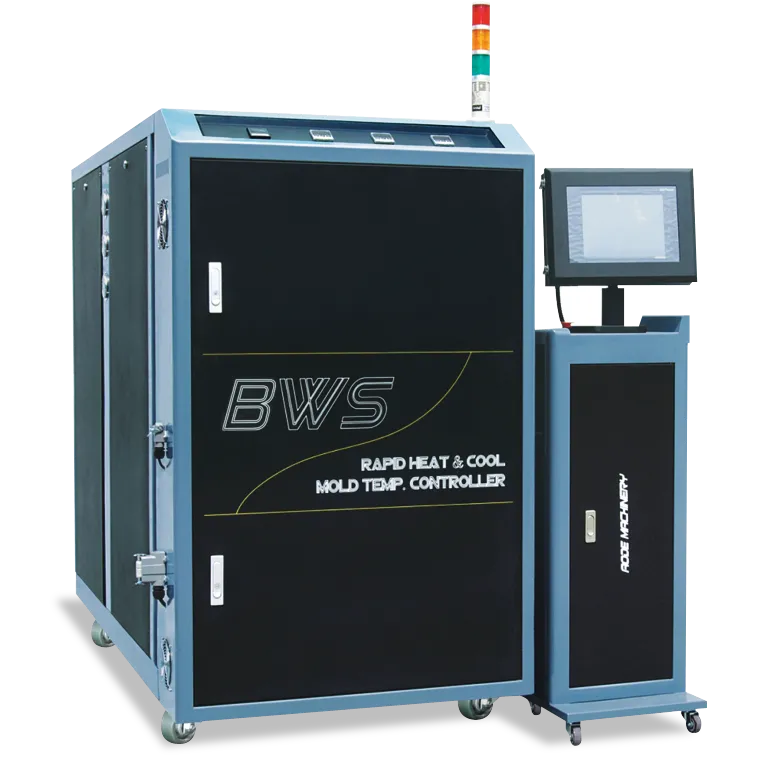
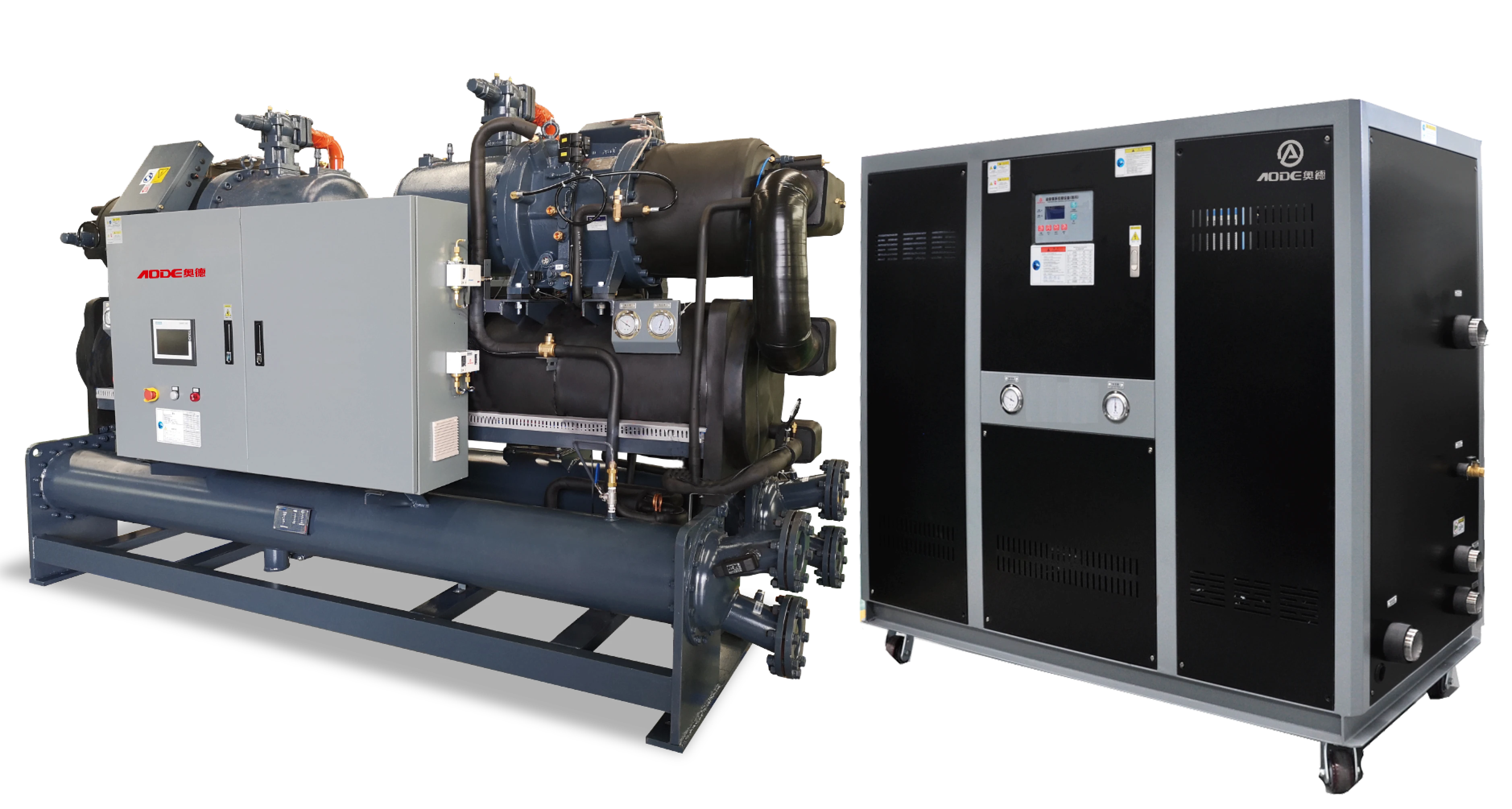
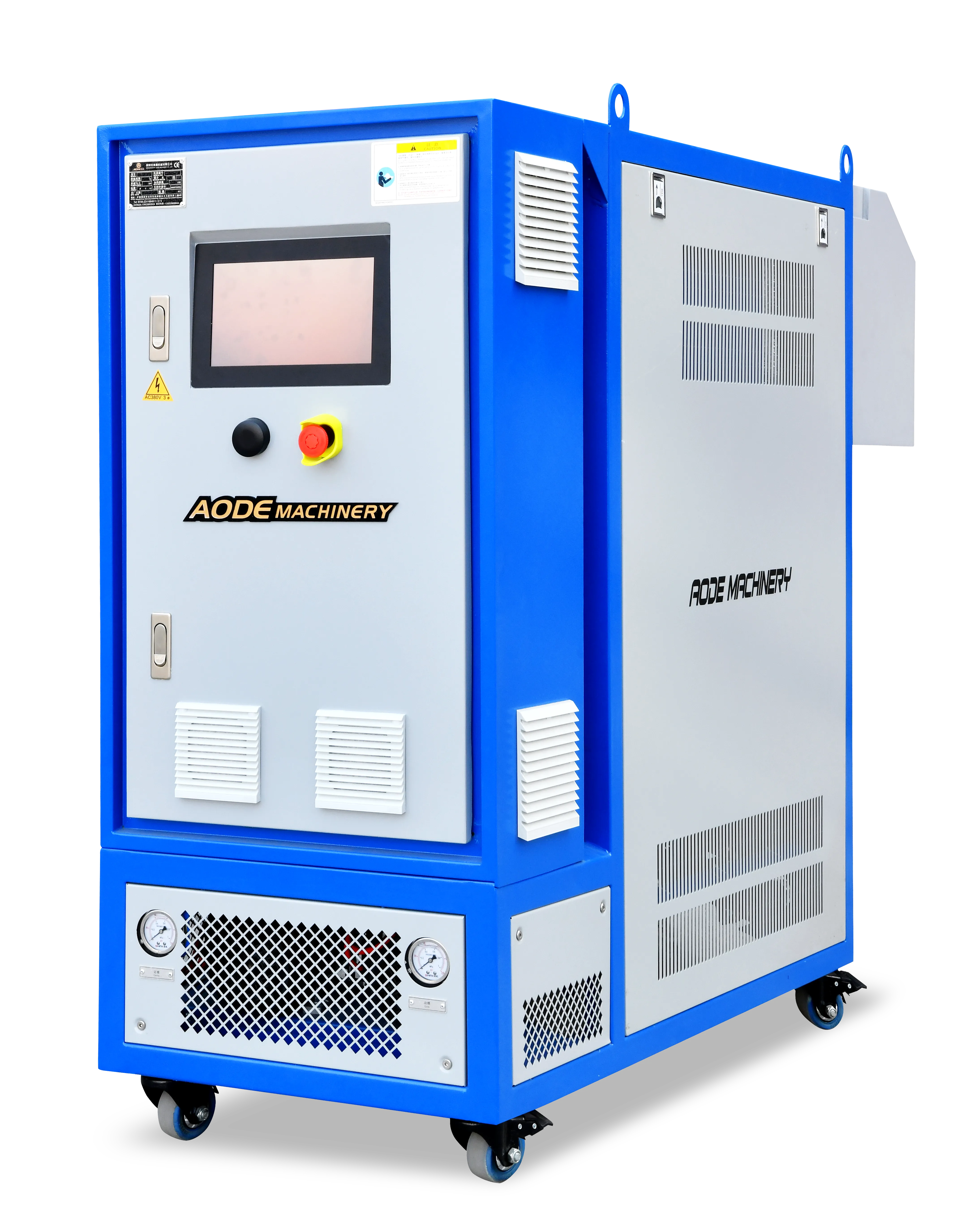

fajsdfjash ddsa dsa as sa sad sda sadfjsadjfl jsadjk fjasdlkfjaskdfdklsaj klf
jsadj
asjdklj falsdjf
jaklj
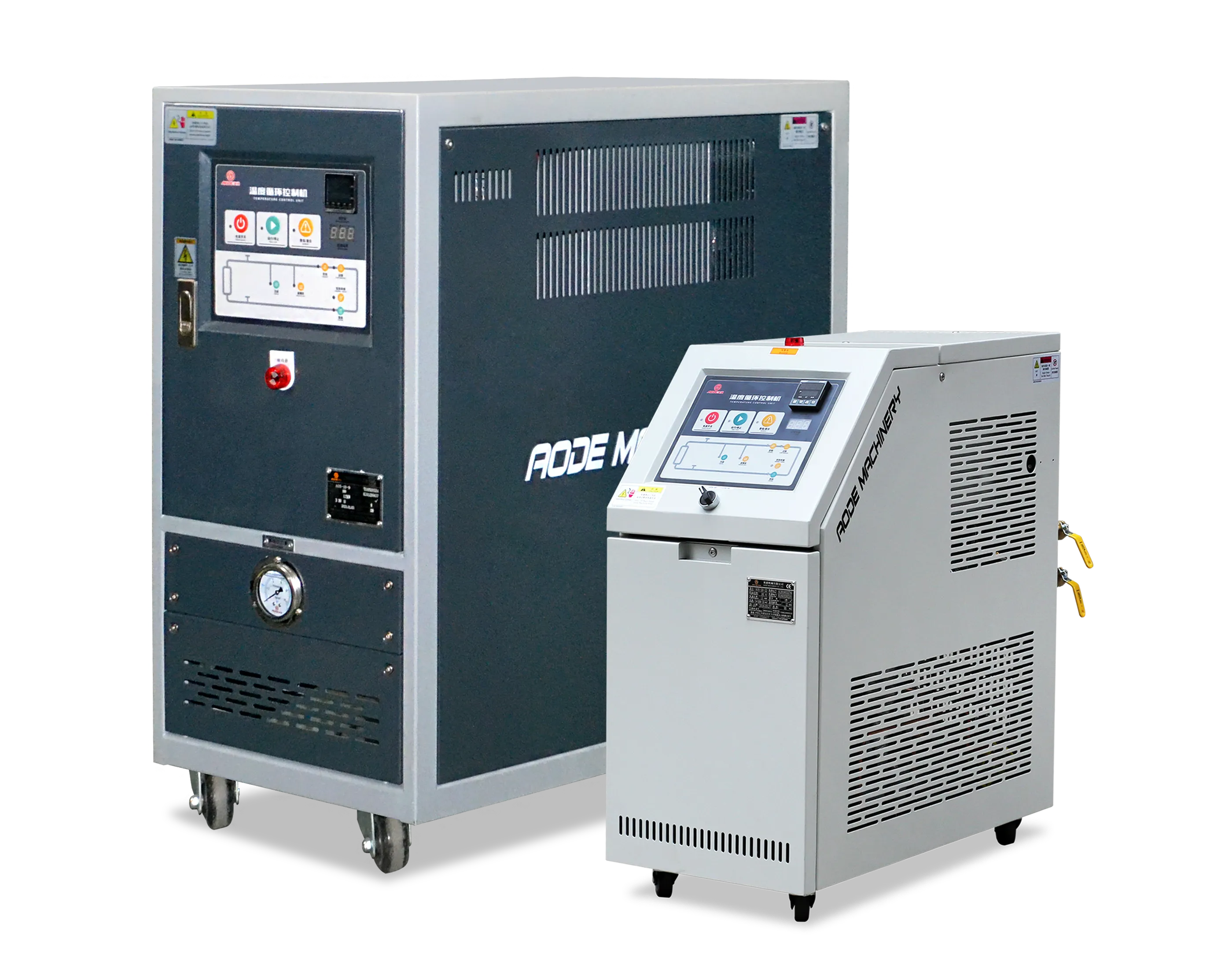
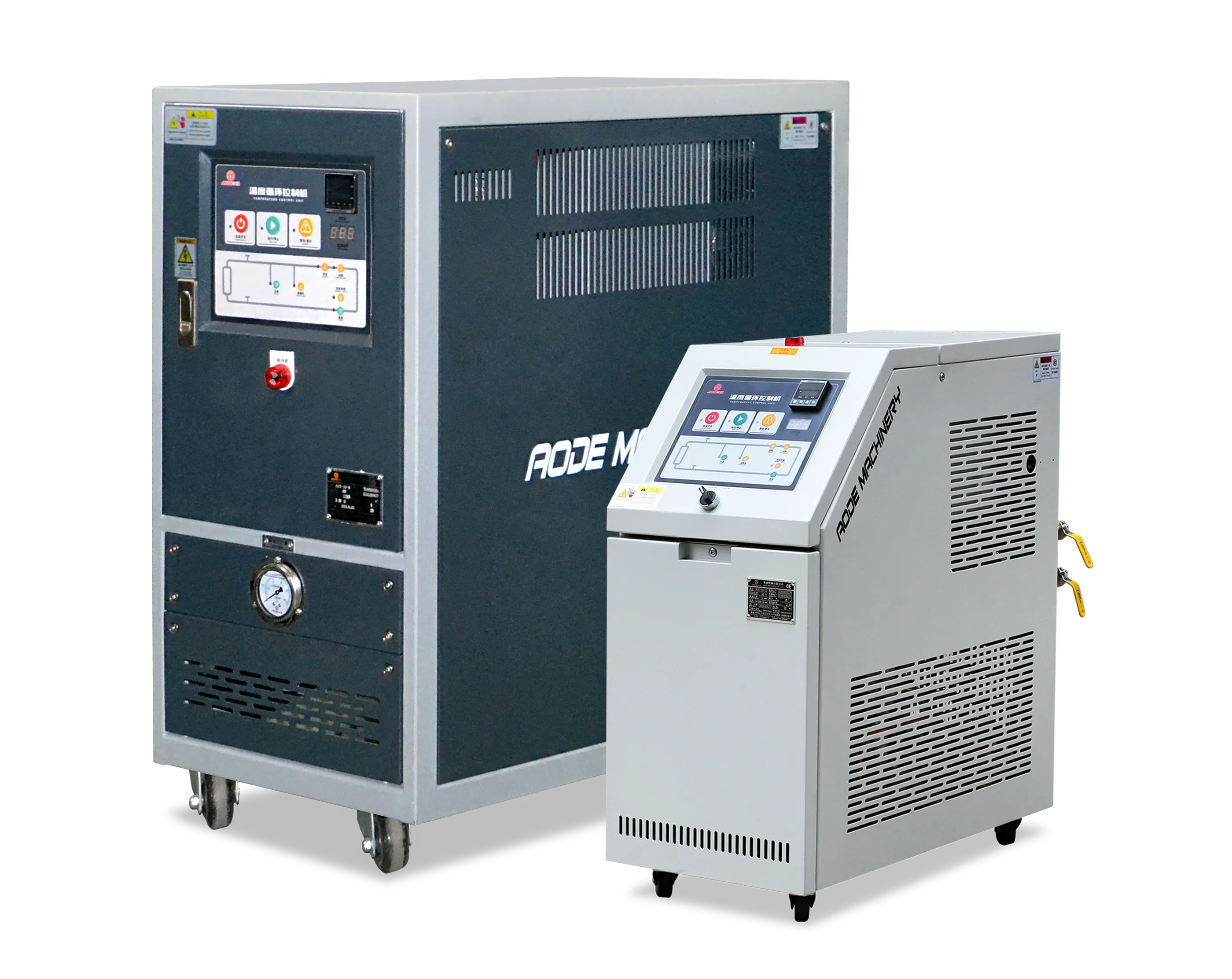
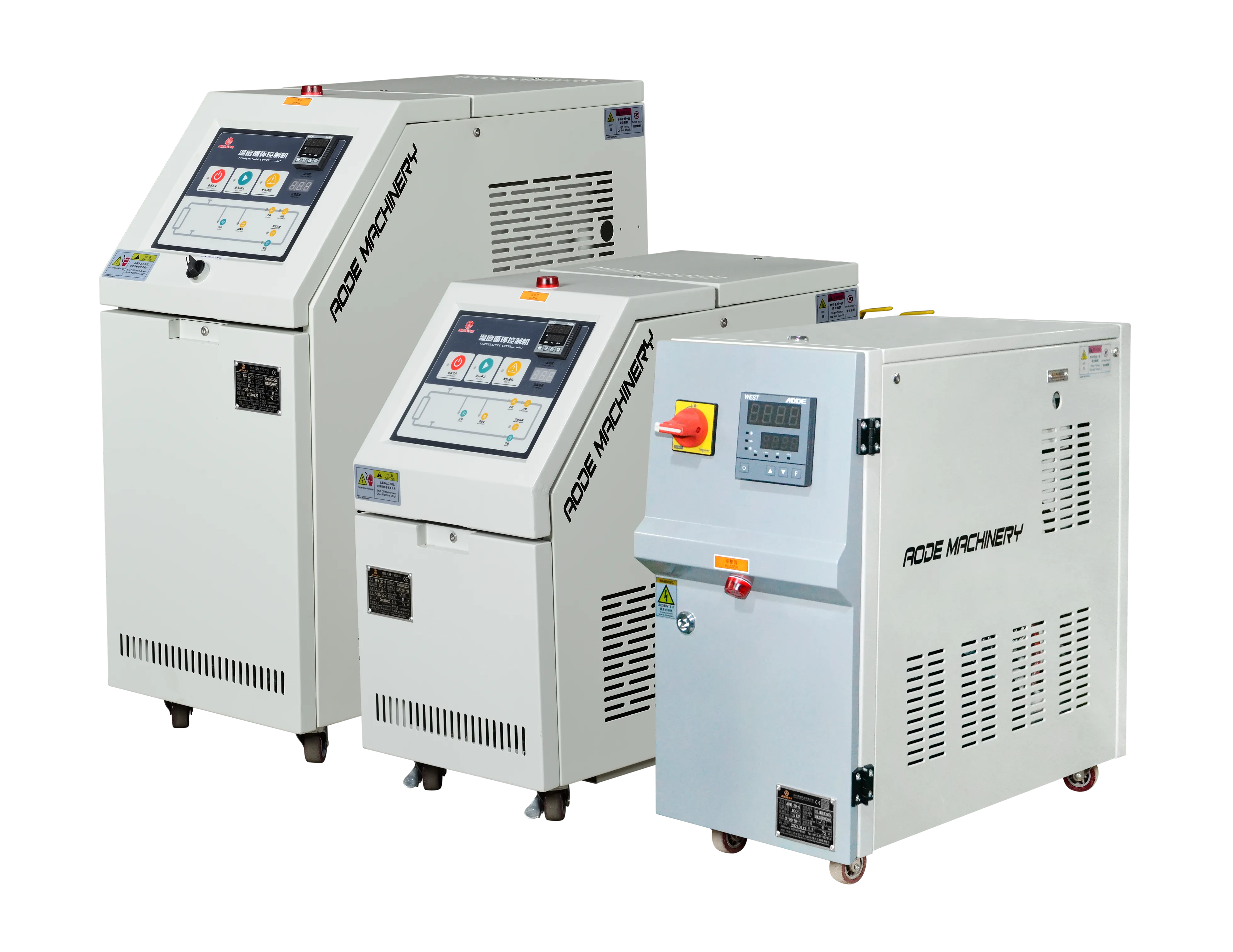
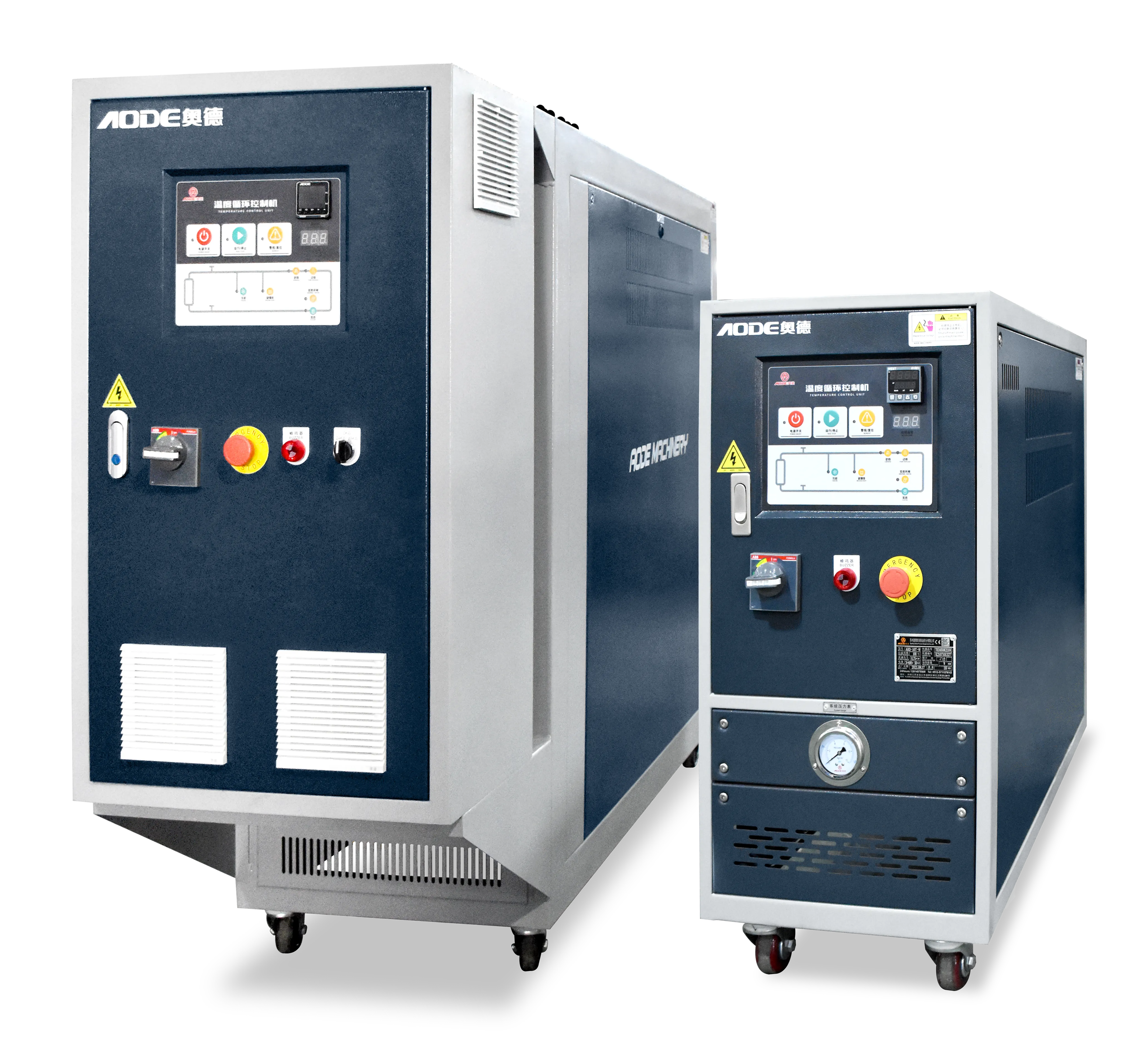
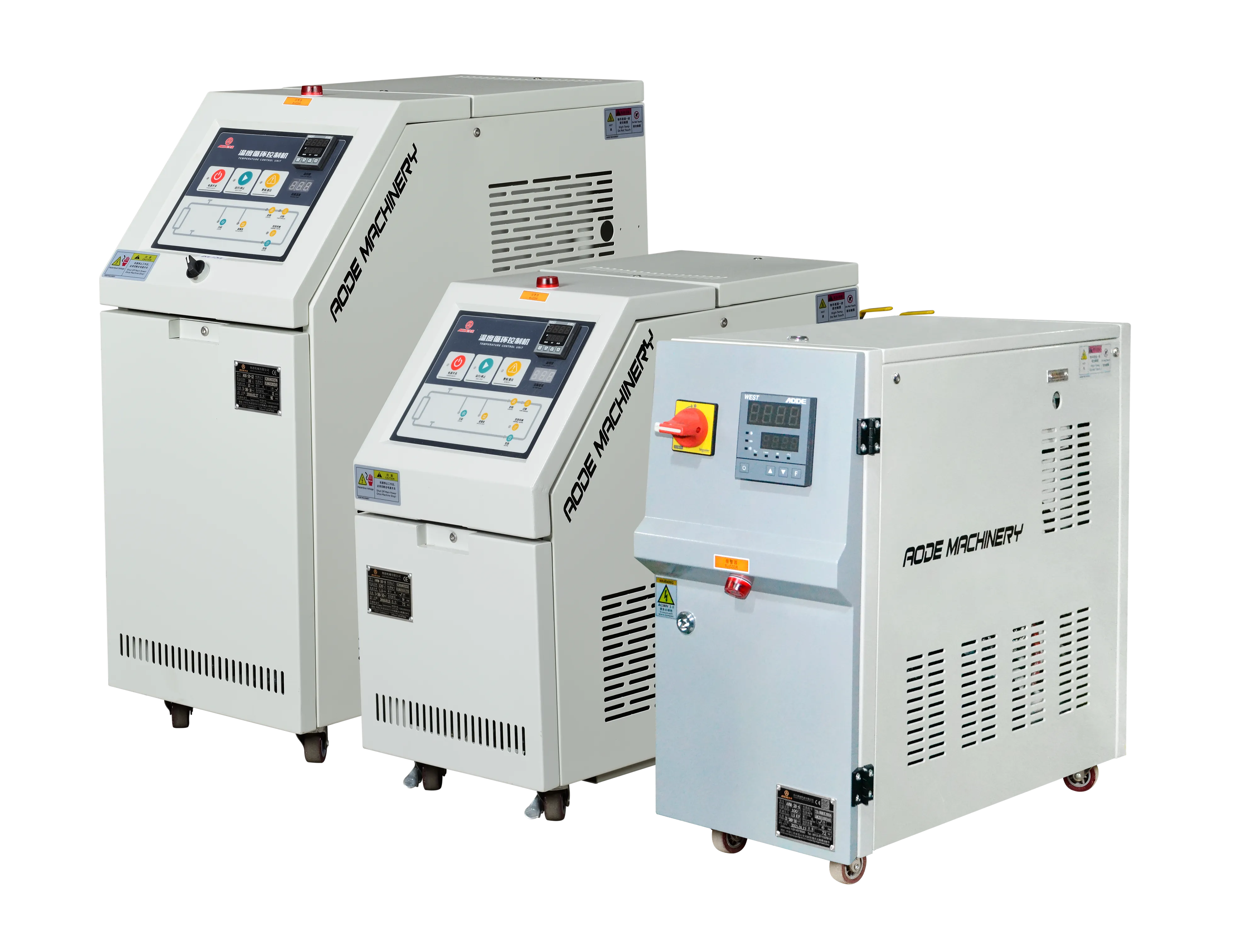
180°C High Temperature Water Temperature Controller
Temp Control Range: +25℃  +180℃
Key Highlights:
Maximum Operating Temperature: 180°C
Temperature Control Accuracy: PID ±1°C
Pump Head: 120 m
Pump Flow: 95–235 L/min
Heating Capacity: 9–24 kW
Custom Configurations Available
Request a Quote
How High-Temperature Water Controllers Work
Reaching the temperature setpoint at the controller does not guarantee sufficient heat transfer throughout the connected equipment.
Reaching the temperature setpoint at the controller does not guarantee sufficient heat transfer throughout the connected equipment. Long circulation paths, narrow internal passages, and restrictive fittings can limit working flow even when the heater delivers adequate output.
The AEWT series addresses this combination of thermal and hydraulic requirements. Compared with our 150°C AEWH range, it extends both the maximum operating temperature and the available pump capacity, making it an option for installations where conventional hot water circulation is insufficient.
Rather than selecting equipment solely by temperature or heater size, you can evaluate three AEWT configurations against the actual heat transfer and circulation requirements of your production system.
Address Circulation Limitations in Your High-Temperature Process
Submit your circuit requirements for a technical evaluation.
Request a Quote
High-Head Circulation and Elevated-Temperature Regulation
The AEWT combines a 120 m nominal pump head with pressurized hot-water operation up to 180°C and controlled heating for changing thermal loads.
1
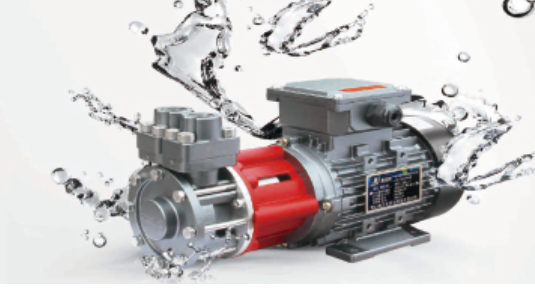
High-Head Circulation Pump
A 120 m nominal pump head expands the available hydraulic selection range for equipment with substantial circulation resistance. For installations involving extended piping or restrictive internal channels, the AEWT offers an alternative to lower-head temperature controllers.
2
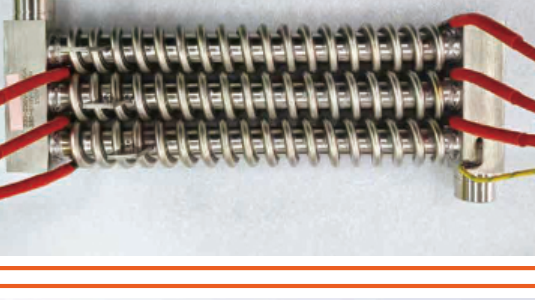
Pressurized Water Operation up to 180°C
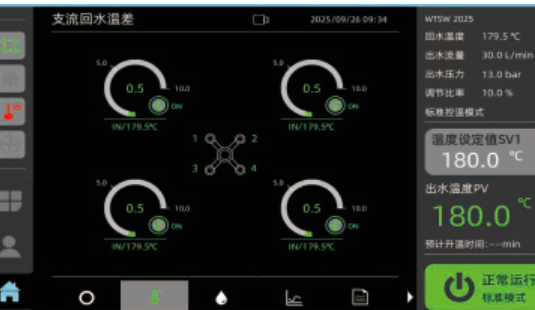
Operating water at elevated temperatures requires a suitably designed pressurized circuit. The AEWT combines high-temperature water circulation with PID regulation, maintaining a specified temperature control accuracy of ±1°C at the designated control measurement point.
3
Heating Control for Changing Thermal Loads
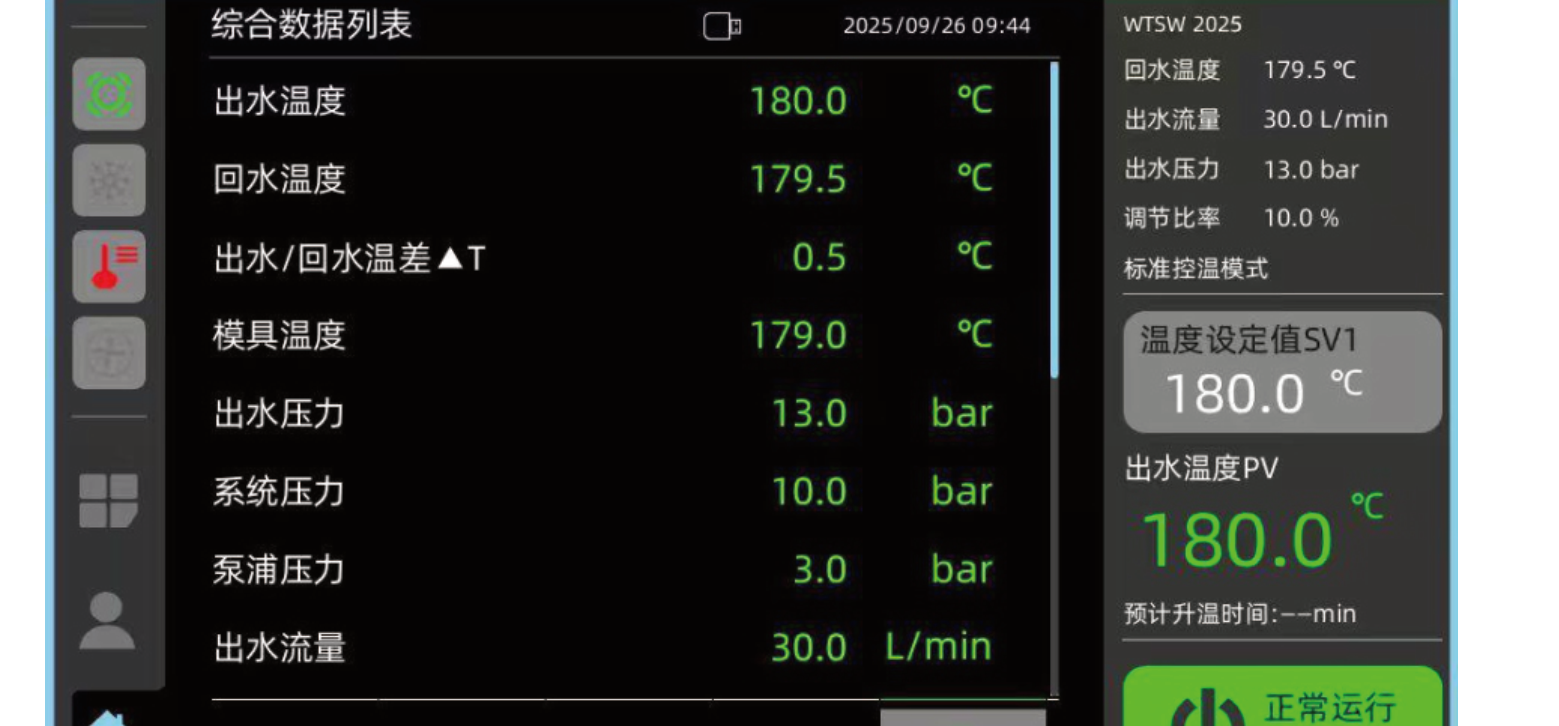
Startup heating and continuous production impose different demands on the controller. AEWT heating configurations accommodate these variations, while contactor, solid-state relay (SSR), and silicon-controlled rectifier (SCR) control arrangements can be evaluated according to process regulation requirements.
4
Separate Cooling Water Circuit
During sustained operation, the process may introduce heat that must be removed to maintain the setpoint. Indirect cooling transfers this excess heat through a heat exchanger without introducing external cooling water directly into the pressurized process circuit.
Review Your High-Temperature System Requirements
Our engineering team can review your thermal and hydraulic requirements.
Request a Quote
AEWT High Temperature Water Controller Specifications
Compare heating capacity, circulation performance, and electrical requirements across the three AEWT models to identify a suitable configuration.
| ITEM | UNIT | AEWT-10 | AEWT-20 | AEWT-30 |
| Temp control range | ℃ | Inlet water temperature +25℃~180℃ | ||
| Temp control accuracy | ℃ | PID±1℃ | ||
| Power supply | / | AC 3N-380/400V-50HZ | ||
| Heat transfer medium | / | Water | ||
| Cooling method | / | Indirect cooling | ||
| Heating capacity | KW | 9 | 12 | 24 |
| Motor power | KW | 0.75 | 1.5 | 2.2 |
| Pump flow | L/min | 95 | 153 | 235 |
| Pump head | m | 120 | 120 | 120 |
| Max.power consumption | KW | 9.75 | 13.5 | 26.2 |
| Alarm function | / | Pump reversal/Motor overload/Abnormal heating | ||
| Cooling water pipe | inch | 1/2 | 1/2 | 1/2 |
| Circulating water pipe | inch | 3/8*4 | 1 | 1.2 |
| Size(L×W×H) | mm | 700*360*780 | 700*360*780 | 1200*420*1000 |
Capacity Differences Across the AEWT Series
Moving from the AEWT-20 to the AEWT-30 doubles the rated heating capacity and increases published pump flow by approximately 54%. This increase also changes the equipment footprint and electrical demand, which must be considered during installation planning. Select the configuration that matches your thermal load, required working flow, and available installation conditions.
Compare AEWT Model Availability and Pricing
Request a quotation for an AEWT-10, AEWT-20, or AEWT-30 configuration.
Request a Quote
Engineering Considerations for Selecting a 180°C High Temperature Water TCU
Sizing a high-temperature circulation system requires more than matching the controller's maximum temperature to your process. Establish the hydraulic requirements first, then verify thermal capacity, pressure compatibility, and installation conditions.
01
01. Determine Working Flow at the Required Pump Head
Start with the flow needed by the connected equipment and calculate the pressure losses through its circulation network. Include internal passages, hoses, valves, manifolds, and other restrictive components. Use the corresponding pump performance curve to determine whether the selected AEWT model can deliver the required working flow.
02
02. Assess Pressure Conditions Throughout the Water Circuit
Two different pressure conditions must be considered: the pressure that keeps water in its liquid state at elevated temperatures and the differential pressure required to circulate it through the system. Have qualified personnel verify the permissible operating conditions of the complete circuit.
03
03. Calculate Startup and Continuous Heat Demand
Heating a large thermal mass during startup and maintaining its temperature during production are different tasks. At elevated operating temperatures, heat losses through exposed piping and equipment surfaces can become significant. Estimate both thermal requirements before choosing a heater configuration.
04
04. Check Electrical Capacity and Equipment Footprint
The AEWT-30 introduces a larger cabinet and substantially greater electrical demand than the other two models. An equipment upgrade may therefore require changes to the available power supply, installation area, and hydraulic connections. Review these requirements before selecting the highest-capacity model.
The required pump operating point, process heat load, and system pressure conditions provide the technical basis for AEWT selection. Send us these specifications together with your equipment layout for a model recommendation.
High-Temperature and High-Head Water Circulation Applications
AEWT equipment can be evaluated for industrial processes in which elevated water temperatures coincide with demanding circulation requirements.
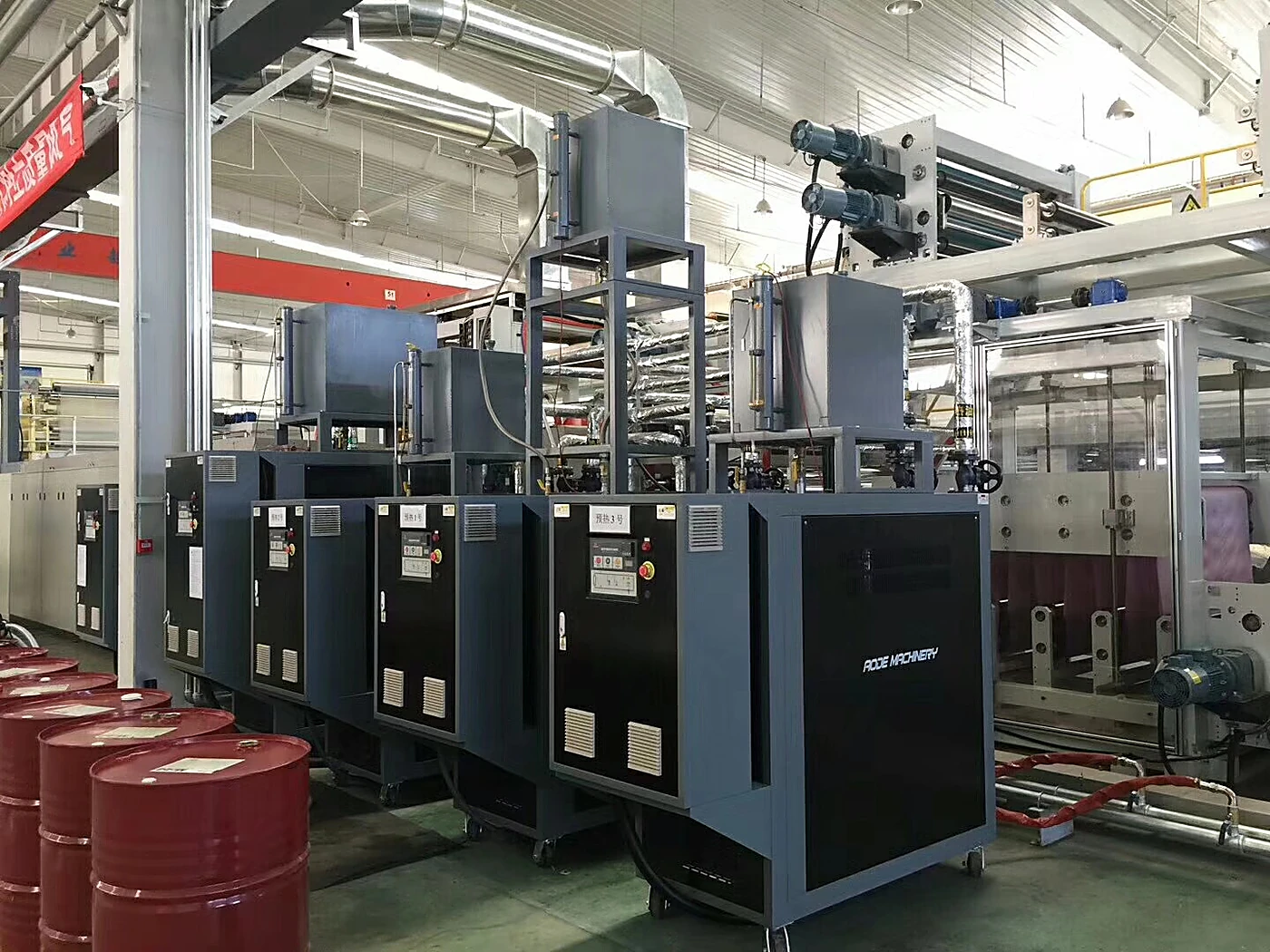
Elevated-Temperature Engineering Plastic Molding
Complex Mold Circulation Networks
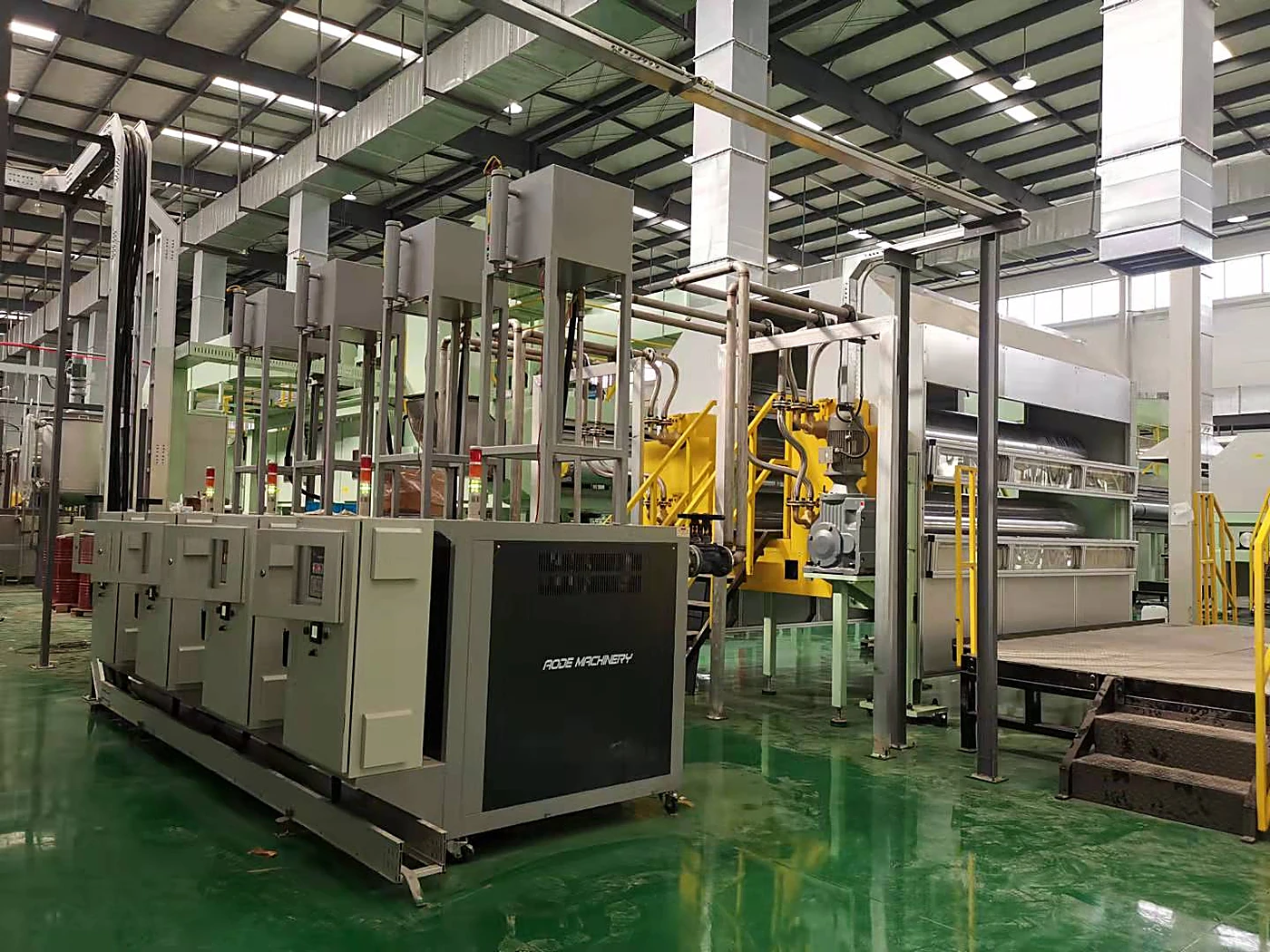
Large Temperature-Controlled Processing Rolls
Distributed Industrial Heating Circuits
Certain engineering thermoplastic grades require mold temperatures beyond the capabilities of conventional water controllers. Where the resin's processing requirements and tooling ratings permit, AEWT equipment extends the available water temperature range while offering additional circulation capacity for demanding mold designs.
Long internal passages, deep mold cores, and interconnected water channels can introduce considerable pressure losses. Higher available pump head provides an additional equipment selection option when existing controllers cannot achieve the required circulation through these restrictive networks.
Heat transfer across a roll's working surface depends partly on the amount of water circulating through its internal passages. For large rolls used in sheet and film processing, equipment selection must account for sustained heat demand and hydraulic resistance rather than surface temperature alone.
Extended piping networks may connect heated plates, manufacturing fixtures, or auxiliary process equipment. Where these components are rated for pressurized hot water, the AEWT series can be assessed against the total circulation resistance and combined thermal load of the installation.
Custom High Temperature Water Temperature Controller
Specify the working flow your process requires at its actual hydraulic resistance. AODE develops custom high temperature water temperature controllers by evaluating this operating point alongside heating demand, elevated-temperature component requirements, and equipment integration conditions.
Request a Custom Solution →
Alternative Industrial Temperature Control Equipment
Explore related high-temperature water controllers and alternative equipment for different thermal and hydraulic requirements.
FAQ
What information should I provide when requesting an AEWT quotation?
Include the target operating temperature, required circulation flow, estimated pressure loss, heating demand, cooling water conditions, and electrical supply. Hydraulic drawings are particularly useful when evaluating non-standard installations. Our team can also confirm available technical documentation, pricing, minimum order requirements, lead time, and shipping arrangements.
Can AODE customize an AEWT controller for a specific pump operating point?
Yes. Non-standard hydraulic requirements can be submitted for engineering evaluation. Specify the required working flow at the estimated system resistance, together with operating temperature and heating demand. These inputs allow our team to evaluate suitable pump and equipment configurations.
What can cause motor overload or abnormal heating in a high-temperature water TCU?
Motor overload and heating faults may arise from unsuitable operating conditions, circulation restrictions, electrical abnormalities, or component failure. Review the equipment alarm indication and follow the prescribed shutdown procedure. Inspection must be performed by qualified personnel after safe cooling, depressurization, and isolation.
Does the AEWT offer higher temperature accuracy than the AEWH series?
No. Both series specify PID ±1°C temperature control accuracy. The AEWT extends the maximum operating temperature and available hydraulic capacity. If your primary requirement is tighter temperature regulation, AODE's WLS high precision temperature controllers offer a specified accuracy of ±0.1°C.
Can the AEWT supply several connected heating circuits?
A single AEWT unit may serve multiple compatible circulation branches when the required flow and pressure conditions are satisfied. Branch balancing is important because water distribution depends on the resistance of each path. A shared circulation system does not automatically provide independent temperature control for individual branches.
Why is there a large temperature difference between the supply and return water?
A substantial supply-to-return temperature difference may indicate a high process heat transfer rate, insufficient working flow, or a combination of both. Interpret the temperature difference alongside actual circulation measurements and process load rather than treating it as evidence of equipment failure.
Can the AEWT-30 deliver 235 L/min at a pump head of 120 m?
Not necessarily. The published flow and head values do not automatically represent a simultaneous operating condition. The corresponding pump performance curve is required to determine whether the pump can deliver 235 L/min against the actual resistance of your circulation system.
What pressure is required to maintain water in its liquid state at 180°C?
At 180°C, the saturation pressure of water is approximately 10 bar absolute. Local water pressure must remain above the applicable saturation pressure to prevent boiling. This thermodynamic reference is not the recommended operating pressure or maximum design pressure of the AEWT. The equipment manufacturer and qualified system designers must establish the actual permissible operating conditions.