
fajsdfjash ddsa dsa as sa sad sda sadfjsadjfl jsadjk fjasdlkfjaskdfdklsaj klf
jsadj
asjdklj falsdjf
jaklj

Products
How to Choose a Liquid Temperature Control Unit for Energy Storage Battery Packs?
26 November 2026
Author:AODE
share:


Choosing a liquid temperature control unit for an energy storage battery pack requires more than comparing cooling capacities. The required coolant temperature, thermal load, circulation flow, and operating pressure all influence whether a unit can meet the demands of the connected battery cooling circuit. Applications involving both low-temperature cooling and heating require additional consideration, particularly when operating conditions vary throughout the year.
For battery module and pack applications, the temperature control equipment needs to work with the existing liquid circulation system. Understanding the relationship between thermal requirements and equipment performance is essential to selecting a suitable solution.
What Determines the Temperature Control Requirements of an Energy Storage Battery Pack?
Battery thermal management requirements depend largely on operating conditions. Charging and discharging generate heat through internal resistance and electrochemical reactions, while ambient temperature affects the conditions under which the battery must operate.
In a liquid-cooled system, coolant circulates through cooling plates and connecting pipes to transfer heat between battery modules and the external temperature control equipment. The required capacity therefore depends on the thermal load entering the circulation loop, rather than the battery's rated energy capacity alone.
Heat Load Changes With Battery Operating Conditions
A battery pack does not generate a constant amount of heat throughout its operating cycle. Charging and discharging rates, current, internal resistance, and ambient conditions all influence the thermal load. In systems containing multiple modules, differences in heat generation and coolant distribution may also create uneven temperature conditions.
This makes the expected operating load an important starting point for equipment selection. A unit that performs adequately under light operating conditions may not provide sufficient cooling when the battery system experiences a higher thermal load.
Heating Requirements Should Not Be Overlooked
Cooling is only one part of battery temperature management. In cold environments, the circulating liquid may need to be heated before the battery reaches its specified operating conditions.
A conventional chiller may be sufficient when the application requires heat removal alone. However, systems that need both heating and cooling benefit from an integrated liquid temperature control arrangement. The selected coolant settings must still comply with the battery manufacturer's operating limits.
How to Evaluate a Liquid Temperature Control Unit Before Purchase?
Once the application requirements are established, equipment selection becomes a matter of matching several technical specifications. Temperature range, refrigeration capacity, pump performance, and control channels should be considered together rather than treated as independent purchasing criteria.
Temperature Range and Control Accuracy
Start by identifying the minimum and maximum coolant temperatures required by the application. These values should reflect the intended operating environment, battery thermal requirements, and temperature limitations of the connected components.
For applications requiring both low-temperature circulation and higher-temperature liquid conditioning, a wider operating range may be necessary. The intelligent liquid temperature control equipment discussed in this article supports temperatures from -35°C to +100°C.
Temperature range alone, however, does not determine control performance. Sensor placement, controller response, circulation conditions, and external heat load all influence the temperature measured at the connected equipment. Buyers should confirm the required control accuracy under actual operating conditions rather than assume that identical precision applies throughout the entire temperature range.
Cooling Capacity Must Match the Target Temperature
One detail often overlooked during equipment selection is the relationship between refrigeration capacity and operating temperature. A unit's cooling capacity at room temperature may differ considerably from its performance under low-temperature conditions.
Consider the ACT10WS12: when operating at -20°C, its rated cooling capacity is 8.8 kW. This is the figure that should be compared with the estimated heat load when the application requires that particular coolant temperature.
The calculation should also account for heat entering through connected pipes, cooling plates, and surrounding components. Selecting equipment based on a higher-temperature cooling rating could leave insufficient capacity under the actual operating condition.
Pump Performance and Cooling Circuit Resistance
The circulation pump must deliver sufficient coolant through the entire battery cooling circuit. Cooling plates, manifolds, valves, and connecting pipes all contribute hydraulic resistance, affecting the flow available at the connected components.
Low-temperature operation introduces another consideration: coolant viscosity. As the liquid becomes colder, its resistance to flow can increase, changing the pump's operating conditions. Required flow and operating pressure should therefore be evaluated together, using the actual coolant and target temperature as reference conditions.
Pipe diameter, connection distance, and the number of parallel branches also influence circulation performance. These details are worth confirming before finalizing the pump specification.
When Is Multi-Channel Temperature Control Necessary?
The number of control channels depends on the arrangement of the battery cooling system. A common circulation circuit may be sufficient when all connected modules share the same temperature requirements. Separate battery groups may need independent circuits when their operating conditions or temperature settings differ.
The decision should be based on the actual hydraulic layout. Independent temperature regulation is useful when different circuits have distinct requirements, but additional channels are unnecessary if all connected components operate under the same conditions.
What Functions Should a High and Low Temperature Liquid Control Unit Provide?
A high and low temperature liquid control unit needs to do more than maintain a selected temperature. Heating, refrigeration, circulation, and control functions must work together as the thermal load changes.
Coordinated Heating and Refrigeration
During cold startup, the circulating liquid may need to be heated before reaching the required setpoint. Once the connected battery system begins transferring excess heat into the circuit, refrigeration becomes necessary to remove that thermal energy.
The ACT10WS12 integrates both functions, with a heating output of 12 kW. This allows one unit to handle liquid heating and cooling requirements, provided its capacity is matched to the actual application.
Coolant Compatibility at Different Operating Temperatures
The circulation medium is an important part of a wide-temperature liquid control system. A fluid suitable for moderate-temperature cooling may not maintain the same viscosity and flow characteristics at much lower temperatures.
For the high and low temperature configuration discussed here, the specified circulation medium is automotive antifreeze containing 60%–70% ethylene glycol by volume. The final formulation should be checked against the required operating temperature and the compatibility of pumps, seals, pipes, and heat exchangers.
Control Interfaces and Equipment Integration
Temperature control equipment may need to communicate with external controllers or a wider thermal management system. The required interface should be considered during project planning, particularly when operating settings and equipment status need to be exchanged with other control devices.
The available control arrangement includes a color LCD touchscreen, RS485 and Modbus RTU communication, with CAN and Ethernet offered as options. The appropriate interface depends on the customer's control architecture and integration requirements.
Intelligent Liquid Temperature Control for Energy Storage Applications
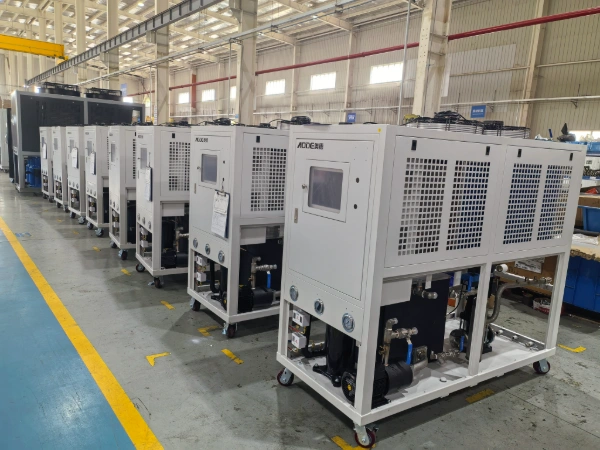
A wide operating temperature range, integrated heating and refrigeration, and suitable circulation performance make this type of equipment relevant to energy storage applications with changing thermal requirements.
For example, the ACT10WS12 combines a 12 kW heating output with refrigeration performance suited to different operating temperatures. Rather than relying on one maximum capacity figure, the equipment should be evaluated according to the expected thermal load at the intended coolant setpoint.
The circulation arrangement, coolant compatibility, and external control interfaces also need to match the connected battery system. These factors determine whether the equipment can operate effectively as part of the complete thermal management circuit.
Application in Energy Storage Battery Module and Pack Cooling
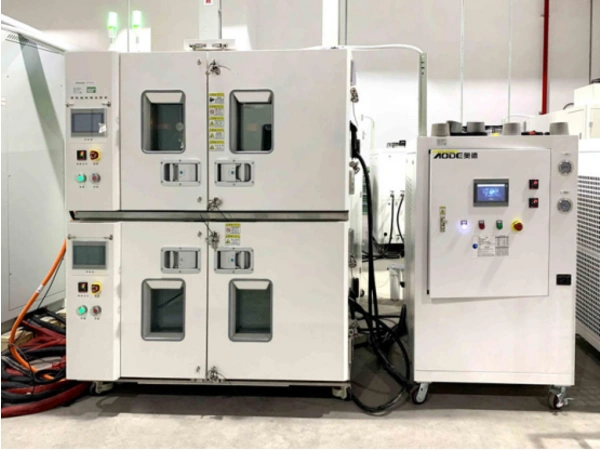
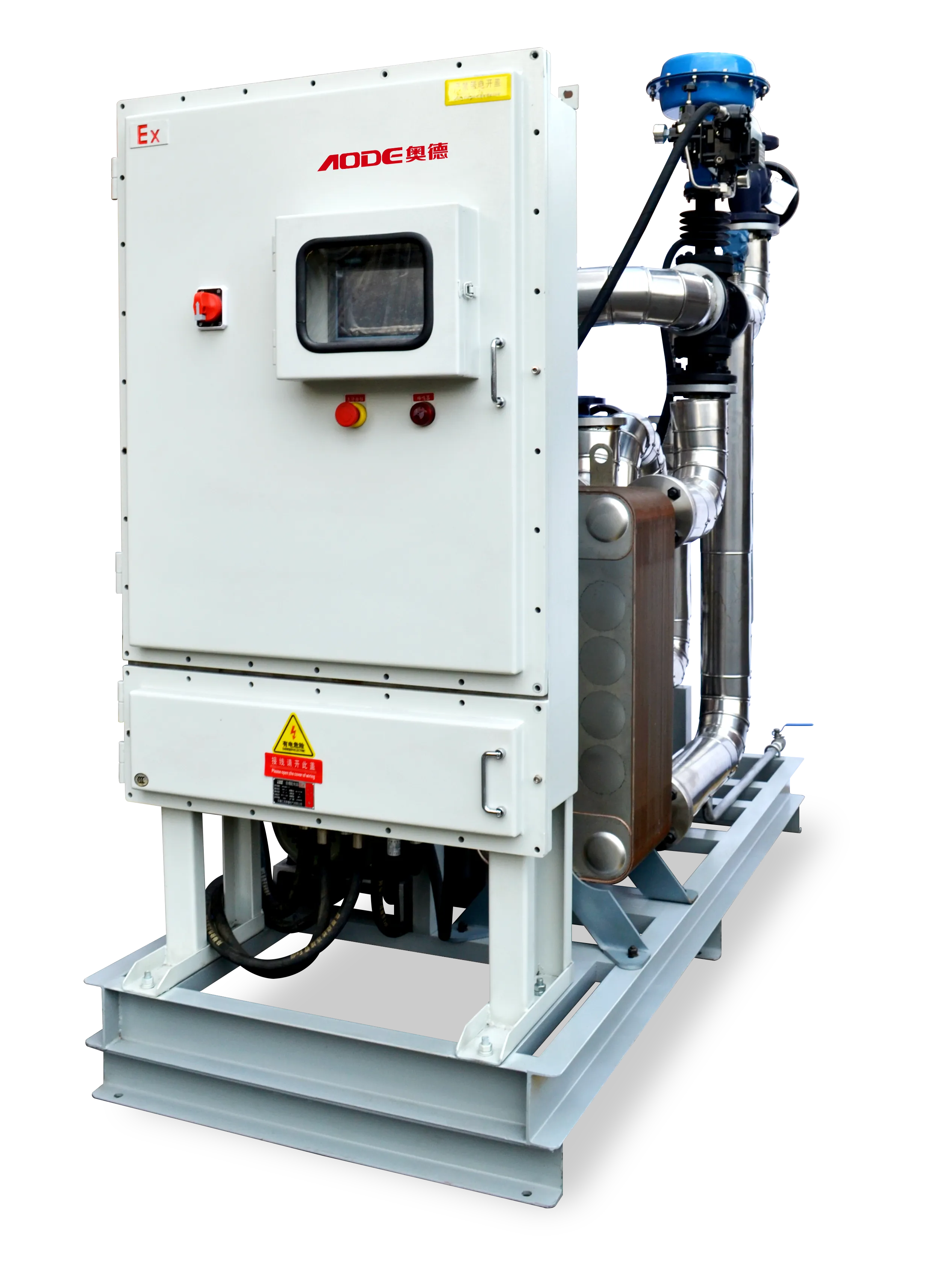
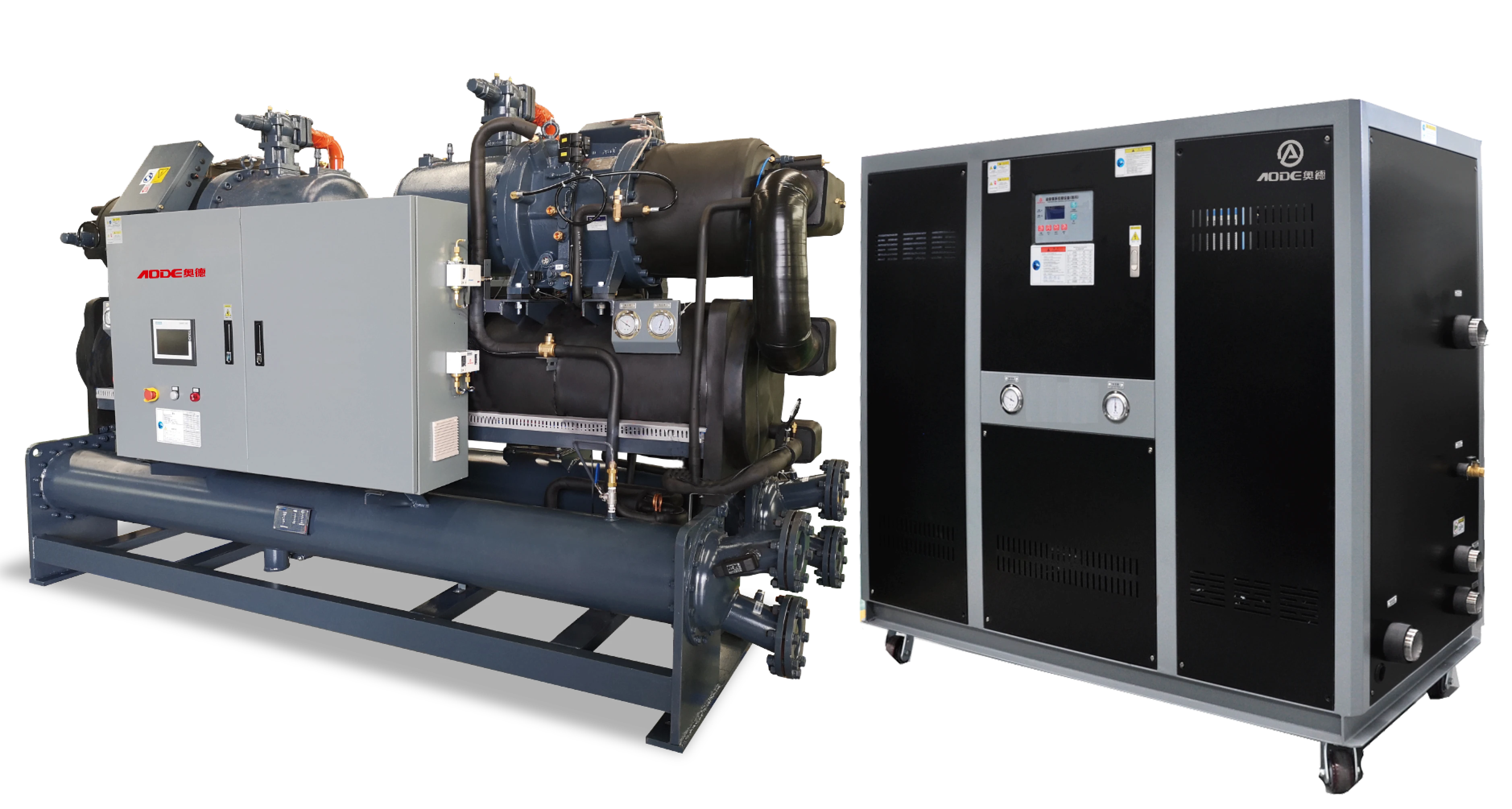
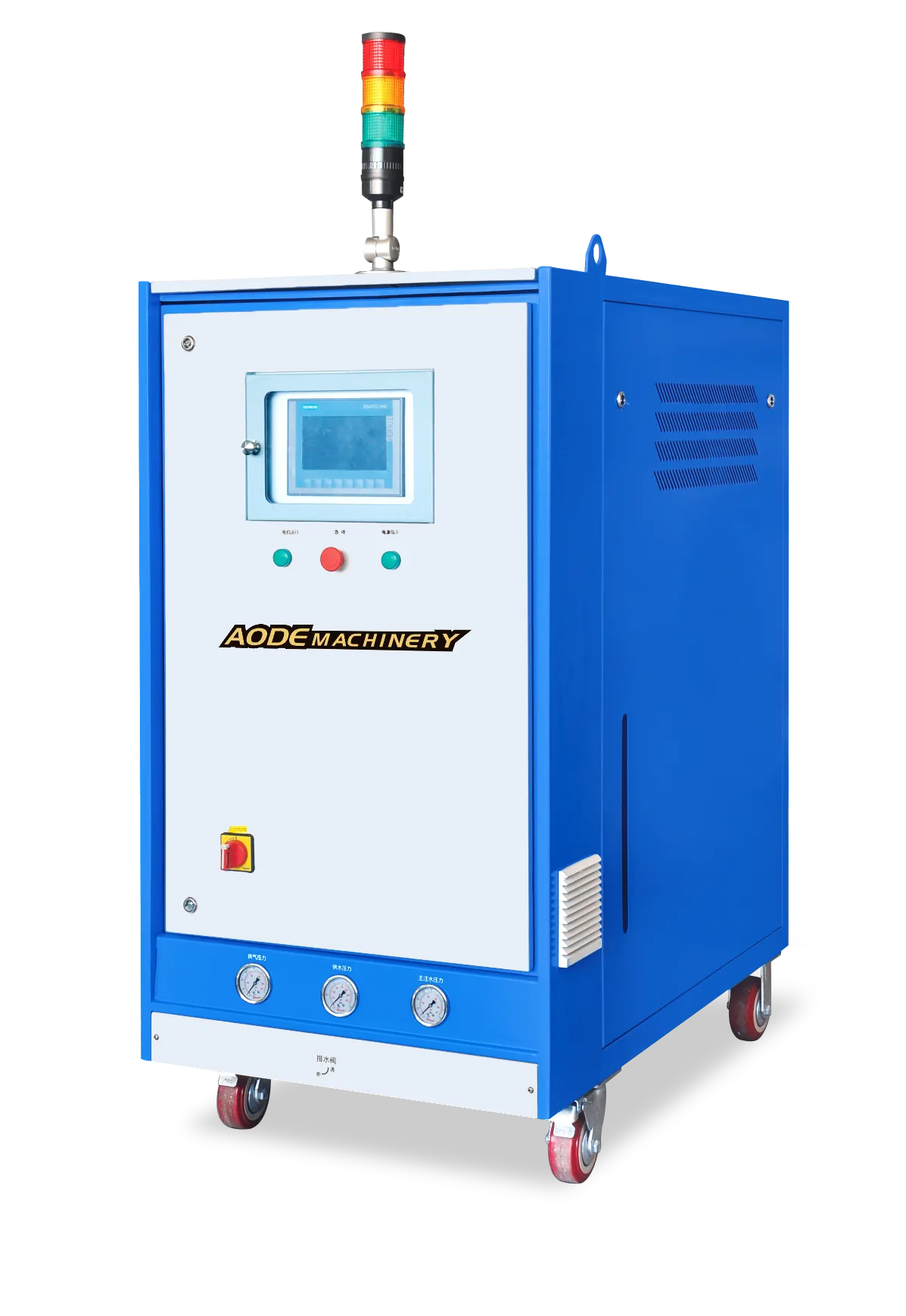
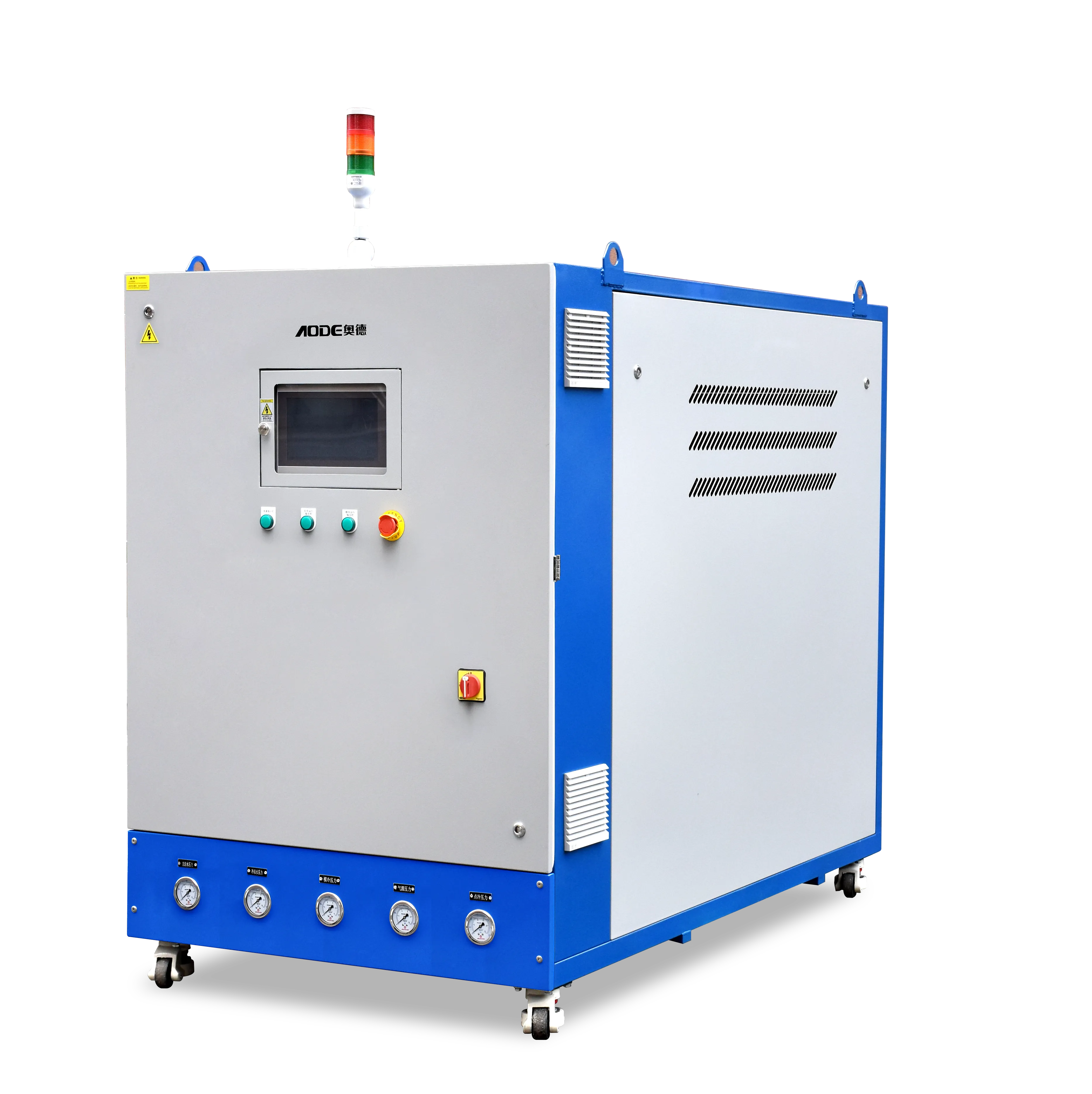
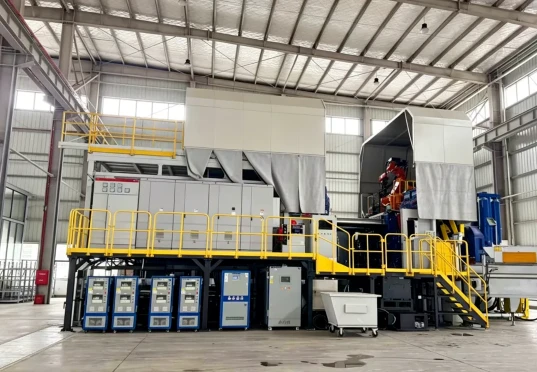
The supplied project photograph shows a liquid temperature control unit installed alongside an enclosed equipment system. According to the project information, the application involves water-cooling temperature management for energy storage modules and battery packs.
The external unit regulates the circulating liquid, while the connected cooling circuit provides the heat transfer path for the battery modules. This arrangement demonstrates how dedicated temperature control equipment can be integrated into an industrial battery thermal management setup.
The exact equipment model and connection details in this installation have not yet been confirmed. The ACT10WS12 specifications discussed above are therefore product reference data, not measured operating results from this particular project.
What Information Should You Prepare Before Requesting a Quotation?
A useful quotation request should describe the battery cooling circuit in enough detail for the equipment supplier to evaluate its thermal and hydraulic requirements.
| Information Required | Details to Provide |
|---|---|
| Battery application | Battery module, battery pack, or battery group |
| Coolant temperature | Required minimum and maximum temperatures |
| Thermal load | Estimated cooling load and heating requirement |
| Coolant | Fluid type and concentration |
| Circulation flow | Required flow under operating conditions |
| Operating pressure | Required pressure and circuit resistance |
| Circuit arrangement | Single or independent multiple circuits |
| Communication | RS485, Modbus, CAN, Ethernet, or other interfaces |
For low-temperature projects, specify the required refrigeration capacity at the actual target temperature. A figure measured at room temperature may not represent the cooling performance available under low-temperature operating conditions.
Providing these details allows the equipment configuration to be assessed before finalizing heating capacity, refrigeration performance, pump selection, and control requirements.
Frequently Asked Questions
What Is the Difference Between a Liquid Temperature Control Unit and a Battery Chiller?
A battery chiller primarily removes heat from the battery cooling circuit. A liquid temperature control unit can also provide heating, allowing the circulating medium to be regulated under both heating and cooling conditions. The appropriate choice depends on the thermal requirements of the application.
How Do You Calculate the Cooling Capacity Required for a Battery Pack?
Start with the heat generated by the battery system and determine how much of that heat must be removed through the liquid circuit. The calculation should account for coolant temperature difference, circulation flow, and heat entering through connected pipes and components. The selected equipment must provide sufficient capacity at the actual operating temperature.
Does Coolant Viscosity Affect Pump Selection?
Yes. Coolant viscosity changes with temperature and can increase significantly during low-temperature operation. This affects hydraulic resistance and the pump's actual operating point, so flow and pressure should be evaluated using the intended coolant and temperature.
Can One Temperature Control Unit Serve Multiple Battery Modules?
Yes, provided the total thermal load and circulation requirements fall within the equipment's capacity. If different battery groups need independent temperature settings or separate circulation, a multi-channel arrangement may be more suitable.
Which Coolant Is Suitable for a High and Low Temperature Liquid Control System?
The coolant must be compatible with the operating temperature range and all wetted equipment materials. The specified high and low temperature configuration uses ethylene glycol-based automotive antifreeze. The final fluid formulation and concentration should be confirmed before installation.
Conclusion
Selecting a liquid temperature control unit for an energy storage battery pack is an engineering decision based on the actual cooling circuit. Temperature range, refrigeration performance, heating output, coolant properties, and pump conditions all need to be considered together.
With a wide temperature operating range, integrated heating and refrigeration, and flexible control interfaces, the intelligent liquid temperature control solution provides an option for energy storage applications with varied thermal requirements.
Share your battery pack specifications and coolant circulation requirements to discuss a suitable temperature control solution with AODE.
References
AODE – Intelligent High and Low Temperature Liquid Temperature Control Device https://www.mouldtcu.com/storage/file/20260129/89270aab37bd4f6780b22375d13872ed.pdf
Hotstart – Battery Thermal Management System Brochure https://www.hotstart.com/assets/Brochures/Hotstart-Battery-Thermal-Management-System-Brochure-EN.pdf
A Review on the Liquid Cooling Thermal Management System of Lithium-Ion Batteries – Applied Energy https://doi.org/10.1016/j.apenergy.2024.124173
MG Energy Systems – Lithium-Ion RS LFP Battery Series Installation Manual https://shop.top.systems/fileuploader/download/download/?d=0&file=custom%2Fupload%2Fpdf%2FManuals%2Fmgrs481230.pdf
 Back to List
Previous
No more
Next
How to Maintain Stable Temperature in Cable Extrus...
Table of Contents
×
CONTACT US
Cookie Policy
We use cookies and other tracking technologies online. Please read our Cookie Policy, which is part of this Cookie Policy , and is incorporated herein by reference.

loading...