
fajsdfjash ddsa dsa as sa sad sda sadfjsadjfl jsadjk fjasdlkfjaskdfdklsaj klf
jsadj
asjdklj falsdjf
jaklj

Products
How Does Mold Temperature Controller Work in Die Casting?
03 November 2026
Author:AODE
share:


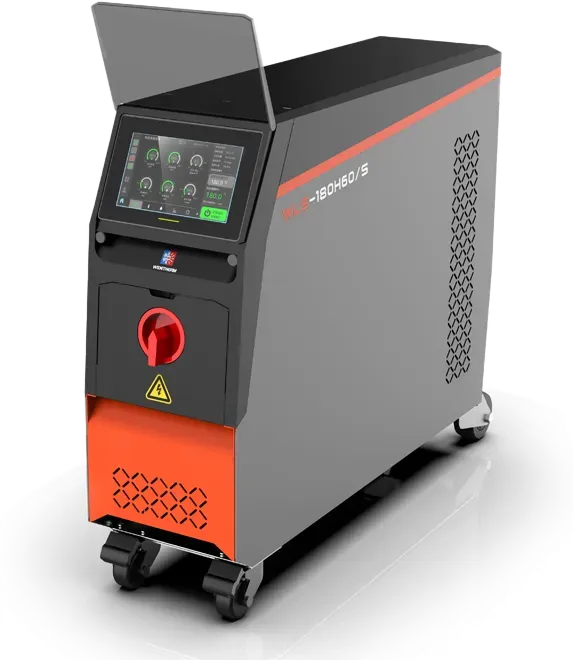
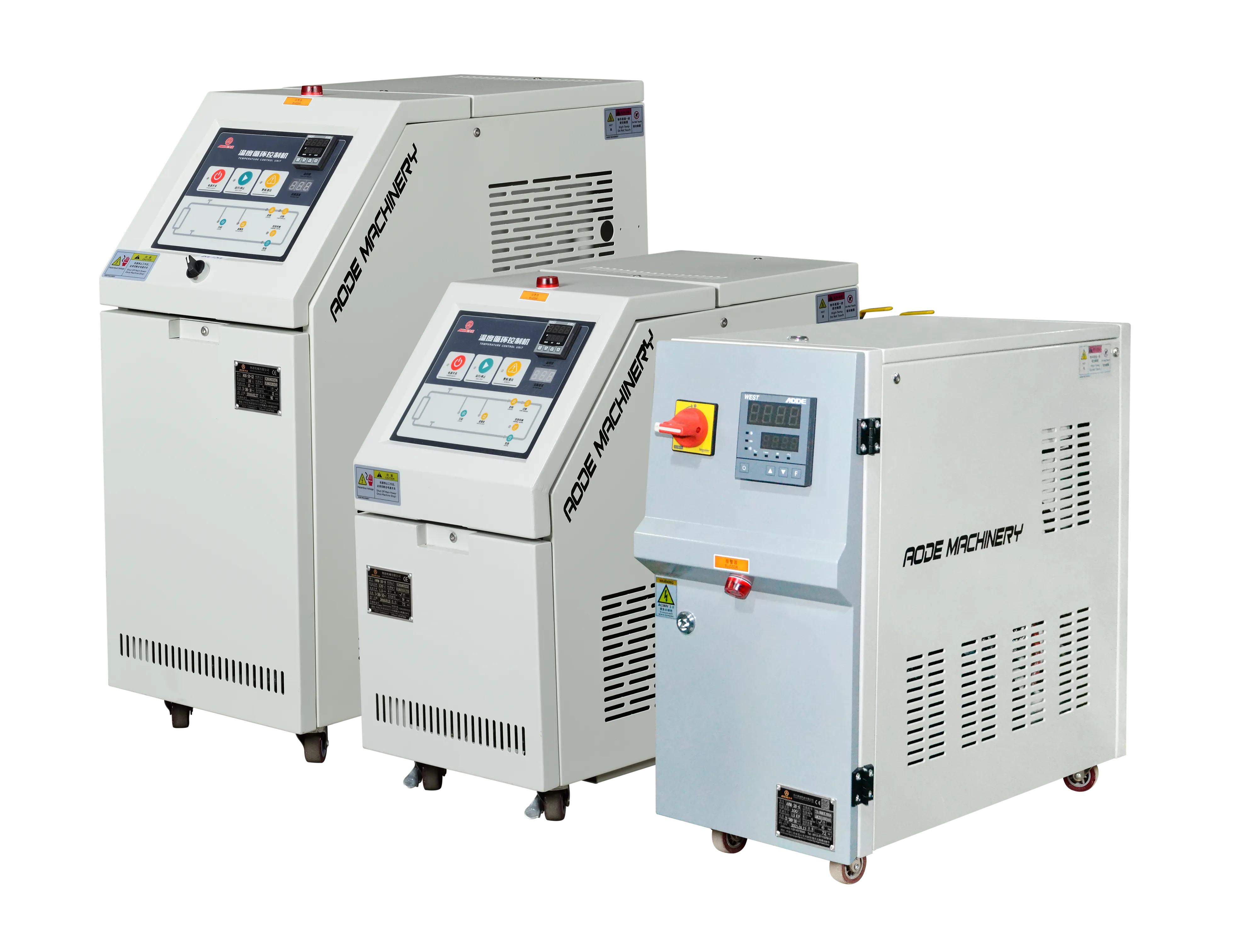
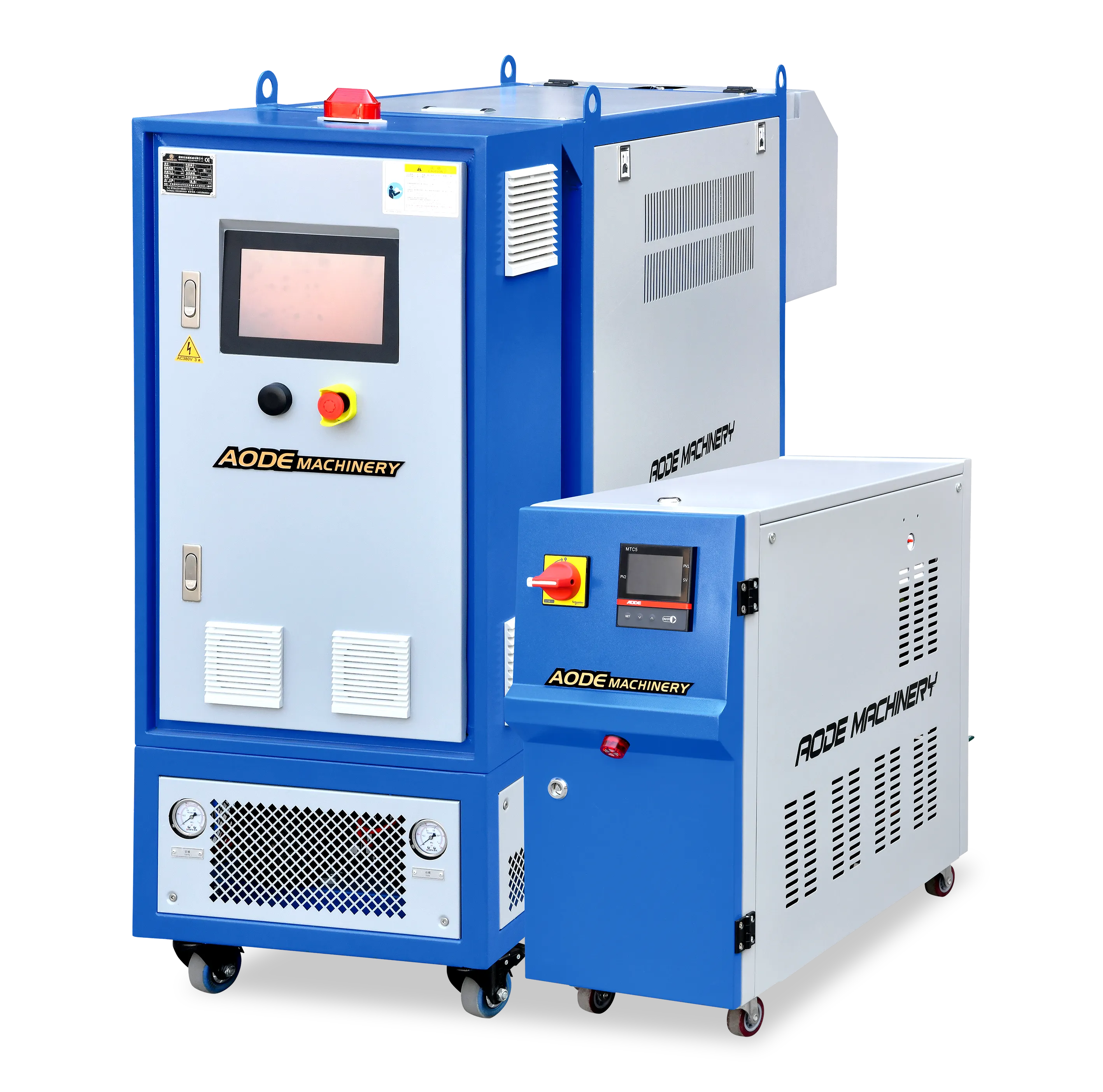
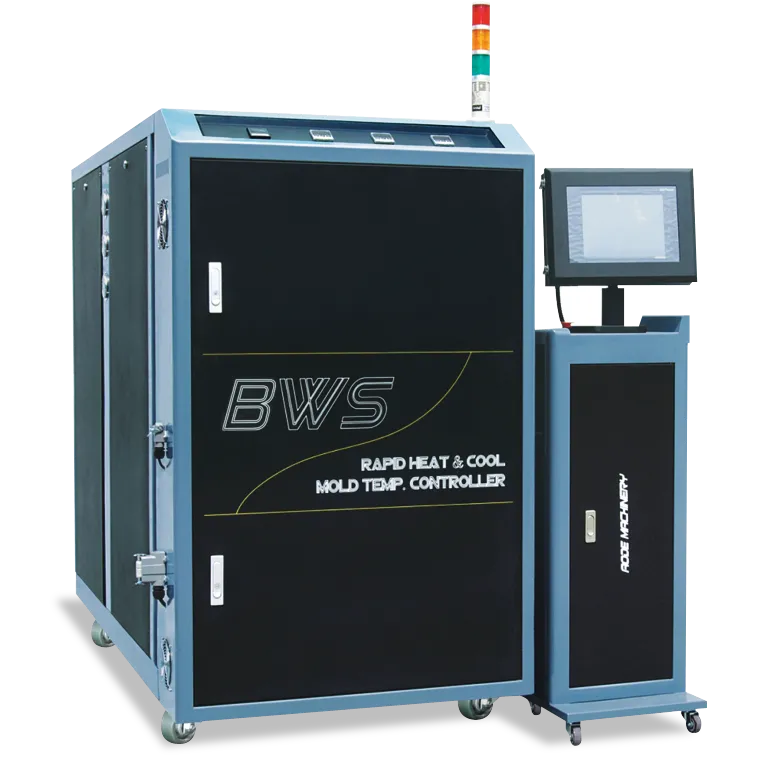
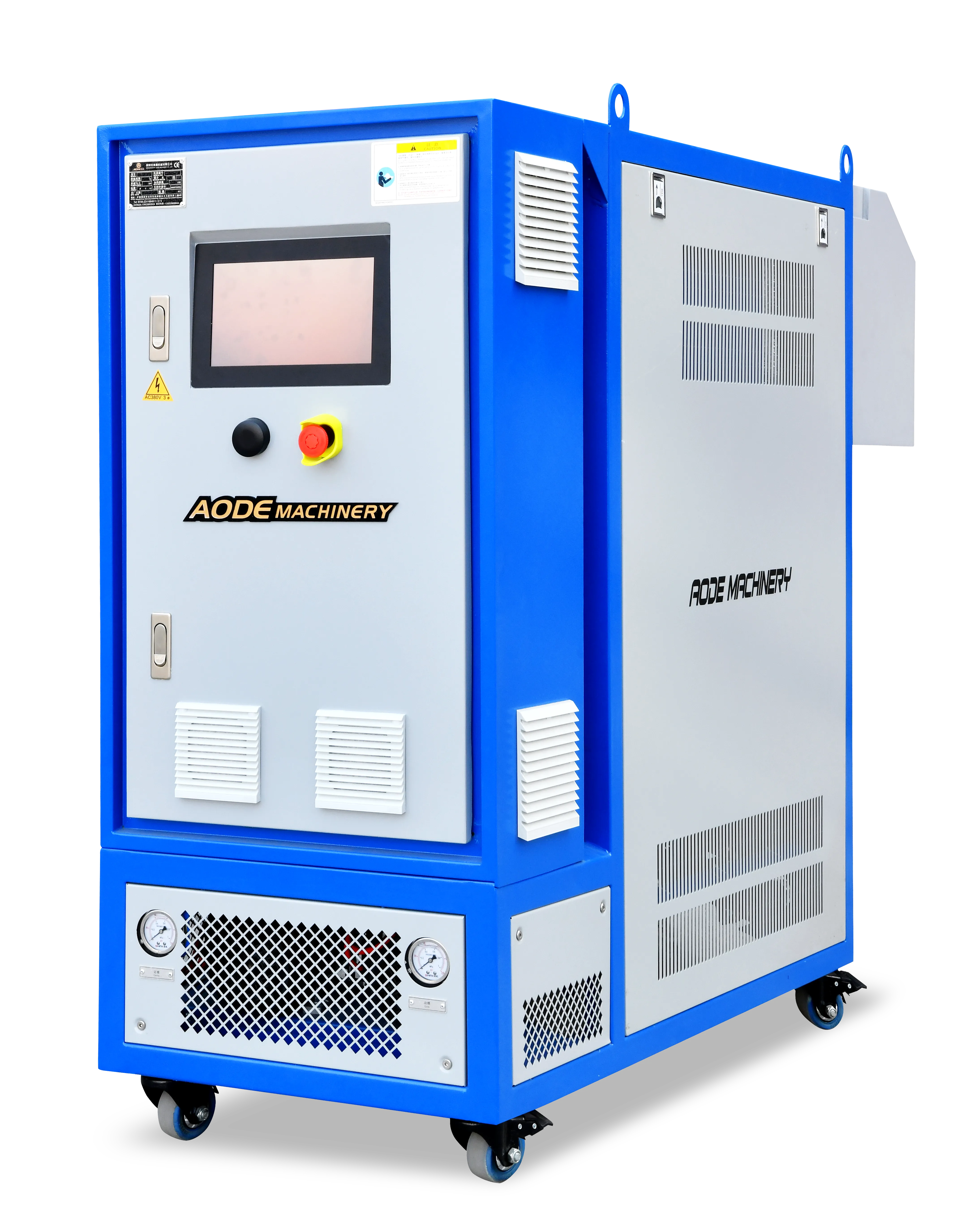
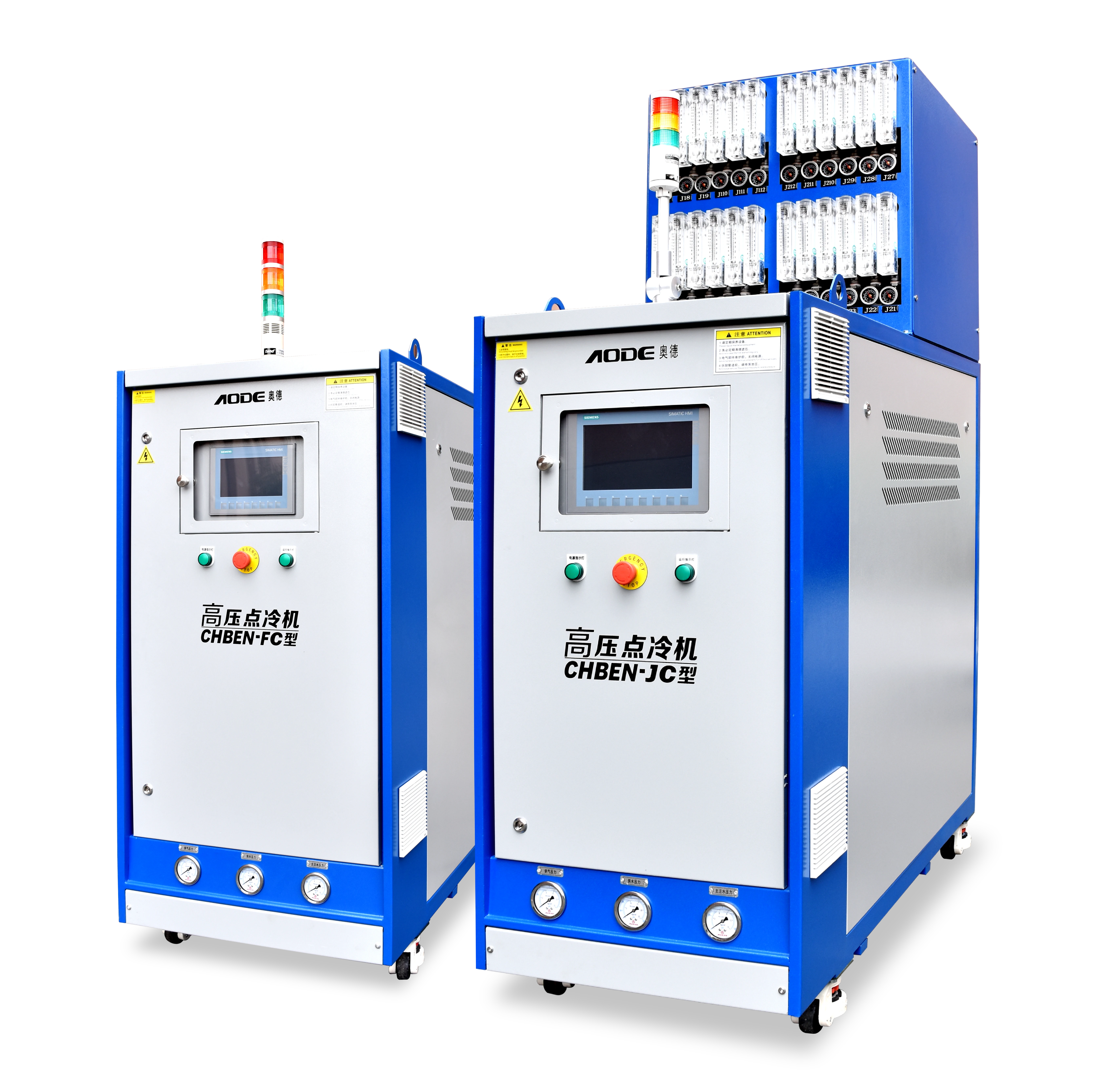
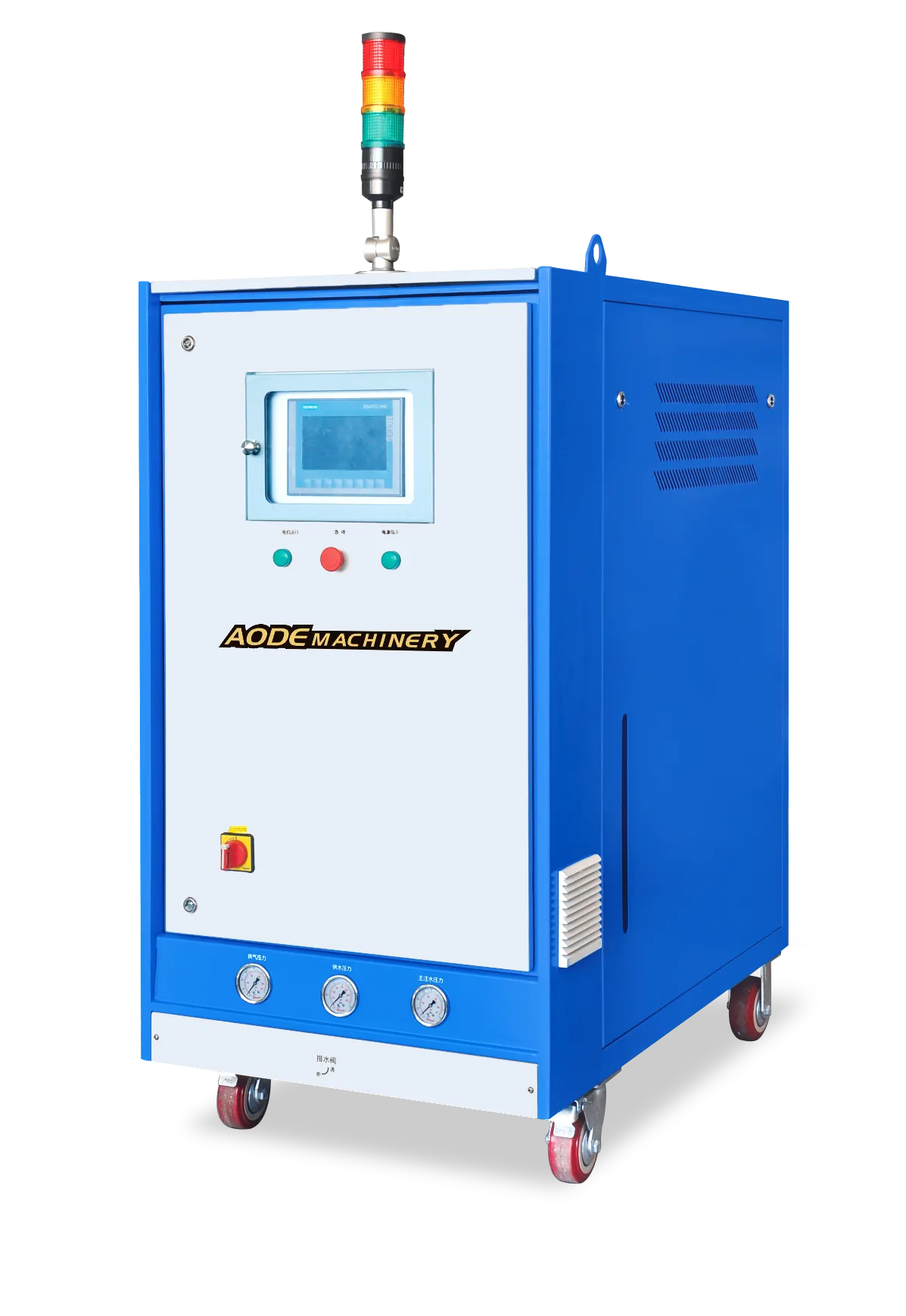
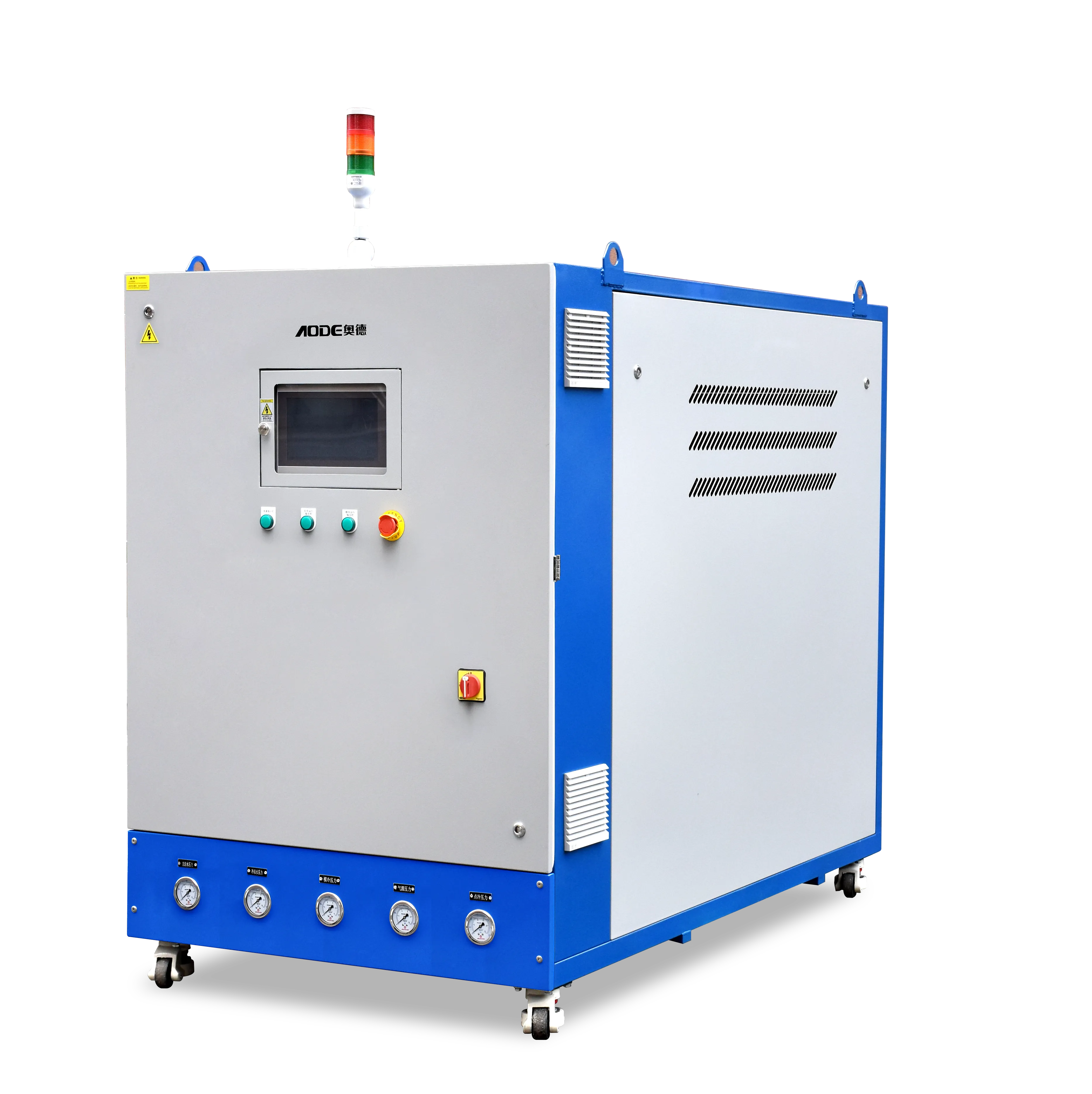
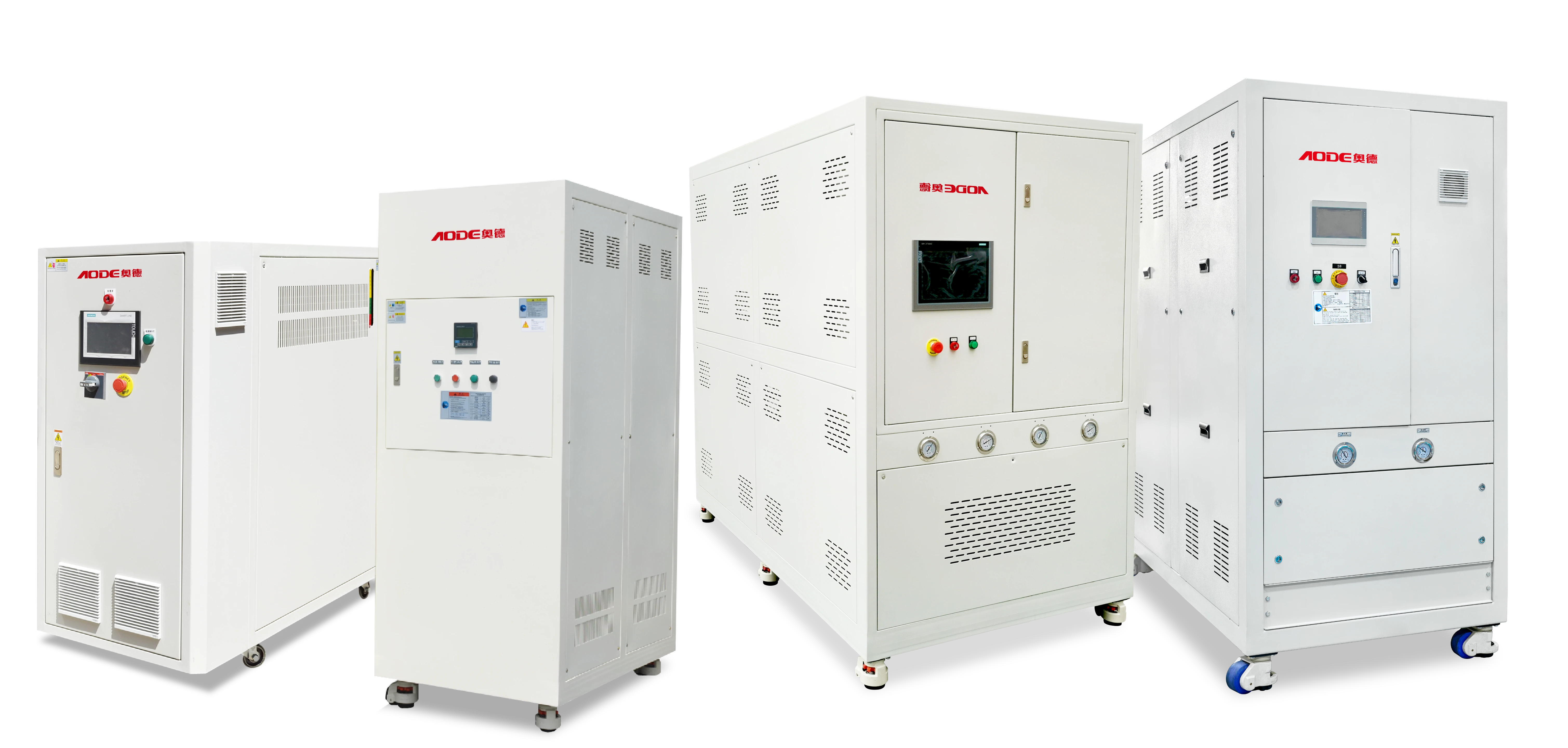
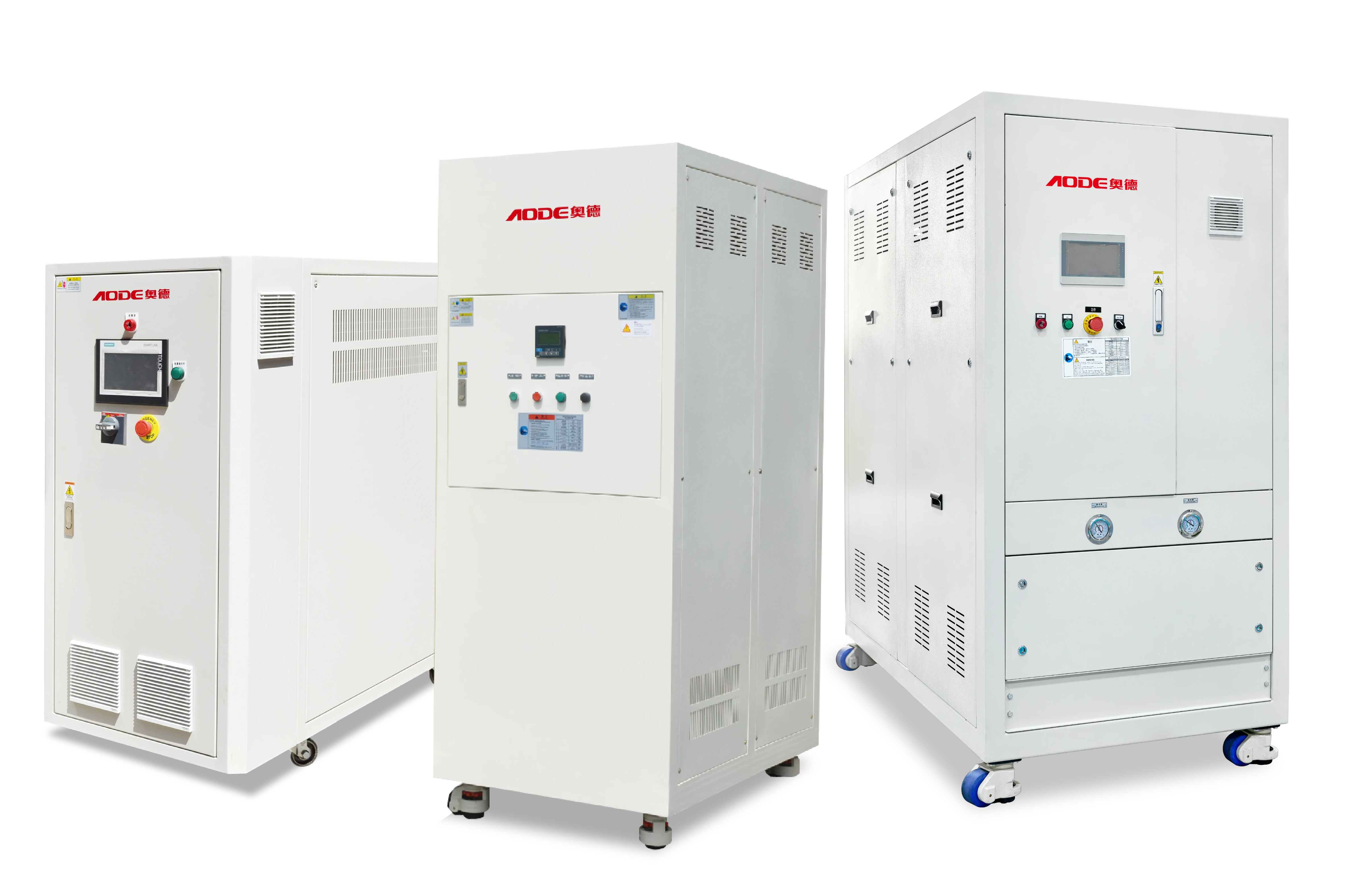
A mold temperature controller regulates die temperature by circulating heated or cooled water or thermal oil through internal mold channels. It manages heat transfer during preheating and continuous casting to maintain stable operating conditions.
For thin-wall aluminum components such as laptop housings and smartphone frames, precise temperature control helps prevent premature solidification, improve metal filling, and maintain consistent casting quality.
Why Is Mold Temperature Control Important in Die Casting?
Mold temperature directly affects metal flow, solidification, and casting quality. During production, molten metal transfers heat into the die, while cooling channels and release-agent spraying remove heat. Uneven heat distribution can create localized hot and cold spots, increasing the risk of cold shuts, incomplete filling, soldering, and dimensional variation.
This becomes particularly challenging in thin-wall electronic housings with wall sections below 1.5 mm. Narrow cavities require sufficient heat to prevent premature solidification, while thicker mounting structures need effective cooling. A die casting temperature control system helps manage these different thermal demands, maintaining more consistent mold conditions throughout repeated casting cycles.
How Does a Die Casting Mold Temperature Controller Work?
A die casting mold temperature controller operates through a closed circulation loop connecting the temperature control equipment to channels inside the die. Water or thermal oil carries heat between the equipment and the mold, while the controller responds to temperature measurements by adjusting heating and cooling.
The operating sequence involves three connected stages: preparing the mold before production, regulating heat transfer during casting, and preventing excessive temperature drift between cycles.
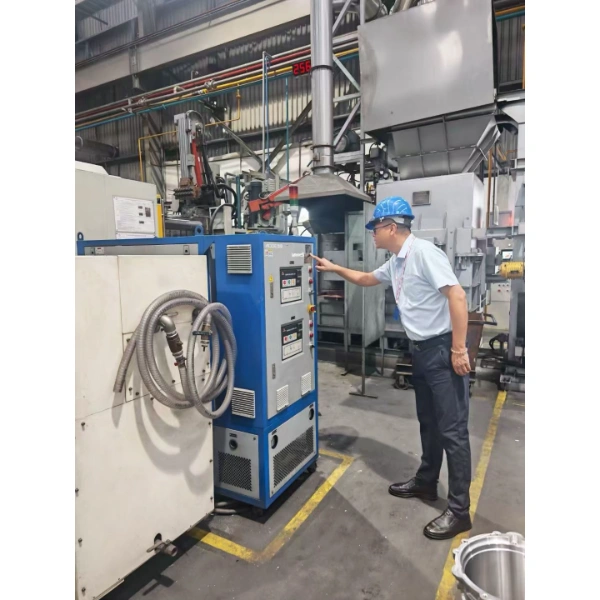
1. Mold Preheating Before Production
Before the first injection, electric heaters raise the circulating medium to the selected temperature. The pump moves the heated medium through internal mold channels, allowing heat to pass into the surrounding tooling. Preheating continues until the relevant mold regions approach the temperatures established during process validation.
The heating time is influenced by mold mass, initial temperature, heater capacity, circulating-medium temperature, and channel geometry. The mold's internal structure also affects how evenly heat reaches the cavity surface. Channels positioned close to temperature-sensitive regions generally provide a different thermal response from passages located deep within a large tool body.
For thin-wall aluminum castings, controlled preheating helps prevent excessive heat extraction from the first shots. The controller's displayed temperature, however, reflects its measurement location rather than the temperature of every mold surface. Critical cavity regions should be checked directly before production begins.
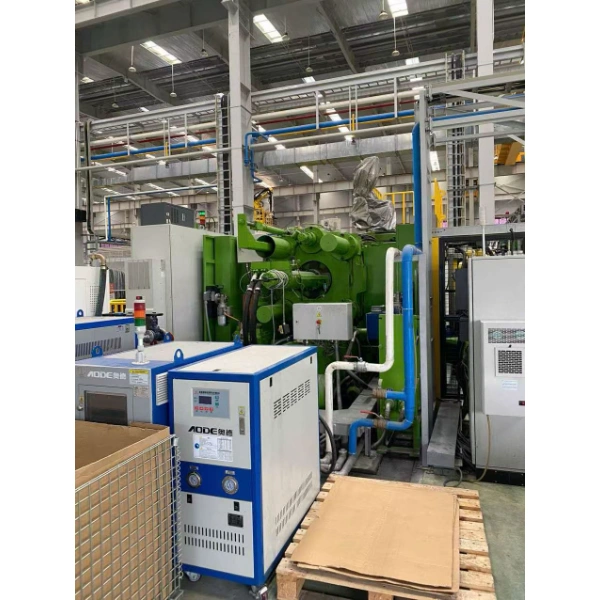
2. Continuous Temperature Regulation During Die Casting
Once casting starts, molten metal introduces heat into the die during every injection. The circulating medium exchanges heat with the mold, and temperature sensors monitor the condition of the control loop. Heating is supplied when the measured temperature falls below the setpoint, while the cooling system removes excess heat when required.
Stable temperature regulation depends on circulation performance as much as controller accuracy. Long or narrow mold channels increase hydraulic resistance, limiting the volume of water that can flow through the tool. A system delivering insufficient circulation may struggle to transfer heat effectively even when its temperature display remains close to the target value.
For larger circulation circuits, the 90 L/min rated pump flow available in AODE's high-temperature water temperature control equipment provides a starting specification for hydraulic sizing. The actual flow through the mold must still be checked against the pump curve, channel resistance, and connecting pipework. In complex communication equipment housings, separate circuits may be preferable where thin exterior walls and thicker mounting regions experience substantially different thermal loads.
3. Maintaining Thermal Balance Between Casting Cycles
The temperature at the cavity surface changes naturally throughout each shot. Heat enters during filling and solidification, then leaves through cooling channels, release-agent spraying, and exposure to the surrounding environment. A controller cannot eliminate these fluctuations, but it can help prevent the mold's overall thermal condition from drifting as production continues.
When the heat introduced by successive injections exceeds the system's heat removal capacity, temperatures may rise progressively. Excessive cooling creates the opposite risk, leaving some regions too cold for reliable filling. Maintaining an appropriate thermal balance requires sufficient circulation, correctly sized cooling equipment, and a channel arrangement suited to the mold's geometry.
For continuous production of electronic enclosures, thermal consistency is more valuable than a stable temperature display alone. Monitoring mold temperatures at critical locations helps reveal whether the circulation system is maintaining the intended operating condition over extended production runs.
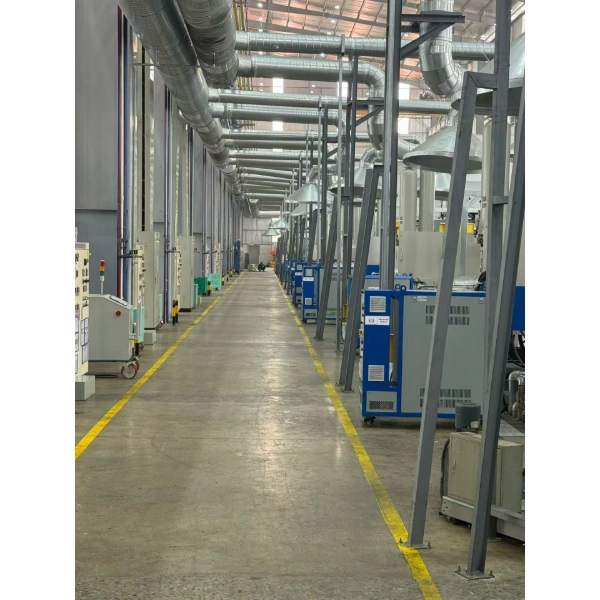
Water vs. Oil Mold Temperature Controllers for Die Casting
Water and thermal oil both transfer heat between the controller and the mold, but differences in heat transfer characteristics, operating pressure, and maintenance requirements influence where each medium is suitable.
| Comparison | Water Temperature Controller | Oil Temperature Controller |
|---|---|---|
| Heat Transfer | Generally favorable heat transfer characteristics | Depends on oil properties and operating temperature |
| Temperature Range | High temperatures require pressurization | Suitable for higher temperatures within equipment and oil limits |
| Circulation Requirements | Pressure-rated piping, sealing, and water quality control | Oil compatibility, viscosity, and circulation management |
| Maintenance | Scaling, pressure integrity, and sealing | Oil aging, contamination, and leakage |
| Production Environment | No thermal oil in the circulation circuit | Potential oil leakage and associated fumes |
| Selection Priority | Heat transfer, operating pressure, and cooling demand | Required temperature, oil properties, and heat removal |
Water is not restricted to 100°C when used in a properly pressurized closed system. As pressure increases, the boiling point rises, allowing liquid water to circulate at temperatures suitable for certain high-temperature die casting applications.
The operating range becomes an important consideration when the mold requires elevated thermal conditions. AODE's 180°C and 200°C water temperature control configurations provide different circulating-medium temperature limits for this purpose. Selecting between them requires an assessment of the process temperature, pressure rating, and mold circuit design rather than treating the highest available temperature as automatically preferable.
Thermal oil remains relevant where process requirements exceed the practical limits of pressurized water or where the equipment design makes oil circulation more appropriate. Material-specific safety conditions must also be considered, particularly where accidental contact between water and molten metal could create hazards.
How Can High-Temperature Water Control Improve Thin-Wall Die Casting?
Thin-wall die casting combines demanding filling conditions with the need for efficient production. Laptop housings, smartphone frames, 5G base station enclosures, and similar components may have sections below 1.5 mm, alongside reinforcing ribs and mounting features that retain heat differently.
Temperature control in these applications extends beyond preventing casting defects. The heating system must prepare the mold efficiently, the circulation medium must suit the production environment, and the equipment must support repeatable operation when molds are changed.
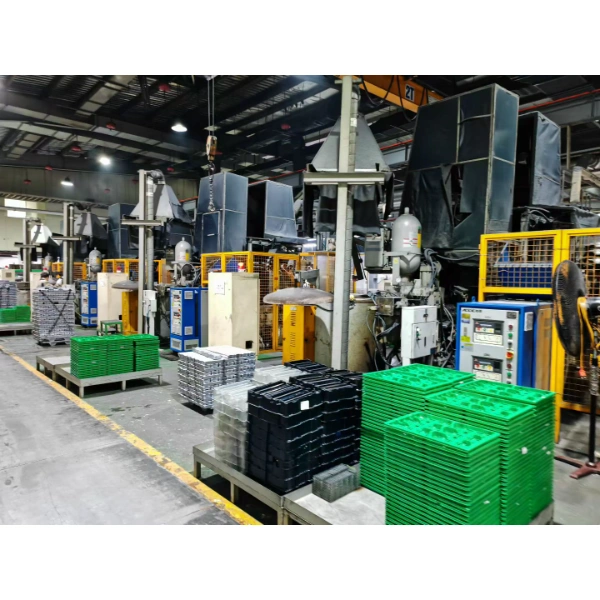
1. Shortening Mold Preheating Time
Frequent product changes make mold preparation an important part of production efficiency. Once a new die is installed, the temperature control system must transfer enough heat into the tooling to establish the required operating conditions before normal casting can begin. The total preparation time depends on both the rate of heat delivery and the temperature distribution achieved within the mold.
A heating rate of ≥10°C/min provides a measurable performance target for applications requiring rapid temperature recovery. Reaching this rate requires sufficient heating capacity and effective circulation, but heater power alone cannot establish actual mold performance. Thermal mass, heat losses, channel location, and the temperature difference between the circulating medium and the die all influence the result.
Heating capacity must therefore be considered in relation to the load. The 48 kW installed heating power available in selected AODE die casting water temperature control configurations can support the energy requirements of high-temperature preheating, subject to the mold and system design. Whether ≥10°C/min is achieved must be verified at a specified measurement point under defined operating conditions.
For thin-wall electronic components, faster preheating is valuable when it reduces the time required to reach a validated mold temperature without creating excessive differences between critical regions. Heating speed and temperature uniformity should be evaluated together.
2. Reducing Oil-Related Contamination Risks
Precision electronic component manufacturing often requires careful control of equipment cleanliness and maintenance activities. Thermal oil systems introduce a circulating fluid that must be monitored for degradation, leakage, and sealing performance. Escaped or overheated oil can also create fumes and additional cleaning requirements around production machinery.
High-temperature water circulation removes thermal oil from the mold temperature control circuit. This avoids a potential source of oil leakage and oil-related fumes, which may be beneficial in facilities seeking to reduce contamination risks around electronic component production.
The benefit is specific to the temperature control equipment. Water circulation does not make the entire die casting workshop emission-free or automatically meet cleanroom requirements. Release agents, machine lubrication, and molten-metal handling still require appropriate ventilation and process controls.
3. Improving Production Recovery After Mold Changes
Mold changeovers involve more than replacing the tooling. Temperature control lines must be disconnected and reconnected, circulation must be restored, and the newly installed mold must reach its required operating condition. In production facilities handling several electronic enclosure designs, the reliability of this process can affect machine availability.
Repeatable temperature settings and monitored circulation help operators prepare each mold under consistent conditions. Suitable isolation valves, drainage arrangements, and safely designed quick-change connections can also simplify the temperature control portion of the changeover procedure.
High-temperature circuits must be depressurized and brought to safe conditions before disconnection. Once a new mold is installed, the relevant temperature measurements should be verified before regular casting resumes. The time recovered depends on the entire changeover process rather than the controller's heating performance alone.
How to Choose a Mold Temperature Controller for Die Casting?
Selecting a mold temperature control unit requires evaluating the mold's operating temperature, heating and cooling demands, and circulation conditions. The following factors help determine the appropriate equipment configuration for die casting applications.
| Selection Factor | Engineering Considerations |
|---|---|
| Operating Temperature | Required mold temperature and circulating-medium limits |
| Heating Capacity | Mold mass, initial temperature, target temperature, and preheating time |
| Pump Performance | Required flow, hydraulic resistance, and available pressure |
| Cooling Capacity | Heat introduced per cycle and required heat removal |
| Control Configuration | Number of temperature zones and independent circuits |
| Safety Requirements | Pressure protection, overtemperature protection, sealing, and drainage |
Frequently Asked Questions About Die Casting Mold Temperature Controllers
Q1: What temperature should a die casting mold be?
The required mold temperature depends on the casting alloy, component geometry, wall thickness, filling conditions, and solidification requirements. There is no single operating temperature suitable for every die casting process. Thin-wall aluminum components may require particular attention to temperature distribution near narrow filling paths, while thicker castings can place greater demands on cooling. The appropriate range should be established through process validation and verified at critical mold locations.
Q2: What is the difference between a mold temperature controller and a mold cooling system?
A mold temperature controller regulates the temperature of a circulating medium and may provide heating, cooling, or both, depending on its configuration. A dedicated mold cooling system primarily removes heat from specific regions, particularly areas with high local thermal loads. The two systems can operate together in complex molds, with general temperature control maintaining overall thermal conditions and localized cooling equipment addressing individual hotspots.
Q3: Can a mold temperature controller reduce die casting defects?
Temperature control can help reduce defects associated with unsuitable or inconsistent mold temperatures, including certain cold shuts, incomplete filling, and thermal-related dimensional variation. Its effectiveness depends on whether temperature is a major contributor to the defect. Injection speed, melt temperature, venting, alloy properties, and mold design must also be evaluated before changes to the temperature control system are expected to resolve a casting quality issue.
Q4: What information is needed to select a die casting temperature control unit?
Equipment selection requires information about the casting alloy, mold weight, dimensions, internal channel arrangement, operating temperature, and production cycle time. Heating and cooling demands should be established separately, particularly where rapid preheating or substantial heat removal is required. Pump pressure, available utilities, and the need for independent temperature zones also influence system configuration. Defining these conditions allows the equipment to be sized according to actual production requirements.
Conclusion
A mold temperature controller helps maintain stable thermal conditions throughout die casting, improving process consistency and casting quality. For thin-wall applications, high-temperature water control supports efficient mold preheating while reducing oil-related contamination risks.
Looking for a reliable die casting temperature control solution? Contact AODE to discuss your mold requirements and find the right temperature control system for your production.
 Back to List
Previous
No more
Next
Thermal Oil Heating System vs. Steam Heating: Whic...
Table of Contents
×
CONTACT US
Cookie Policy
We use cookies and other tracking technologies online. Please read our Cookie Policy, which is part of this Cookie Policy , and is incorporated herein by reference.

loading...