
fajsdfjash ddsa dsa as sa sad sda sadfjsadjfl jsadjk fjasdlkfjaskdfdklsaj klf
jsadj
asjdklj falsdjf
jaklj

Products
Why High-Precision Mold Temperature Controllers Are Used in Precision Injection Molding
30 June 2026
Author:
share:


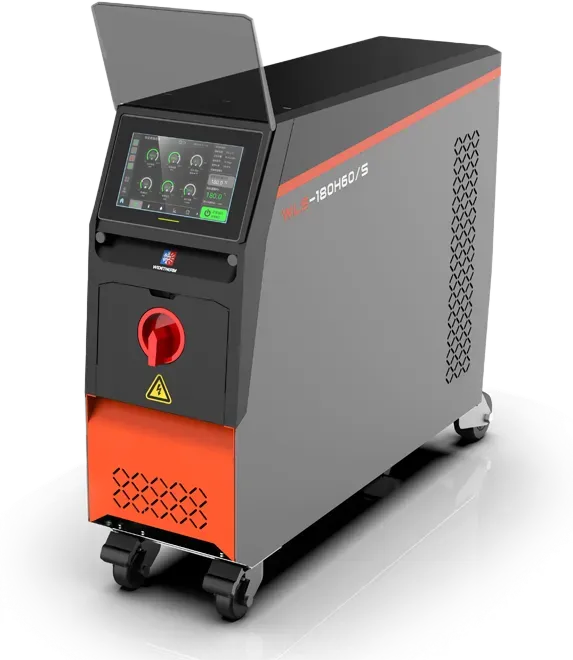
With the development of optical electronics, automotive intelligence, medical devices, and precision components manufacturing industries, injection molded parts are transforming from ordinary structural parts into high-precision, high-consistency functional components. In this type of precision injection molding production, mold temperature control is no longer just an auxiliary process, but an important process condition that affects molding stability. High-precision mold temperature controllers are mold temperature control equipment designed for such high-precision injection molding applications.
This article will focus on the basic concept of high-precision mold temperature controllers, why precision injection molding requires stable mold temperature, the core features of high-precision mold temperature controllers, applicable application scenarios, and how to select a suitable optical-grade mold temperature controller according to your needs, helping you better understand its role in precision injection molding production.
1. What Is a High-Precision Mold Temperature Controller?
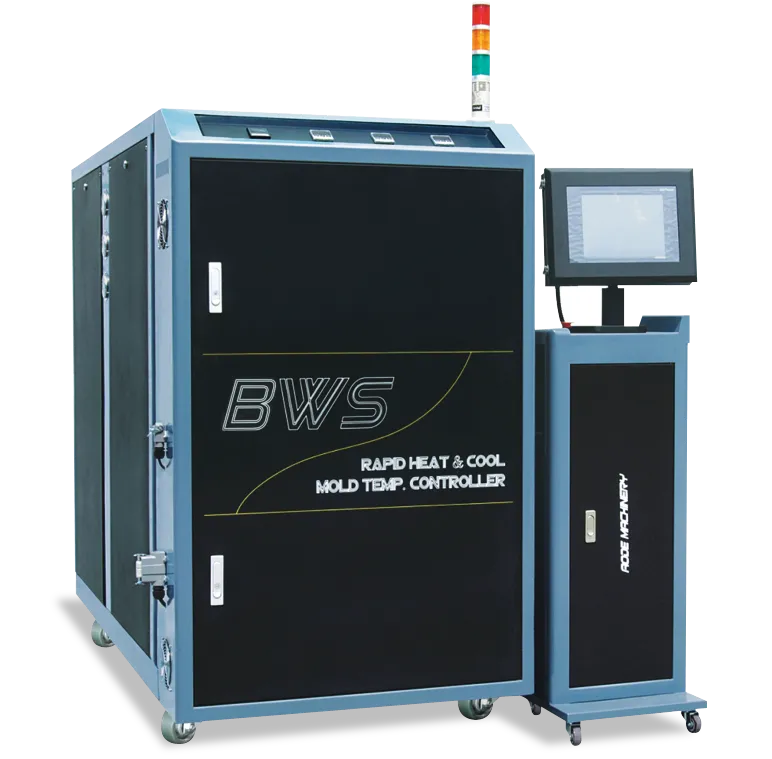
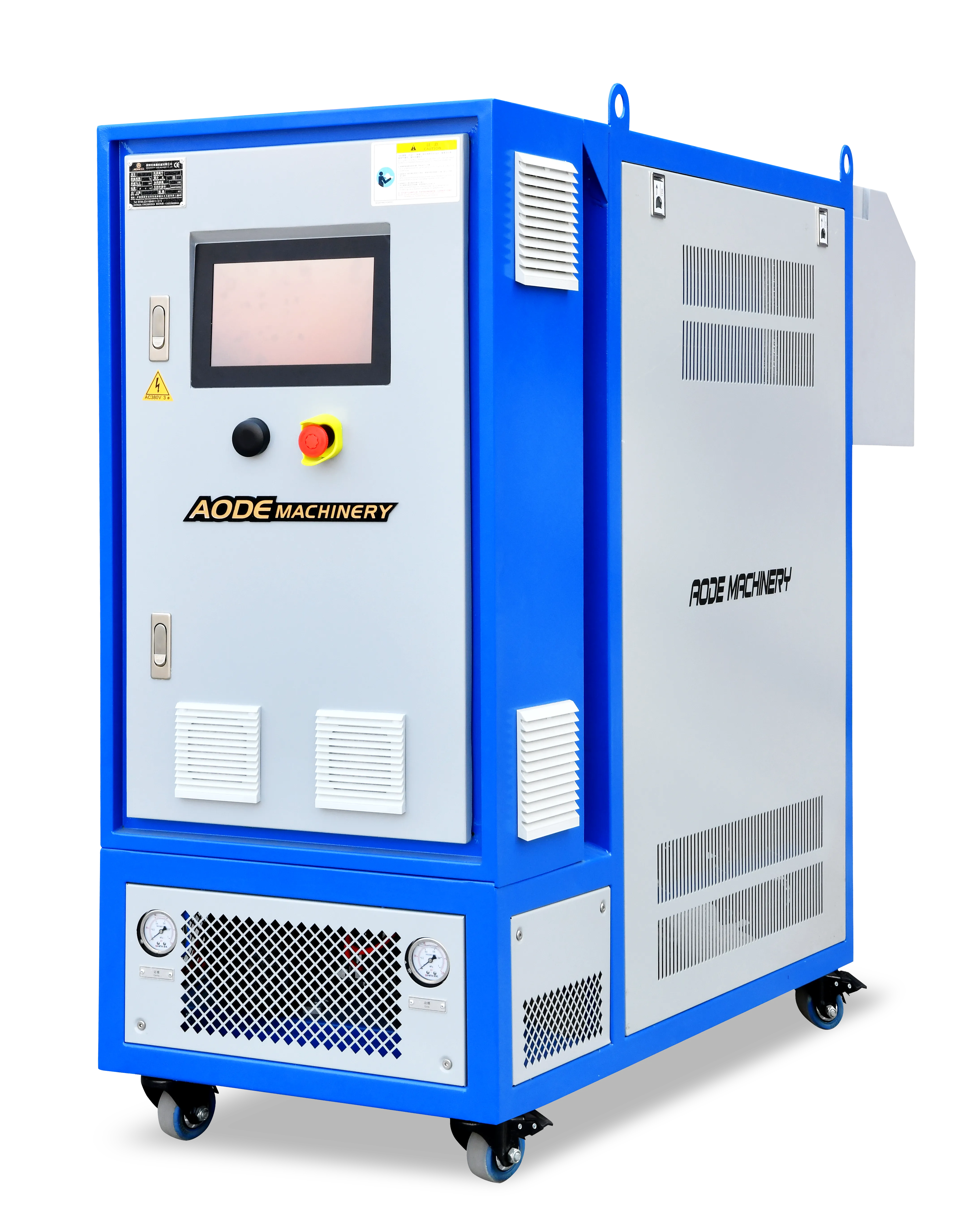
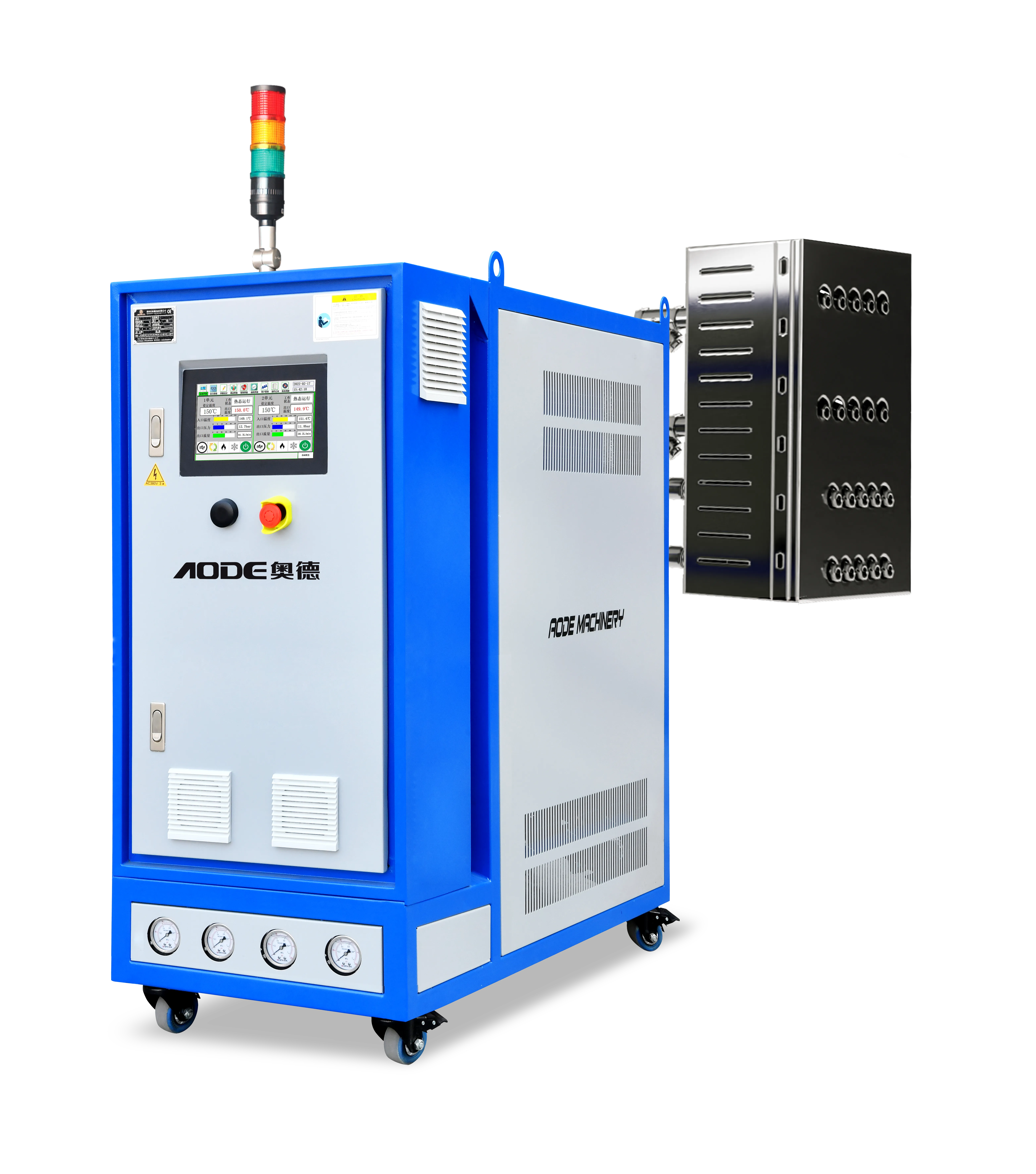
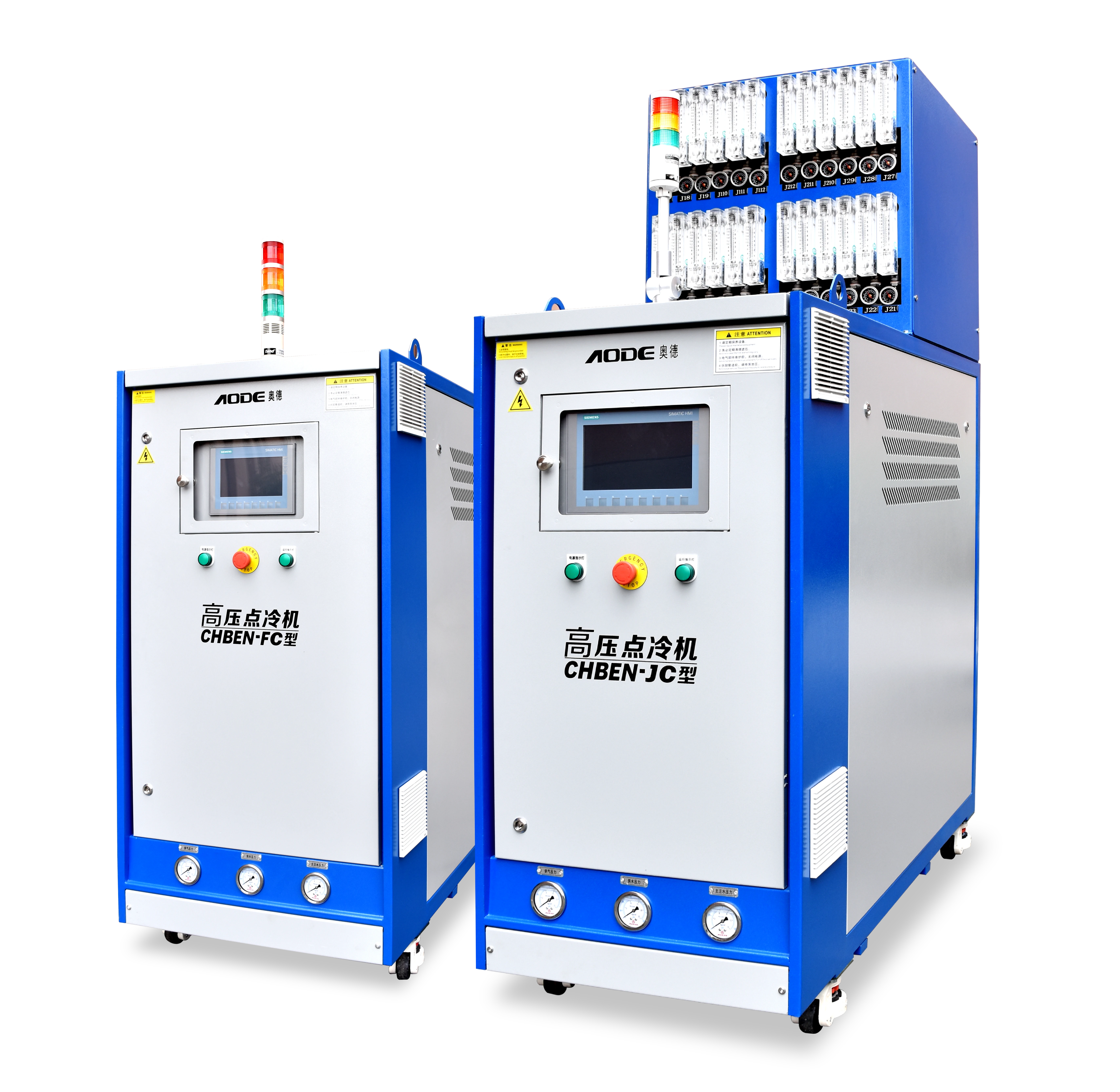
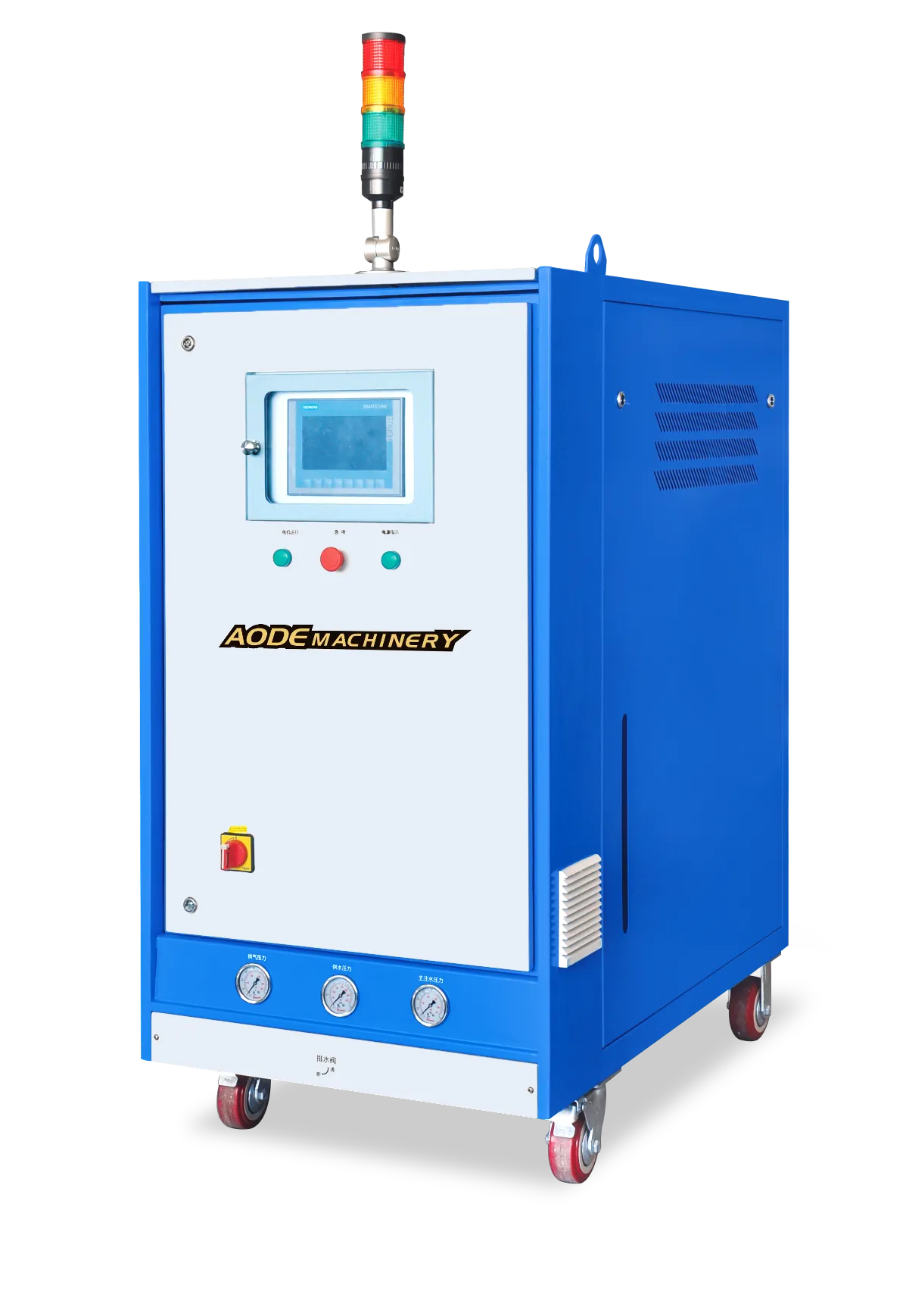
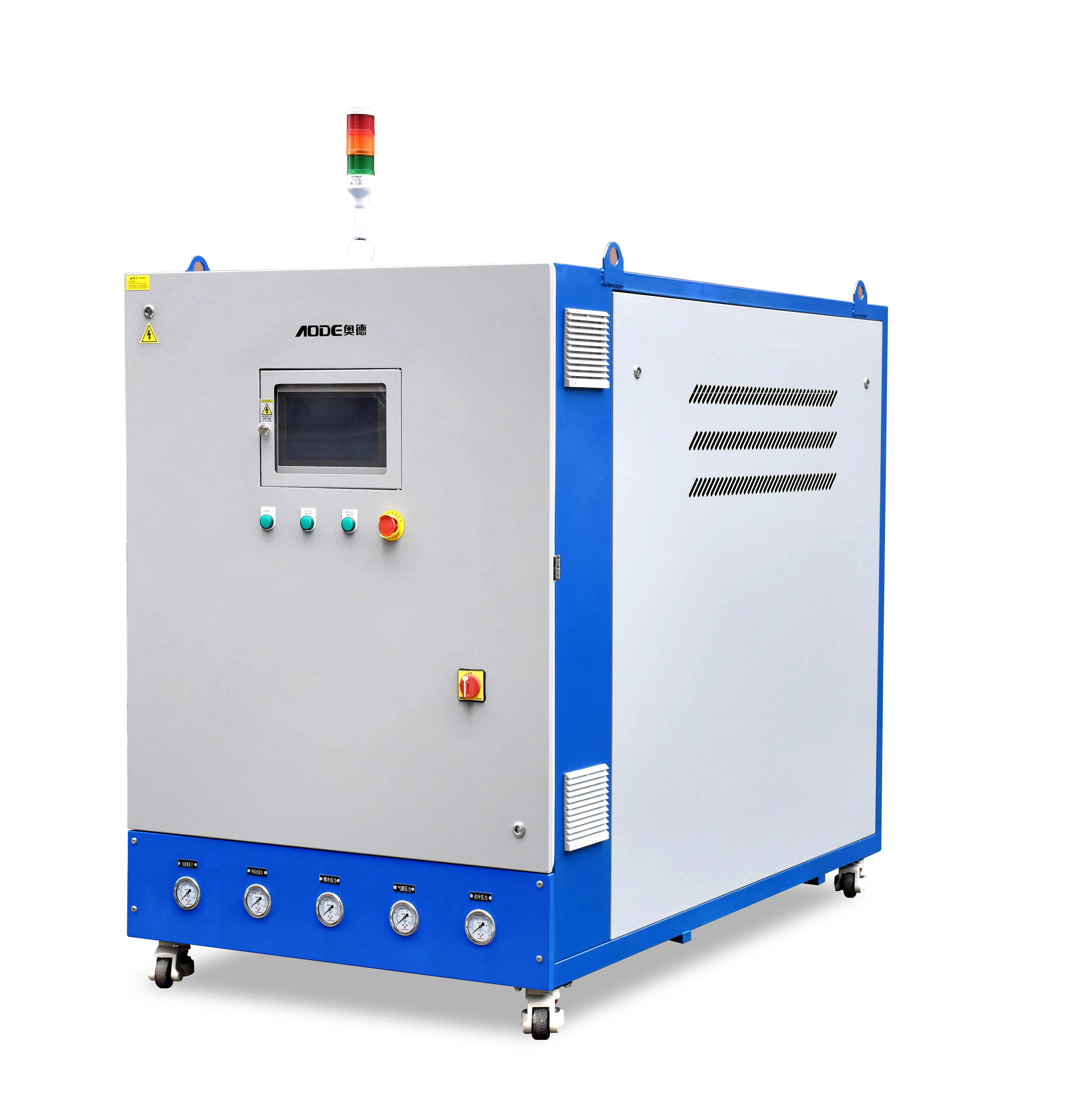
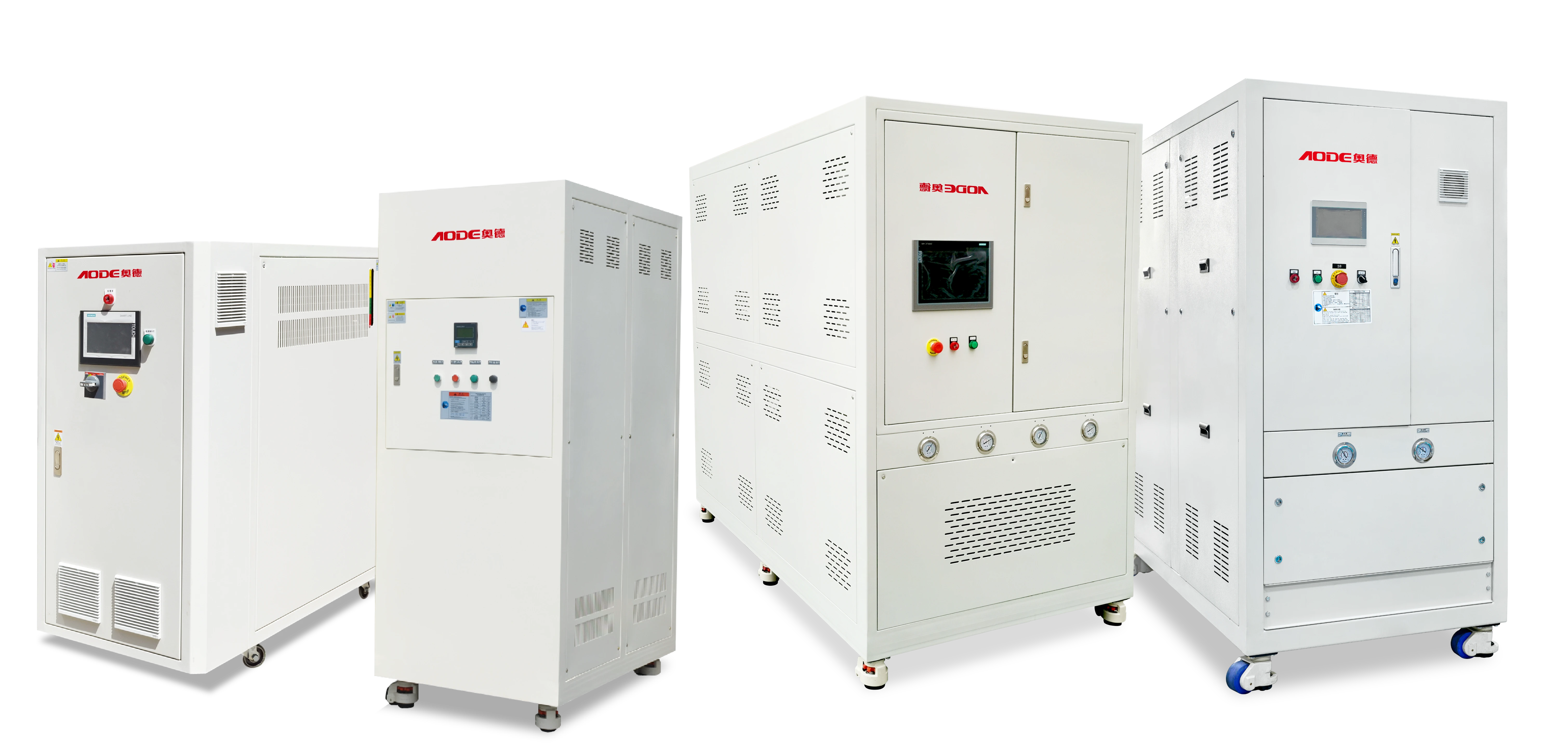
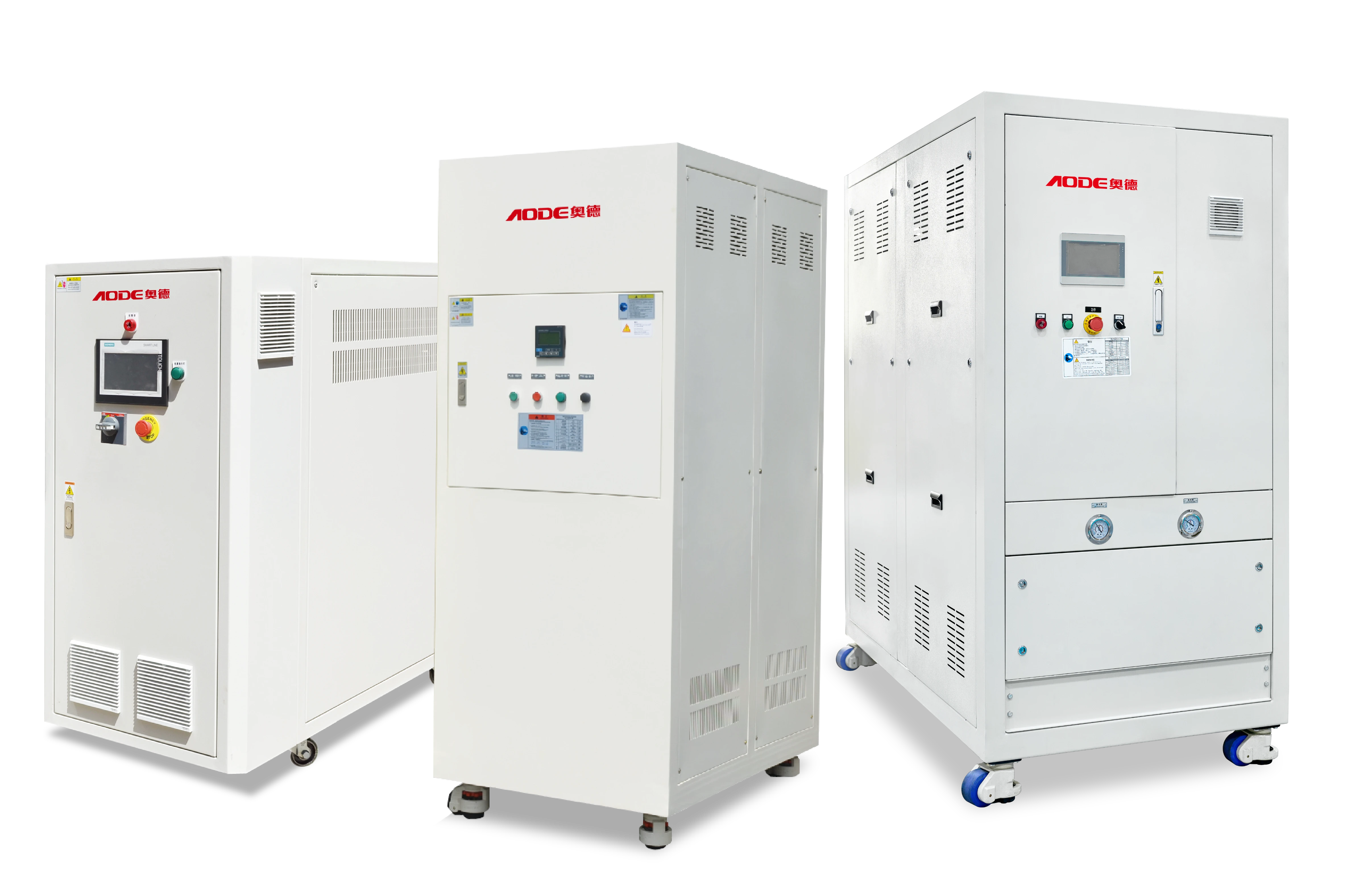
A high-precision mold temperature controller is a type of mold temperature control equipment designed for high-precision injection molding. It maintains the mold temperature within the process setting range through heating, cooling, circulation delivery, and an intelligent control system, helping the injection molding process form a stable thermal balance.
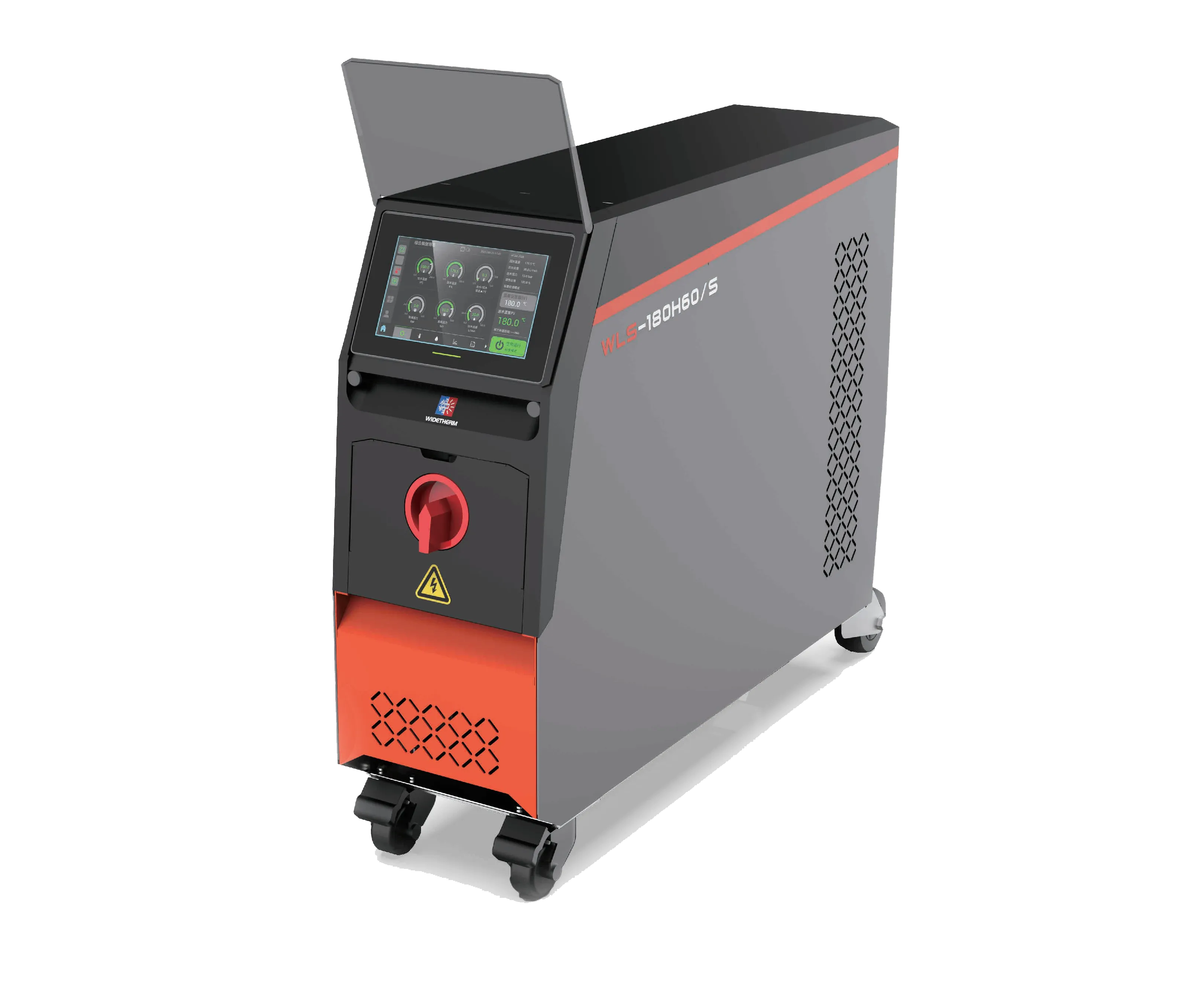
Compared with ordinary mold temperature controllers, high-precision mold temperature controllers can achieve a temperature control accuracy of ±0.1°C. The full series adopts magnetic drive pumps without mechanical seals to eliminate water leakage. Non-immersed tubular heaters prevent scale formation and extend service life, and they are more energy-efficient than traditional heaters by up to 30%.
Heating and cooling adopt a dual PID modular system. The whole machine is equipped with branch flow and temperature monitoring, USB data export, RS485 / OPC UA communication functions, and mold cleaning and drainage functions. It supports multiple language options including Chinese, English, Japanese, Korean, and German.
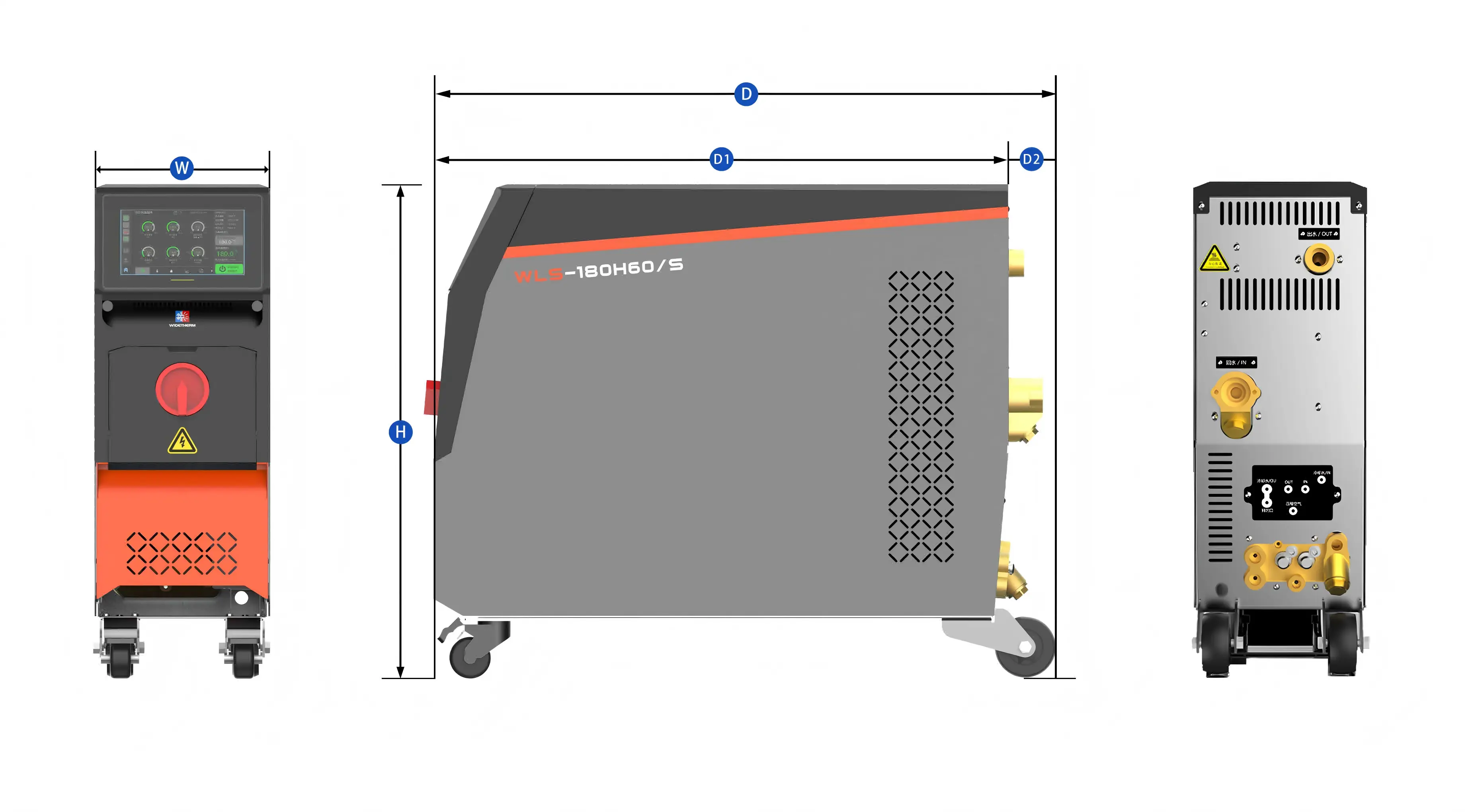
They are typically used in injection molding applications with high requirements for product precision, transparency, surface quality, and batch consistency.
In precision injection molding, mold temperature is not an independent parameter, but is closely related to material flow, cooling and solidification, product shrinkage, and mold structure. The role of a high-precision mold temperature controller is to provide more controllable and stable temperature conditions for these demanding processes, reducing uncertainty in the molding process.
2. Why Does Precision Injection Molding Require Stable Mold Temperature?
Precision injection molded products usually have characteristics such as complex structures, small dimensional tolerances, high appearance requirements, and sensitive material properties. If the mold temperature deviates significantly from the preset value, it will affect the flow, cooling, and shrinkage process of the plastic melt in the mold cavity, thereby affecting final product quality.
What precision injection molding needs is not simply "temperature control," but stable mold temperature during long-term production, while ensuring high temperature control accuracy and allowing operators to timely understand the operating status of equipment and molds. Only when mold temperature is stable enough can product molding quality be consistently maintained.
3. Core Functional Features of High-Precision Mold Temperature Controllers
The core advantages of high-precision mold temperature controllers are mainly reflected in high-precision temperature control, operation monitoring, flow monitoring, communication functions, data export, and modular design.
High-Precision Stable Temperature Control
Widetherm mold temperature controllers use ±0.1°C high-precision temperature sensors, intelligent control algorithms, and stable heating and cooling systems. The full series adopts magnetic drive pumps without mechanical seals and non-immersed tubular heaters, making mold temperature closer to process setpoints and reducing the impact of temperature fluctuations on product dimensions, appearance, and molding consistency.
Real-Time Operation Monitoring
High-precision mold temperature controllers not only control temperature but also monitor pressure, branch flow, temperature control status, operating conditions, and alarm information, helping production personnel detect abnormalities in time.
For precision injection molding, this helps reduce molding fluctuations and scrap rates caused by changes in equipment conditions, improving overall production efficiency.
Modular Design
Precision injection molding usually requires long-term continuous production, so equipment stability during long operation is very important.
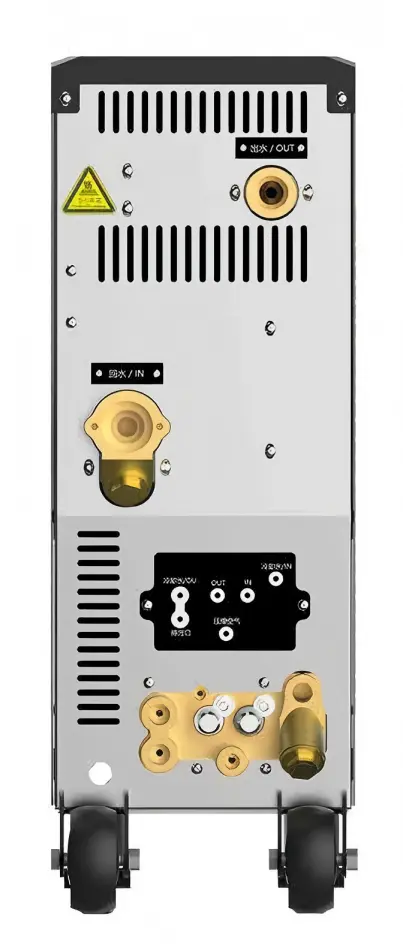
Widetherm optical-grade mold temperature controllers adopt a modular structure design, which reduces pipeline joint connections and lowers leakage risks. At the same time, they are equipped with magnetic drive pumps without mechanical seals, 304 stainless steel internal structures, and anti-scaling indirect heating modules, helping reduce the impact of scale, corrosion, and frequent maintenance on production stability.
Data-Based Management Support
Widetherm high-precision mold temperature controllers support real-time monitoring of temperature curves, pressure curves, and flow curves, and are equipped with functions such as alarm history query, USB data export, and RS485 / OPC UA communication.
Factories can more easily view equipment operating status, export production data, and use it for process management, equipment maintenance, and quality traceability, making it more suitable for intelligent injection molding workshops.
4. Common Applications in Optics, Medical, Automotive, and Precision Parts
High-precision mold temperature controllers are mainly suitable for injection molding scenarios with high requirements for mold temperature stability, molding precision, and batch consistency. Different application fields have different focuses on mold temperature control, as shown below:
| Application Field | Typical Products | Requirements for Mold Temperature Control | Role of Optical-Grade Mold Temperature Controller |
| Optical Injection Molding | Optical lenses, transparent parts, AR/VR optical components, security camera lenses, automotive HUD-related parts | Focus on transparency, surface quality, internal stress and optical stability | Helps the mold maintain stable temperature and reduce surface defects, stress fluctuations and molding instability |
| Medical Devices | Medical plastic parts, transparent structural parts, precision functional components | Require stable dimensions, clean appearance and high batch consistency | Reduces molding fluctuations and helps products maintain more stable quality during continuous production |
| Automotive Parts | Lamp components, display-related components, sensor housings, functional structural parts | Balance dimensional precision, appearance quality and assembly stability | Reduces the risk of shrinkage, warpage and dimensional deviation, and improves batch production stability |
| Electronics and Precision Structural Parts | Precision gears, testing instrument parts, optical communication precision connectors, electronic connectors | Products are small in structure, high in precision, and sensitive to shrinkage and deformation | Helps the mold form a stable thermal balance and improves the molding consistency of precision parts |
These application scenarios share a common feature: high product value, strict quality requirements, and narrow process windows. Therefore, using a high-precision mold temperature controller is not simply about upgrading equipment, but about making precision injection molding more stable and controllable.
5.Summary
High-precision mold temperature controllers are suitable for precision injection molding. The core reason is that they can provide a more stable and controllable temperature environment for molds, helping reduce molding fluctuations and improve product dimensional accuracy, appearance, and batch consistency.
If your injection molding production is facing issues such as unstable optical part molding, dimensional fluctuation of precision parts, difficulty in mold temperature control, or insufficient batch consistency, selecting a suitable high-precision mold temperature controller will directly affect production stability.
Widetherm can provide more matched mold temperature control solutions according to different injection molded products, mold structures, temperature ranges, and on-site working conditions, helping enterprises improve temperature control stability and production reliability in precision injection molding.
For selection guidance, parameter configuration, or specific application solutions, please contact the Widetherm team for professional support.
 Back to List
Table of Contents
×
CONTACT US
Cookie Policy
We use cookies and other tracking technologies online. Please read our Cookie Policy, which is part of this Cookie Policy , and is incorporated herein by reference.

loading...