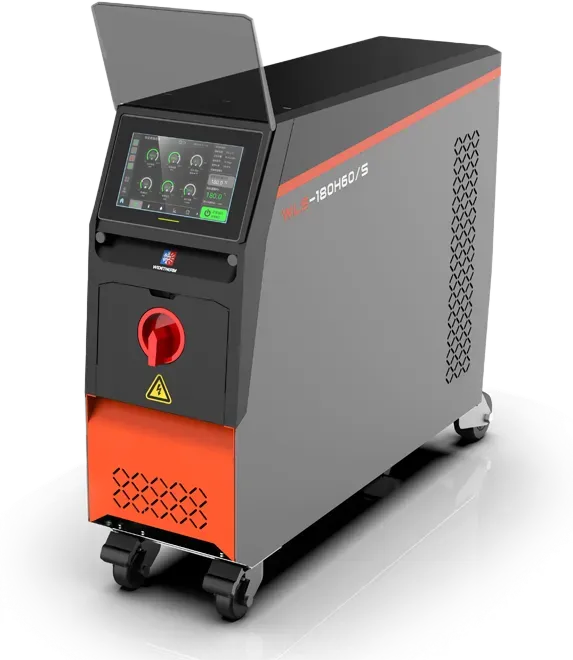
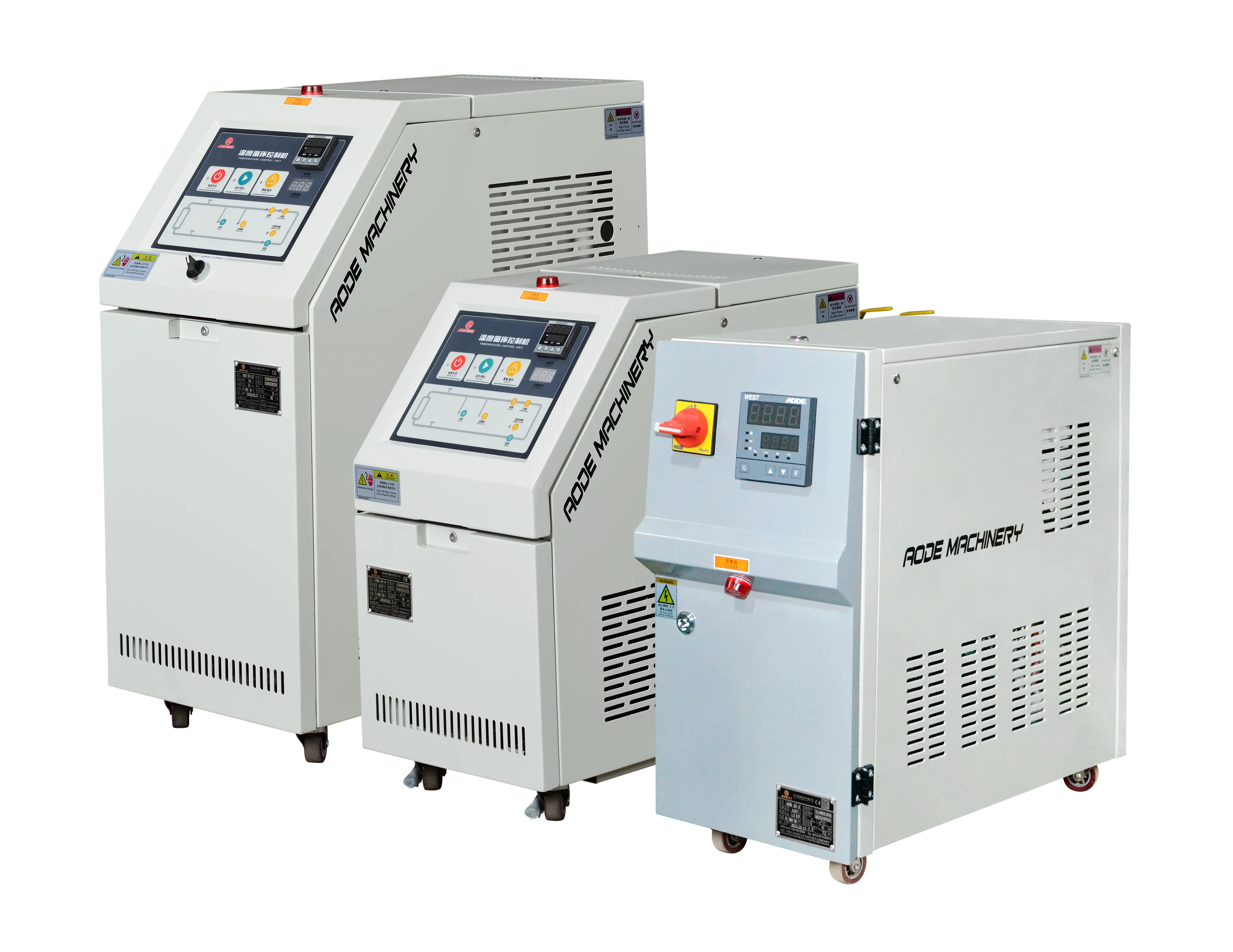
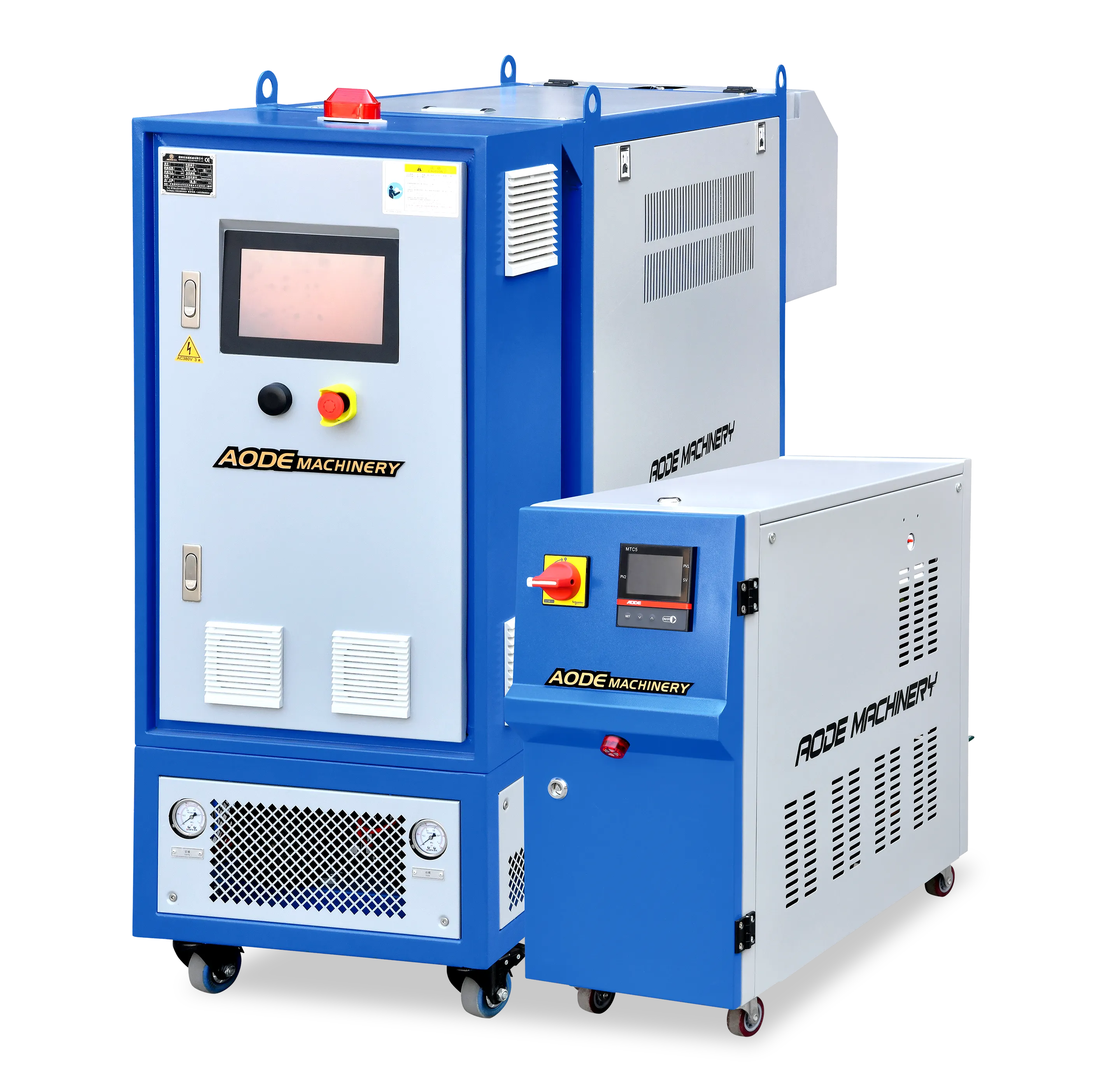
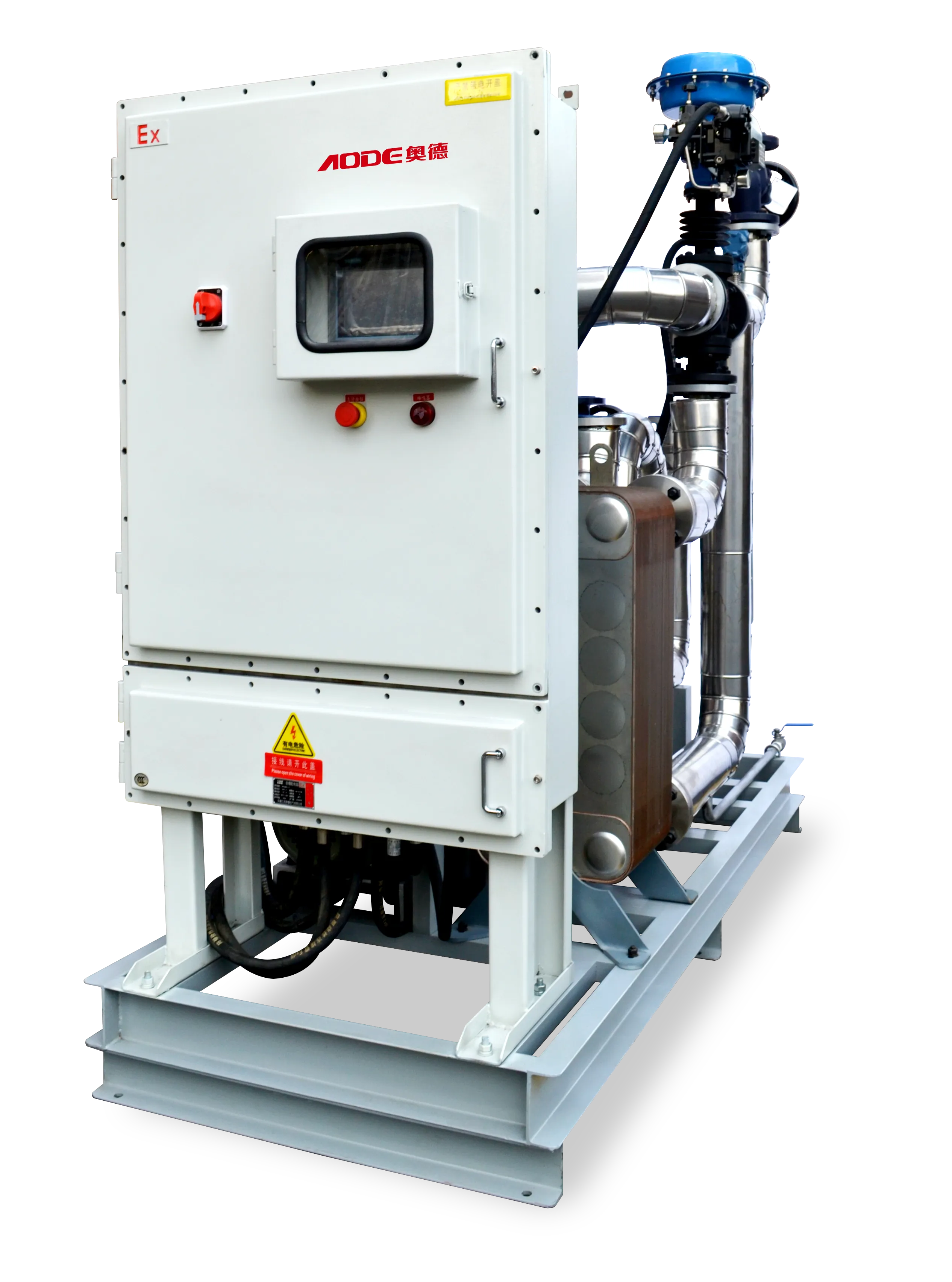

fajsdfjash ddsa dsa as sa sad sda sadfjsadjfl jsadjk fjasdlkfjaskdfdklsaj klf
jsadj
asjdklj falsdjf
jaklj

Products
Types of Mould Temperature Controllers
23 February 2026
Author:AODE
share:


A Complete Guide to Water, Oil, and Advanced Industrial Temperature Control Systems. In this guide, we will explore the main categories of street lights on highways, their structural differences, performance characteristics, and ideal application scenarios.
Mould Temperature Controller Definition
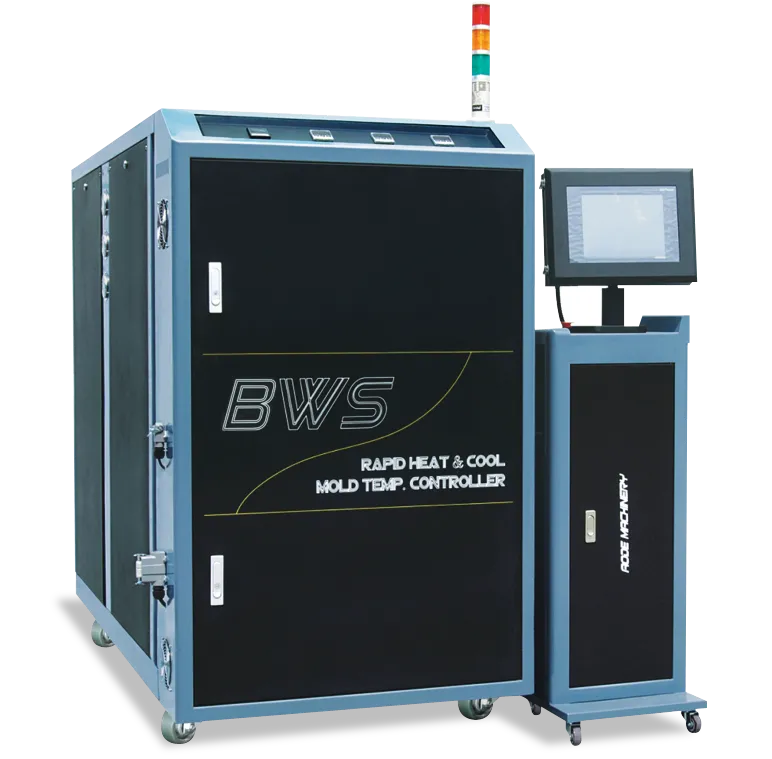
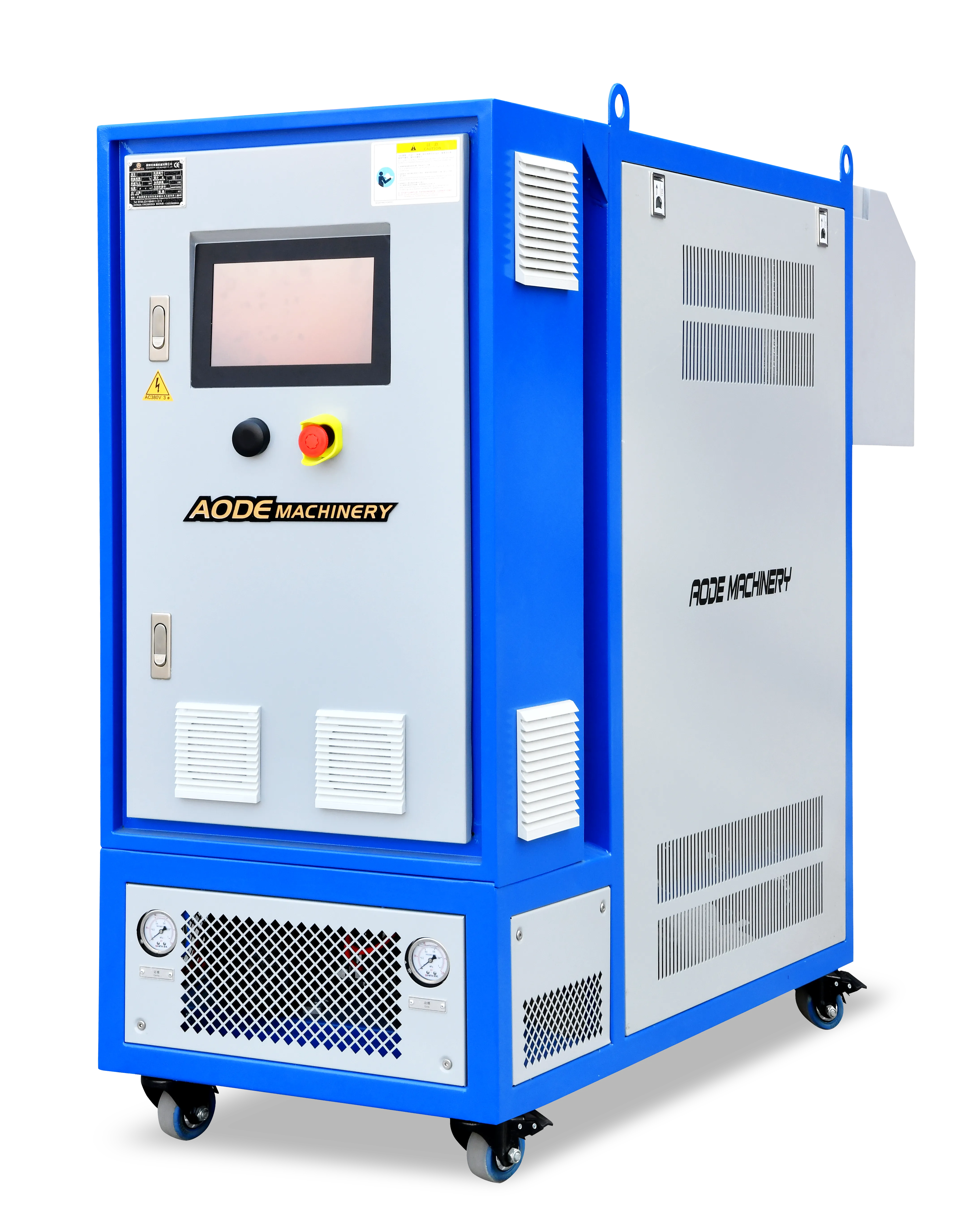
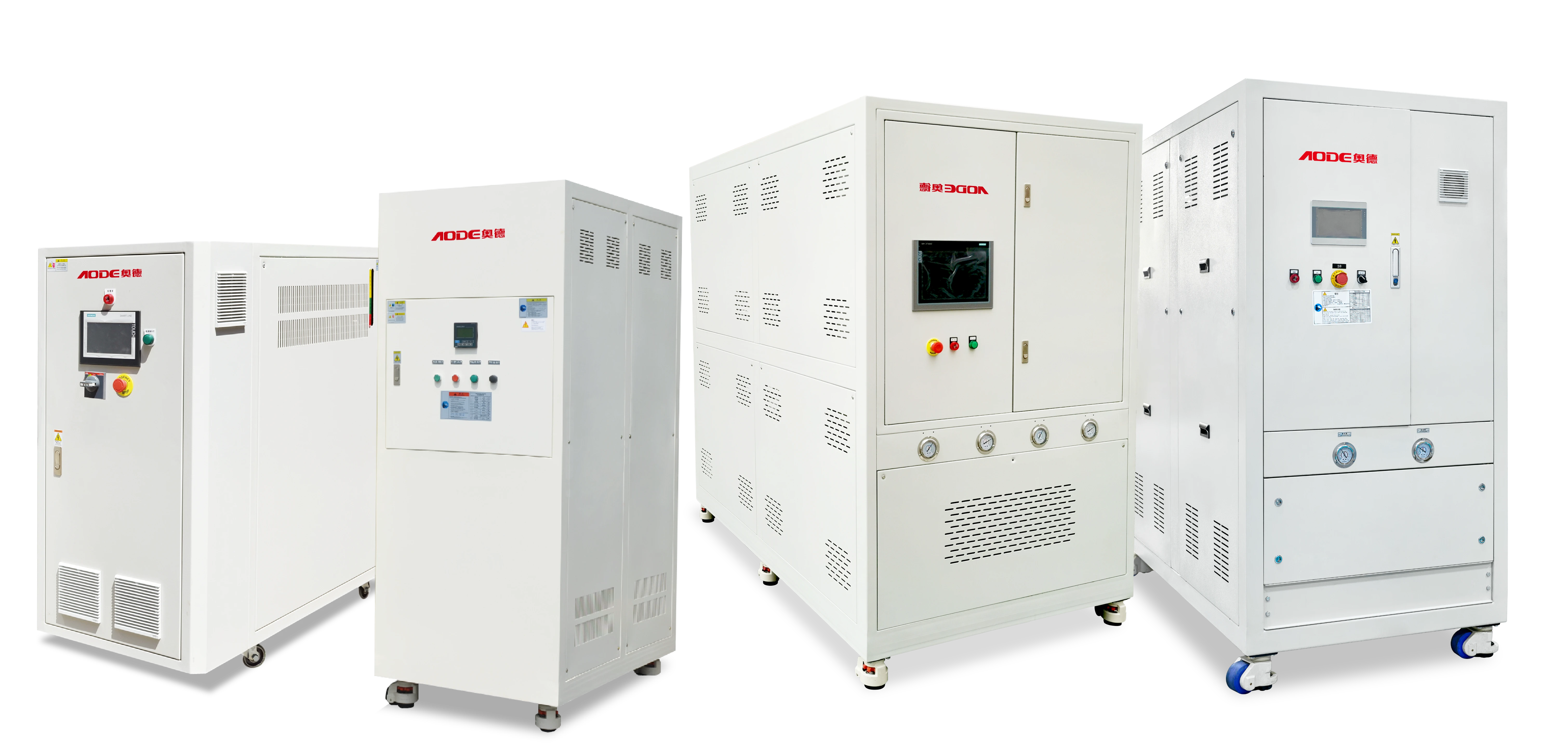
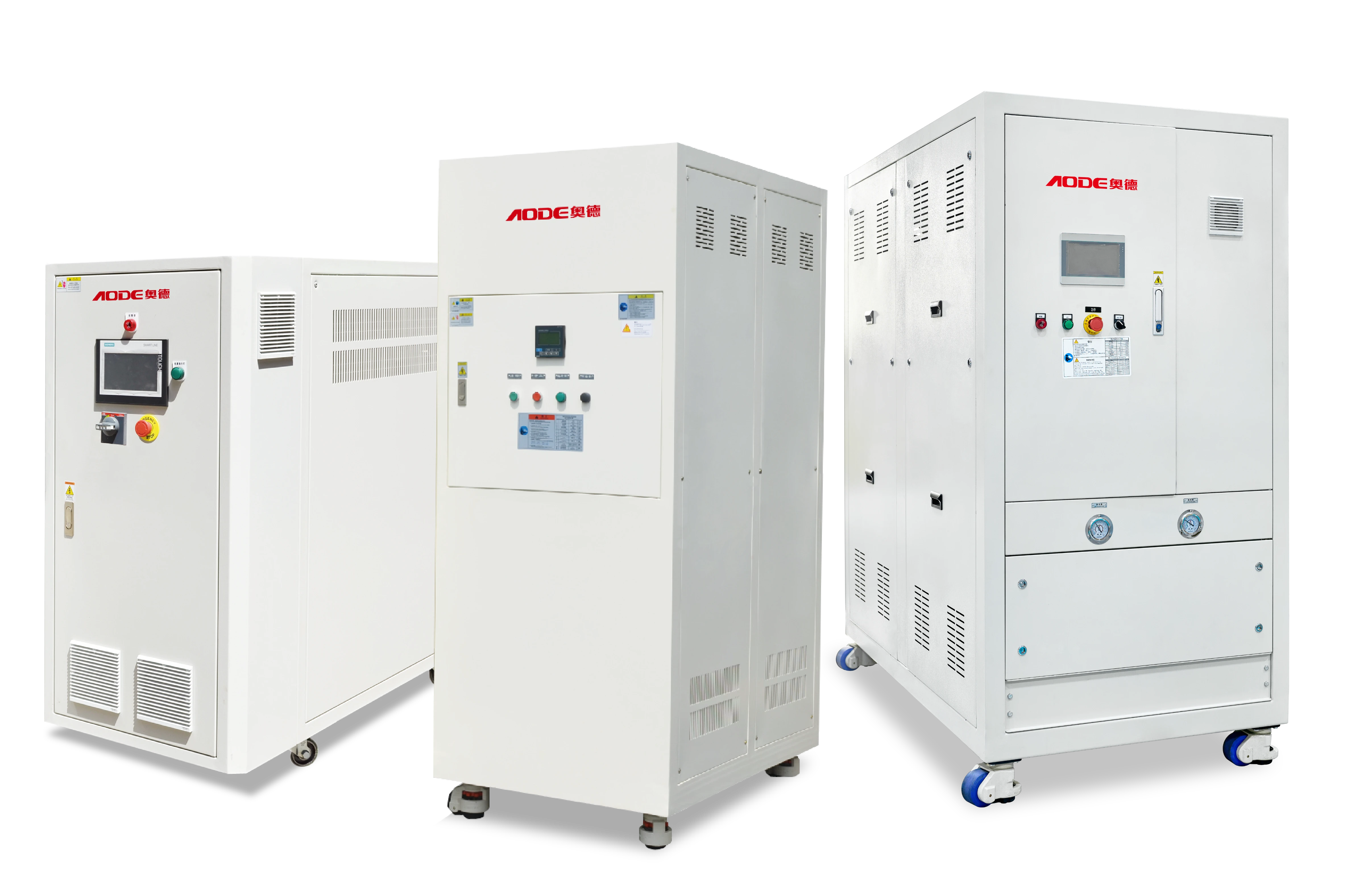
A mould temperature controller is a specialized industrial temperature controller designed to regulate the temperature of molds and tooling surfaces through controlled fluid circulation. Unlike simple heaters or chillers, it integrates heating, cooling, pumping, sensing, and intelligent control into a single system. By continuously circulating a heat-transfer medium—typically water or thermal oil—through mold channels, the system maintains stable thermal conditions throughout production. Because mold temperature directly influences product dimensions, surface finish, and cycle time, a mould temperature controller functions as a critical process temperature controller within modern manufacturing operations.
Classification by Heat Transfer Medium
One of the most fundamental ways to classify temperature control units is by the type of circulating medium they use. The two most common categories are water temperature control units and hot oil temperature control units. Each medium behaves differently in terms of heat transfer efficiency, operating pressure, and achievable temperature range. Selecting the correct type depends largely on process requirements, temperature demands, and safety considerations. Understanding this distinction is essential when evaluating any temperature control unit TCU for industrial applications.
Water Temperature Control Units
Water temperature control units are the most widely used type of mould temperature controller, particularly in injection molding and general industrial processing. Water's high thermal conductivity and heat capacity allow rapid heat transfer, making it ideal for applications that require fast response and efficient temperature stabilization. In operation, water is heated or cooled inside the unit and then pumped through mold cooling channels where it absorbs or releases thermal energy.
These systems typically operate within moderate temperature ranges and are valued for their efficiency, environmental compatibility, and relatively simple maintenance. Because water transfers heat more efficiently than oil at comparable temperatures, water-based temperature controlled units are often preferred when cycle time reduction and energy savings are priorities.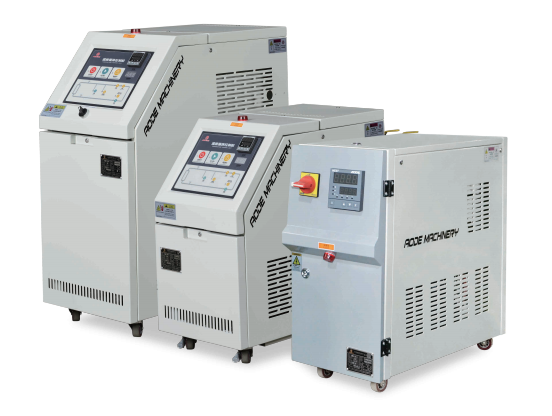
Pressurized Water Temperature Control Units
In applications where higher temperatures are required, pressurized water systems extend the capabilities of standard water temperature control units. By increasing system pressure, the boiling point of water rises, allowing safe operation above 100°C without phase change. This design combines the thermal efficiency of water with extended temperature performance.
However, pressurized systems require reinforced piping, pressure regulation components, and enhanced safety controls. These temperature control units are commonly selected when higher thermal performance is needed but oil-based systems are not desirable. They serve as a bridge between conventional water systems and hot oil temperature control units.
Hot Oil Temperature Control Units
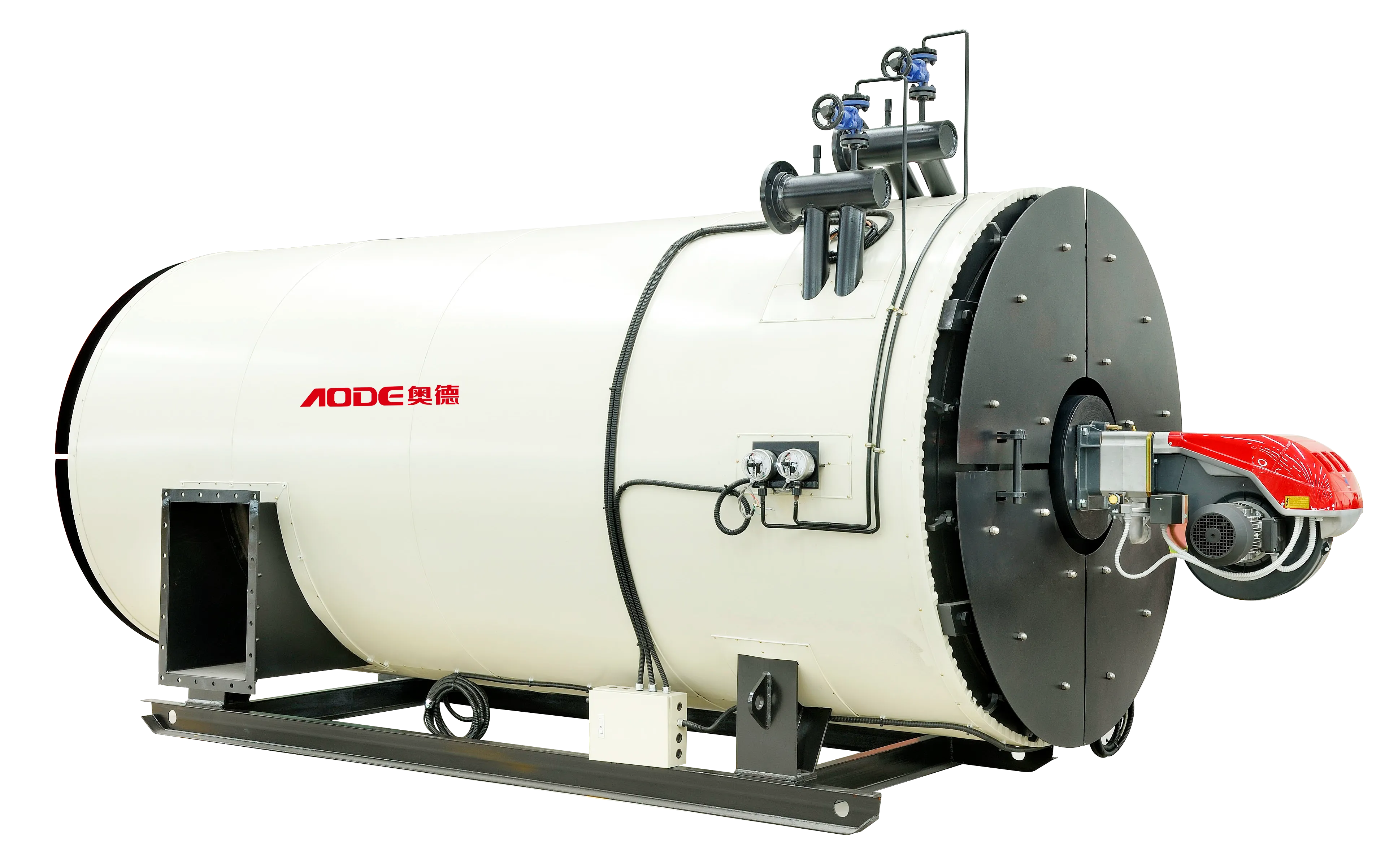
Hot oil temperature control units are engineered for higher temperature processes where water systems become impractical. Thermal oil can reach elevated temperatures without requiring high pressure, making it suitable for die casting, composite curing, compression molding, and other heavy-duty applications.
In these systems, oil circulates through the mold or tooling and transfers heat through direct contact. Although oil has lower thermal conductivity compared to water, it offers excellent stability at high temperatures and operates safely without pressurization. Hot oil temperature control units are therefore commonly used when temperature demands exceed the safe operating range of water-based systems. They represent a vital category within industrial temperature controller solutions.
Classification by System Architecture
Beyond the circulating medium, mould temperature controllers can also be categorized by system design and structural configuration. Some temperature control units are designed for single-loop operation, while others incorporate multiple independent circuits or centralized control systems. The architecture determines how many molds or zones can be controlled simultaneously and how flexibly the system can adapt to complex production environments.
Understanding system architecture helps manufacturers align their process temperature control strategy with production scale and operational complexity.
Single-Loop Temperature Control Units
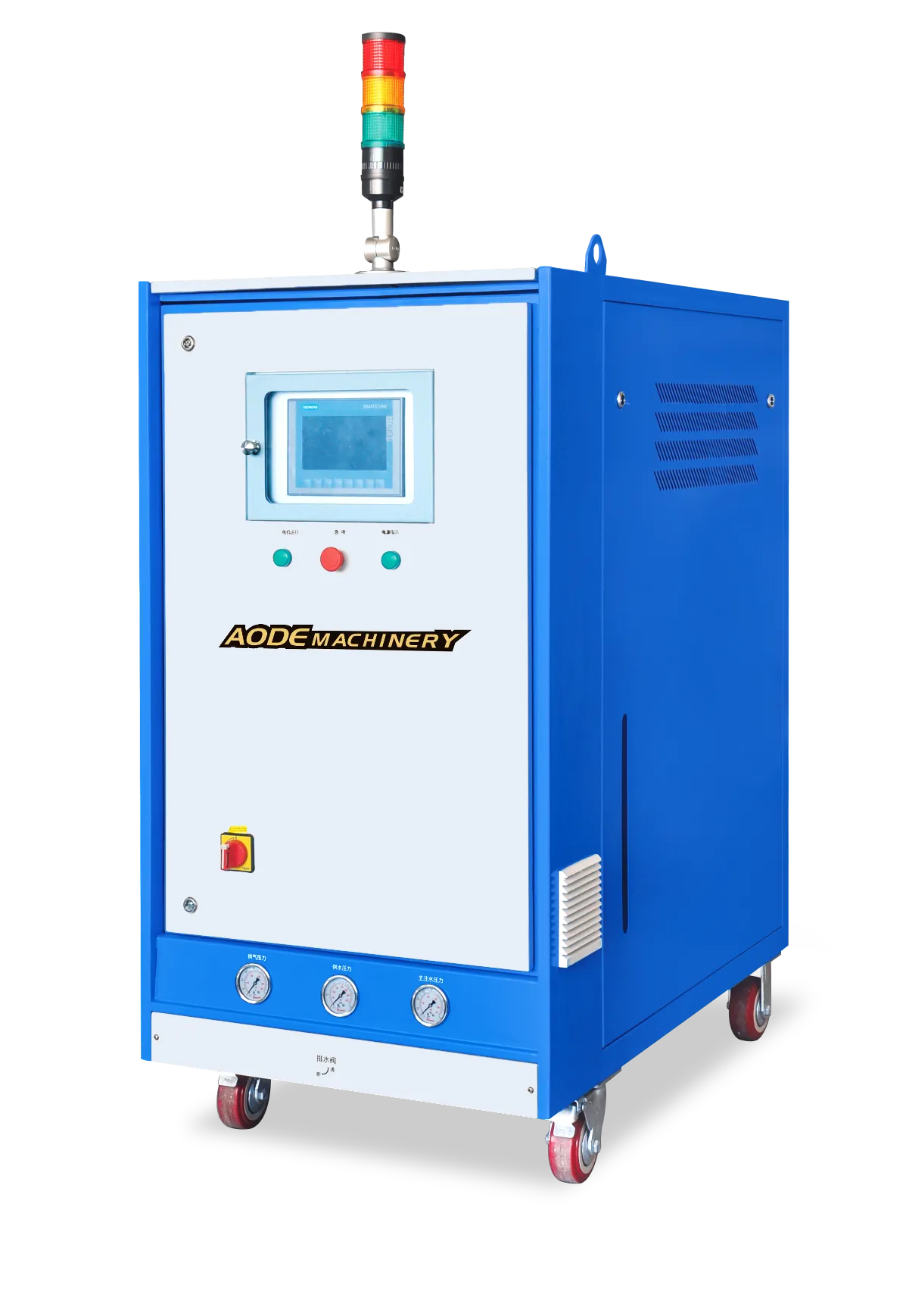
Single-loop temperature control units are the most common configuration. These systems regulate one circuit at a time, making them ideal for individual molds or dedicated tooling setups. Their simplicity offers straightforward installation, maintenance, and operation.
In smaller production environments or applications where one mold requires independent control, single-loop temperature control units provide reliable and cost-effective performance. They remain the foundation of many industrial temperature controller installations worldwide.
Multi-Loop Temperature Control Units
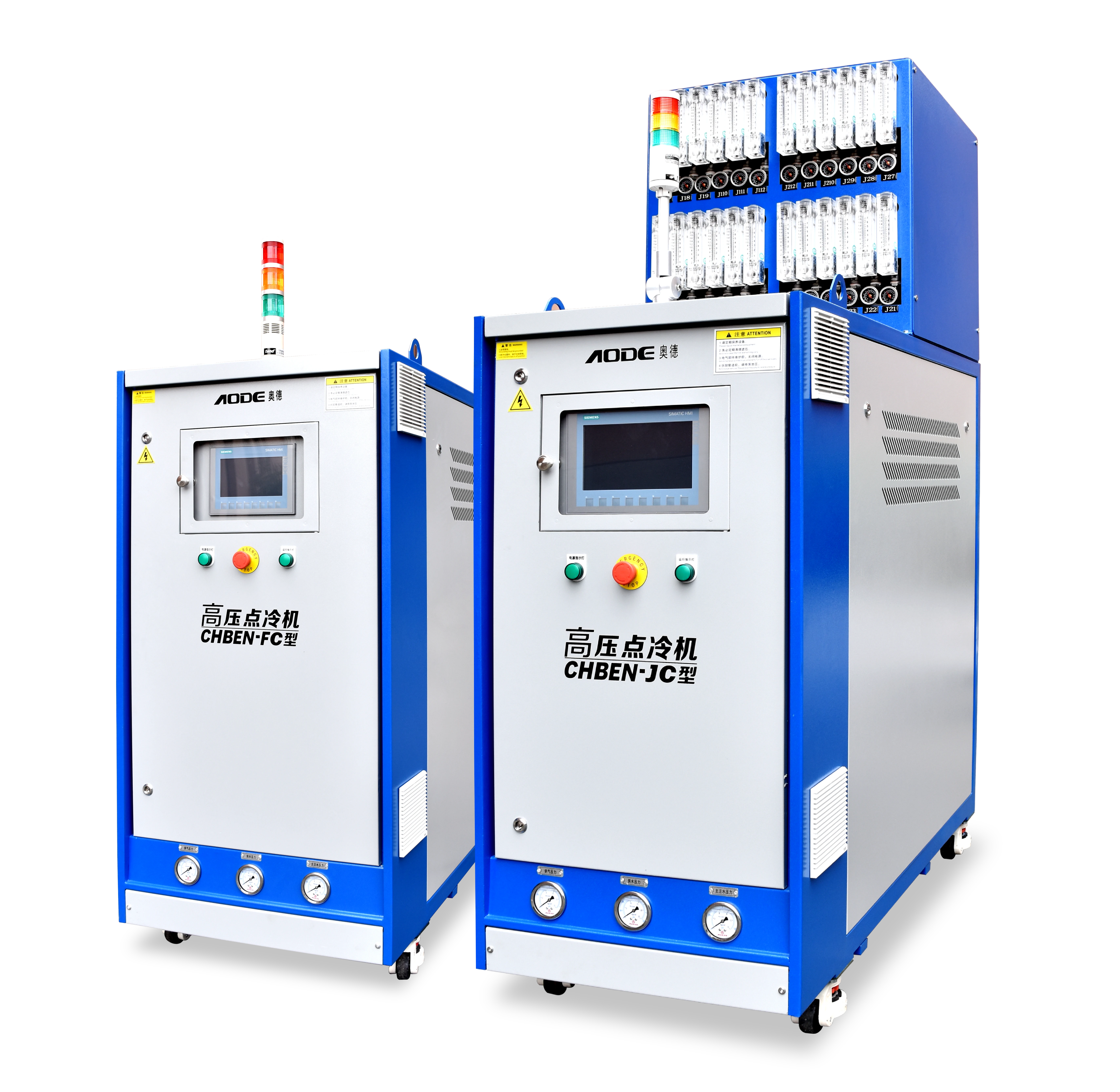
Multi-loop temperature control units are designed to manage multiple independent circuits within one integrated system. Each loop can maintain a different temperature setpoint, allowing zoned thermal control for complex molds or multi-cavity applications.
This configuration reduces equipment footprint and simplifies monitoring by consolidating control into one unit. Multi-loop systems enhance process temperature control by providing balanced thermal distribution across different mold sections, improving product consistency and reducing thermal variation.
Centralized Temperature Control Systems
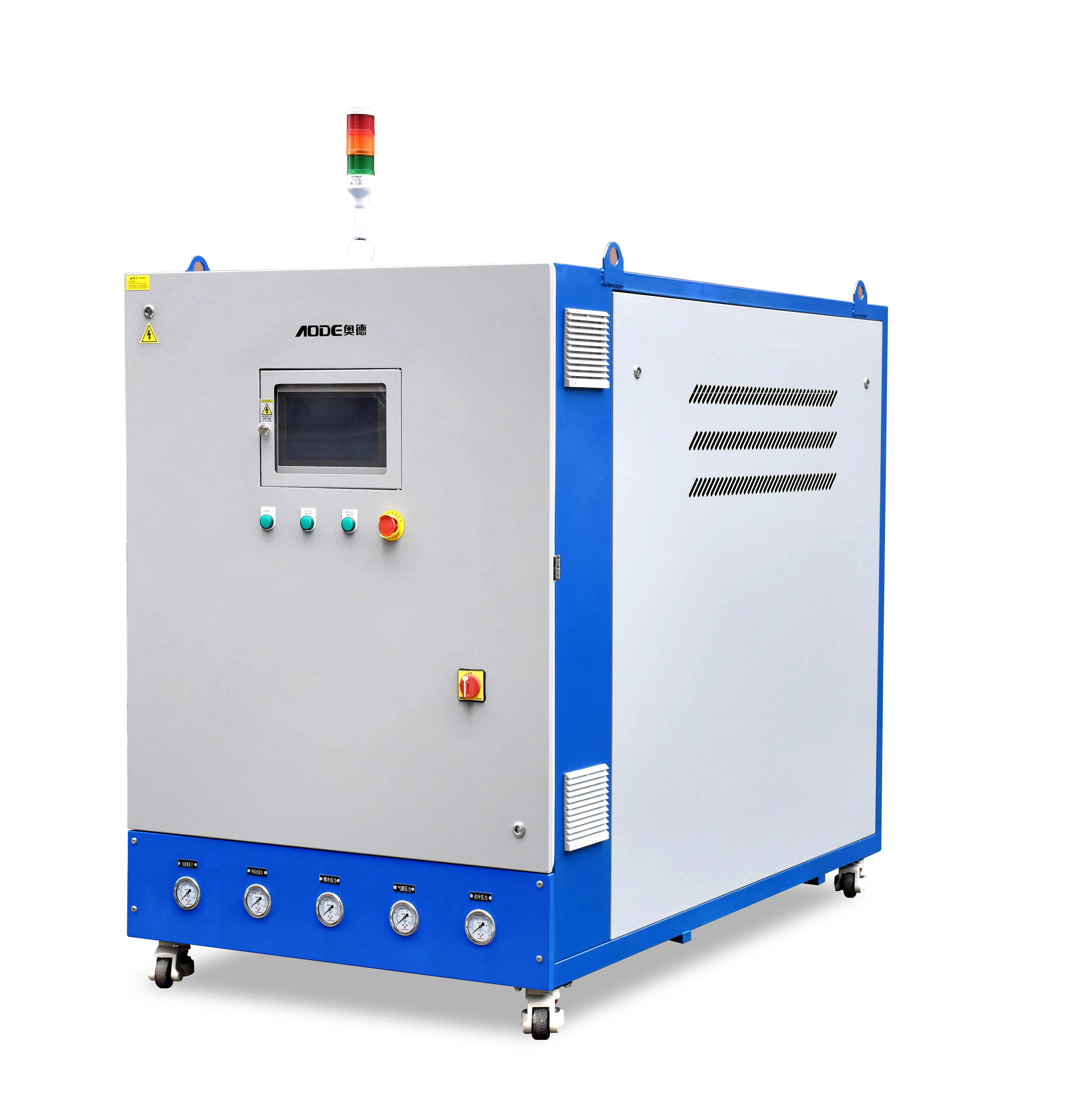
In large manufacturing plants, multiple temperature control units may operate as part of a centralized system. Instead of functioning independently, these units are integrated into a coordinated thermal management network.
Centralized systems enable shared cooling infrastructure, centralized monitoring, and energy optimization strategies. They improve plant-wide process temperature control by synchronizing temperature controlled units across multiple production lines. Such systems are particularly beneficial in high-volume manufacturing environments where scalability and efficiency are critical.
Classification by Heating Method
Another important distinction among mould temperature controllers is the heating technology employed. Most modern temperature control units use electric heating elements due to their precision and controllability. Electric systems allow rapid response and fine modulation of heating output, which supports accurate PID-based temperature regulation.
In some industrial environments, auxiliary heating methods such as steam-assisted systems may be used, although electric heating remains the standard for most integrated temperature control unit TCU designs. Heating method selection influences response time, energy efficiency, and installation complexity.
Classification by Cooling Method
Cooling capability is equally important in temperature control systems. Most mould temperature controllers use heat exchangers connected to facility cooling water. This approach is energy efficient and suitable for moderate thermal loads.
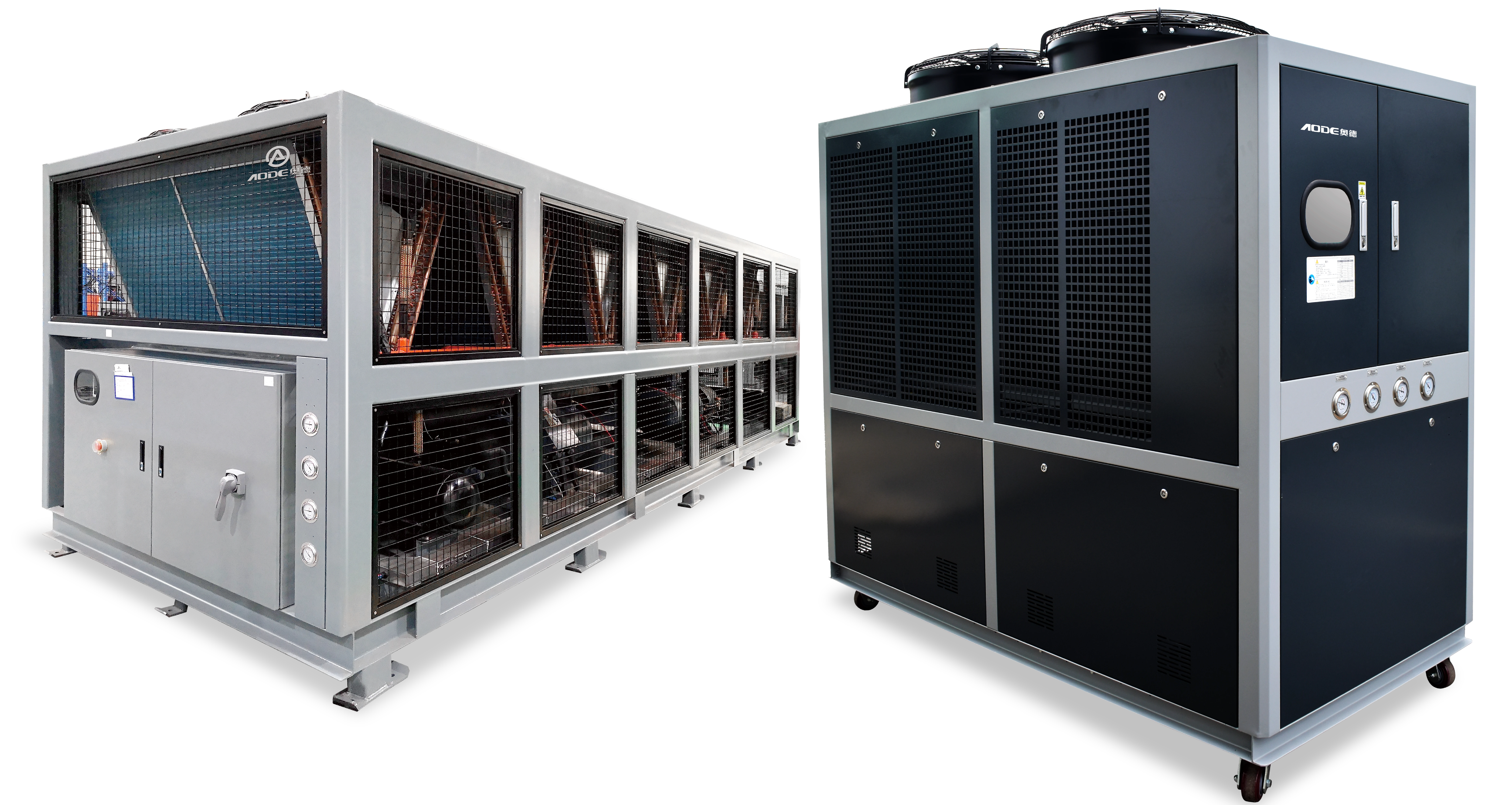
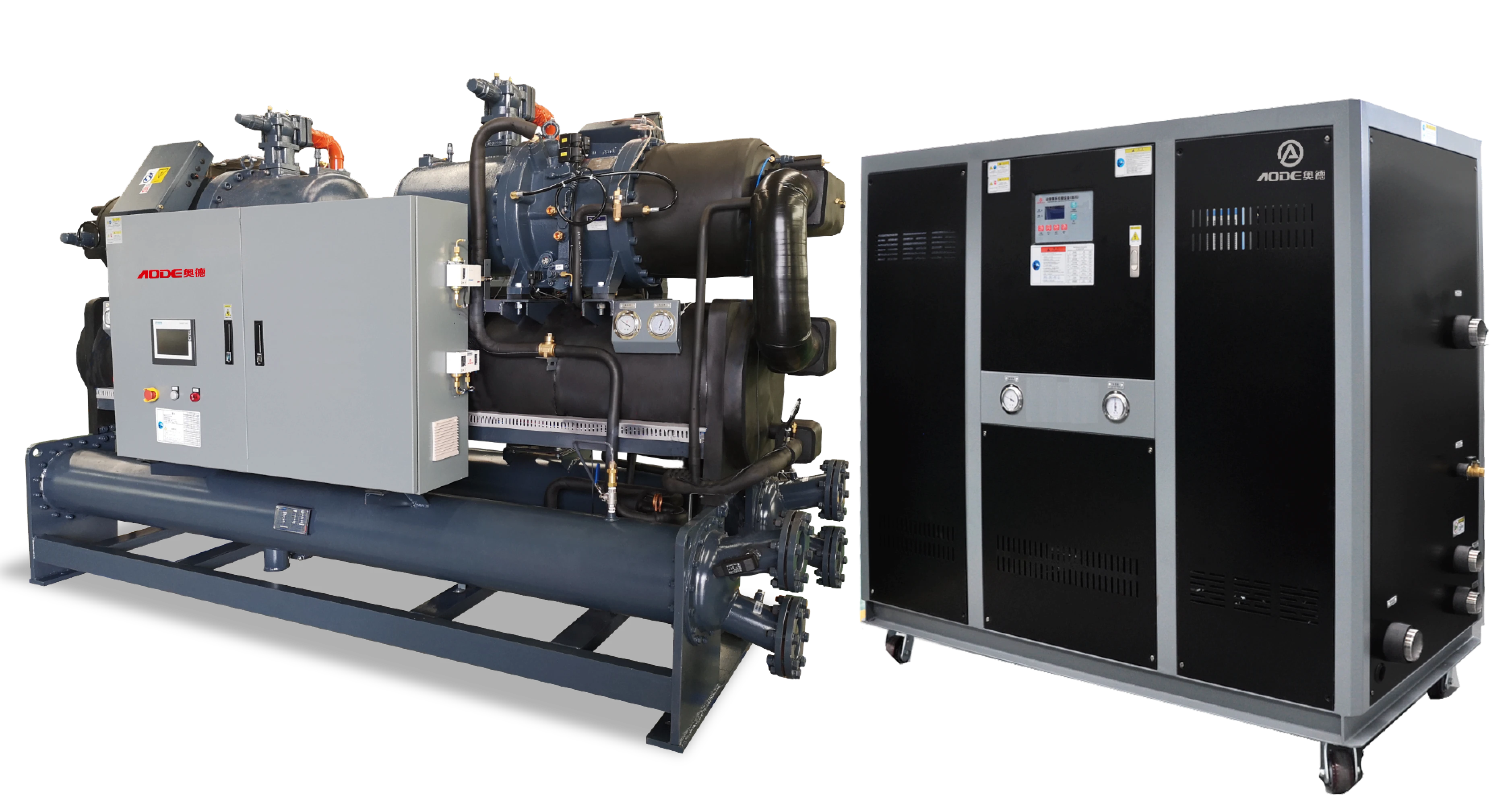
For applications requiring enhanced cooling performance, chiller-assisted systems may be integrated. These setups use chilled water to accelerate heat removal and stabilize mold temperature more rapidly. In specialized applications, certain temperature control units incorporate built-in refrigeration circuits, allowing independent operation without relying solely on plant utilities.
Cooling method selection directly impacts cycle time and overall process efficiency.
Advanced Digital Temperature Control Units
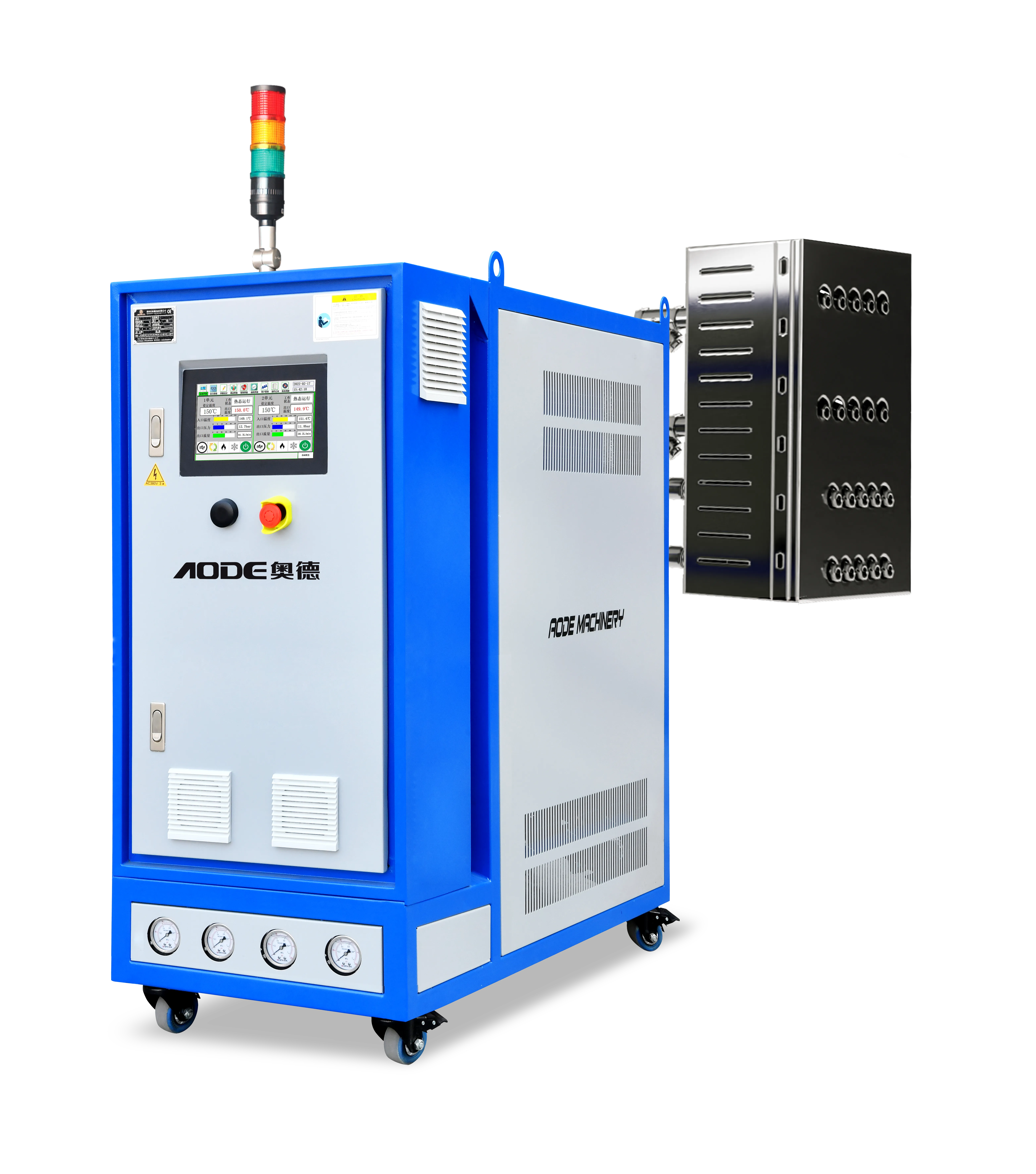
Modern mould temperature controllers increasingly incorporate digital technologies. Advanced industrial temperature controllers now feature programmable PID control, touchscreen interfaces, remote diagnostics, and data logging capabilities.
These systems transform the traditional temperature control unit into a smart device capable of integrating with broader manufacturing networks. Through communication with PLC, SCADA, or MES systems, temperature control units become part of an intelligent process temperature control ecosystem. Digitalization enhances transparency, traceability, and operational precision.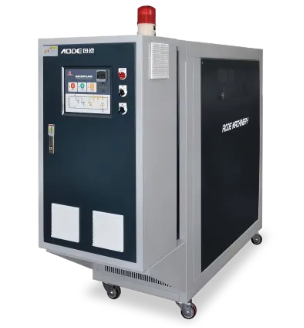
Application-Based Classification
Mould temperature controllers can also be classified according to their industrial application. Injection molding systems typically require high precision and fast response, making water temperature control units the preferred choice. Die casting applications often demand higher temperature tolerance, favoring hot oil temperature control units.
Composite molding processes may require extended heating cycles and precise ramp control, while extrusion and rubber processing demand stable continuous temperature regulation. Each application imposes unique requirements on the temperature control unit, reinforcing the importance of selecting the appropriate type for effective process temperature control.
 Back to List
Table of Contents
Related News
×
CONTACT US
Cookie Policy
We use cookies and other tracking technologies online. Please read our Cookie Policy, which is part of this Cookie Policy , and is incorporated herein by reference.

loading...