
fajsdfjash ddsa dsa as sa sad sda sadfjsadjfl jsadjk fjasdlkfjaskdfdklsaj klf
jsadj
asjdklj falsdjf
jaklj

Products
What Is a Mould Temperature Controller?
03 February 2026
Author:Grayson
share:


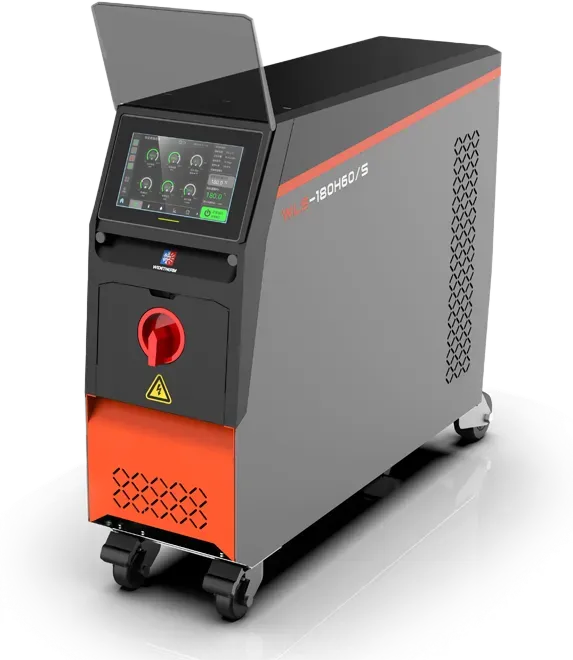
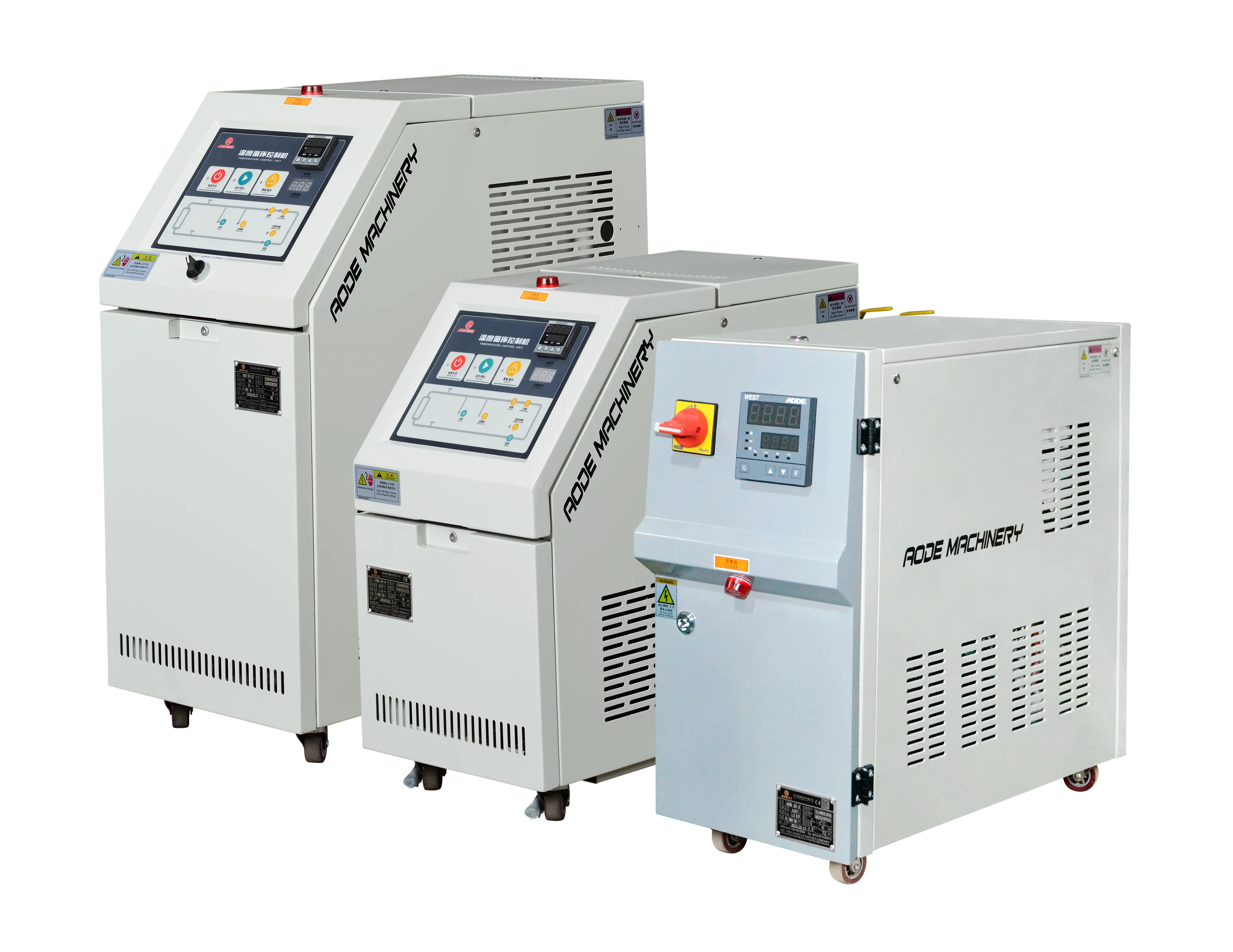
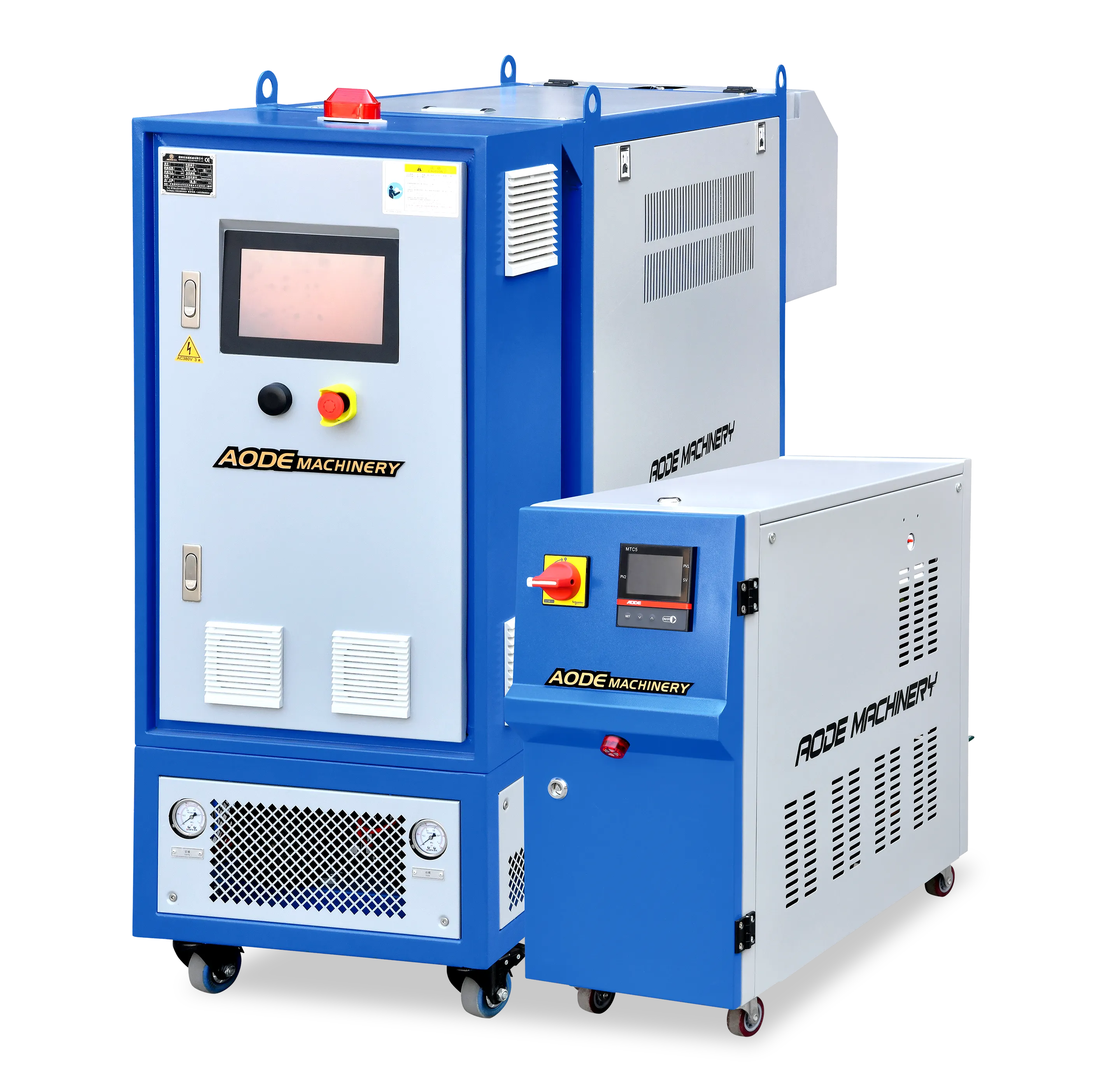
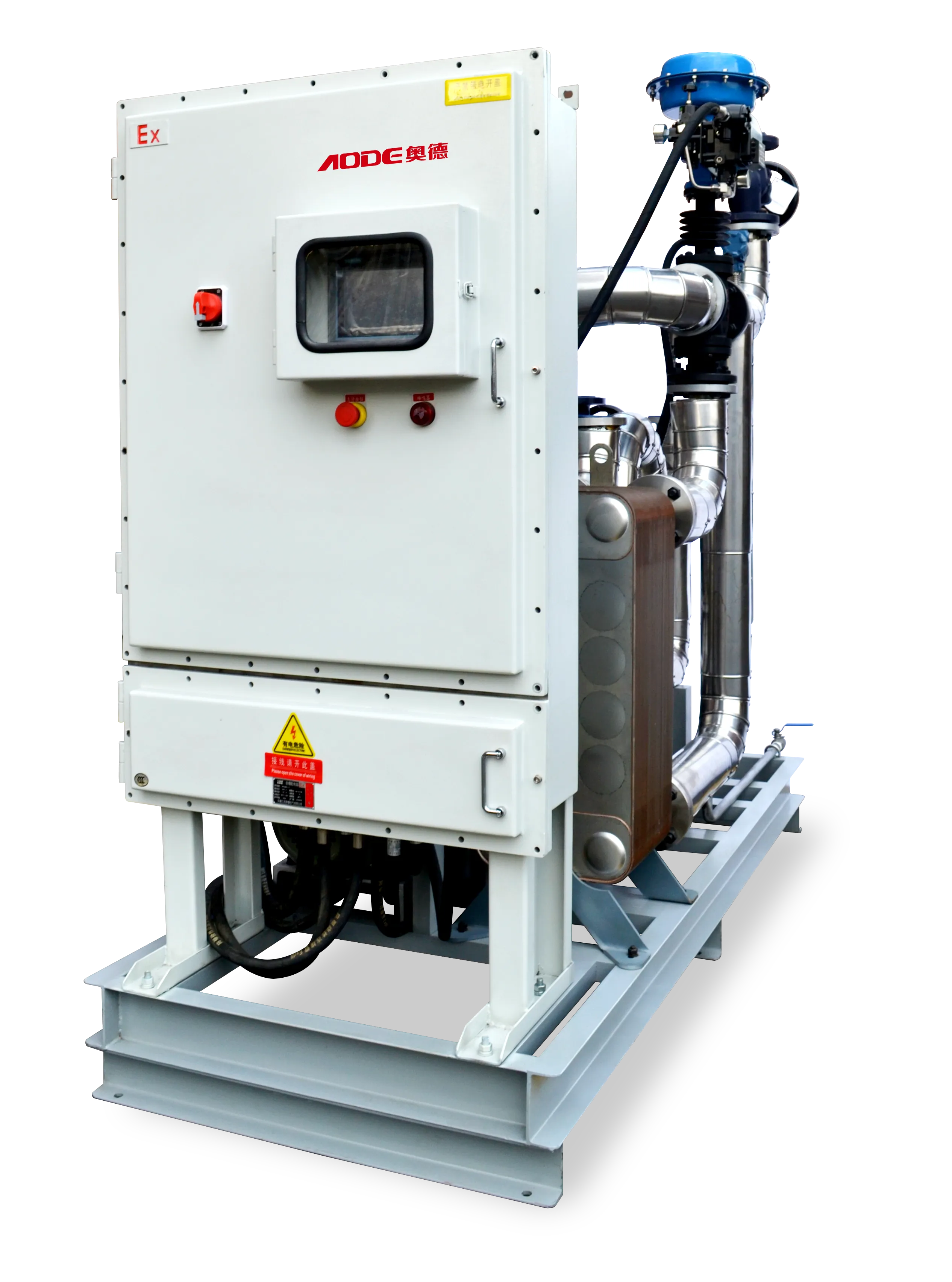
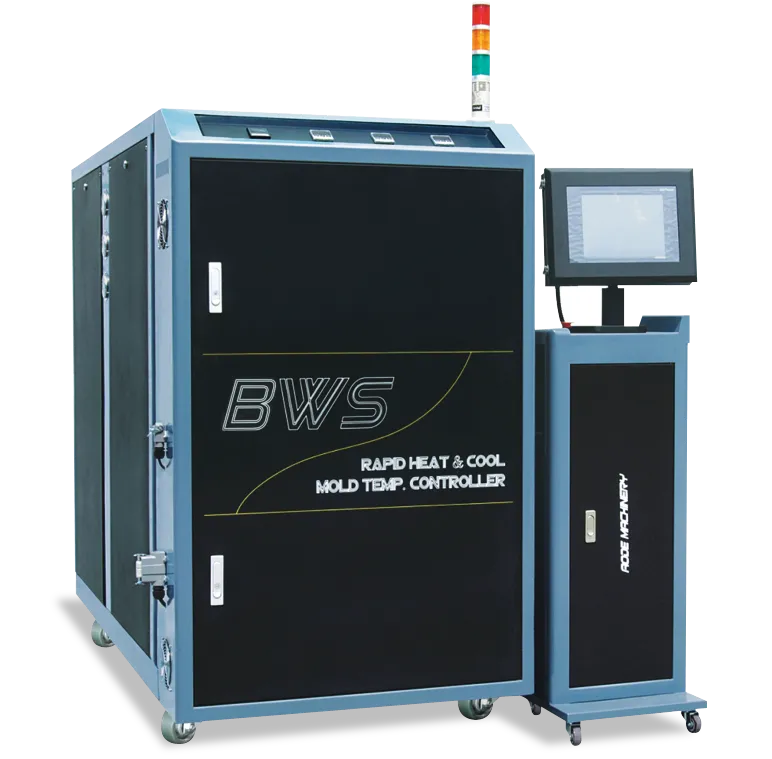
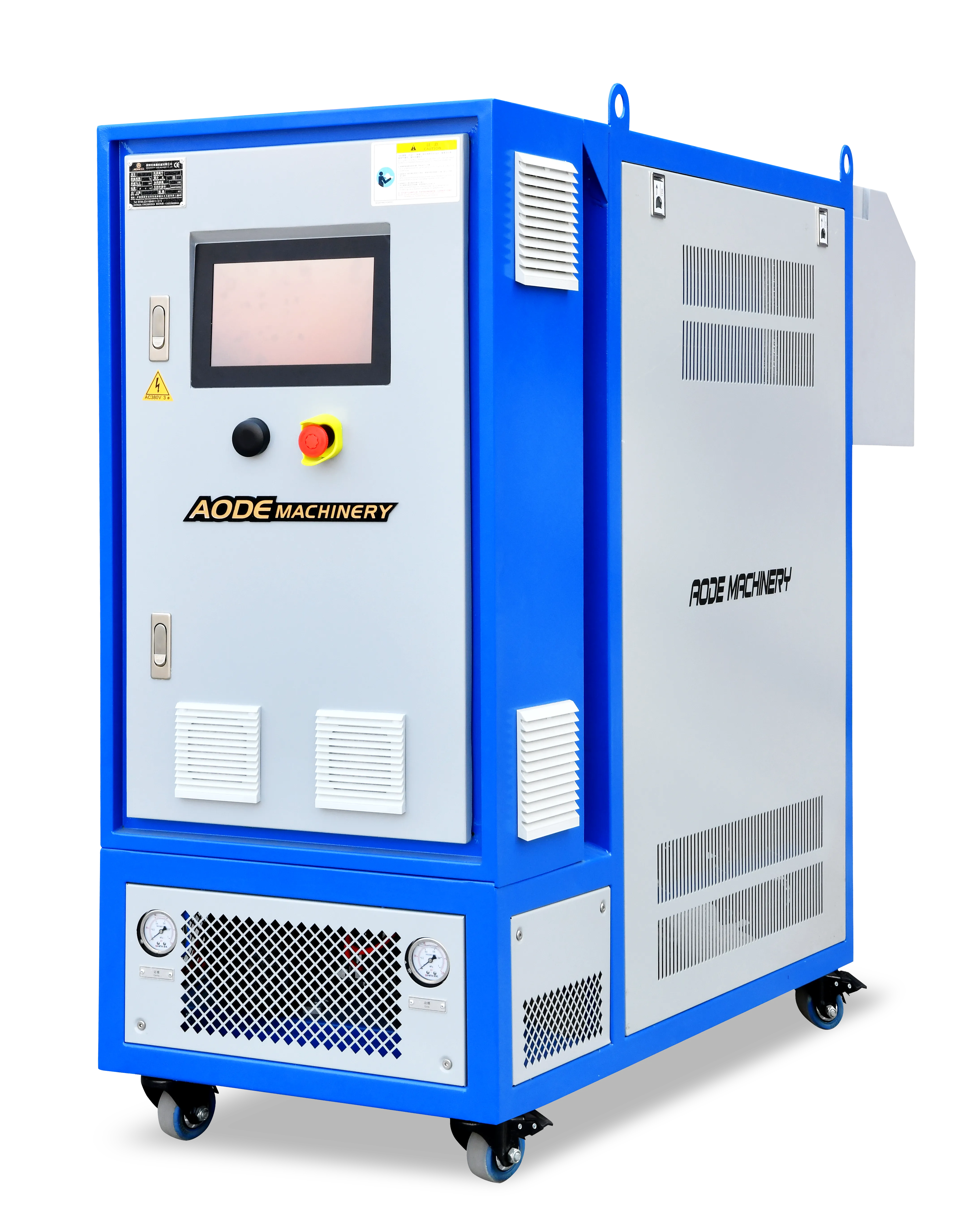
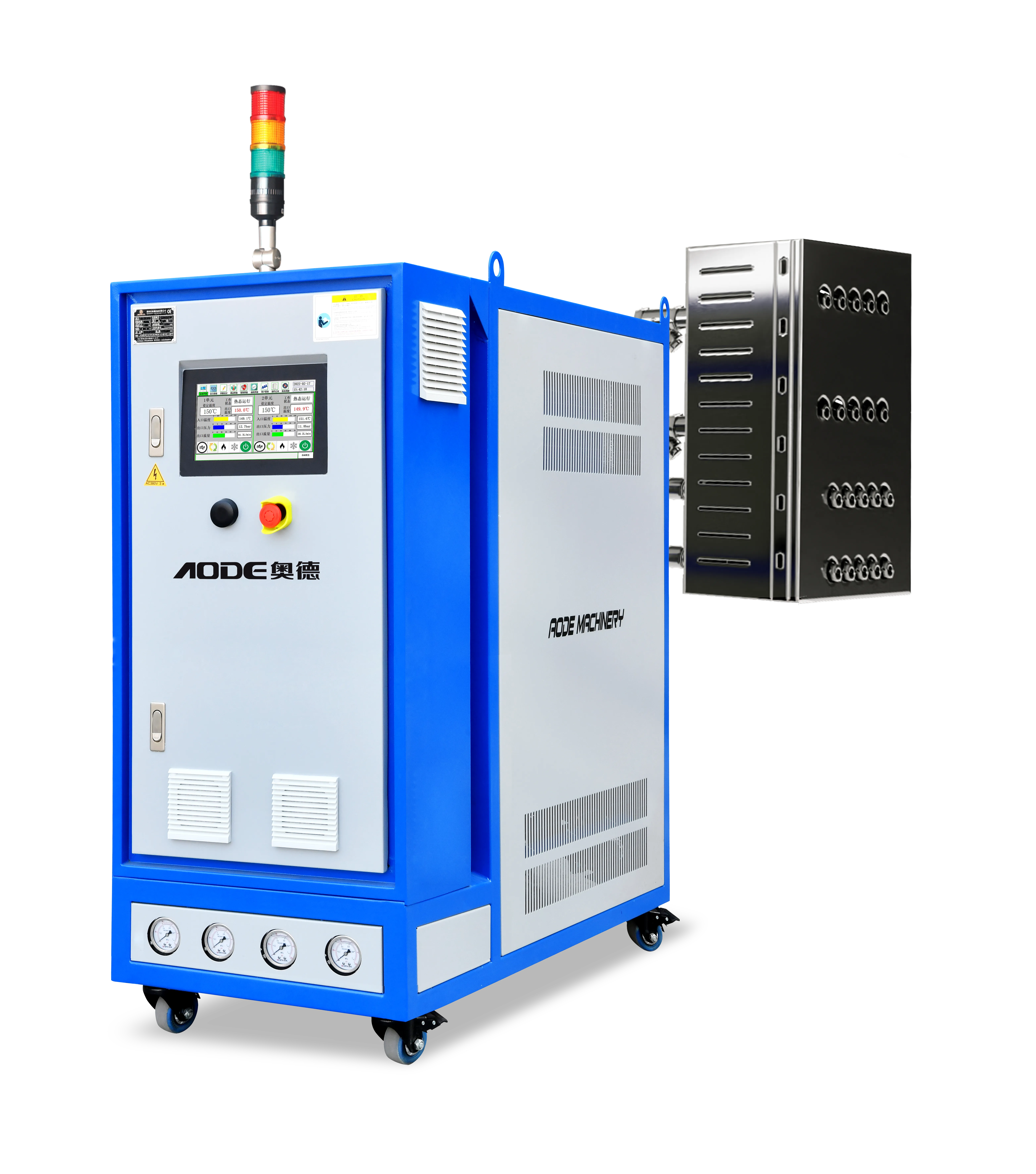
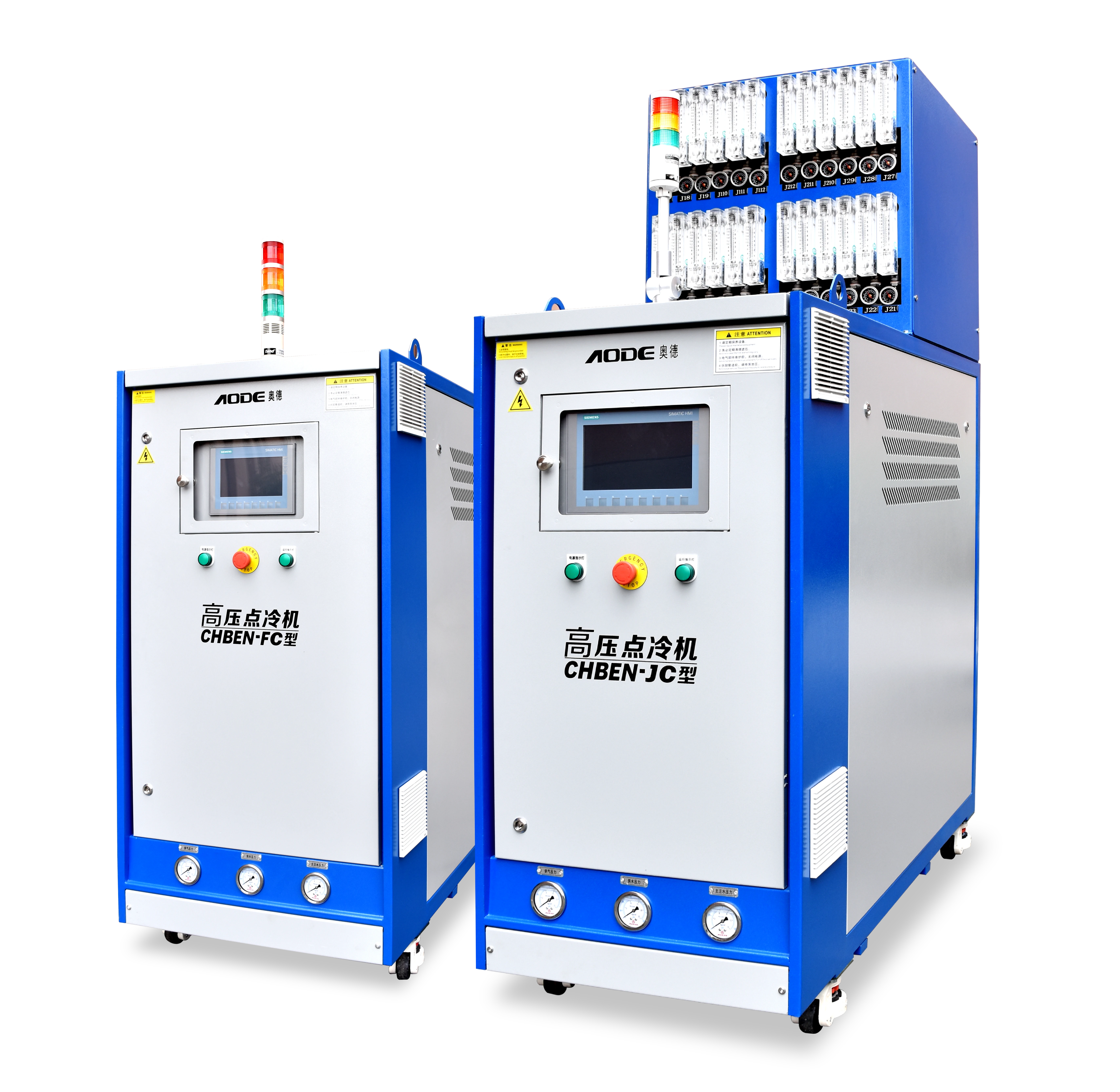
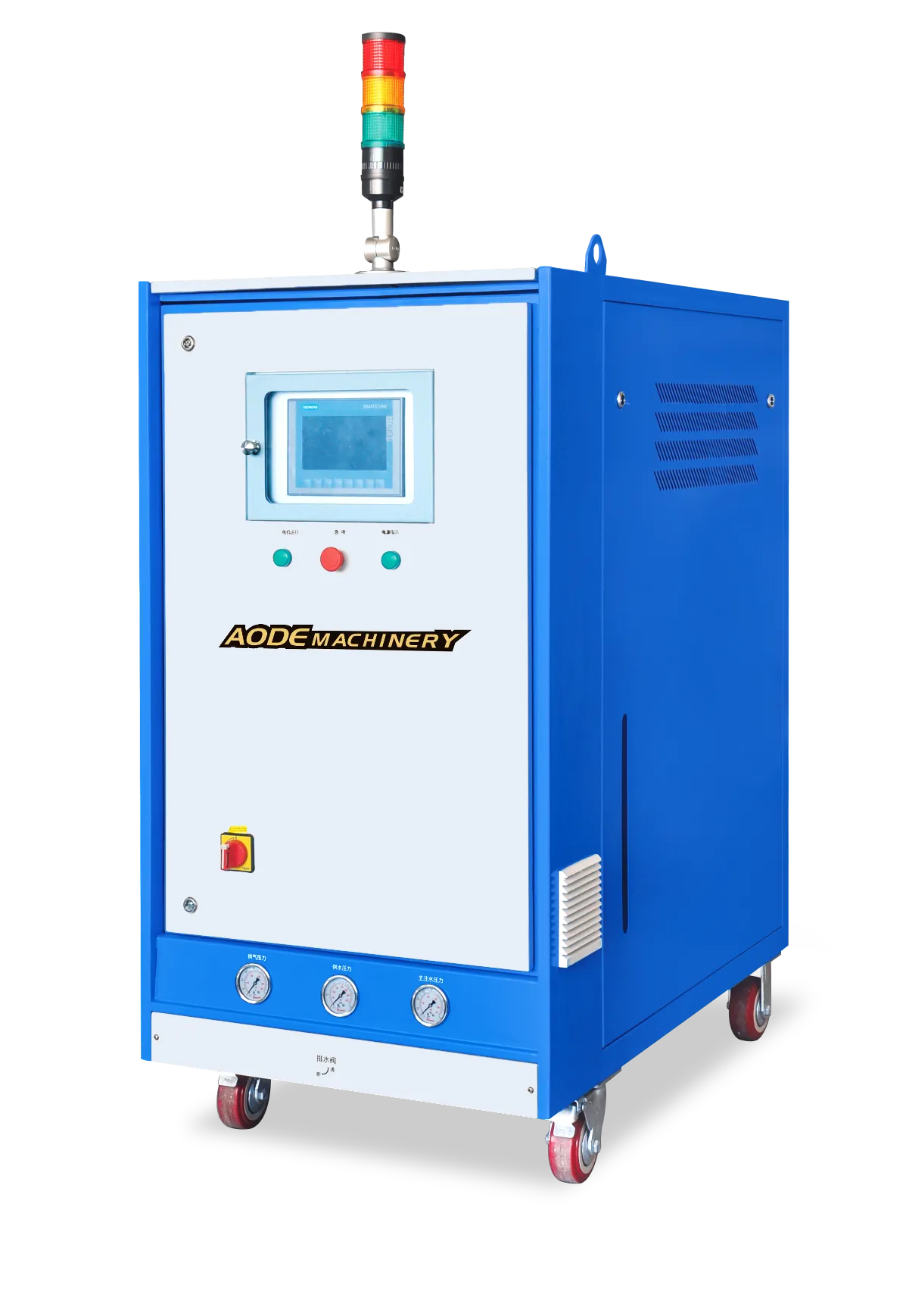
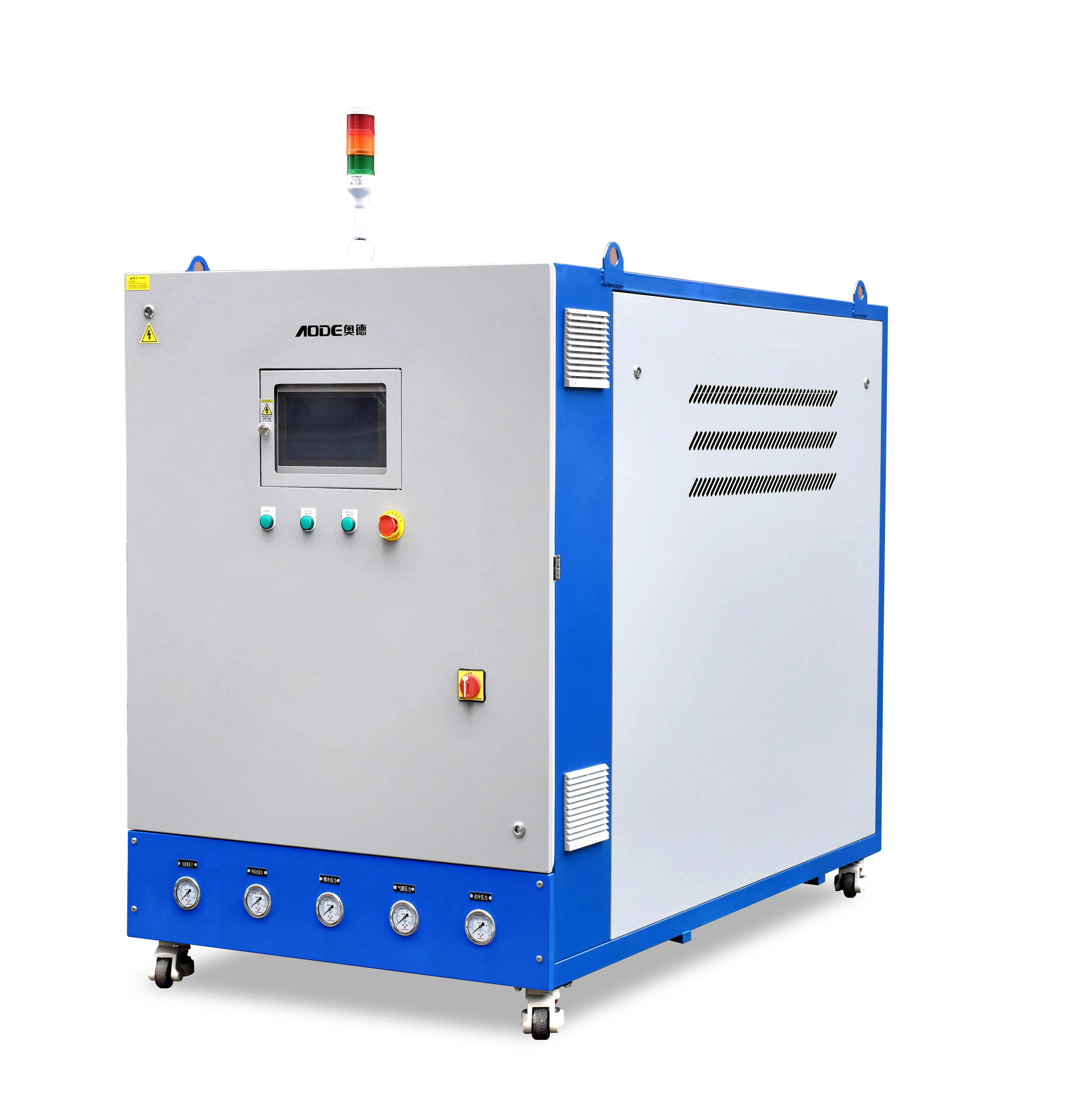
A mould temperature controller (often also written as a mold temperature controller) is a specialized industrial temperature controller designed to heat and cool a mold or any temperature-sensitive tool, so the manufacturing process stays stable, repeatable, and efficient. In practical terms, it's a process temperature controller that circulates a heat-transfer fluid (typically water or thermal oil) through the mold channels, controlling the mold's surface temperature with high accuracy.
If you make parts by injection molding, die casting, compression molding, extrusion, or even certain composite processes, the mold is the “thermal engine” that shapes quality. The mould temperature controller is the system that keeps that engine running at the right temperature—every cycle, every shift.
In many factories, this equipment is also described more broadly as a temperature control unit or “TCU.”You'll see terms like temperature control unit TCU, fluid temperature control unit, and temperature control units used across industries—especially when the unit is part of a larger process temperature control scheme.
This guide explains what a mould temperature controller is, how it works, why it matters, and how to choose between water and oil systems.
Why Mold Temperature Matters More Than You Think
In molding and forming processes, the material temperature is only half the story. The other half is tool temperature, and it's often the deciding factor behind:
Surface finish (gloss, haze, weld lines, flow marks)
Mold temperature strongly influences how smoothly the melt fills and“copies”the mold surface. Stable temperature helps deliver consistent gloss, reduces haze, and minimizes visible weld lines and flow marks—especially on appearance parts.Dimensional stability (shrinkage, warpage, sink marks)
Uneven or drifting mold temperature causes non-uniform cooling, leading to uneven shrinkage, warpage, and sink marks. A controlled mold temperature improves part geometry and reduces post-processing or rework.Mechanical properties (crystallinity, residual stress, bonding)
For semi-crystalline materials, mold temperature affects the crystallization rate, which changes stiffness and impact performance. Stable thermal control also reduces residual stress and can improve bonding strength in overmolding or insert molding.Cycle time (how fast you can cool and eject)
Cooling is often the longest part of the molding cycle. Efficient temperature control shortens the time needed to reach safe ejection temperature—helping you reduce cycle time without sacrificing quality.Repeatability (how consistent parts look and measure)
When mold temperature holds steady from cycle to cycle, the process becomes predictable. That means less operator tuning, more consistent appearance and dimensions, and smoother production across shifts and batches.
Even if the melt temperature and injection parameters are perfect, an unstable mold temperature can quietly sabotage quality. That's why manufacturers treat mold temperature control as a core part of the production recipe—not a utility. A mould temperature controller gives you controlled heating, controlled cooling, and stable circulation so the mold stays within a tight temperature band.
What Exactly Is a Mould Temperature Controller?
A mould temperature controller is a closed-loop thermal circulation system that:
Heats a circulating fluid to a target setpoint
Pumps the fluid through the mold/tool channels
Measures the temperature (and often pressure/flow)
Adds heating or cooling to maintain the setpoint accurately
Returns fluid to the unit and repeats the loop
It's basically a precision“thermal management box”built for production environments.
Depending on the process and temperature range, the unit may be:
A water-based temperature controller (common for faster heat transfer)
A hot oil temperature controller (for higher temperatures and stability)
A “TCU” style unit designed for multi-loop plant systems (often called temperature controlled units in some factories because they regulate multiple temperature zones or multiple circuits)
When people say “temperature control unit,” they may refer to many kinds of equipment. A mould temperature controller is one of the most common and important types of temperature control units used in molding and forming.
Difference Among Mould Temperature Controller vs. Chiller vs. Boiler
This is a common confusion, especially for buyers new to thermal systems.
Mould Temperature Controller (MTC)
A mould temperature controller keeps the tool or mold at a precise setpoint by circulating water or thermal oil through the mold channels. It provides both heating and cooling in one closed loop, so the mold temperature stays stable cycle after cycle. In short, it's built for repeatable process temperature control, not just basic heating or cooling.
Industrial Chiller
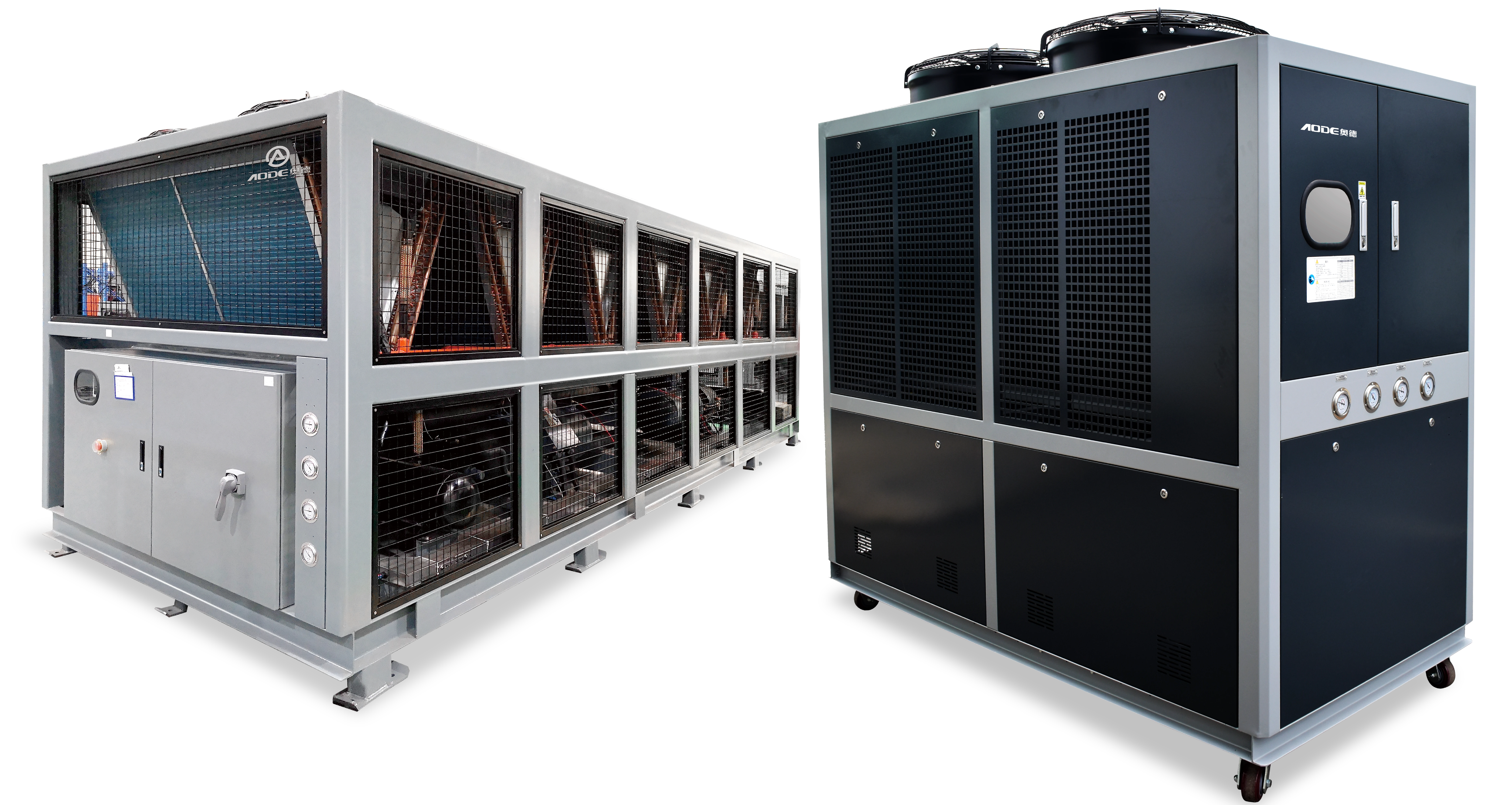
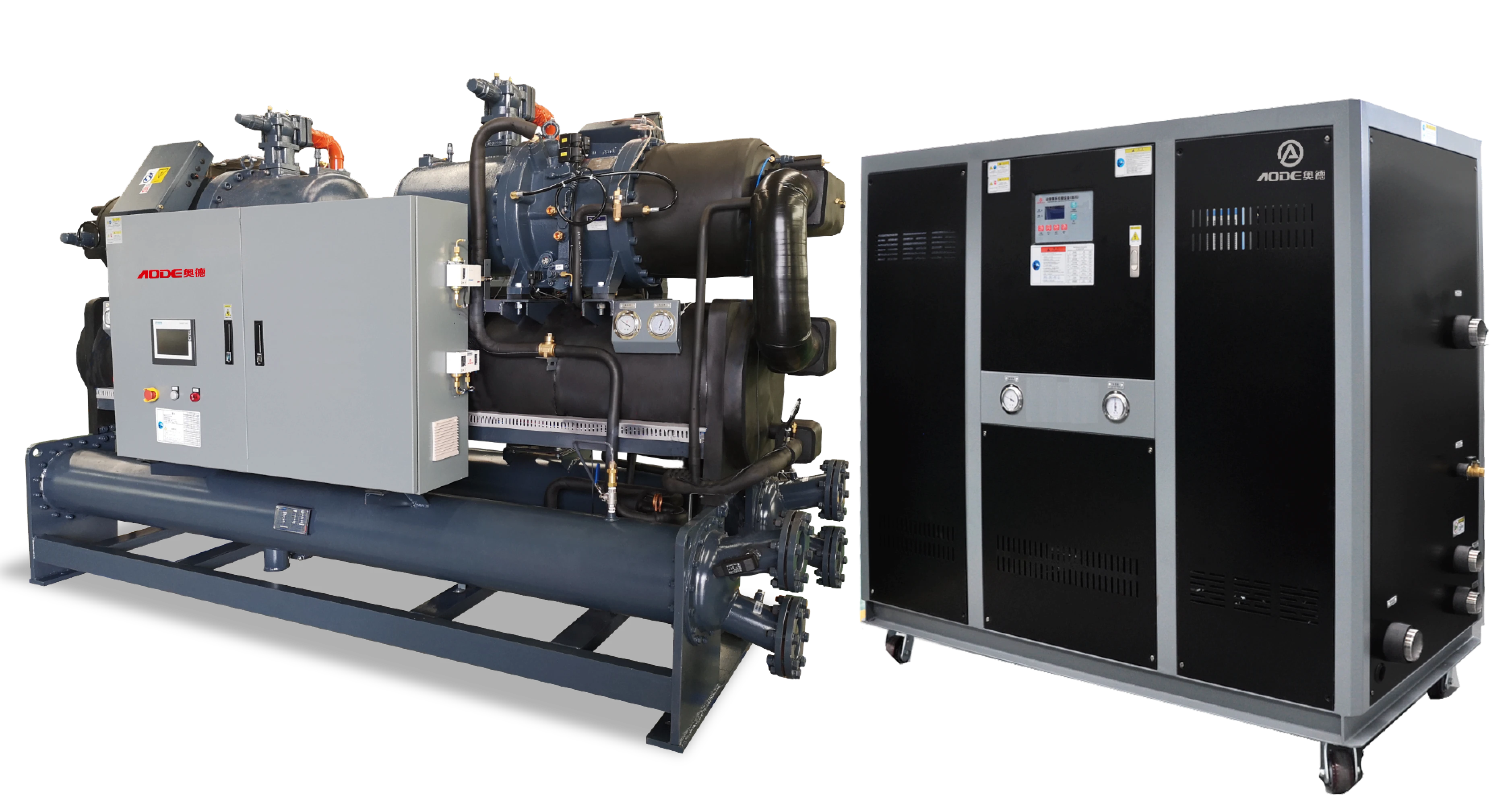
An industrial chiller supplies a cold source (chilled water or glycol) to remove heat from equipment or processes. It typically controls the outlet water temperature, not the true mold surface temperature. A chiller is excellent for cooling capacity—but on its own, it's not a complete mold temperature control solution.
Boiler / Heater
A boiler or heater provides a hot source—hot water, steam, or heated oil. It delivers heat reliably, but usually doesn't offer the fine control and rapid heat/cool switching required to keep mold temperature stable during fast production cycles.
How They Work Together in Real Factories
In many plants, these systems are combined for best performance:
The mould temperature controller provides precision control at the mold
The chiller supports fast cooling or a stable cold-water supply
The boiler/heater supports startup heating or high-temperature demands
Among the three, the mould temperature controller is the most process-aware device—because it’s designed as a true process temperature controller, not just a utility.
How Does a Mould Temperature Controller Work?
At its core, a mould temperature controller is a closed-loop circulation system with feedback control.
Circulation Loop
A mould temperature controller works by continuously circulating a heat-transfer fluid through a closed loop. The fluid flows through the mold channels, then passes through manifolds and hoses, and finally returns via the return piping back to the unit. That's why many systems are also called a fluid temperature control unit—because the controlled “tool” is actually the moving fluid that carries heat in and out of the mold.
Heating
Most systems heat the circulating fluid using electric heaters (the most common method). Some setups may also use an external heat source depending on the plant design.
Whenever the measured temperature falls below the setpoint, the controller automatically increases heating output to bring the loop back on target.
Cooling
Cooling is typically handled through:
a heat exchanger using facility cooling water,
chilled water supplied by an industrial chiller, or
an integrated refrigeration circuit on certain models.
When the temperature rises above the setpoint, the cooling function activates to remove excess heat and stabilize the process.
Control Logic (PID)
Most modern units rely on PID control (Proportional–Integral–Derivative). Think of PID as the system's “brain”—it decides how strongly to heat or cool based on:
the current temperature difference from the setpoint,
how long the deviation has lasted, and
how fast the temperature is changing.
This is what separates industrial-grade control from simple on/off switching. With proper PID tuning, the system can reduce overshoot, maintain a steady temperature, and react quickly as process loads change.
Monitoring (Temperature, Flow, Pressure)
More advanced temperature control units provide real-time visibility by tracking:
supply and return temperatures,
flow rate,
system pressure, and
alarms plus operating logs for traceability.
This monitoring helps operators spot issues early (like low flow or abnormal pressure) and keep production consistent across long runs.
These measurements are important because temperature control is not only about temperature. If flow drops, heat transfer collapses; if pressure spikes, you risk leaks; if the return temperature drifts, you may be losing efficiency at the mold.
What Is a TCU (Temperature Control Unit) in Industry?
In many factories, “TCU”refers to a temperature control unit TCU that can be used for molds, reactors, rollers, dies, or jacketed vessels—basically anywhere you need circulation-based heating/cooling.
A TCU may be:
single-loop (one circuit),
multi-loop (multiple circuits),
or part of a centralized thermal system.
So the mould temperature controller is a common type of TCU, but not every TCU is specifically for molds.
When people search for temperature control unit, temperature control units, or temperature controlled units, they are often trying to find:
a standardized, packaged device that provides accurate circulation heating/cooling,
with monitoring and safety features,
ready for industrial installation.
Water and Oil Temperature Controller Selection
Choosing between water temperature control units and hot oil temperature control units depends on temperature range, heat transfer needs, safety considerations, and process requirements.
| Product Series | Best for: | Advantages: | Limitations: |
| Water Temperature Control Units |
|
|
|
| Hot Oil Temperature Control Units |
|
|
|
Rule of thumb:
If you need maximum responsiveness and can operate within a safe water temperature range, water is usually the best first option. If your process demands higher temperatures, oil becomes necessary.
Where Are Mould Temperature Controllers Used?
A mould temperature controller shows up in many industries, because“molds”exist anywhere you shape a material.
Injection Molding
Mold surface temperature directly controls appearance and shrinkage.
Stable temperature reduces defects and improves repeatability.
Die Casting
High-temperature mold control and fast response improve casting quality.
Coordinated cooling zones can reduce cycle time and improve consistency.
Extrusion / Sheet / Film Processing
Temperature control is used for die heads, rollers, and barrels.
Stable control improves thickness consistency and reduces defects.
Composite Materials (Compression Molding, Hot Press)
Cure profiles depend on precise temperature ramps and holds.
Uniform temperature reduces voids and improves mechanical properties.
General Process Temperature Control
A mould temperature controller (or broader temperature control unit) may also be used for:
jacketed tanks,
rollers,
heat exchangers,
reactors,
and pilot plant systems.
That's why many buyers use the broader term process temperature control, the goal is controlling the process, not only the mold.
Key Components Inside a Mould Temperature Controller
Understanding the major components helps you evaluate quality and suitability:
Heater – electric heating elements sized for load and ramp rate
Pump – drives circulation, must match required flow/pressure
Heat exchanger – enables cooling via facility water/chilled water
Temperature sensors – supply, return, and optional internal sensors
Controller – the PID brain, sometimes with advanced algorithms
Safety devices – over-temp, low-flow, pressure relief, alarms
Piping & valves – stainless steel piping is common in premium units
User interface – HMI, data logging, communication options
Higher-end systems may add:
flow meters,
pressure transmitters,
communication modules for plant integration,
recipe management,
remote monitoring.
How to Size a Mould Temperature Controller
Sizing a mold temperature controller correctly prevents three common problems: slow response, unstable control, and wasted energy.
Consider these sizing factors:
1) Required temperature range
What setpoint do you need? How fast must you heat up and cool down?
2) Heat load (kW)
Heat load depends on:
material throughput,
mold mass,
cycle time,
ambient conditions,
and process heat input.
3) Flow rate & pressure
Heat transfer depends on flow. A system that can hold temperature at low flow on paper may fail in the real mold if the channels demand higher pressure.
4) Cooling capacity
Cooling isn't just “nice to have.” In many cycles, cooling dictates throughput. Ensure the heat exchanger and facility water/chilled water are adequate.
5) Control accuracy needed
Optical and high-gloss applications demand tighter stability than general molding. Define your tolerance requirements early.
Common Problems (and What They Usually Mean)
“My setpoint is stable, but parts vary.”
Mold surface temperature may not match controller temperature.
Flow may be insufficient, or channels may be uneven.
Return temperature may reveal instability.
“Heating is fast, cooling is slow.”
Cooling water is too warm or insufficient.
Heat exchanger is undersized or scaled.
The unit may need a chilled water source.
“Temperature overshoots after startup.”
PID settings may not match load.
Sensor placement may not reflect true mold conditions.
Ramp control or staged heating may be needed.
“Frequent alarms / pressure issues.”
Flow restrictions, blocked channels, or incorrect hose sizing
Pump mismatch
Valve configuration errors
A good mould temperature controller helps diagnose these issues because it provides monitoring and reliable control logic—not just a heater and pump.
What to Look For When Choosing a Manufacturer
If you're sourcing from a temperature control unit manufacturer or evaluating a temperature control equipment manufacturer, focus on evidence of engineering discipline and long-term support.
Practical selection checklist:
Clear temperature range and stability specifications
Pump performance curve (not just “high flow” marketing)
Cooling method and required facility conditions
Safety design and alarm coverage
Build quality: piping material, electrical design, serviceability
Documentation: manuals, wiring diagrams, parts lists
Support model: commissioning, training, spare parts availability
For international buyers and channel partners, consistency matters. A temperature control unit that is difficult to maintain or unclear to commission becomes a liability—even if the price looks attractive.
How Mould Temperature Controllers Support Process Temperature Control
Modern manufacturing is shifting from “machine-level tuning” to system-level control. A mould temperature controller is no longer isolated equipment—it becomes part of the overall process temperature control strategy.
In practical terms, that means:
tying temperature control into recipe management,
logging operating data for quality traceability,
integrating setpoints and alarms into plant systems,
scaling from single machine installations to multi-unit lines.
That's why the broader terms—process temperature controller, temperature control solution, and industrial temperature control—are becoming standard in global factories.
A mould temperature controller is the foundation layer: it controls the tool temperature that directly impacts part outcomes.
 Back to List
Previous
Types of Mould Temperature Controllers
Next
No more
Table of Contents
×
CONTACT US
Cookie Policy
We use cookies and other tracking technologies online. Please read our Cookie Policy, which is part of this Cookie Policy , and is incorporated herein by reference.

loading...