
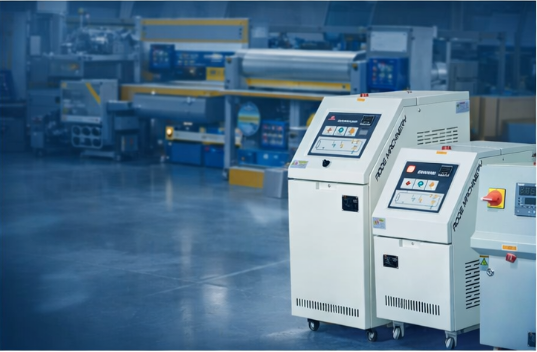
fajsdfjash ddsa dsa as sa sad sda sadfjsadjfl jsadjk fjasdlkfjaskdfdklsaj klf
jsadj
asjdklj falsdjf
jaklj

Products
Water vs Oil Mould Temperature Controller
25 February 2026
Author:AODE
share:


What Is the Difference Between Oil MTC and Water MTC?
What a Mould Temperature Controller Does in Industrial Production
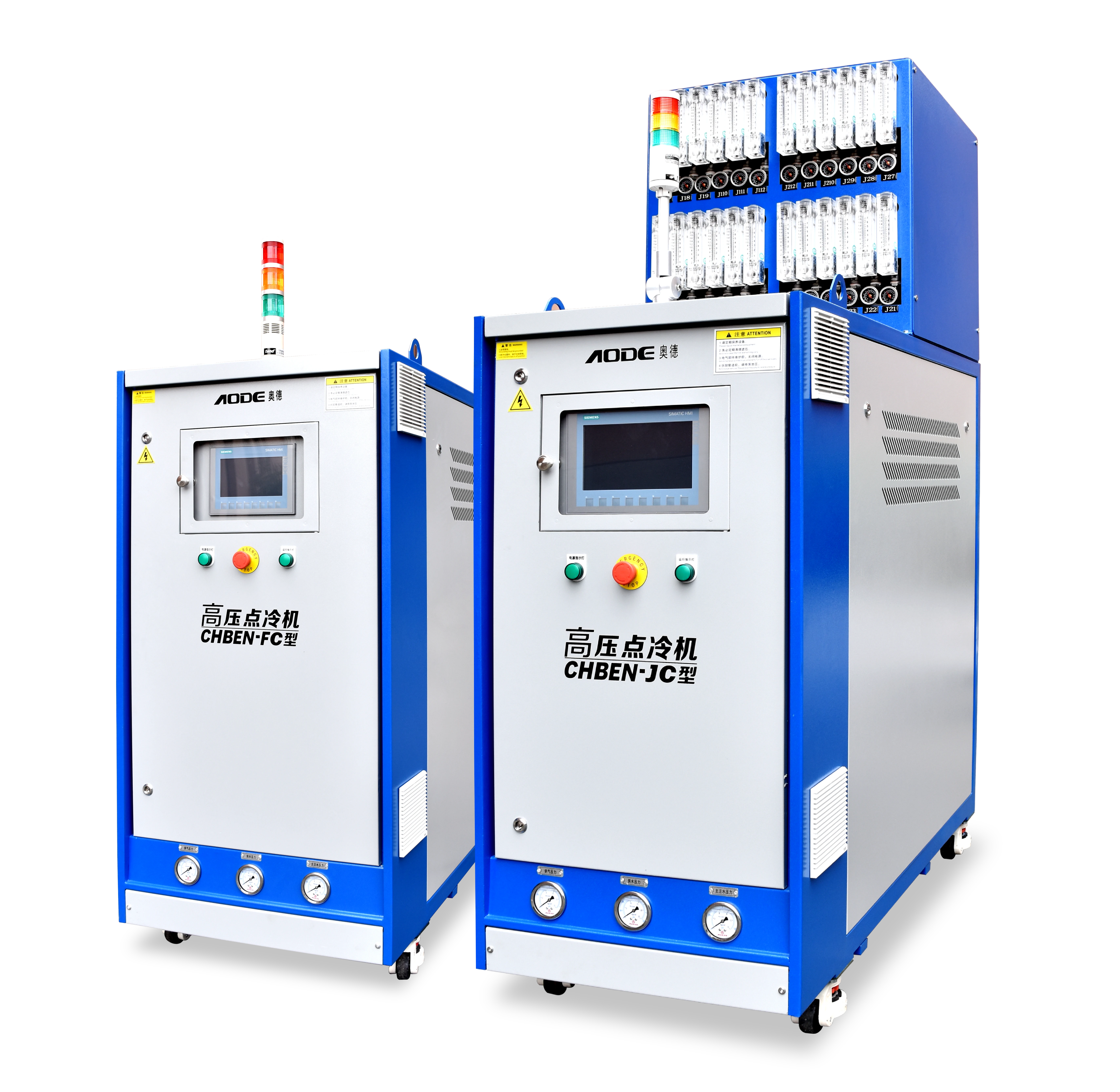
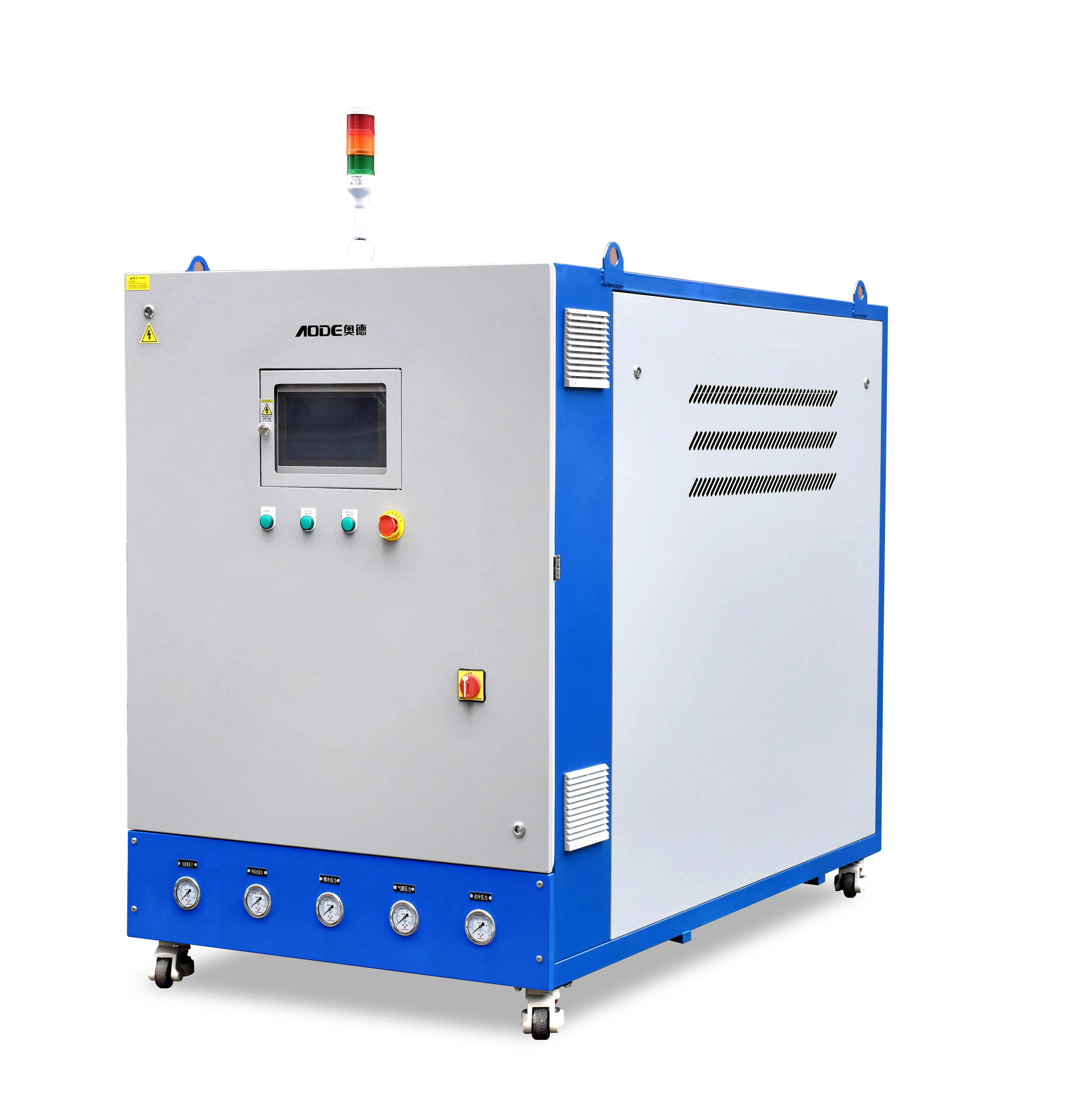
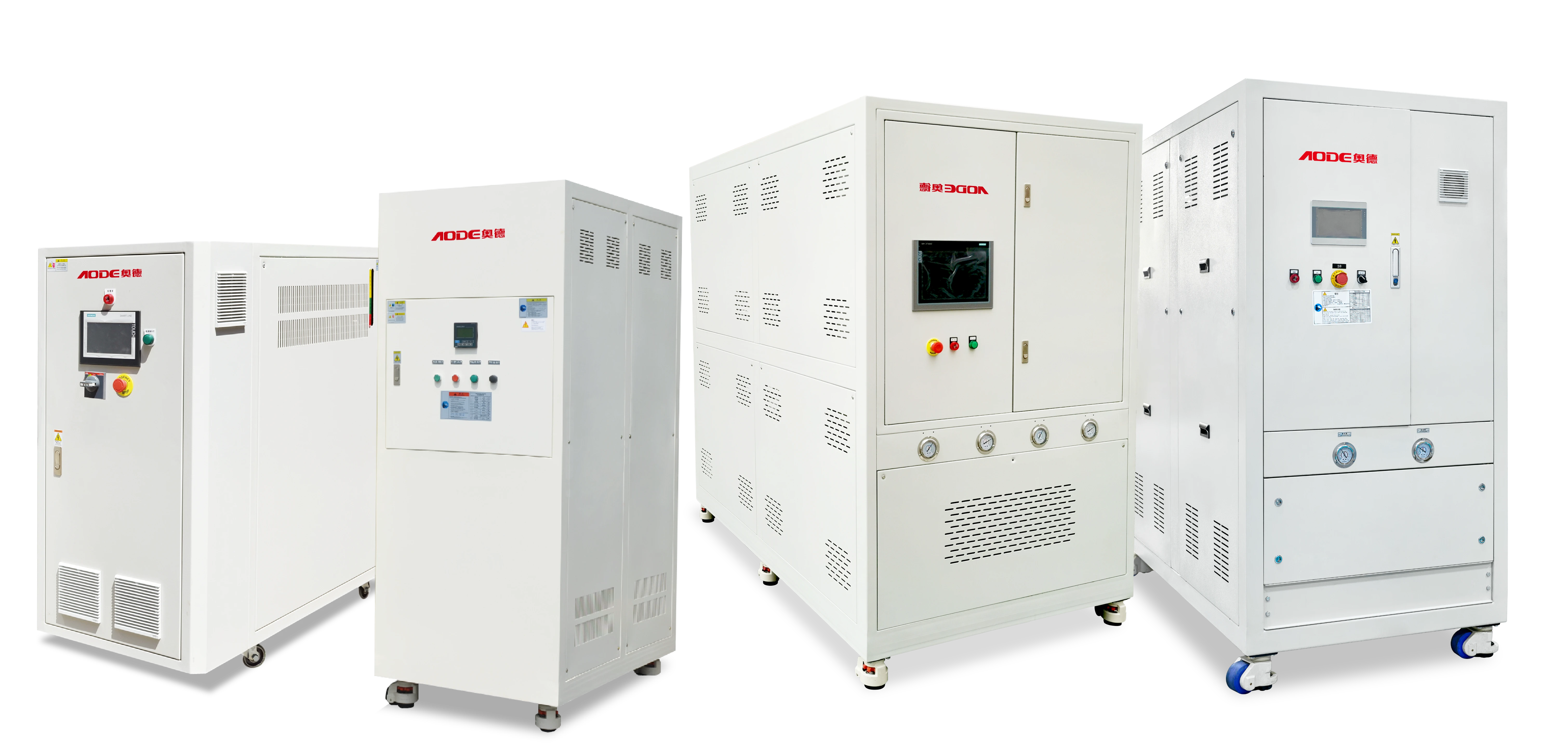
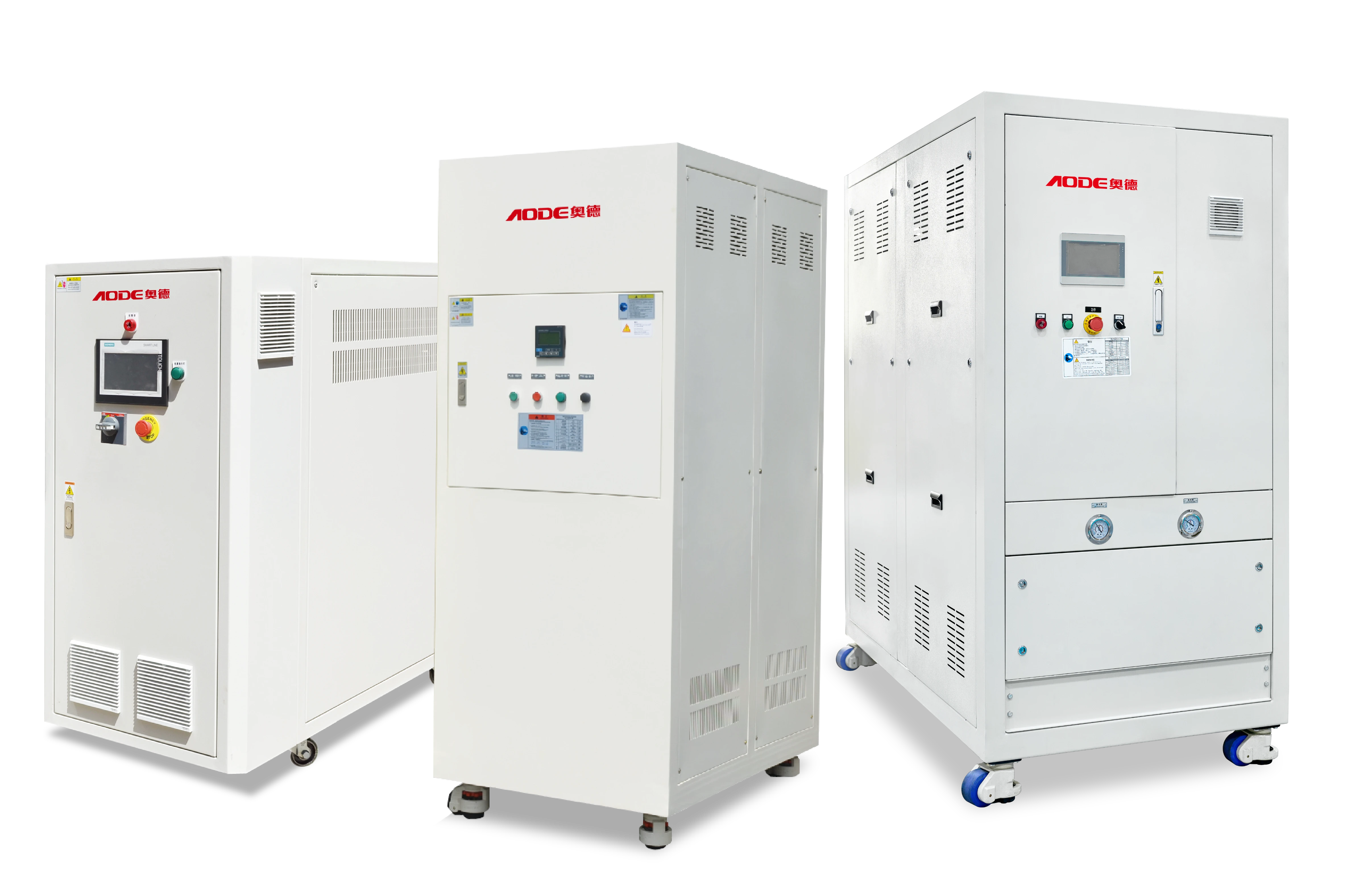
A mould temperature controller is a specialized industrial temperature controller used to regulate the thermal condition of molds and tooling surfaces during manufacturing. Also known as a mold temperature controller or temperature control unit (TCU), the system circulates a heat-transfer fluid through mold channels to maintain a stable setpoint temperature throughout production cycles.
Instead of allowing molds to heat and cool naturally, the temperature control unit actively adds or removes thermal energy. This controlled approach ensures consistent material solidification, predictable shrinkage, and repeatable part quality. For this reason, mould temperature controllers function as essential process temperature controllers in injection molding, die casting, extrusion, and composite forming processes.
The Key Difference Between Water and Oil Systems
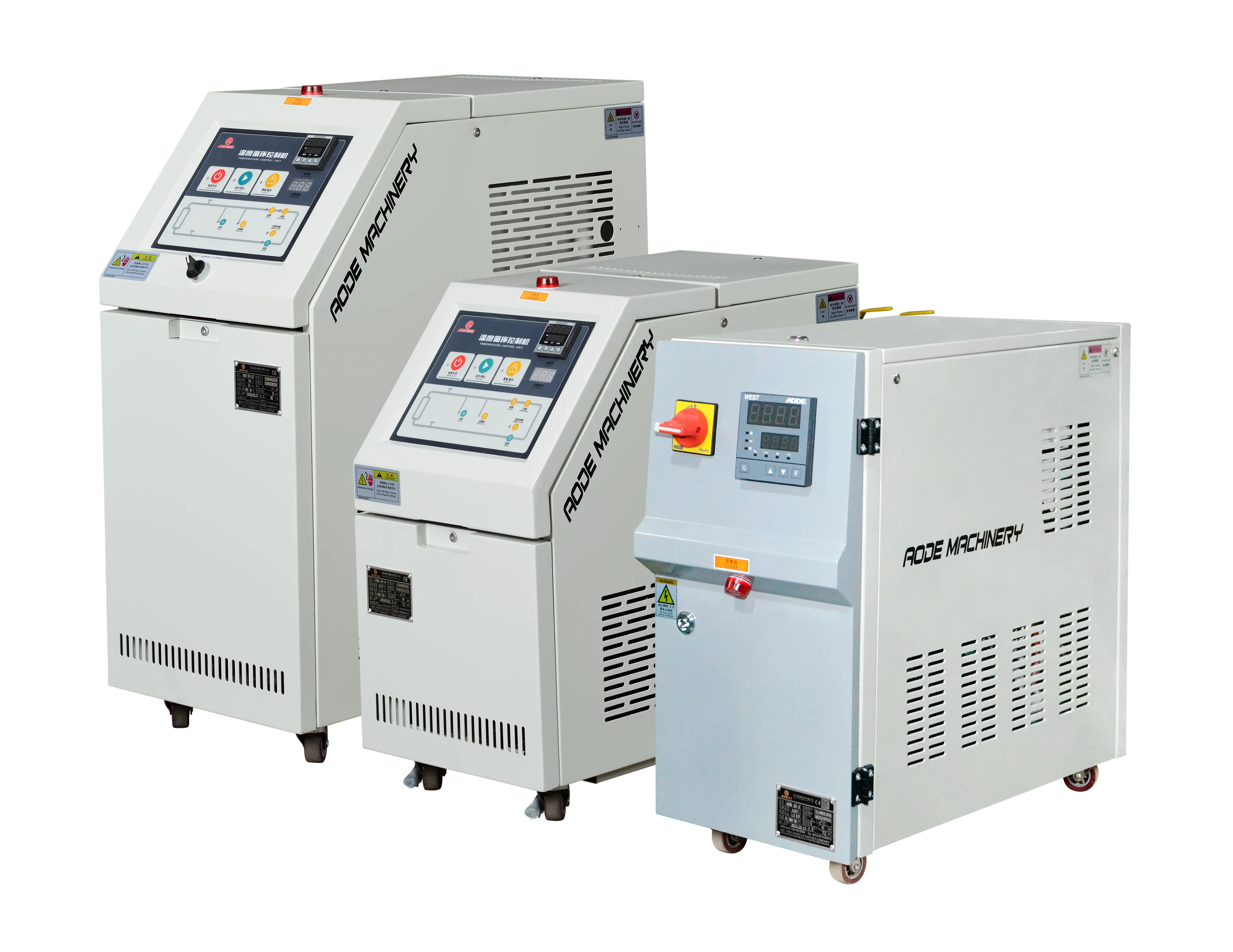
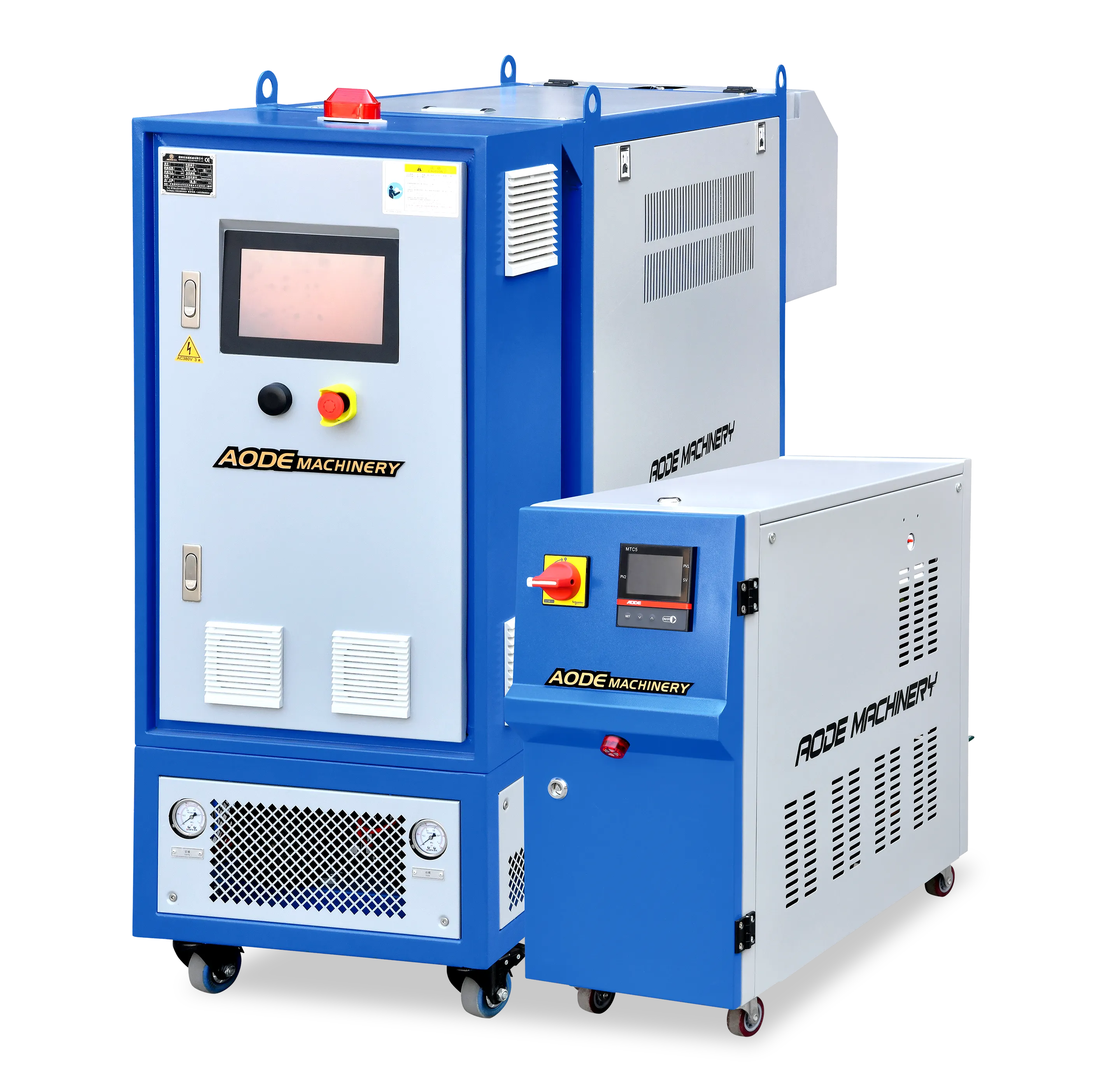
The primary difference between water MTC and oil MTC systems is the working fluid used inside the fluid temperature control unit. A water mould temperature controller uses water (sometimes pressurized), while a hot oil mould temperature controller uses thermal oil. Although both temperature control units perform the same task, like controlling mold temperature, their performance characteristics differ due to the physical properties of water and oil. These differences affect heat transfer efficiency, temperature capability, operating pressure, safety requirements, and maintenance practices. Understanding the medium is the first step toward selecting the correct process temperature control solution.
How Water Temperature Control Units Operate
Water temperature control units circulate heated or cooled water through internal mold cooling channels. The water absorbs heat from the mold or transfers heat into it, depending on the production phase. Because water has high thermal conductivity and high specific heat capacity, it transfers energy very quickly.
This makes water-based temperature controlled units highly responsive. They heat molds rapidly during startup and remove heat quickly during cooling cycles. In high-speed manufacturing environments such as injection molding, this responsiveness reduces cycle time and improves efficiency.
Water systems are therefore widely used where fast thermal adjustments and stable operating conditions are required.
Pressurized Water Systems for Higher Temperatures
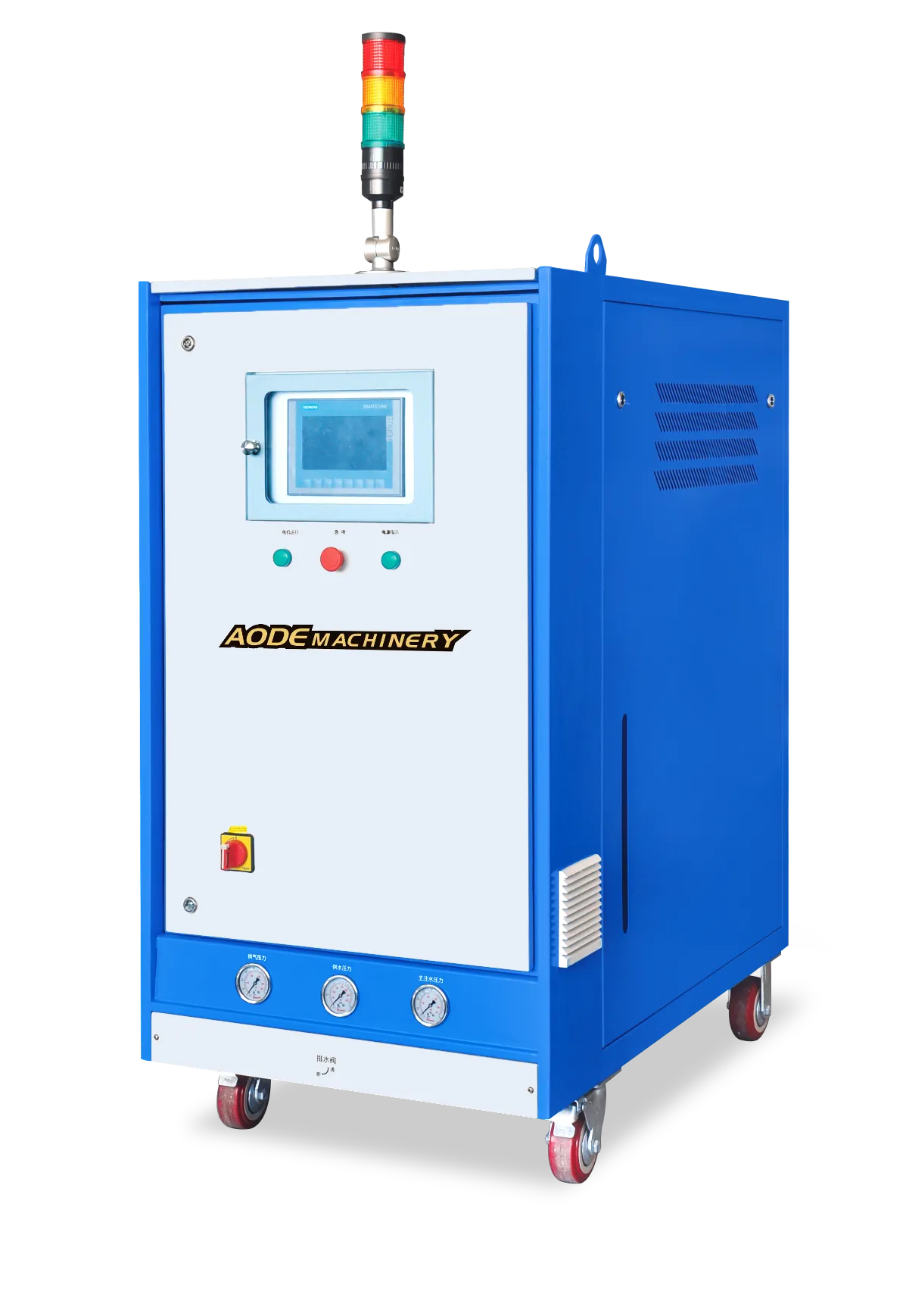
Standard water boils at 100°C under atmospheric pressure. To operate above this temperature, a temperature control unit TCU must increase system pressure. Pressurized water mould temperature controllers raise the boiling point, allowing safe operation at higher temperatures while retaining water's strong heat transfer properties.
These systems include pressure management components such as expansion tanks and safety valves. While they extend the usable temperature range of water temperature control units, they also increase mechanical complexity and require proper safety design. They are typically selected when moderate-to-high temperatures are needed but oil systems are not yet necessary.
How Hot Oil Temperature Control Units Work
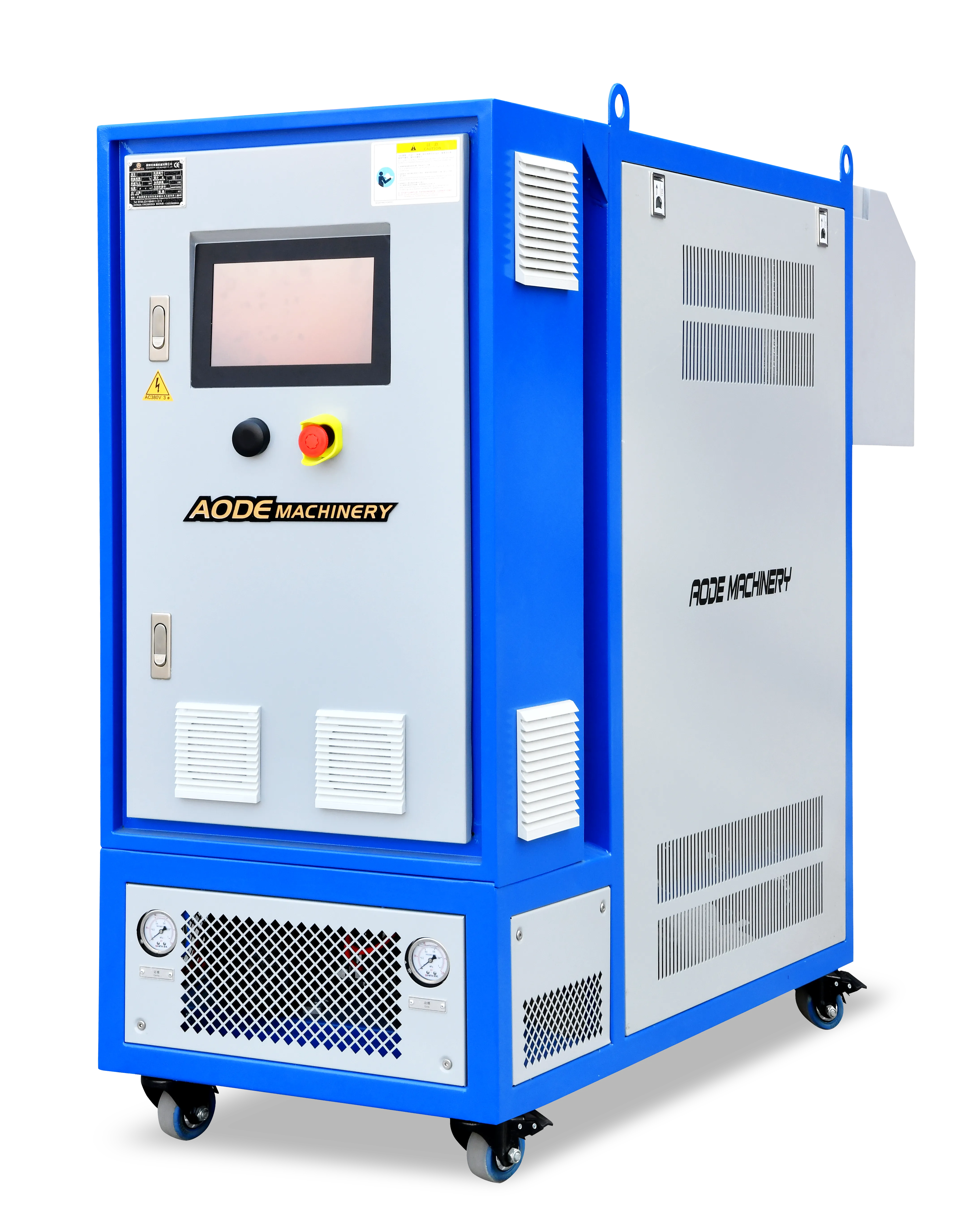
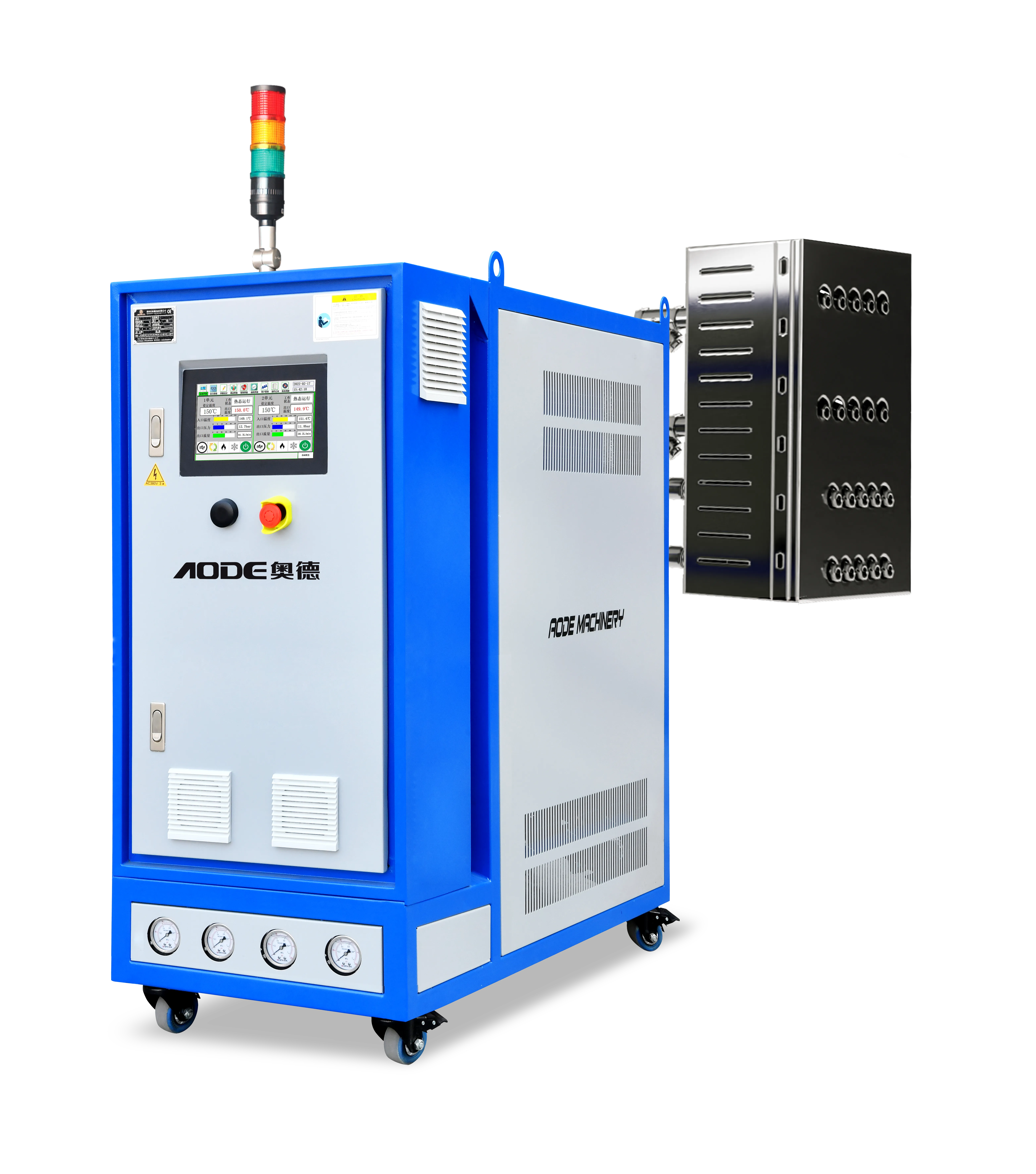
A hot oil mould temperature controller circulates thermal oil instead of water through the mold channels. Oil does not boil within the typical industrial operating range, allowing high temperature operation without pressurization..webp "high temperature oil TCU showcase")
The oil absorbs heat from electric heaters and transfers it into the mold steel, or removes heat during cooling cycles through a heat exchanger. Because oil remains stable at elevated temperatures, hot oil temperature control units are ideal for high-temperature processes such as die casting and composite curing.
Although oil transfers heat more slowly than water, it provides reliable temperature stability in applications where water systems cannot safely operate.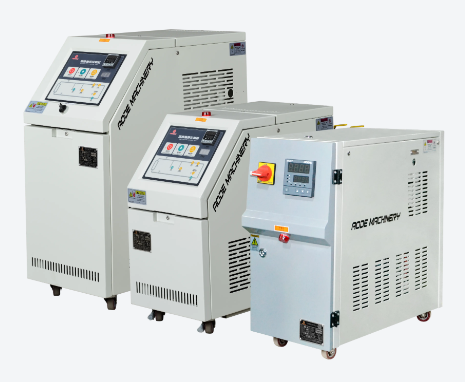
Temperature Capability Comparison
Temperature range is often the deciding factor when choosing between water and oil mould temperature controllers. Water temperature control units are suited for moderate thermal ranges, especially where fast heating and cooling are needed (specific heat) . Hot oil temperature control units operate at significantly higher temperatures without requiring pressure. When production demands elevated thermal conditions, oil systems become the preferred industrial temperature controller solution. In short, water systems prioritize efficiency and response speed, while oil systems prioritize temperature capacity and stability.
Heat Transfer Efficiency and Cycle Time
Heat transfer efficiency directly affects cycle time. Water transfers heat more effectively than oil because of its higher thermal conductivity and heat capacity. As a result, water temperature control units enable faster mold heating and cooling.
This faster thermal response allows shorter cycle times and improved productivity in applications such as injection molding and extrusion. Oil systems, although slower to respond, provide consistent temperature holding at high temperatures. In processes requiring steady heating rather than rapid cooling, oil temperature control units offer reliable performance.
Operating Pressure and Mechanical Design
Operating pressure represents another major difference between the two systems. When water operates above its boiling point, the temperature control unit must maintain high pressure to keep the fluid in liquid form. This requires reinforced piping and safety devices. Oil systems operate at higher temperatures but lower pressure, reducing mechanical stress on components. However, oil systems introduce high-temperature handling considerations. Each type of temperature control unit therefore presents different engineering challenges, but both can operate safely when designed properly.
Safety Considerations in Temperature Control Units
Both water and oil mould temperature controllers require comprehensive safety design. Pressurized water systems must protect against pressure buildup, while oil systems must manage high fluid temperature and potential degradation.
Modern temperature control units incorporate protective functions such as over-temperature shutdown, flow monitoring, and alarm systems. These features allow the equipment to operate reliably as a process temperature controller in demanding industrial environments.
Maintenance and Fluid Management
Maintenance requirements differ significantly between water and oil systems. Water systems must be monitored for mineral scale, corrosion, and contamination that could block flow and reduce heat transfer efficiency.
Oil systems require monitoring for oxidation, viscosity changes, and thermal aging. Over time, degraded oil may need replacement to maintain performance. Water is less expensive and easier to replace, while oil typically has a longer service interval when properly maintained. Choosing between the two types of temperature controlled units often depends on which maintenance model better fits plant operations.
Energy Efficiency and Operating Cost
Energy consumption depends heavily on heat transfer efficiency. Because water transfers heat more effectively, water temperature control units often use less energy in moderate-temperature processes. They heat and cool quickly, reducing wasted thermal cycling. Oil systems may require more energy during initial heating but maintain steady operation once stabilized. In high-temperature processes, oil becomes the only practical choice despite the higher energy input. Evaluating operating cost therefore requires matching the temperature control unit to the actual process requirements. In addition, there is another very important point - the formation of scale. The problem can be perfectly solved by using an oil temperature controller..png "oil mould temperature controller without scale formation")
Application Suitability
Different industries favor different types of mould temperature controllers. Injection molding operations typically use water temperature control units because rapid cooling and heating are critical for productivity and surface quality.
Die casting operations commonly use hot oil temperature control units due to higher operating temperatures. Composite curing processes also rely on oil systems for long-duration heating. Extrusion and rubber processing often use water-based industrial temperature controllers to maintain consistent thermal conditions. Selecting the correct system ensures stable process temperature control and improved product performance.
Integration with Modern Process Temperature Control Systems
Modern manufacturing increasingly integrates temperature control units into broader plant systems. Today's mould temperature controllers can communicate with PLCs, SCADA platforms, and manufacturing execution systems.
Through this integration, multiple temperature control units can operate together as coordinated thermal infrastructure. Monitoring, data logging, and automated adjustments improve process transparency and reliability.
As a result, the mould temperature controller has evolved from standalone equipment into a central component of industrial process temperature control. By the way, as one of top mould temperature controller manufacturers, AODE supports OEMs, system integrators, and distributors worldwide with technical training and local support. Please turn to our temperature control specialist if necessary!
 Back to List
Previous
No more
Next
Types of Mould Temperature Controllers
Table of Contents
Related News
×
CONTACT US
Cookie Policy
We use cookies and other tracking technologies online. Please read our Cookie Policy, which is part of this Cookie Policy , and is incorporated herein by reference.

loading...