
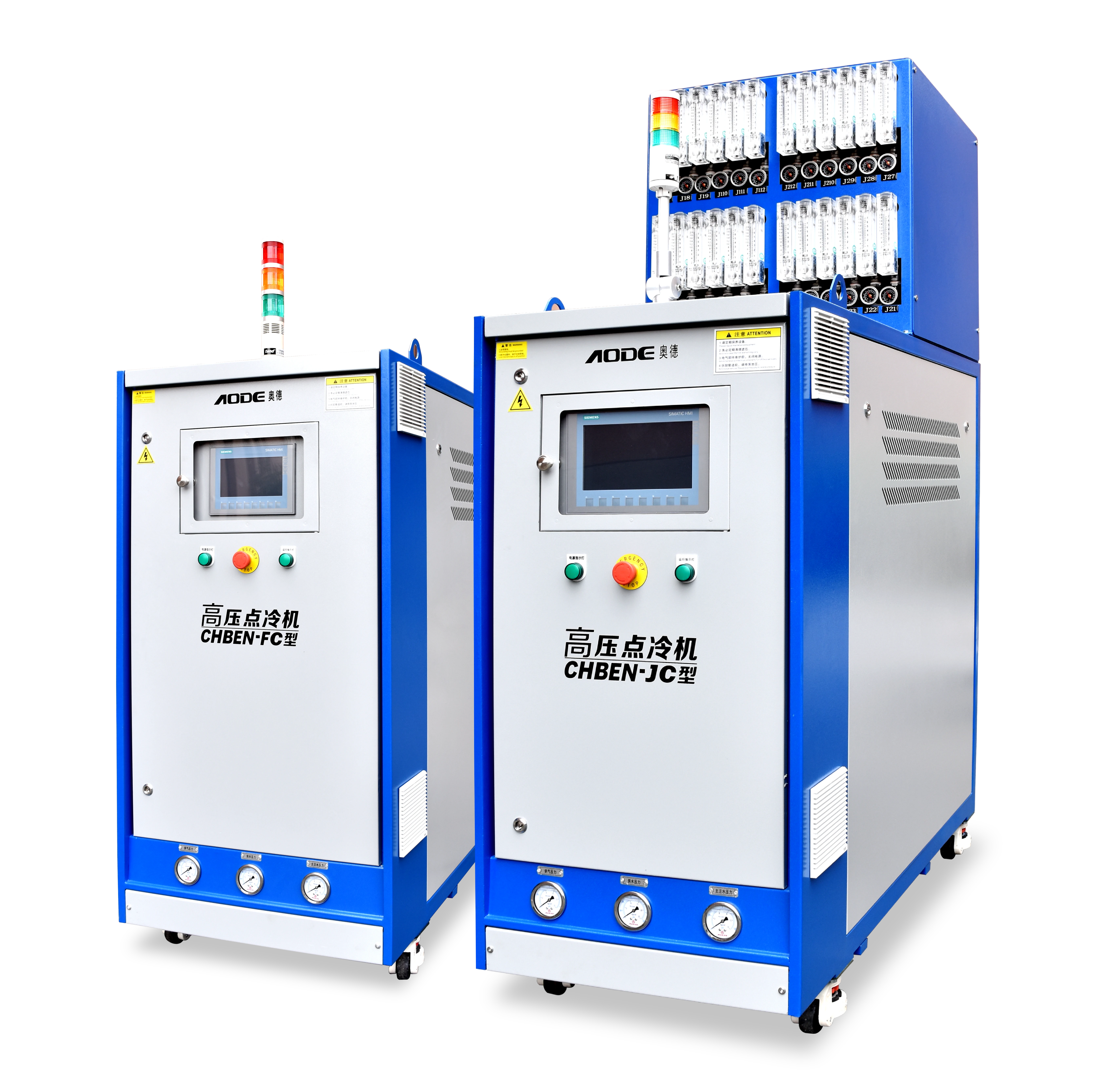
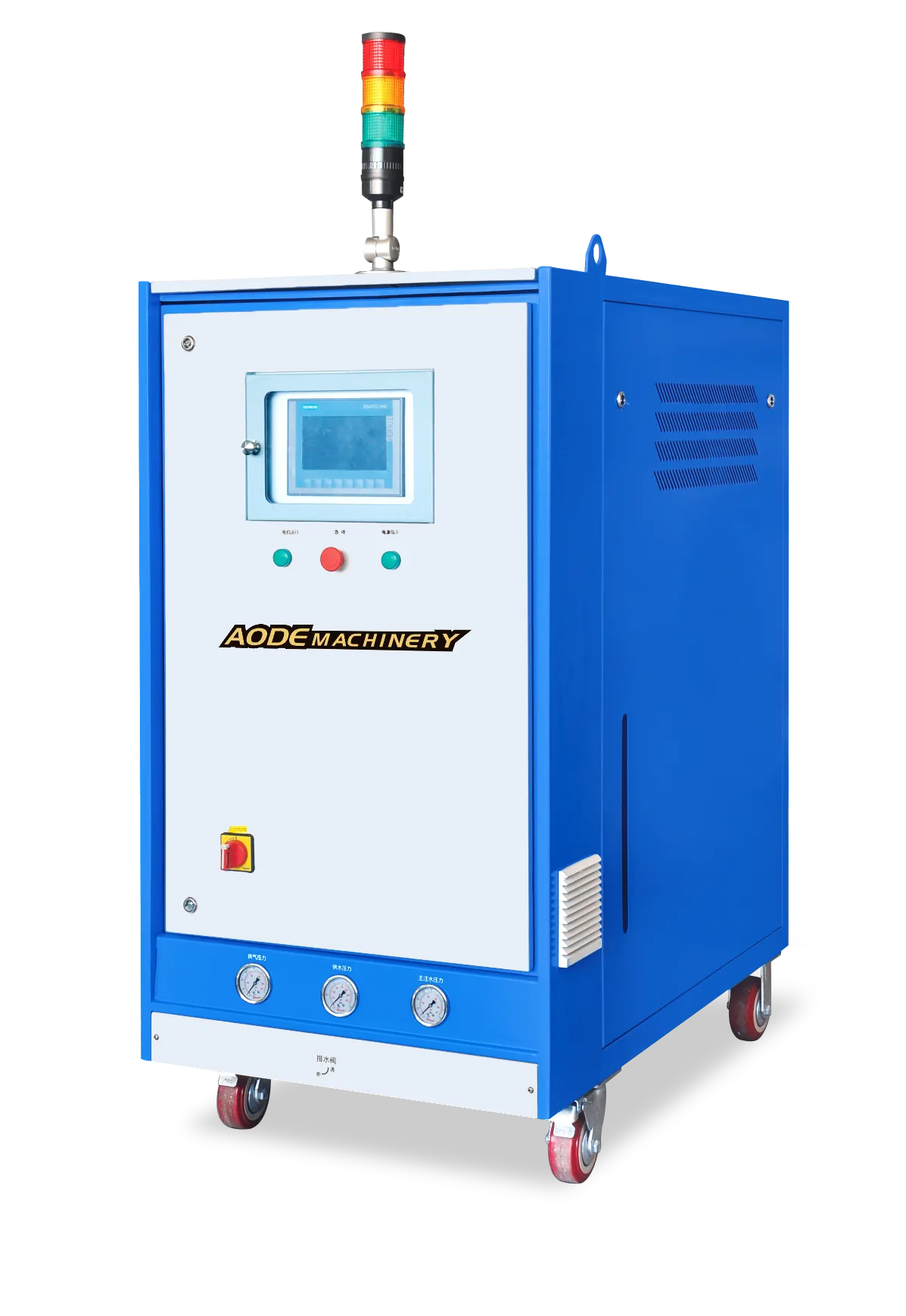
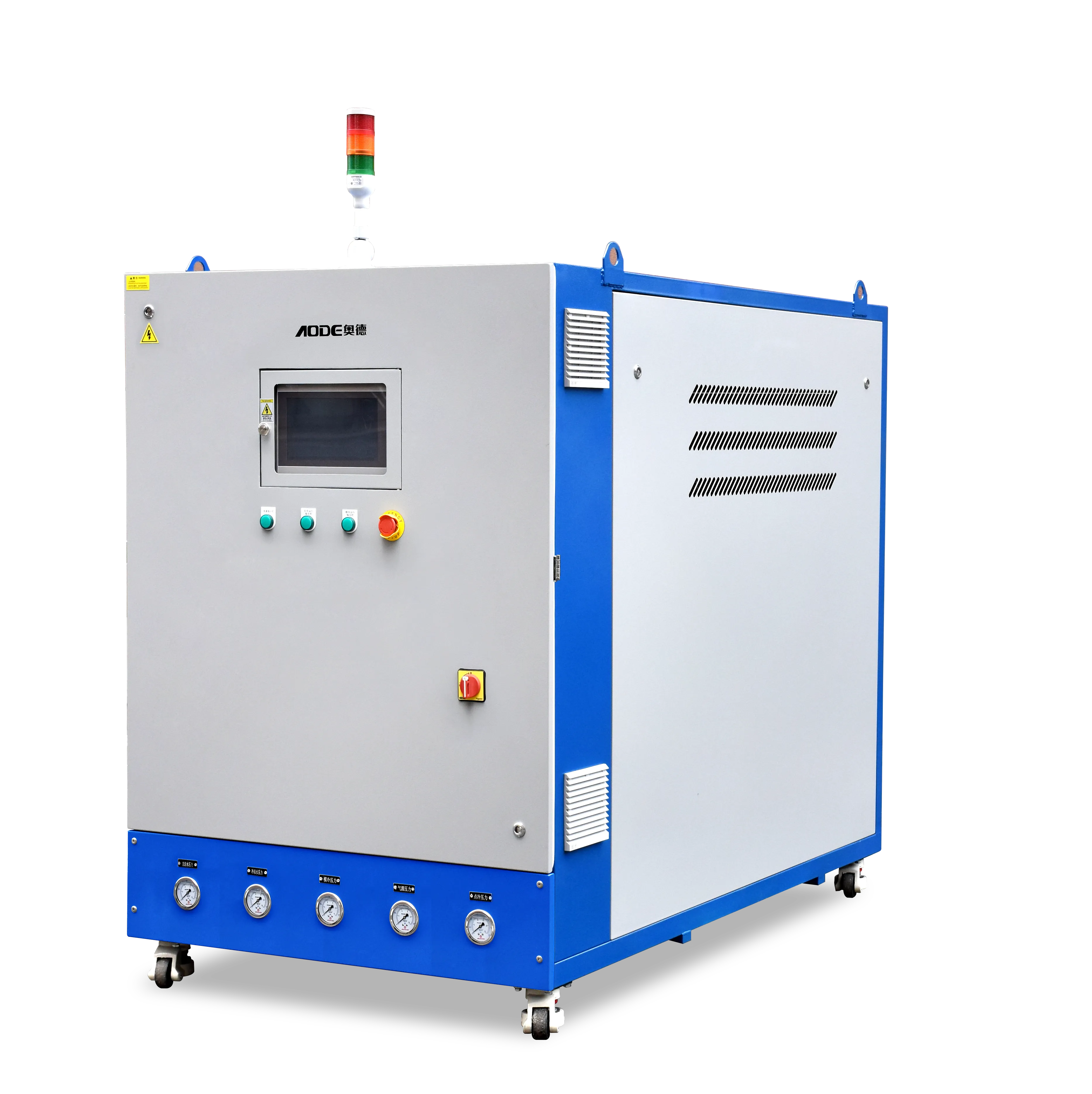
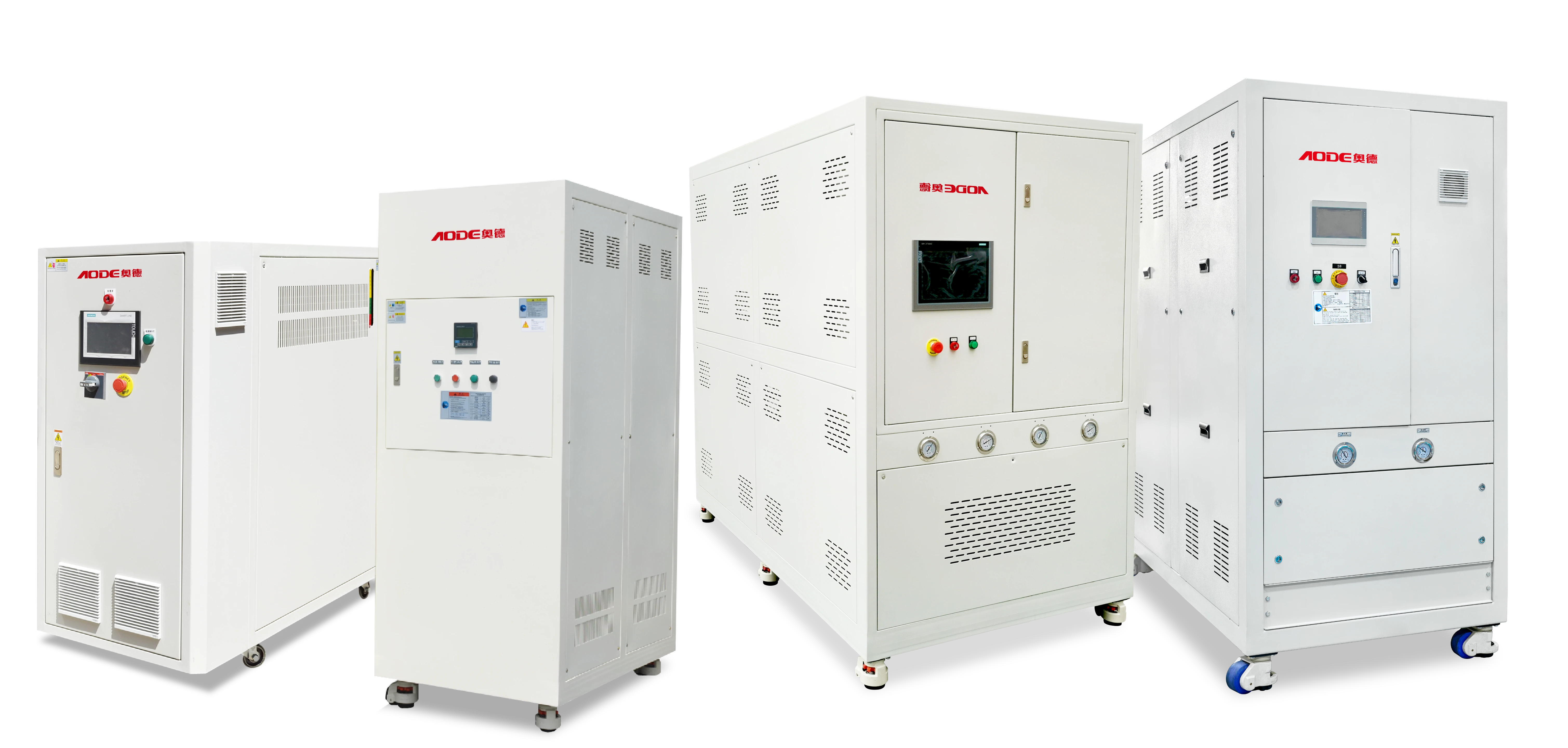
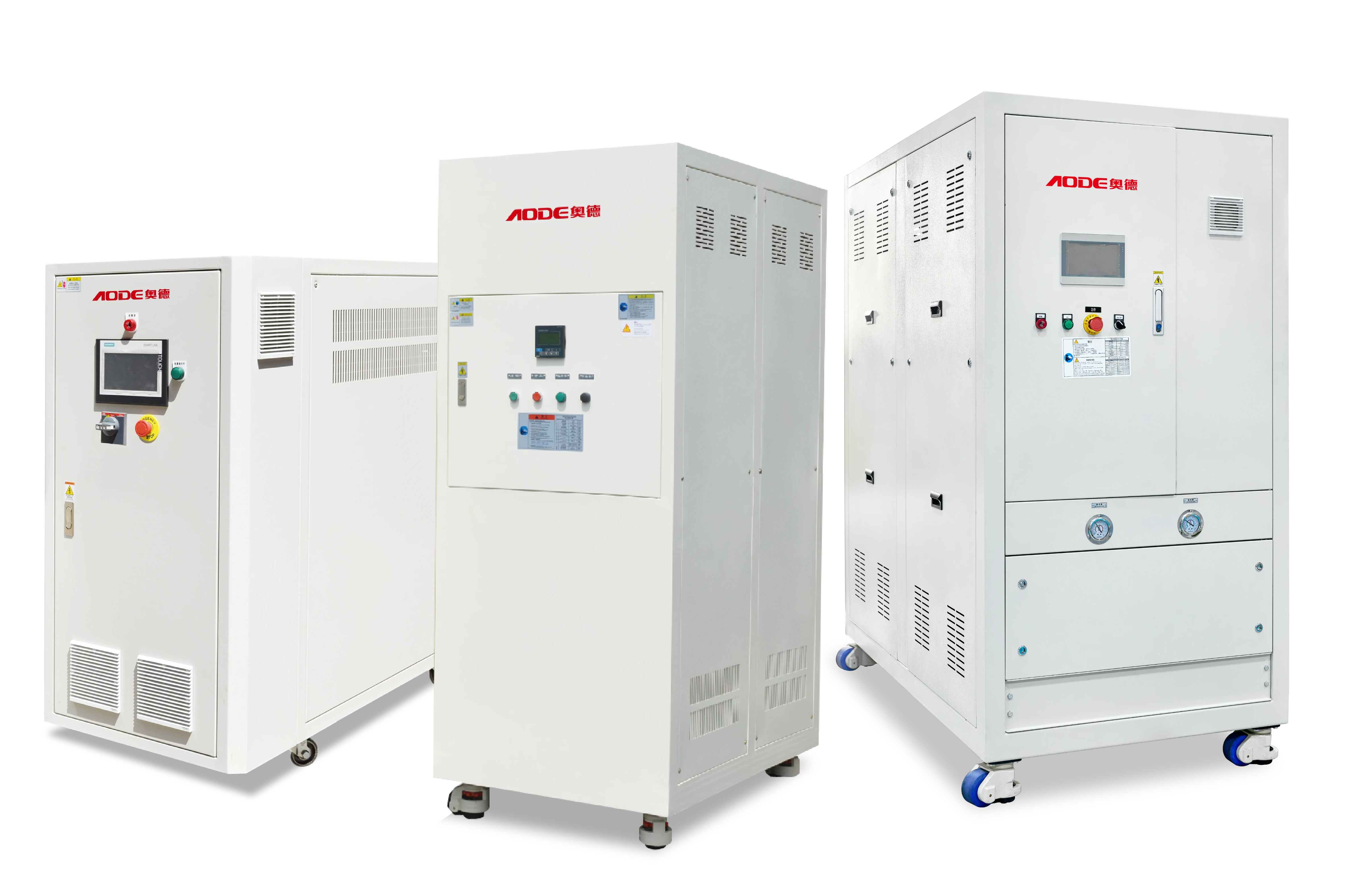
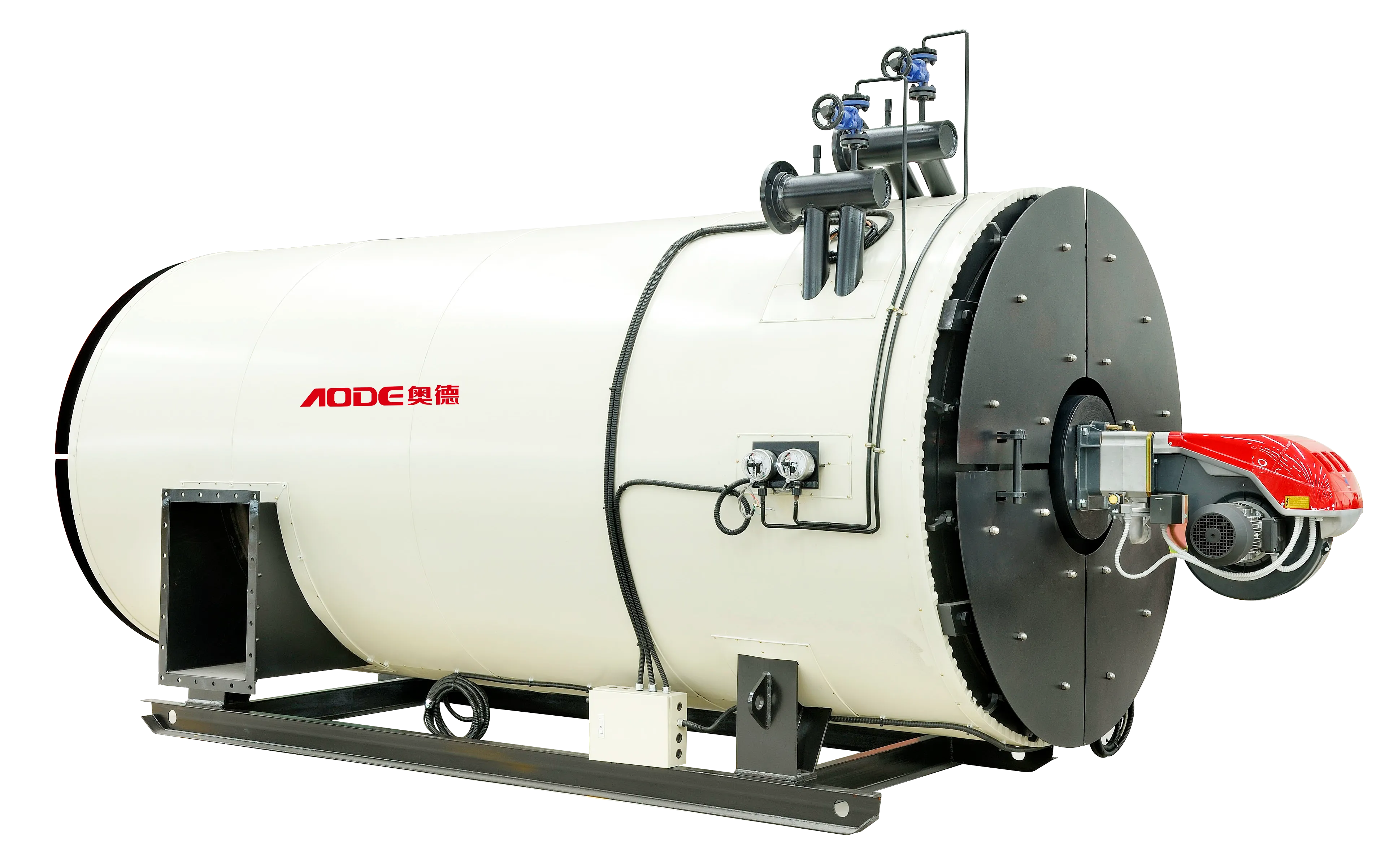
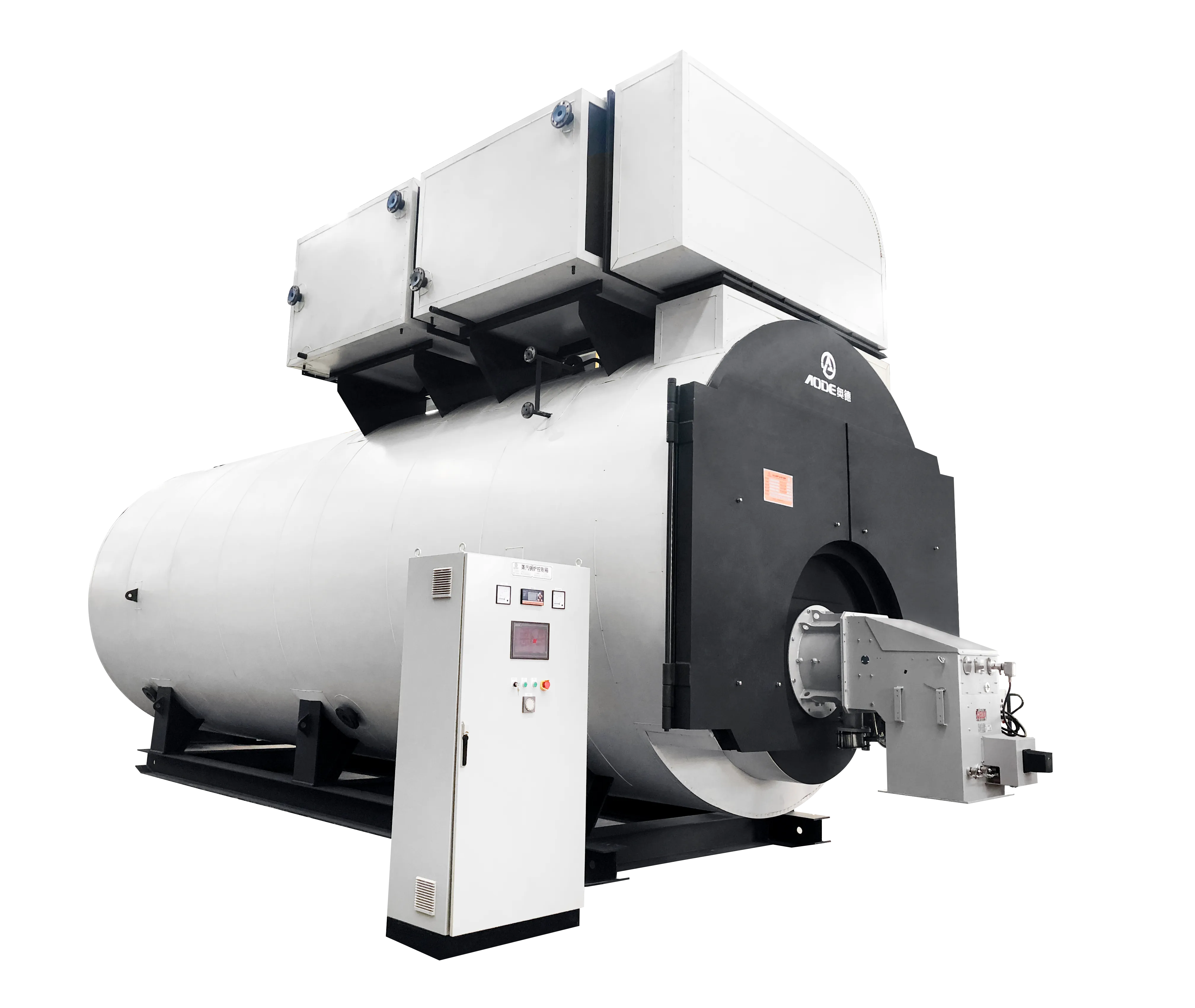

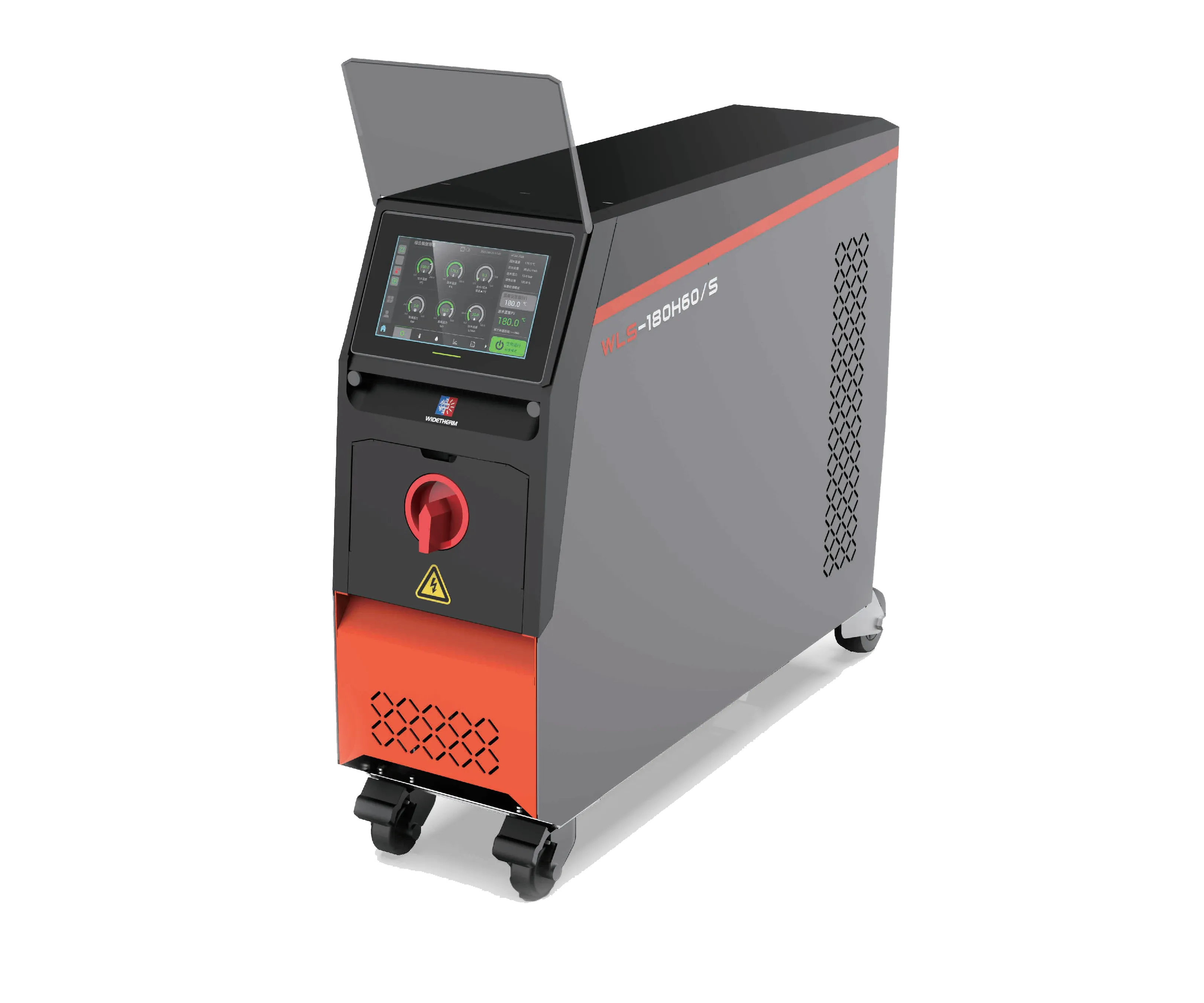
fajsdfjash ddsa dsa as sa sad sda sadfjsadjfl jsadjk fjasdlkfjaskdfdklsaj klf
jsadj
asjdklj falsdjf
jaklj
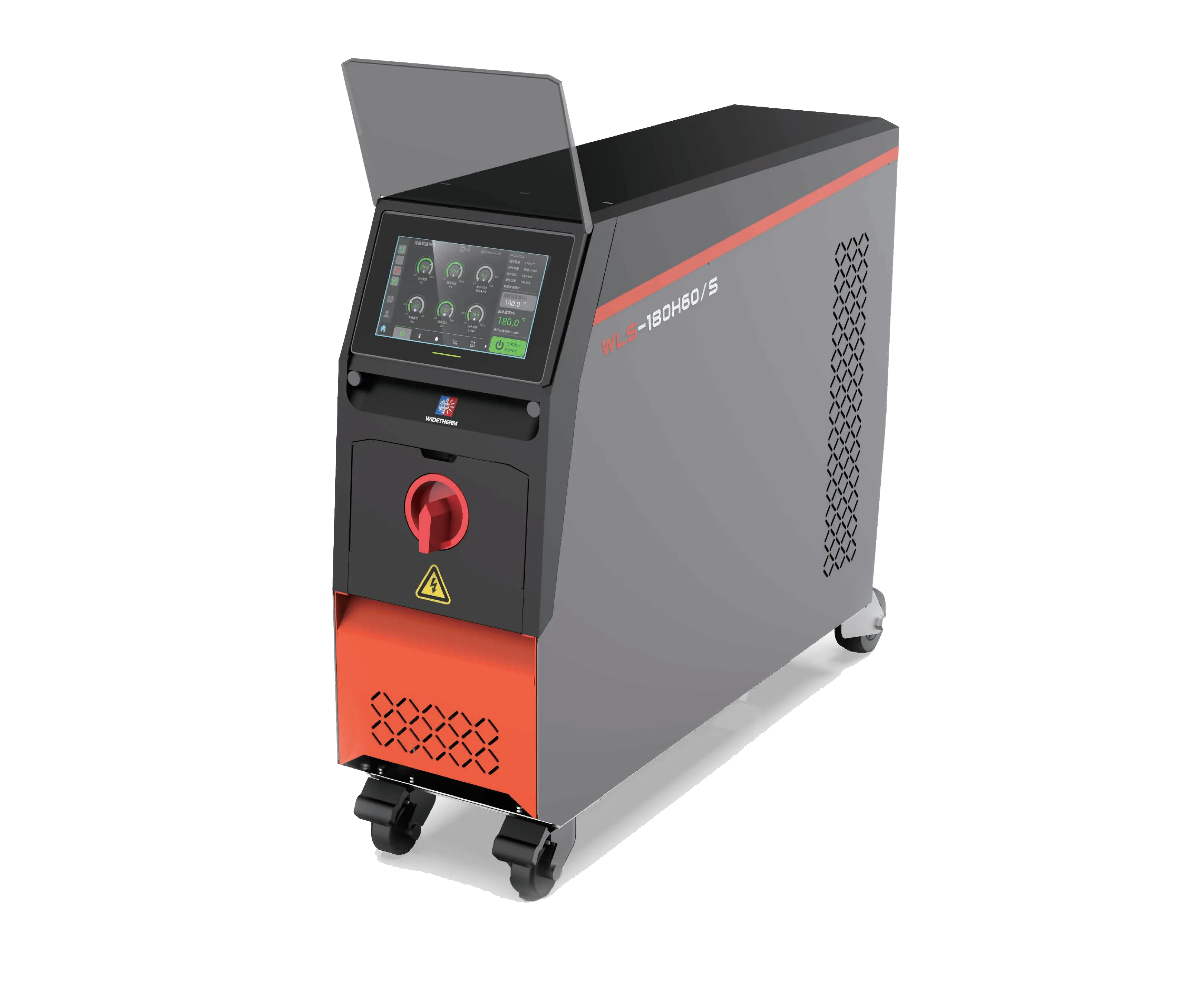
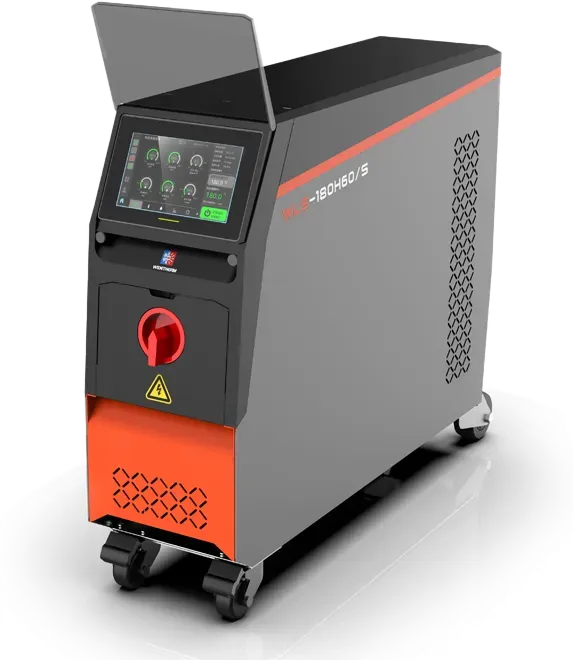
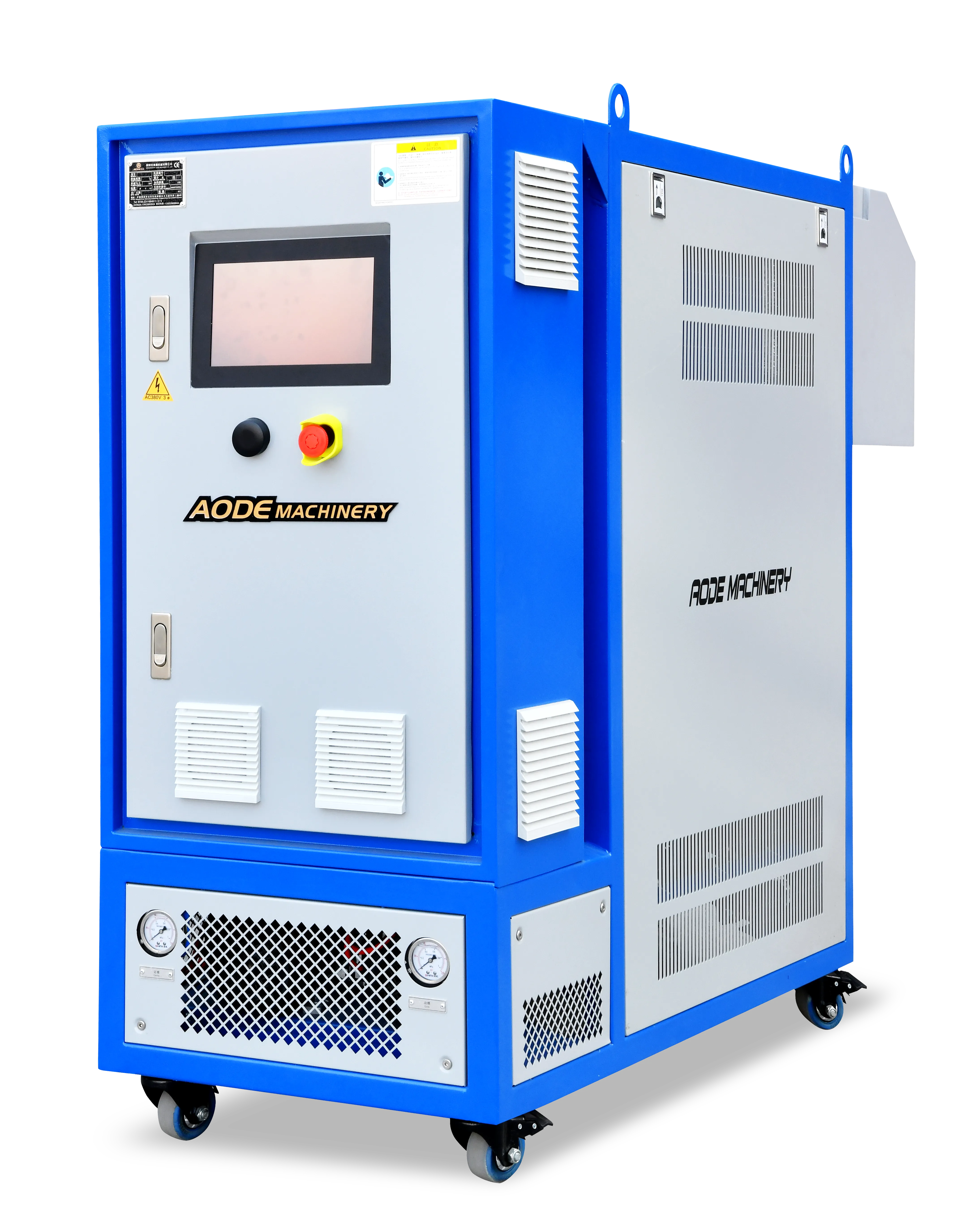
180°C High Precision Mold Temperature Controller
Temp Control Range: +20℃  +180℃±0.1℃
Key Highlights:
Maximum Operating Temperature: 180°C
Temperature Control Precision: ±0.1°C
Heating Capacity: 8 / 12 kW
Maximum Pump Flow: 60 / 90 L/min
Request a Quote
How High-Precision Mold Temperature Controllers Work
When the required mold temperature exceeds the capabilities of conventional water temperature controllers, manufacturers must consider both thermal performance and the pressure conditions of the circulation system.
The WLS-180 series extends precise water-based temperature regulation to 180°C, offering an alternative for compatible molding processes that require higher operating temperatures. Its indirect heating arrangement and stainless steel magnetic drive pump support heat transfer and water circulation within the equipment's operating limits.
Unlike equipment selection based solely on a maximum temperature rating, our approach considers the thermal and hydraulic requirements of the complete molding system. The WLS-180 provides a higher temperature grade without changing the specified ±0.1°C control precision of the WLS series.
Extend Your Precision Molding Temperature Range
Contact AODE for a customized injection molding temperature control solution.
Request a Quote
High Temperature Water Circulation and Precision Control
Elevated-temperature molding requires coordinated heat input, water circulation, and operating supervision. The WLS-180 integrates these functions within a single temperature control unit.
1
Indirect Heating and Adjustable Power Regulation
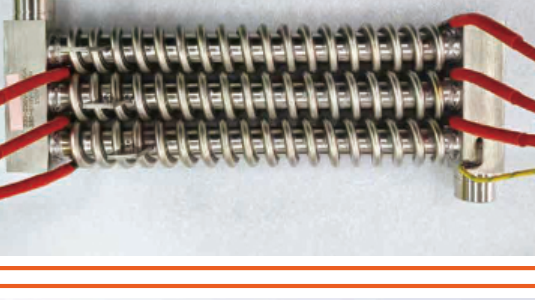
The indirect heating arrangement works with PID self-tuning and SSR heating control to regulate heat input in response to temperature feedback. Adjustable heating settings allow the controller to respond to changing thermal conditions without relying on fixed heating output.
2
Stainless Steel Magnetic Drive Pump
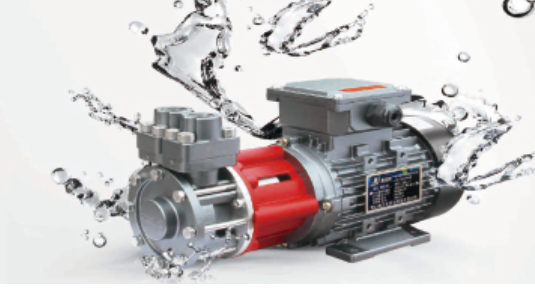
Water circulation is maintained by a stainless steel magnetic drive pump. The two available pump configurations provide different flow and pressure ratings, allowing equipment selection according to the hydraulic resistance and heat transfer requirements of the connected tooling.
3
Integrated Thermal and Hydraulic Monitoring
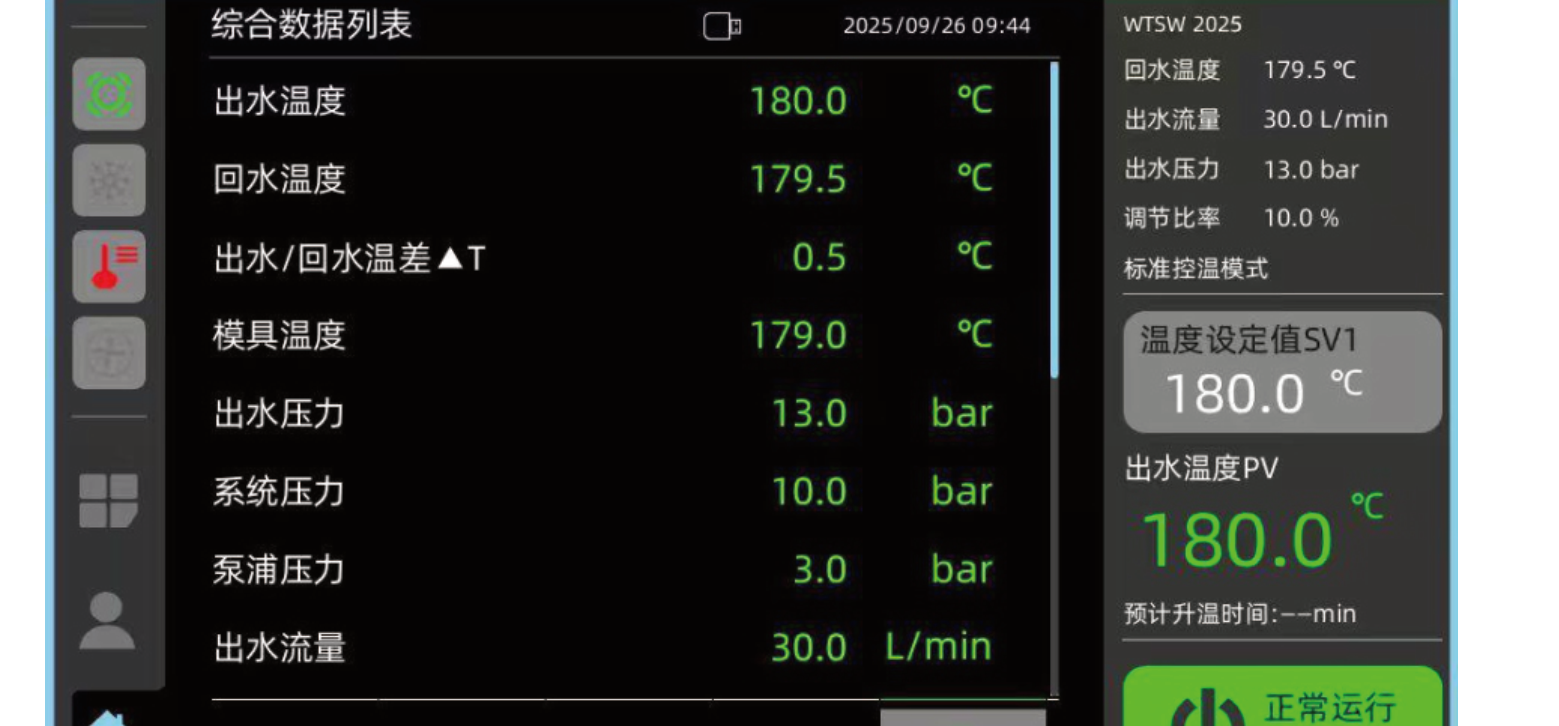
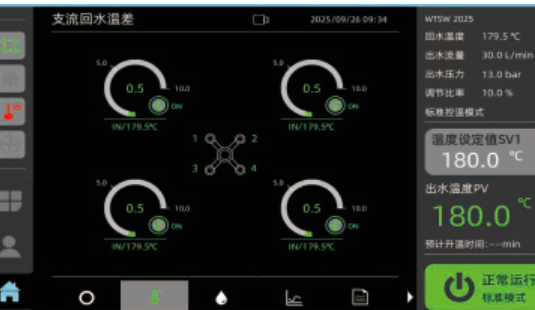
Evaluating temperature alone provides limited insight into a high-temperature water circuit. The WLS interface also displays pressure, circulation flow, and pump operating status. Configurable alarm limits and historical records help identify abnormal conditions during production.
4
Machine Control and Communication Interfaces
Local and external start/stop functions support different equipment operating arrangements. Together with RS485 and OPC UA communication, these functions provide integration possibilities with compatible injection molding machines and production control systems.
Review High-Temperature Control and Integration Requirements
Contact AODE for a customized injection molding temperature control solution.
Request a Quote
WLS-180 Mold Temperature Controller Specifications
Both WLS-180 models have a maximum operating temperature of 180°C. Differences in heater output, circulation capacity, pump pressure, and electrical ratings allow selection according to actual equipment requirements.
| Operational Temperature Range | Above Cooling Water +20℃~+180℃ | |||
| Model | Unit | WLS-180H60-8 | WLS-180H90-12 | |
| Power Supply | Voltage | V | AC380/220V50Hz 3P | |
| Breaker | A | 32/40 | 40/50 | |
| Cooling Water | Flow Rate | L/min | 20+ | |
| Pressure | bar | 2bar~3bar | ||
| Medium | / | Clean Water | ||
| Heater | Control | / | Solid State Relay/SSR | |
| Capacity | KW | 8 | 12 | |
| Booster Pump | Pressure | bar | 16bar | |
| Output | W/2P | 55w | ||
| Pump | Pressure | bar | 4bar | 5bar |
| Traffic | L/min | 60 | 90 | |
| Output | KW/3P | 1.1 | 1.7 | |
| Cooling Method | / | Direct Cooling Indirect cooling | ||
| Water Level Detection | / | Pressure Type / Comprehensive Data Detection | ||
| Temperature Sensor | / | PT100 | ||
| Product Weight | KG | 70 | 85 | |
WLS-180 Model Comparison
The WLS-180H60-8 provides the higher temperature grade in a lower-capacity heating and circulation configuration, suiting processes that require elevated temperatures with moderate thermal and hydraulic demands. The WLS-180H90-12 offers greater heating output and circulation capacity for tooling with additional heat losses, higher thermal loads, or more demanding water circulation. Both models share the same temperature limit and specified control precision; confirm the required heating load and pump working point before selecting either configuration.
Obtain Detailed WLS-180 Model Information
Request technical specifications and commercial pricing for your selected equipment.
Request a Quote
What Should You Consider When Selecting a 180°C Precision TCU?
Selecting a high temperature precision injection molding TCU involves assessing the entire thermal system. Operating temperature, pressure compatibility, heating requirements, and cooling conditions must be evaluated together.
01
Elevated-Temperature Processing Requirements
Start with the recommended mold temperature for the selected resin grade. Consider the required operating range and normal production conditions rather than the polymer's melting temperature or end-use heat resistance. The WLS-180 is particularly relevant when the required mold temperature exceeds the rating of the WLS-160 series.
02
System Pressure and Component Ratings
Maintaining water in its liquid state at elevated temperatures requires sufficient system pressure. Confirm that the mold, pipes, hoses, seals, valves, and fittings are compatible with the intended operating conditions. Static circuit pressure and circulation pump pressure must be assessed separately.
03
Thermal Load and Circulation Performance
Elevated operating temperatures can increase heat losses from tooling and connected piping. Evaluate startup heating demand and continuous process loads before selecting between the 8 kW and 12 kW models. Pump performance must also satisfy the required working flow against the resistance of the mold circuit.
04
Cooling Water and Heat Removal Capacity
A temperature controller must be able to remove excess heat as well as supply it. Assess the available cooling water temperature, pressure, flow, and water quality to determine whether site utilities can support the required heat removal. Confirm the applicable cooling arrangement for the selected model before installation.
Elevated-Temperature Injection Molding Applications
The WLS-180 series is intended for consideration in precision molding applications where higher mold temperatures are required. Equipment suitability depends on the resin grade, part design, tooling specifications, and compatibility with pressurized water circulation.
Engineering Thermoplastic Injection Molding
Crystalline Polymer Molding
Thin-Wall Precision Molding
High Surface Quality Injection Molding
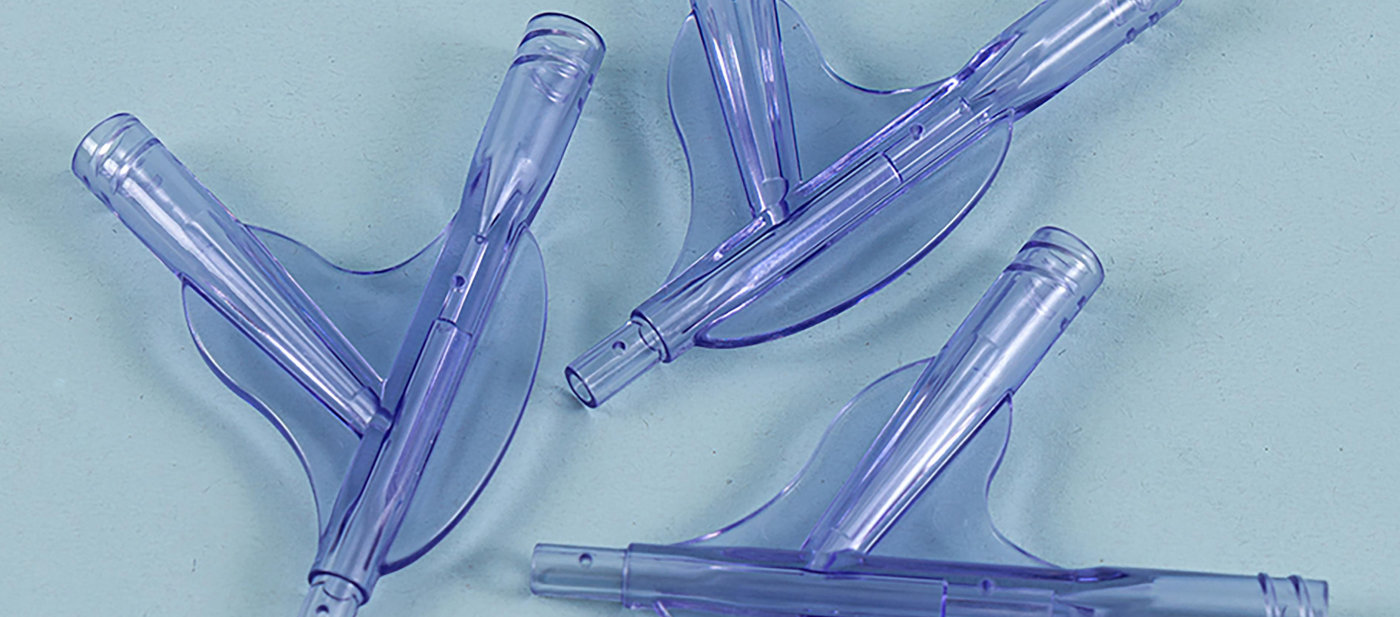
Certain engineering thermoplastic grades require elevated mold temperatures to achieve their intended processing and material characteristics. The WLS-180 provides an extended water temperature range when a lower-temperature controller cannot reach the specified mold conditions.
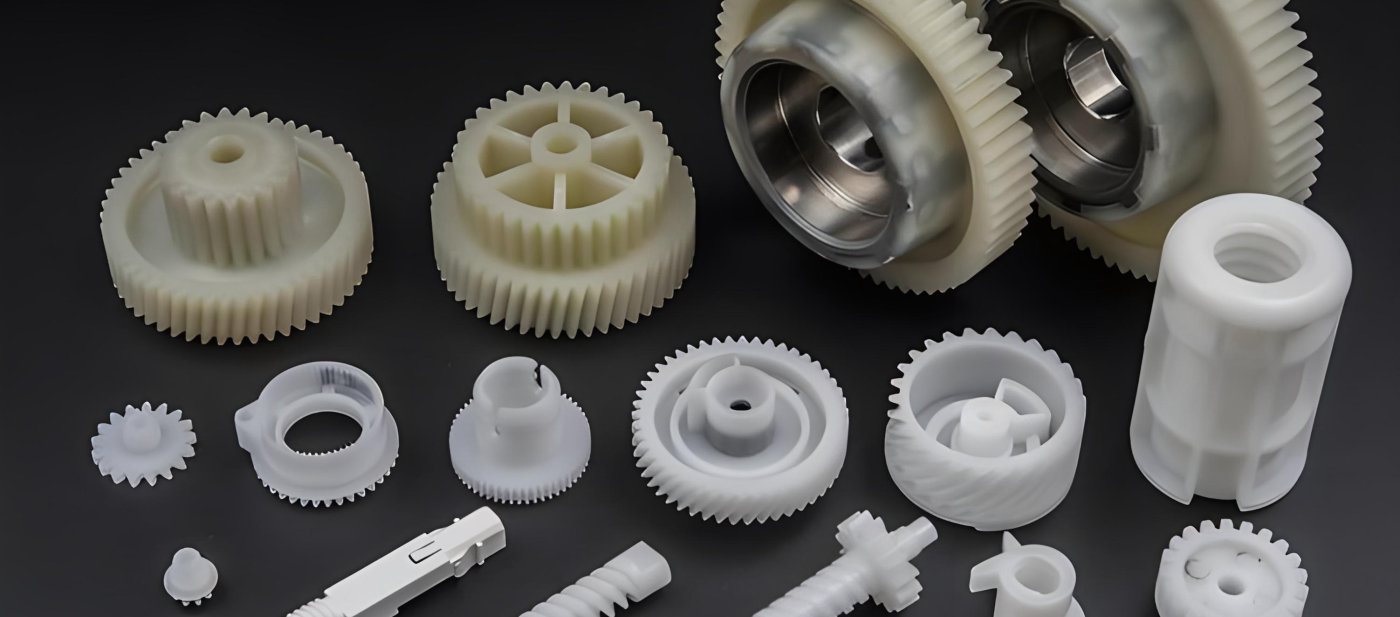
Mold temperature can influence crystallization behavior in semi-crystalline polymers, affecting shrinkage, dimensional stability, and material properties. Where the resin manufacturer's processing guide specifies elevated mold temperatures, controlled heating supports the establishment of suitable thermal conditions.
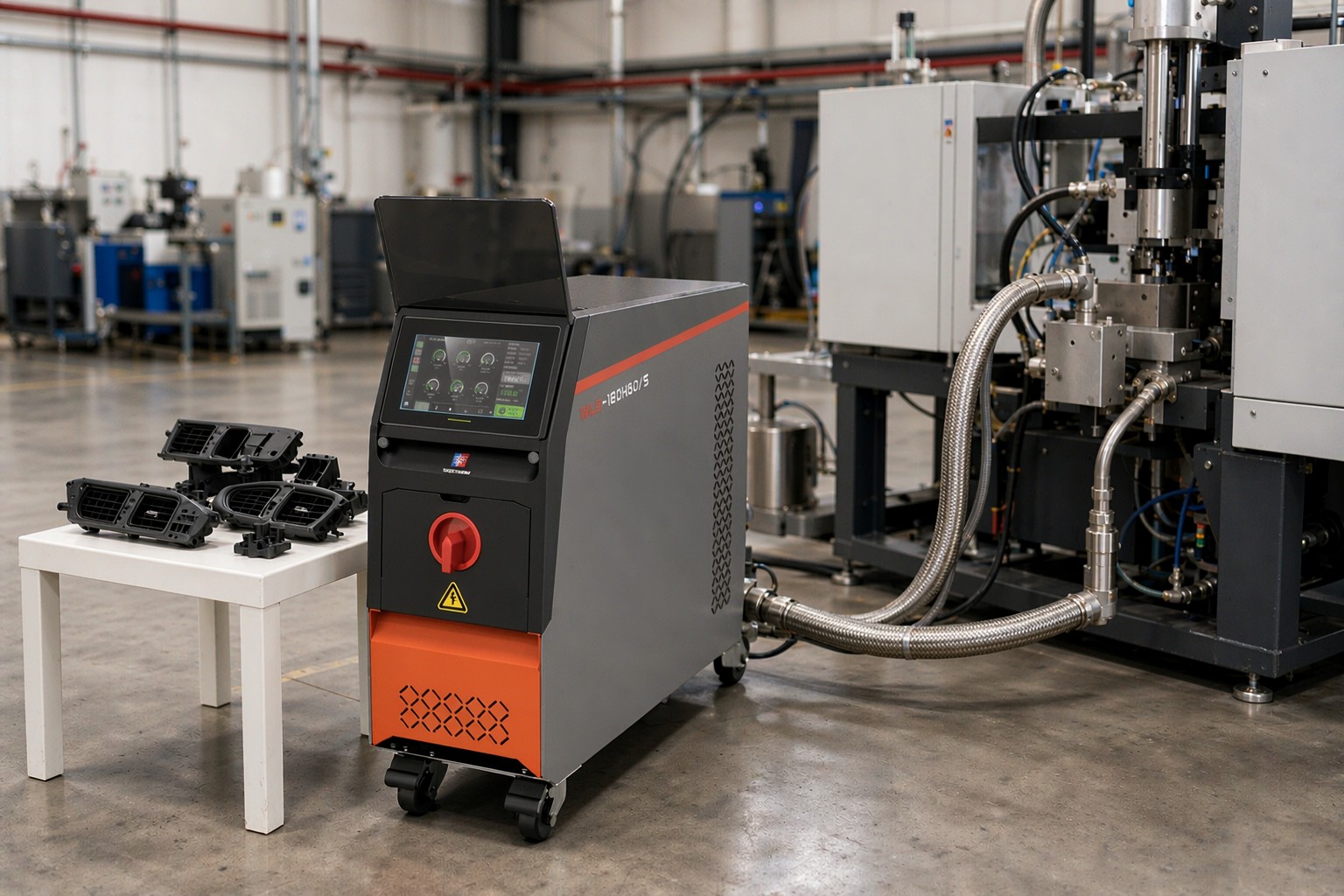
Premature solidification can restrict material flow through narrow cavities and thin sections. For resin grades and tooling designed for higher mold temperatures, elevated-temperature regulation can help maintain the required filling conditions during injection molding.
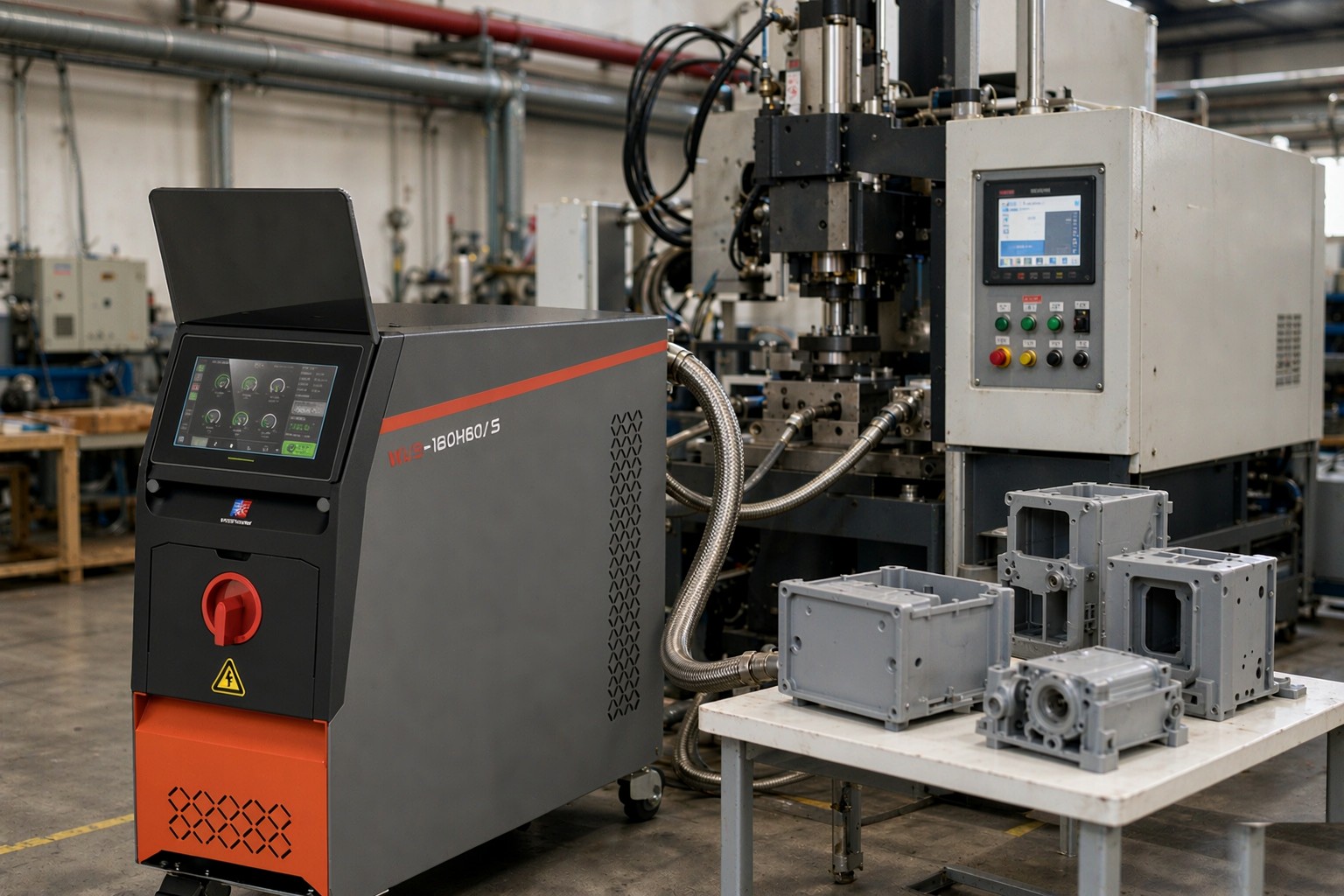
Surface replication, visible flow marks, and weld line appearance can be influenced by mold temperature and other processing variables. When the specified process requires elevated mold temperatures, the WLS-180 provides a water-based heating option within its rated operating range.
Alternative High Temperature Control Equipment
Explore other temperature control equipment across different temperature grades and precision molding requirements.
FAQ
Can I obtain technical documentation, bulk pricing, and delivery terms for the WLS-180?
Contact AODE with your required model, purchase quantity, and delivery destination. Our team can provide available product documentation and confirm pricing, minimum order requirements, lead time, and applicable shipping arrangements. For international distribution opportunities, visit our Channel Partners.
What technical information does AODE need to recommend a WLS-180 model?
Provide the required operating temperature, heating demand, working flow, circuit resistance, available cooling water conditions, and electrical supply. Mold circuit diagrams and equipment connection information can help our team determine whether either standard model meets your process requirements.
Can the WLS-180 operate alongside an industrial chiller?
Yes, when the cooling utilities and equipment are appropriately matched. The WLS-180 regulates the circulating water temperature within the mold circuit, while an industrial chiller can supply cooling water where refrigeration is required. Their respective thermal loads and hydraulic requirements should be evaluated during system design.
What precautions are required when installing a 180°C mold temperature controller?
Before installation, verify the temperature and pressure ratings of the connected equipment, hydraulic connections, electrical supply, and cooling water utilities. Installation and commissioning should follow the equipment instructions and be carried out by qualified personnel familiar with pressurized hot-water systems.
When should I choose a thermal oil controller instead of a 180°C water TCU?
Thermal oil should be considered when the required operating temperature exceeds the water controller's rating or when the connected tooling is unsuitable for pressurized water. Fluid compatibility, heat transfer characteristics, pressure requirements, and maintenance conditions also influence equipment selection. Explore our Oil Temperature Control Units for alternative heating solutions.
What is the difference between booster pump pressure and circulation pump pressure?
These ratings describe different pumps within the equipment. Booster pump pressure relates to its pressure-generating capability, while circulation pump pressure relates to water circulation through the connected process circuit. Neither specification independently defines the allowable operating pressure of the complete system.
Is the WLS-180 more accurate than the WLS-160?
No. Both series offer the same specified temperature control precision of ±0.1°C. The WLS-180 extends the maximum operating temperature to 180°C, but a higher temperature rating does not indicate greater accuracy. Select the temperature grade according to your actual process requirements.
How can a water mold temperature controller operate at 180°C?
Water can remain liquid above its atmospheric boiling point when sufficient pressure is maintained. A 180°C water temperature controller therefore requires a properly designed pressurized circulation system, with connected components rated for the intended operating temperature and pressure.