

fajsdfjash ddsa dsa as sa sad sda sadfjsadjfl jsadjk fjasdlkfjaskdfdklsaj klf
jsadj
asjdklj falsdjf
jaklj
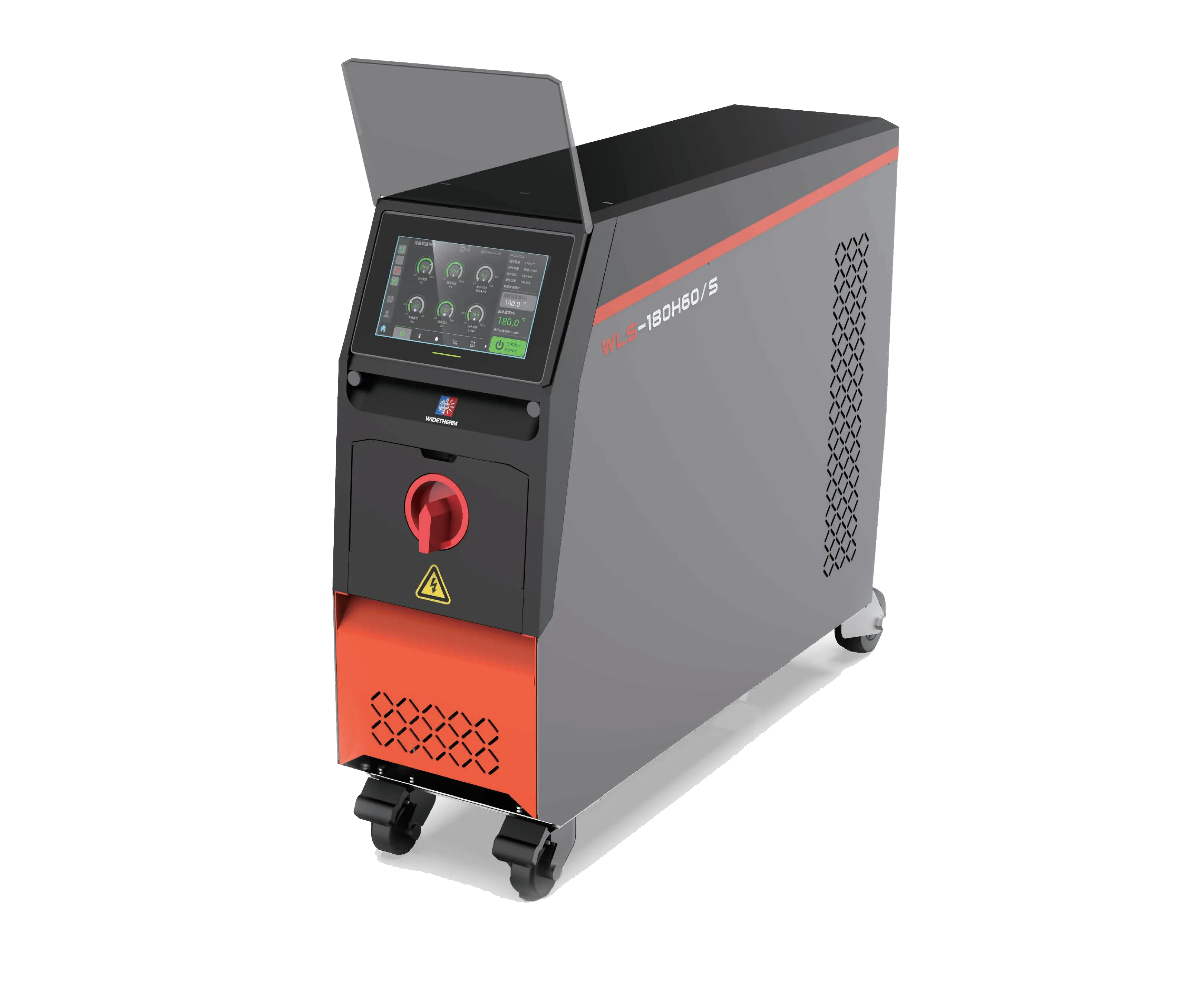
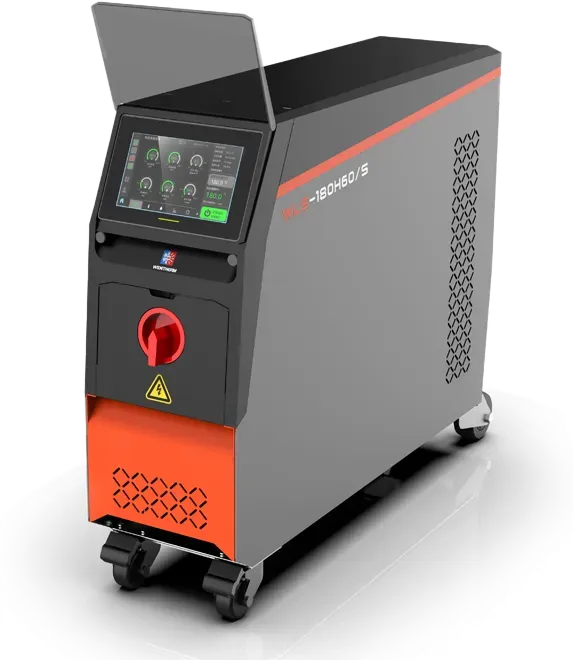
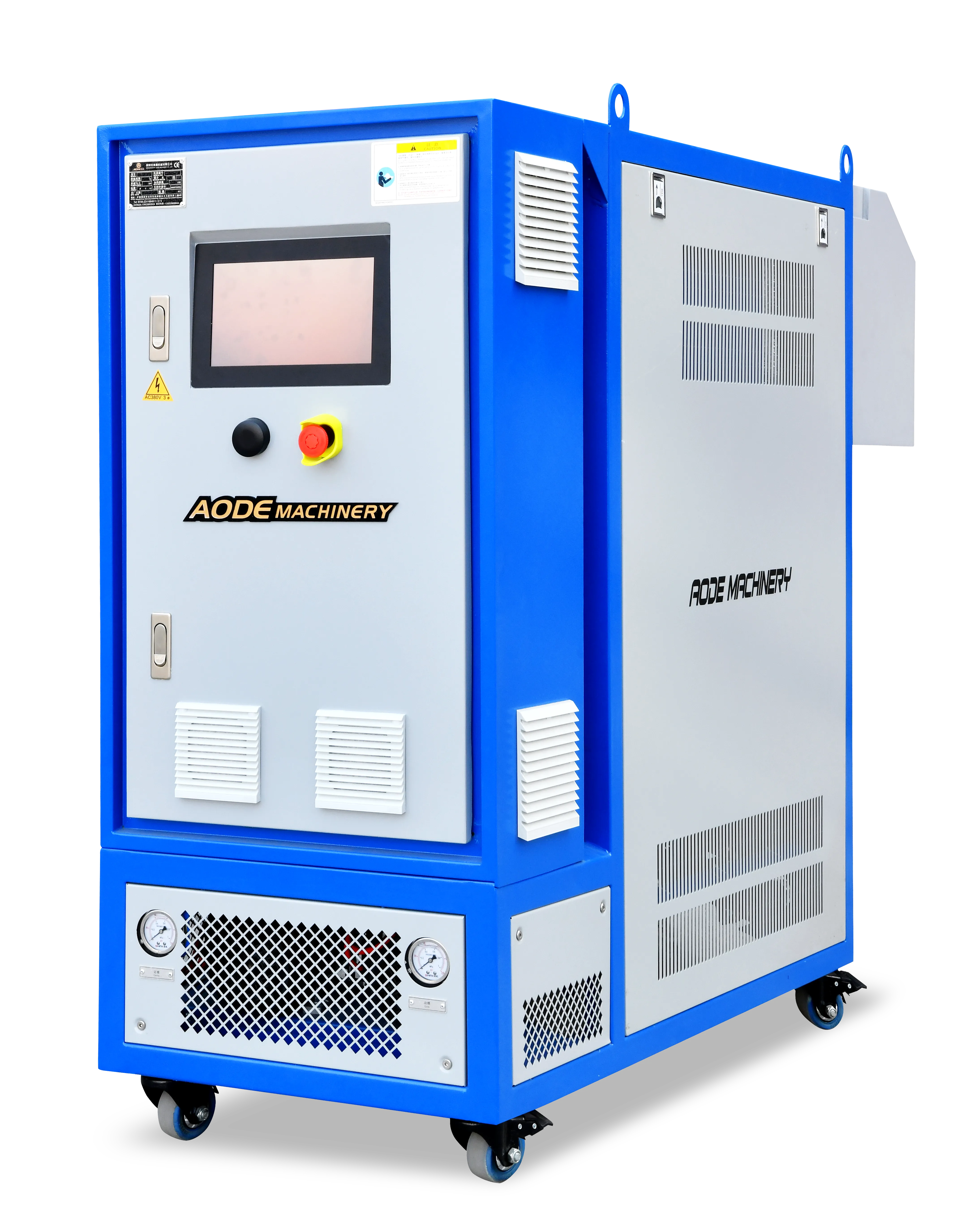
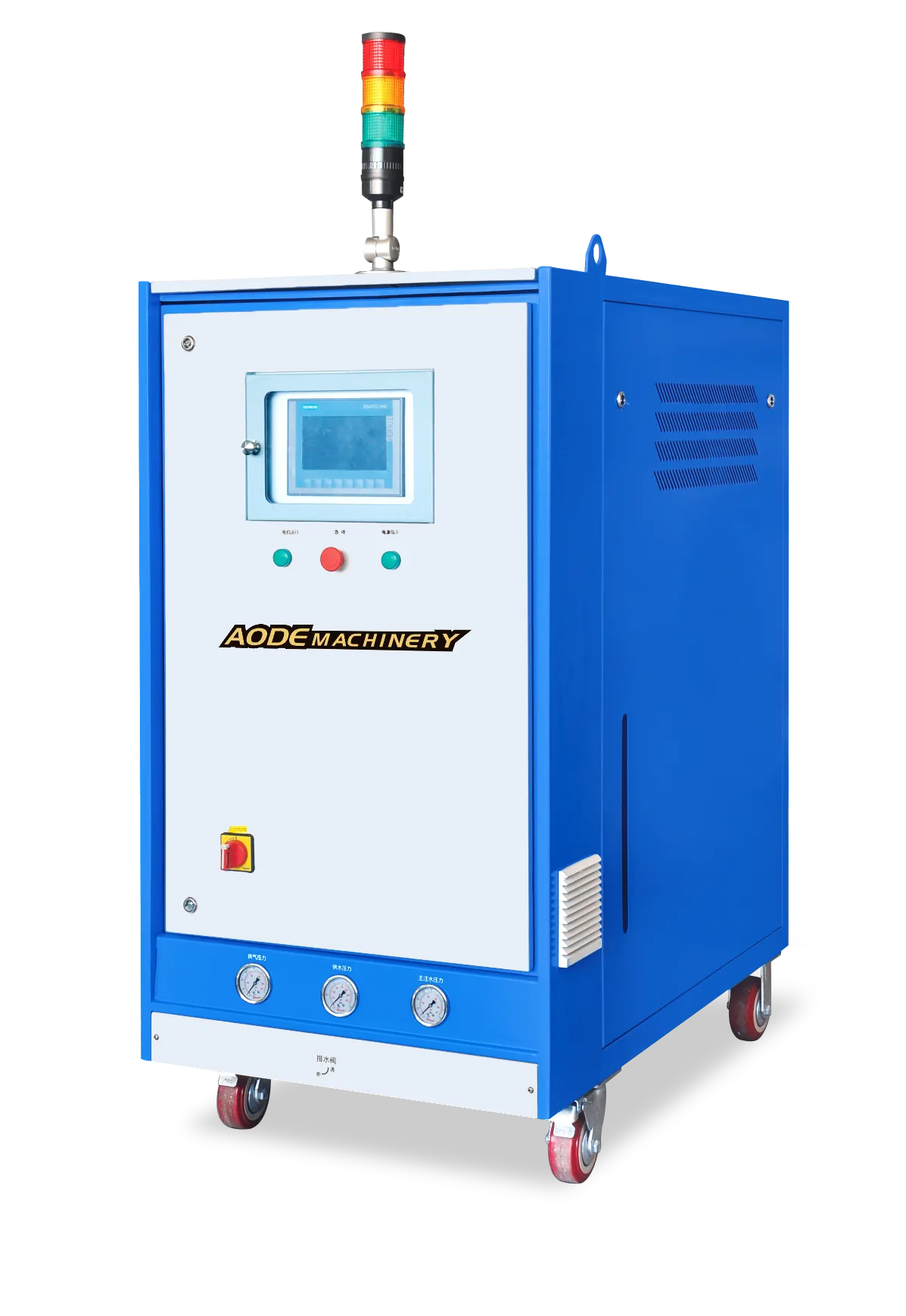
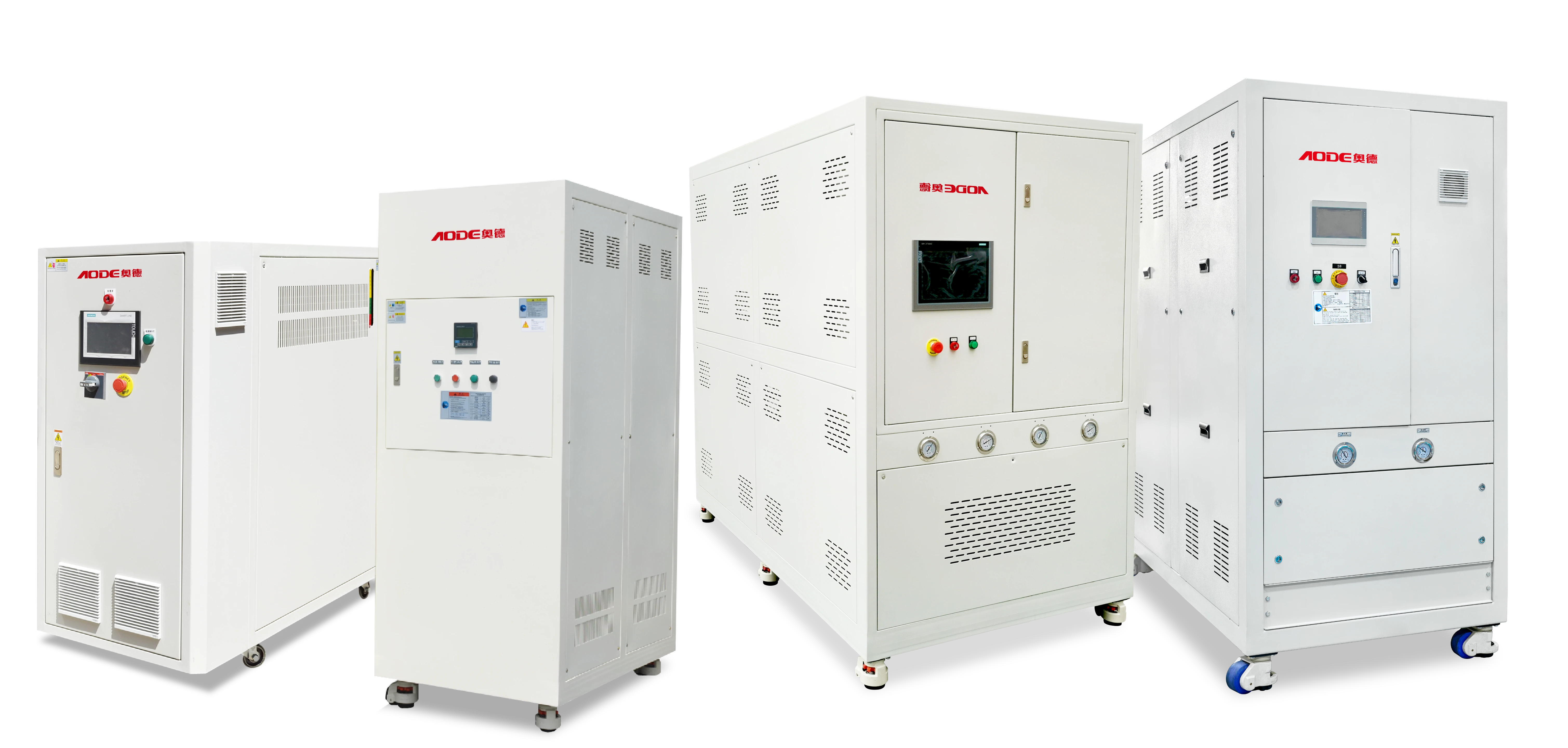
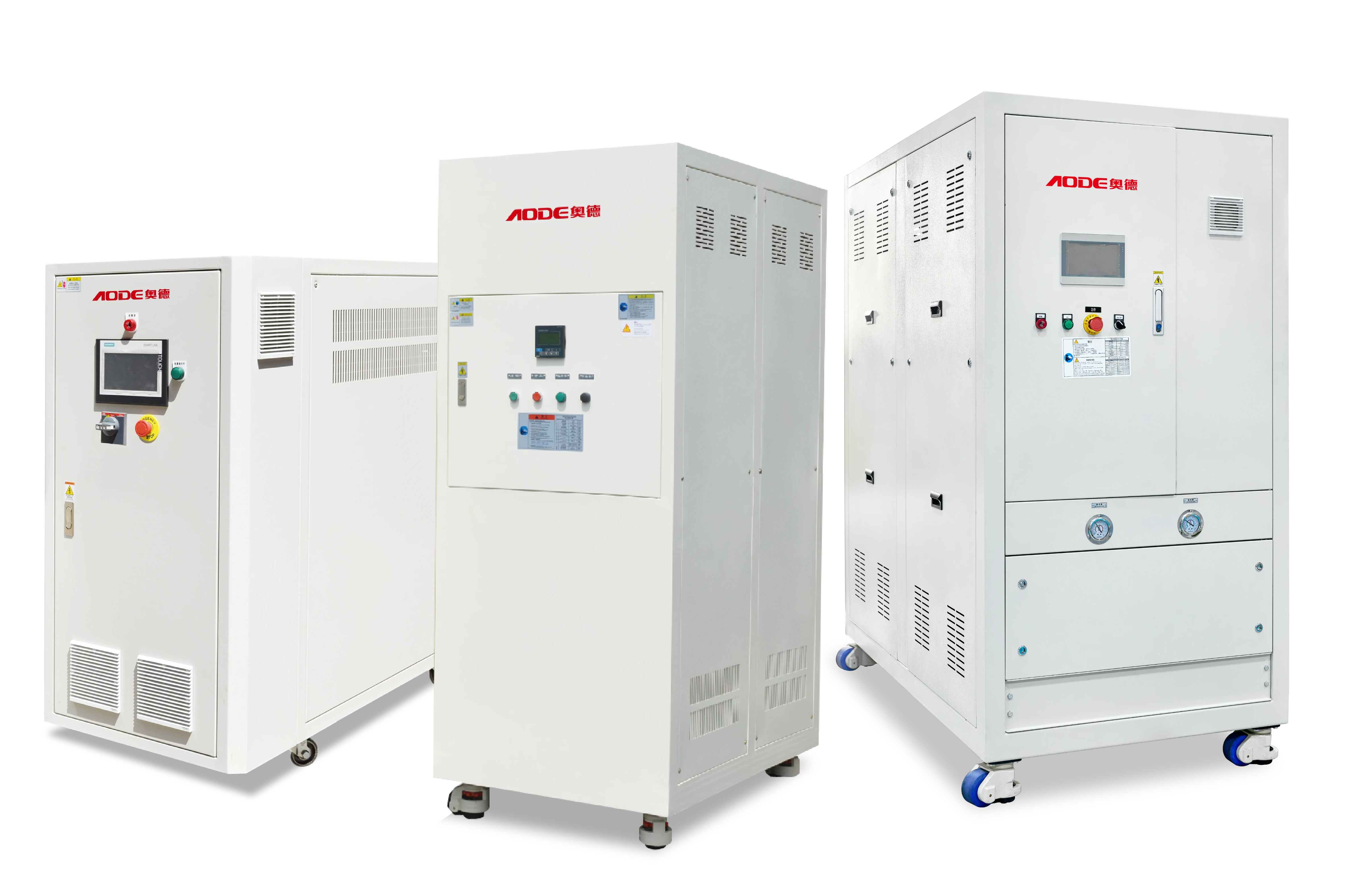
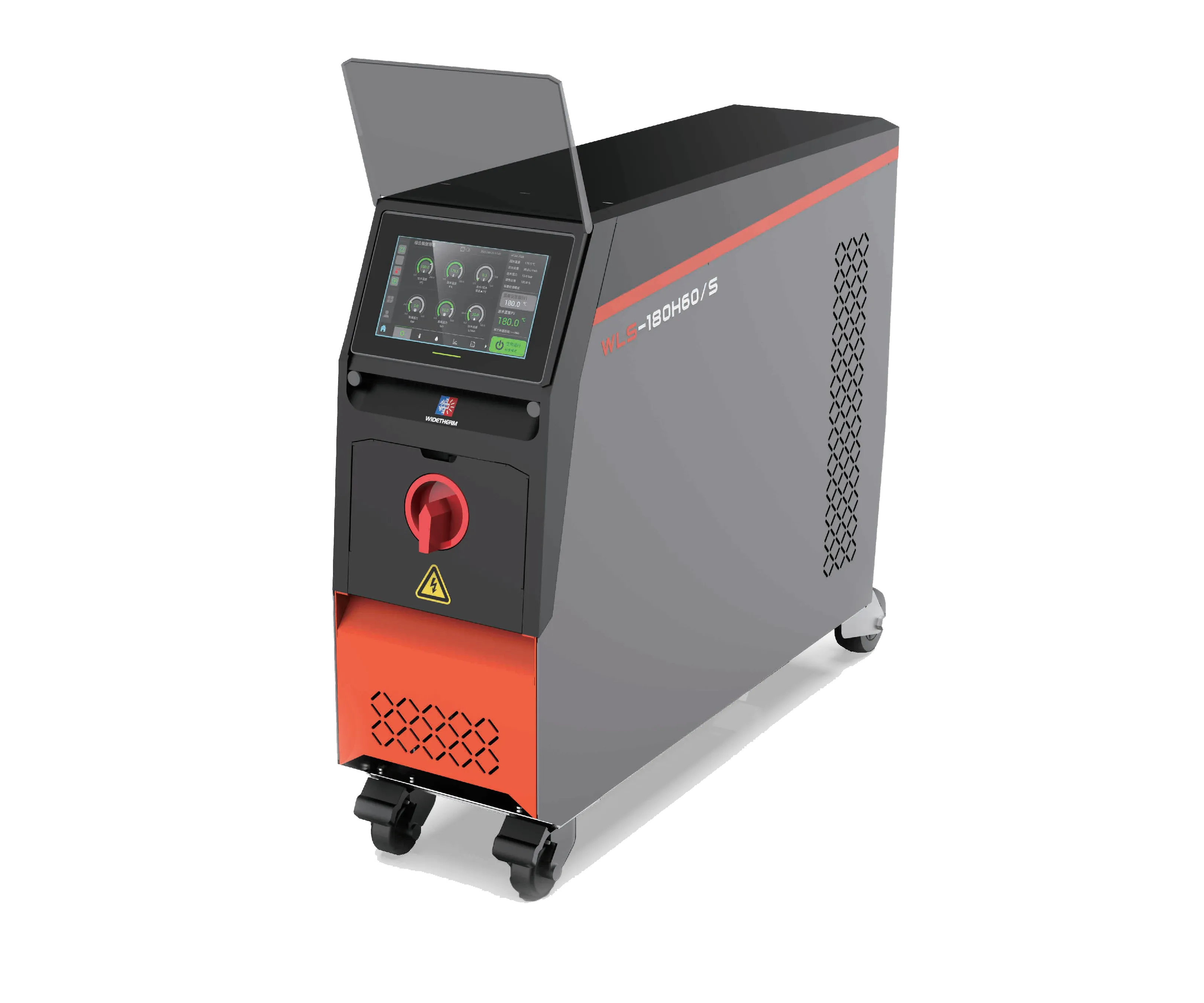
160°C High Precision Mold Temperature Controller
Temp Control Range: +20℃  +160℃±0.1℃
Key Highlights:
Temperature Control Precision: ±0.1°C
Maximum Operating Temperature: 160°C
Heating Capacity: 8 / 12 kW
Maximum Pump Flow: 60 / 90 L/min
Request a Quote
How 160°C High-Precision Mold Temperature Controllers Work
Consistent mold temperatures play an important role in managing material flow, shrinkage, and dimensional variation during injection molding. However, a stable temperature reading alone does not necessarily reflect the thermal conditions throughout the mold.
AODE's WLS-160 injection molding temperature control unit combines water-based thermal regulation with operating data visibility. Operators can observe changes in circulation conditions during production, making it easier to investigate temperature deviations and assess process stability.
By bringing mold heating, water circulation, and process monitoring into one unit, the WLS-160 series provides a practical temperature control solution for precision injection molding machines and existing production lines.
Find the Right WLS-160 Model for Your Equipment
Contact AODE for a customized injection molding temperature control solution.
Request a Quote
WLS-160 Injection Molding Temperature Control Technologies
Accurate feedback, responsive heating regulation, and accessible operating information help manufacturers manage thermal conditions during repeated molding cycles.
1
Selectable Temperature Feedback
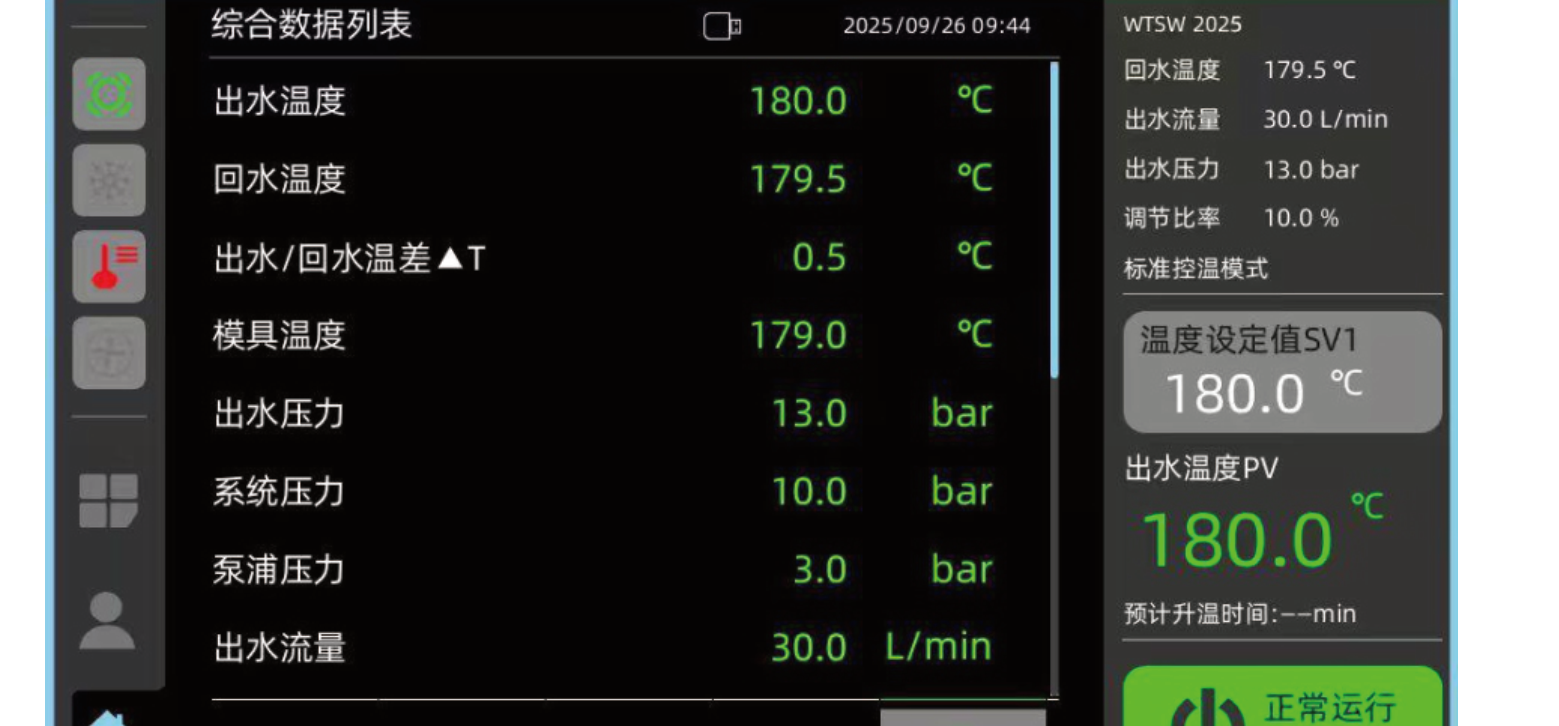
Supply and return water temperatures reflect different thermal conditions within a mold circuit. The WLS-160 allows operators to select either measurement as the control reference, providing greater flexibility when establishing temperature regulation for different tooling arrangements.
2
PID Self-Tuning and SSR Heating Control
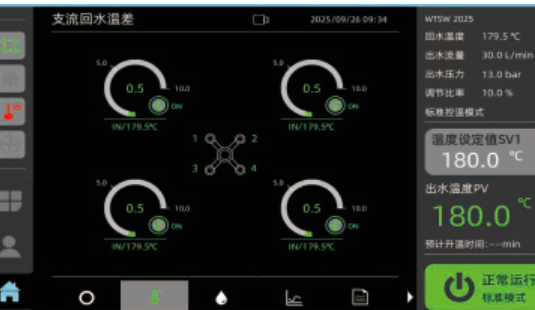
PT100 temperature sensors provide feedback to the control system, while PID self-tuning and solid-state relay (SSR) control regulate heater output. Adjustable heating settings help the controller respond to variations in thermal demand throughout production.
3
Real-Time Mold Temperature Monitoring
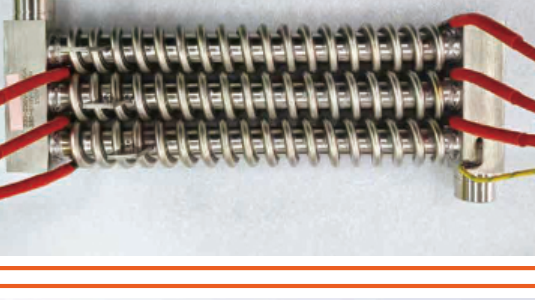
Temperature, pressure, flow, and pump status are accessible through the control interface. Historical alarm records and configurable monitoring limits provide useful information for identifying abnormal circulation conditions and investigating process deviations.
4
Modular Water Circuit and Mold Drainage
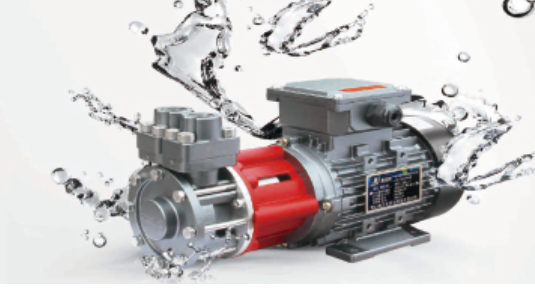
The hydraulic system incorporates a stainless steel magnetic drive pump and a modular water circuit. Compressed-air drainage assists in removing residual water before mold replacement, while the modular arrangement facilitates access during equipment servicing.
Explore WLS Control and Monitoring Functions
Contact AODE for a customized injection molding temperature control solution.
Request a Quote
WLS-160 Mold Temperature Controller Specifications
The WLS-160H60-8 and WLS-160H90-12 share the same maximum operating temperature and temperature control precision but provide different heating and hydraulic performance.
| Operational Temperature Range | Above Cooling Water +20℃~+160℃ | |||
| Model | Unit | WLS-160H60-8 | WLS-160H90-12 | |
| Power Supply | Voltage | V | AC380/220V50Hz 3P | |
| Breaker | A | 32/40 | 40/50 | |
| Cooling Water | Flow Rate | L/min | 20+ | |
| Pressure | bar | 2bar~3bar | ||
| Medium | / | Clean Water | ||
| Heater | Control | / | Solid State Relay/SSR | |
| Capacity | KW | 8 | 12 | |
| Booster Pump | Pressure | bar | 16bar | |
| Output | W/2P | 55w | ||
| Pump | Pressure | bar | 4bar | 5bar |
| Traffic | L/min | 60 | 90 | |
| Output | KW/3P | 1.1 | 1.7 | |
| Cooling Method | / | Direct Cooling Indirect cooling | ||
| Water Level Detection | / | Pressure Type / Comprehensive Data Detection | ||
| Temperature Sensor | / | PT100 | ||
| Product Weight | KG | 70 | 85 | |
WLS-160 Model Comparison
The WLS-160H60-8 is the lower-capacity configuration for molds whose heating and circulation requirements fall within its rated performance, with lower equipment weight relevant to installation and handling. The WLS-160H90-12 provides additional heating and circulation capacity for tooling with greater thermal demand or hydraulic resistance. Both models offer identical specified temperature control precision; select according to your process requirements rather than assuming that greater capacity provides higher temperature accuracy.
Compare Standard WLS-160 Models
Request detailed specifications, availability, and pricing for your preferred model.
Request a Quote
How to Choose a 160°C Precision Mold Temperature Controller?
The right precision injection molding MTC should match your mold's operating temperature, heating demand, circulation characteristics, and available installation utilities.
01
Mold Temperature and Feedback Selection
Determine the required mold temperature using the resin manufacturer's processing recommendations and your actual molding conditions. Consider whether supply water, return water, or a compatible external mold sensor provides the most representative control reference for your process.
02
Heating Capacity and Preparation Time
Estimate the energy needed to bring the tooling from its initial temperature to the required operating temperature. Mold mass, heat losses, and available preparation time determine whether the 8 kW or 12 kW configuration is more appropriate. Machine tonnage alone is not a reliable sizing criterion.
03
Working Flow and Hydraulic Resistance
Review the length, diameter, and arrangement of the mold water channels. Restrictive passages and multiple circuit branches can influence actual circulation performance. Compare the required working flow and pressure loss with the available pump characteristics before choosing between the 60 L/min and 90 L/min models.
04
Electrical Supply and Installation Conditions
Check the available power supply, circuit breaker requirements, cooling water conditions, and equipment placement. Installation planning should also account for equipment access, water connections, and the space needed for routine inspection and servicing.
Precision Injection Molding Applications
The WLS-160 series can be used with compatible mold circuits where the required processing temperature falls within its operating range. Different part geometries place distinct demands on mold temperature management.
Electronic Connectors and Insulating Components
Precision Plastic Gears and Mechanical Parts
Automotive Clips and Functional Components
Industrial Plastic Housings
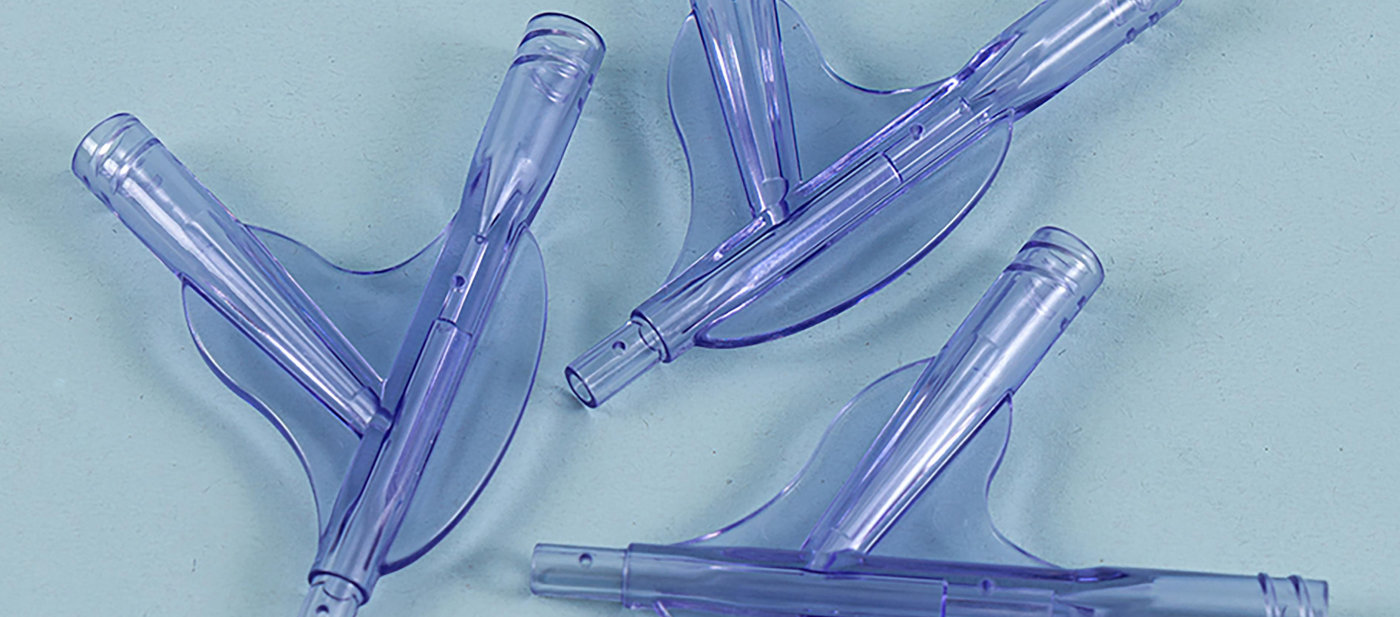
Narrow cavities and thin insulating structures require suitable thermal conditions to support material filling. Controlled mold heating helps reduce temperature-related variation in connection points, terminal openings, and assembly features.
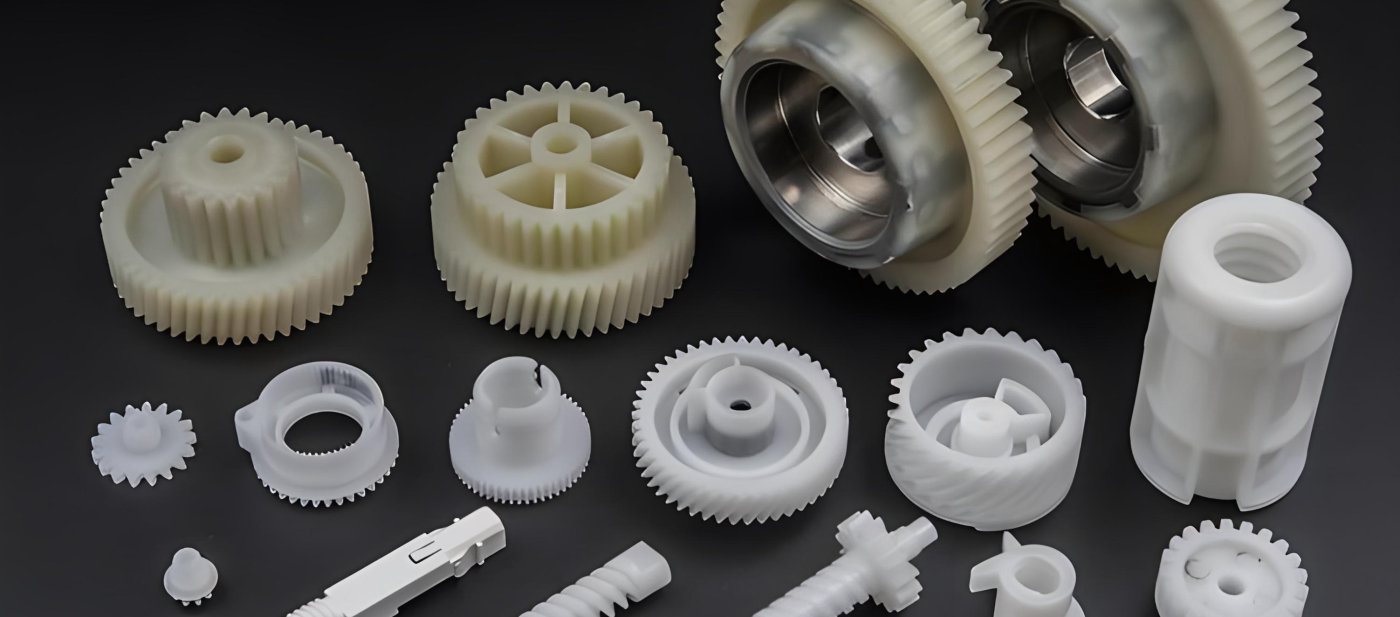
Molded gears depend on accurate tooth profiles, concentricity, and repeatable dimensions. Maintaining appropriate mold temperatures helps manage shrinkage variation that may otherwise influence component alignment and mechanical engagement.
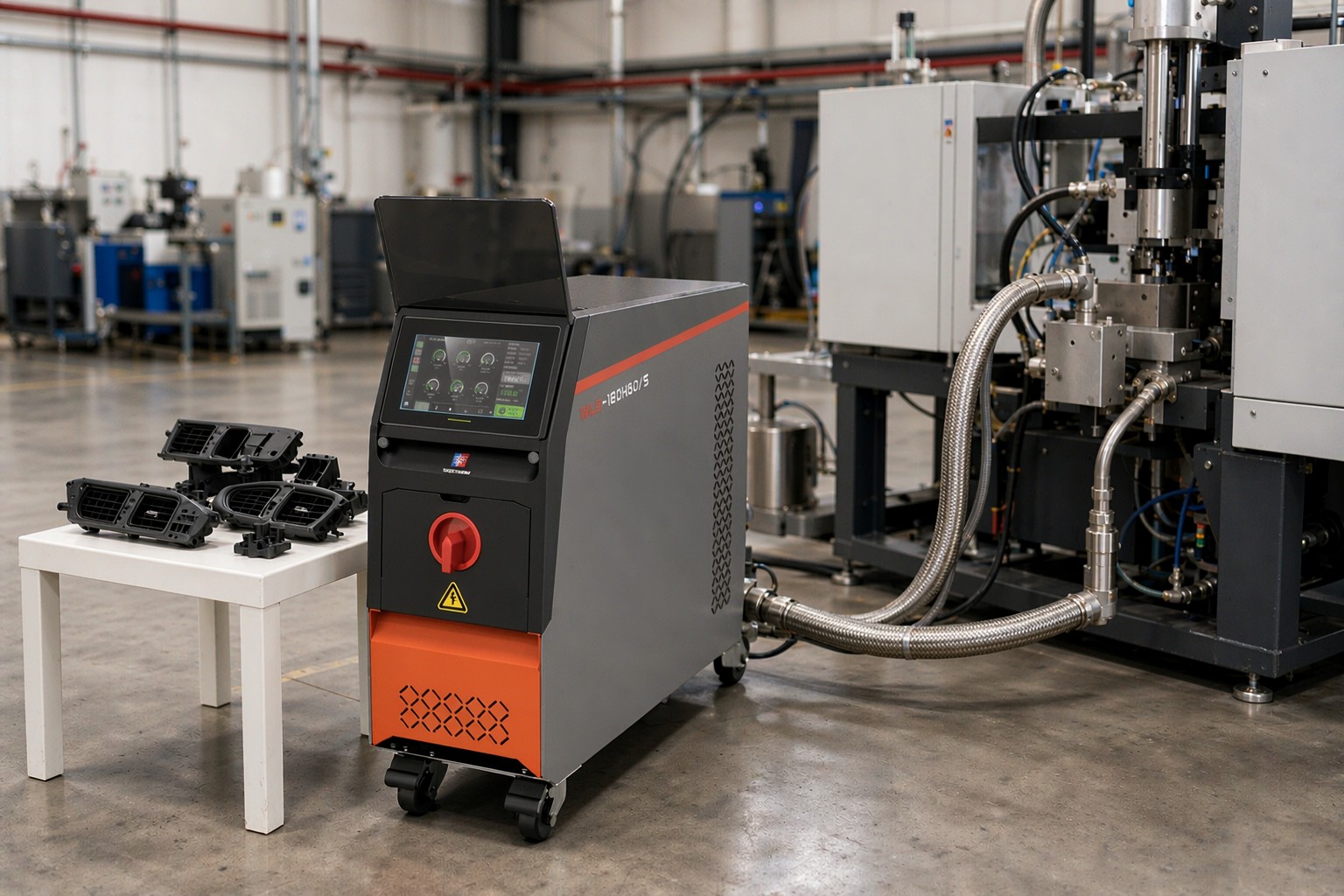
Snap-fit structures and fastening features must retain their intended geometry after molding. Consistent thermal conditions support dimensional repeatability in parts that require controlled fit, assembly, and mechanical interaction.
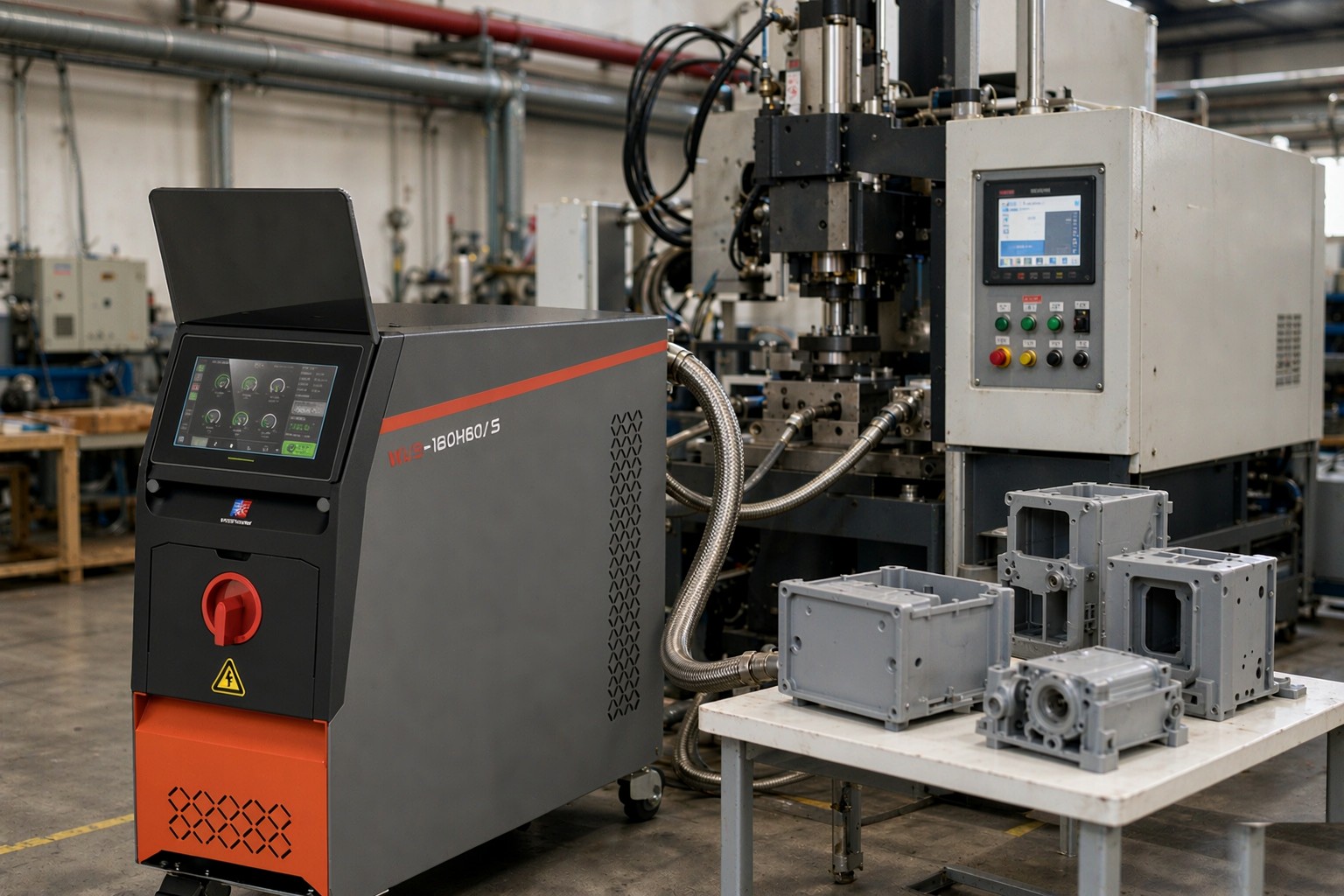
Reinforcing ribs, mounting holes, and varying wall thicknesses can produce different local cooling conditions. Water-based mold temperature regulation helps establish repeatable forming conditions for complex housings and protective enclosures.
Related Precision Mold Temperature Controllers
Explore other temperature control equipment across different temperature grades and precision molding requirements.
FAQ
Can I purchase WLS-160 controllers for distribution or equipment integration?
AODE supplies standard temperature control equipment and supports international commercial partnerships. Contact our team to discuss product availability, technical documentation, equipment selection, and supply arrangements. Learn more about our Channel Partners.
How can I obtain pricing, MOQ, and delivery information for the WLS-160?
Provide your preferred model, purchase quantity, electrical requirements, and delivery destination. Our sales team can prepare a quotation and confirm the applicable minimum order quantity, lead time, and shipping arrangements.
Can the WLS-160 communicate with an existing injection molding machine?
The WLS series provides local and external start/stop functions, along with RS485 and OPC UA communication. Integration depends on the machine's communication protocol, signal requirements, and operating logic, which should be reviewed before installation.
What routine maintenance does the WLS-160 require?
Regular inspection should focus on water quality, circulation performance, hydraulic connections, and abnormal operating indications. Follow the equipment manual for maintenance intervals, component inspections, and safe servicing procedures.
Can water be removed from the circulation circuit before changing molds?
The WLS series incorporates compressed-air drainage to assist in removing residual water from the mold circuit. Follow the equipment instructions for cooling, depressurization, and isolation before drainage or disconnection.
Why does my mold temperature controller show stable temperature while molded part dimensions vary?
A stable controller reading does not guarantee uniform temperature throughout the tooling. Unequal water distribution, restricted mold channels, material conditions, and other molding parameters can contribute to dimensional variation. Supply and return water data provide a useful starting point when investigating thermal causes.
Can the WLS-160 use an external mold temperature sensor?
Yes. The WLS control system includes an external temperature control mode for compatible mold-mounted sensors. Verify the sensor specifications and required control settings before connecting an external measurement device.
Does ±0.1°C temperature control precision represent the actual mold surface temperature?
Not necessarily. The specified precision refers to temperature regulation at the applicable control measurement point under specified operating conditions. Mold surface temperatures also depend on channel placement, circulation performance, heat losses, and localized thermal loads.