

fajsdfjash ddsa dsa as sa sad sda sadfjsadjfl jsadjk fjasdlkfjaskdfdklsaj klf
jsadj
asjdklj falsdjf
jaklj
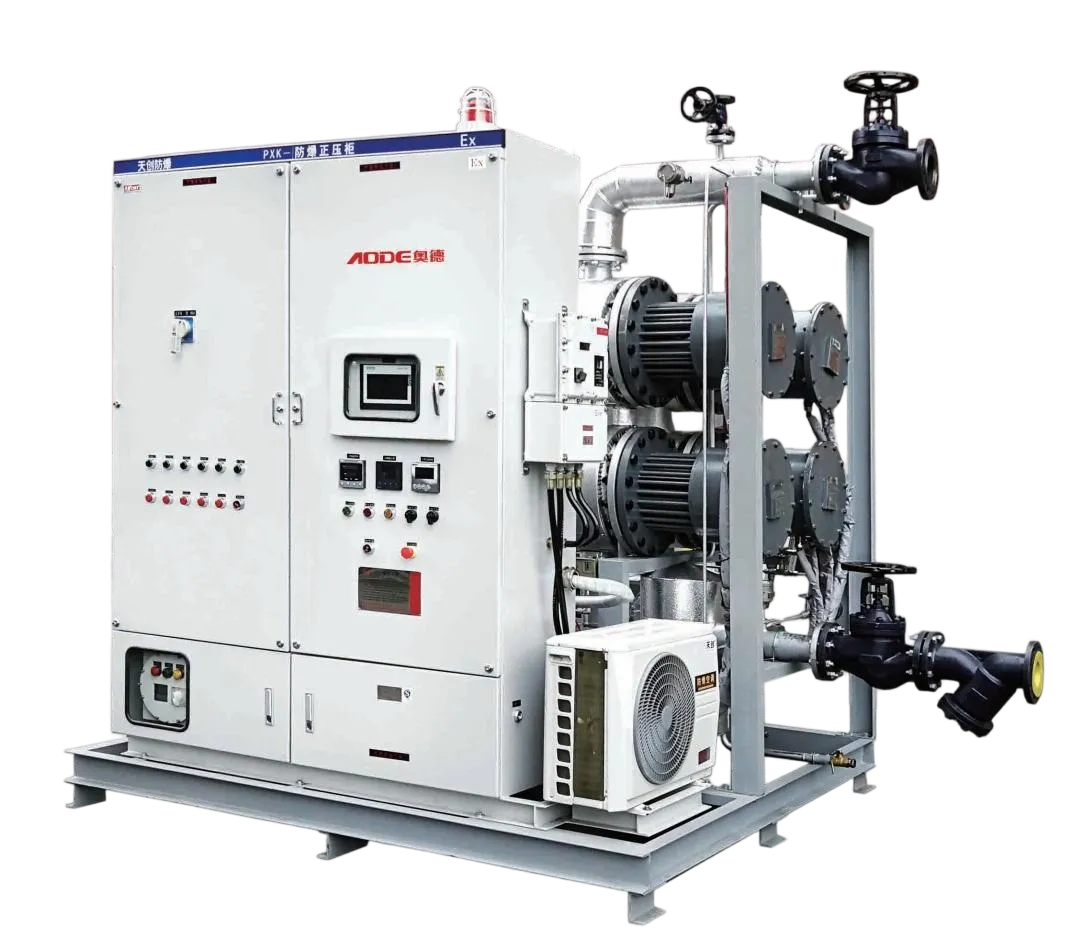
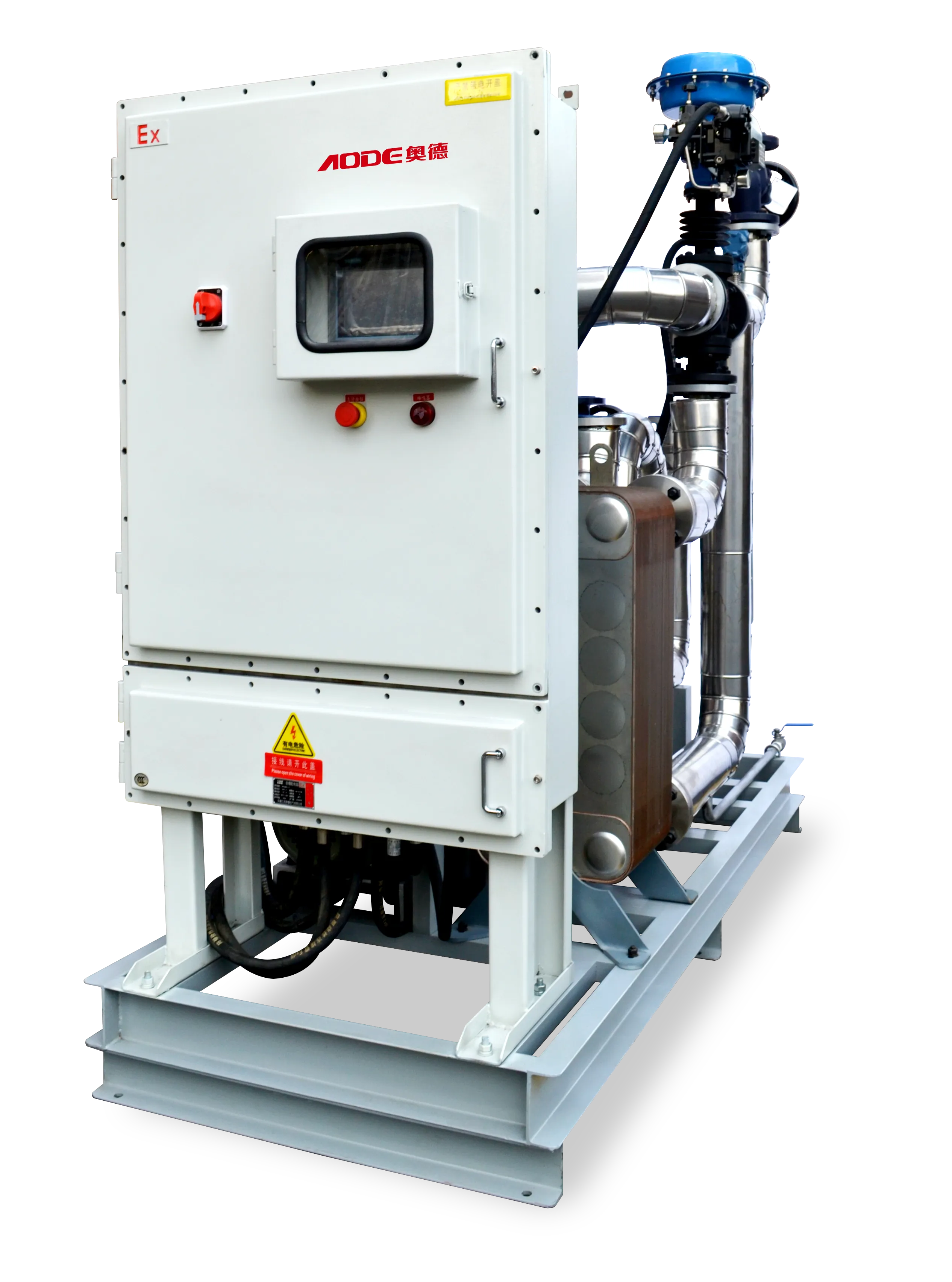
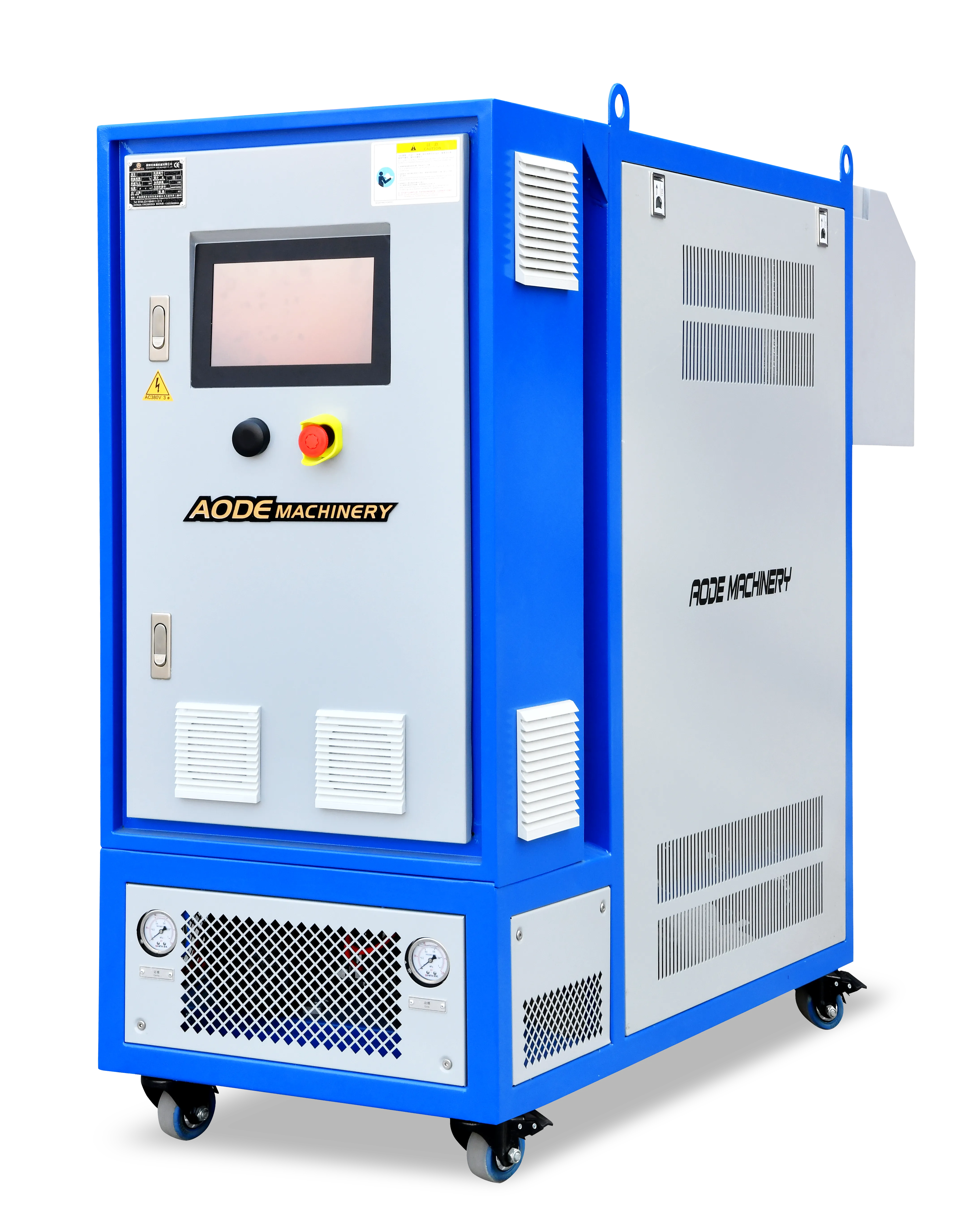
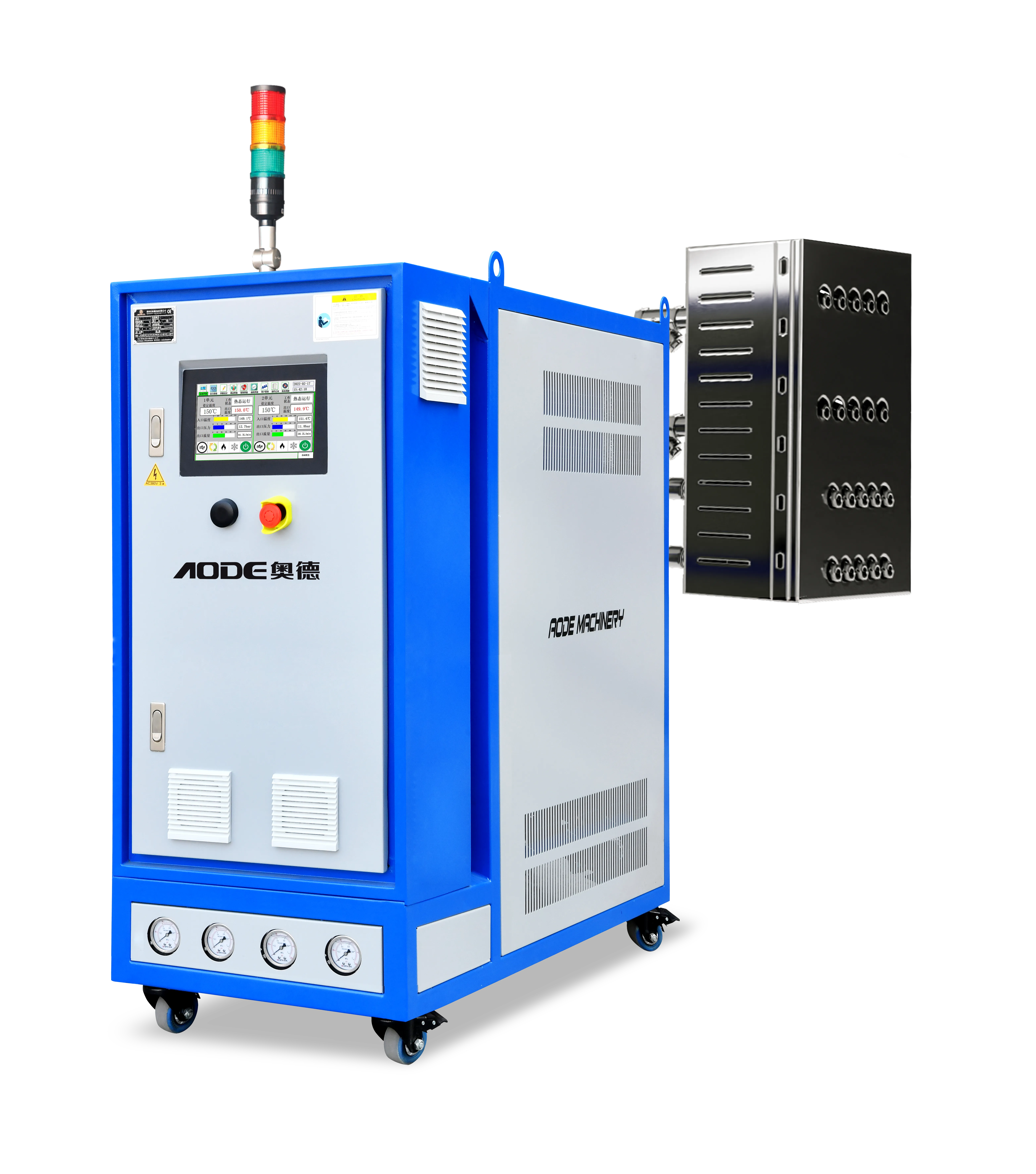
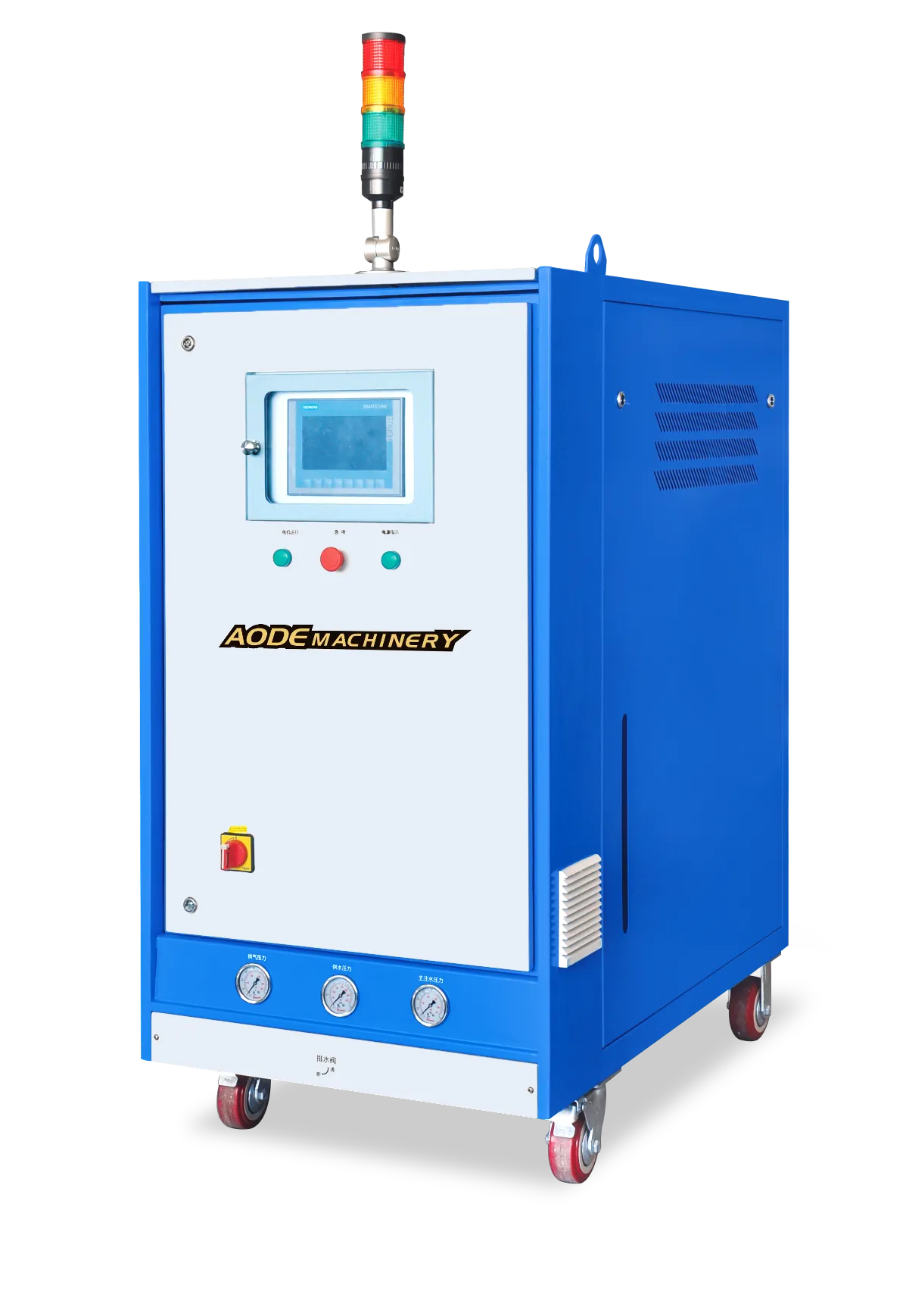
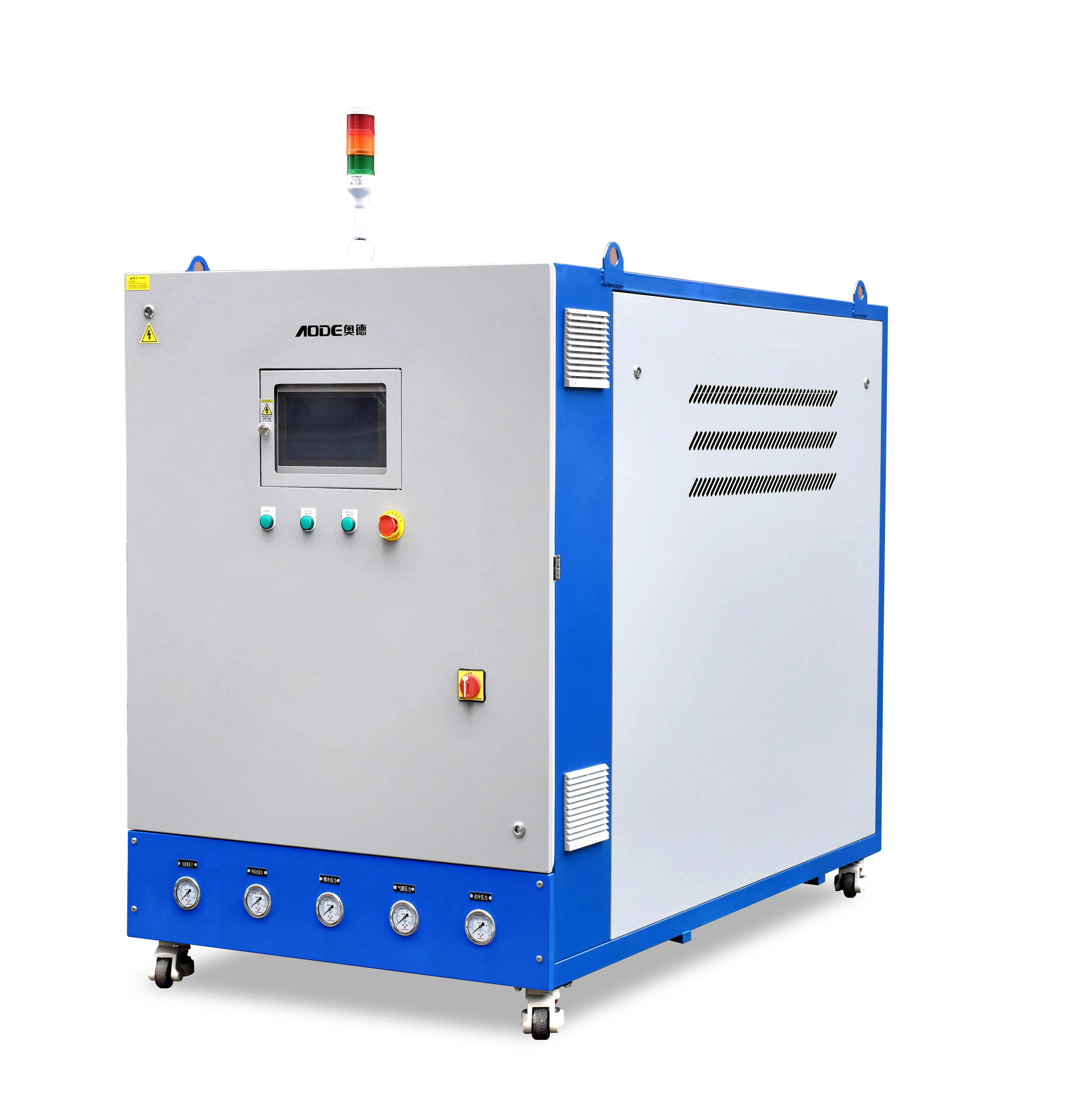
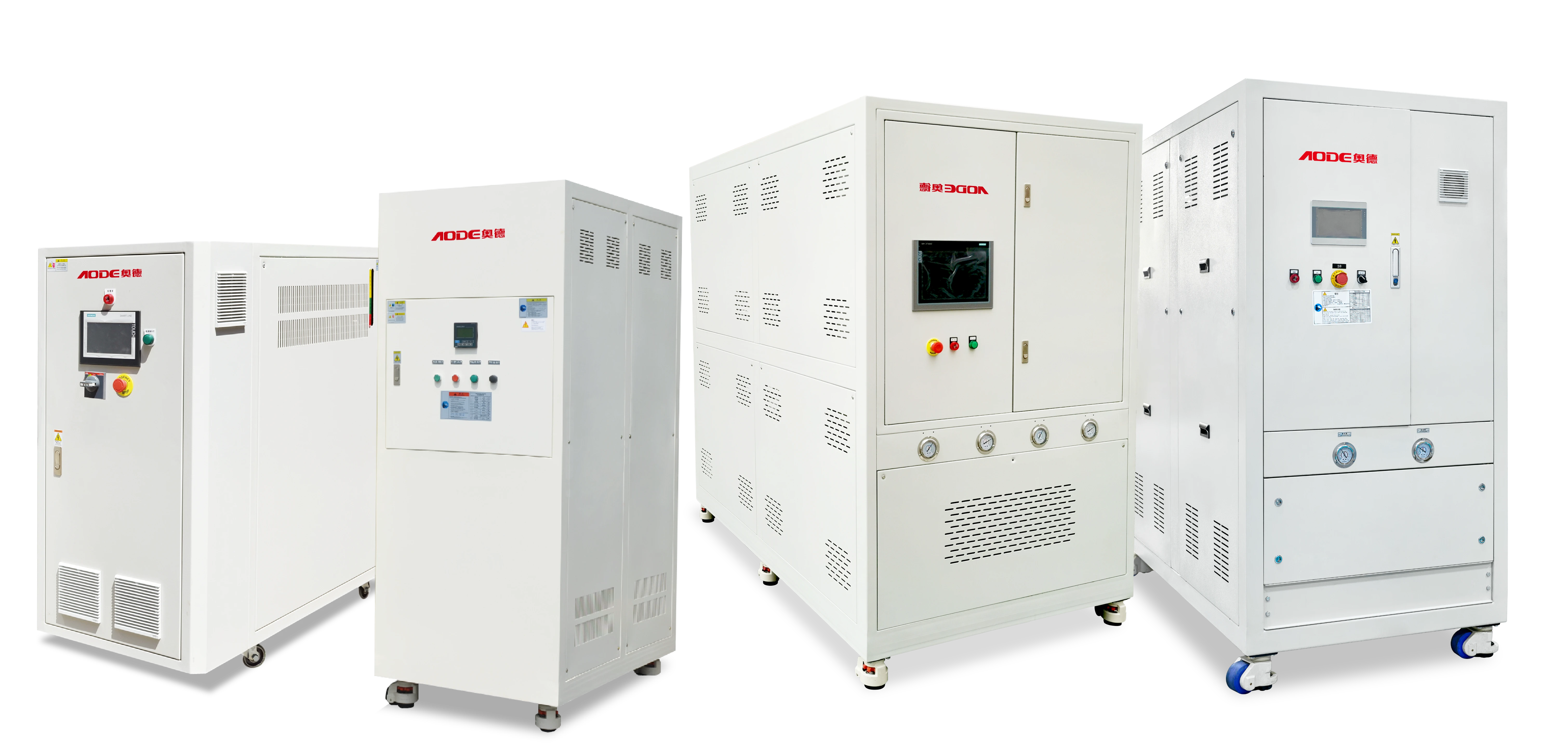
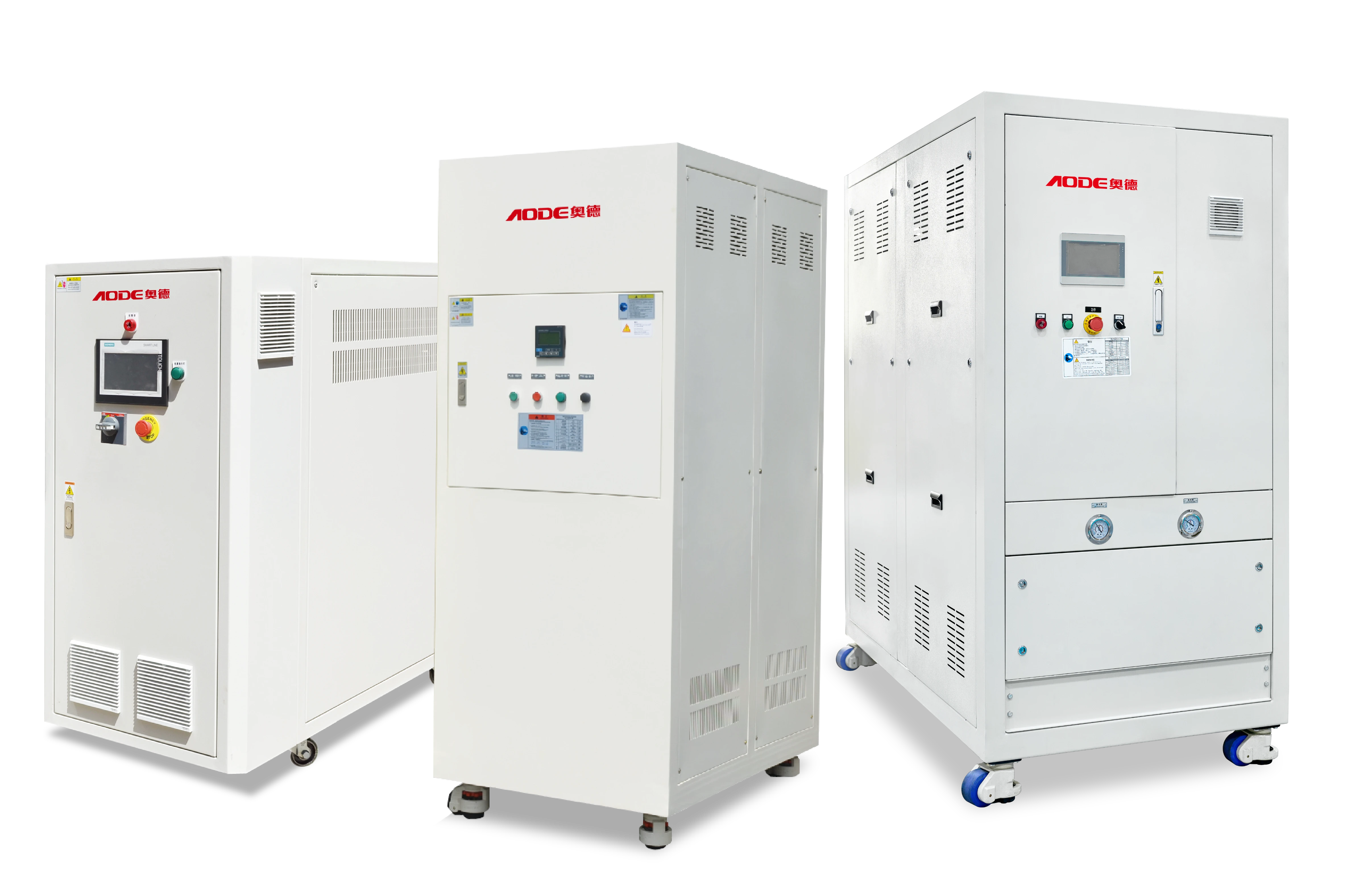
Electric Thermal Oil Heater
Temp Control Range: +45℃  +400℃
+400℃
Features
Explosion-proof device、Blow-up oil return function (optional)
RS485 communication function for automation management
Isolated electrical control box to prolong the use of electrical appliances
Pipeline using organic heat carrier furnace special pipeline
Perfect safety protection, fault display, maintenance, repair and maintenance of no need for professionals
Request a Quote
Industrial Thermal Oil Heater Product Specifications
| ITEM | UNIT | AEOT-20BF-24 | AEOT-30BF-36 | AEOT-40BF-45 | AEOT-50BF-60 | AEOT-75BF-75 | AEOT-100BF-90 |
| Temp control accuracy | ℃ | PID±1℃ | |||||
| Power supply | / | 3P AC380V/480V 50HZ(3phase+Earth) | |||||
| Heat transfer medium | / | Thermo conductive oil | |||||
| Cooling method | / | Indirect cooling | Without Cooling | ||||
| Expansion tank | L | 67 | 67 | 100 | 100 | 150 | 150 |
| Heating capacity | KW | 18/24 | 30/36 | 40/45 | 50/60 | 75 | 96(48+48) |
| Motor power | KW | 1.5 | 2.2 | 2.2 | 3.0 | 4.0 | 5.5 |
| Pump flow | m³/h | 6 | 10 | 12.5 | 16 | 12.5/18 | 30/34 |
| Pump head | m | 28 | 28 | 30 | 32 | 50/38 | 50/40 |
| Max.power consumption | KW | 25.5 | 38.5 | 48 | 63 | 79 | 102 |
| Alarm function | / | Pump reversal/Oil shortage/Overheating/Overload/Abnormal heating | |||||
| Cooling water pipe | inch | 1/2” | 1/2” | 1/2” | "1/2 | 1/2” | NA |
| Circulating oil pipe | inch | 1" | 1” | 1-1/4” | 141/4 | 1-1/2" | 2" |
| Size(L×W×H) | mm | 2100*600*1350 | 2250*700*1550 | 2250*800*1650 | 2450*800*1650 | 2450*800*1650 | 2300*800*1800 |
Electric Thermal Oil Heater Related Products
FAQ
What should buyers evaluate when working with an industrial thermal oil heating system manufacturer?
When selecting an industrial thermal oil heating system manufacturer, buyers should evaluate not only heating power but also system design, safety protection, circulation performance, and customization capability. For industrial applications, factors such as pump selection, pipeline configuration, control functions, and integration with existing equipment directly affect long-term operating reliability.
How does the thermal oil circulation system maintain stable heat transfer during production?
The thermal oil circulation system maintains stable heat transfer by continuously moving heated oil between the heater and the connected equipment. The system uses PID temperature control with ±1°C accuracy to regulate heating output, while the circulation pump maintains consistent oil flow. This helps reduce thermal fluctuations and supports stable production conditions during long operating cycles.
What parameters should be considered when selecting an electric thermal oil heater model?
The selection of an electric thermal oil heater mainly depends on required heating capacity, circulation flow, pump pressure, and installation conditions. This series provides heating options from 18kW to 96kW, pump flow from 6m³/h to 34m³/h, and pump head up to 50m, allowing users to match the heater with different equipment sizes, pipeline distances, and heat transfer requirements.
How does the cooling configuration affect the operation of this electric thermal oil heater?
This electric thermal oil heater provides different cooling configurations according to operating requirements. Models can be equipped with indirect cooling, while specific configurations are available without cooling. The selection depends on whether the process requires faster temperature reduction, heat removal during operation, or a simplified heating structure for continuous high-temperature applications.
What applications require an industrial thermal oil heater instead of a standard temperature control unit?
An industrial thermal oil heater is generally used when the required heat supply is beyond the range of conventional temperature control equipment. With a working temperature range up to 400°C and heating capacities from 18kW to 96kW, this series is designed for industrial processes requiring continuous thermal energy supply rather than only mold temperature regulation, such as heating equipment, processing lines, and systems requiring circulating heat transfer.
Why do manufacturers choose an electric thermal oil heater for high-temperature process heating?
Manufacturers choose an electric thermal oil heater when the process requires stable high-temperature heat without direct contact between the heating element and production equipment. By heating thermal conductive oil and circulating it through the system, the equipment provides more uniform heat transfer and avoids temperature fluctuations caused by uneven heating. This design is suitable for production lines where heating consistency and process stability are important.