

fajsdfjash ddsa dsa as sa sad sda sadfjsadjfl jsadjk fjasdlkfjaskdfdklsaj klf
jsadj
asjdklj falsdjf
jaklj
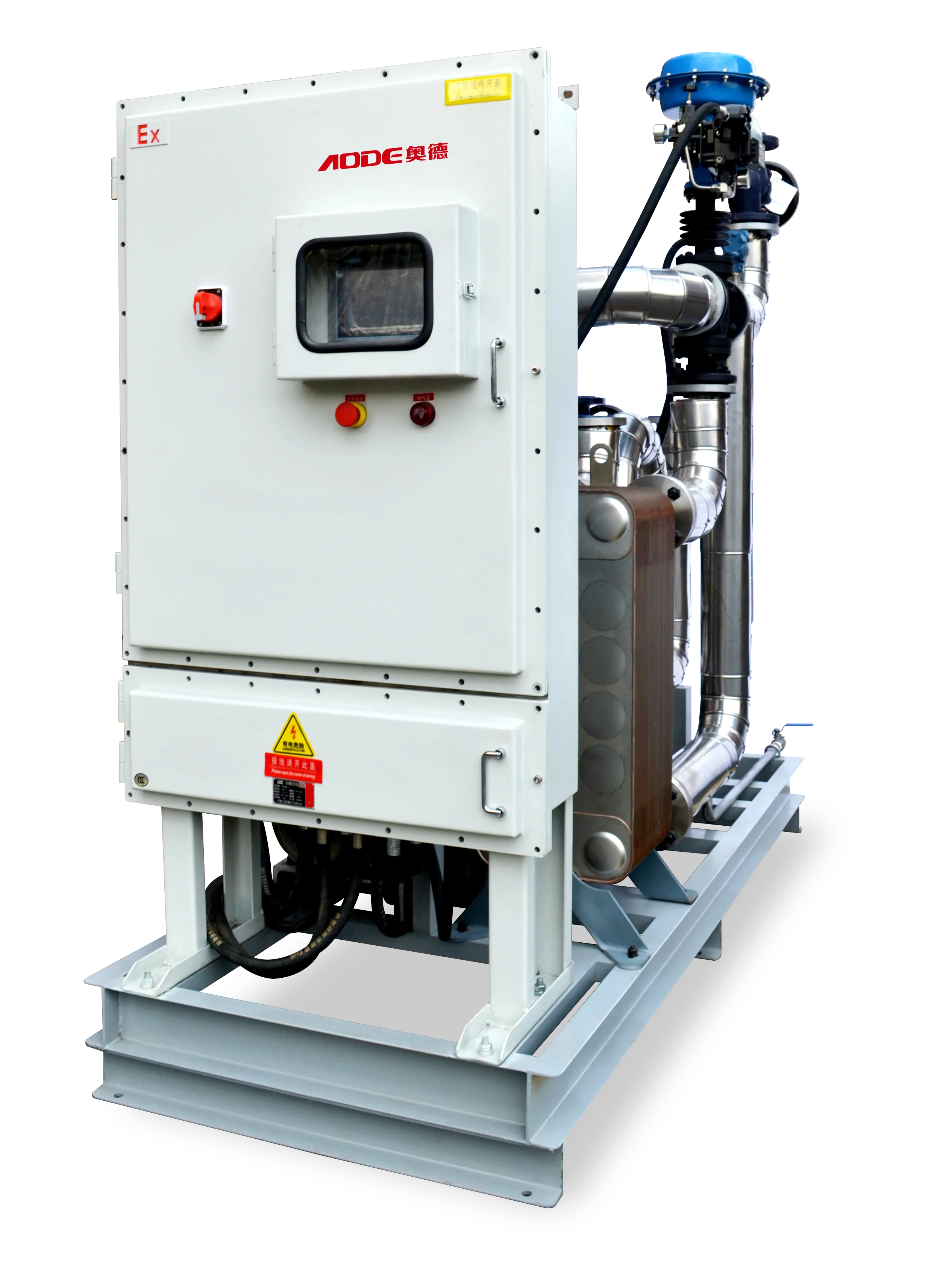
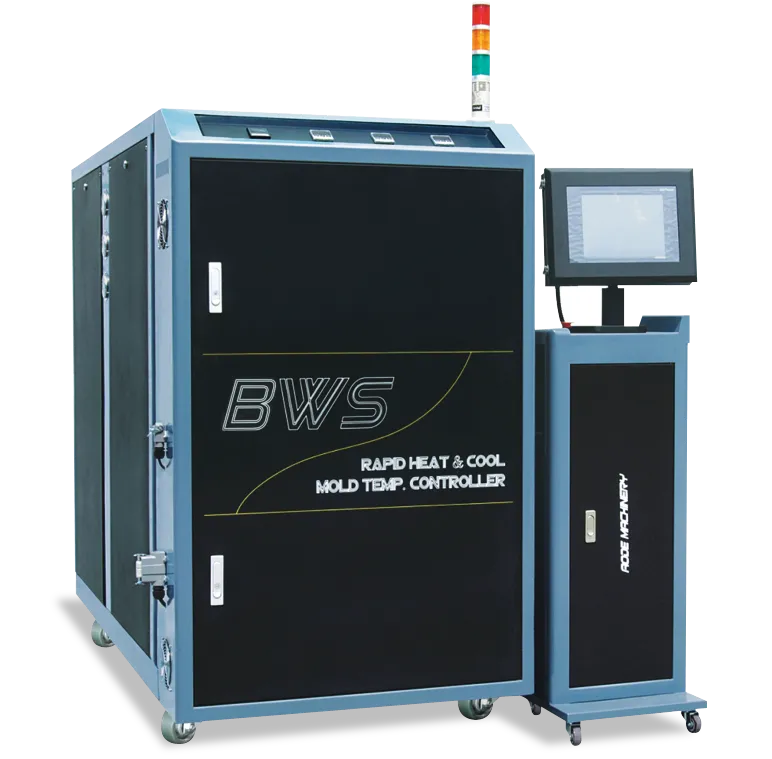
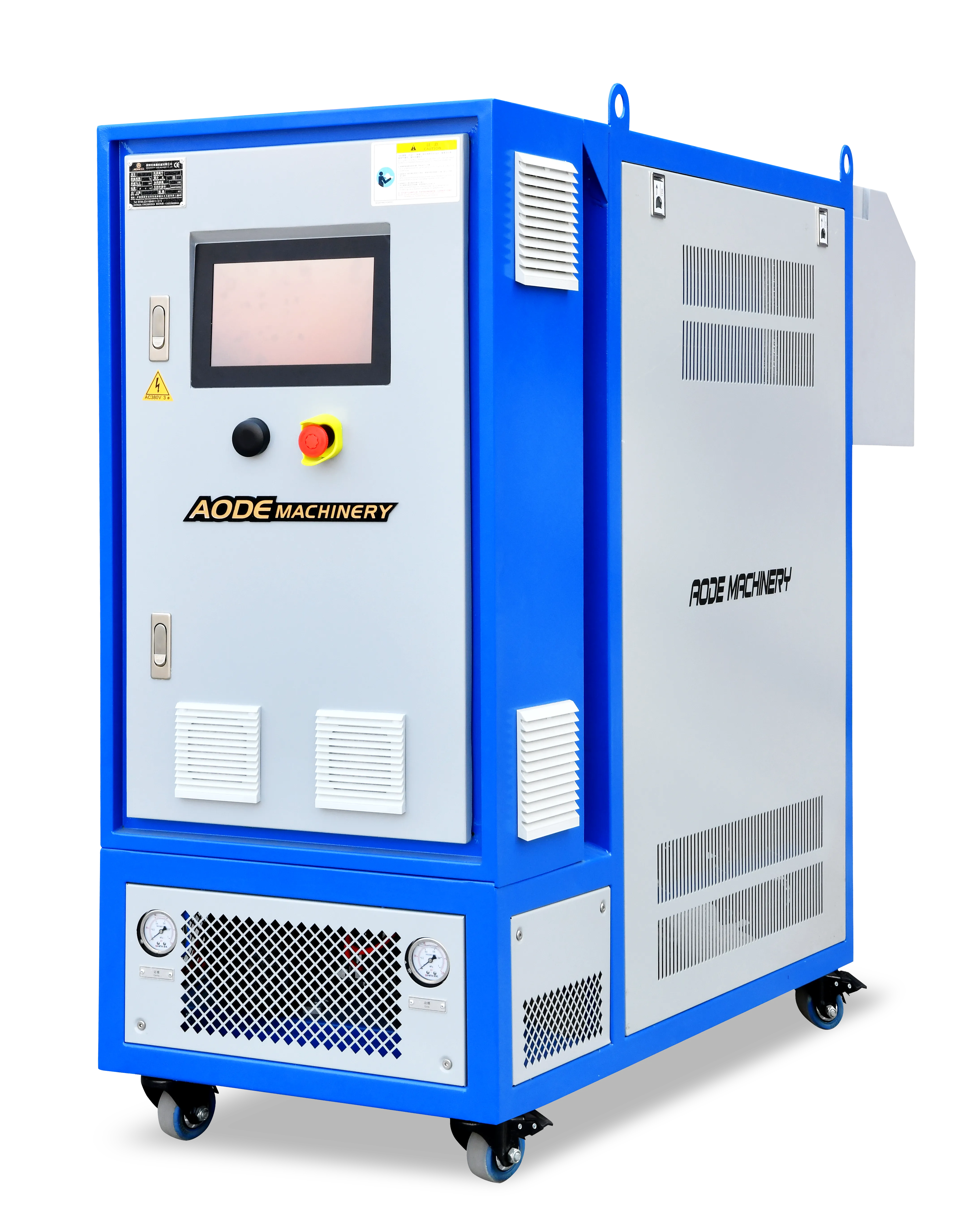
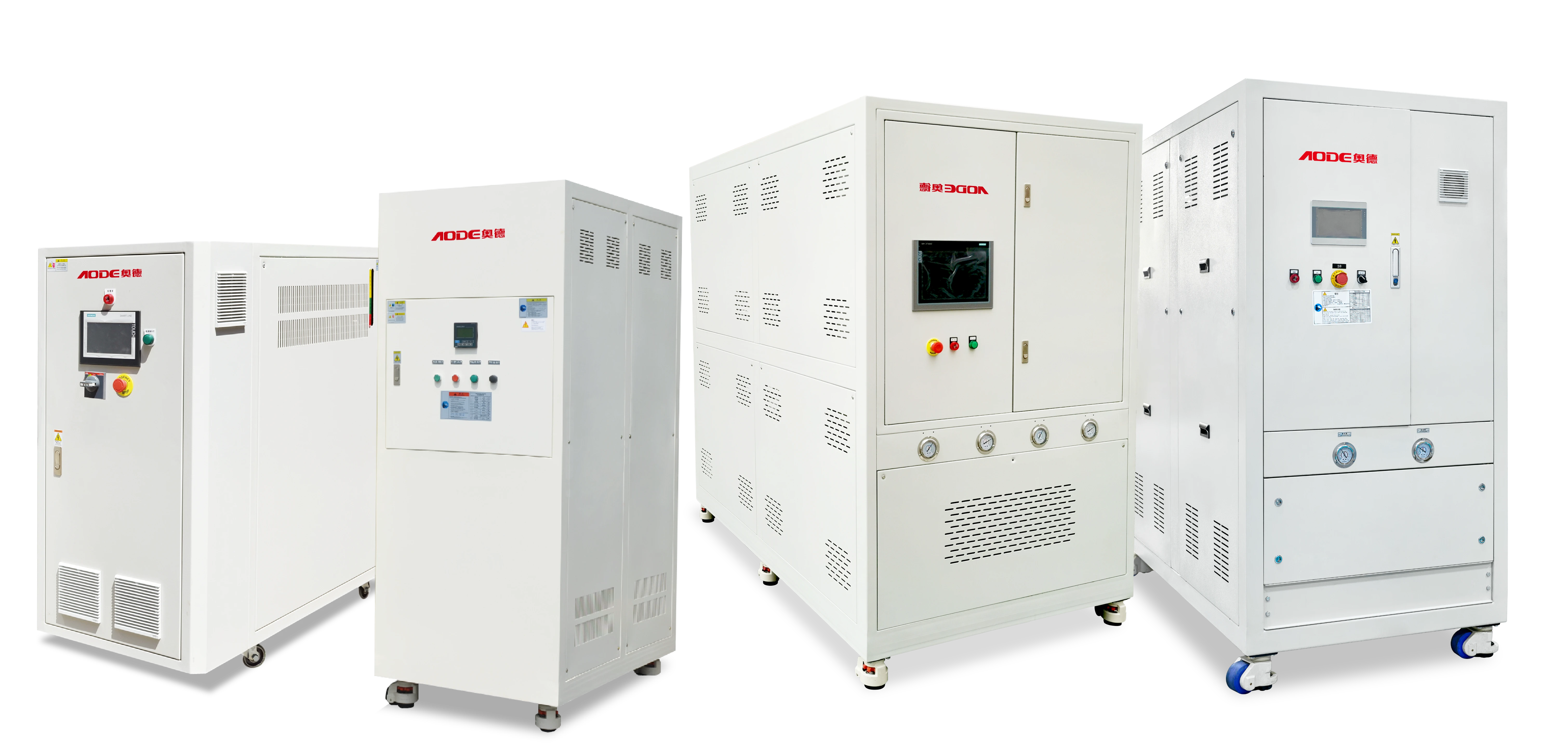
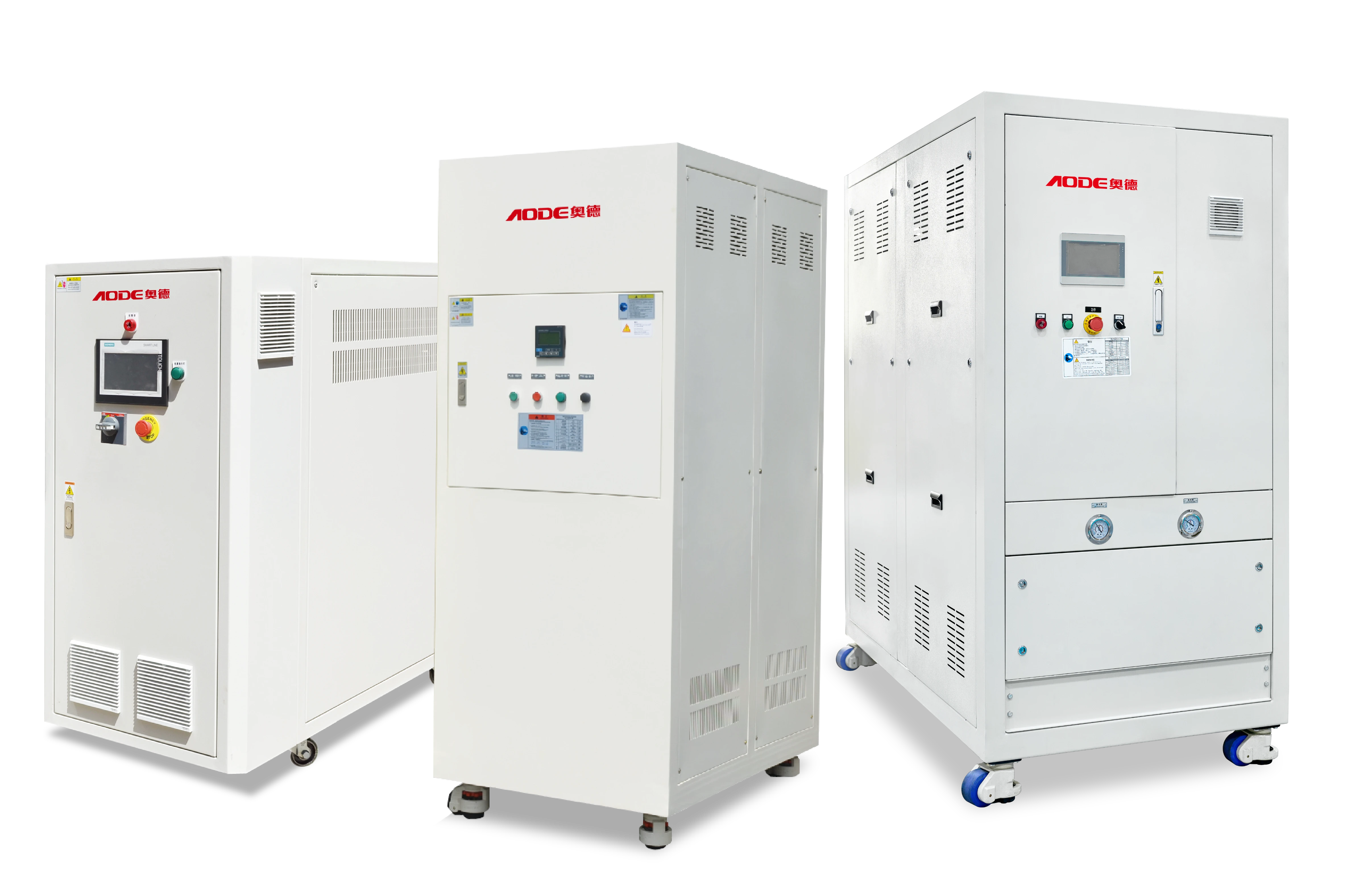
TCU Heat Transfer Oil Series
Temp Control Range: -80℃  +260℃
+260℃
Features
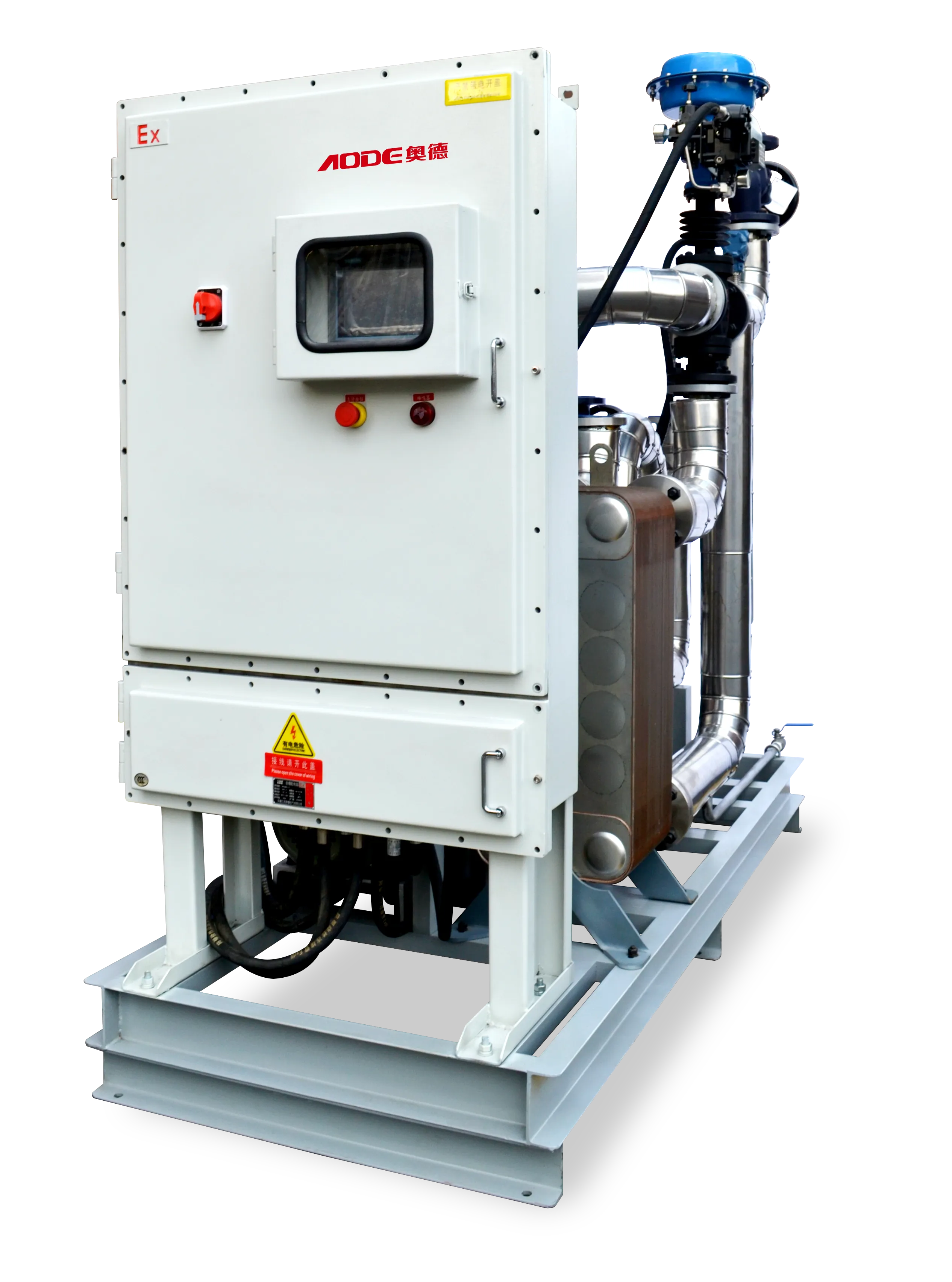
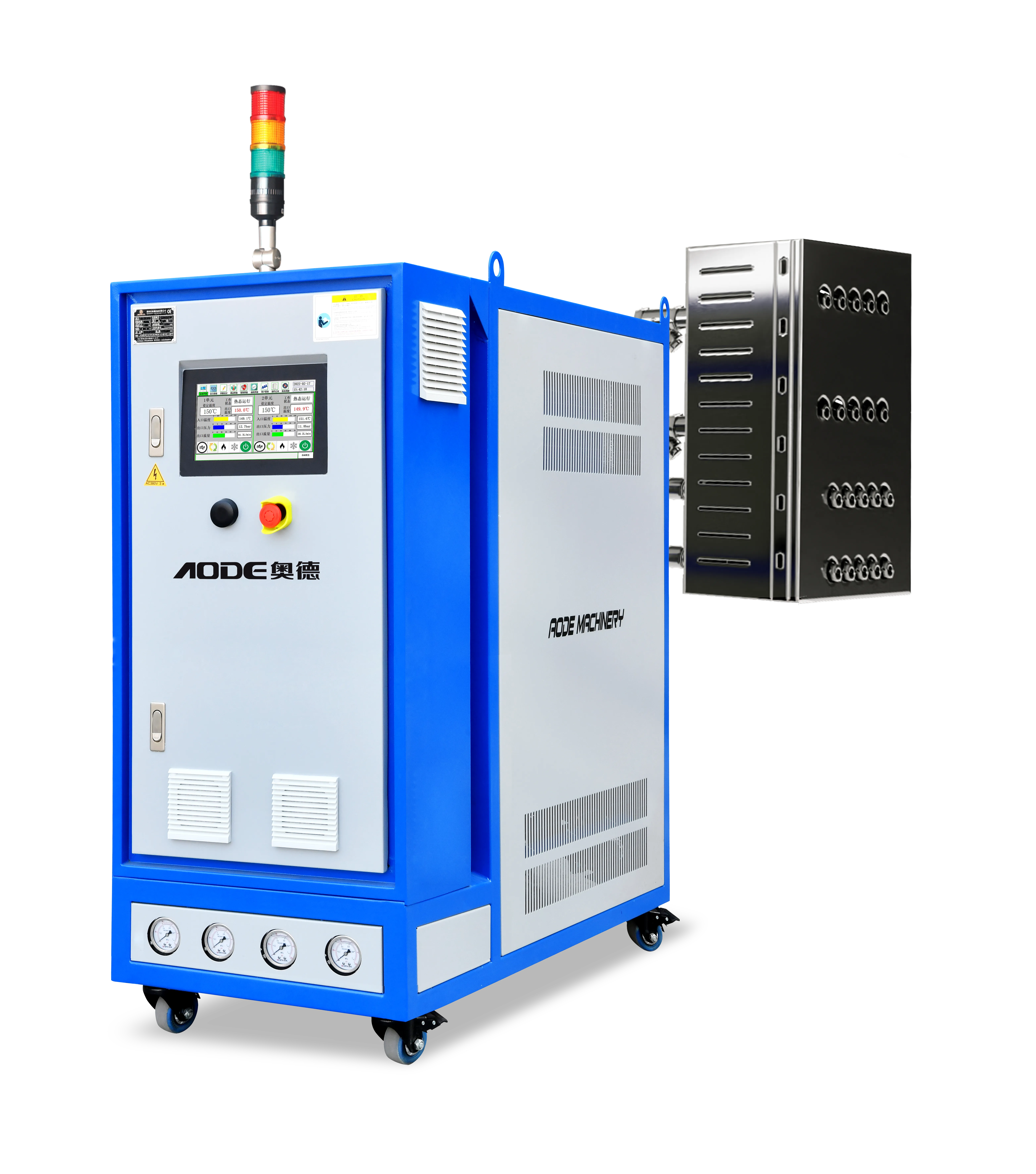
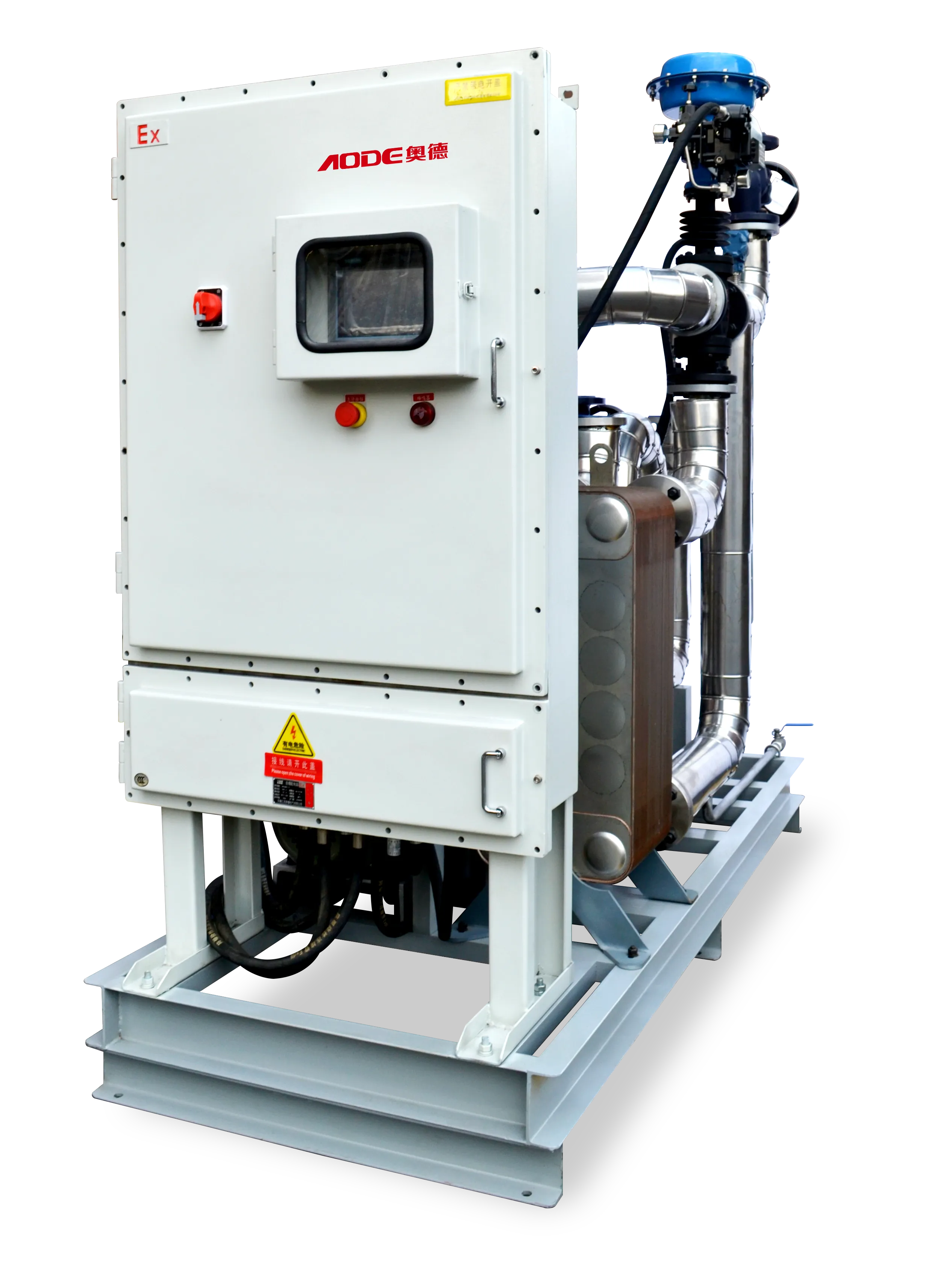
Use the control valve to control and regulate the hot and cold sources, heat exchanger for hot and cold heat transfer, 2-stage circulating pump circulates the constant temperature, so that the temperature of the process equipment is stable.
Using external high and low temperature heat source for heat transfer and temperature control, it can reach a wide temperature range, and can realise the full range temperature control of -80~300℃.
It can use the higher limit temperature of the AODE temperature control equipment, so that the TCU temperature control system can reach a more extreme design temperature; the highest temperature can reach 400℃, and the lowest temperature can reach -110℃.
Request a Quote
Heat Transfer Oil System Specifications
| ITEM | UNIT | AYJ-20 | AYJ-50 | AYJ-75 |
| Temp control accuracy | ℃ | PID±1℃ | ||
| Powersupply | / | 3P AC380V/480V 50HZ(3phase+Earth) | ||
| Heattransfer medium | / | thermal grease | ||
| Cooling method | / | Indirect cooling(chilled water/cooling water) | ||
| Heating method | / | Directorindirect heating | ||
| Motor power | KW | 1.5 | 3.0 | 4.0 |
| Pumpflow | m³/h | 6 | 16 | 12.5/18 |
| Pumphead | m | 28 | 32 | 50/38 |
| Max.power consumption | KW | 1.5 | 3 | 4 |
| Circulating medium piping | inch | 1" | 1.2" | 1.5" |
| Cold and heatsource piping | inch | 3/4" | 1" | 1.2" |
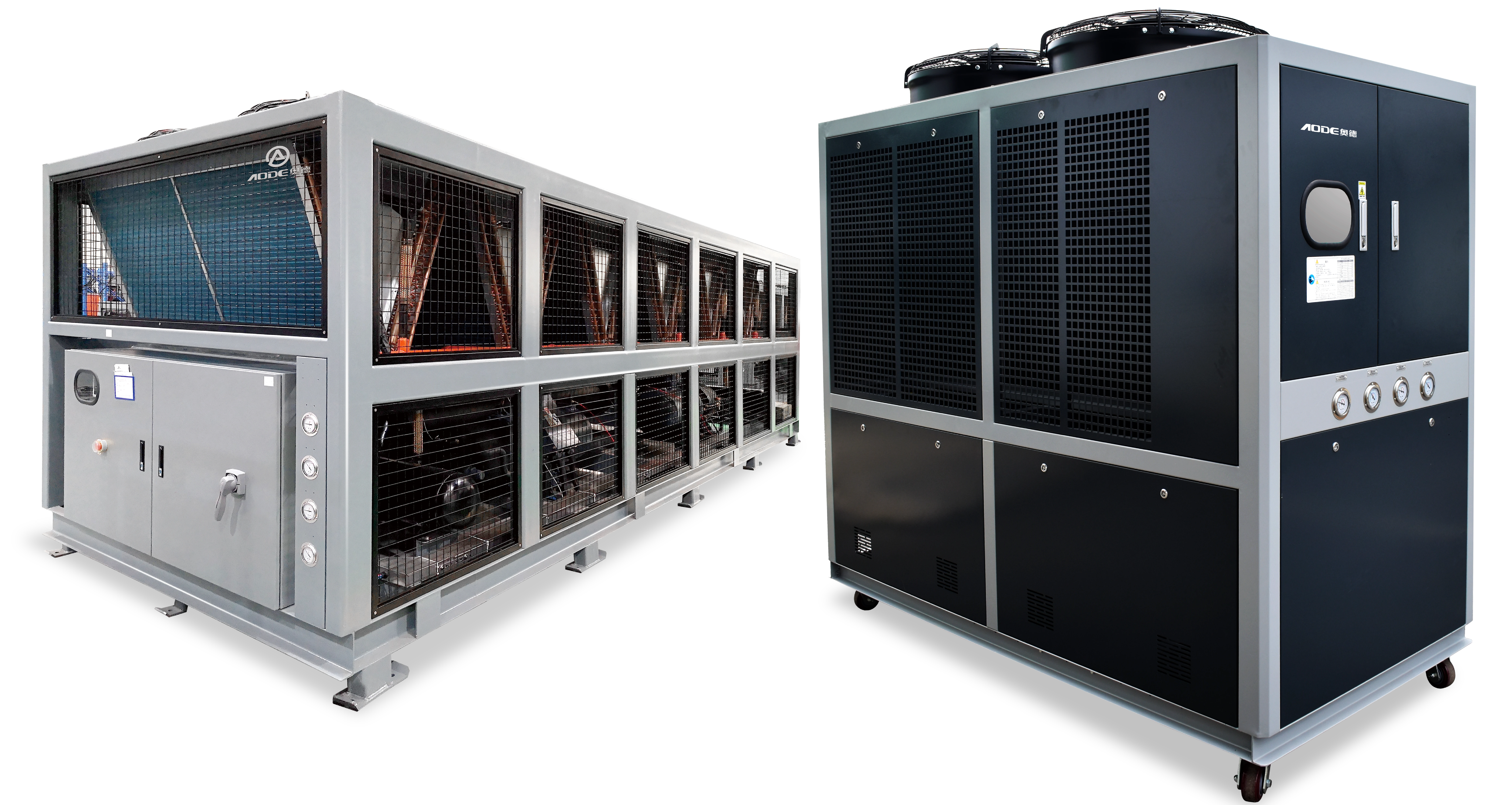
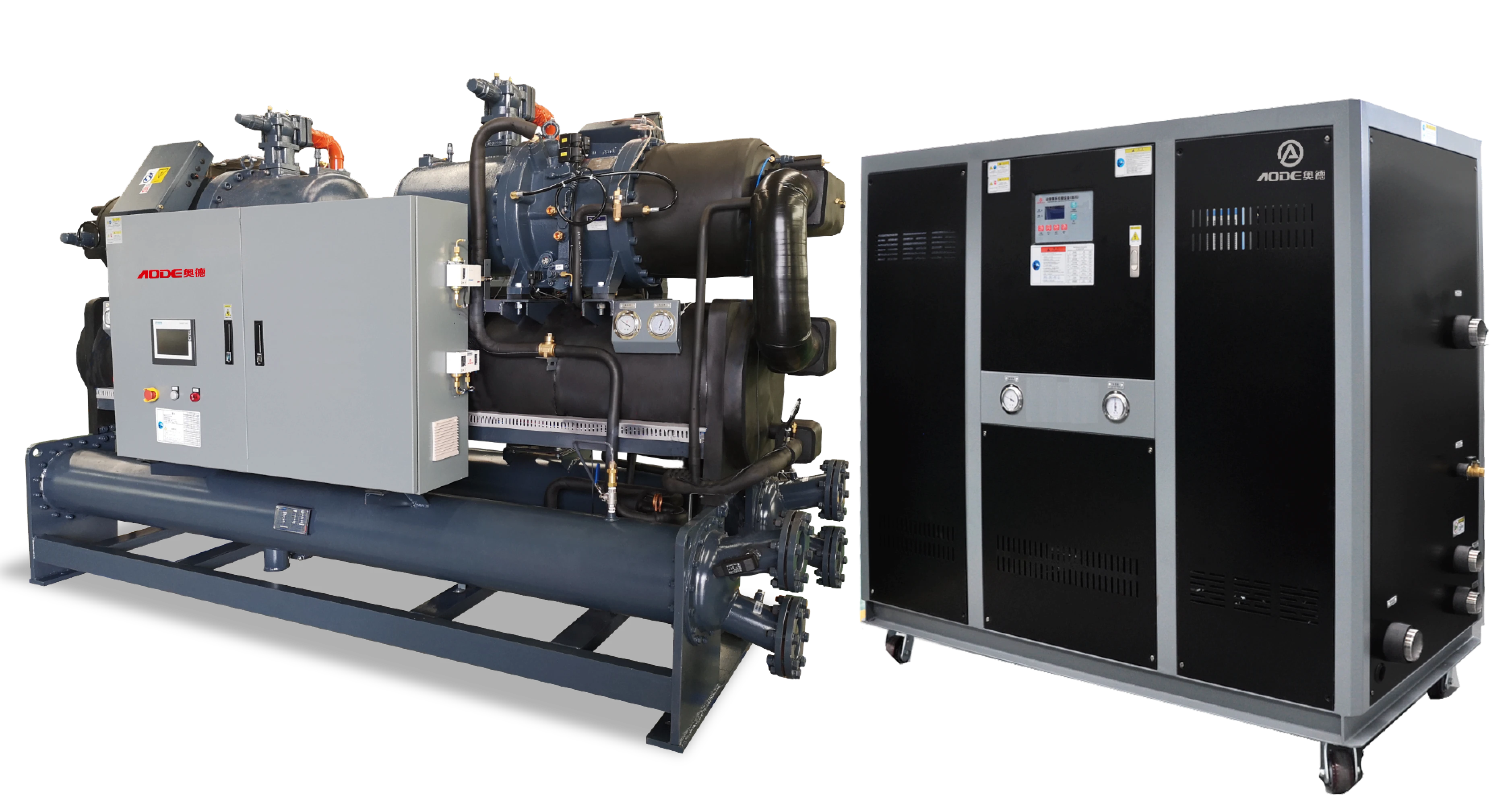
Thermal Oil Temperature Control Unit Related Products
FAQ
What information is needed to configure a suitable TCU heat transfer oil system?
To configure a suitable TCU heat transfer oil system, users need to provide the required temperature range, heating and cooling capacity, connected equipment type, heat load, circulation distance, and pipeline requirements. This series supports different connection sizes from 1 inch to 1.5 inches and can be configured according to specific production conditions.
What circulation performance should be considered when selecting this TCU system?
The circulation performance directly affects heat transfer speed and temperature stability. This series provides different pump configurations with flow rates from 6m³/h to 18m³/h and pump heads from 28m to 50m, allowing users to match the system according to pipeline length, equipment resistance, and required heat transfer capacity.
How is this heat transfer oil system different from a standard oil temperature control unit?
The main difference is the temperature control method. A standard oil temperature control unit mainly focuses on heating and maintaining a target temperature, while this heat transfer oil system is designed for wider temperature adjustment using both heating and cooling sources. This makes it more suitable for processes requiring dynamic temperature changes rather than only high-temperature operation.
What problems can a TCU heat transfer oil series solve in precision temperature control applications?
A TCU heat transfer oil series helps solve temperature instability caused by slow response, uneven heat transfer, or frequent temperature changes. Through heat exchanger control and constant circulation, the system maintains more stable process conditions for equipment that requires accurate thermal management. With PID ±1°C control accuracy, it helps reduce temperature deviation during continuous operation.
How can this heat transfer oil system achieve temperature control from -80掳C to +260掳C?
This heat transfer oil system achieves wide-range temperature control by combining external heating and cooling sources through a heat exchange circulation structure. The control valve adjusts hot and cold energy input, while the circulating pump transfers the heat transfer medium continuously. This allows the system to handle both low-temperature cooling requirements and high-temperature heating processes within one integrated temperature control solution.
When does a production process need a thermal oil temperature control unit instead of a conventional temperature controller?
A thermal oil temperature control unit is required when the process needs temperature adjustment beyond simple heating control. Conventional temperature controllers are usually designed to maintain a fixed temperature range, while this TCU system can work with external hot and cold sources to regulate temperature in both directions. It is suitable for applications where the process temperature needs to rise, decrease, or switch between different temperature conditions during operation.