

fajsdfjash ddsa dsa as sa sad sda sadfjsadjfl jsadjk fjasdlkfjaskdfdklsaj klf
jsadj
asjdklj falsdjf
jaklj
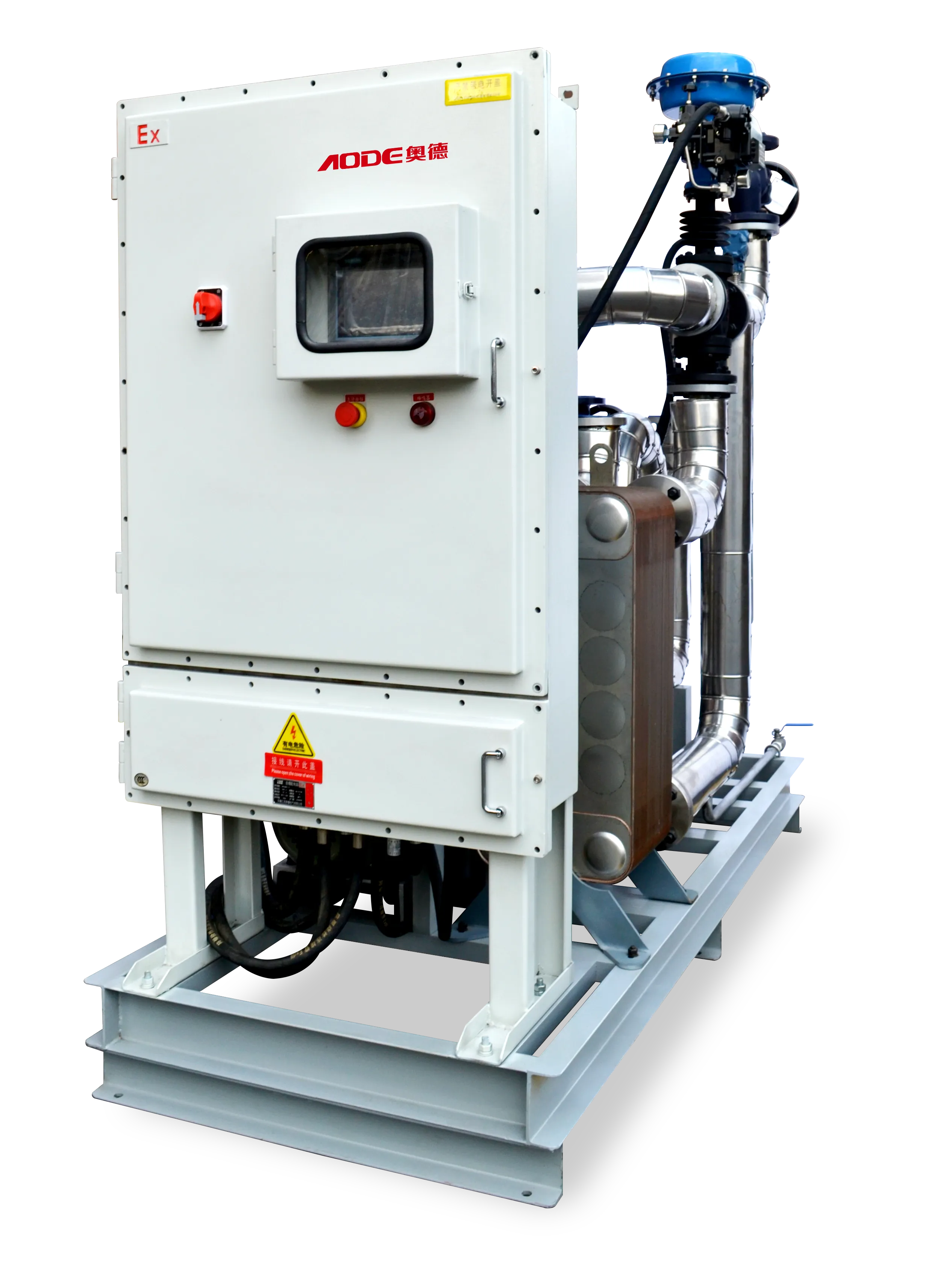
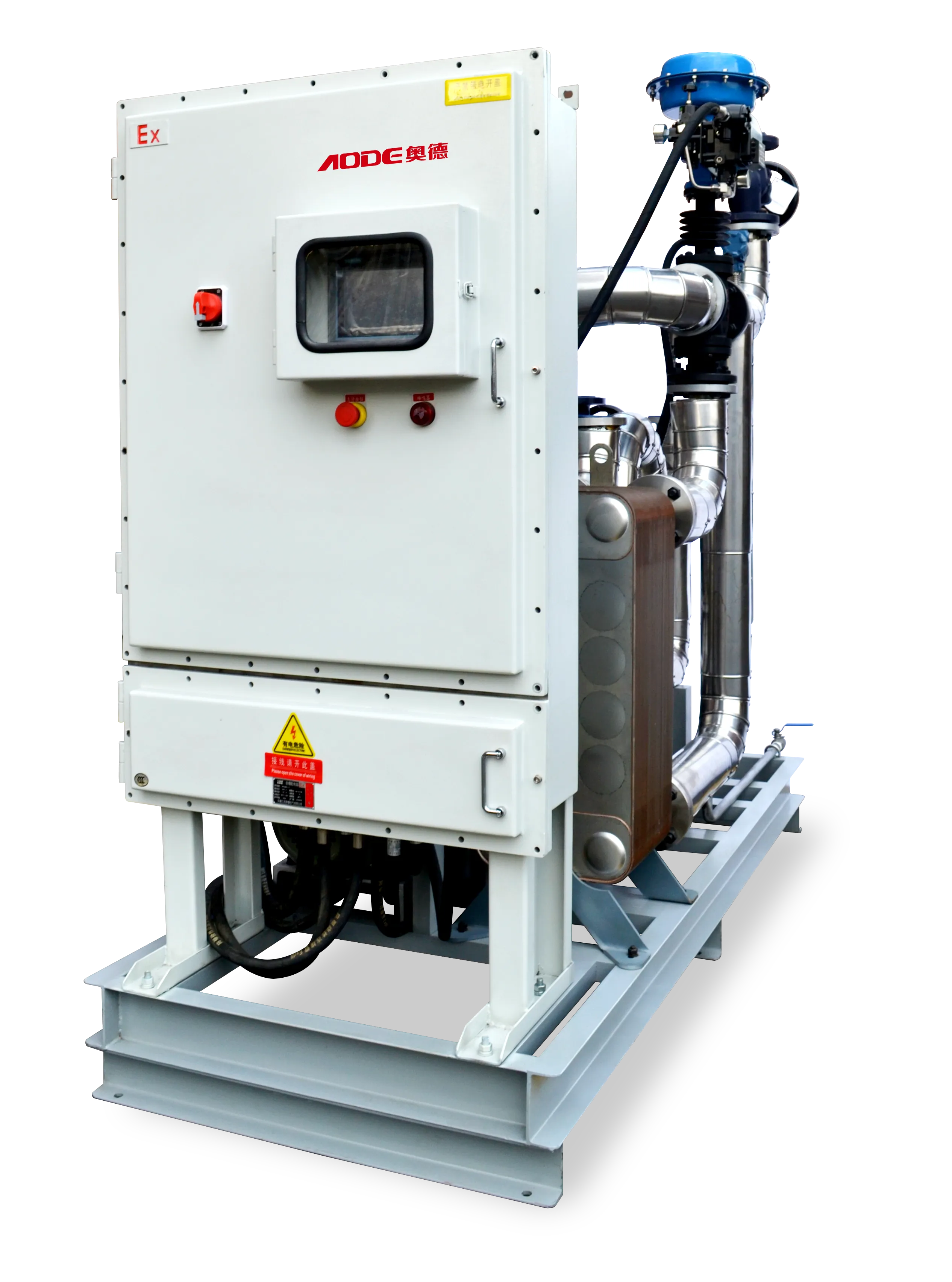
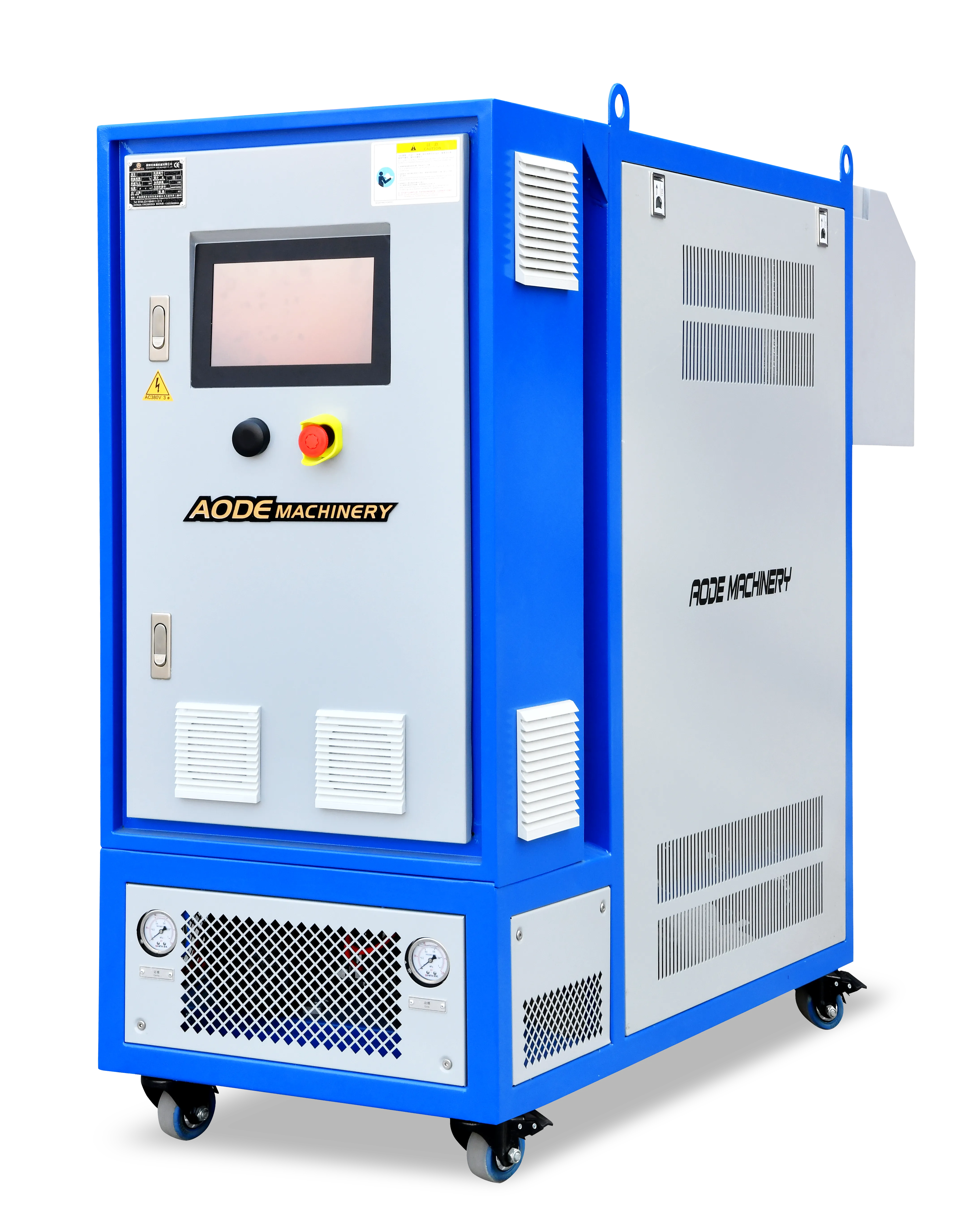
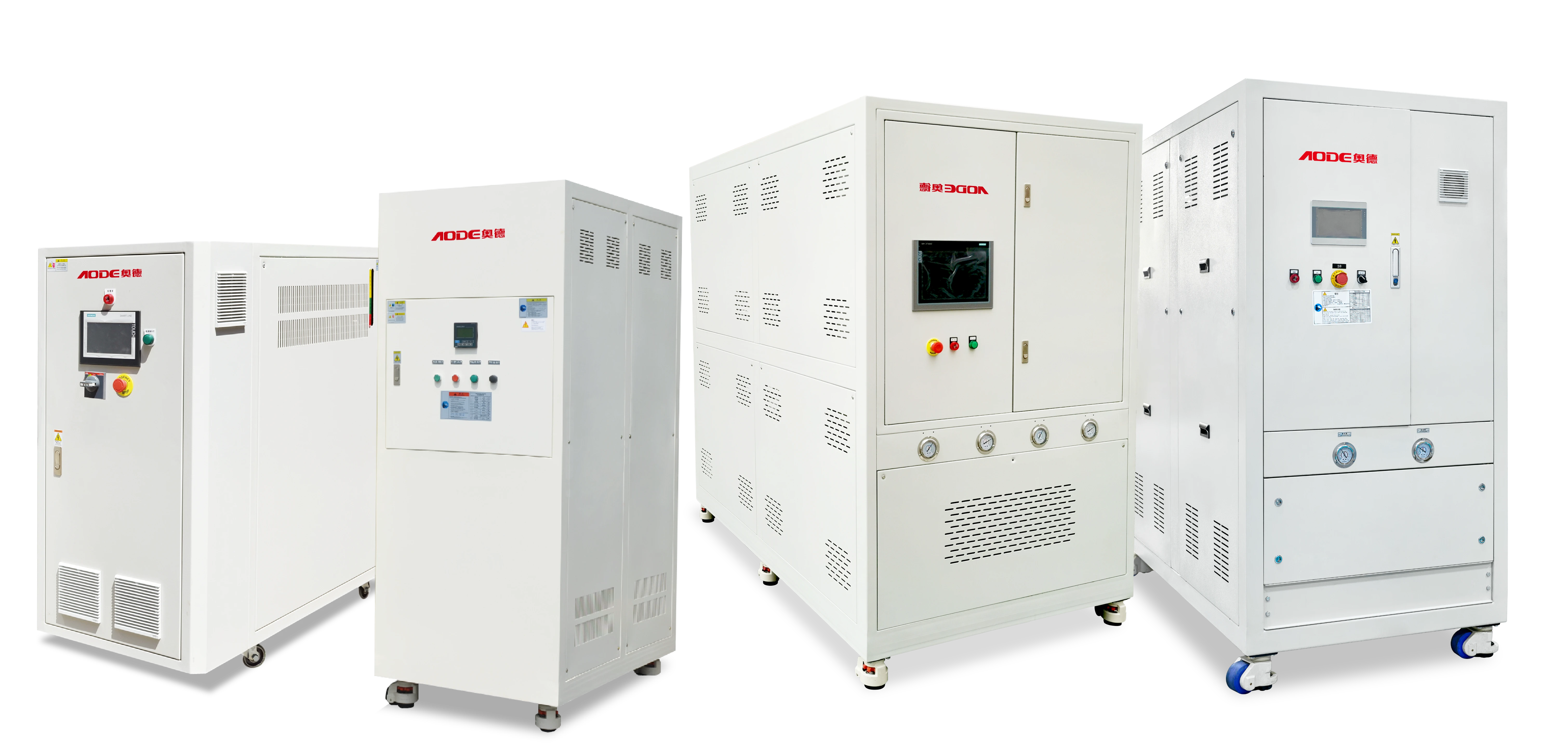
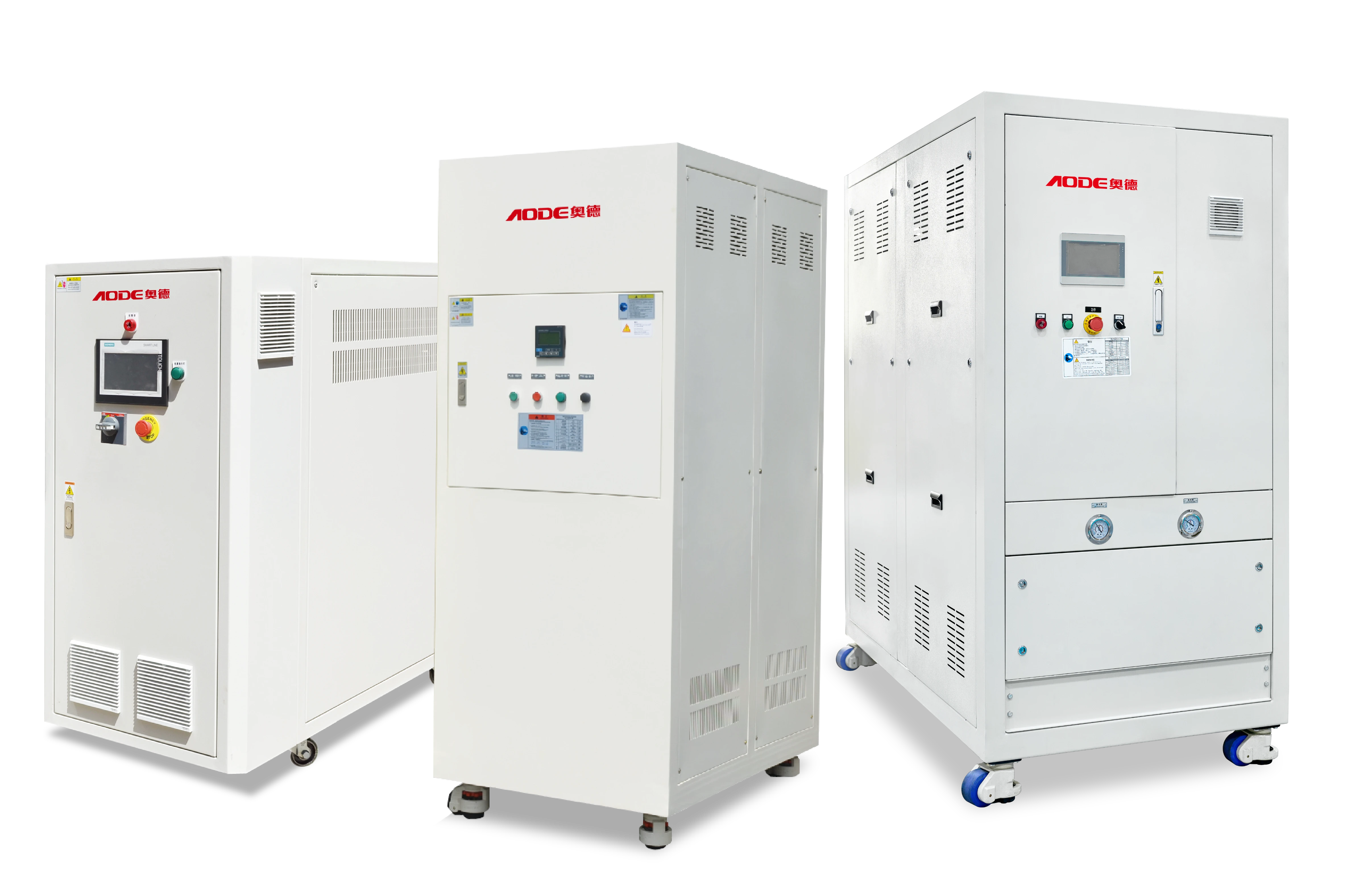
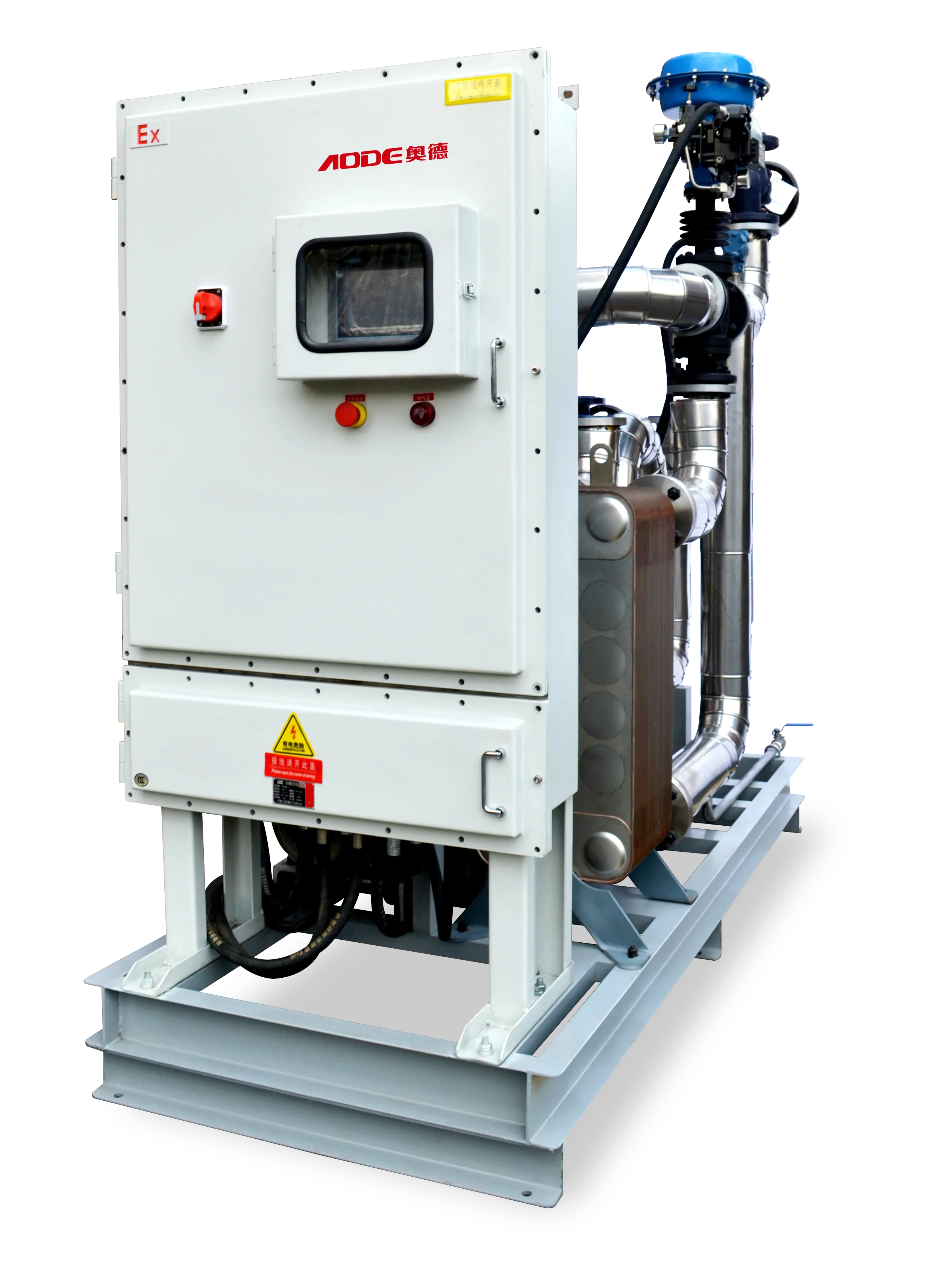
TCU Glycol Water Series
Temp Control Range: -40℃  +140℃
+140℃
Features
The use of heat exchangers for hot and cold heat transfer, the use of high and low temperature heat source for heat transfer and temperature control, you can achieve a wide temperature range, can achieve -40 ~ 140 ℃ full range of temperature control .
Customised design of temperature control system for different cold and heat sources.
Built-in electric heater for auxiliary heating, so that the TCU temperature control system can reach a higher design temperature; the maximum design temperature can reach 200 ℃, the operating temperature of 180 ℃.
Request a Quote
Fluid Temperature Control Unit Specifications
| TEM | UNIT | ARDJ-20 | ARDJ-50 | ARDJ-75 |
| Temp control accuracy | ℃ | PID±1℃ | ||
| Powersupply | / | 3P AC380V/480V 50HZ(3phase+Earth) | ||
| Heattransfer medium | / | Glycolaqueoussolution | ||
| Cooling method | / | Indirect cooling(chilled water/cooling water) | ||
| Heating method | / | Indirect heating(steam/high-temperature thermal oil/direct heating | ||
| Pump Horsepower | hp | 2 | 5.0 | 7.5 |
| Pumpflow | L/min | 200 | 300 | 533 |
| Pumphead | m | 20 | 30 | 50 |
| Max.power consumption | KW | 1.5 | 4 | 5.5 |
| Cooling waterpipe | inch | 1.5" | 2" | 3" |
| Circulating water pipe | inch | 1.5" | 2" | 3" |
| Expansion tankvolume | L | 100 | 200 | 500 |
Circulating Fluid Temperature Controllers Related Products
FAQ
What parameters should be confirmed before selecting a glycol-based fluid temperature control unit?
Before selecting a fluid temperature control unit, users should confirm the required temperature range, heat load, circulation flow, external cooling source, heating source, and pipeline connection requirements. This series provides different models with pump capacities from 2HP to 7.5HP and circulating pipe sizes from 1.5 inches to 3 inches, allowing configuration based on actual equipment requirements.
What temperature range can the TCU Glycol Water Series achieve in production processes?
The TCU Glycol Water Series provides a temperature control range from -40°C to +140°C under standard operation, while specific configurations can reach a maximum design temperature of 200°C through auxiliary electric heating. This wide range allows the system to support processes requiring both low-temperature cooling and elevated-temperature control.
Can this fluid temperature control unit work with different heating and cooling sources?
Yes. This fluid temperature control unit can be configured according to different process heat sources. The system supports indirect cooling through chilled water or cooling water and can use steam, high-temperature thermal oil, or direct heating methods for temperature adjustment. This allows users to integrate the TCU with existing production equipment and available energy sources.
How does the circulation capacity affect the performance of this TCU glycol water series?
The circulation capacity determines how effectively thermal energy is transferred between the TCU and connected equipment. This circulating fluid temperature controller provides different pump configurations with flow rates from 200L/min to 533L/min and pump heads up to 50m, allowing stable fluid circulation for equipment with different heat loads, pipeline distances, and flow resistance conditions.
What makes this glycol water temperature control system different from a conventional cooling unit?
A glycol water temperature control system is designed for process temperature regulation rather than simple cooling. The system combines heating and cooling functions through heat exchanger control, allowing it to adjust the temperature of the circulating fluid according to process requirements. This makes it suitable for equipment that requires stable temperature control during both cooling and heating stages.
When should a glycol water temperature control unit be considered for a production process?
A glycol water temperature control unit is considered when a process requires stable temperature control below normal water-based system limitations or needs frequent switching between cooling and heating conditions. By using glycol aqueous solution as the heat transfer medium, the system can maintain reliable circulation under low-temperature conditions while supporting wider temperature adjustment for production equipment requiring precise thermal management.