

fajsdfjash ddsa dsa as sa sad sda sadfjsadjfl jsadjk fjasdlkfjaskdfdklsaj klf
jsadj
asjdklj falsdjf
jaklj

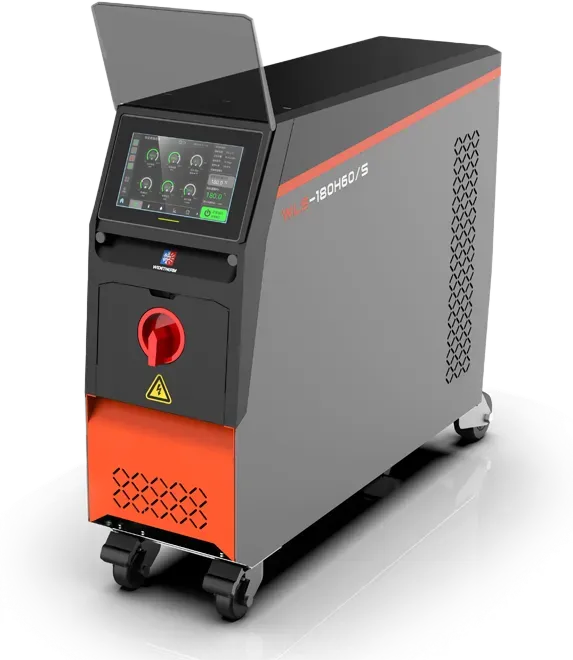
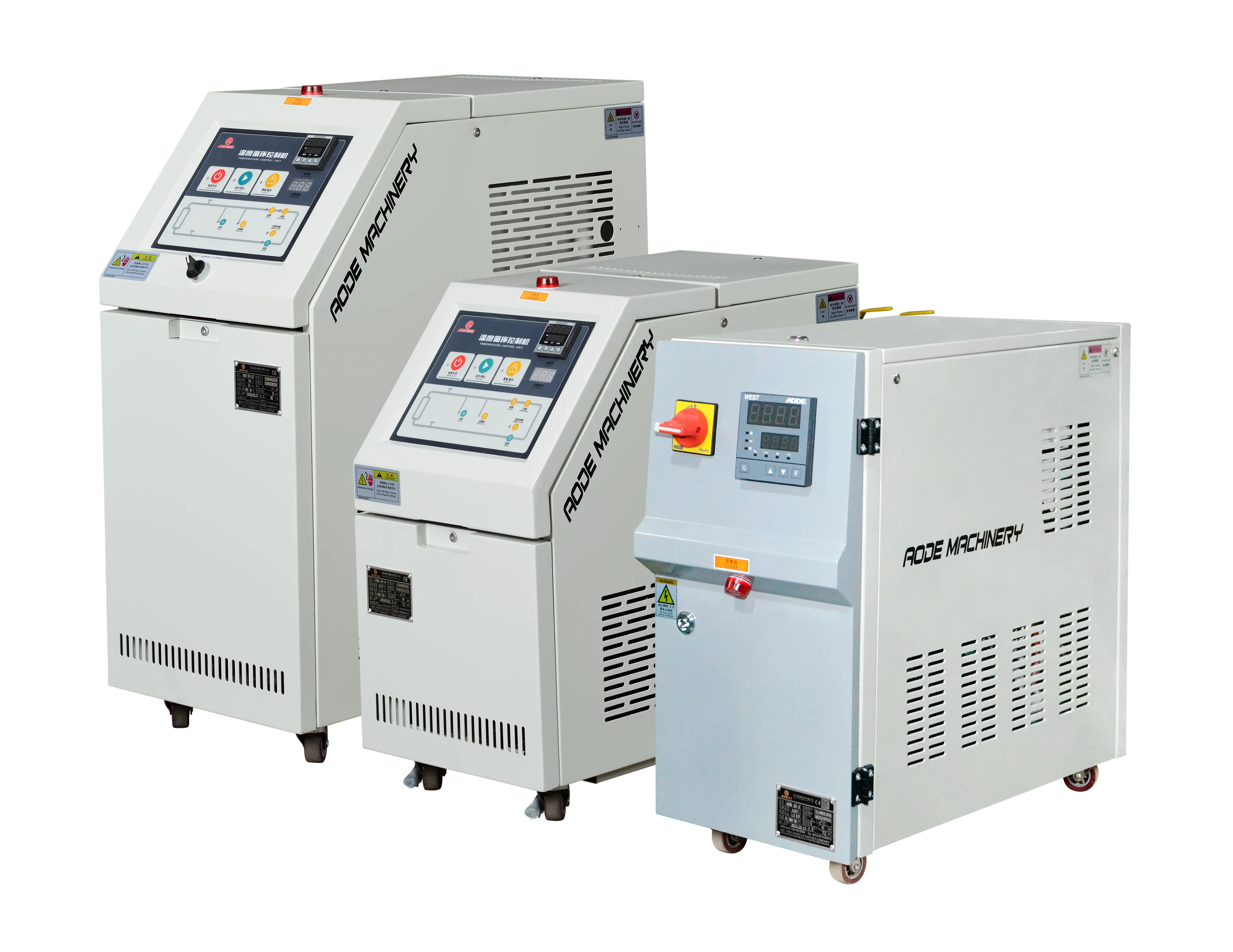
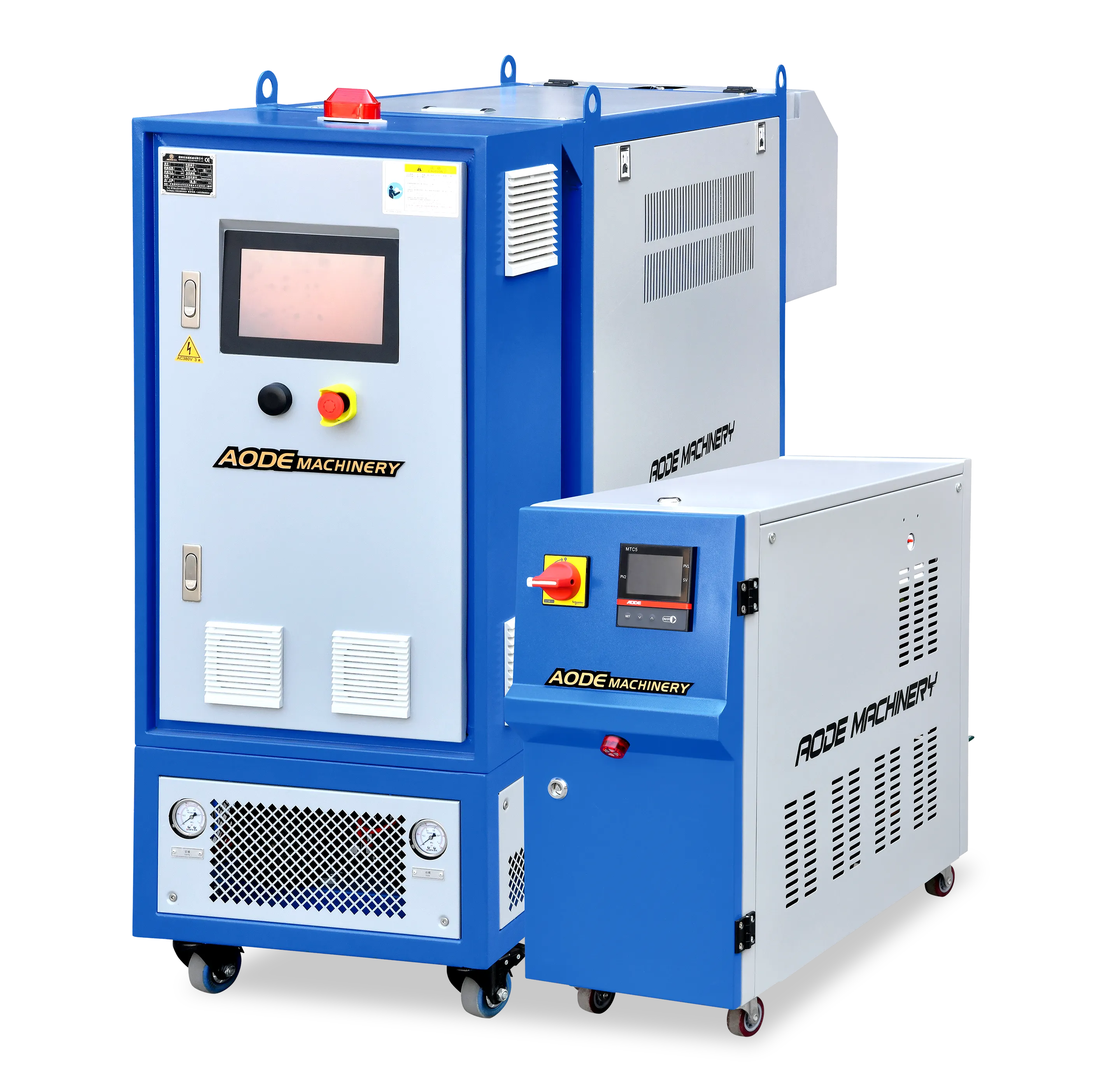
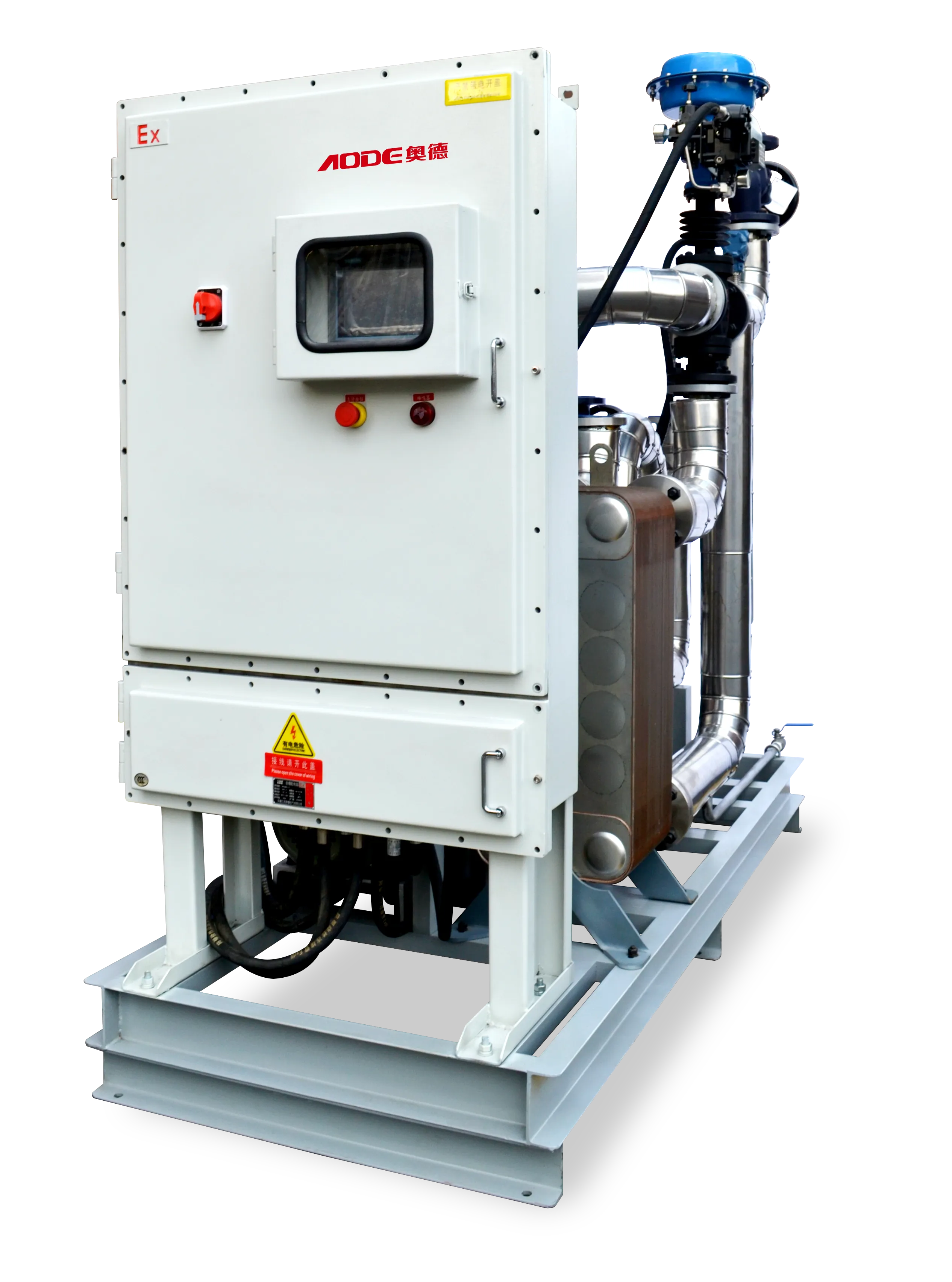
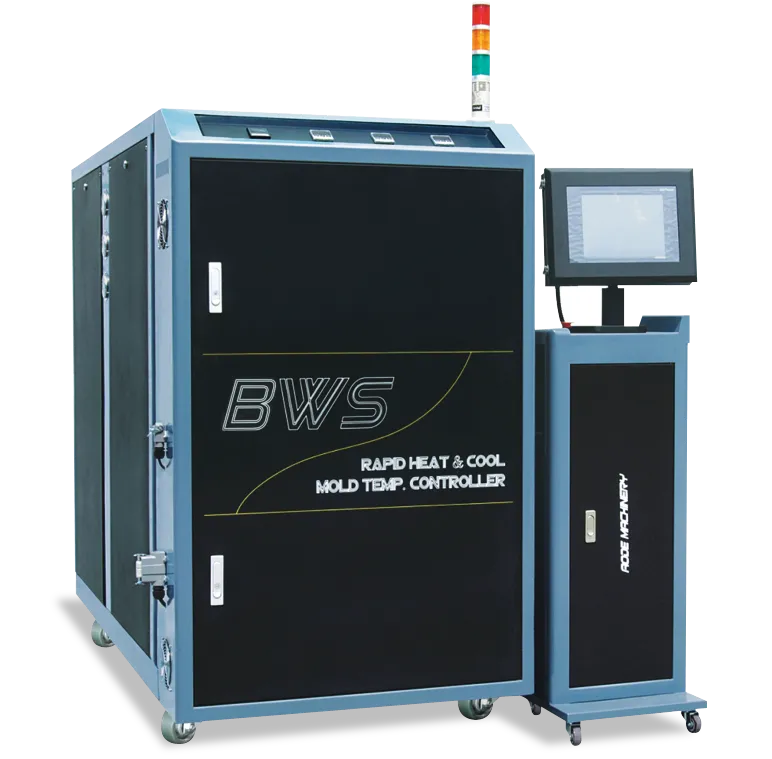
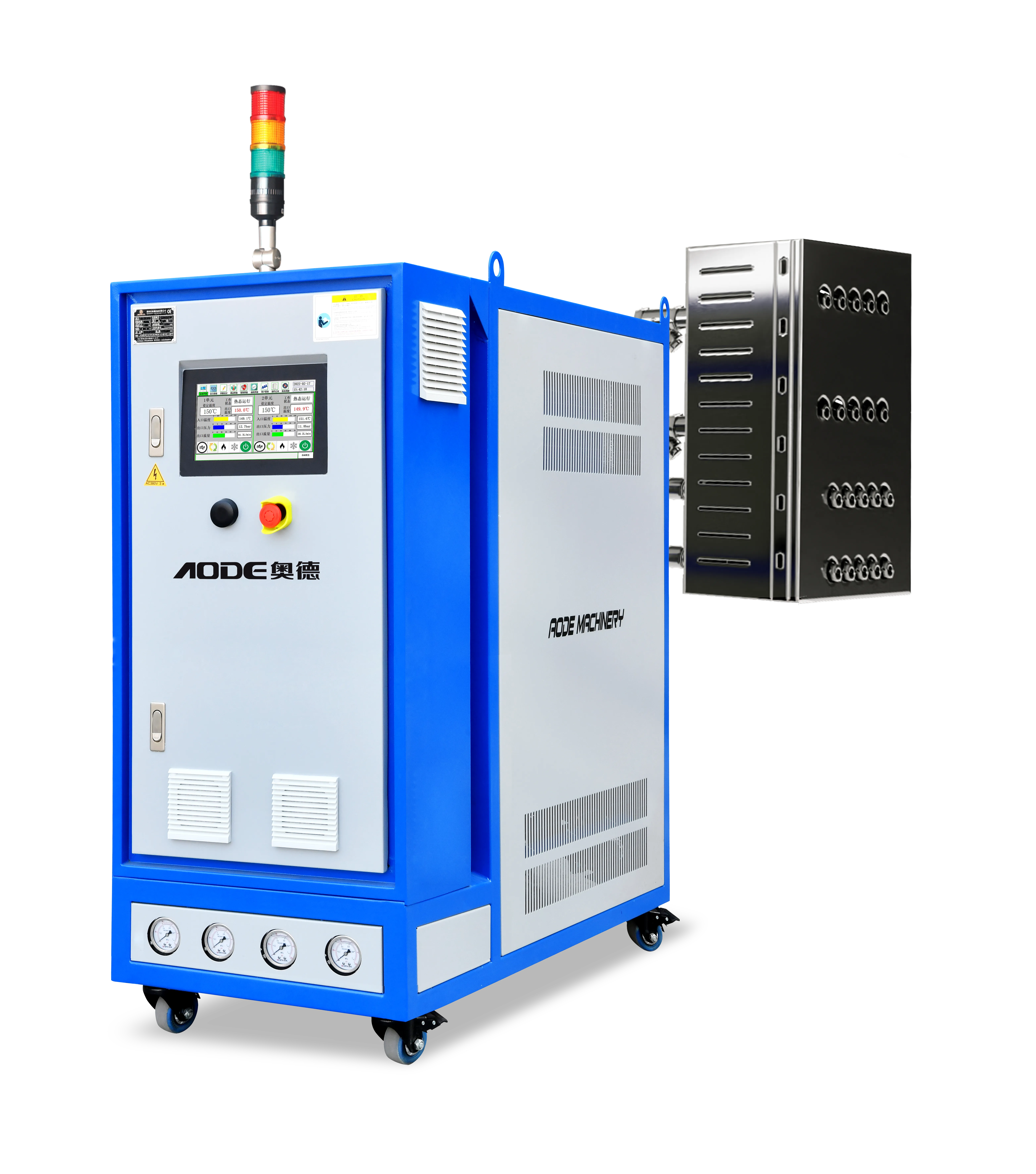
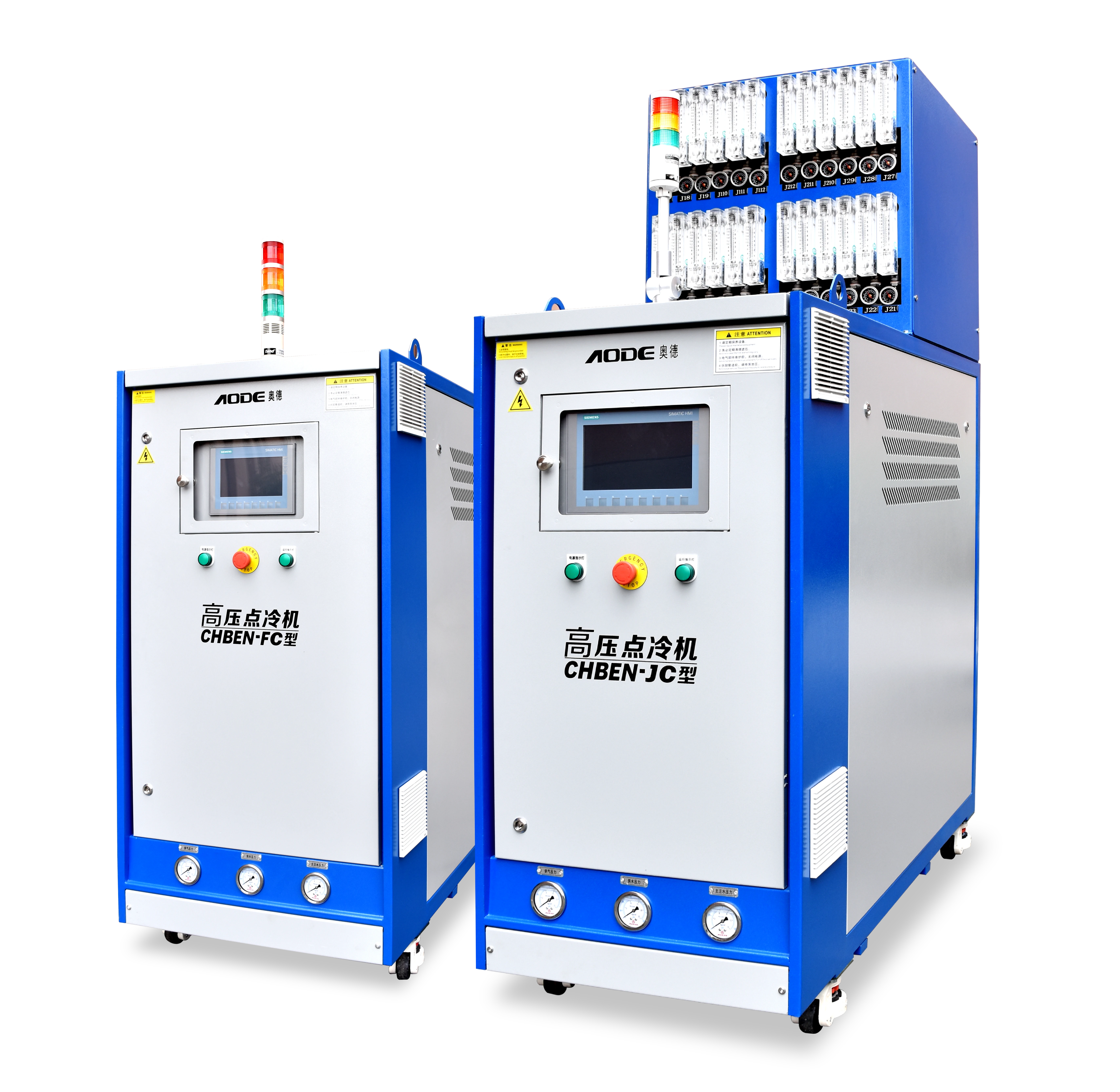
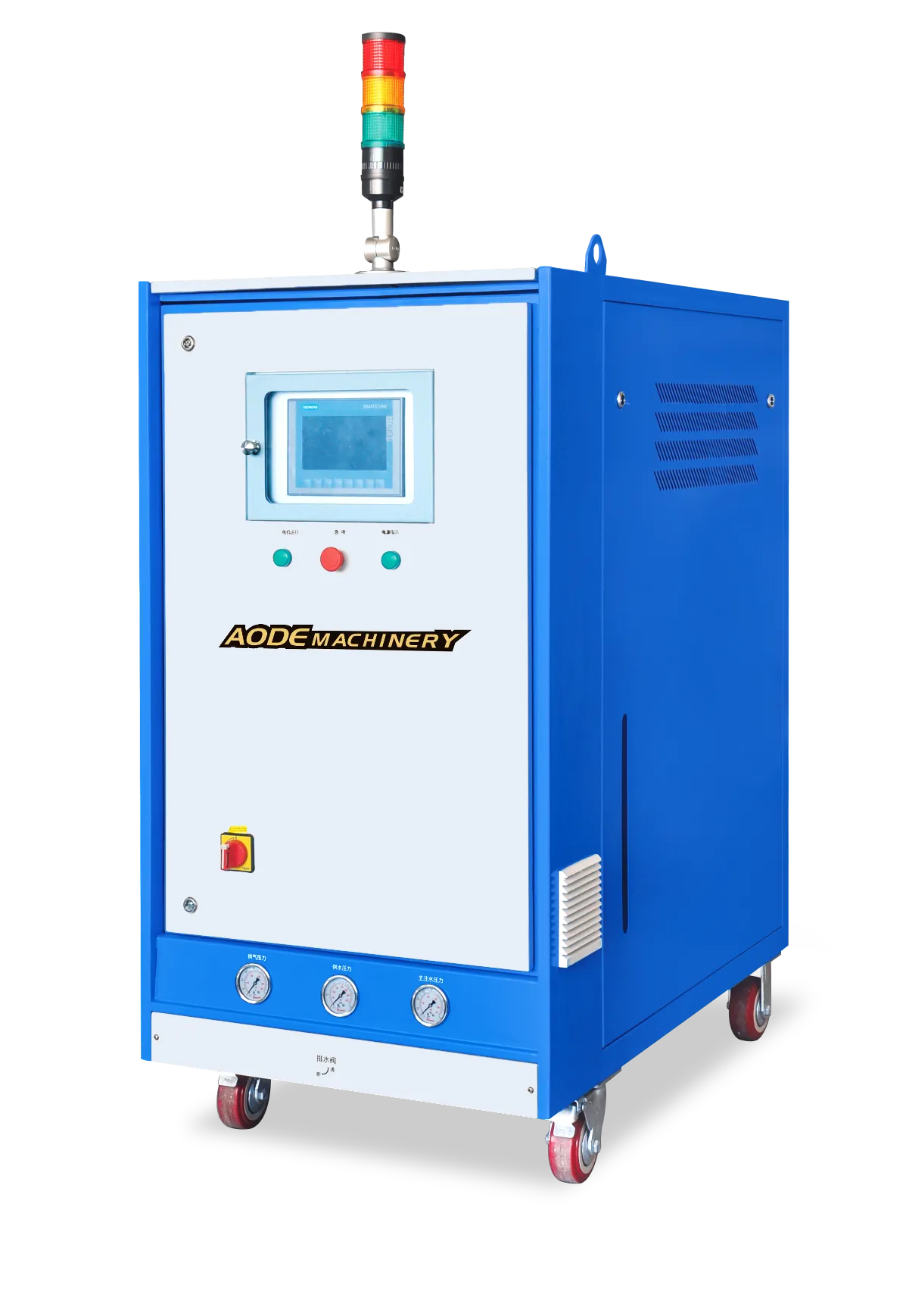
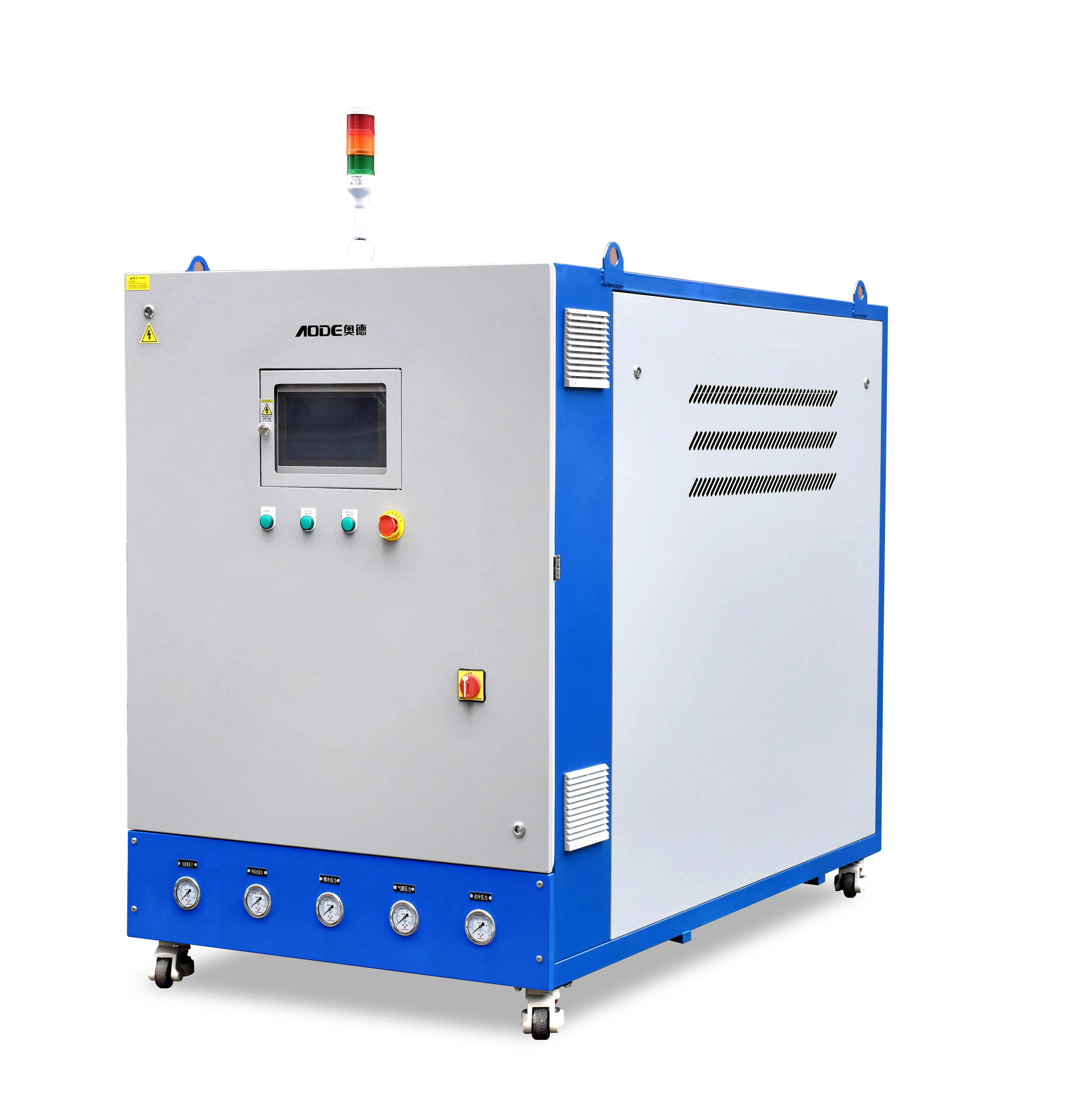
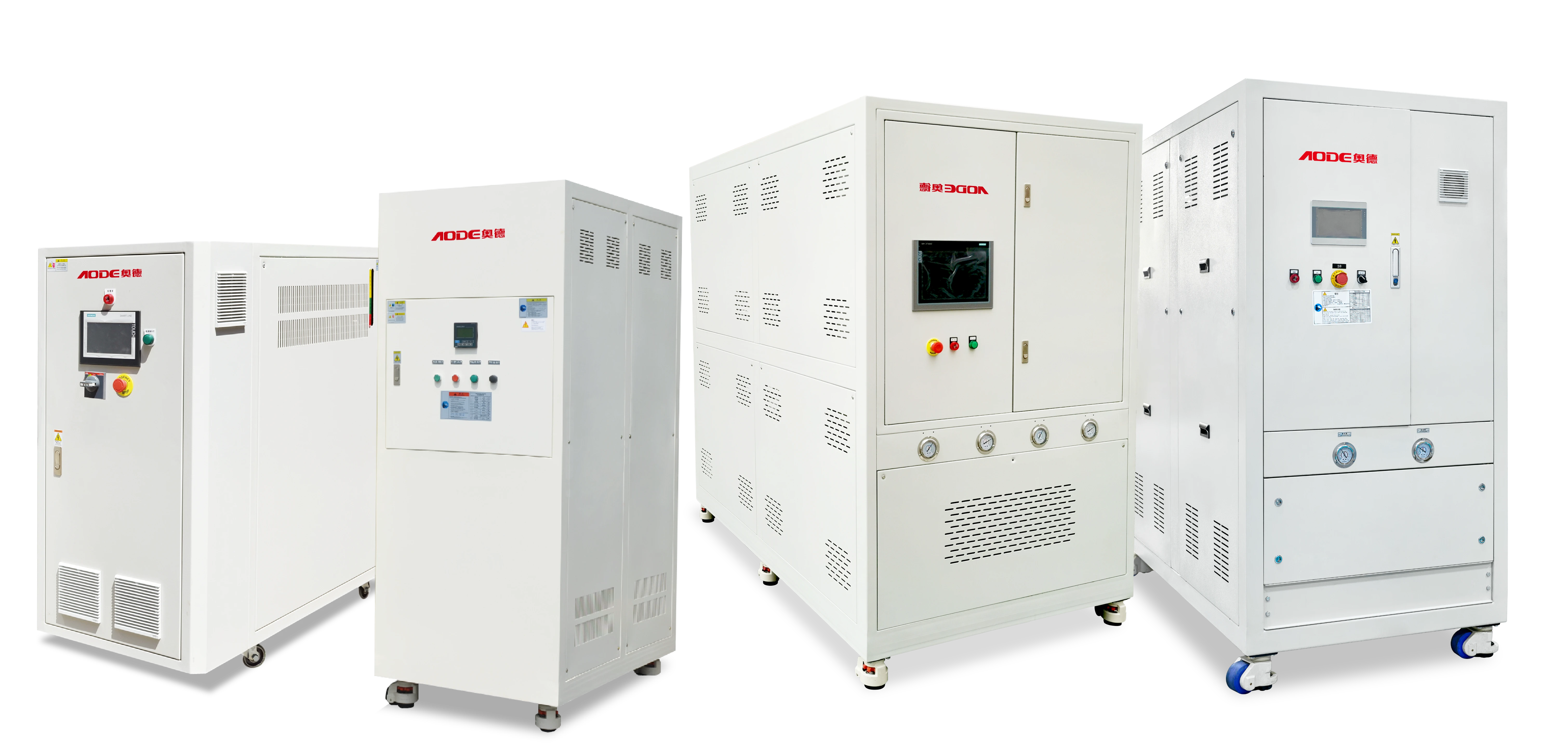
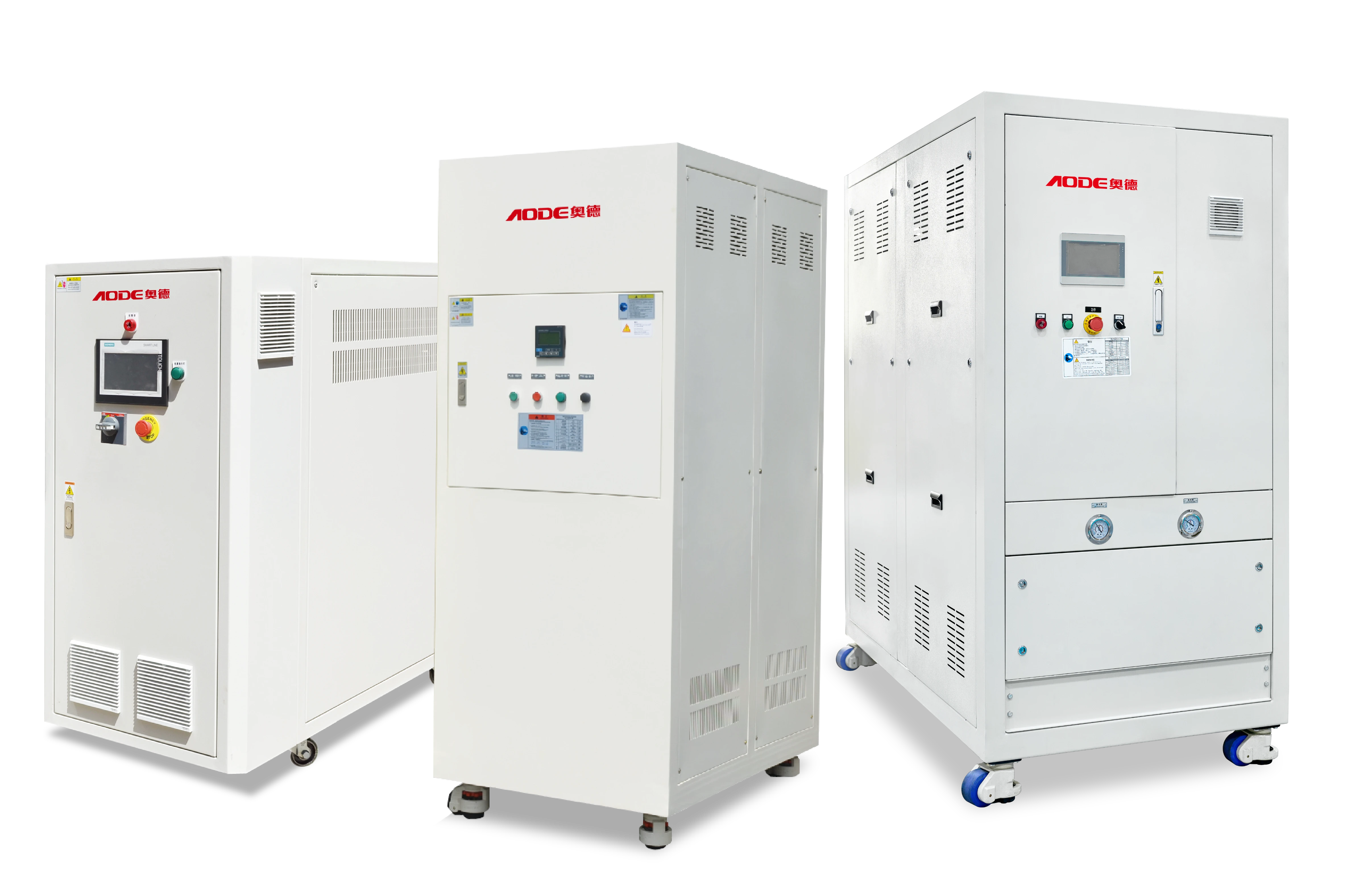
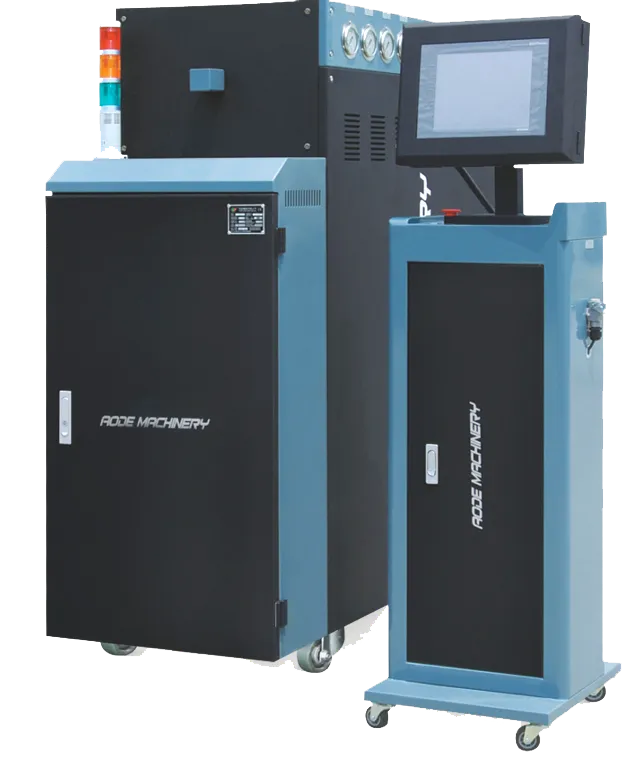
BWS High-gloss Mold Temperature Control Unit
Temp Control Range: +25℃  +180℃
+180℃
Features
Eliminate soluble wiring, melted marks, corrugated, silver marks on the product surface.
Completely solve surface shrinkage of plastic products.
Improve the surface gloss, the surface roughness is similar to mirror.
Products do not need to spray paint processing, improve the rate of finished products of 20-30%.
Solve the fiber products floating fiber problem, make the product quality perfect.
The thin-wall molding can improve the liquidity of injection, improve product quality and intensity
Thick-wall injection molding cycle can be reduced by 60%, increase the liquidity and fill effects of the plastic
Condensation,heat release,quicken the speed of heat exchanger,enhance the heating rate Without connecting boilers and other external thermostat auxiliary equipment,omitted the complex boiler equipment (high-pressure equipment safety and Environmental approval) and Pipeline Project.
Completely solve the problem of the boiler steam non-recyclable.
Small volume can match different machines, 180 ℃ hot water can replace the boiler, which is not Environmental
Request a Quote
Steam Mold Temperature Controller Specifications
| ITEM | UNIT | BWS-600 | BWS-800 | BWS-1600 |
| Power supply | V/Hz | AC3N-380/400V-50Hz | ||
| Total power | kw | 65 | 106 | 157 |
| Total current | A | 100 | 160 | 236 |
| Control mode | / | PLC & Human-Machine Interface (HMI) | ||
| Maximum water consumption | kg | 70 | 125 | 184 |
| Saturated steam temperature | ℃ | 182 | ||
| Water filling pump power | kw | 0.75 | ||
| Cooling pump power | kw | 1.5 | 2.2 | 4 |
| Cold/hot water circulation outlet and inlet dimension | inch | 1 or 3/8 (6 outlet 6 inlet) | 1-1/4 or 3/8 (10 outlet 10 inlet) | 1-1/2 or 3/8 (14 outlet 14 inlet) |
| Cooling water inlet dimension | inch | 1-1/4 | 1-1/2 | 2 |
| Compressed air inlet diameter | inch | 1/2 | 1/2 | 1/2 |
| Size (L×W×H) | mm | 1450*700*1350 | 1750*900*1350 | 1950*950*1550 |
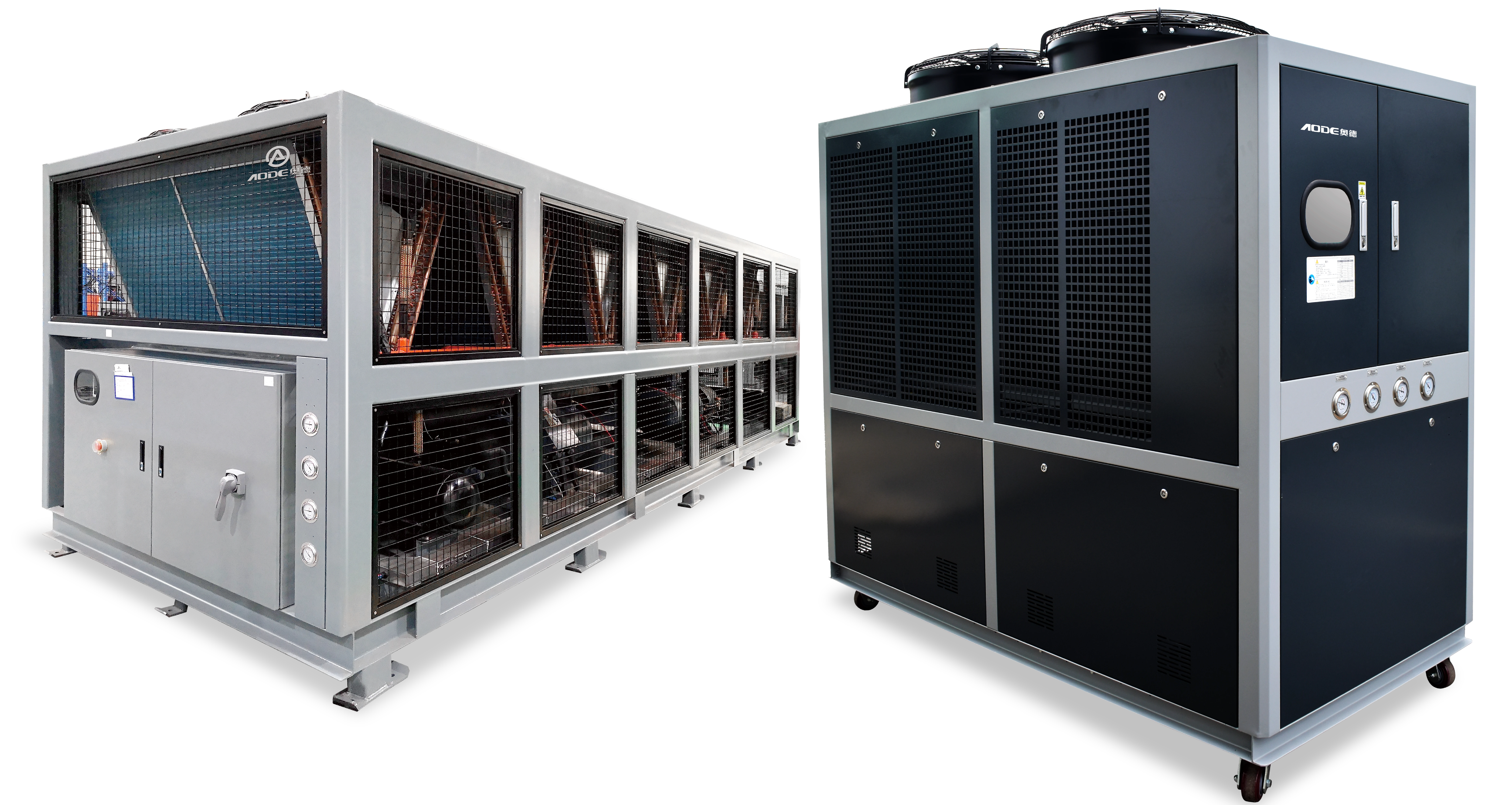
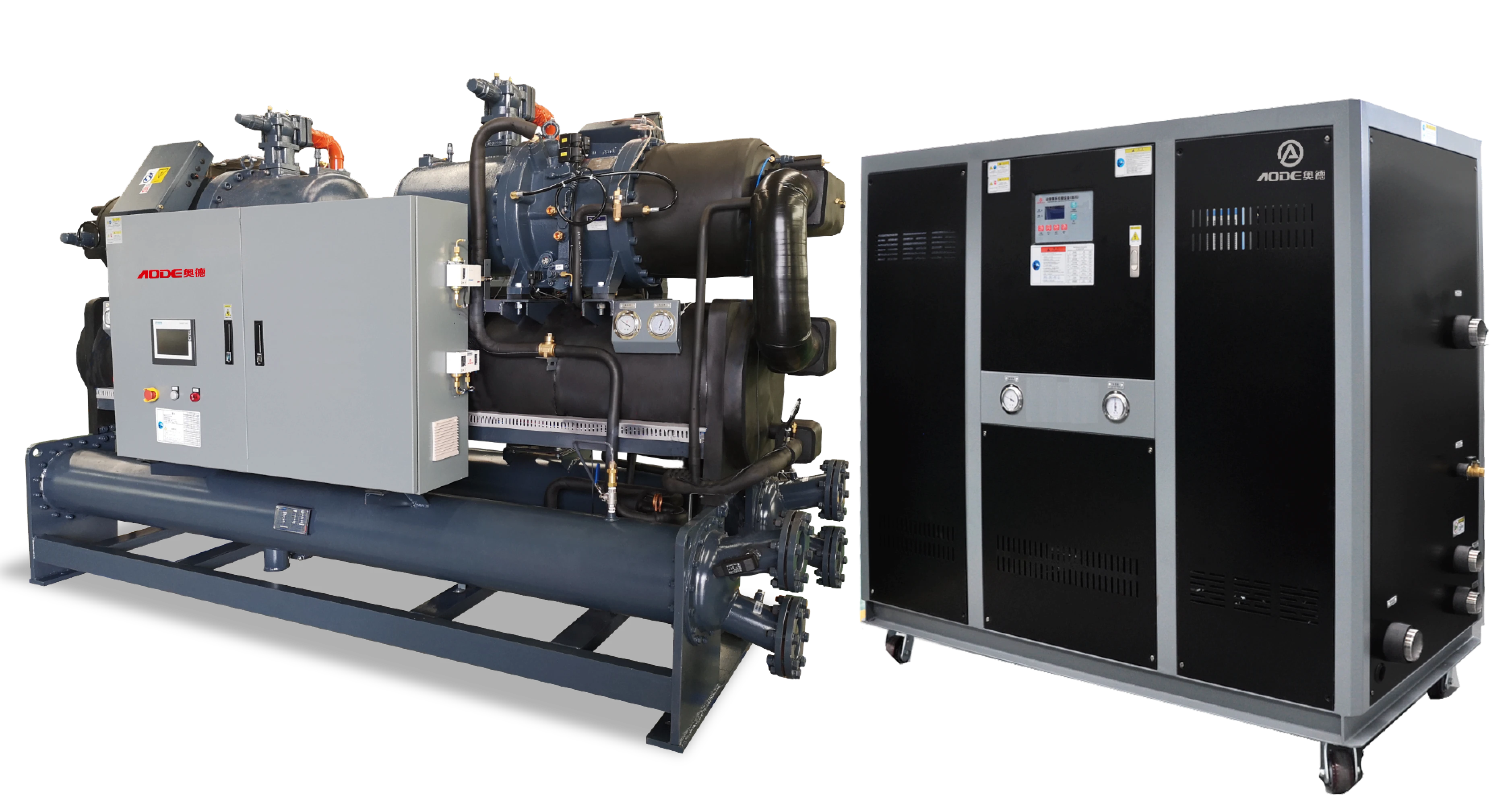
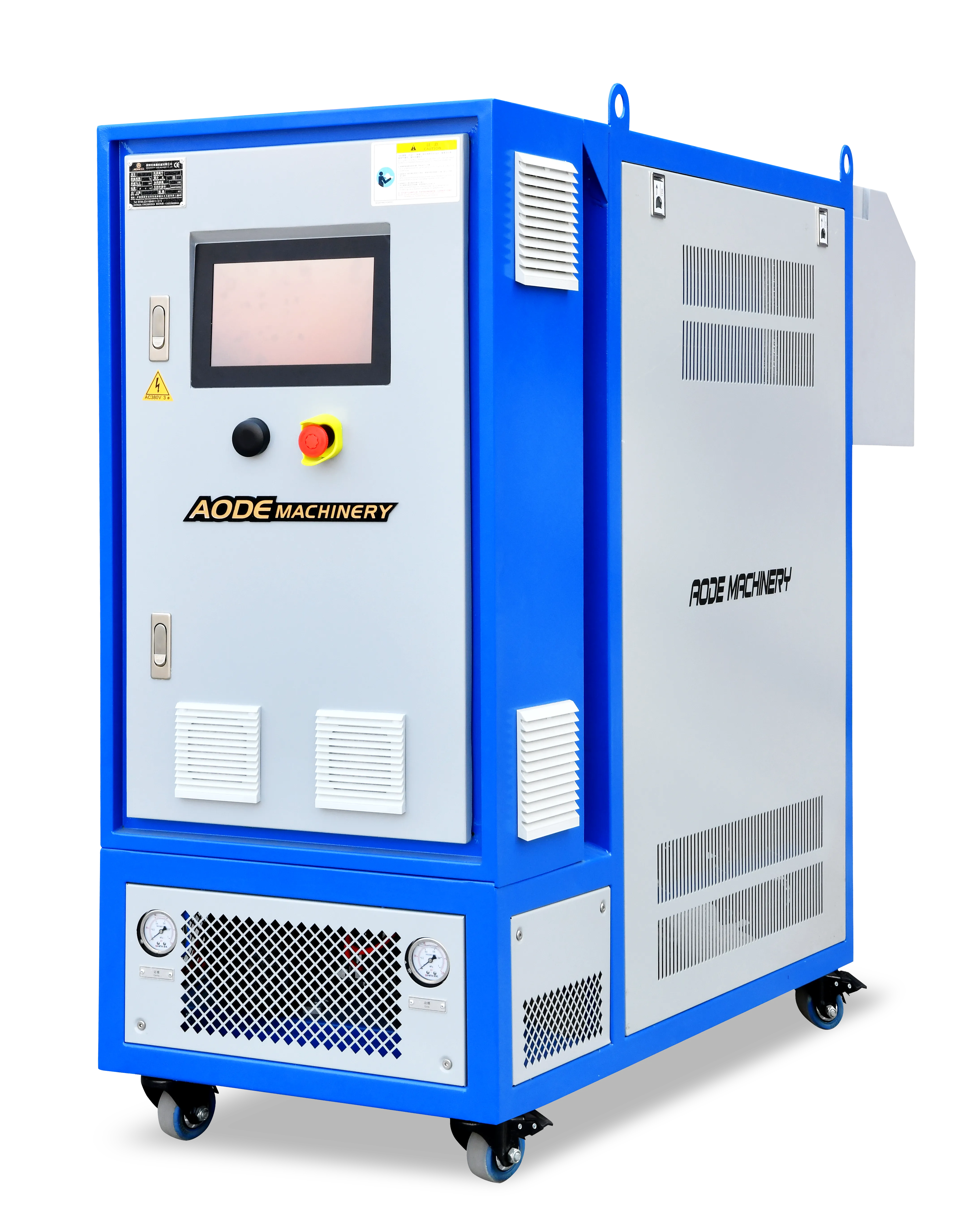
High Gloss Mold Temperature Controller Related Products
FAQ
What support can AODE provide for implementing steam mold temperature control solutions?
AODE provides steam mold temperature control solutions based on actual molding requirements, including equipment configuration, temperature control design, and system matching. The solution can be adjusted according to factors such as injection material, mold structure, surface quality requirements, and production conditions to help manufacturers achieve more stable high-quality molding results.
How should manufacturers select the suitable BWS model for their injection molding production?
Model selection depends on factors such as mold size, product structure, material characteristics, and required heating performance. The BWS series provides different configurations with total power options of 65kW, 106kW, and 157kW, allowing manufacturers to select a suitable system according to their production scale and molding requirements.
How does the BWS system switch between steam heating and cooling during injection molding?
The BWS system controls steam heating and cooling water circulation according to different stages of the molding cycle. Steam is used to raise the mold temperature before or during filling, while cooling water removes heat after molding. PLC and HMI control allow operators to adjust the process according to production requirements.
Can high gloss injection molding reduce the need for painting after using this system?
For suitable applications, a high gloss mold temperature controller can help reduce secondary surface processing by improving the surface quality directly during molding. Better mold replication can achieve a smoother appearance, helping manufacturers reduce dependence on painting or coating processes for certain appearance-focused plastic products.
How is steam mold temperature control different from traditional hot water mold temperature control?
The main difference is the heating method and response capability. A steam mold temperature control unit uses steam as the heat source, which can transfer heat to the mold more effectively during the heating stage. Compared with conventional hot water systems, steam-based control is more suitable for applications requiring higher mold surface temperature and better surface replication.
What molding defects can be improved by using a steam mold temperature controller?
A steam mold temperature controller is mainly used to improve appearance-related injection molding defects, including weld lines, silver marks, surface waviness, shrinkage marks, and floating fibers. By increasing mold temperature during the filling stage, the plastic melt remains more fluid and can better replicate the mold surface, improving the final appearance of molded parts.