



fajsdfjash ddsa dsa as sa sad sda sadfjsadjfl jsadjk fjasdlkfjaskdfdklsaj klf
jsadj
asjdklj falsdjf
jaklj
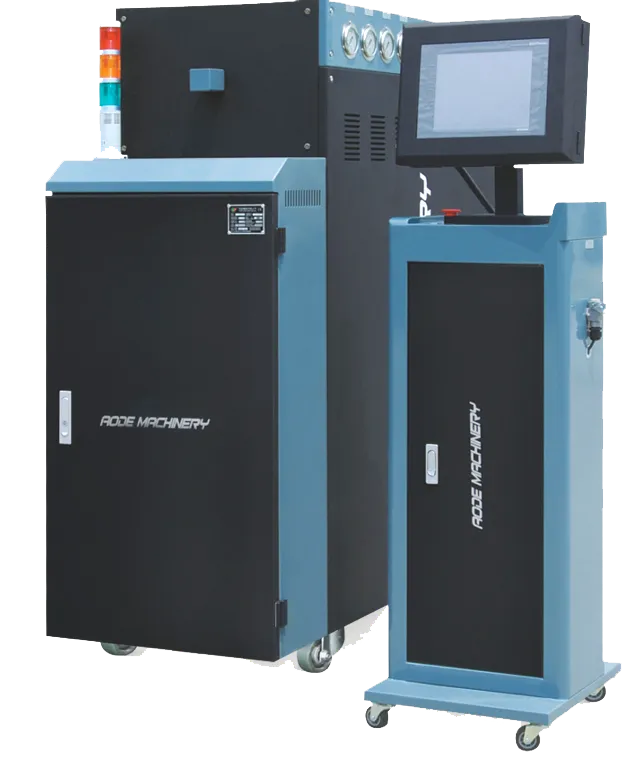
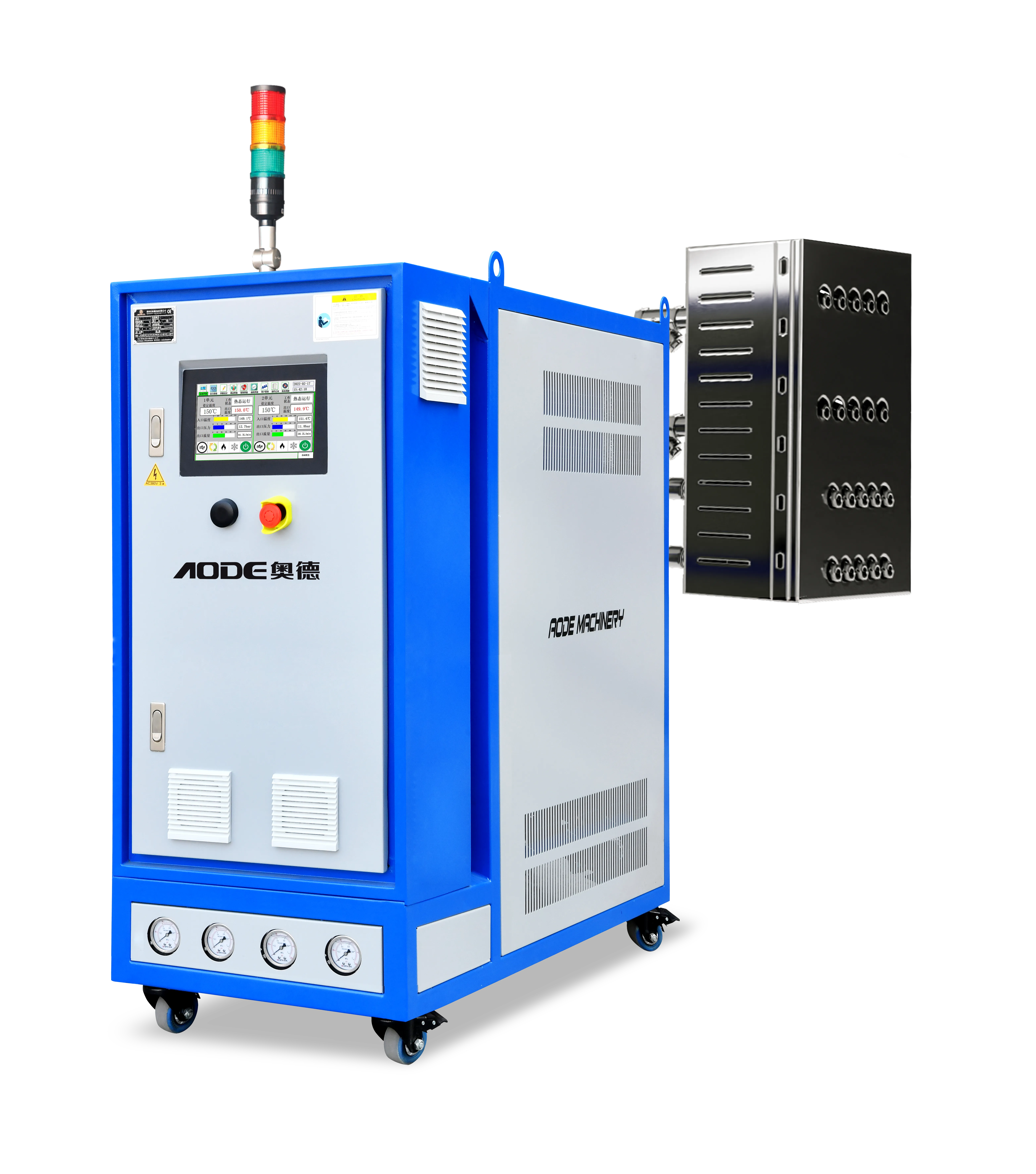
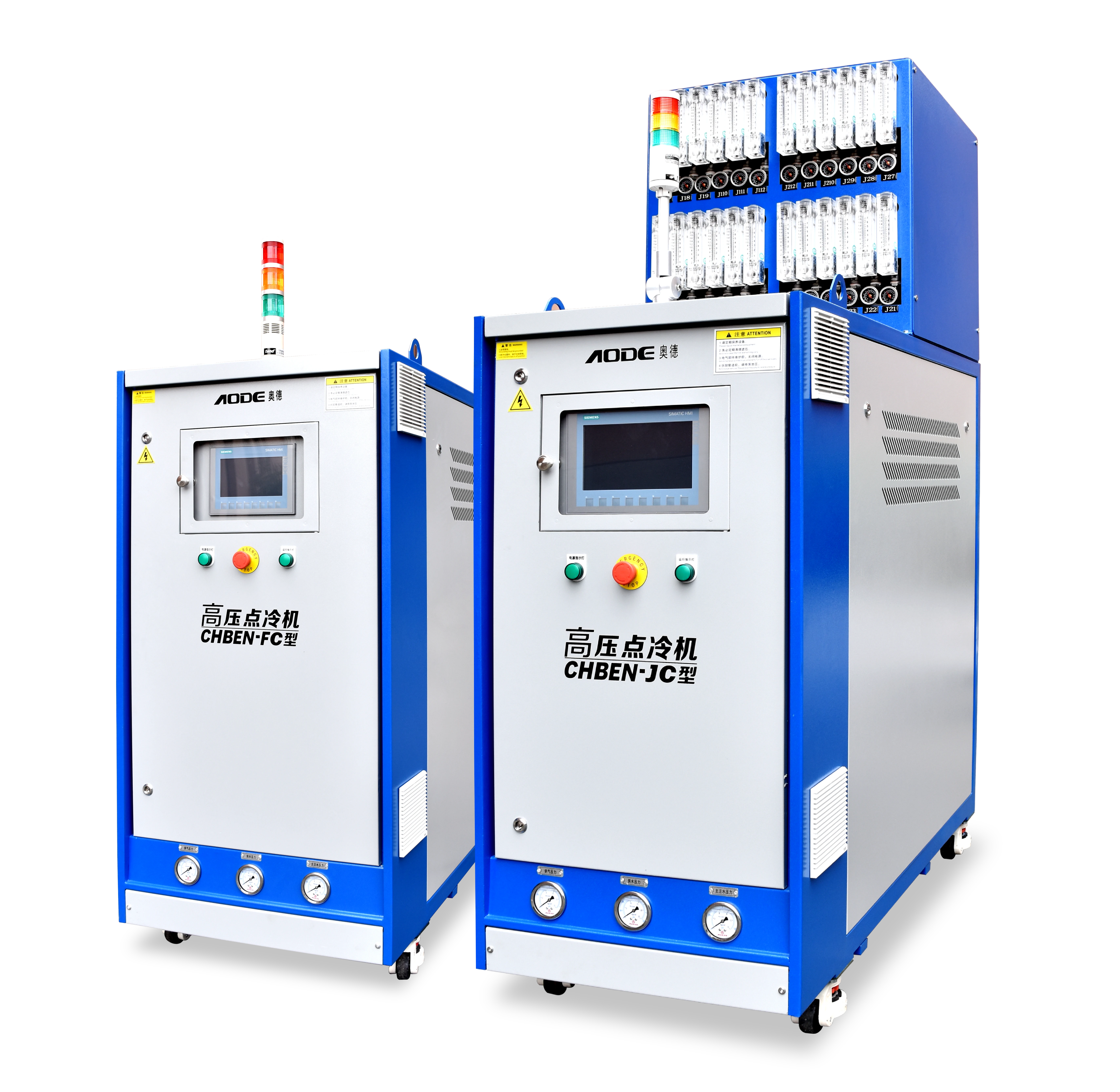
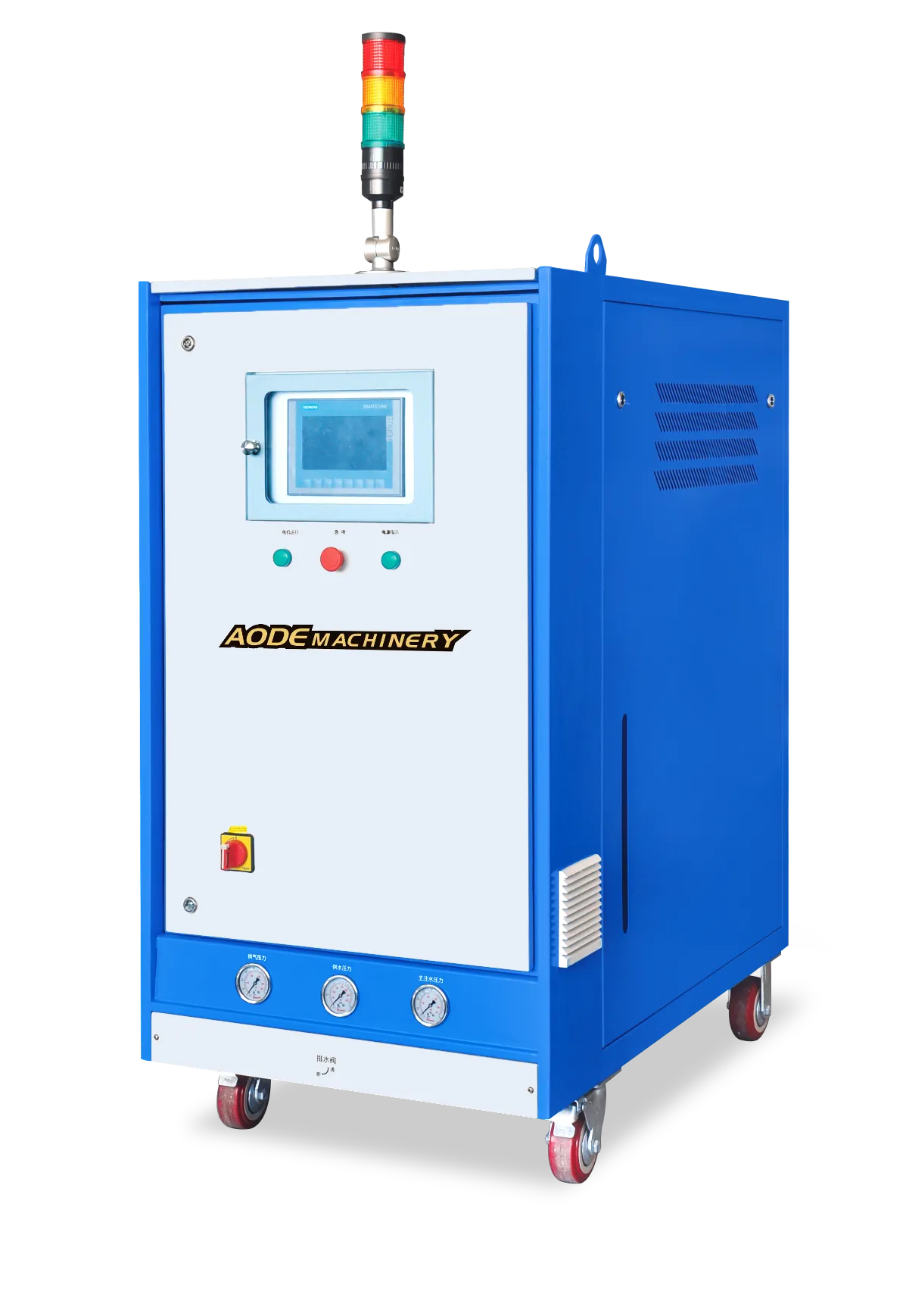
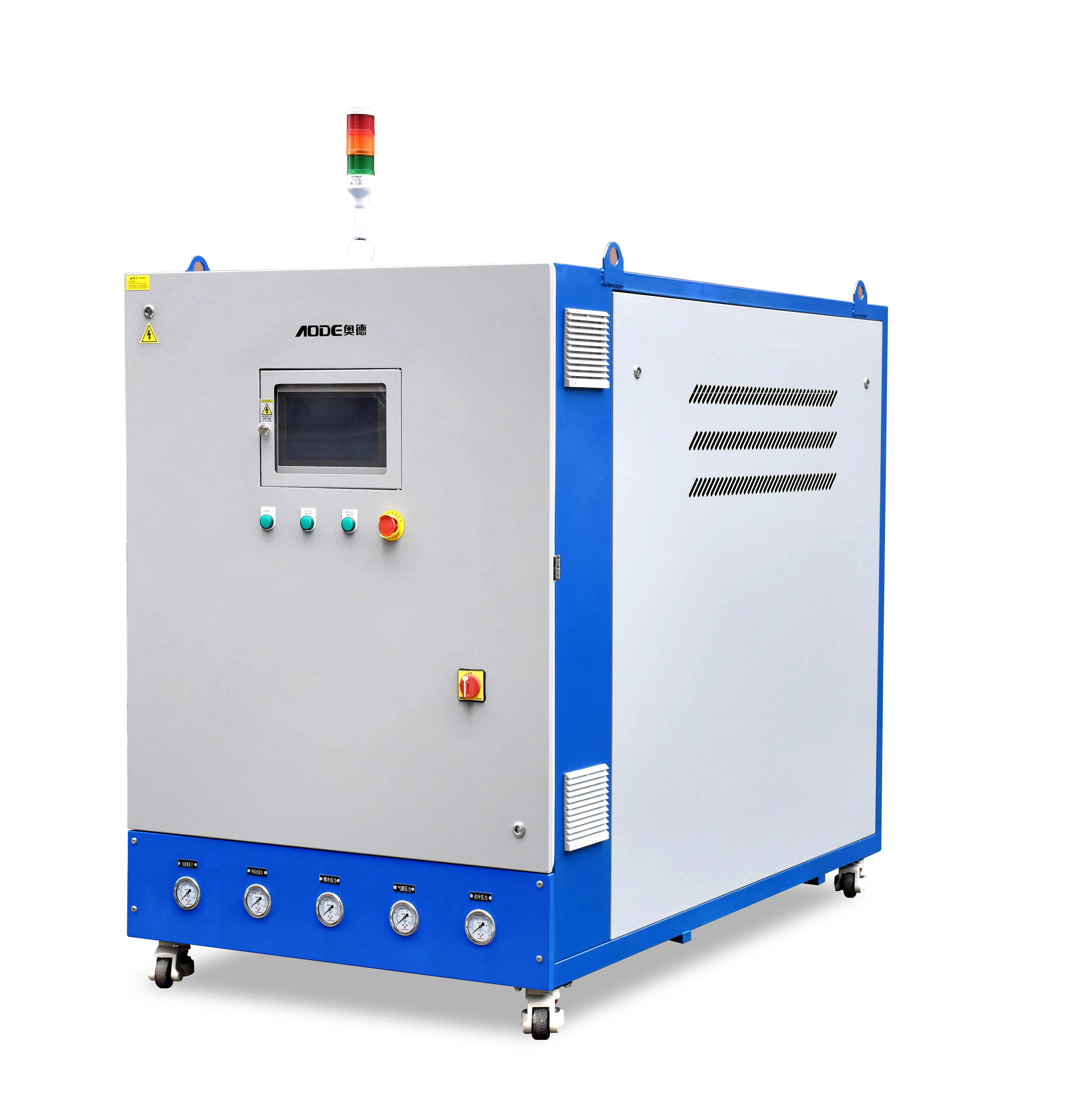
AFCH Series Steam Fast Heating and Cooling Mold Temperature Control Unit
Temp Control Range: +25℃  +180℃
+180℃
Features
Eliminate the product surface soluble wiring and melted warks
Increase the liquidity and fill effects of the plastic
Improve the surface gloss, the surface roughness is imilar to the mirror.
Products do not need to spray paint processing, increas the finishedproducts rate by 20-30%.
Solve the fiber products floating fiber problem, make the product quality perfect
Request a Quote
Fast Heating Cooling Mold Temperature Controller Specifications
| ITEM | UNIT | AFCH-1600 |
| Power supply | V/Hz | AC 3N-380/400V-50Hz(3phase+Earth) |
| Total power | kw | 3.06 |
| Control mode | / | PLC & Human-Machine Interface (HMI) |
| Hot-Cold conversion speed | S | 15-50 |
| Cooling water pump power | kw | 3 |
| Cooling water inlet dimension | inch | 1-1/2 |
| Steam inlet diameter | inch | 1-1/2 |
| Steam circling system diameter | inch | 1-1/2 |
| Size(L×W×H) | mm | 1375*550*1570 |
Related Products
FAQ
Why choose AODE’s fast heating and cooling mold temperature control unit for injection molding applications?
AODE’s fast heating and cooling mold temperature control unit is designed for injection molding processes that require both surface quality improvement and production efficiency optimization. The system integrates rapid hot-cold conversion, PLC and HMI control, and customized temperature control solutions based on different mold requirements. With professional temperature control experience, AODE can provide suitable configurations according to product structure, molding conditions, and production targets.
How does the AFCH system coordinate steam heating and cooling water for rapid temperature changes?
The AFCH system uses steam heating and cooling water circuits to achieve rapid temperature switching during the molding process. Steam provides fast heat input to raise the mold temperature before injection, while cooling water removes heat after molding. The coordinated control of these two processes enables faster mold temperature adjustment compared with traditional single-temperature control methods.
What types of injection molded parts benefit from fast heating and cooling mold temperature control?
Fast heating and cooling technology is suitable for injection molded parts where appearance quality and molding consistency are important. Typical applications include high-gloss plastic parts, products with complex flow paths, and fiber-filled materials where floating fiber defects may affect the final appearance. The technology helps improve finished product quality while reducing additional surface treatment requirements.
How quickly can the AFCH series switch between heating and cooling modes?
The AFCH series is designed for rapid temperature conversion, with a hot-cold conversion speed of approximately 15-50 seconds depending on operating conditions. This fast response allows the mold temperature to be adjusted within a short period between heating and cooling stages, helping manufacturers maintain stable molding conditions without significantly affecting the production cycle.
How does a fast heating cooling mold temperature controller improve the surface quality of molded products?
A fast heating cooling mold temperature controller improves surface quality by controlling the mold temperature at different stages of the injection cycle. Higher mold temperature during filling helps the resin flow evenly and reduces visible defects such as weld marks and surface roughness. Rapid cooling after filling then helps maintain production efficiency while achieving better appearance quality.
Can a fast heating and cooling mold temperature controller solve weld lines and poor surface finish problems in injection molding?
A fast heating cooling mold temperature controller can help reduce common injection molding defects related to insufficient mold temperature during filling. By rapidly increasing the mold surface temperature before injection, the molten plastic can flow more smoothly and fill complex structures more effectively, helping reduce weld lines, improve surface gloss, and minimize issues such as floating fibers on fiber-reinforced plastic parts.