
fajsdfjash ddsa dsa as sa sad sda sadfjsadjfl jsadjk fjasdlkfjaskdfdklsaj klf
jsadj
asjdklj falsdjf
jaklj

Products
What Is an Industrial Chiller? A Complete Guide to Types, Working Principles, and Applications
24 April 2026
Author:
share:


In this guide, we will walk through what an industrial chiller is, how it works, the main types available, where it is commonly used, and how to choose the right system for your process.
Table of Contents
What Is an Industrial Chiller?
How Does an Industrial Chiller System Work?
Main Types of Industrial Chiller Units
Where Are Industrial Chillers Used?
How to Choose the Right Industrial Process Chiller
Common Questions About Industrial Water Chiller Systems
Conclusion
What is an industrial chiller?
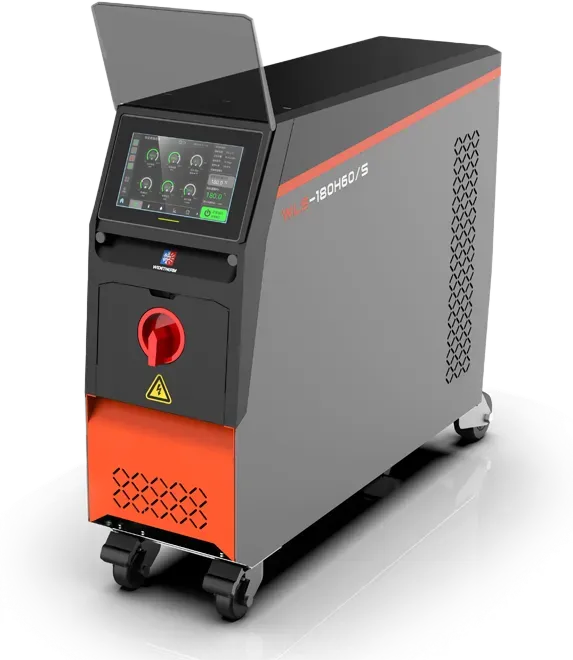
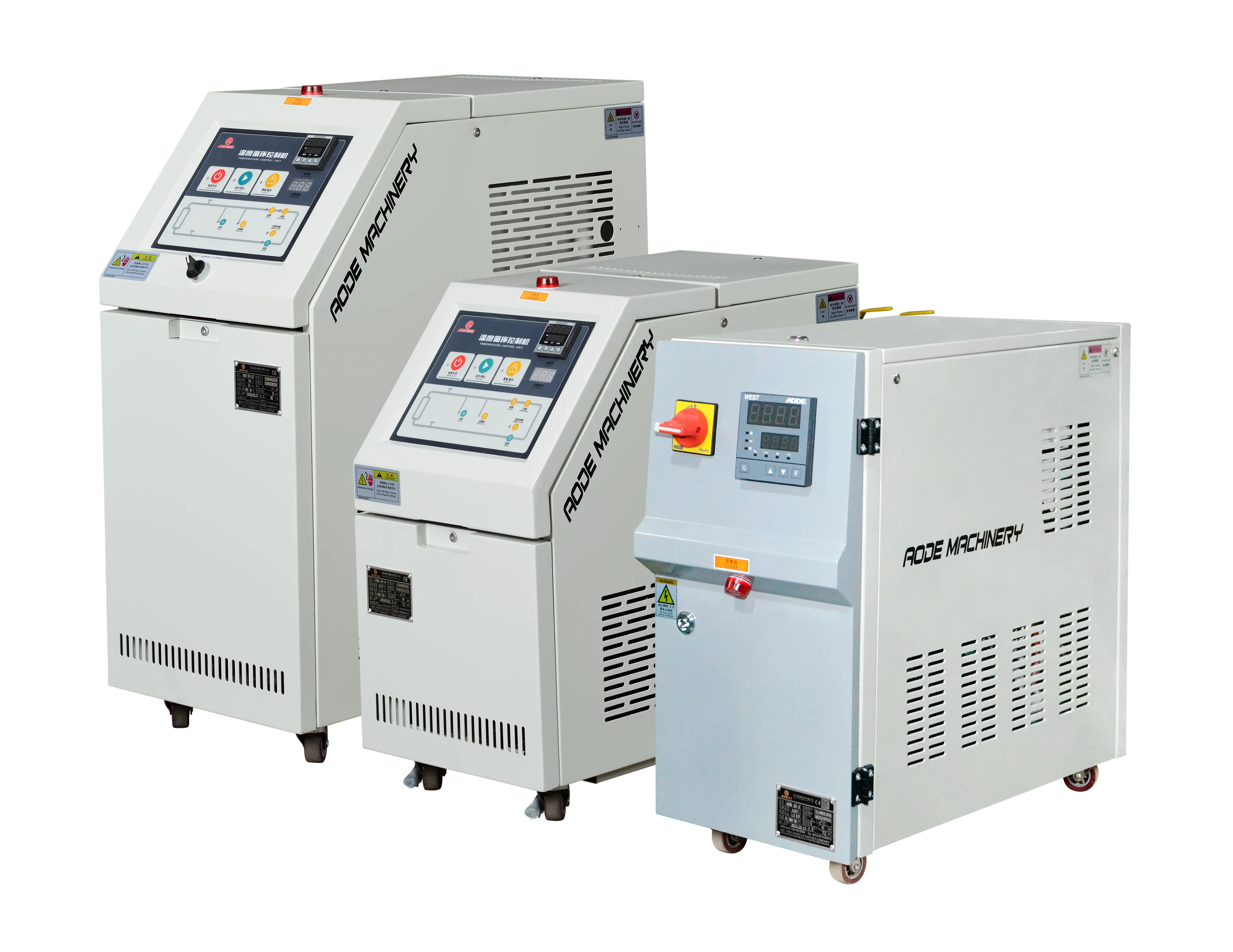
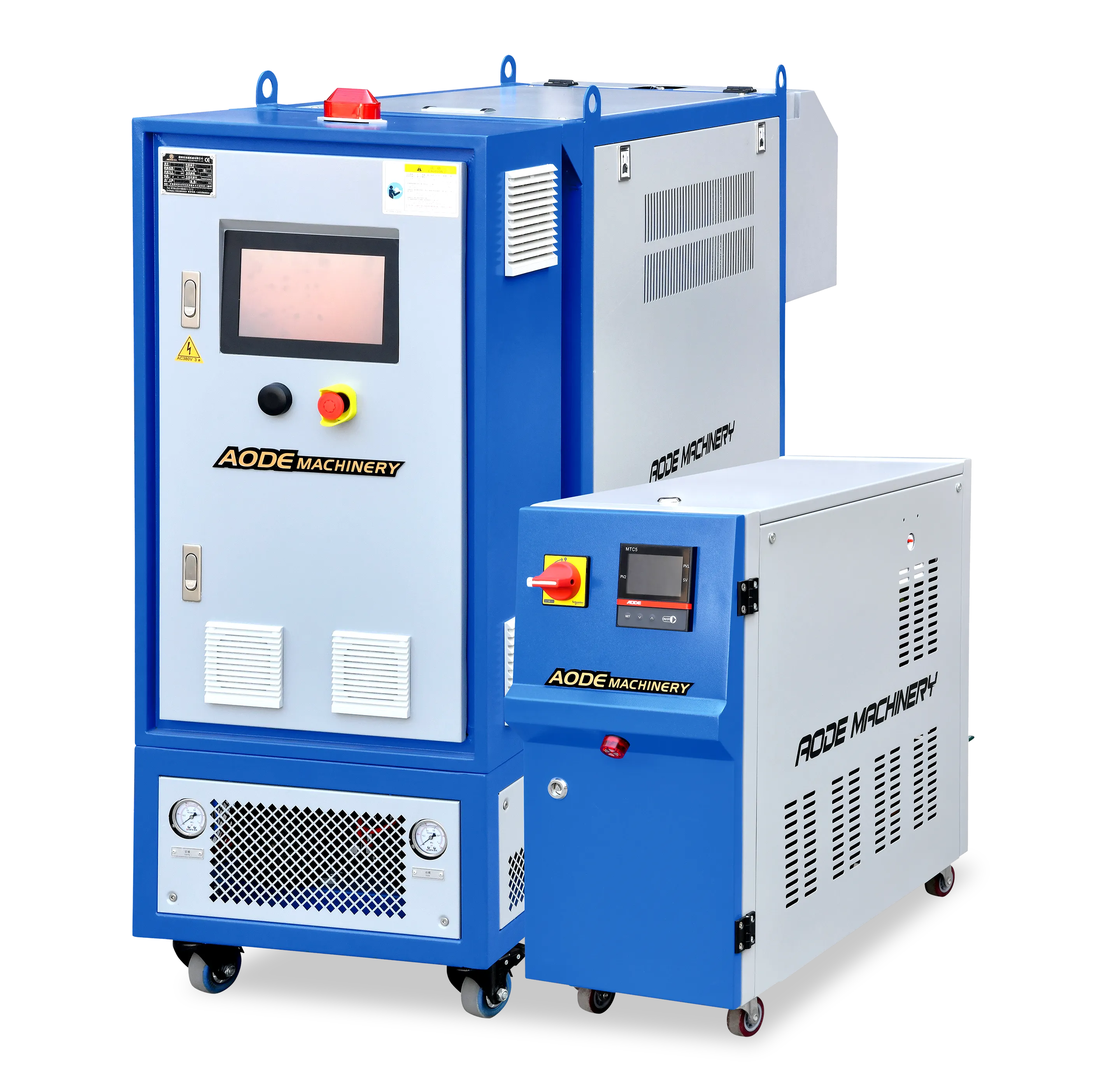
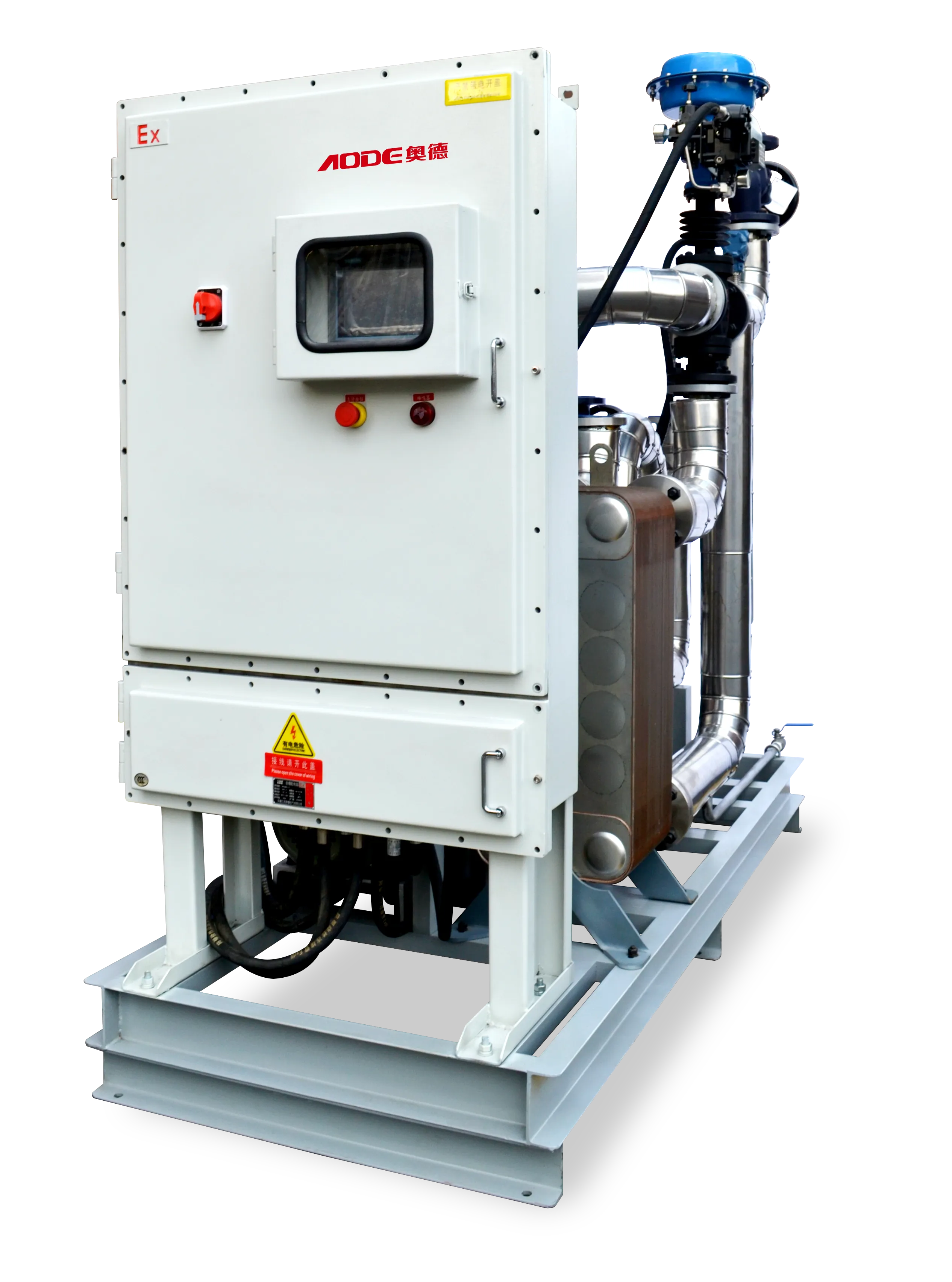
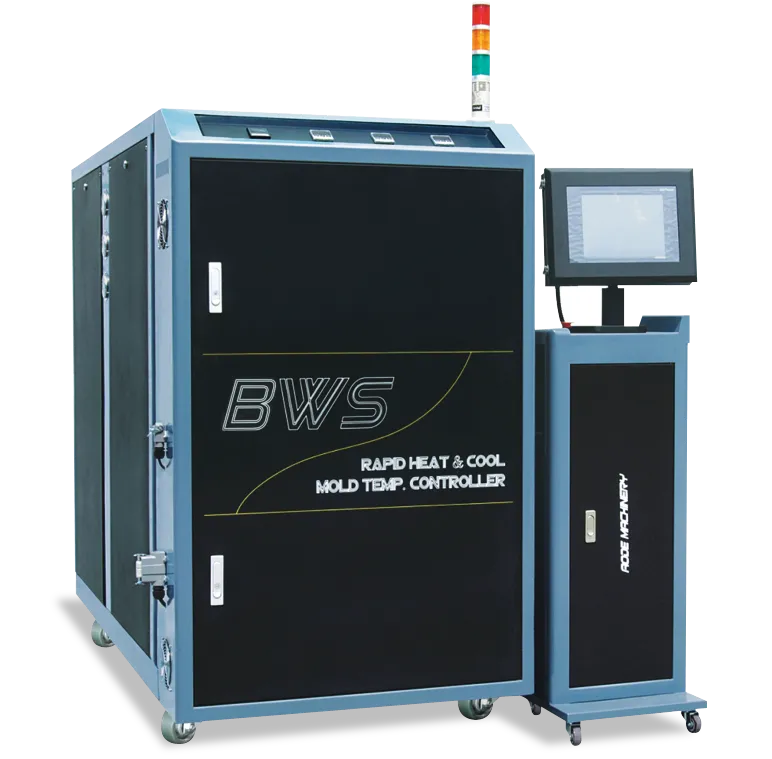
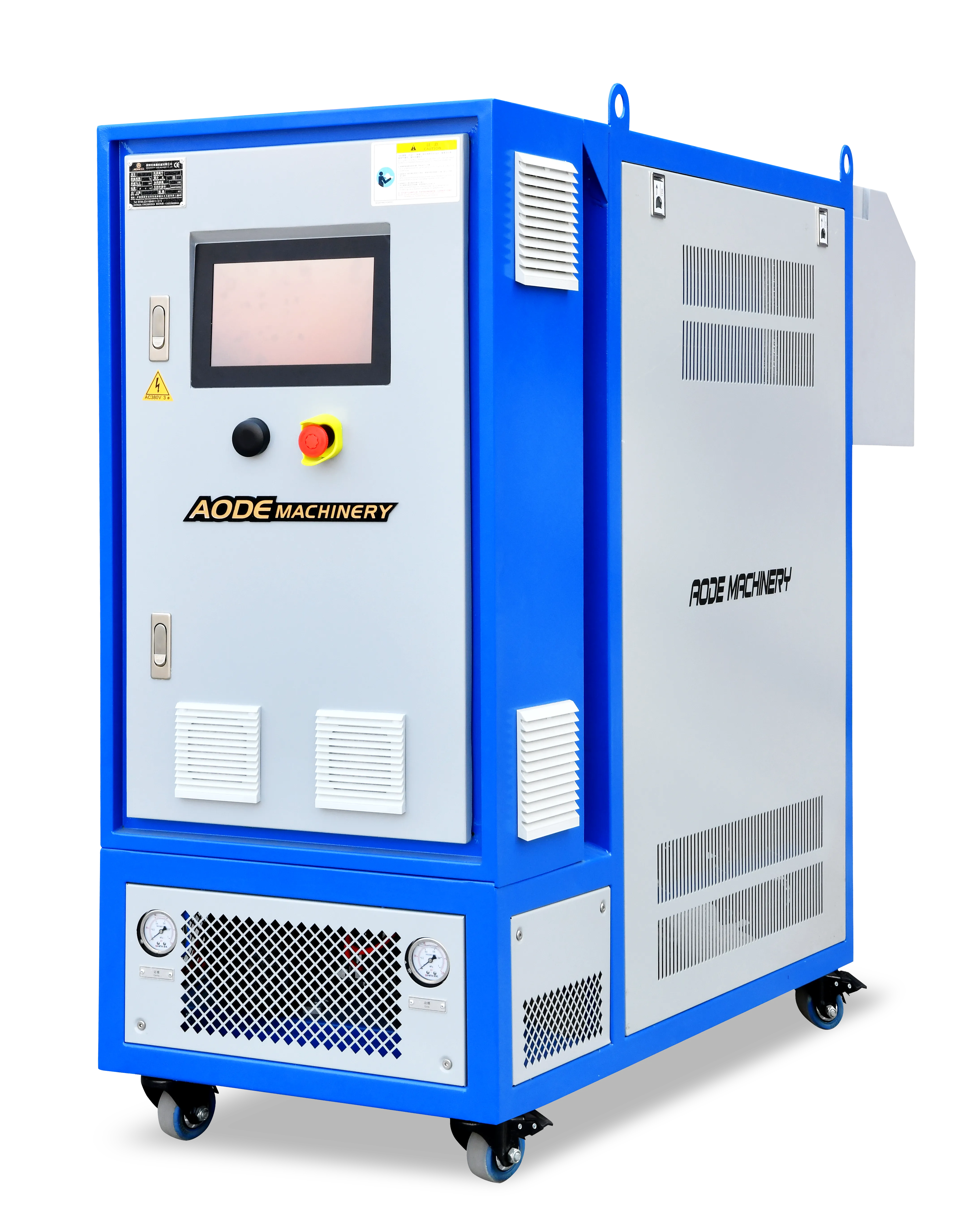
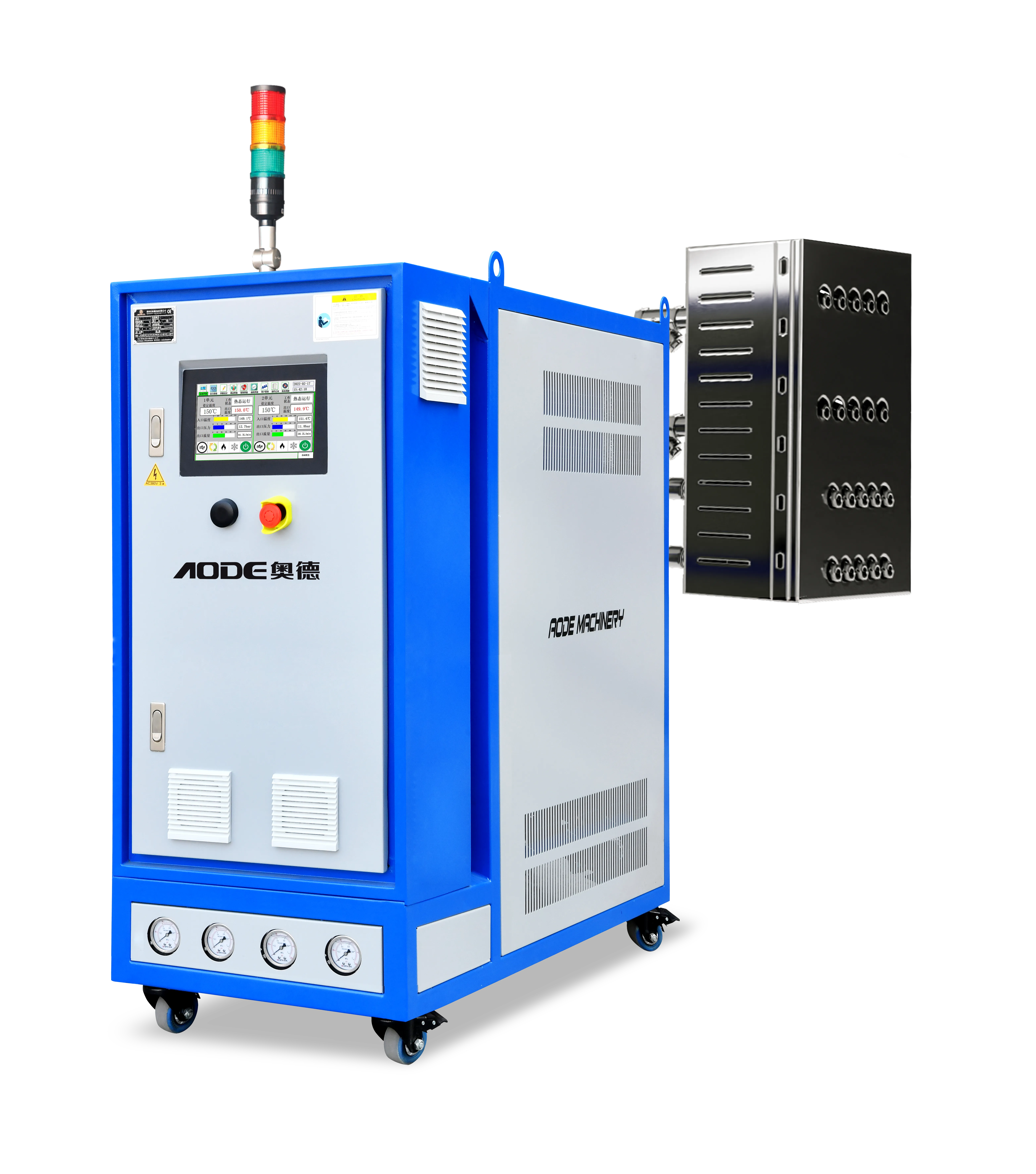
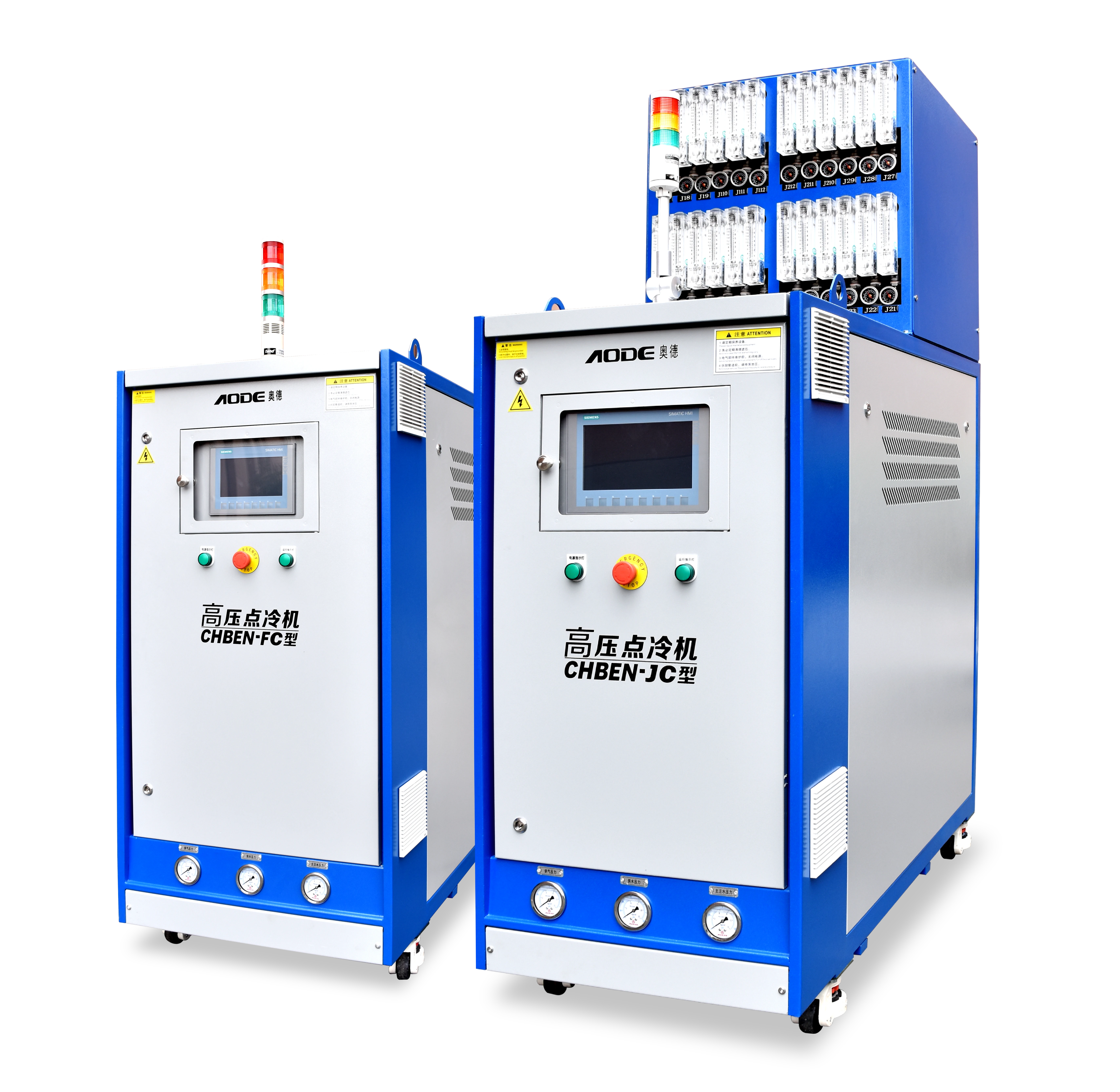
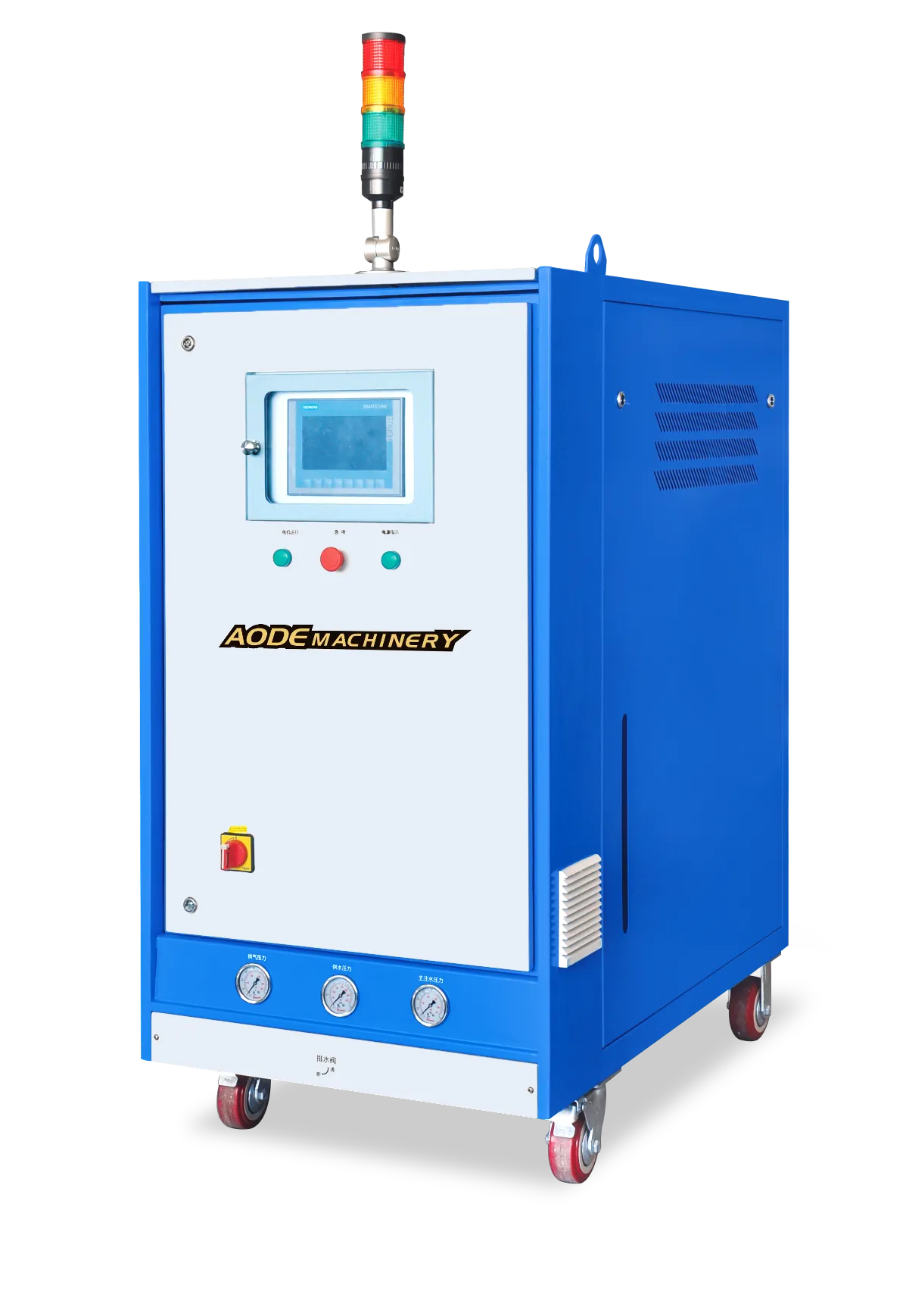
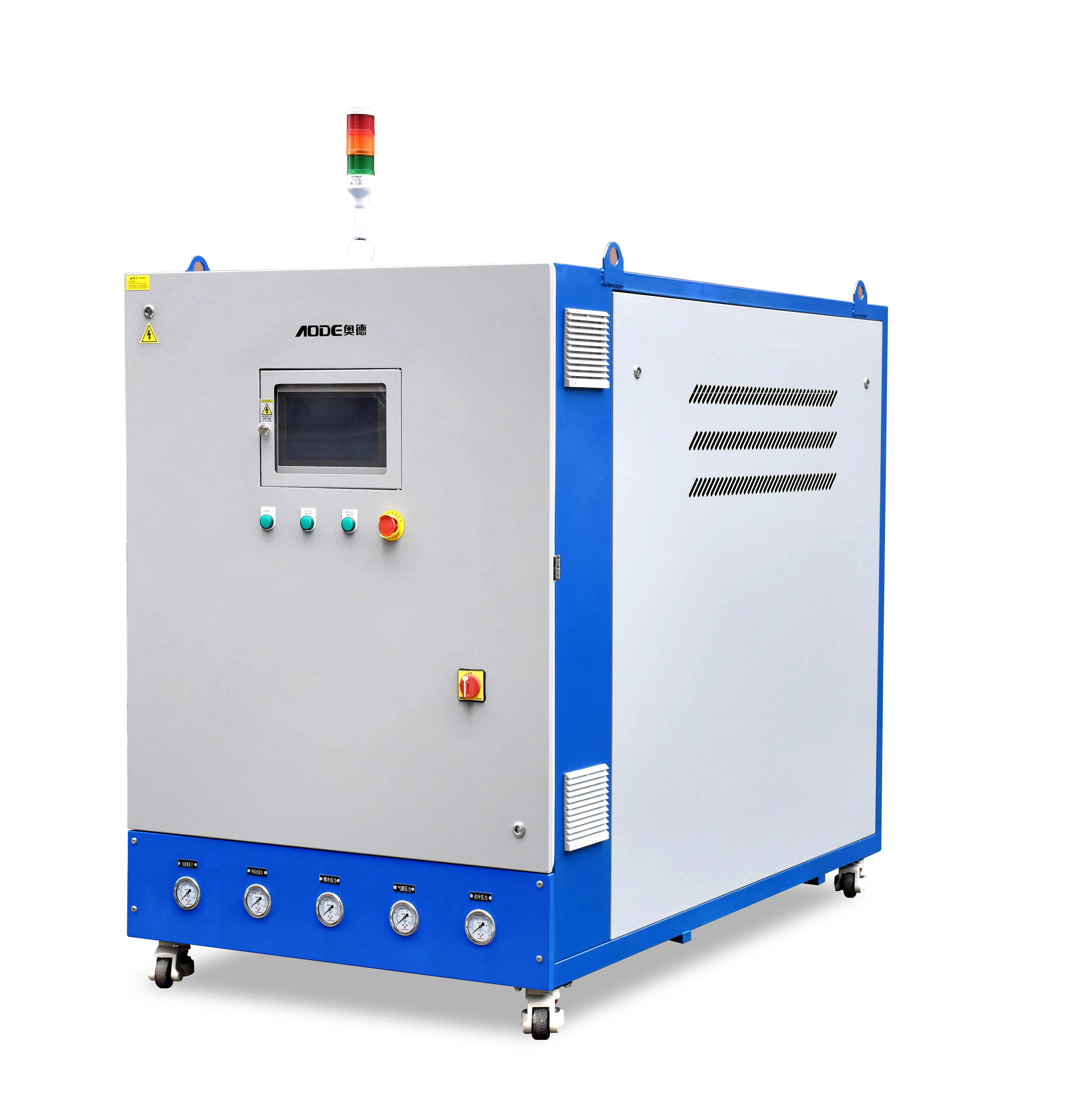
An industrial chiller is a device that takes away the excess heat generated during the production process, allowing equipment, molds, liquids, or products to maintain an appropriate and stable temperature. Simply put, it is a device specifically responsible for “carrying heat away.” A chiller cools water or a water-glycol solution, and then these cooling liquids are pumped into the equipment that needs to be cooled. These cooling liquids then take away the heat from that equipment, and after the liquid temperature rises, it returns to the chiller, where the chiller expels the heat again. This process continues in a cycle. It can not only ensure product quality, but also protect equipment.
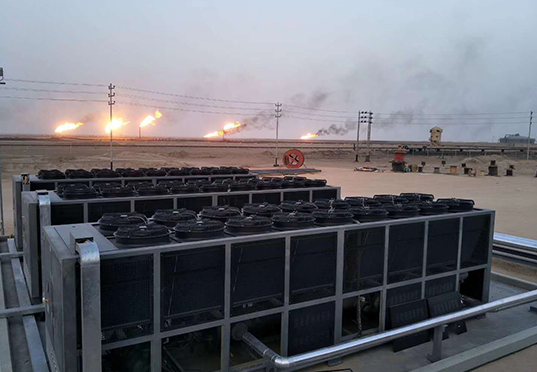
This sounds simple, but its value is very great. In manufacturing, many manufacturing devices generate heat once they are turned on, and different stages will all produce heat. For example, molds will become hotter and hotter during repeated forming, and the temperature will rise when mechanical equipment and hydraulic systems are operating, etc. All of these require the help of chillers, so chillers not only have a “cooling” function, they are actually also helping factories improve production stability and reduce downtime and failures, thereby reducing cost consumption.
A question that beginners often ask is: “Is an industrial chiller the same as a household air-conditioning chiller?” Not exactly. In fact, the core refrigeration logic of these two machines may have similarities, but the cooling objects they face are different, and their core functions are also different. The main cooling object of household air conditioners is people, and they are meant to make people feel comfortable, while industrial chillers mainly keep the production process stable. Just in terms of temperature control alone, the temperature control accuracy of industrial chillers can reach ±2°C, and the requirements for precision are relatively strict, while household air conditioners do not have that, and there is even less requirement for temperature control accuracy.
How does an industrial chiller system work?
The core of most chiller systems is a closed refrigeration cycle. Industrial chiller systems usually have four core components: evaporator, compressor, condenser, and expansion valve.
1.Basic working principle
The simplest process is as follows:
Process heat→Evaporator→Refrigerant absorbs heat→Compressor pressurizes→Condenser releases heat→Expansion valve reduces pressure→Cycle repeats
In the evaporator, its core function is to be responsible for “absorbing heat.” It takes away the heat in the process water, and the process water is cooled down. Then the compressor is responsible for compressing the refrigerant gas that has absorbed heat into a high-temperature, high-pressure state, and then sending it to the condenser. The condenser then expels the heat on the refrigerant to the outside world, and through the expansion valve reduces the pressure, while also controlling the flow of the evaporator.
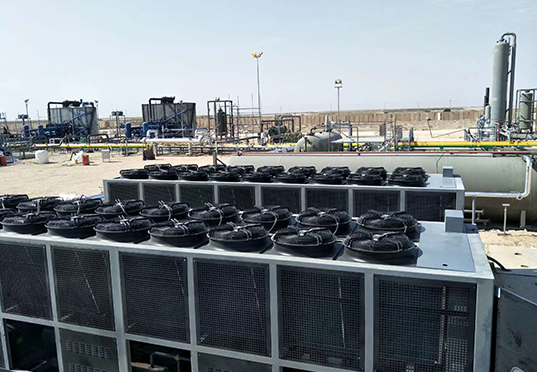
The following table simply explains the functions and importance of the core components of the chiller:
2. Main components of industrial chiller units
Component | Function | Why it is important |
Evaporator | Absorbs heat from process water or water-glycol solution | Directly affects cooling stability |
Compressor | Increases refrigerant pressure and drives the cycle | Has a great impact on efficiency and cooling capacity |
Condenser | Releases heat into air, water, or evaporative medium | Determines system type and utility requirements |
Expansion valve | Controls refrigerant flow and pressure drop | Helps maintain stable refrigerant control |
Main types of industrial chiller units
The most common classification method for industrial chiller units is according to their heat rejection method. They can be divided into three types: air-cooled, water-cooled, and evaporatively cooled. This is also the most practical way to compare different chillers, because these methods will directly affect the installation requirements, operating efficiency, maintenance needs, and on-site utility configuration of industrial chillers.
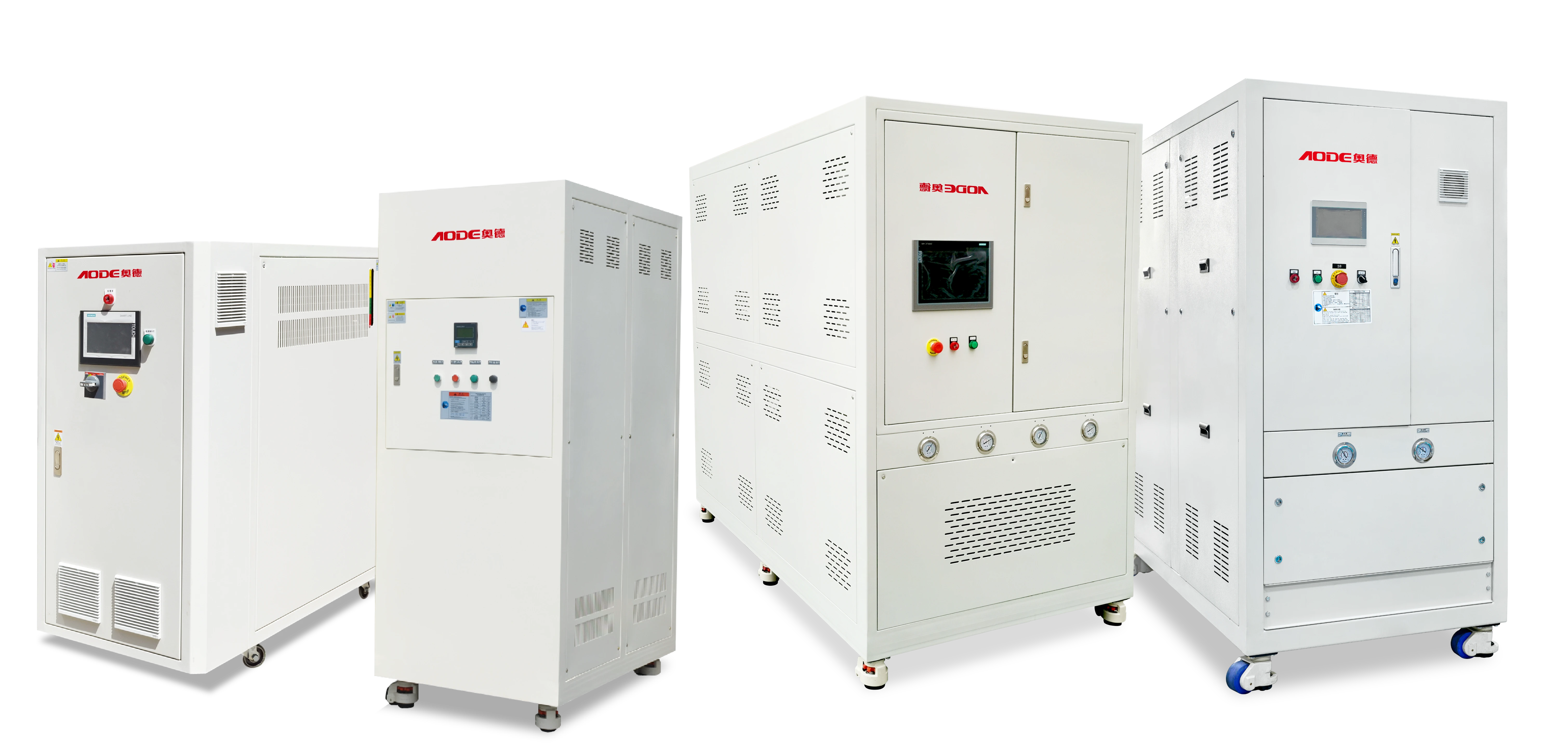
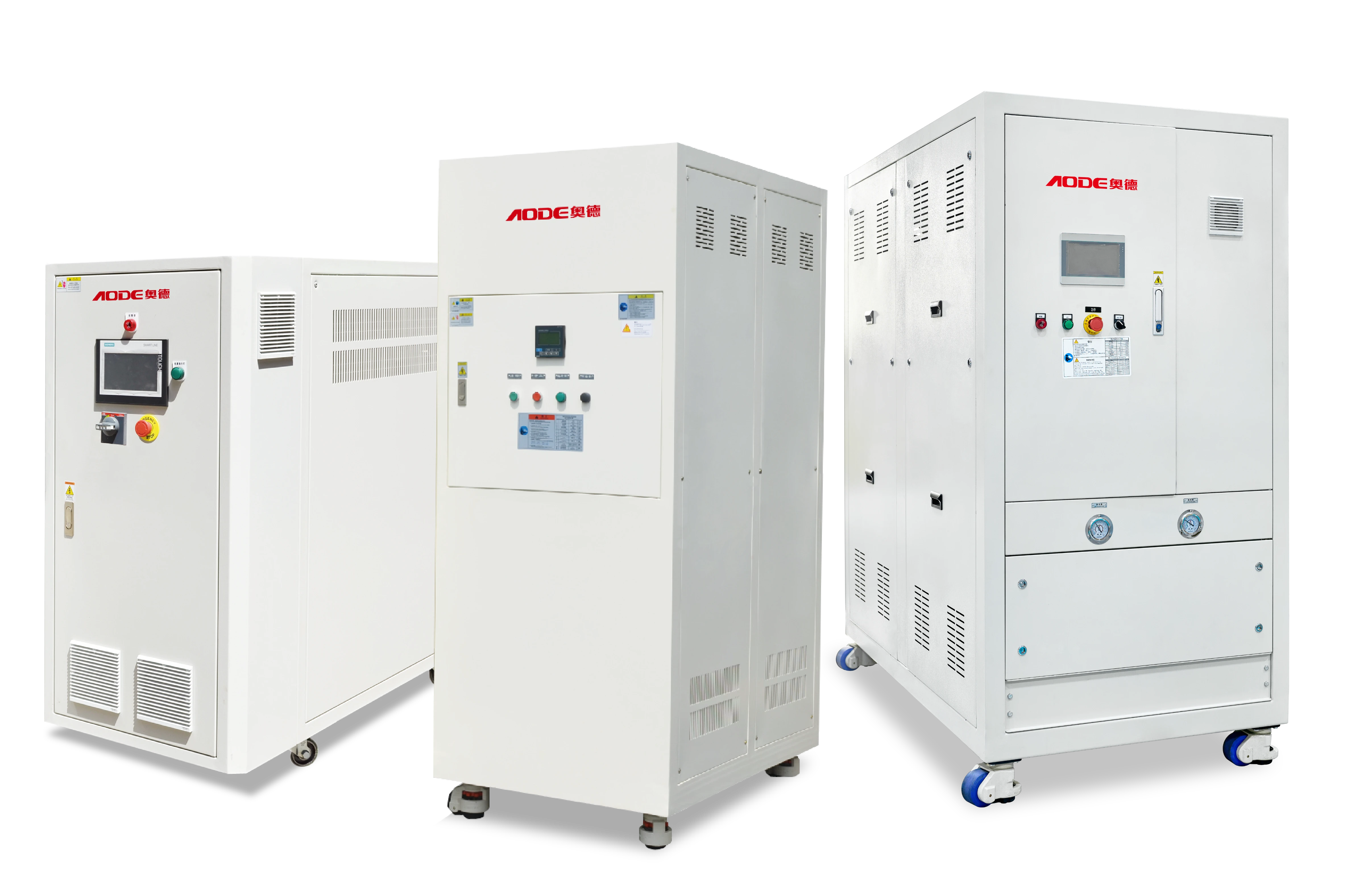
In addition to being classified by heat rejection method, chillers can also be grouped by compressor type, such as scroll, screw, reciprocating, and centrifugal. Under more specialized industrial applications, the temperature requirements are also relatively high, and AODE has expanded this product to ultra-low-temperature chillers, with temperatures reaching -70°C to -100°C, so it can be said that AODE can not only meet ordinary industrial process cooling applications, but can also meet higher professional requirements.
Quick comparison table
Type | Heat rejection method | Best suited for | Main trade-off |
Air-cooled industrial chiller | Air blows across dry coil | Simple installation, no cooling tower required | More sensitive to ambient temperature |
Water-cooled industrial chiller | Condenser water loop | Large factories, continuous operation | More complex system |
Evaporatively cooled chiller | Water + air over wetted surface | Hot climates, packaged high-efficiency solutions | Requires makeup water and water treatment |
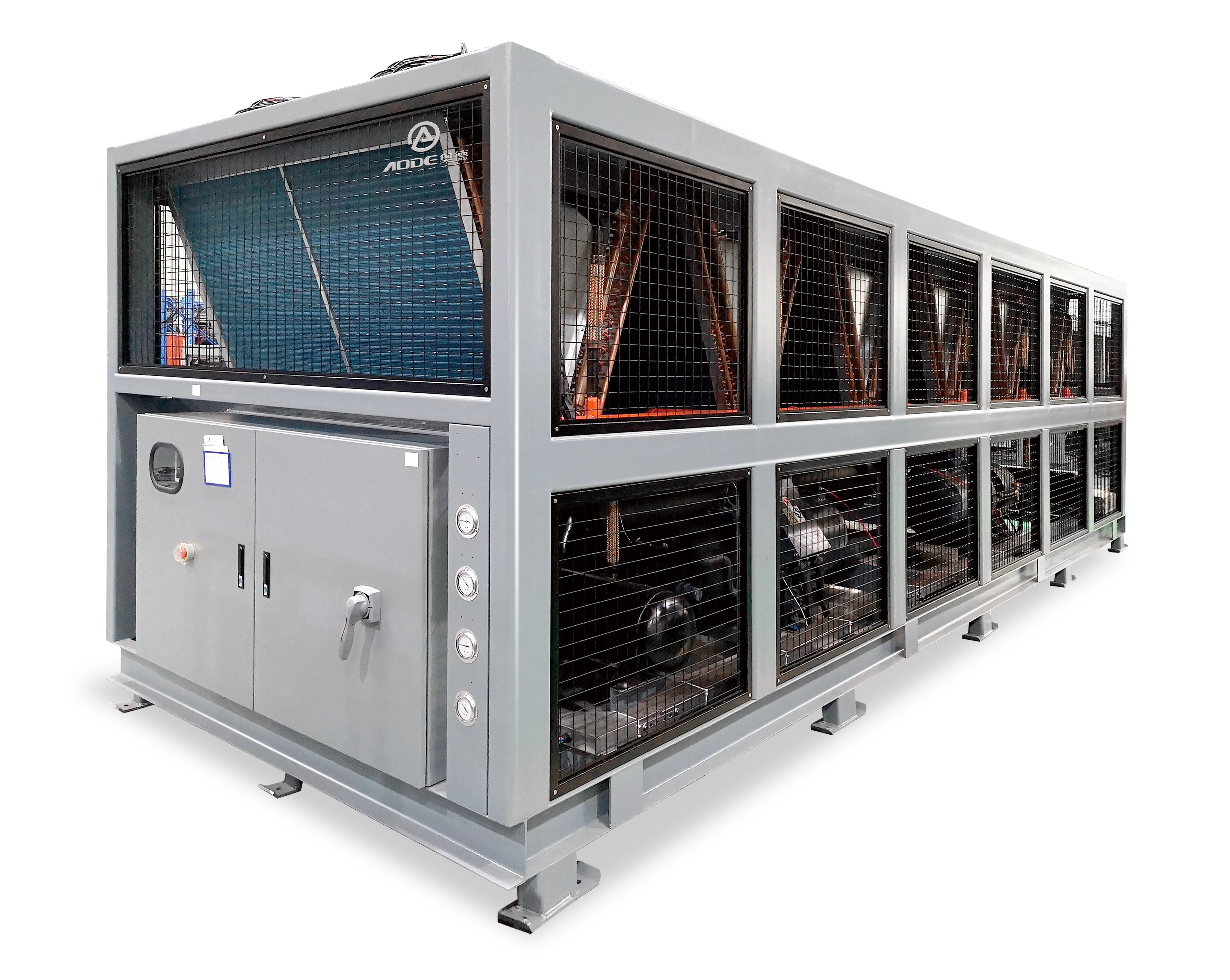
1.Air-cooled industrial chiller
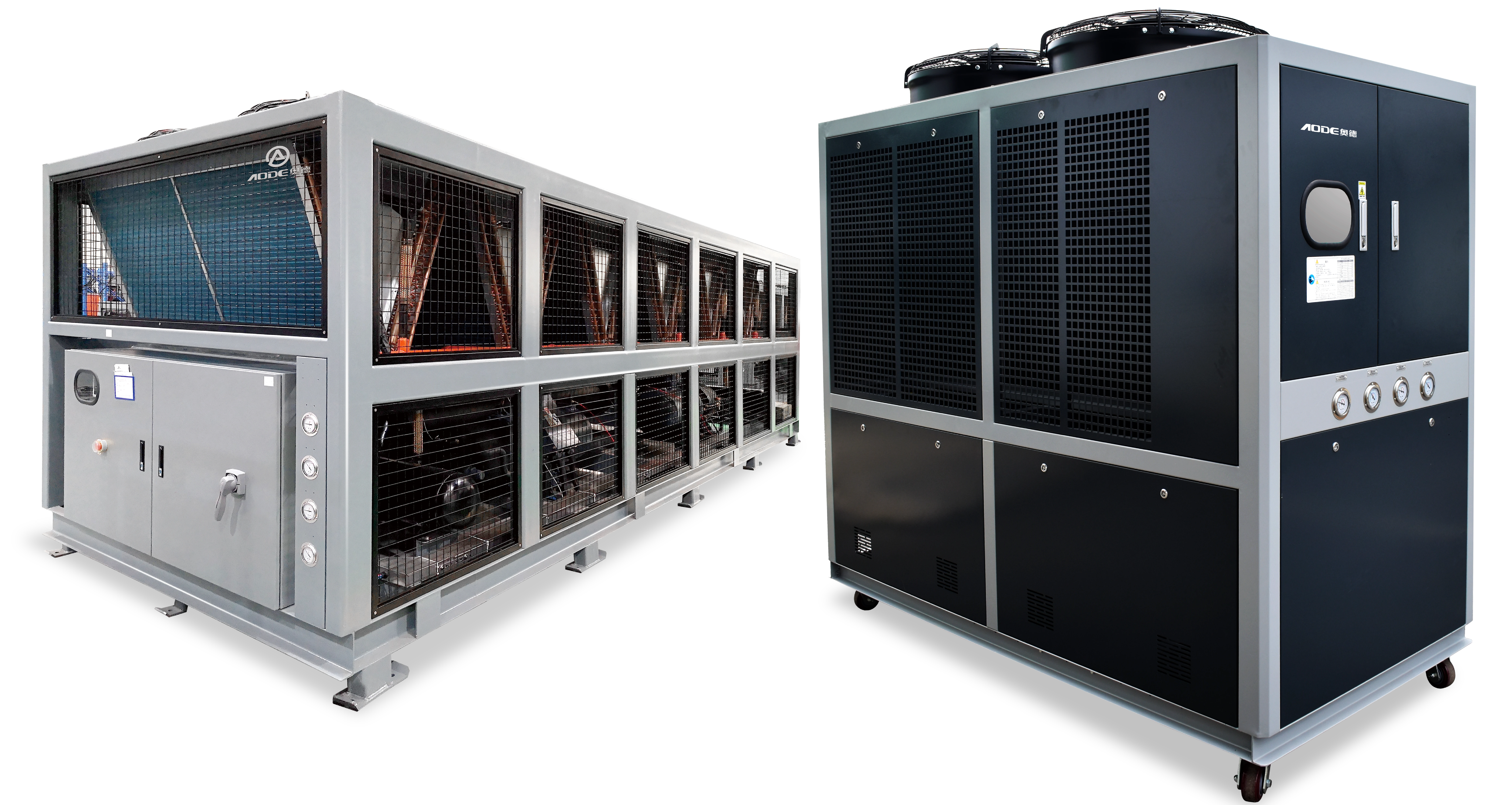
It mainly dissipates heat through air, using fans to blow the heat inside the machine into the outside air. Air-cooled chillers are relatively simple to install and can be used without a cooling tower. They are relatively suitable for small and medium-sized applications and scenarios with high requirements for installation convenience. However, they also have one disadvantage: the hotter the weather, the more easily the heat dissipation effect is affected.
2.Water-cooled industrial chiller
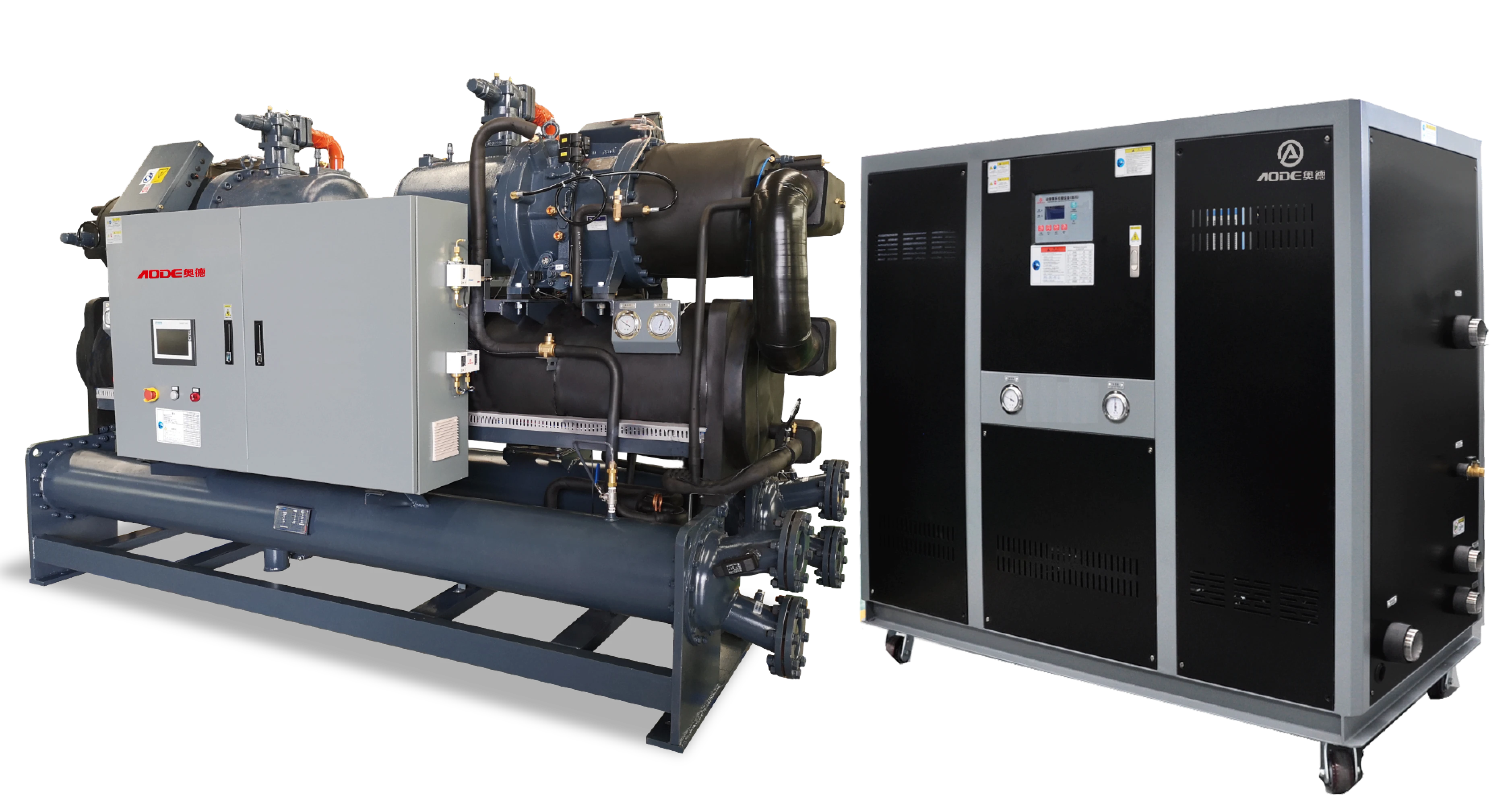
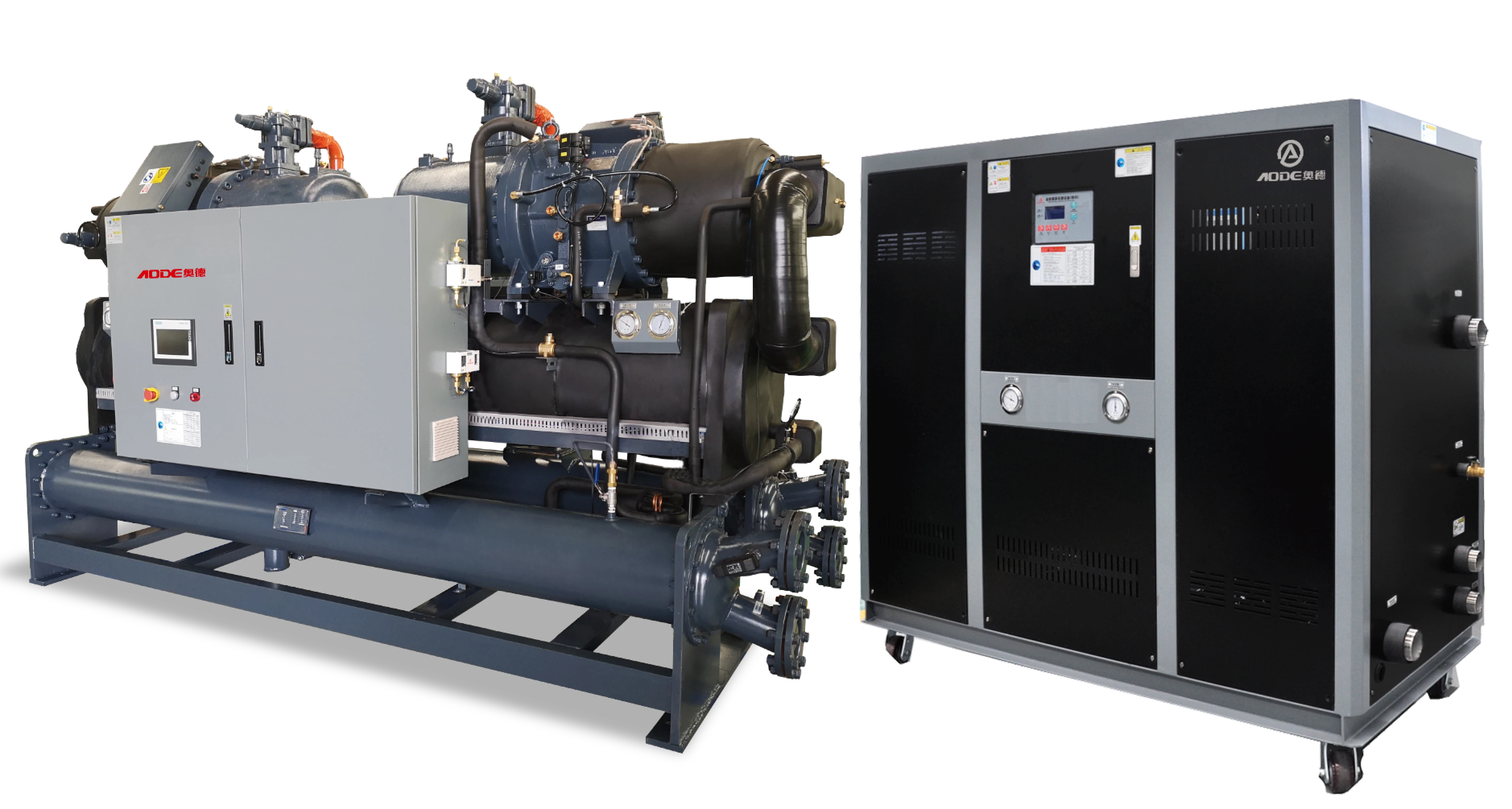
This chiller mainly dissipates heat through water. It first transfers the heat to another water system, and then discharges the heat through equipment such as a cooling tower. It is more suitable for large factories, heavy loads, and long-term operation. Water-cooled chillers generally operate relatively stably and perform well in high-temperature environments, but the system is more complex and requires more supporting equipment.
3.Evaporatively cooled chiller
The evaporatively cooled industrial chiller relies on “water + air” together for heat dissipation. It first lets water wet the heat dissipation surface, and then, together with air flow, quickly takes away the heat. Its heat dissipation efficiency is usually somewhat better than that of ordinary air cooling, and it is suitable for hotter environments, but it requires makeup water and water treatment.
In which fields are industrial chillers used?
Industrial chillers are widely used in various process cooling environments. The following table only gives some common examples:
Application field | Typical cooling objects |
Die casting | Oil/water circuits, die-casting temperature control circuits, workshop water supply systems |
Injection molding | Molds, auxiliary equipment, process water circulation |
Film and sheet processing | Dies, rolls, cooling tanks, calendering lines |
Semiconductor-related processes | Precision equipment cooling circuits, clean circulating systems |
Pharmaceutical and chemical processes | Reactors, process circuits, fluid cooling systems |
Automotive / electric vehicle component testing | Test benches, battery-related thermal management circuits, component validation systems |
Rubber, composites, packaging, printing and dyeing | Processing lines, forming equipment, continuous production circuits |
How to choose a suitable industrial process chiller
The key factors in choosing a suitable industrial chiller include heat load, temperature range, engineering conditions, and so on. For small and medium-sized factories, a standard air-cooled chiller may already be sufficient, but for larger-scale operations and processes with higher requirements, the requirements for industrial chillers will also become higher, and this needs to be determined according to the specific environment. Of course, not only these, we may also pay attention to refrigeration performance, process consistency, operational safety, and so on, and AODE’s industrial chillers are relatively outstanding in these aspects. Their cooling capacity is very sufficient and can ensure very good cooling performance, and the whole unit uses very solid and reliable materials. The unit adopts 1.0mm copper tubes, and the insulation effect is also very good, among other advantages, which can ensure consistency in the process.
Common Questions About Industrial Water Chiller Systems
1.Air-cooled vs. water-cooled: which should you choose?
Choose based on utilities, energy goals, footprint, and noise limits. Air-cooled units install faster and do not need a cooling tower, while water-cooled units are better where higher system efficiency and lower noise matter in continuous duty.
2.Can one chiller serve multiple machines?
Yes, if the loop is designed correctly. Recommending a buffer tank, manifolded branches, isolation and check valves, flow control, and coordinated setpoints and alarms through controllers or plant-level systems.
3.What does a good modern industrial chiller include?
Modern systems often emphasize full protection functions, intelligent control, recognizable component brands, and robust wetted materials.
Conclusion
For users who need not only cooling performance, but also stable control, safety protection, durable construction, and broader system integration capability, AODE offers a more complete industrial chiller solution path. Explore AODE’s industrial chiller solutions or contact the team to discuss the right configuration for your application.
 Back to List
Table of Contents
×
CONTACT US
Cookie Policy
We use cookies and other tracking technologies online. Please read our Cookie Policy, which is part of this Cookie Policy , and is incorporated herein by reference.

loading...