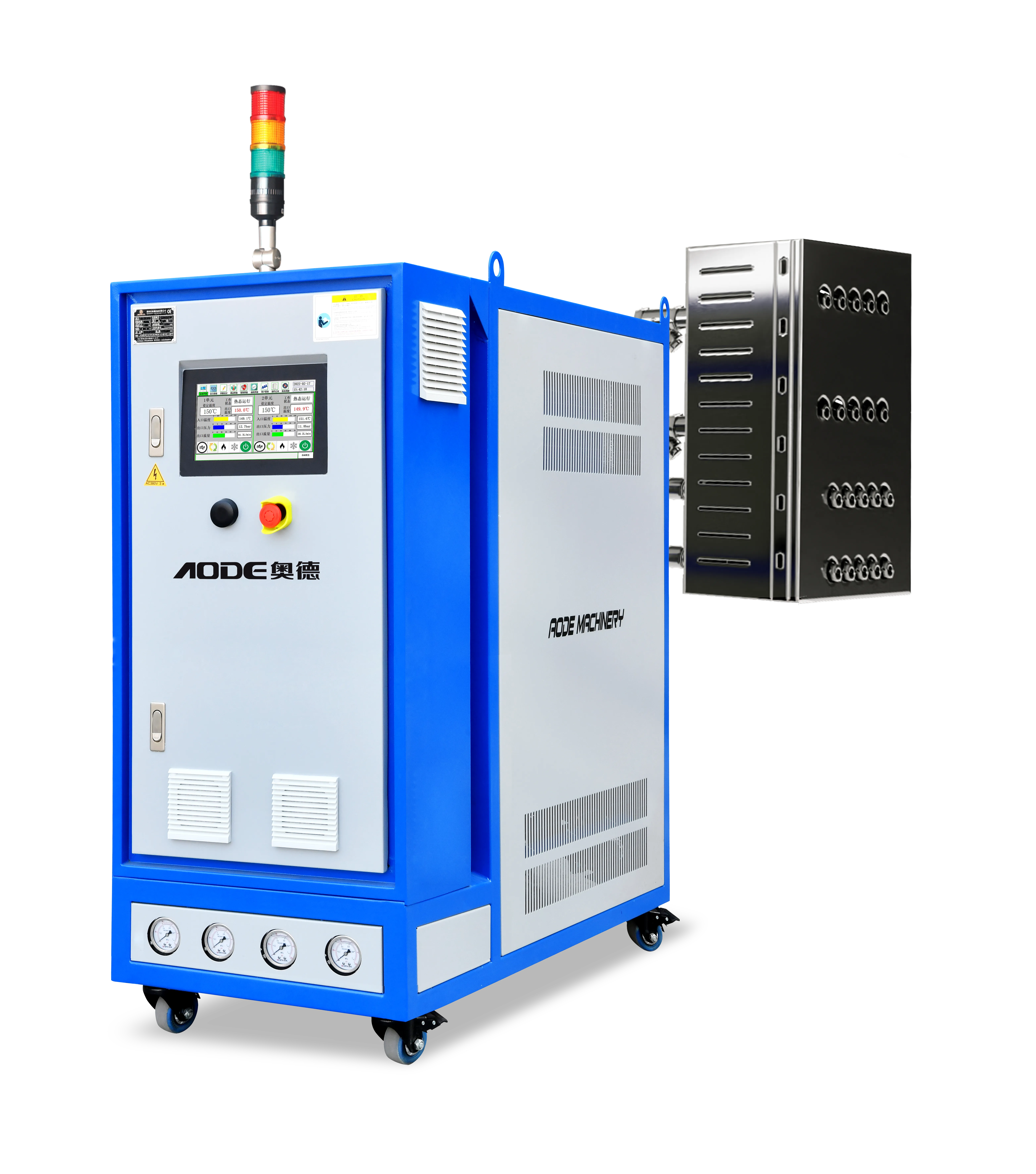
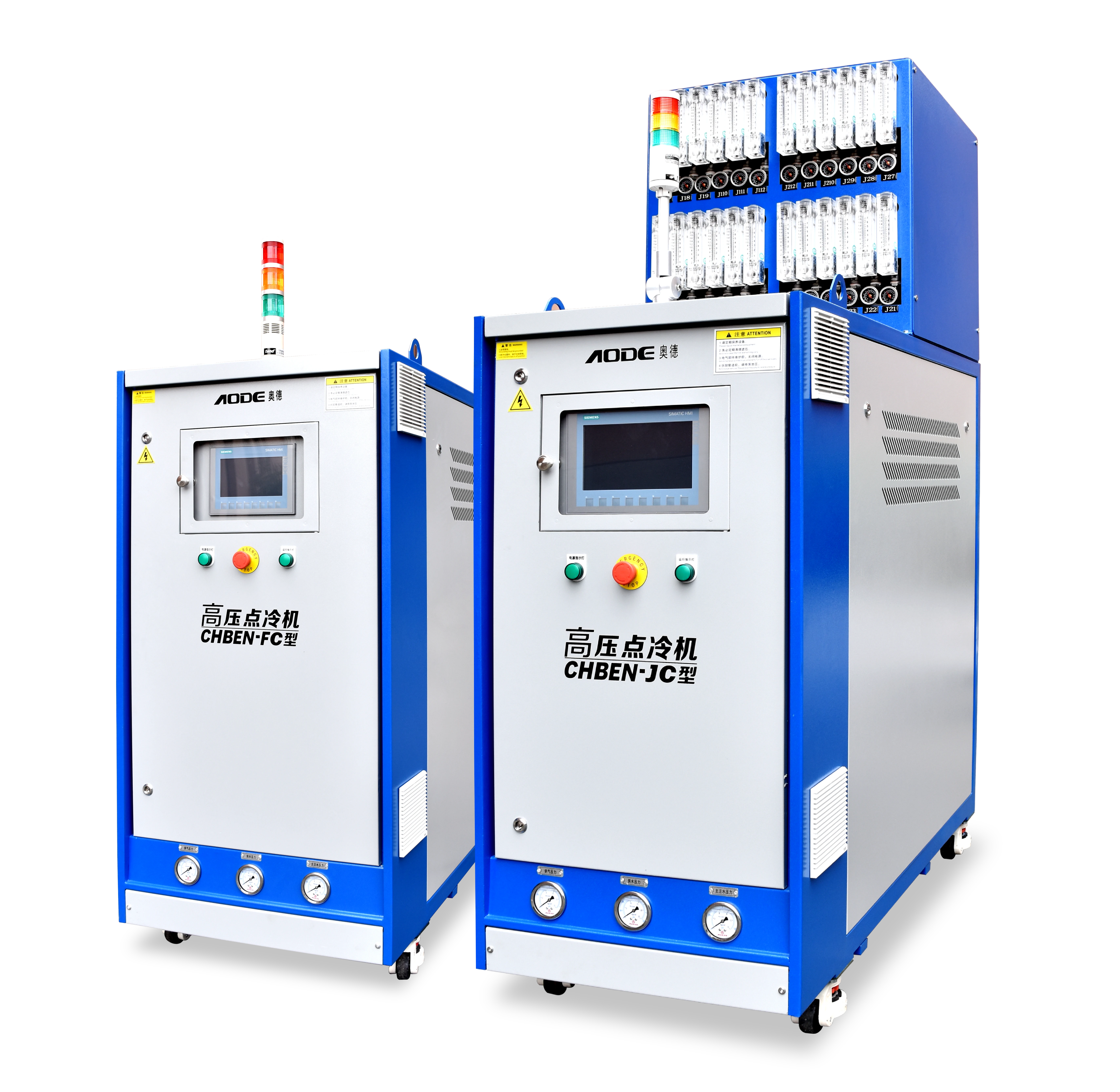
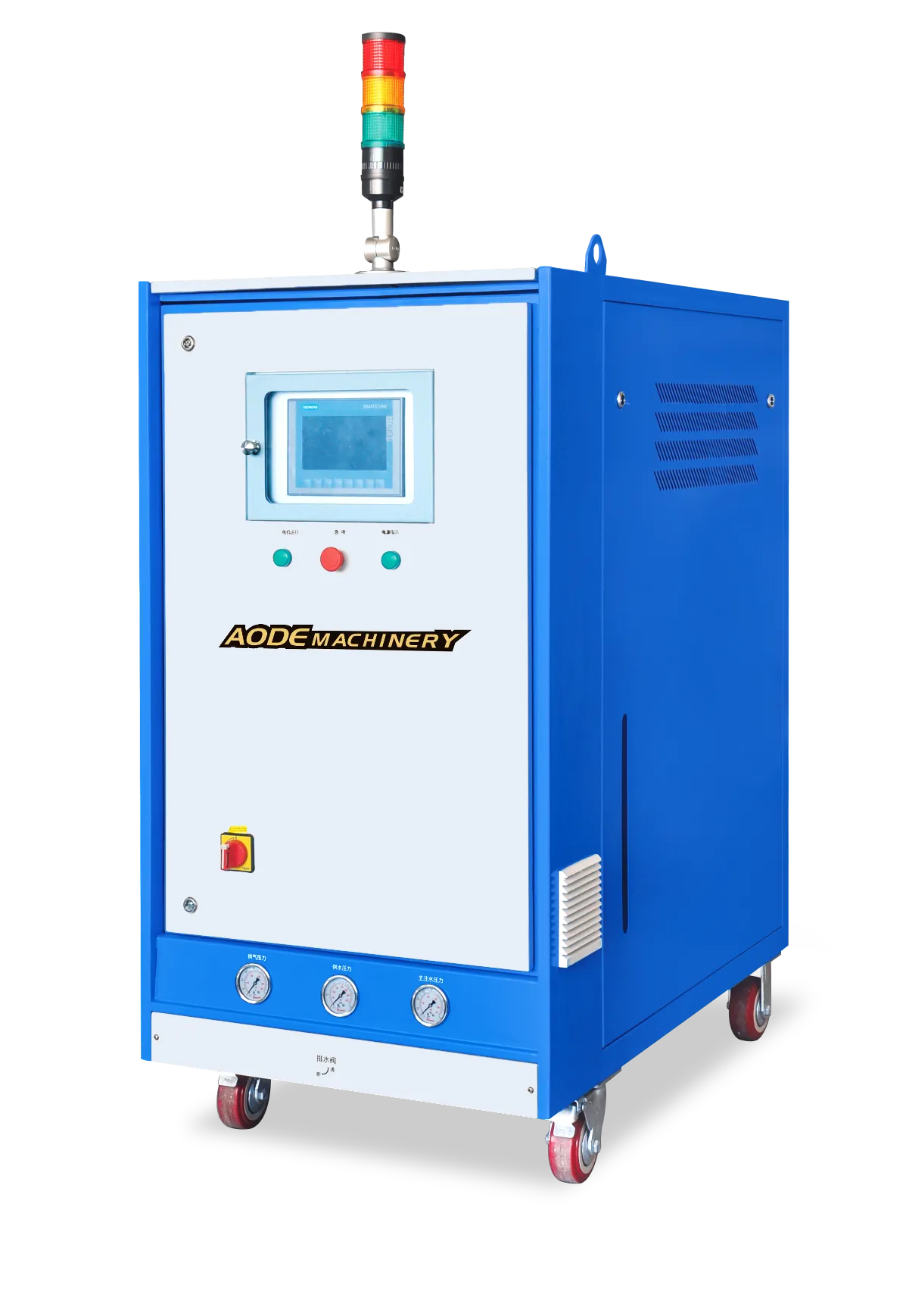
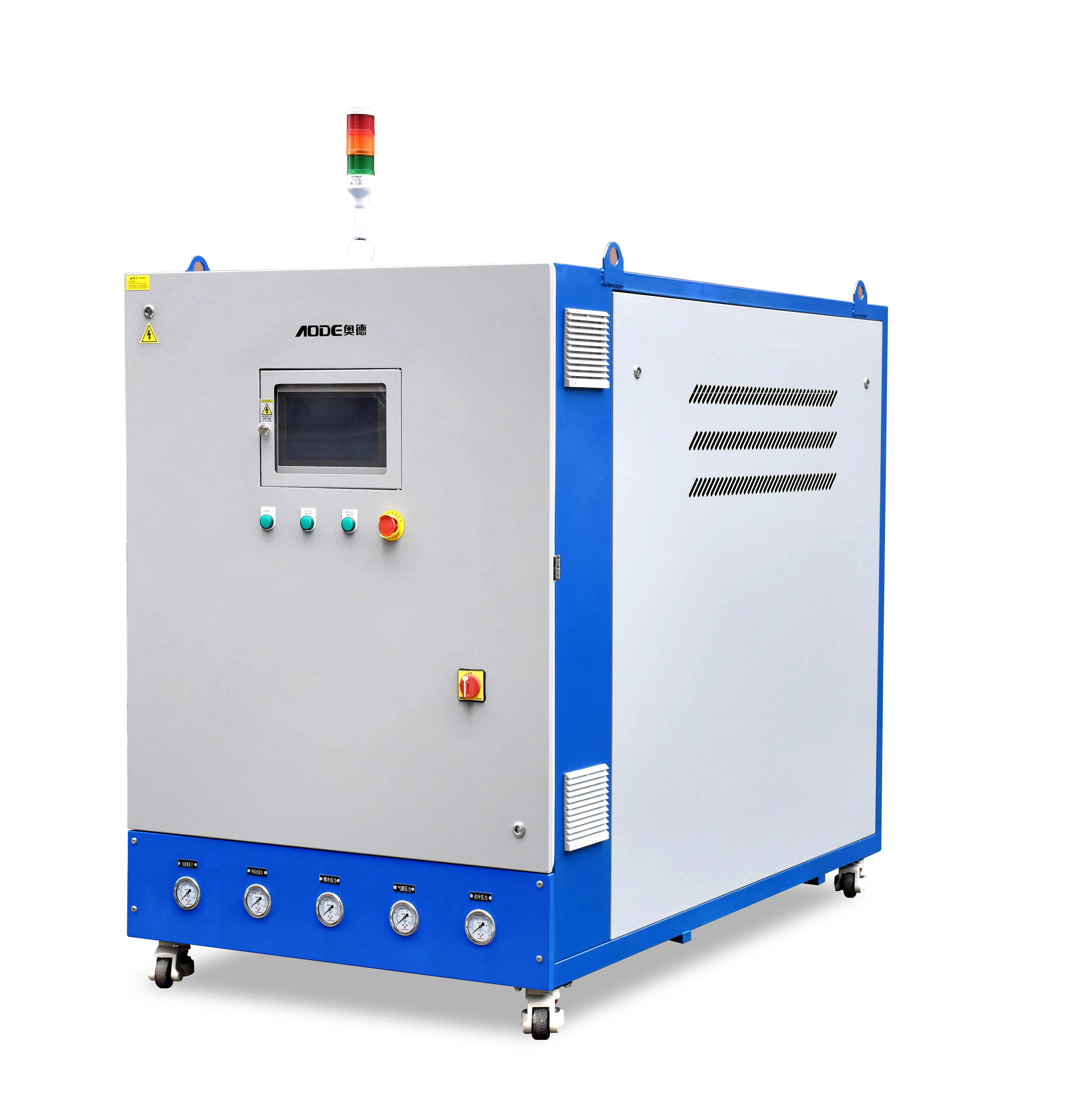

fajsdfjash ddsa dsa as sa sad sda sadfjsadjfl jsadjk fjasdlkfjaskdfdklsaj klf
jsadj
asjdklj falsdjf
jaklj

Products
A Complete Guide to Industrial Chiller Systems
16 March 2026
Author:Aode MouldTCU
share:


Temperature control is one of the quiet forces behind modern manufacturing. It does not always get the attention given to robots, molds, tools, or automation lines, yet it directly affects product quality, production speed, opering cost, and equipment life. In many plants, when temperature becomes unstable, everything else becomes unstable with it.
That is why the industrial chiller remains one of the most important utilities in process manufacturing.
Whether you are cooling injection molds, stabilizing a die casting cell, managing heat in battery testing, controlling a pharmaceutical process, or supporting a sheet and film line, a reliable industrial chiller system is what removes unwanted heat and keeps production inside a usable window. In simple terms, chillers make industrial processes controllable.
This guide explains what an industrial chiller is, how it works, the different types of chillers, how to compare air-cooled and water-cooled designs, how to choose the right capacity, and what buyers should expect from serious industrial chiller manufacturers and water chiller suppliers.
What Is an Idustrial Chiller?
An industrial chiller is a cooling system designed to remove heat from a machine, tool, process fluid, or production environment and maintain a controlled operating temperature. Unlike comfort-cooling equipment used in office buildings, an industrial chiller is built for manufacturing performance. It is designed to support production stability, not human comfort.
In practice, the chiller cools a fluid—most often water or a water-glycol mixture—then circulates that cooled fluid to the process. The fluid absorbs heat from equipment or product-related systems, returns warmer to the chiller, and is cooled again. This repeats continuously. That basic function sounds simple, but the importance is enormous. In industrial environments, excessive heat can cause:
inconsistent part dimensions
surface defects
unstable viscosity
reduced tool life
longer cycle times
lower equipment efficiency
process shutdowns
So when people ask what is a chiller, the practical answer is this:
An industrial chiller is the equipment that removes process heat so production can stay stable, repeatable, and efficient.
This is why industrial chillers are also often described as industrial process chillers. Their cooling function is tied directly to process performance.
What Are Chillers Used for in Manufacturing?
If you ask what are chillers used for, the answer depends on the industry—but the pattern is always the same: heat must be removed faster and more consistently than ambient conditions can handle.
In manufacturing, chillers are commonly used for:
Injection molding: cooling molds and hydraulic systems
Die casting: supporting mold cooling circuits and thermal balance
Extrusion: cooling barrels, dies, tanks, and downstream equipment
Sheet, plate, and film production: cooling rollers and dies for dimensional consistency
Battery and EV testing: maintaining repeatable thermal conditions for validation and safety
Pharmaceutical processing: cooling reactors, storage systems, and production loops
Chemical production: controlling reaction temperatures and removing heat from process equipment
Semiconductor equipment: stabilizing sensitive tools and thermal loops
Laser and machine tool cooling: protecting precision equipment from heat-related instability
In every one of these applications, the industrial chiller helps convert a fluctuating thermal process into a controlled one.
How an Industrial Chiller Supports Process Cooling
An industrial chiller does more than “make things cold.” It helps control temperature within a target range over time. That distinction matters.
For example, in injection molding, cooling is not only about reducing mold temperature. It is about reducing it predictably, so the plastic solidifies consistently from one cycle to the next. In chemical processing, the goal is not simply cooling a vessel—it is removing the right amount of heat so the reaction stays within a safe and productive operating range.
That is why chillers are part of process temperature control rather than just general utility cooling.
A well-designed industrial chiller system contributes to:
tighter process stability
better product consistency
improved throughput
lower scrap rates
lower energy waste
longer equipment life
If the process generates heat, and if that heat affects production, then a chiller is likely part of the answer.
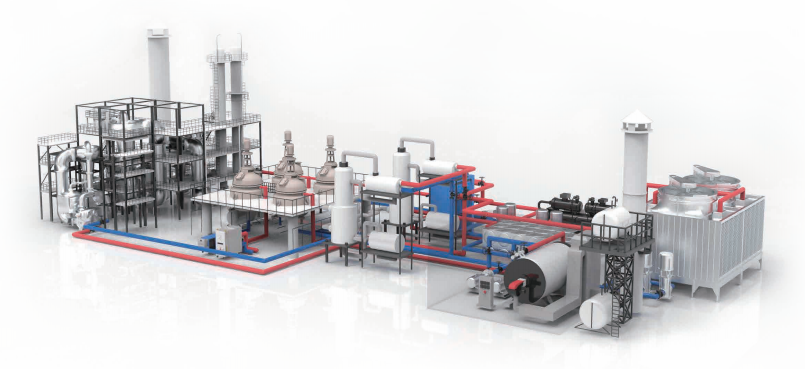
Working Principle of an Industrial Process Chiller
An industrial process chiller works by removing heat from a circulating fluid and transferring it outside the system. Most chillers use a vapor-compression refrigeration cycle to achieve consistent and controlled cooling. Instead of cooling equipment directly, the system cools a process fluid (water or glycol), which then carries heat away from machines, molds, or production lines. This indirect cooling method ensures stable and repeatable temperature control.
How the Cycle Works
The cooling process follows a continuous loop:
Heat Absorption (Evaporator)
The process fluid transfers heat to the refrigerant.Compression (Compressor)
The refrigerant is compressed, increasing its pressure and temperature.Heat Rejection (Condenser)
Heat is released to air or water, depending on the system type.Expansion (Expansion Valve)
The refrigerant pressure drops, cooling it before the next cycle.
Main Components of an Industrial Chiller System
A complete industrial chiller system includes several key components:
Compressor – powers the refrigeration cycle
Evaporator – absorbs heat from the process fluid
Condenser – removes heat from the refrigerant
Expansion Valve – controls refrigerant flow and pressure
Pump – circulates the process fluid
Tank / Reservoir – stabilizes fluid supply
Controller – manages temperature, alarms, and system logic
Sensors – monitor temperature, pressure, and flow
Additional system elements may include:
Filtration units
Buffer tanks
Flow switches
Remote monitoring systems
How Heat Is Removed in a Water Chiller System
In a water chiller system, heat removal follows a two-step process:
Step 1: Heat Collection
The process fluid absorbs heat from equipment and returns to the chiller.Step 2: Heat Transfer & Rejection
The evaporator transfers heat to the refrige
How Does an Industrial Chiller Work?
To understand an industrial chiller properly, it helps to separate it into two loops:
the refrigeration loop
the process fluid loop
The refrigeration loop is the internal cooling engine. The process loop is the fluid path the plant actually uses.
Basic Working Principle of an Industrial Process Chiller
The chiller removes heat from the process fluid and rejects that heat elsewhere. In mo
Main Components of an Industrial Chiller System
A complete industrial chiller system includes more than the refrigeration circuit. It usually contains:
compressor: drives the refrigeration cycle
evaporator: cools the process fluid
condenser: rejects heat from the refrigerant
expansion valve: regulates refrigerant flow
pump: circulates the process fluid
tank or reservoir: stabilizes the process fluid supply
controller: manages temperature, alarms, staging, and system logic
sensors: track temperature, pressure, and flow
Depending on the design, it may also include filters, buffer tanks, flow switches, remote monitoring hardware, and plant communication interfaces.
How Heat Is Removed in a Water Chiller System
In a typical industrial water chiller, the process water absorbs heat from the application and returns to the evaporator. The evaporator transfers that heat to refrigerant. The refrigerant then moves to the condenser, where the heat is rejected to air or condenser water, depending on system type.
This is why water chillers are so common in production: they allow heat to be collected from multiple tools or machines and moved efficiently to a central cooling mechanism.
Water Cooled Water Chiller System Explained
The phrase water cooled water chiller system sounds repetitive, but in practice it means this:
The process loop is water-based.
The condenser loop is also water-based.
That makes the system highly effective for large and stable industrial heat rejection, especially where a cooling tower already exists.
When Water-Cooled Is the Better Choice
A water-cooled industrial chiller is often the better option when:
cooling loads are large
the process runs continuously
energy efficiency is a priority
condenser water infrastructure is available
hot ambient conditions reduce the appeal of air-cooled systems
This is also why buyers specifically search for water cooled chiller manufacturers and industrial water chiller manufacturers in larger plant projects.
Industrial Chiller Units for Different Cooling Loads
Not every factory needs a large central plant. Many applications are better served by independent industrial chiller units sized to one machine, one line, or one process zone.
These packaged units are common when:
production is modular
different lines require different setpoints
process isolation is important
staged expansion is expected
redundancy is preferred over central dependence
Industrial chiller units can be portable, skid-mounted, or installed permanently. The right choice depends on how the factory wants to manage production and maintenance.
Industrial Water Chiller vs Water Cooled Industrial Chiller
This is one of the most confusing terminology areas for buyers.
What Is an Industrial Water Chiller?
An industrial water chiller usually means a chiller that cools water (or a water-based process fluid) for industrial use. It does not automatically specify how the condenser is cooled.
That means an industrial water chiller could be:
air-cooled on the condenser side or water-cooled on the condenser side
How a Water Cooled Industrial Chiller Differs
A water cooled industrial chiller specifically refers to the condenser cooling method. It means the chiller rejects heat into condenser water instead of ambient air.
So the phrase“industrial water chiller”is broader, while “water cooled industrial chiller” is more specific.
How to Build a Reliable Industrial Water Chiller System
A reliable system starts with real process data:
actual heat load
required setpoint
return temperature
fluid type
pressure drop
line length
future expansion plans
Then the system should be sized not only for nominal conditions, but for realistic operation under ambient variation and maintenance intervals.
Industrial Chiller in Die Casting
Die casting generates high thermal loads. Industrial chillers may support:
mold cooling stations
point cooling systems
water loops for thermal islands
auxiliary process stabilization
Industrial Chillers for Pharmaceutical and Chemical Processes
In these industries, temperature affects reaction stability, purity, and safety. An industrial process chiller may cool:
reactor jackets
condensers
storage loops
heat exchangers
production skids
Industrial Chillers for Battery and EV Testing
Battery packs, cells, modules, motors, and power electronics must be tested under controlled thermal conditions.
A precise industrial chiller supports:
repeatable test conditions
wide thermal ranges
safety
faster validation cycles
Industrial Chillers for Sheet, Film, and Extrusion Lines
In sheet, plate, and film production, industrial chillers help maintain:
die temperature stability
roll cooling
gauge consistency
optical clarity
surface quality
This is especially important in lithium separator film, optical film, PVC sheet, and similar applications.
How to Choose the Right Industrial Chiller
Choosing the right industrial chiller starts with the process, not the product brochure.
Cooling Capacity and Process Requirements
The first question is always: how much heat must be removed?
Heat load should be based on actual process energy, not guesswork. This includes machine heat, product-related heat, ambient influence, and peak operating conditions.
Choosing Between Air-Cooled and Water-Cooled Systems
Choose air-cooled if you value:
simpler installation
self-contained operation
less supporting infrastructure
Choose water-cooled if you value:
higher efficiency
stronger performance at large loads
better fit for central utility plants
When to Choose an Industrial Water Chiller, An industrial water chiller is the right direction when:
your process uses a circulating fluid loop
stable leaving temperature matters
multiple tools or machines must be cooled
thermal repeatability affects production
Sizing Your Industrial Chiller System
The correct system size depends on:
cooling load
setpoint
return temperature
ambient conditions
fluid composition
operating profile
future scaling plans
Oversizing can be as problematic as undersizing, especially when short cycling hurts efficiency and compressor life.
Industrial Chiller Manufacturer vs Generic Chiller Supplier
This is a critical buyer distinction.
What to Look for in an Industrial Chiller Manufacturer
A real industrial chiller manufacturer should understand:
process heat load
application differences
industrial duty cycles
fluid compatibility
system integration
service and support requirements
They should be able to recommend more than just “a unit.”
What Separates Industrial Water Chiller Manufacturers
Serious industrial water chiller manufacturers distinguish themselves through:
application-specific engineering
robust controls
durable industrial build quality
stable process performance
strong service support
That is also why buyers search for:
water chiller manufacturers
water chiller machine manufacturers
industrial water chiller manufacturers
water chiller manufacturer supplier
They are trying to filter out generic equipment resellers and identify true process-cooling partners.
Special Chiller Configurations and Niche Terms
Some long-tail search terms reflect niche or specialized equipment needs.
What Is a Water Jet Chiller?
A water jet chiller typically refers to a chiller used to support waterjet cutting or similar high-pressure water process systems. In those applications, temperature control helps protect equipment stability and may improve operational reliability.
When Specialized Chiller Designs Are Needed
Special configurations may be required for:
corrosive environments
low-temperature process loops
explosion-risk areas
high-purity systems
compact skid layouts
OEM integration
The more specialized the process, the more important manufacturer experience becomes.
Why Industrial Chiller Performance Matters
A chiller that “runs” is not necessarily a chiller that performs well enough.
Temperature Stability and Product Quality
The right industrial process chiller improves:
part consistency
chemical stability
testing reliability
surface quality
cycle repeatability
Energy Efficiency and Operating Cost
A better industrial chiller system reduces:
wasted compressor energy
unstable process conditions
utility overuse
rework-related cost
Uptime, Maintenance, and Long-Term Reliability
The true value of an industrial chiller is not only in the purchase price. It is in:
uptime
process stability
maintenance simplicity
serviceability
lifecycle cost
That is why buyers often return to known industrial chiller manufacturers rather than chasing the cheapest unit.
FAQs About Industrial Chillers
Q1.What is a chiller?
A chiller is a system that removes heat from a fluid and maintains a controlled temperature for cooling use.
Q2.What are chillers used for?
Chillers are used to cool industrial processes, molds, tools, machines, reactors, testing systems, and production loops.
Q3.What is the difference between an industrial chiller and a water chiller?
An industrial chiller is a broad category for process cooling. A water chiller usually refers to a chiller that cools a water-based process fluid.
Q4.What are the different types of chillers?
The main industrial categories are air-cooled chillers and water-cooled chillers, plus various packaged and application-specific system designs.
Q5.How do I choose between air-cooled and water-cooled industrial chillers?
Choose based on cooling load, infrastructure, efficiency goals, ambient conditions, and maintenance strategy.
Q6.How do I find the right industrial chiller manufacturer?
Look for application experience, engineering capability, system support, and service reliability—not just a product list.
Conclusion
An industrial chiller is far more than a background utility. It is a critical part of process stability across modern manufacturing. Whether you need an industrial water chiller, a full industrial chiller system, a water cooled industrial chiller, or packaged industrial chiller units, the right solution depends on understanding the process, not just comparing equipment labels.
 Back to List
Table of Contents
Related News
×
CONTACT US
Cookie Policy
We use cookies and other tracking technologies online. Please read our Cookie Policy, which is part of this Cookie Policy , and is incorporated herein by reference.

loading...