
fajsdfjash ddsa dsa as sa sad sda sadfjsadjfl jsadjk fjasdlkfjaskdfdklsaj klf
jsadj
asjdklj falsdjf
jaklj

Products
How Does a Mould Temperature Controller Work?
17 February 2026
Author:AODE
share:


Why Mold Temperature Control Is Critical in Manufacturing
In molding and forming processes, temperature is not just a parameter, whereas it is a determining factor of quality, efficiency, and consistency. While many engineers focus on melt temperature or machine settings, the temperature of the mold itself often has a greater impact on final part performance.
Why Flow Rate Is as Important as Temperature
Temperature stability alone does not guarantee effective heat transfer. Flow rate plays an equally important role. If fluid flow is insufficient, heat cannot be transferred efficiently, even if the temperature reading appears correct. Poor flow can create hot spots in the mold, leading to uneven cooling and quality defects. Advanced temperature control units therefore monitor not only temperature but also flow and pressure to ensure consistent thermal performance.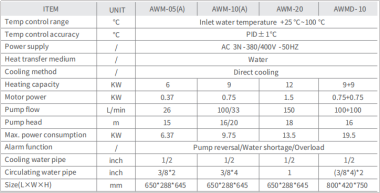
The Importance of Return Temperature Monitoring
Many engineers focus only on supply temperature, but return temperature often reveals the true behavior of the mold.
Supply temperature shows what the controller is sending. Return temperature shows what actually happened inside the mold.
If the return temperature fluctuates significantly, it indicates unstable heat transfer. Monitoring both values allows more accurate diagnosis and improved process stability.
Integration with Modern Manufacturing Systems
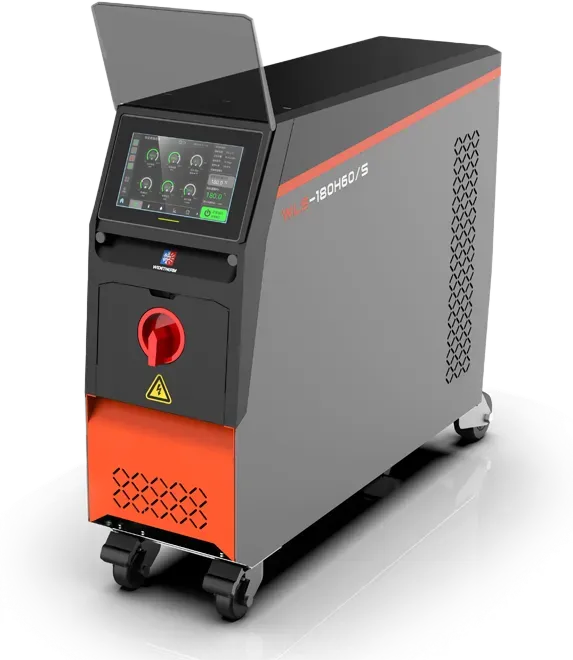
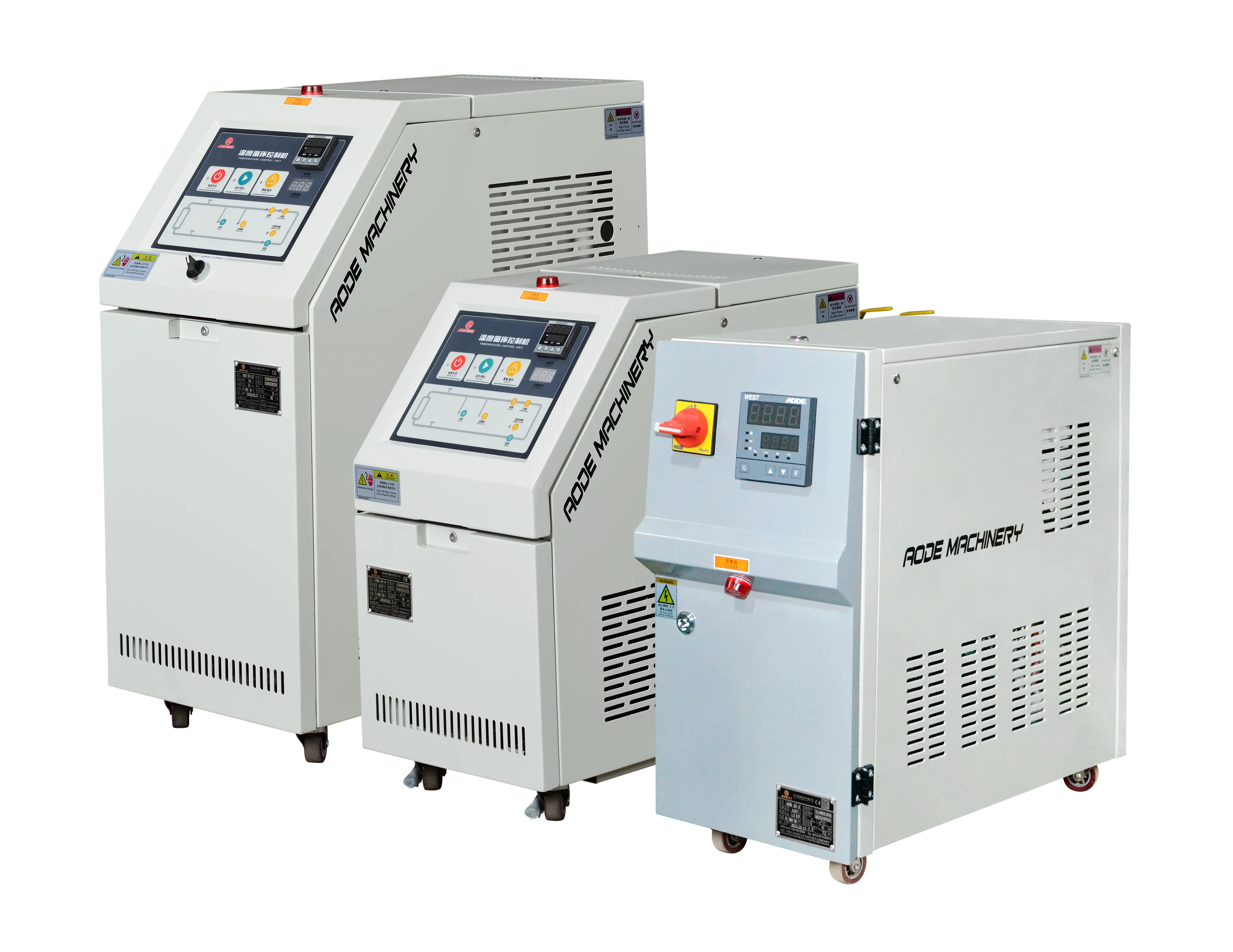
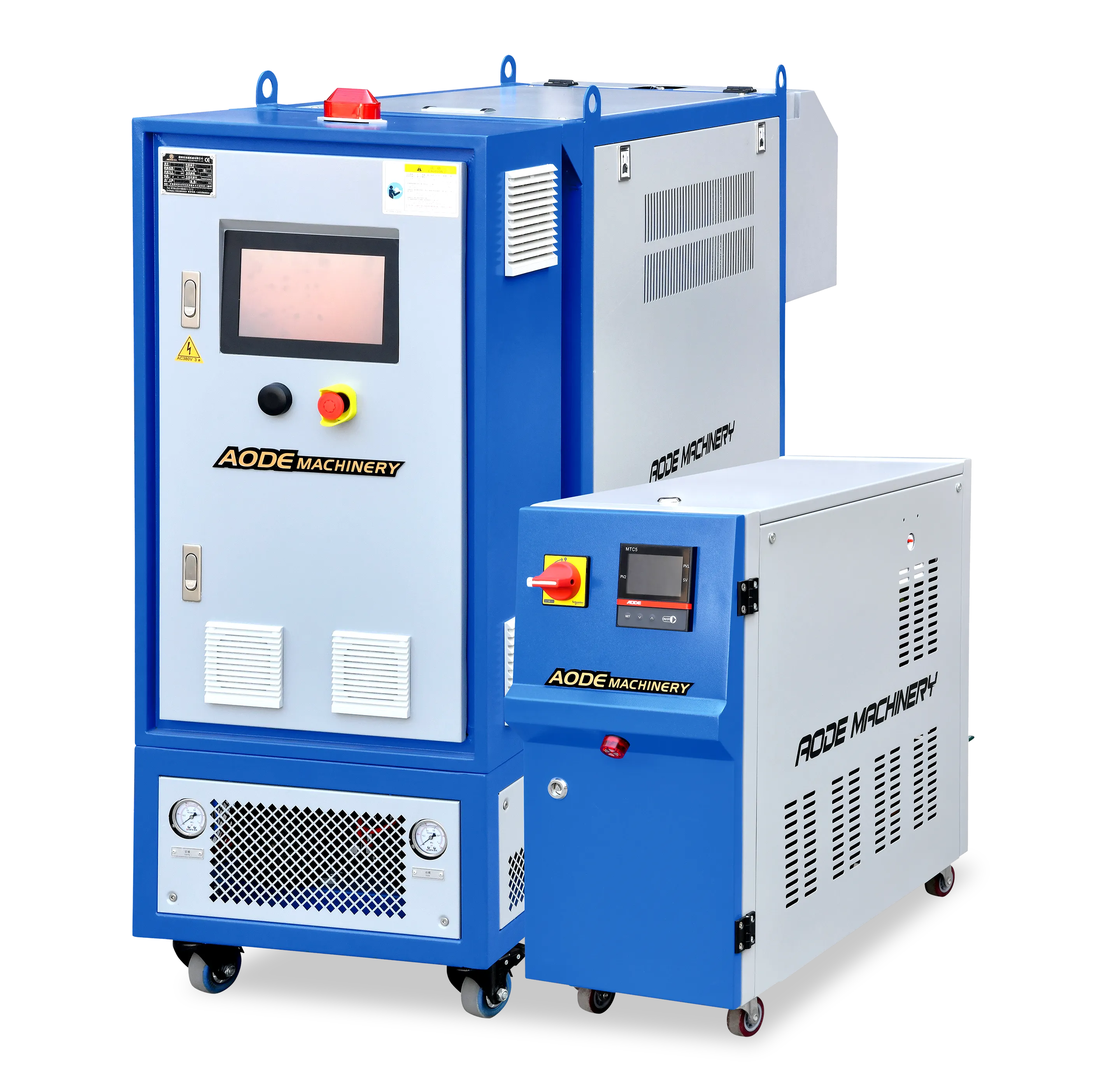
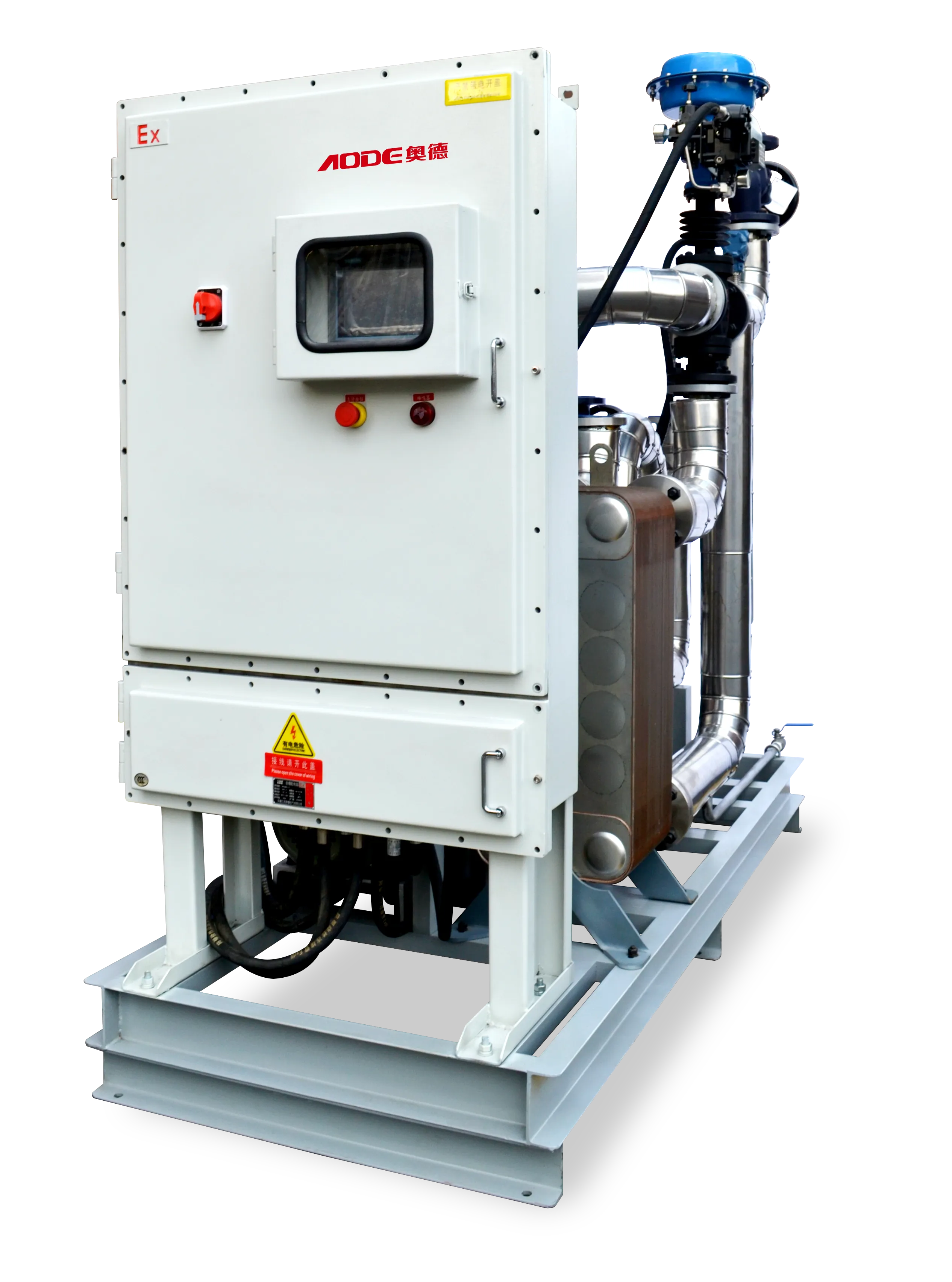
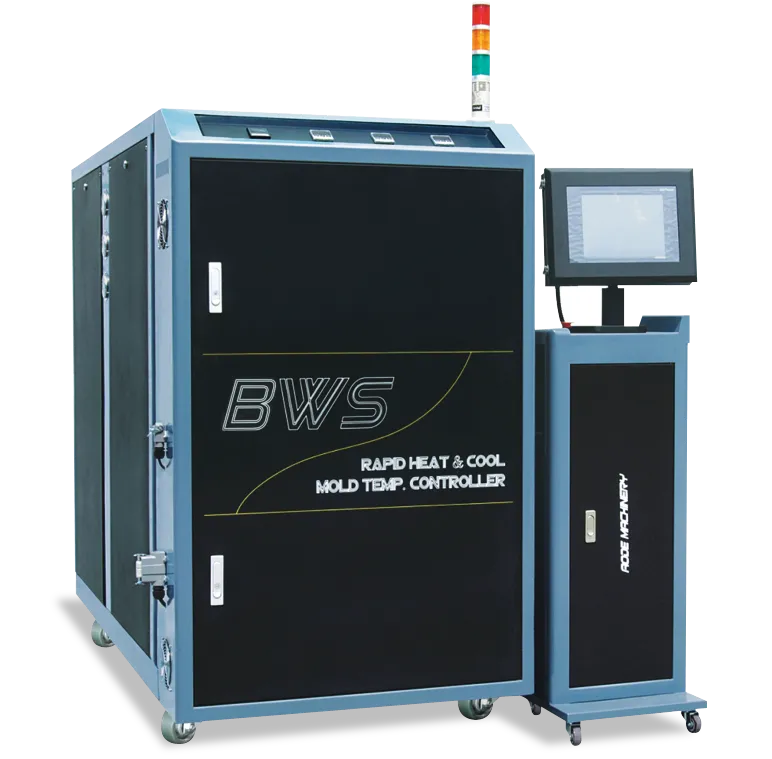
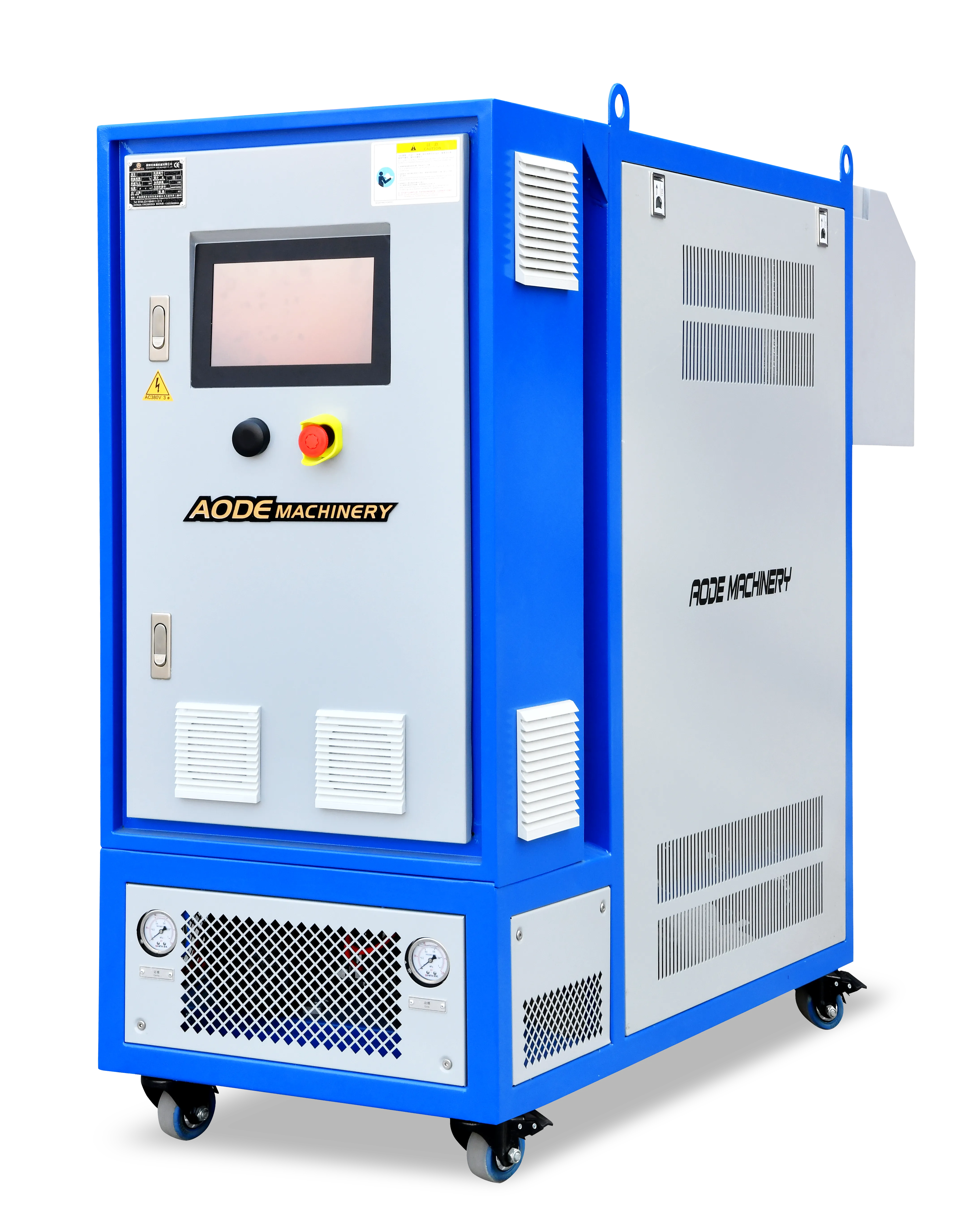
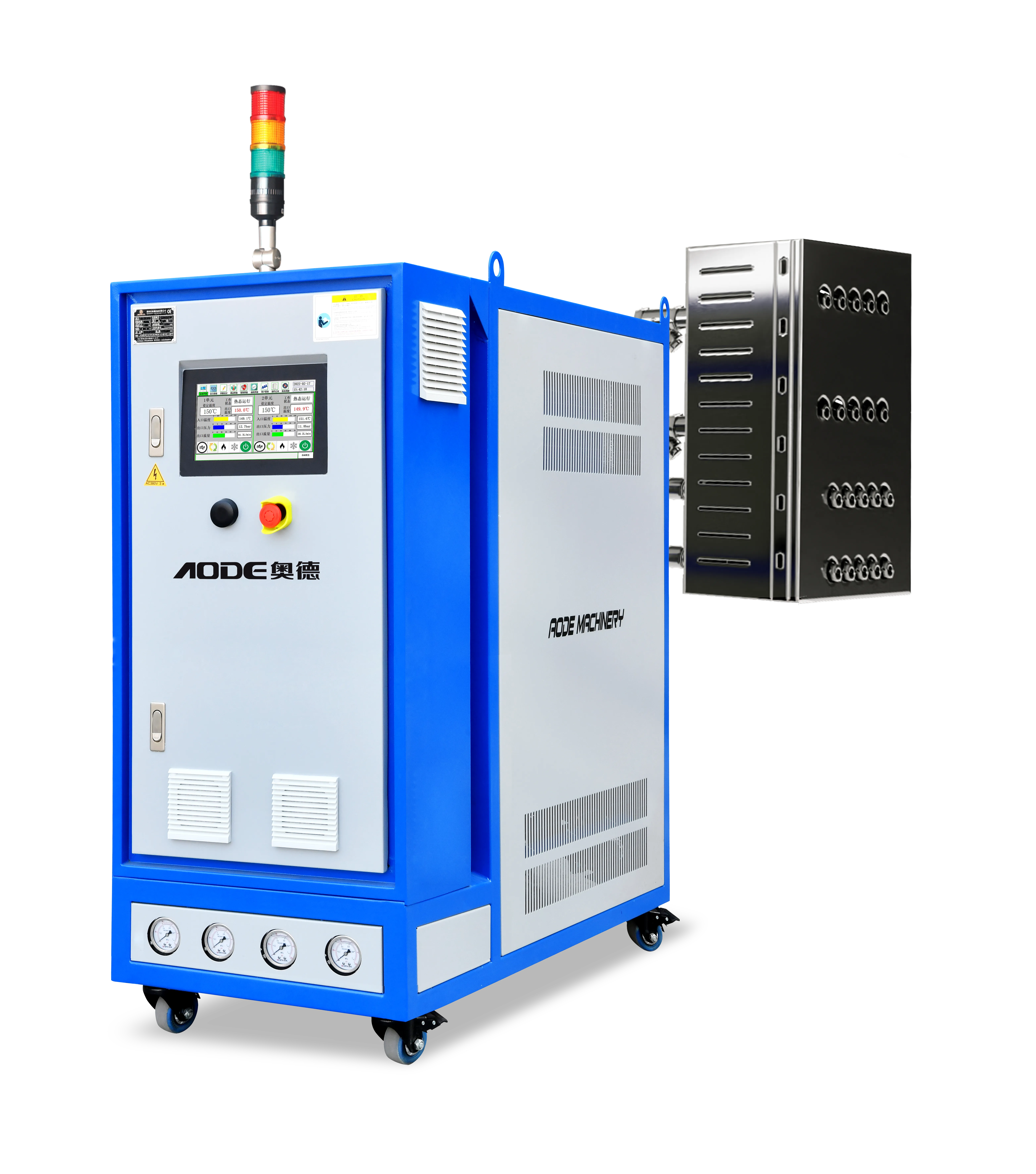
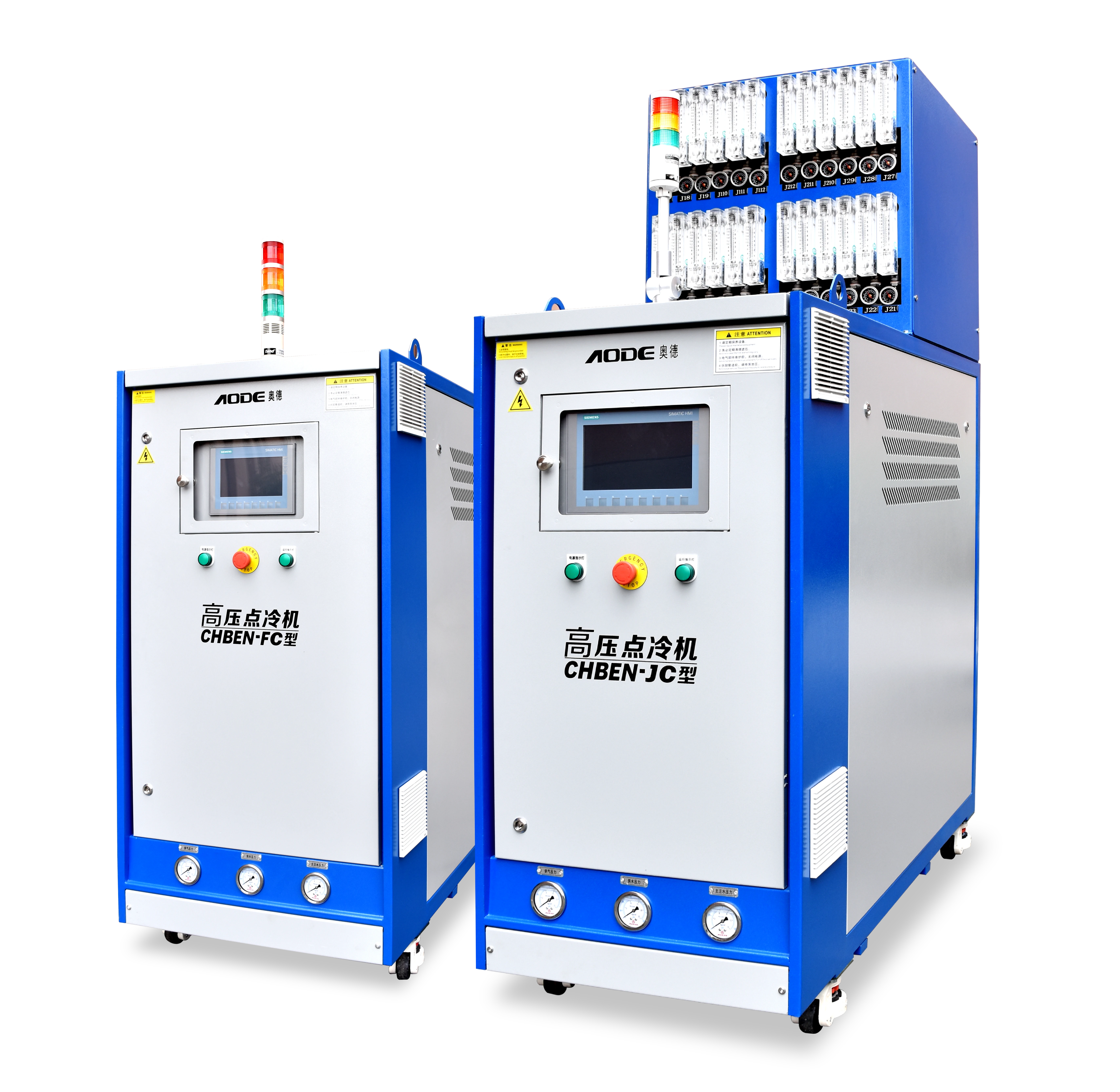
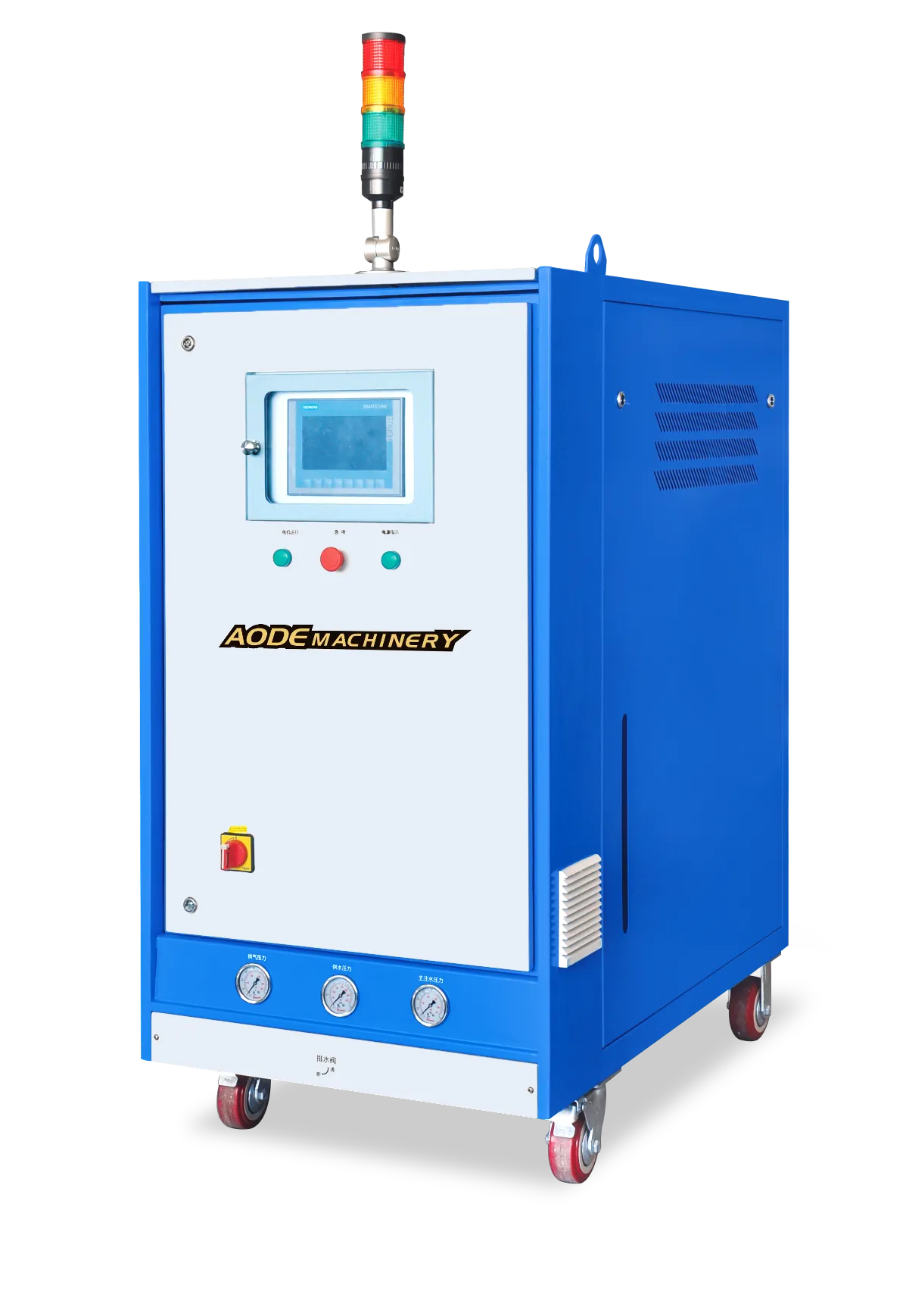
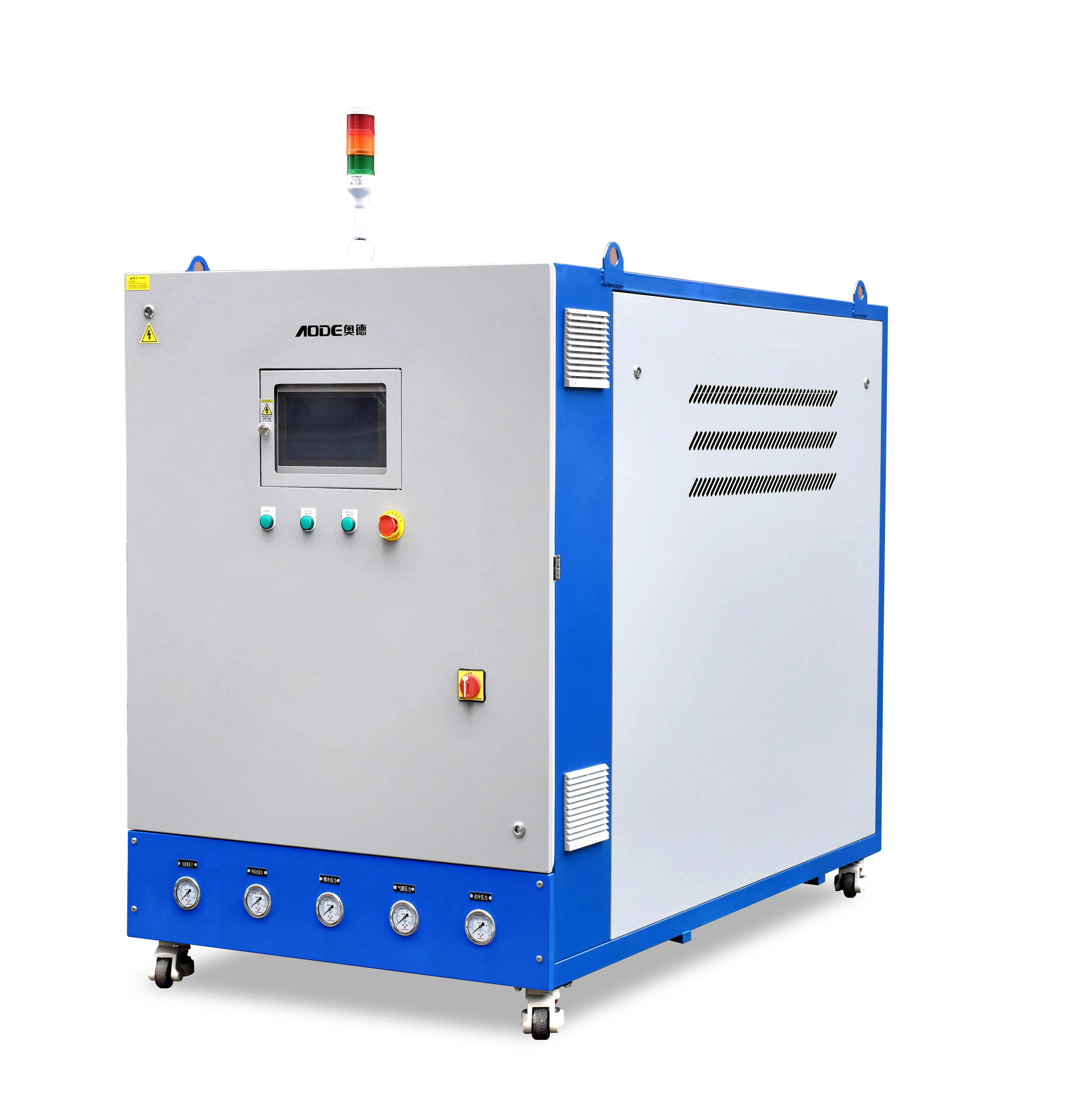
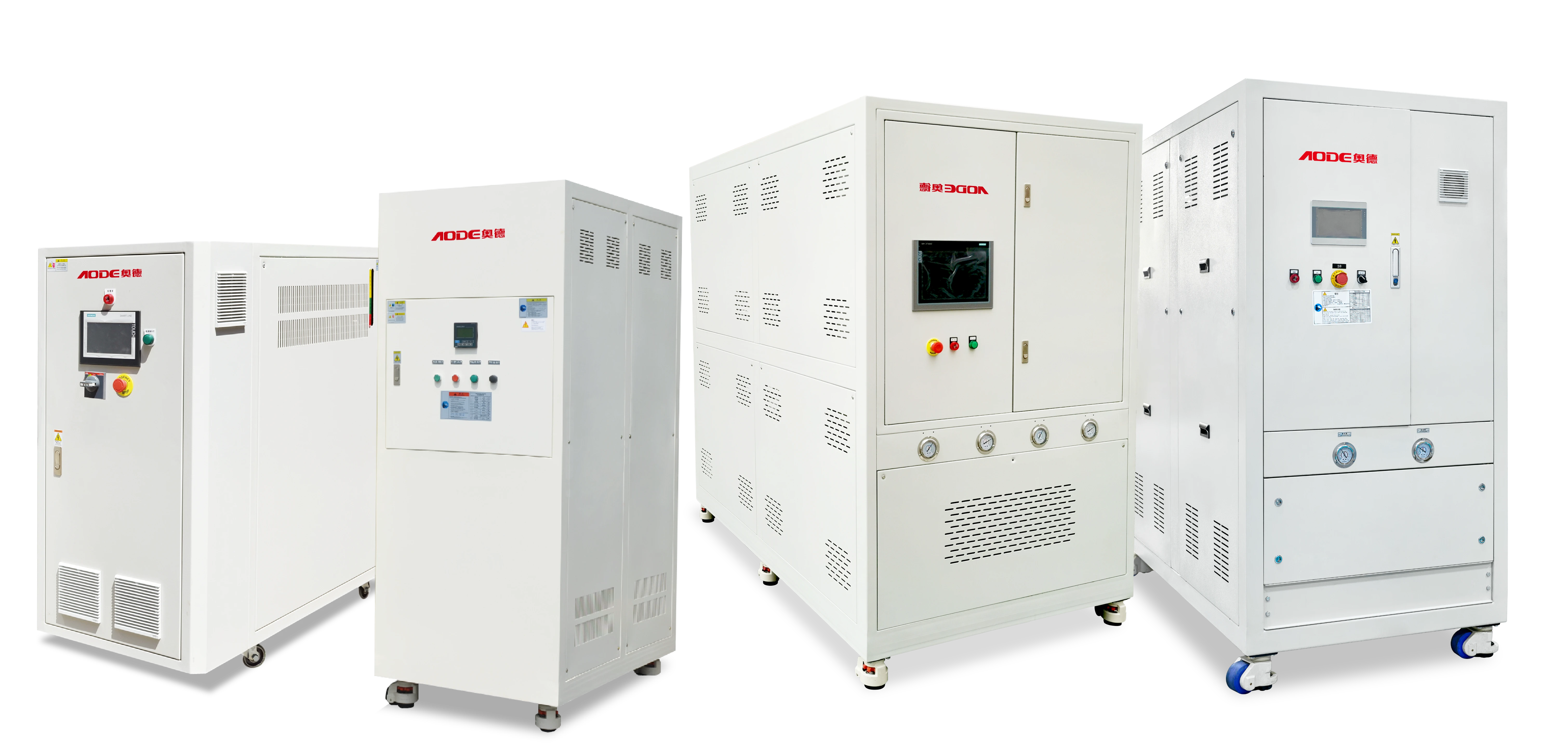
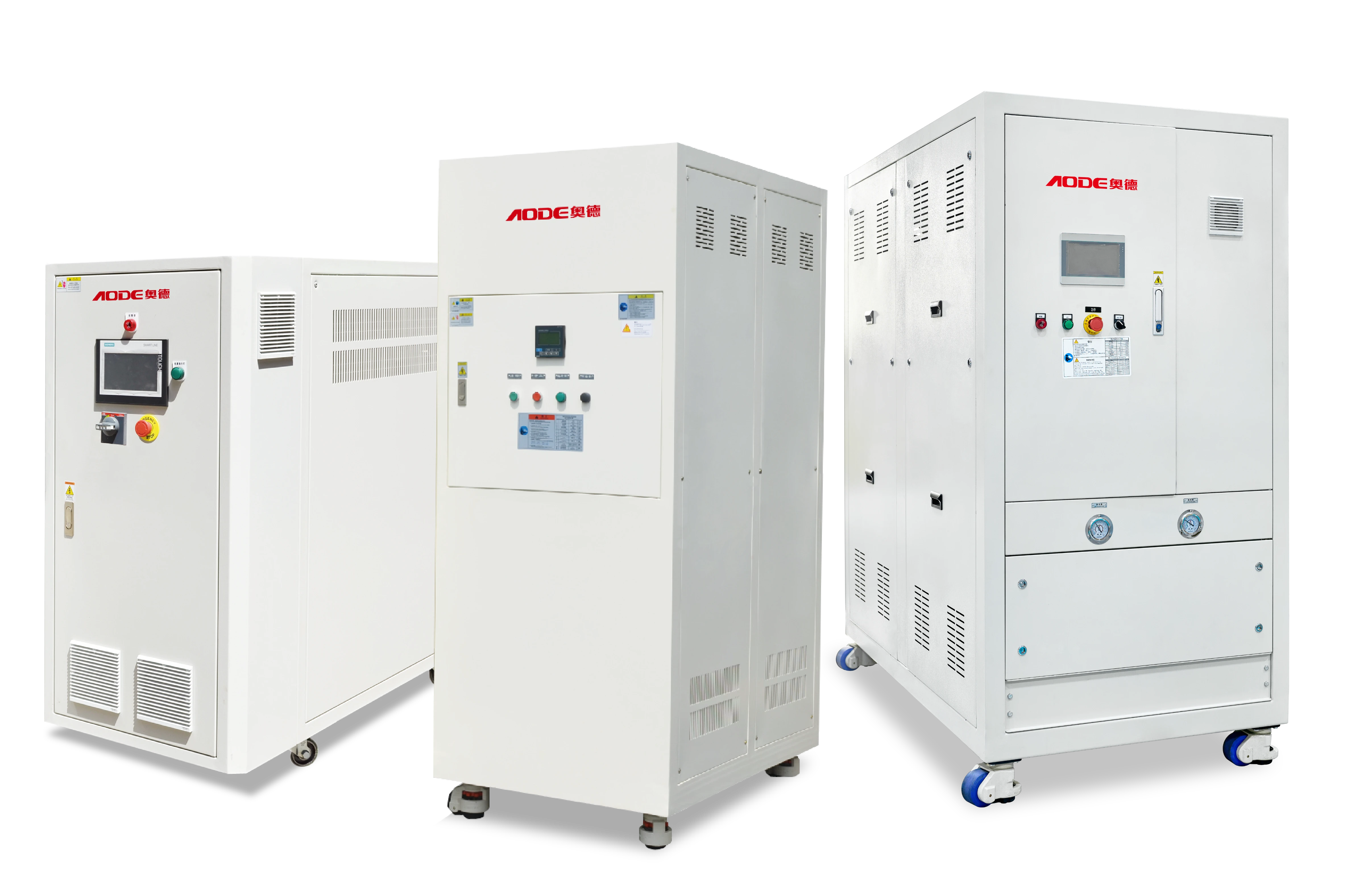
The mold temperature controllers serve as auxiliary devices, used for precise control of mold temperatures.They are often integrated into broader production systems as part of overall process temperature control architecture.
They may communicate with various production equipment such as injection molding machines, die-casting machines, blow molding machines, extruders, presses.This integration enables coordinated control, data logging, and improved traceability.
As manufacturing becomes more automated and data-driven, temperature control units play a central role in achieving predictable outcomes.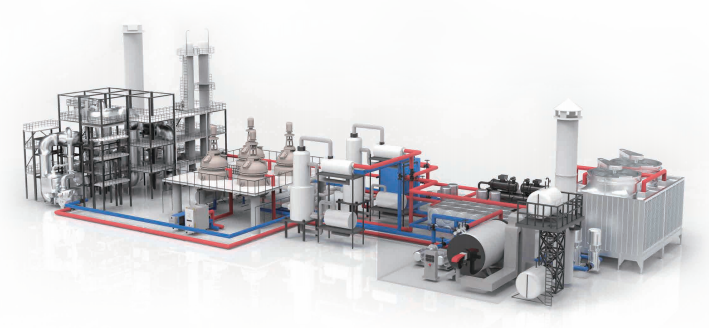
Production Benefits of Stable Mold Temperature Control
When a mould temperature controller is properly applied, the benefits are measurable. Manufacturers typically observe improved surface quality, more stable dimensions, reduced scrap rates, and shorter cycle times. Because the system maintains consistent thermal conditions, operators no longer need constant adjustments. Production becomes stable across shifts and batches, reducing variability and improving profitability. In modern molding operations, the mould temperature controller is not just auxiliary equipment — it is a core element of reliable process temperature control.
 Back to List
Table of Contents
×
CONTACT US
Cookie Policy
We use cookies and other tracking technologies online. Please read our Cookie Policy, which is part of this Cookie Policy , and is incorporated herein by reference.

loading...