
fajsdfjash ddsa dsa as sa sad sda sadfjsadjfl jsadjk fjasdlkfjaskdfdklsaj klf
jsadj
asjdklj falsdjf
jaklj

Products
Full-Process Precision Temperature Control Cases for the Chemical Industry
16 July 2026
Author:AODE
share:


Chemical production involves processes such as synthesis, polymerization, distillation, crystallization, extrusion, and cooling. Variations in materials, operating temperatures, and safety conditions place demanding requirements on temperature control accuracy, heat exchange capacity, explosion protection, corrosion resistance, and continuous operation.
With 21 years of experience in industrial temperature control, AODE has delivered equipment and system solutions to more than 12,000 customers worldwide. The following cases highlight typical applications across fine chemicals, petrochemicals, pharmaceutical chemicals, electronic chemicals, and other chemical sectors.
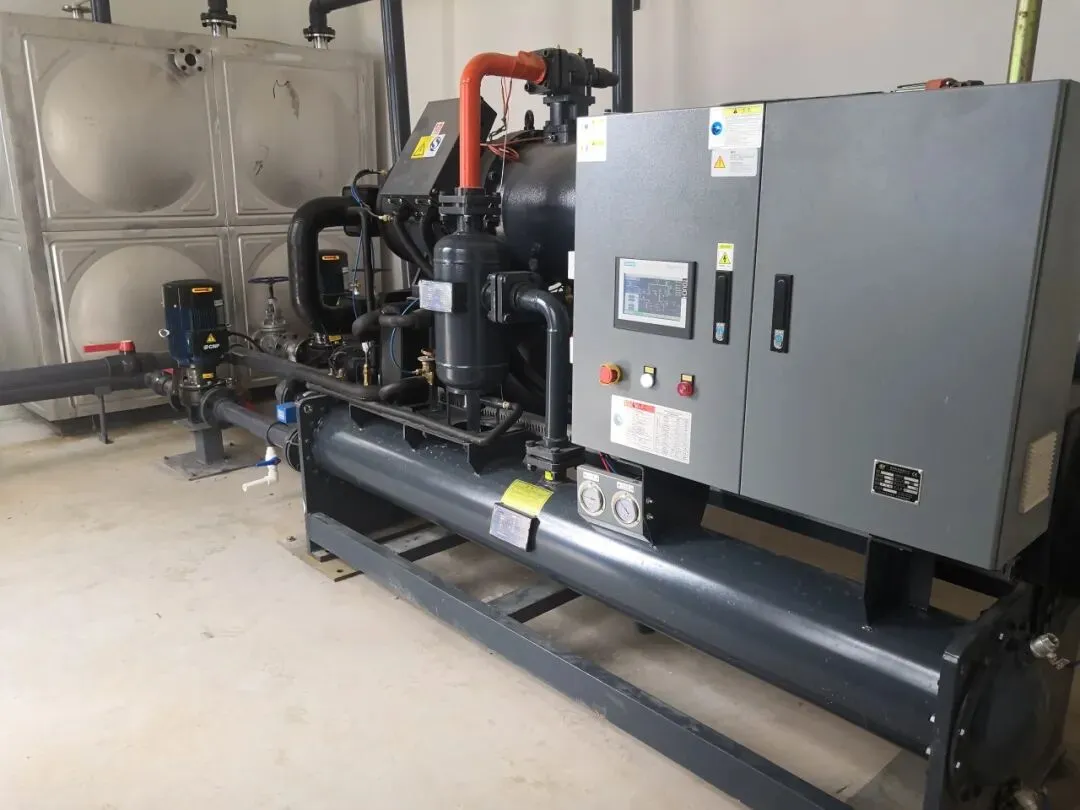
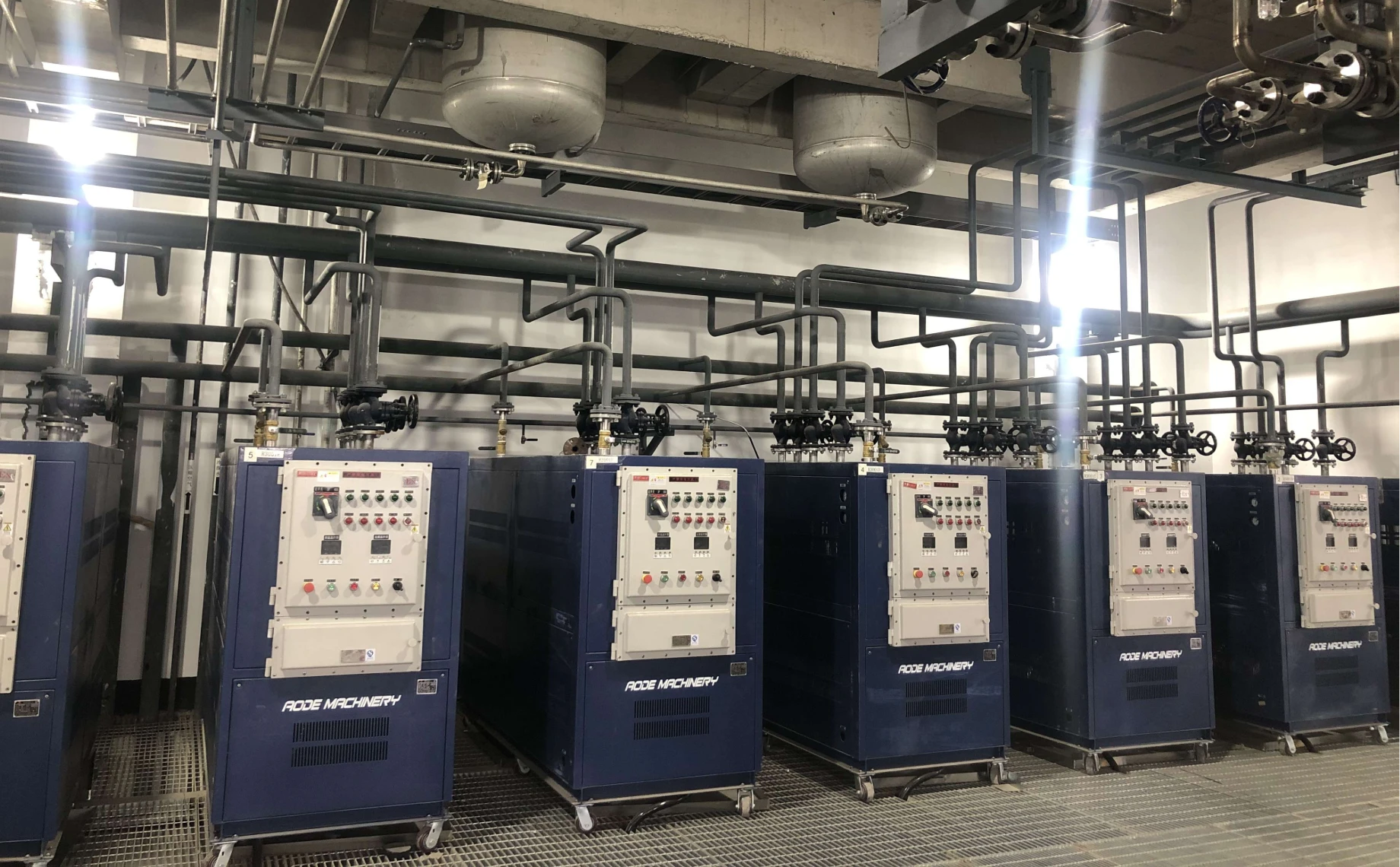
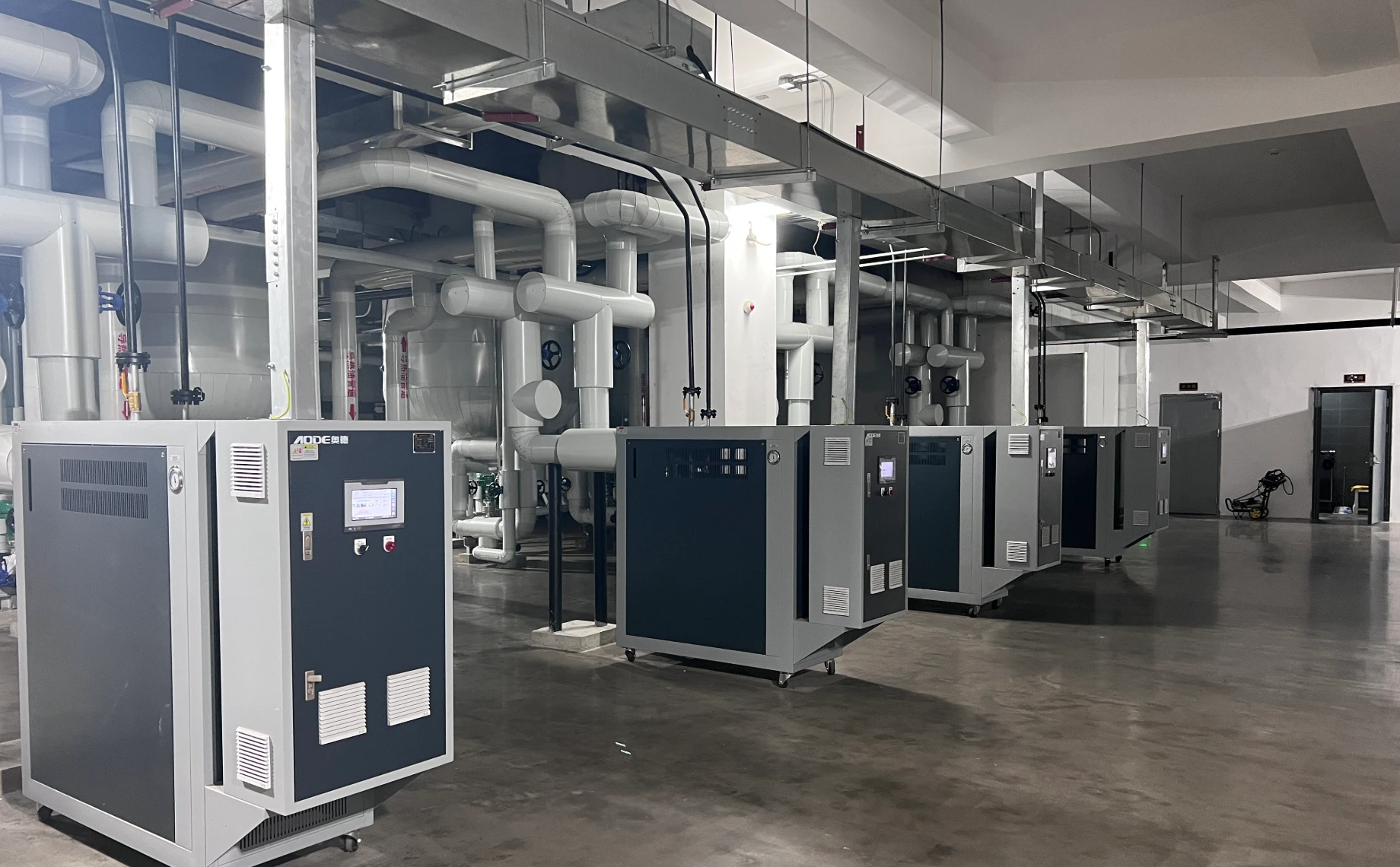
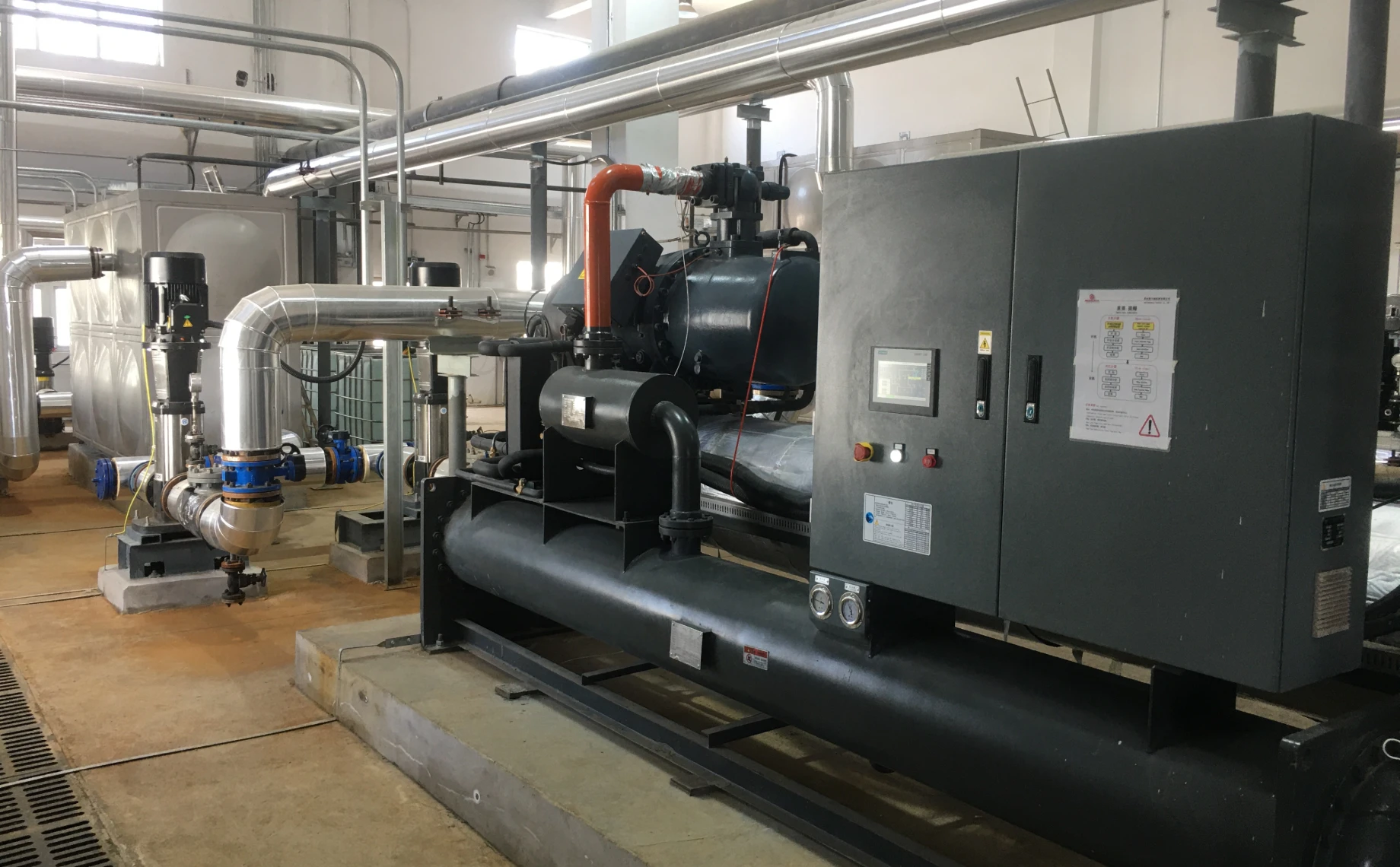
Fine Chemical Temperature Control Application Cases
Synthetic Material Production
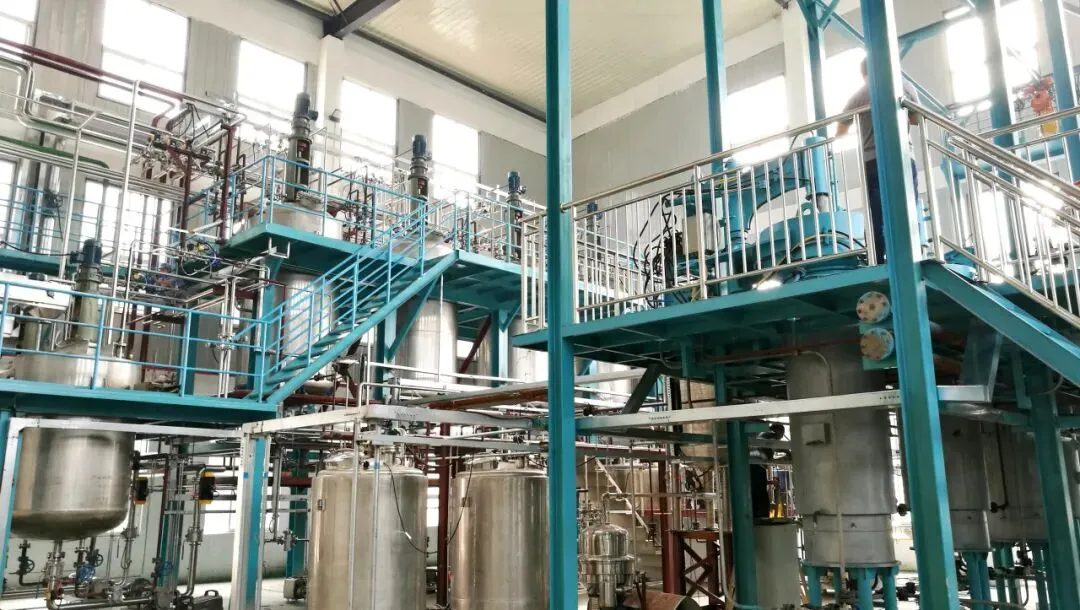
During the production of synthetic materials such as resins and coatings, reactors usually need to complete heating, temperature holding, and cooling according to specified process curves. Temperature control stability affects the degree of material reaction, viscosity, and batch-to-batch product consistency.
Typical process stages: Reactor heating, resin synthesis, coating synthesis
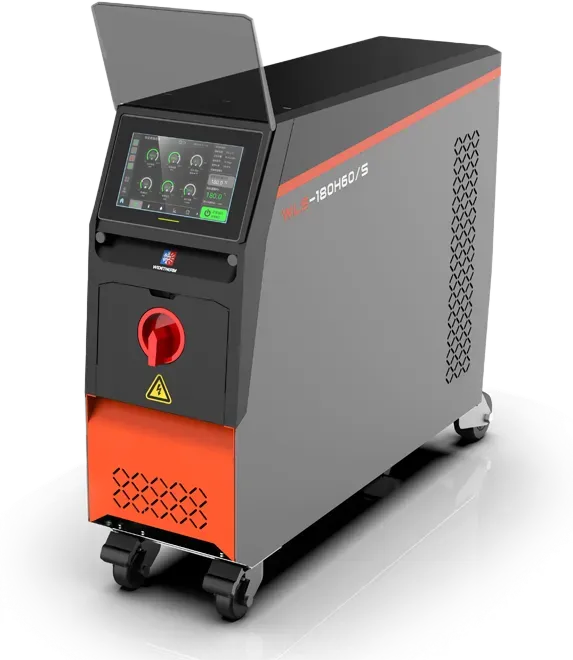
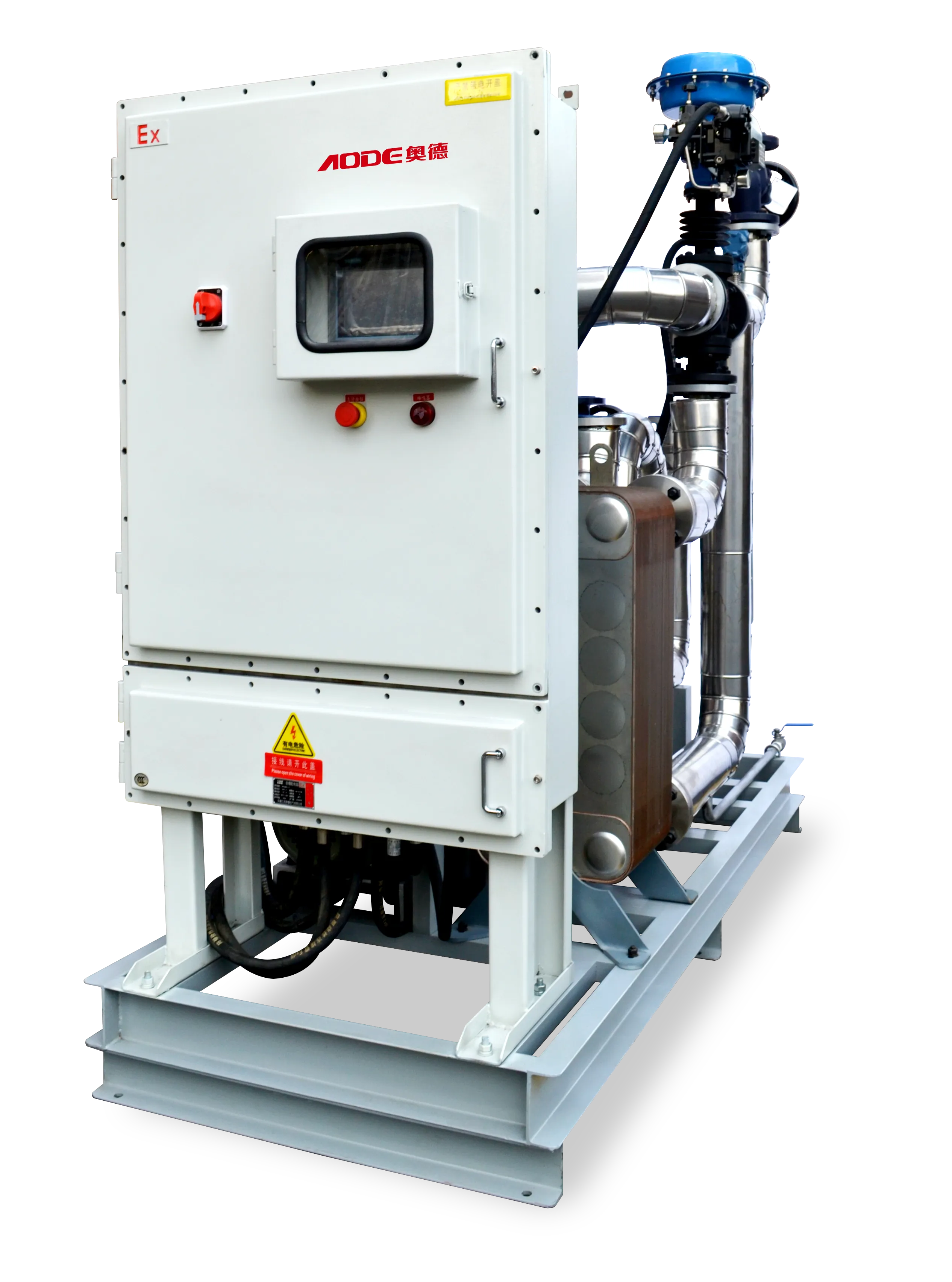
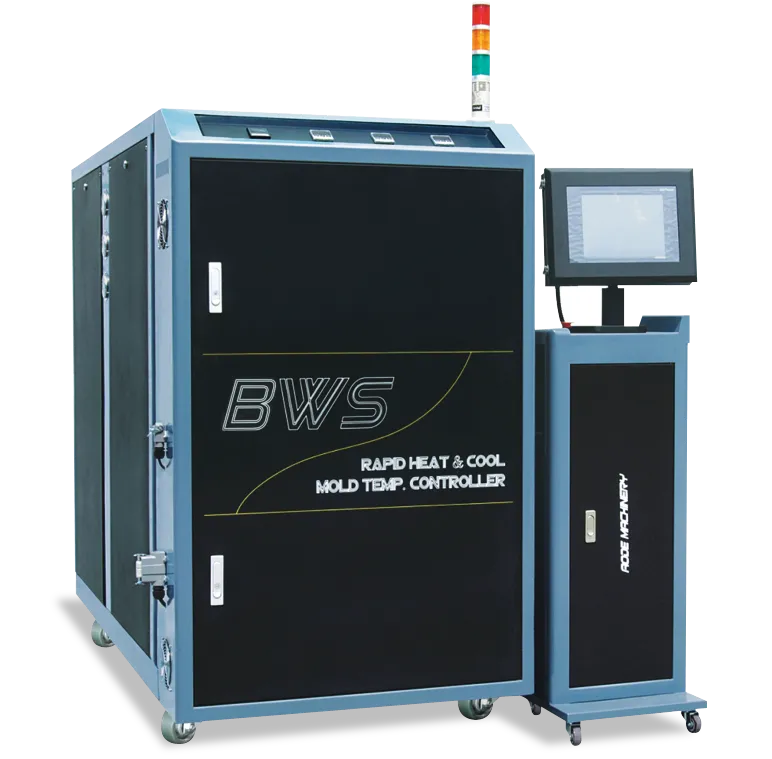
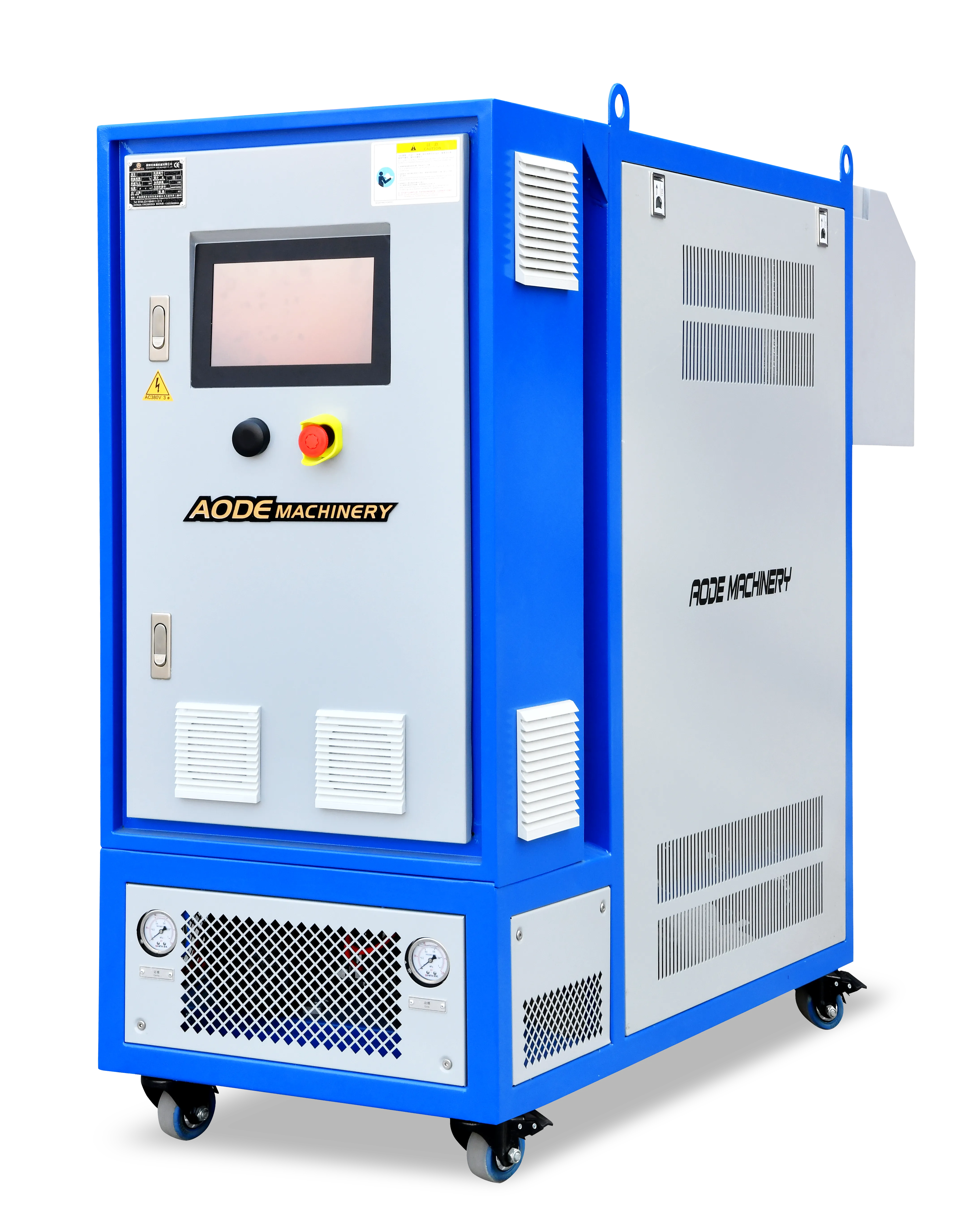
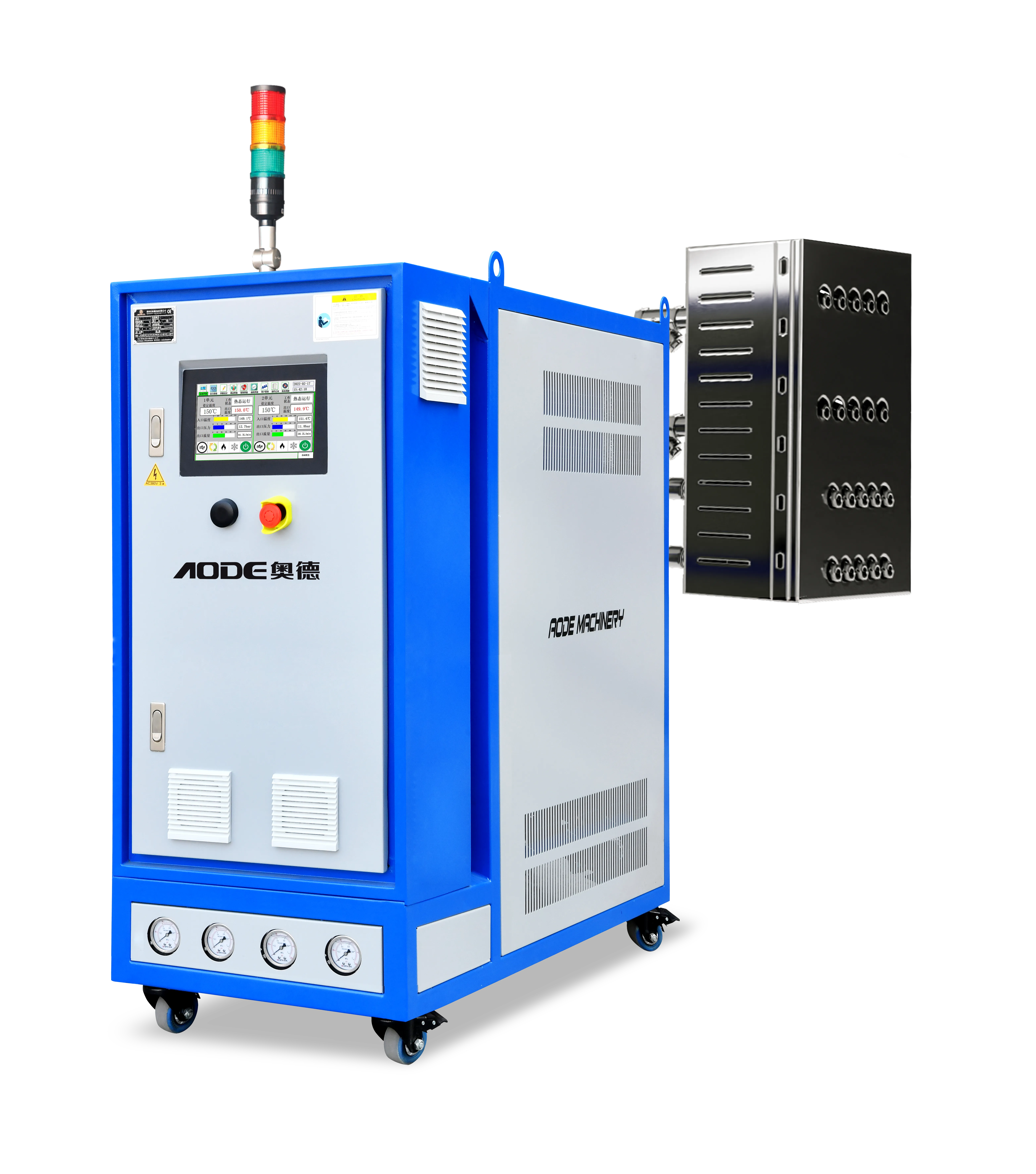
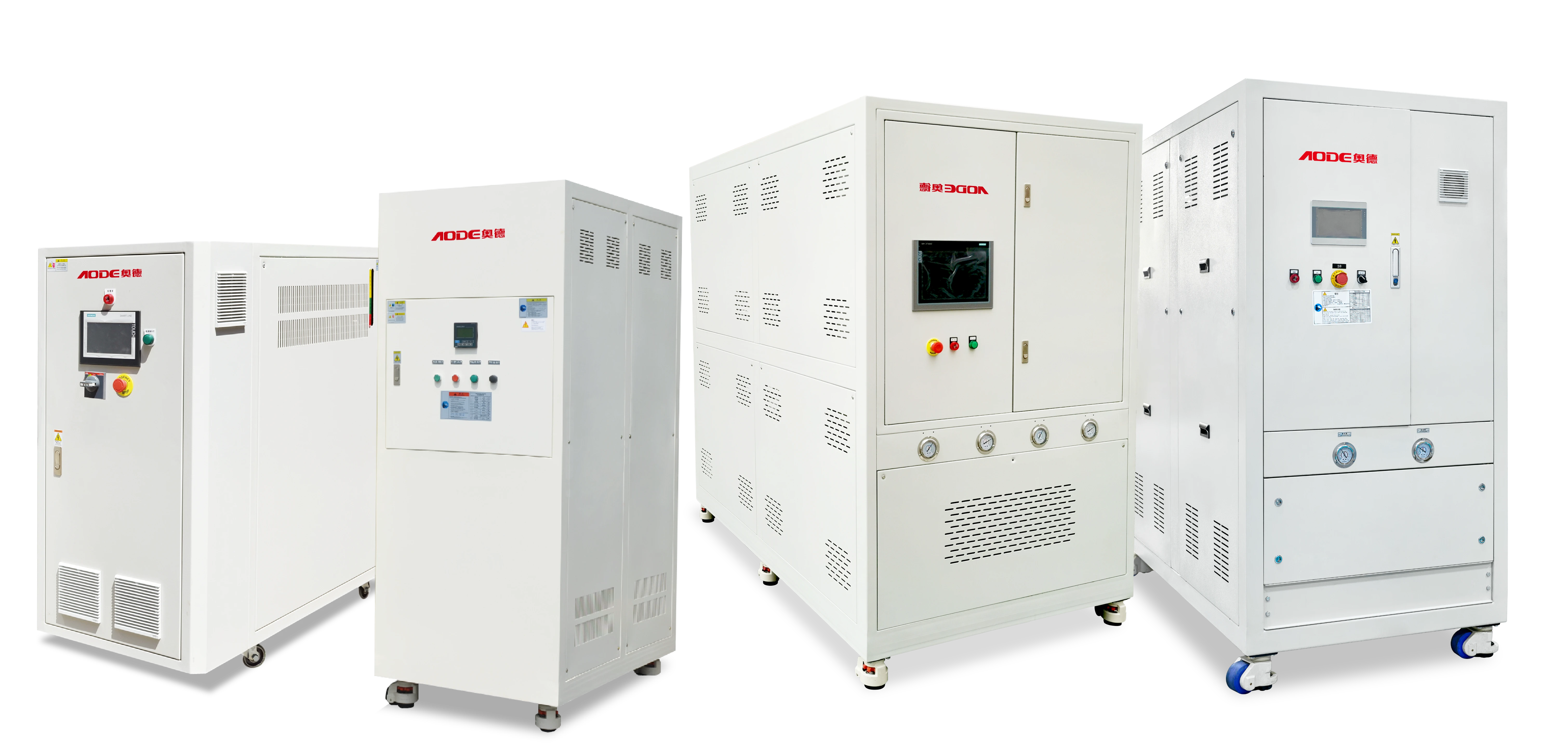
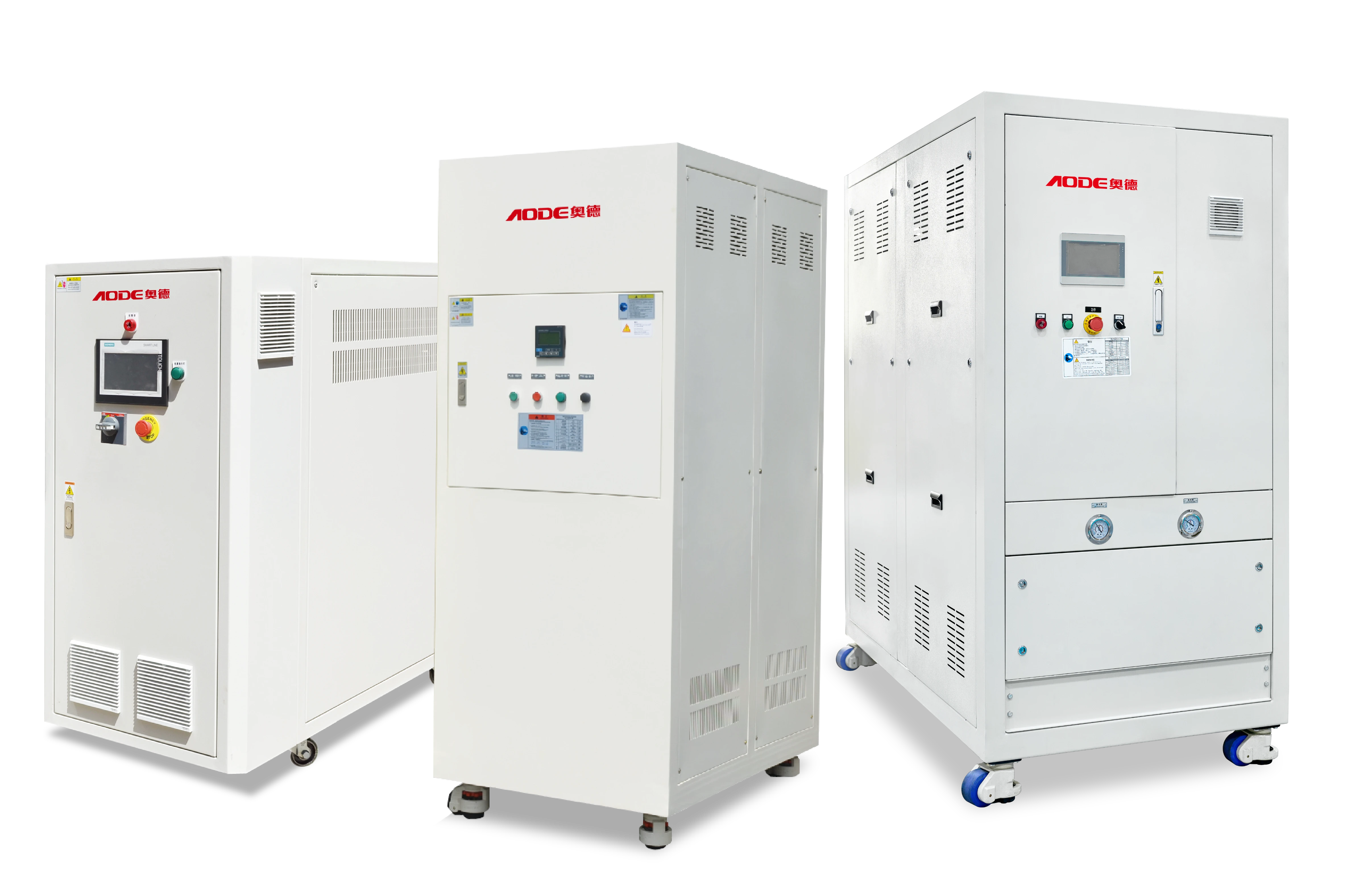
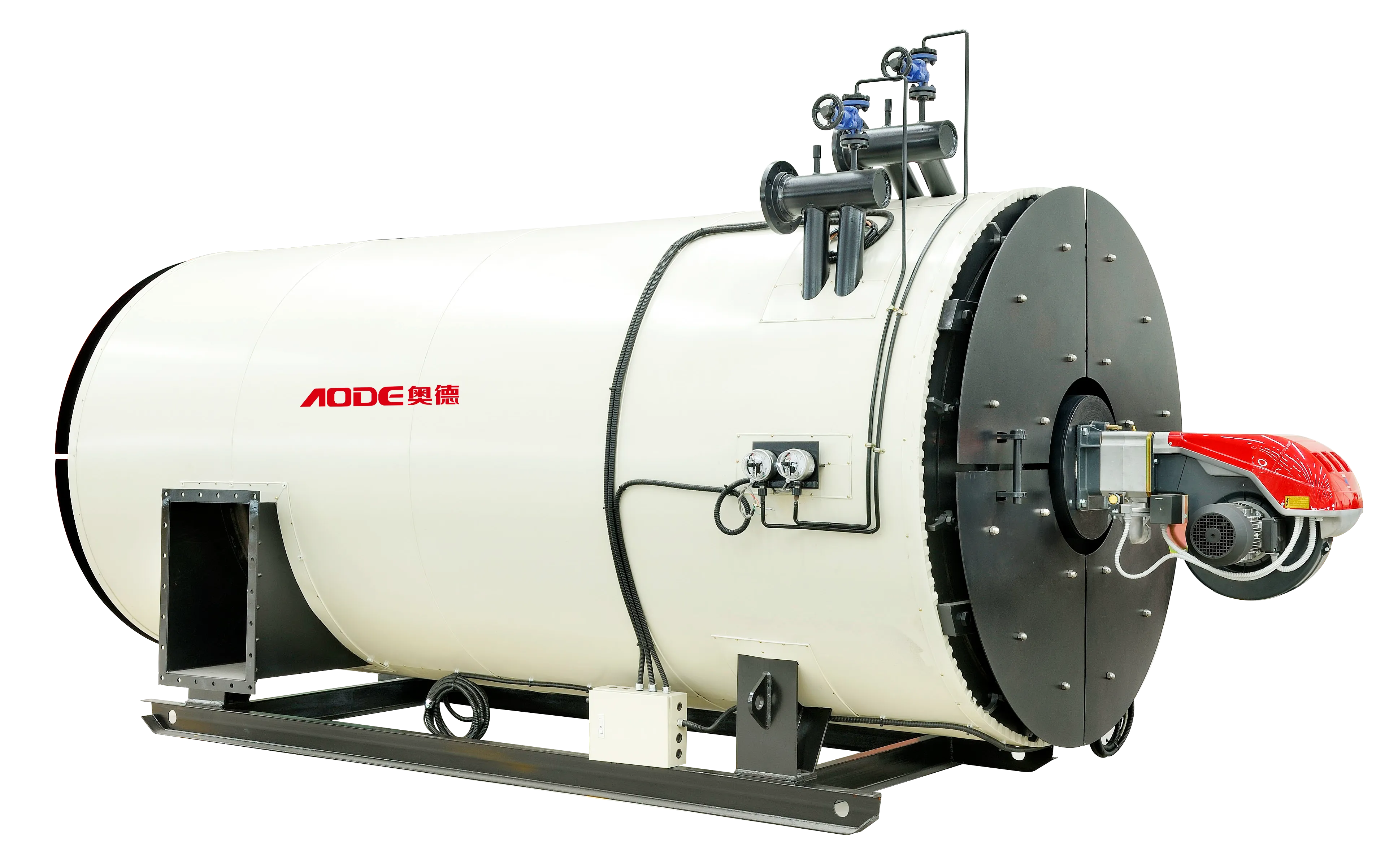
Common temperature control equipment: Explosion-proof mold temperature controllers, thermal oil heaters
Core temperature control requirements:
Temperature control accuracy of ±1°C, with some processes requiring ±0.5°C
Compliance with Ex d IIB T4 or Ex d IIC T4 explosion-proof requirements
Support for high-temperature operation above 300°C
Stable continuous heating and temperature holding over extended operating periods
Plastic and Rubber Additive Production
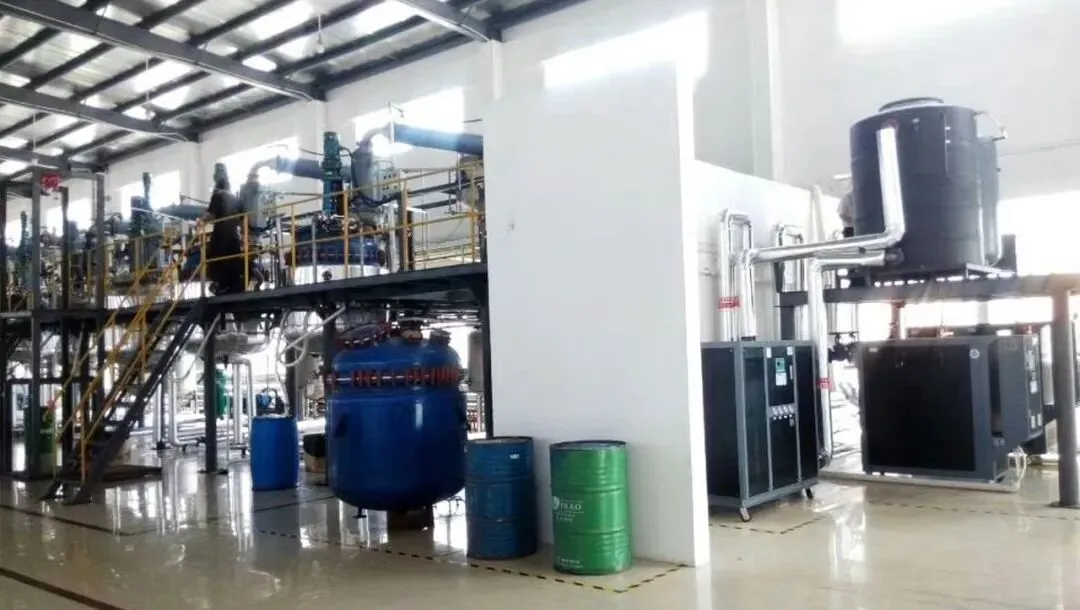
Additives such as antioxidants and light stabilizers are sensitive to temperature stability during high-temperature synthesis. Twin-screw extrusion processes also require stable control of melt temperature and different equipment temperature zones to prevent material decomposition caused by localized overheating.
Typical process stages: High-temperature additive synthesis, twin-screw extruder melt temperature control
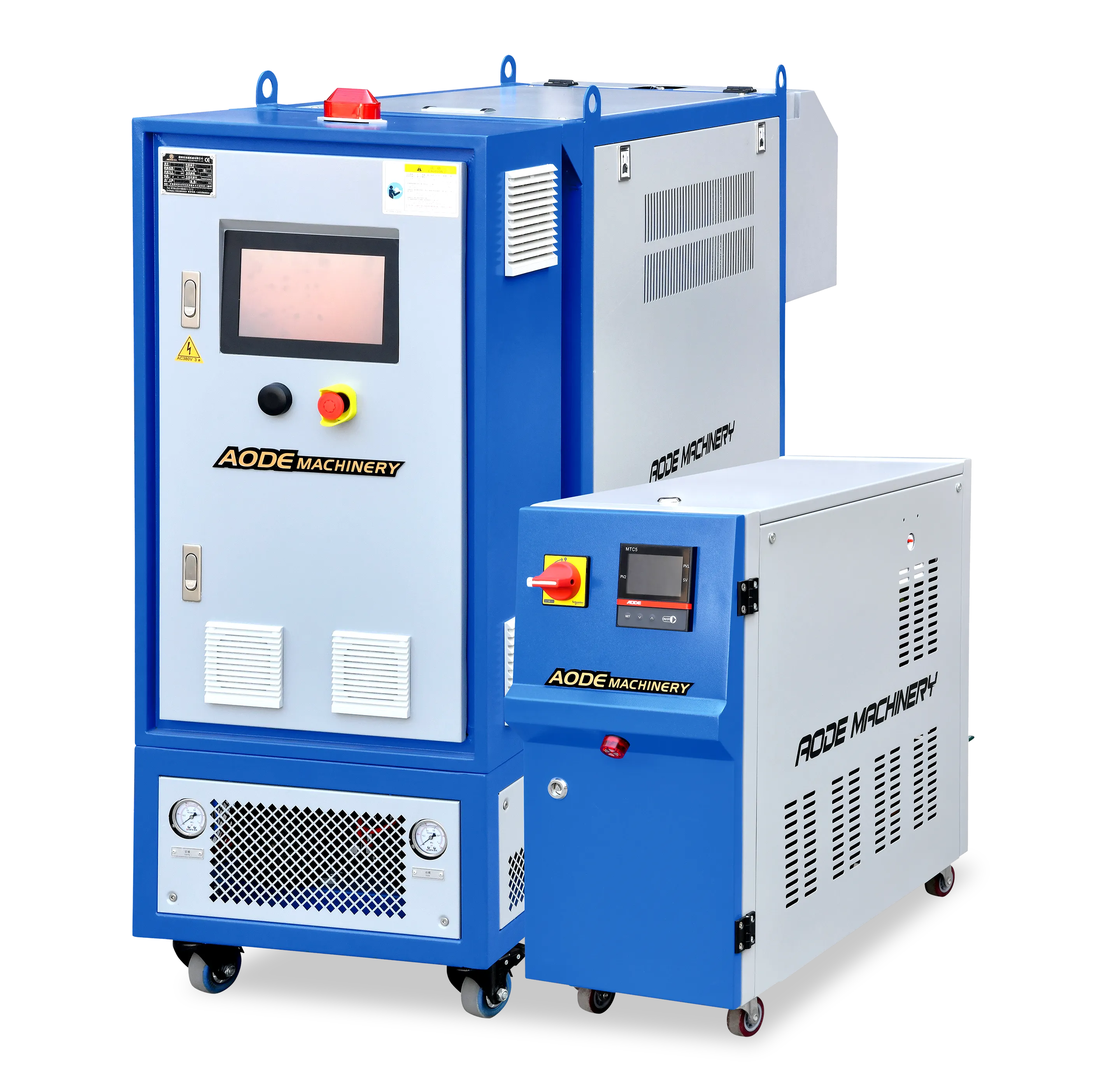
Common temperature control equipment: Ultra-high-temperature thermal oil heaters
Core temperature control requirements:
Maximum operating temperature of up to 350°C
Temperature control accuracy of up to ±0.5°C
Nitrogen blanketing system to reduce oxidation risks in the heat transfer medium
Reduced material decomposition and process fluctuations
Petrochemical Temperature Control Application Cases
Oil Refining Production
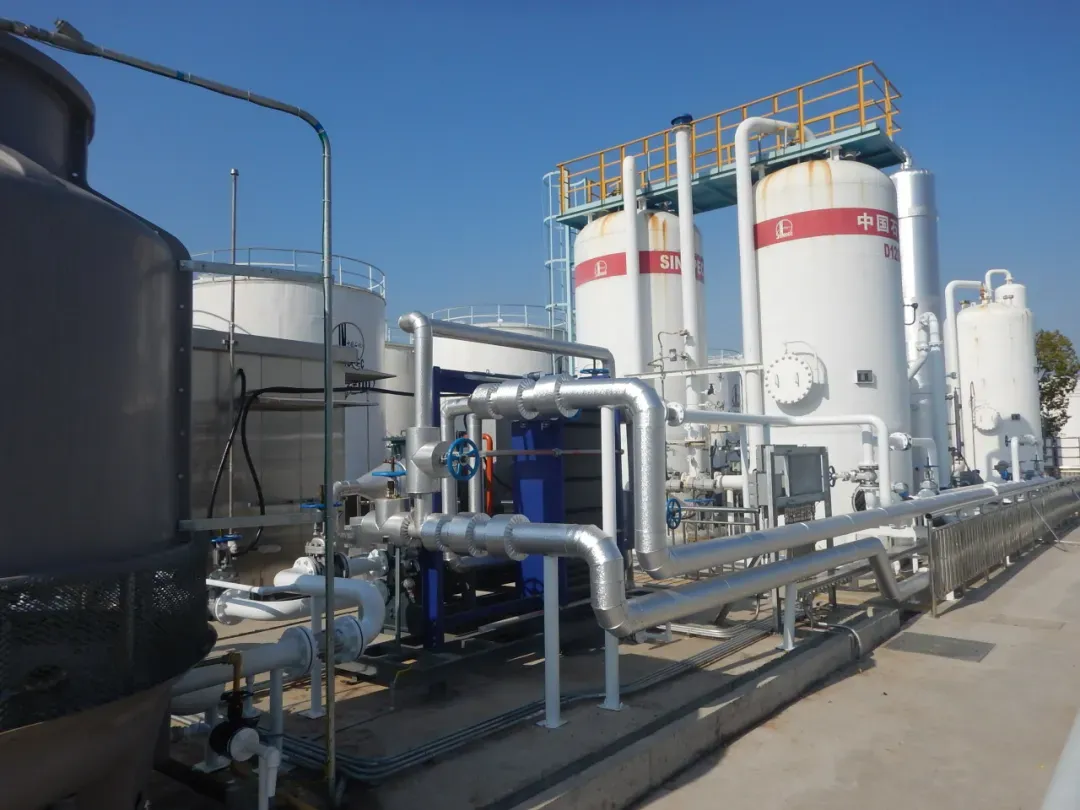
Atmospheric and vacuum distillation, catalytic cracking, and gas separation processes are characterized by wide temperature ranges, high heat exchange loads, and long operating cycles. Temperature control systems must meet the requirements of high power, corrosion resistance, and continuous operation around the clock.
Typical process stages: Atmospheric and vacuum distillation, catalytic cracking, gas separation
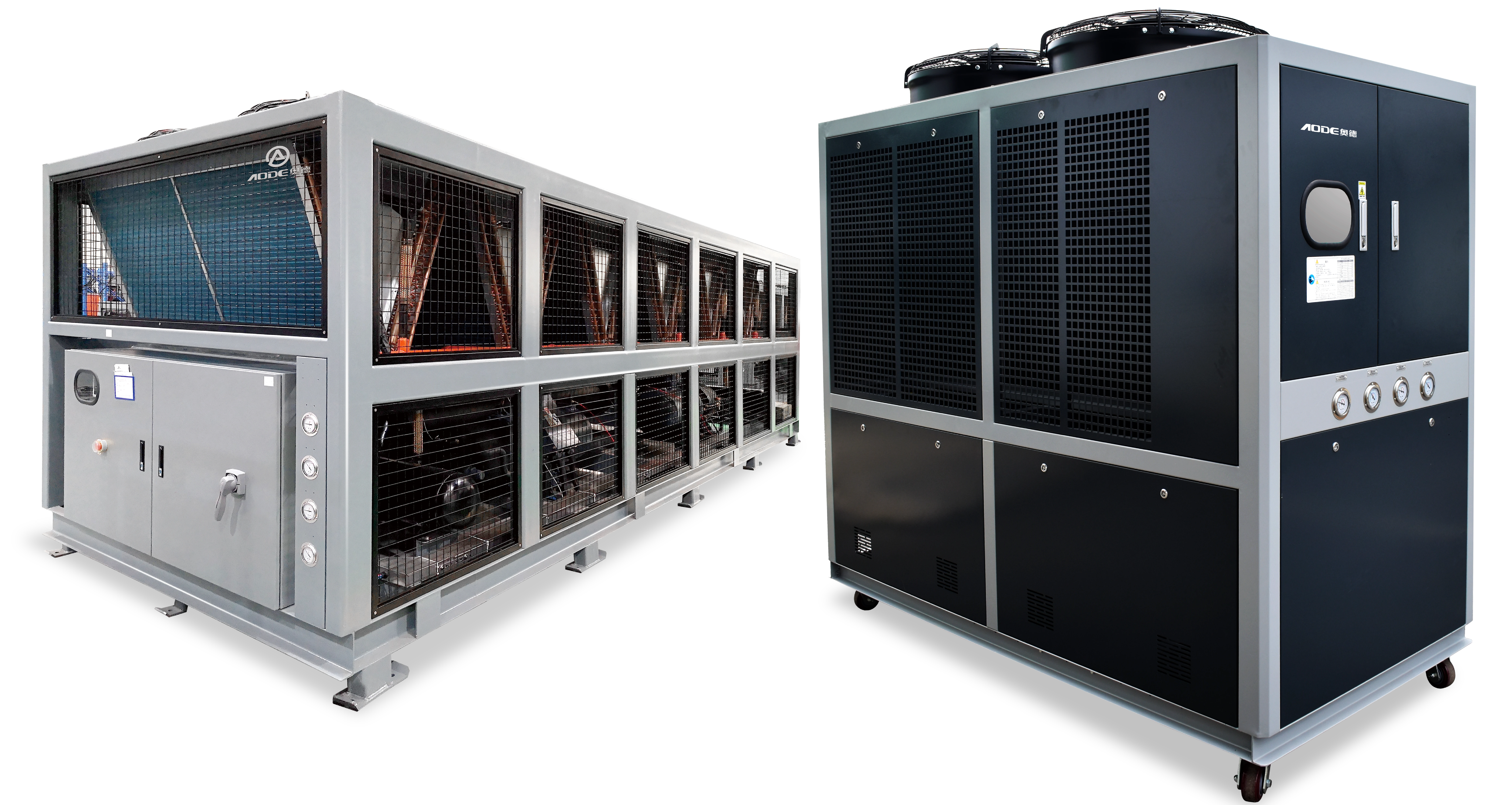
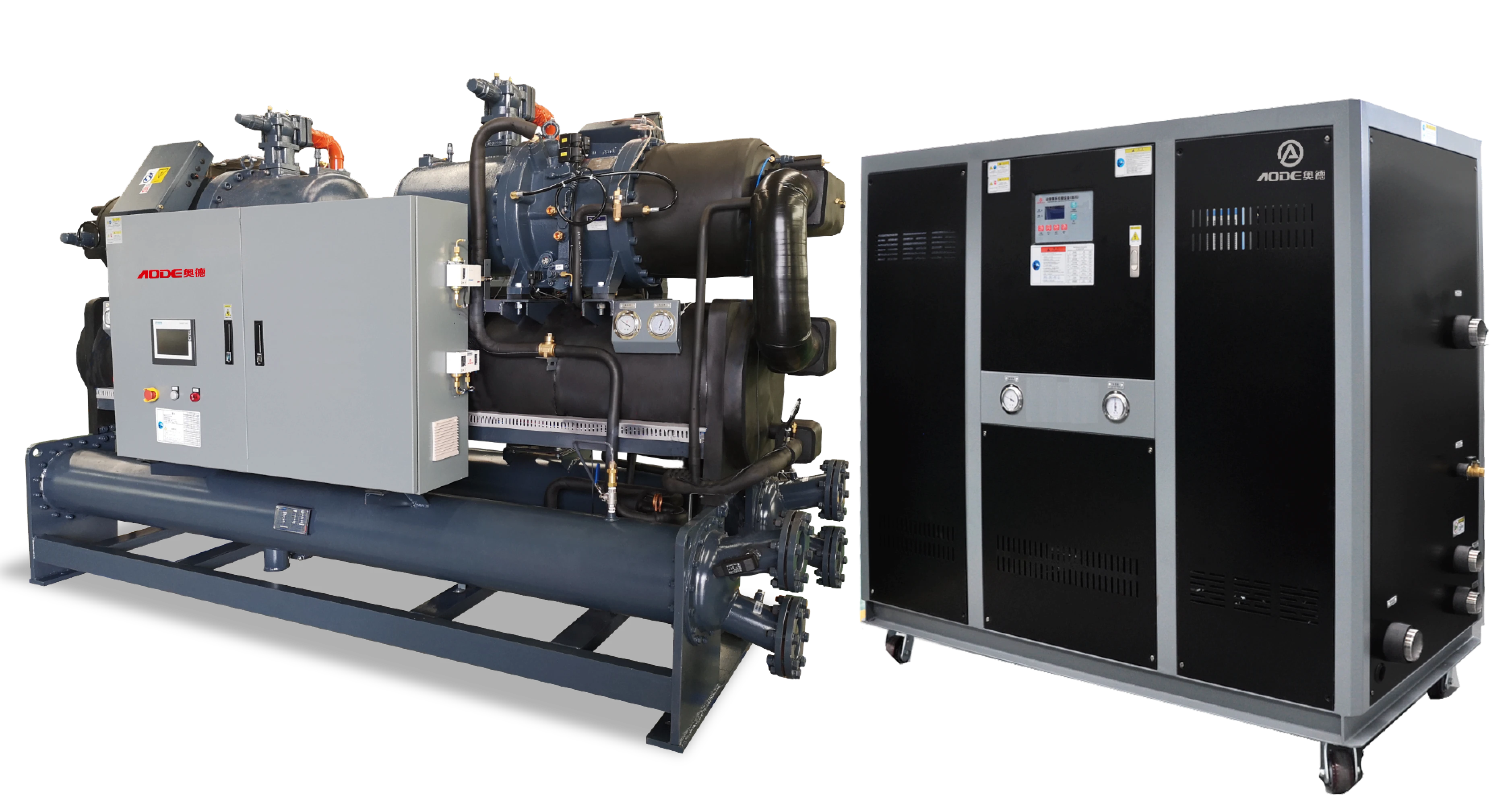
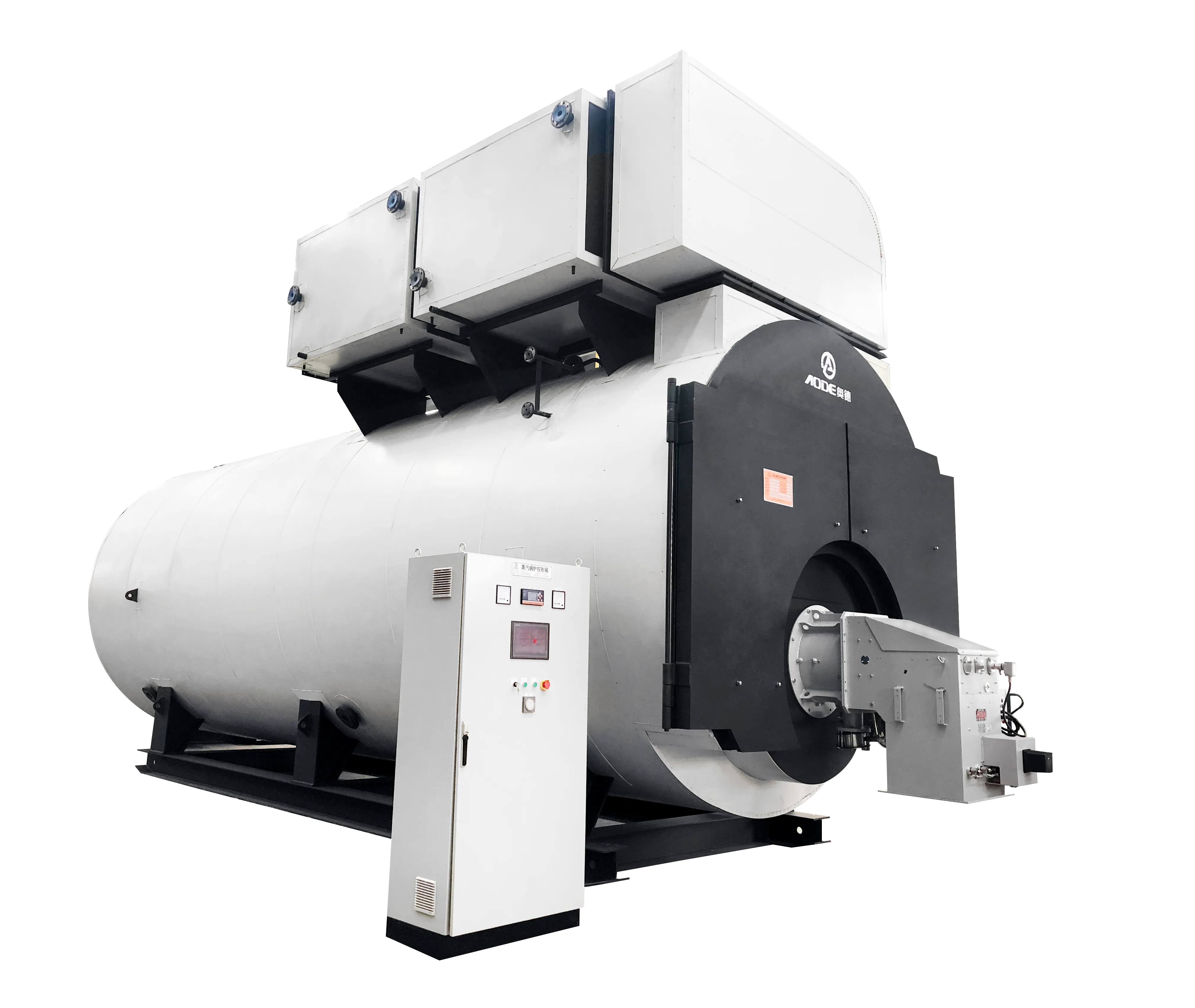
Common temperature control equipment: Large mold temperature controllers, thermal oil boilers, industrial chillers
Core temperature control requirements:
Temperature control range from ambient temperature to 400°C
High-capacity heating and cooling
Adaptability to corrosive production environments
Stable 24-hour continuous operation
Olefin and Downstream Material Production
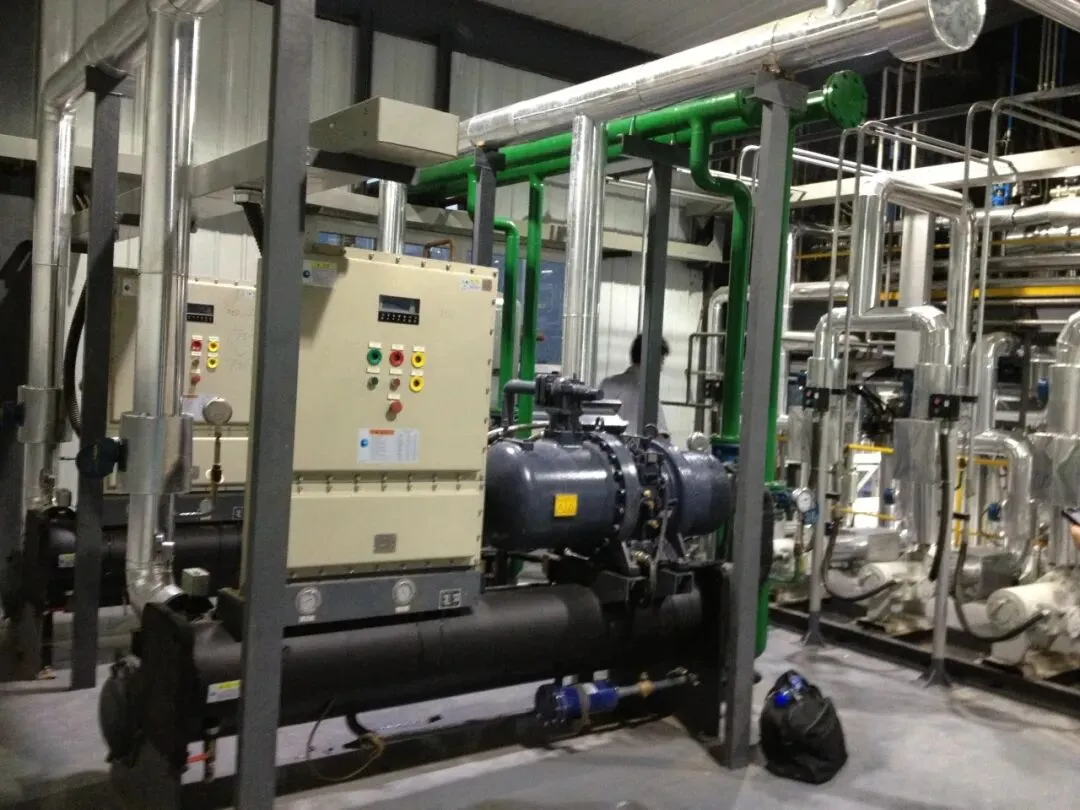
Polymerization reactions for materials such as polyethylene typically release large amounts of heat. The temperature control system must quickly remove reaction heat while maintaining stable reactor temperatures.
Typical process stages: Polymerization reactions, reactor cooling and temperature holding
Common temperature control equipment: Large mold temperature controllers, thermal oil boilers, industrial chillers
Core temperature control requirements:
Strong cooling and heat exchange capacity
Rapid removal of heat generated during polymerization
Compliance with Ex d IIB T4 explosion-proof requirements
Stable temperature control during continuous production
Pharmaceutical Chemical Temperature Control Application Cases
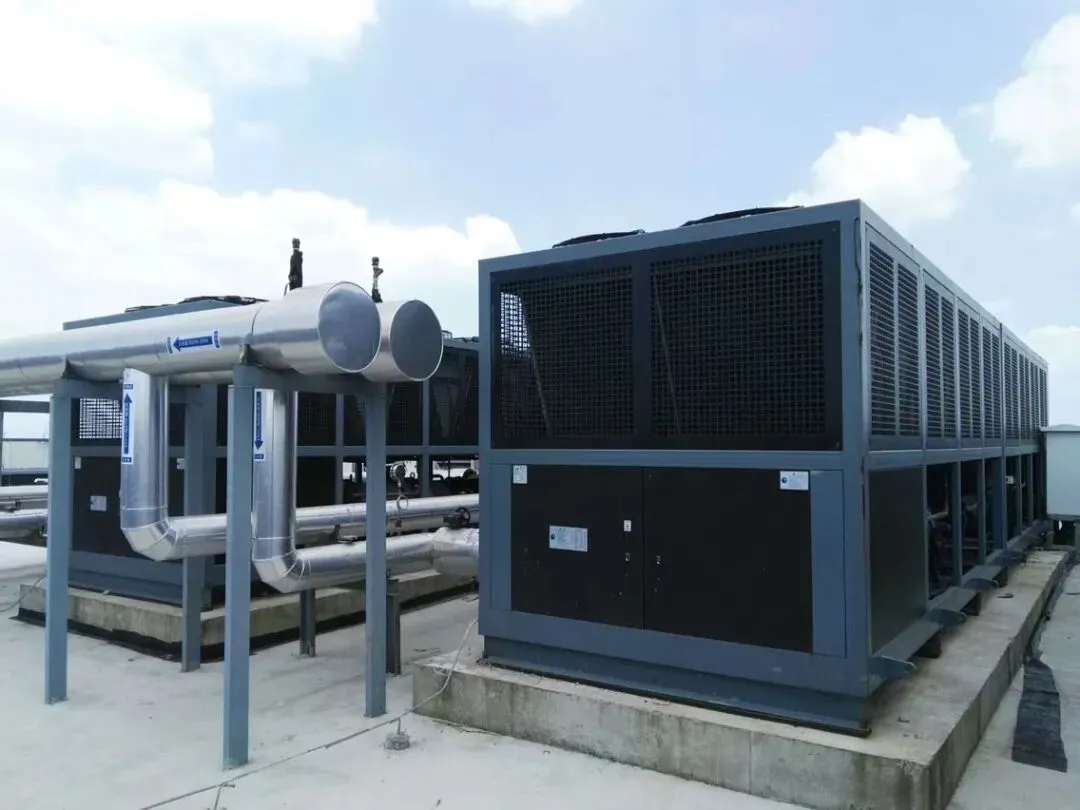
Active Pharmaceutical Ingredient and Pharmaceutical Intermediate Production
The production of active pharmaceutical ingredients and pharmaceutical intermediates typically involves reactor heating and cooling, crystallization, and freeze-drying. Temperature variations can affect crystal form, material purity, and product consistency, resulting in high requirements for temperature control accuracy and equipment cleanliness.
Typical process stages: Reactor heating and cooling, crystallization, freeze-drying
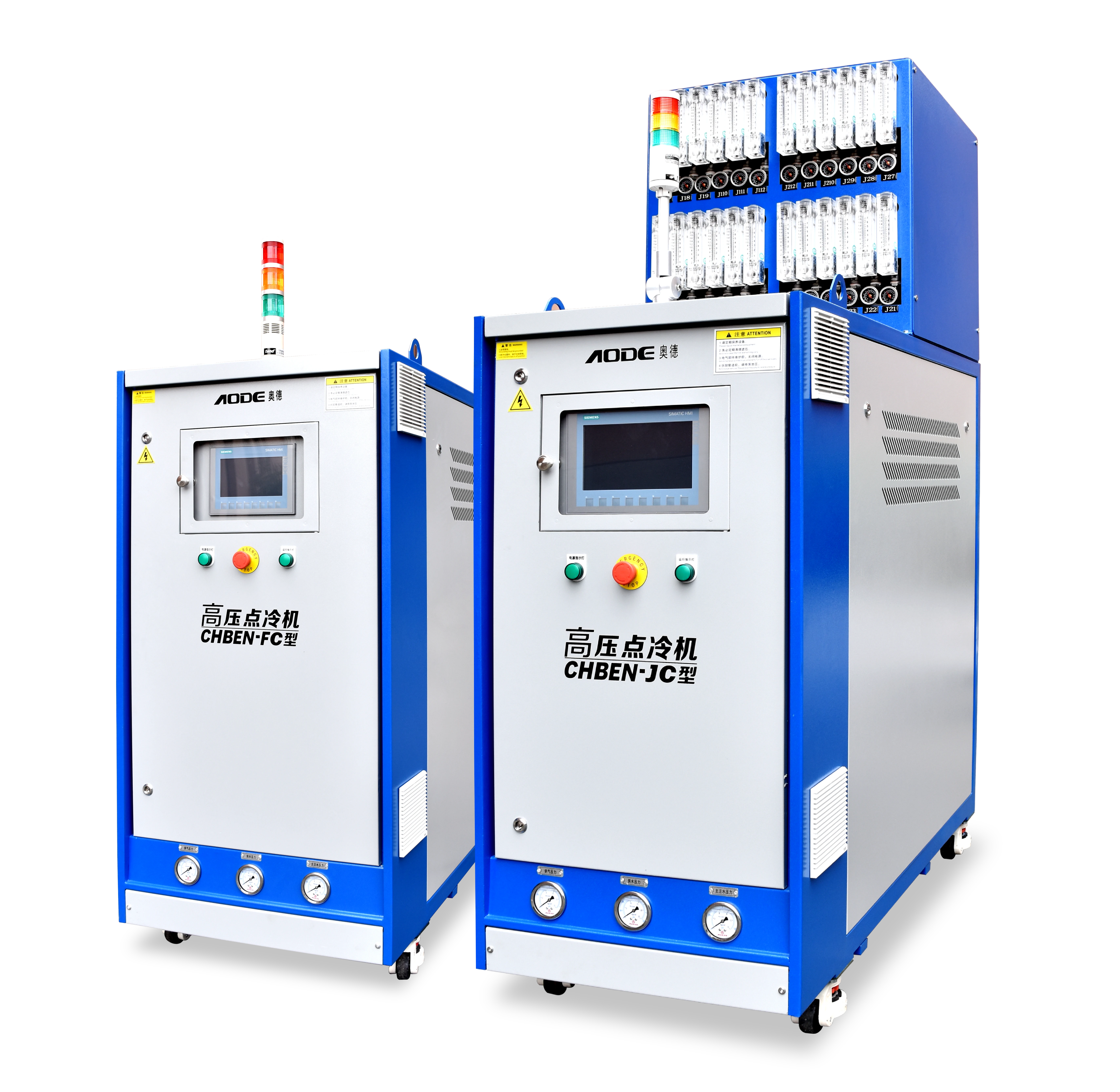
Common temperature control equipment: Explosion-proof chillers, integrated heating and cooling units
Core temperature control requirements:
Temperature control accuracy from ±0.1°C to ±0.5°C
Clean-design materials such as stainless steel
Compliance with pharmaceutical cleaning and traceability requirements
Support for GMP and FDA-related production management requirements
Pharmaceutical Formulation Production
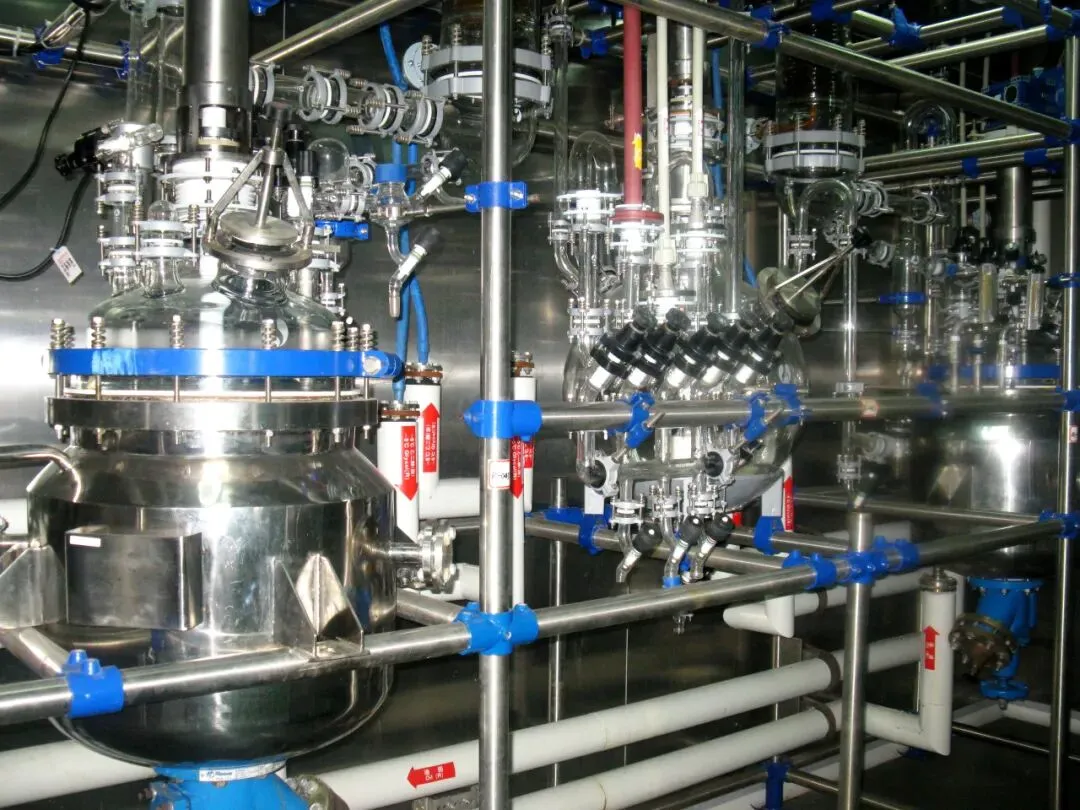
Solution preparation tanks and coating pans require stable temperature support to ensure consistency during solution preparation, mixing, and coating processes.
Typical process stages: Solution preparation tank temperature control, coating pan heating
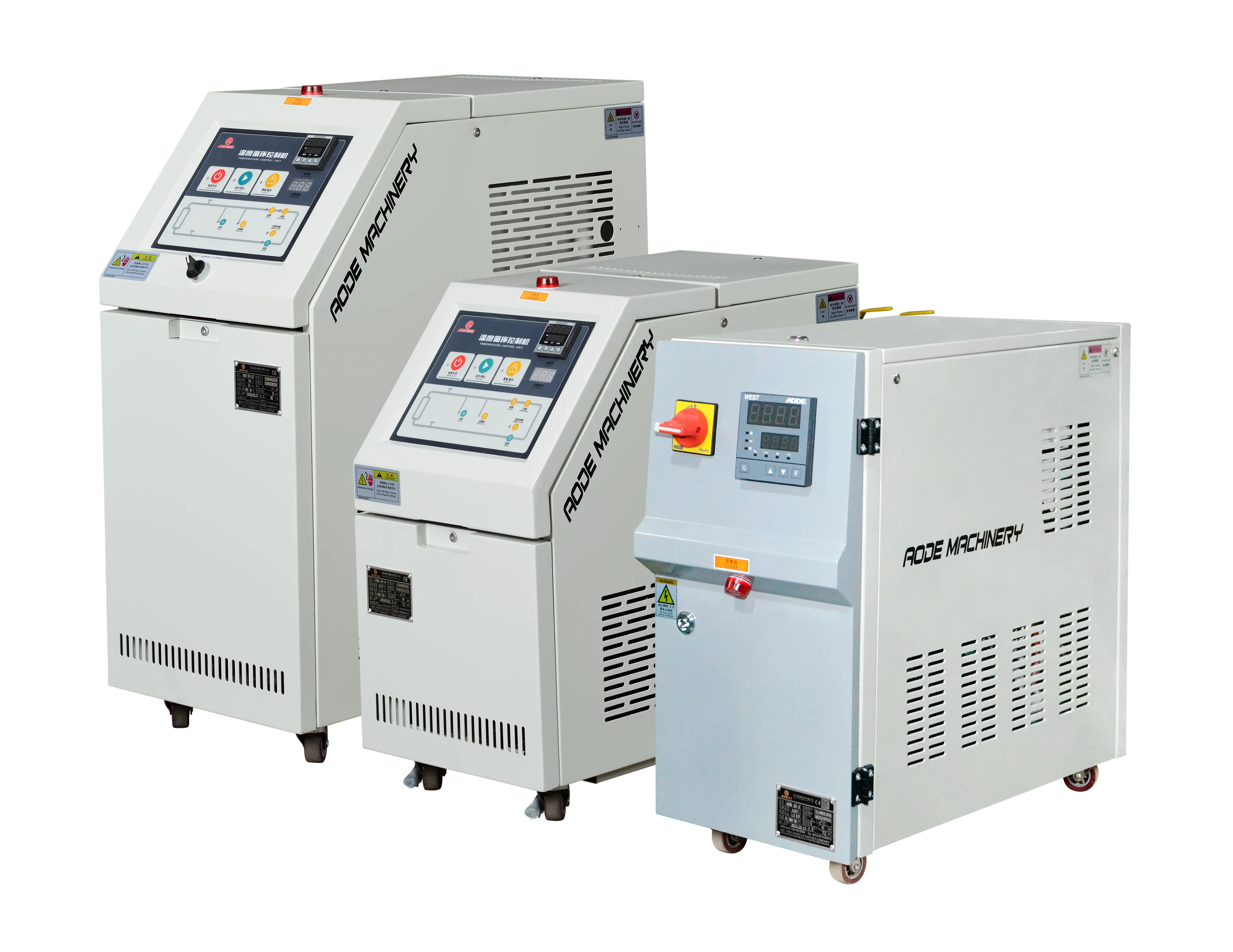
Common temperature control equipment: Mold temperature controllers, industrial chillers
Core temperature control requirements:
Hygienic system design
Rapid heating and cooling
Stable maintenance of the required process temperature
Reduced temperature variation between production batches
Electronic Chemical Temperature Control Application Cases
Semiconductor Material Production
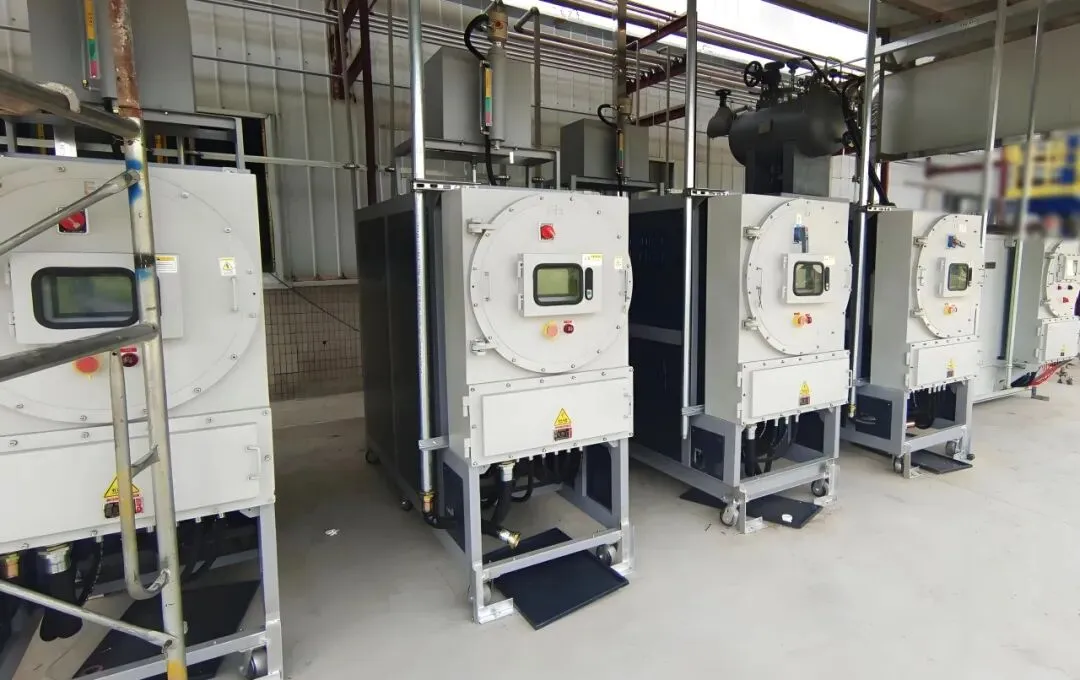
Semiconductor materials such as photoresists and high-purity reagents require stable and clean temperature environments during precision distillation and low-temperature crystallization. Temperature deviations or system contamination may affect material purity and production quality.
Typical process stages: Precision distillation, low-temperature crystallization, high-purity material processing
Common temperature control equipment: High-precision mold temperature controllers, industrial chillers
Core temperature control requirements:
Temperature control accuracy of ±0.5°C or higher
Materials and system structures suitable for high-purity media
Reduced contamination of materials from pipelines and heat exchange components
Stable operation across a wide temperature range, such as 45°C to 300°C
New Energy Battery Material Production
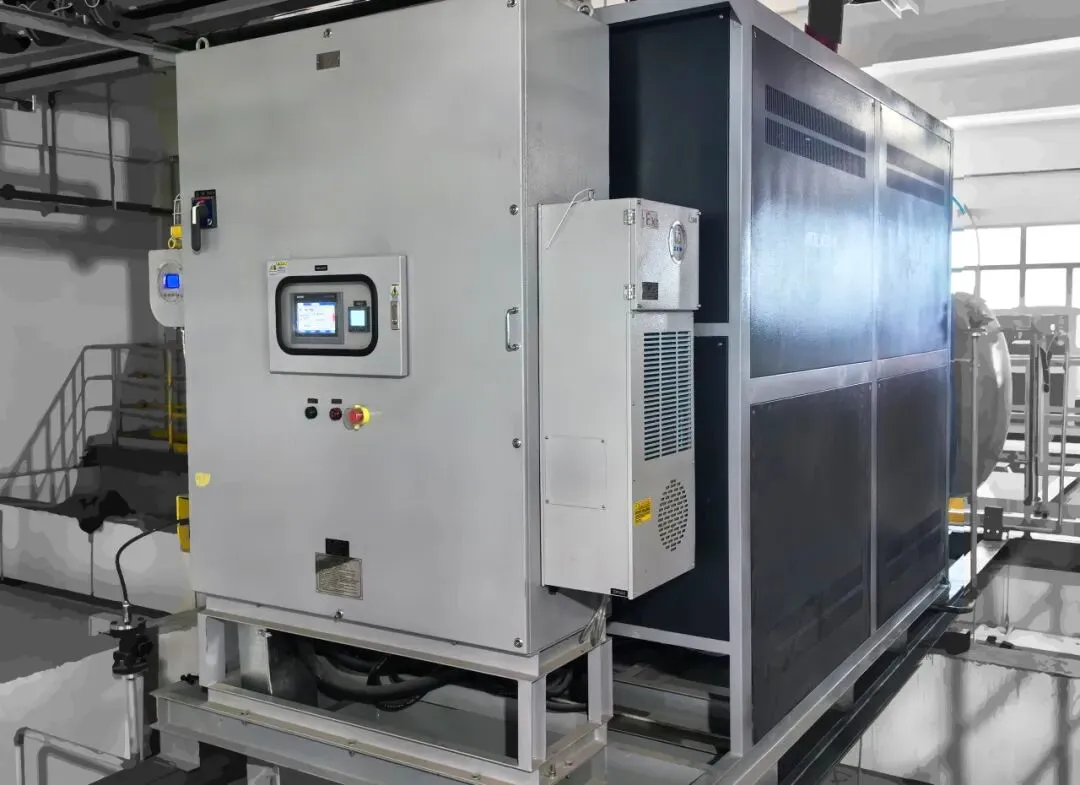
Processes such as PVDF binder synthesis and solid-state electrolyte preparation require stable operation at high temperatures. Some production environments also involve flammable and explosive media.
Typical process stages: PVDF binder synthesis, solid-state electrolyte preparation
Common temperature control equipment: Ultra-high-temperature thermal oil heaters, explosion-proof mold temperature controllers
Core temperature control requirements:
High-temperature operation up to 350°C
Long-term temperature stability
Compliance with Ex d IIB T4 explosion-proof requirements
Reduced impact of temperature fluctuations on material performance
Other Chemical Industry Temperature Control Application Cases
Pesticide, Dye, and Pigment Production
Nitration, sulfonation, and diazotization reactions are typically highly exothermic. Rapid cooling and stable heat exchange are required to control reaction temperatures.
Typical process stages: Exothermic reactions such as nitration, sulfonation, and diazotization
Common temperature control equipment: Industrial chillers, explosion-proof mold temperature controllers
Core temperature control requirements:
Strong heat exchange and cooling capacity
Rapid removal of heat generated during reactions
Compliance with Ex d IIB T4 explosion-proof requirements
Corrosion-resistant structures configured according to material characteristics
Inorganic Chemical Production
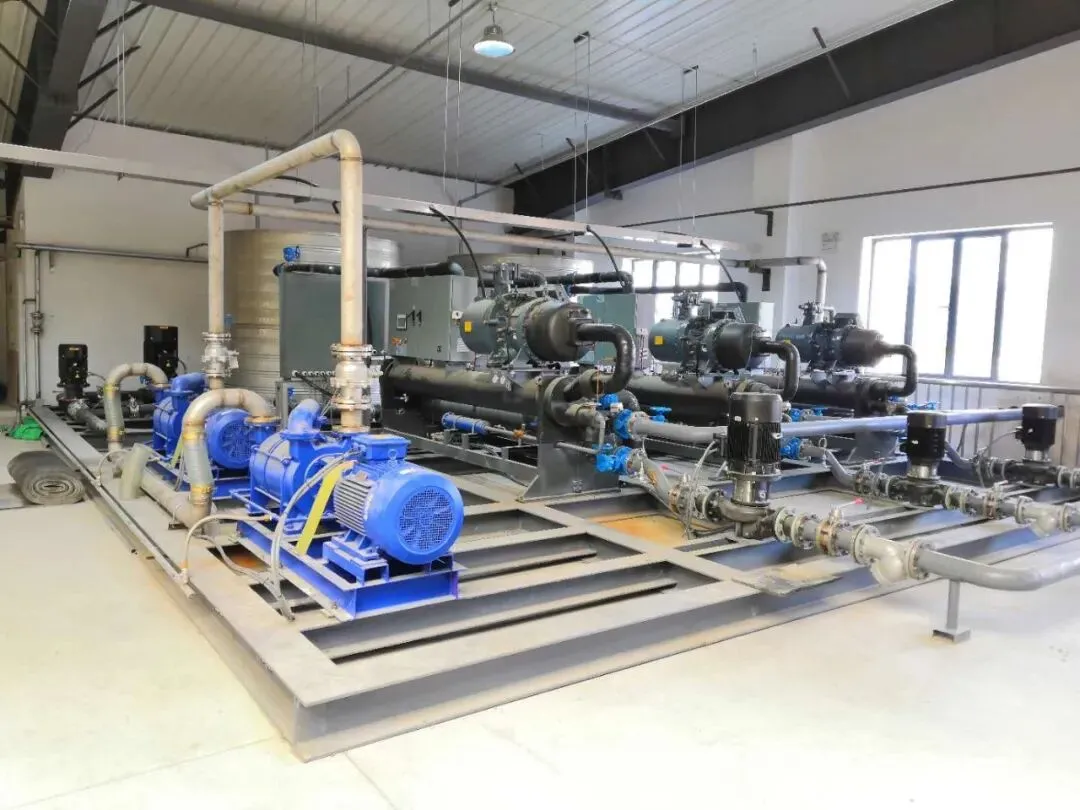
Processes such as inorganic salt evaporation and crystallization and phosphorus chemical production typically involve large processing capacities, while the production media may also be highly corrosive.
Typical process stages: Inorganic salt evaporation and crystallization, phosphorus chemical production
Common temperature control equipment: Thermal oil heaters, industrial chillers
Core temperature control requirements:
Heating and cooling capacity for large-volume materials
Corrosion-resistant materials and piping structures
Stable temperature control during evaporation and crystallization
Adaptability to long-term continuous production
Choose AODE Chemical Industry Temperature Control Solutions
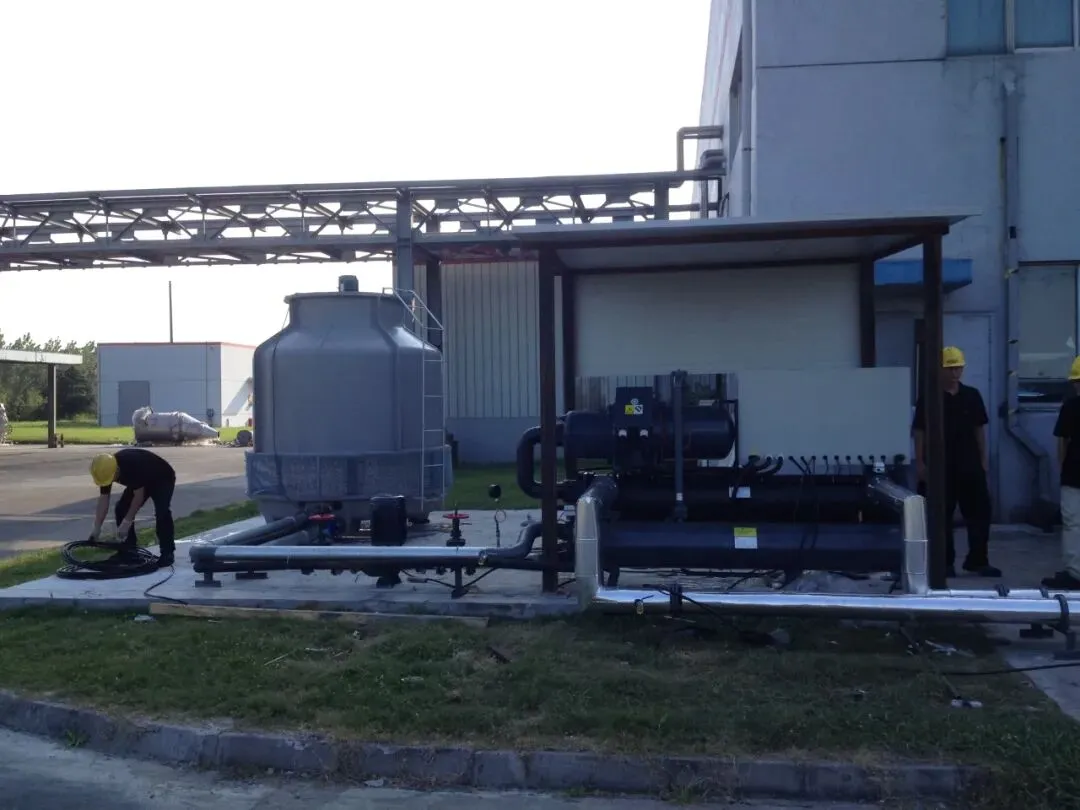
Choosing AODE means choosing a trusted temperature control partner with an in-depth understanding of chemical production processes. We not only provide equipment that meets demanding operating requirements but also draw on 21 years of industry experience and technical service capabilities to support your production stability, safety, and overall operational efficiency. We look forward to working with you to address temperature control challenges throughout your production process.
 Back to List
Table of Contents
×
CONTACT US
Cookie Policy
We use cookies and other tracking technologies online. Please read our Cookie Policy, which is part of this Cookie Policy , and is incorporated herein by reference.

loading...