
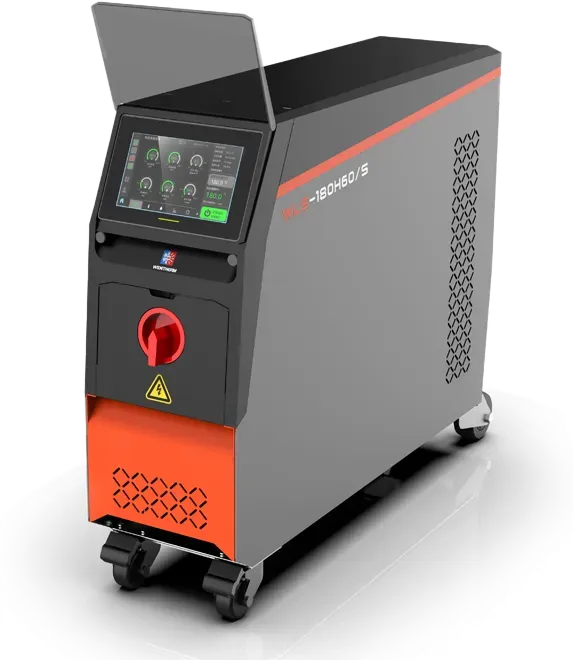
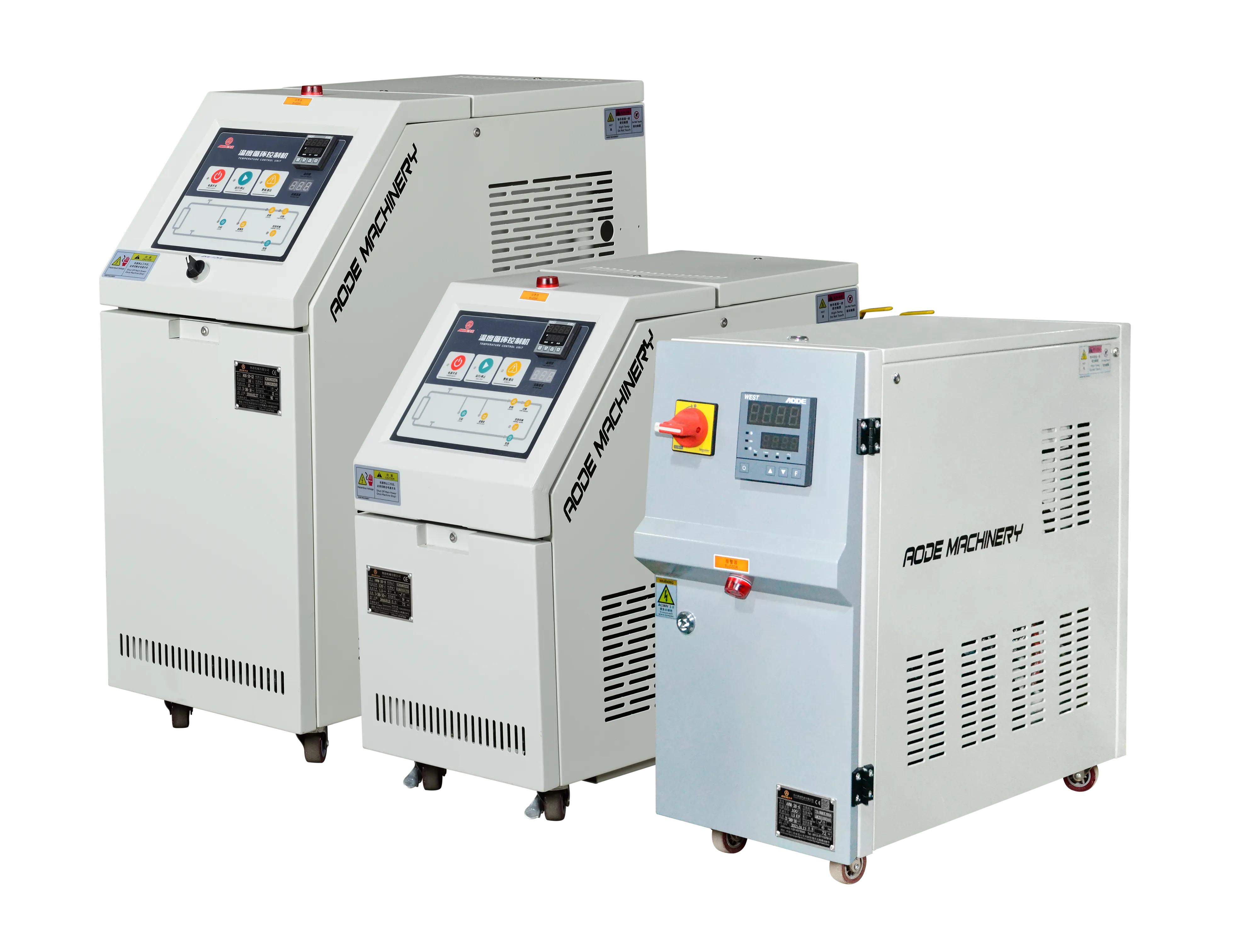
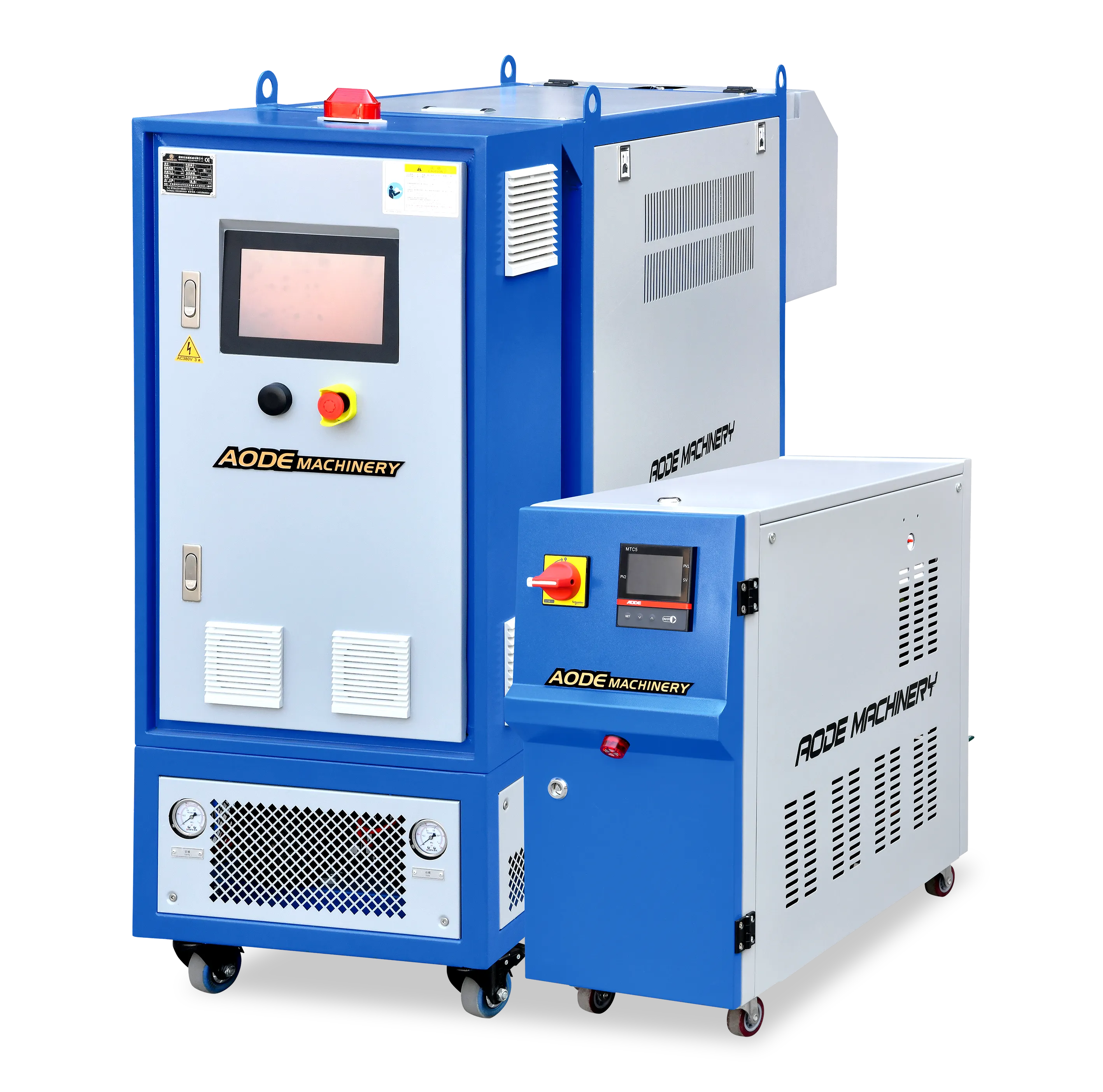
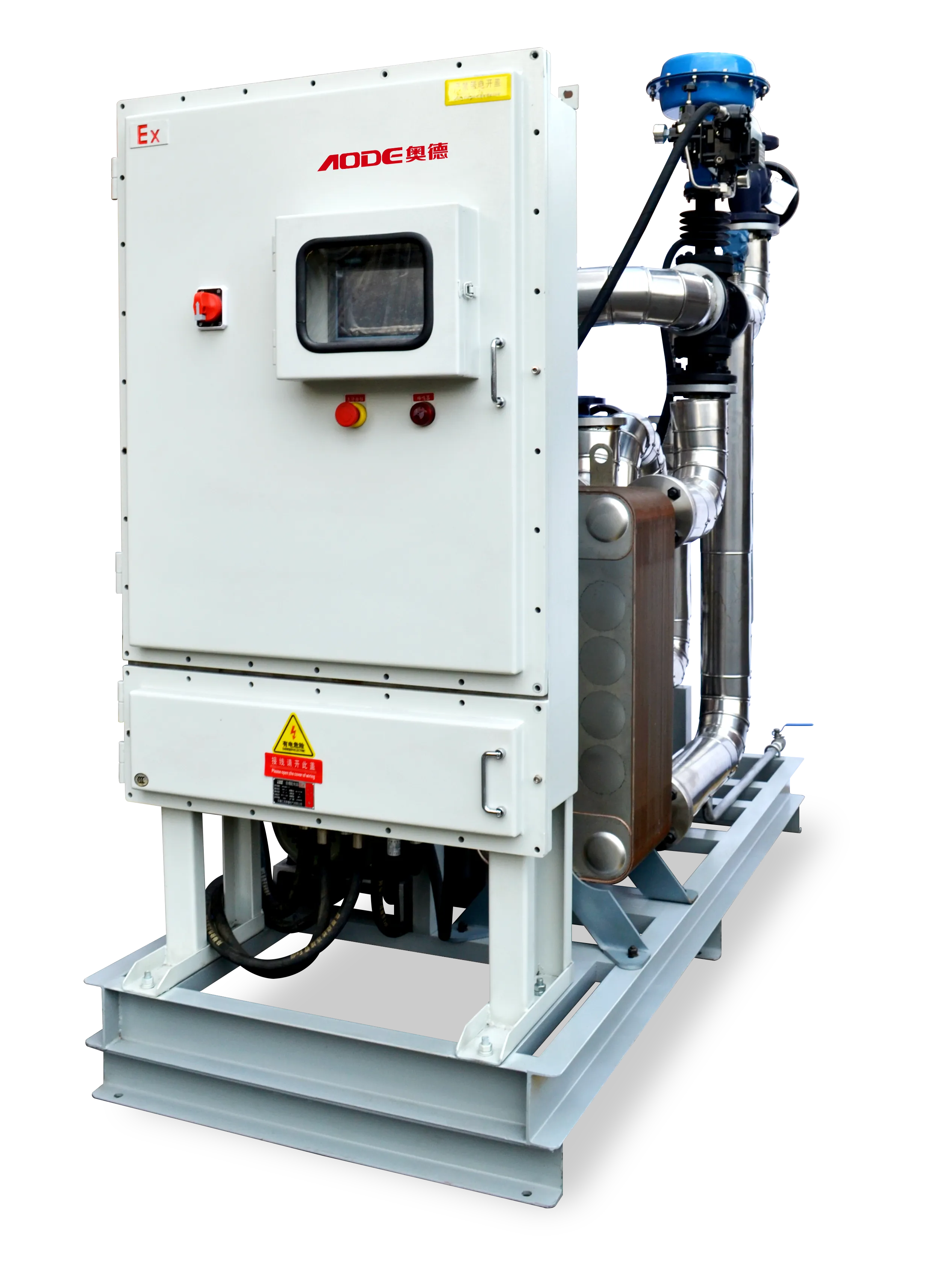



fajsdfjash ddsa dsa as sa sad sda sadfjsadjfl jsadjk fjasdlkfjaskdfdklsaj klf
jsadj
asjdklj falsdjf
jaklj
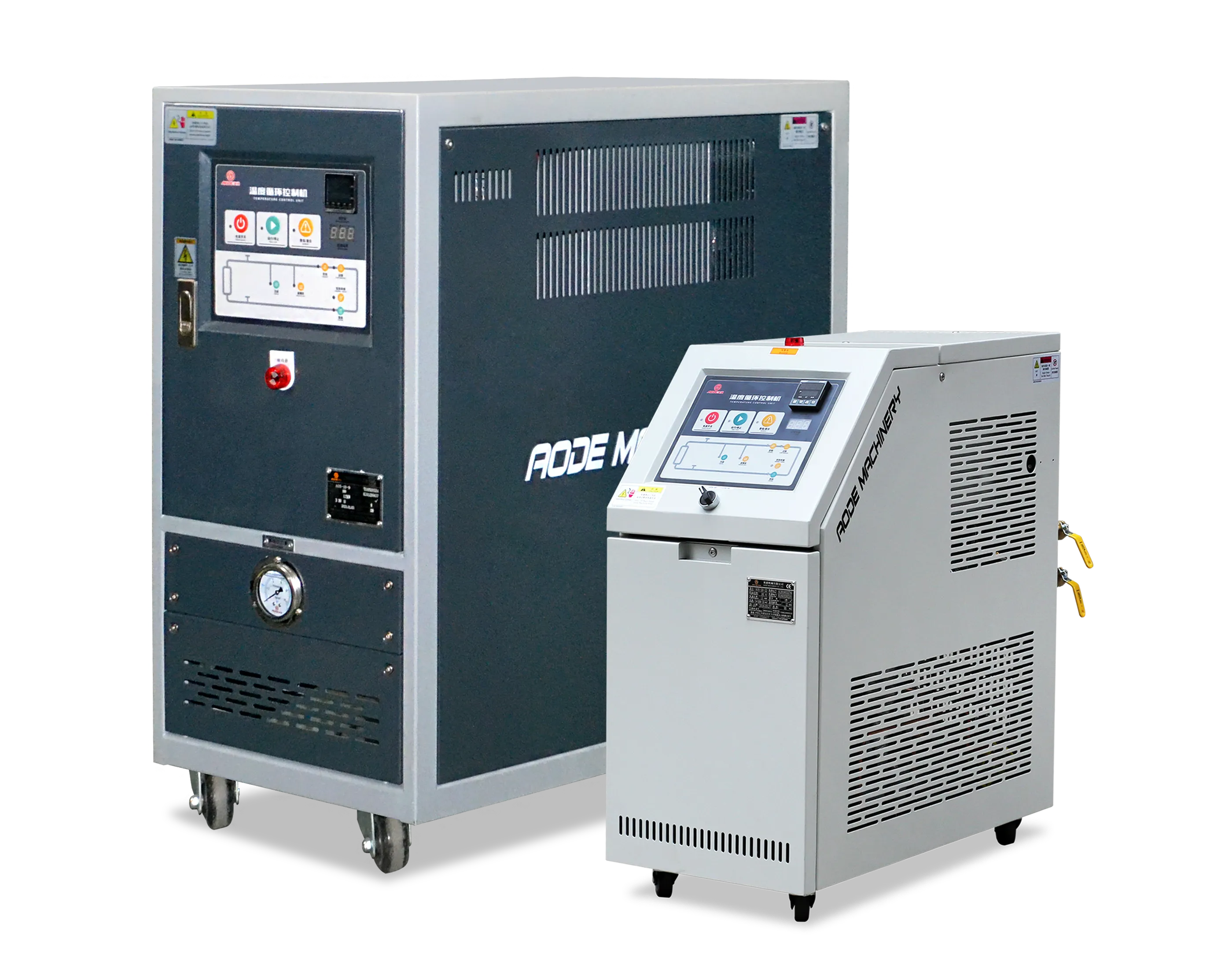
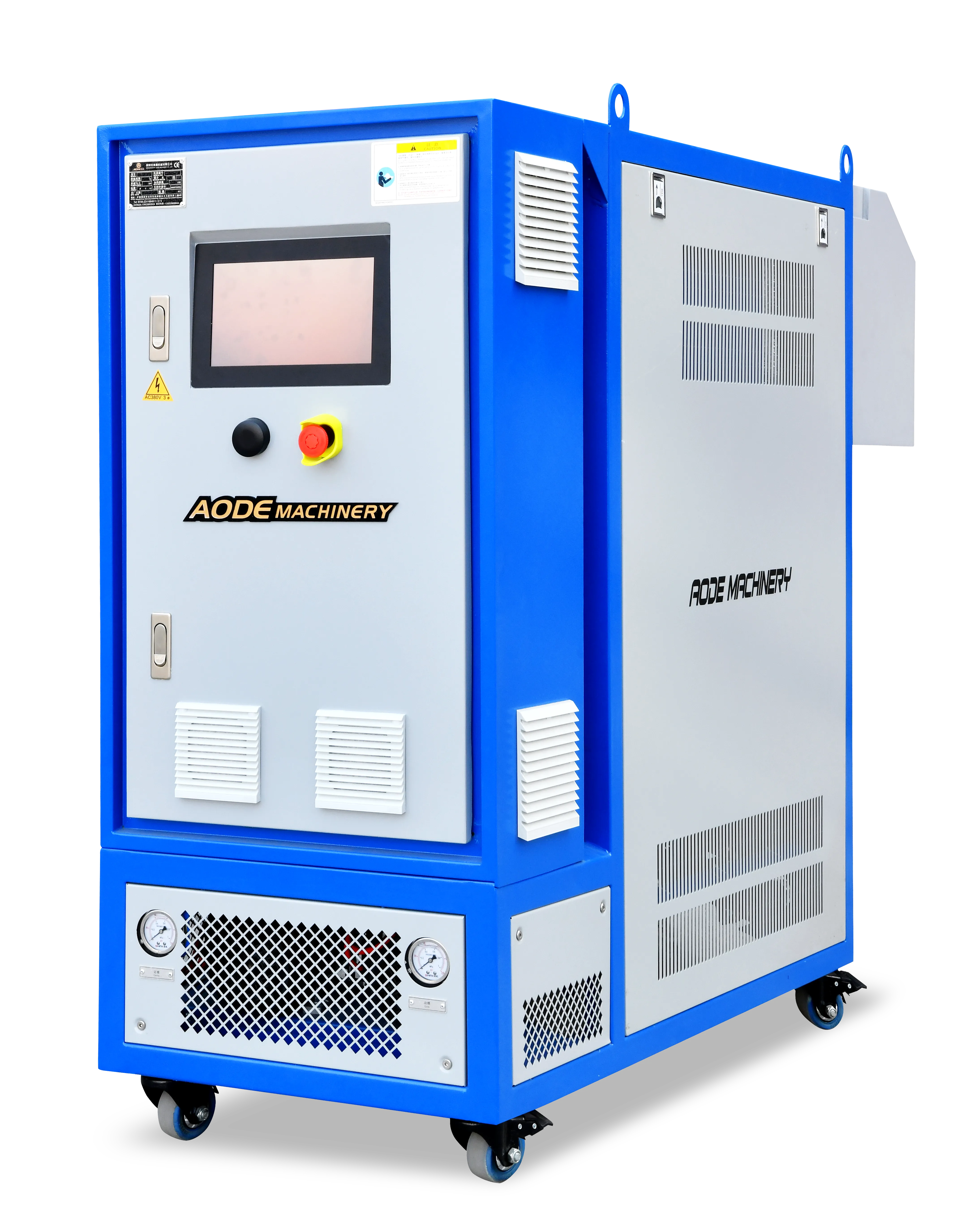
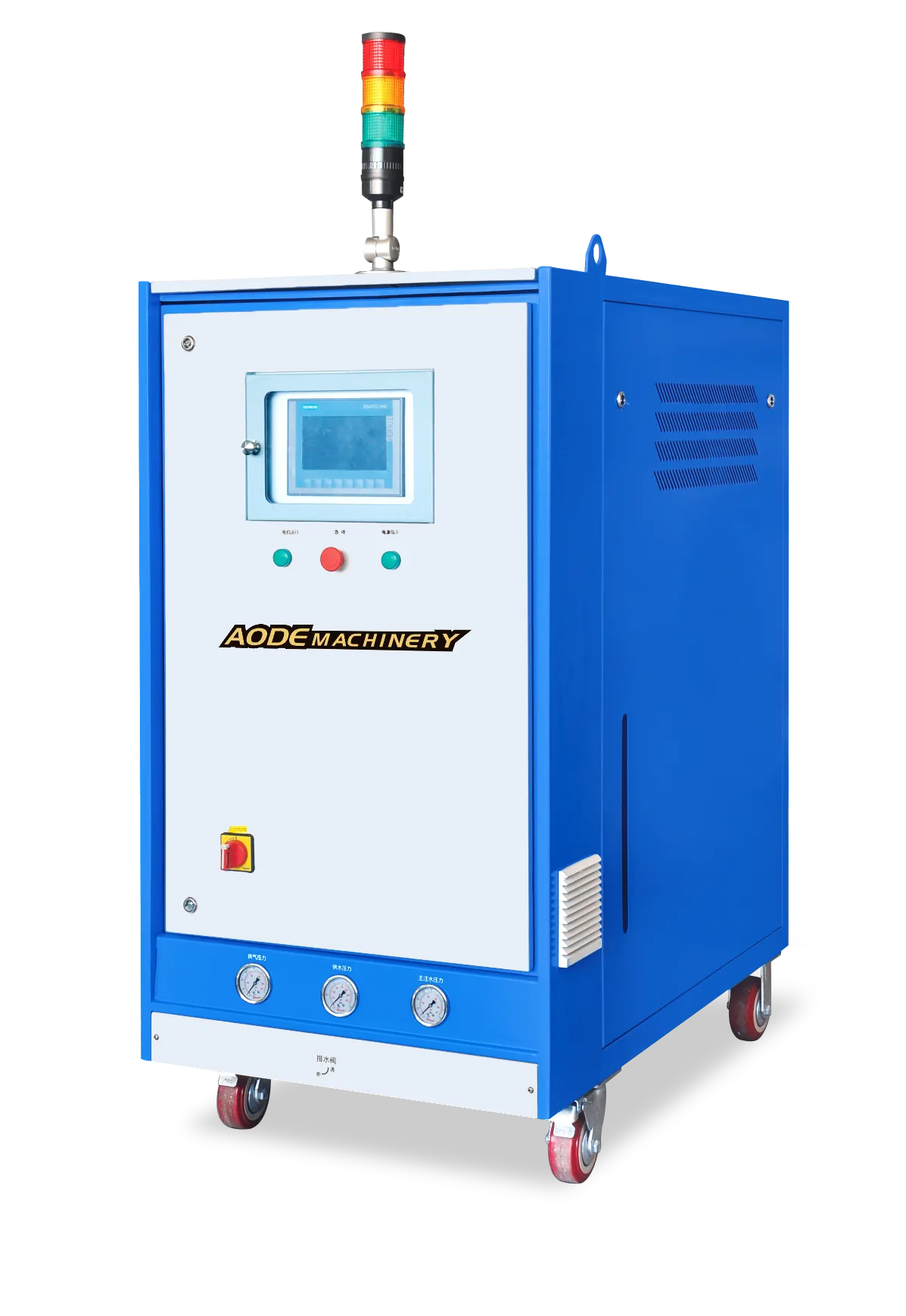
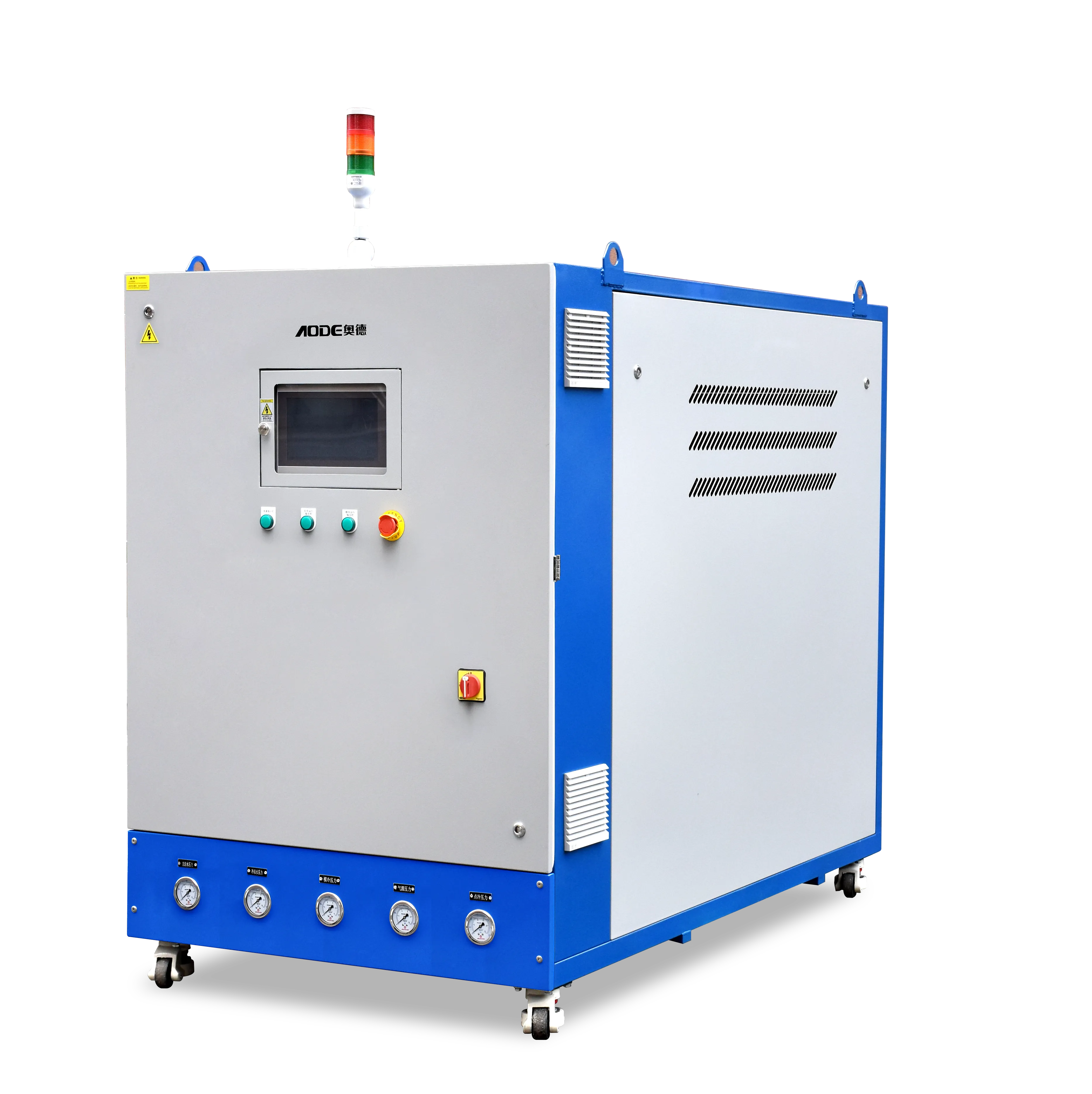
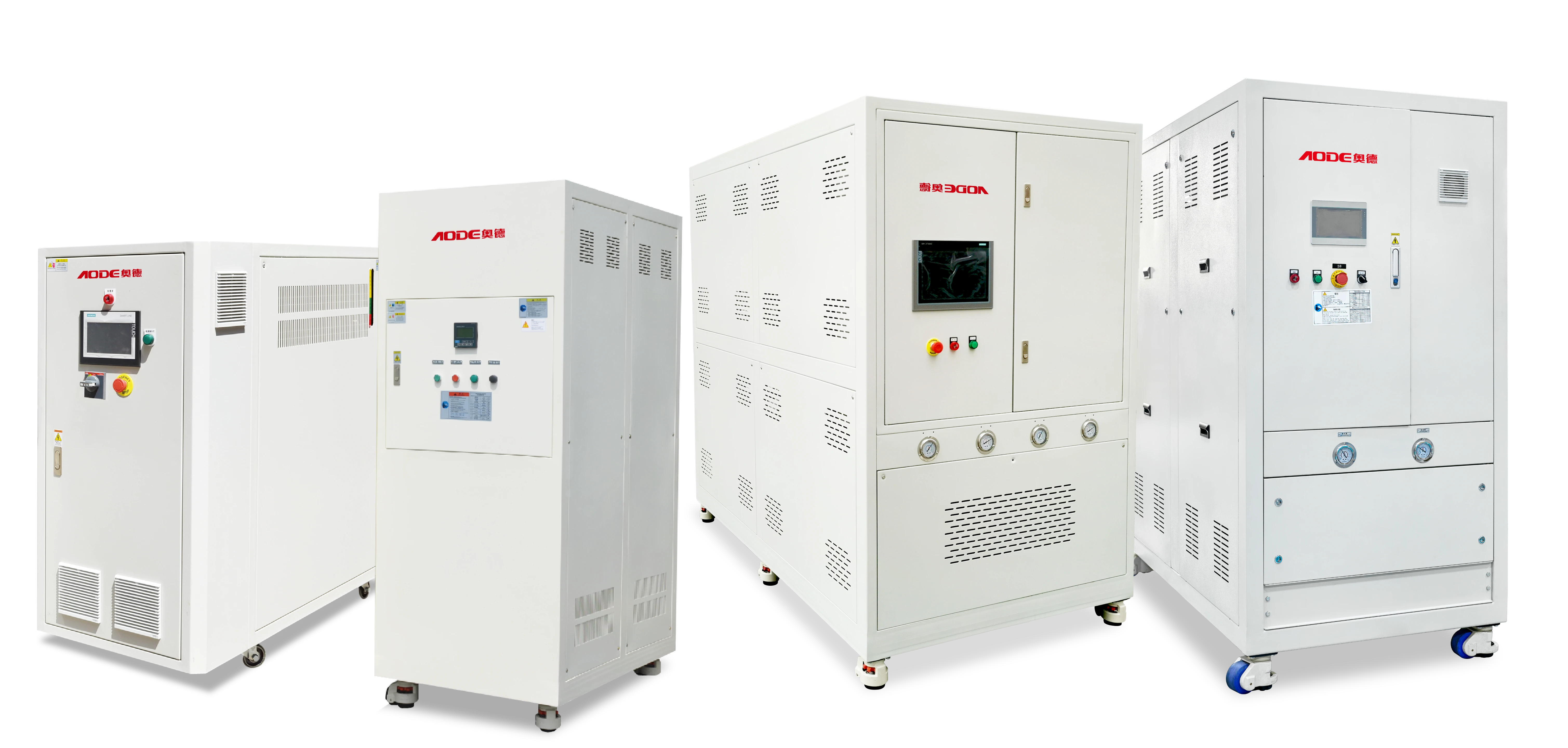
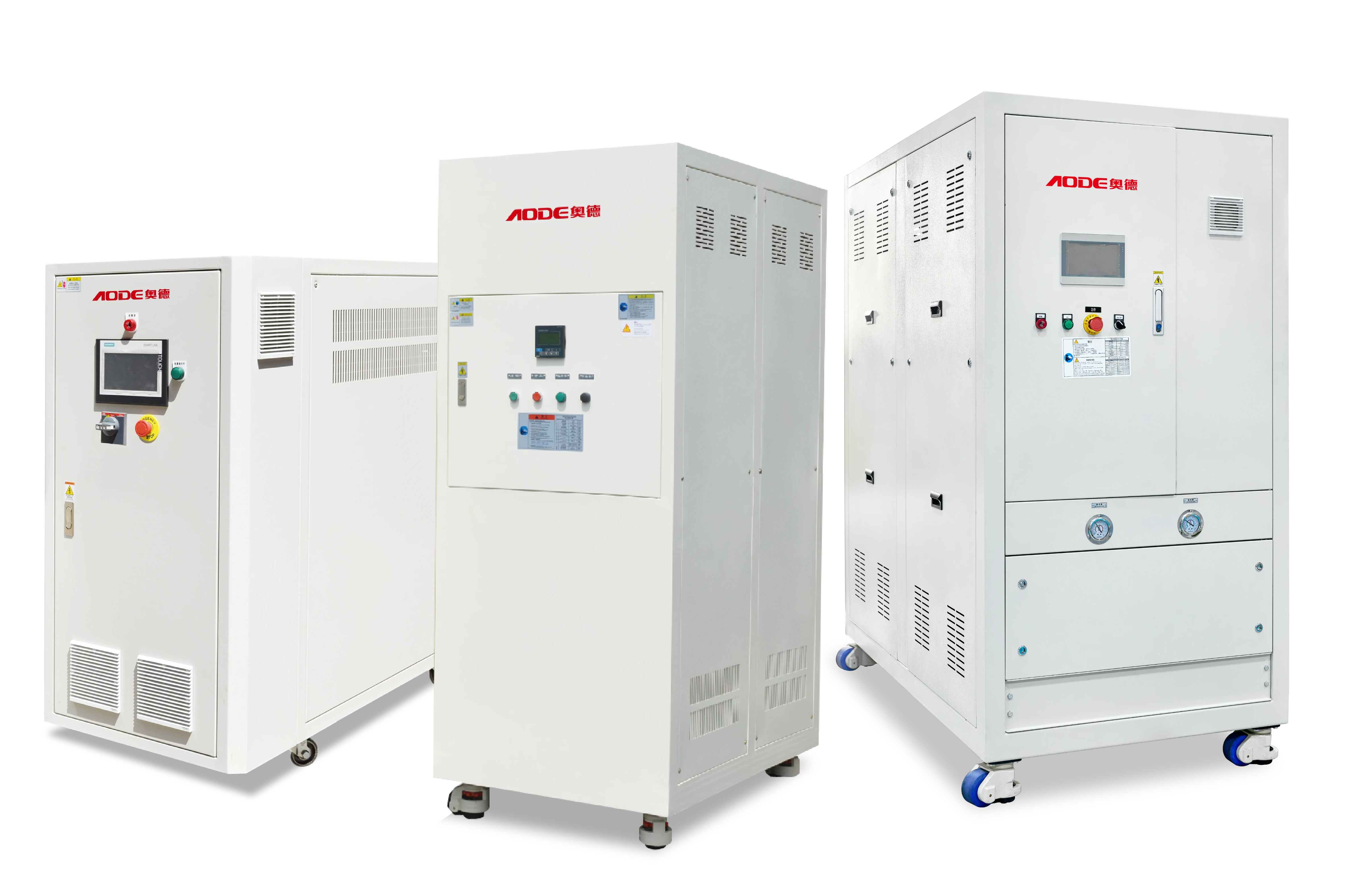
High Temperature Water Temperature Controller
Temp Control Range: +25℃  +180℃
Key Highlights:
Operating Temperature: Up to 180°C
Temperature Regulation: PID ±1°C
Maximum Pump Flow: 235 L/min
Pump Head: Up to 120 m
Request a Quote
Water Temperature Control Unit for Industrial Processing
A pressurized water circulation system for industrial processes that require elevated temperatures without switching to thermal oil.
AODE's high temperature water temperature controller provides water-based heating and circulation for industrial processes requiring temperatures beyond conventional water TCUs. The AEWH series operates up to 150°C, while the AEWT series extends to 180°C, accommodating different high-temperature processing requirements.
At these operating temperatures, maintaining water in its liquid state requires sufficient system pressure. Hoses, fittings, and internal equipment passages must also be rated for the intended conditions. These considerations are essential when integrating the controller into an existing production system.
The five models offer different heating capacities and pump configurations to suit varying thermal loads and circulation demands. AEWH models have a nominal pump head of 60 m, compared with 120 m for the AEWT series. Detailed flow rates and heating specifications are provided in the technical table below.
Looking for a High Temperature Water Temperature Controller?
Contact AODE for a customized high temperature water temperature control solution.
Request a Quote
Water Temperature Controller Features
High-temperature operation depends on more than heater capacity. Circuit design, heat exchange, heating control, and pump performance all influence equipment selection.
[Image Placeholder] 01 High-Temperature-Rated Water Circuit
1
High-Temperature-Rated Water Circuit
At 150°C or 180°C, the circulation circuit must withstand elevated water temperature and pressure. High-temperature-rated piping components are used for the series, while the complete installation, including external hoses and fittings, must be assessed for its intended operating conditions.
[Image Placeholder] 02 Separate Process and Cooling Water Circuits
2
Separate Process and Cooling Water Circuits
Indirect cooling transfers heat through a heat exchanger rather than introducing external cooling water directly into the hot process circuit. The two water streams remain separate, allowing their operating conditions to be managed independently. Actual cooling capacity depends on the cooling water supply and process heat load.
[Image Placeholder] 03 Heating Control for Variable Thermal Loads
3
Heating Control for Variable Thermal Loads
Heating demand changes between startup, steady operation, and different production loads. The AEWH and AEWT series specify PID ±1°C temperature regulation and list contactor, SSR, and SCR heating output options. The available arrangement should be confirmed for the selected model rather than assumed to be standard across the entire range.
[Image Placeholder] 04 Pump Options for Different Circuit Resistance
4
Pump Options for Different Circuit Resistance
Long piping runs, narrow passages, and multiple fittings increase circulation resistance. AEWH models feature a nominal pump head of 60 m, while AEWT models specify 120 m, providing different options for hydraulic circuit design. Actual operating flow must be determined from system resistance and pump performance rather than maximum flow ratings alone.
Need These Features in Your High-Temperature Process?
Contact AODE for a customized high temperature water temperature control solution.
Request a Quote
AEWH & AEWT Water Temperature Controller Specifications
Temperature ratings alone do not define the right model. Compare heating capacity, pump performance, and circulation requirements before making a selection.
| ITEM | UNIT | AEWH-10 | AEWH-20 | AEWT-10 | AEWT-20 | AEWT-30 |
| Temp control range | ℃ | Inlet water temperature+25℃-150℃ | Inlet water temperature+25℃-180℃ | |||
| Temp control accuracy | ℃ | PID±1℃ | ||||
| Power supply | / | AC 3N-380/400V-50HZ | ||||
| Heat transfer medium | / | Water | ||||
| Cooling method | / | Indirect cooling | ||||
| Heating capacity | KW | 9 | 12 | 9 | 12 | 24 |
| Motor power | KW | 0.75 | 1.5 | 0.75 | 1.5 | 2.2 |
| Pump flow | L/min | 40 | 60 | 95 | 153 | 235 |
| Pump head | m | 60 | 60 | 120 | 120 | 120 |
| Max.power consumption | KW | 9.75 | 13.5 | 9.75 | 13.5 | 26.2 |
| Alarm function | / | Pump reversal/Oil shortage/Overload/Abnormal heating | ||||
| Cooling water pipe | inch | 1/2 | 1/2 | 1/2 | 1/2 | 1/2 |
| Circulating water pipe | inch | 3/8*2 | 1 | 3/8*4 | 1 | 1.2 |
| Size(L×W×H) | mm | 700*360*780 | 700*360*780 | 700*360*780 | 700*360*780 | 1200*420*1000 |
Not Sure Which AEWH/AEWT Model Fits Your Requirements?
Contact AODE for a customized high temperature water temperature control solution.
Request a Quote
High Temperature Mold Temperature Controller Applications
High-temperature water serves different purposes across manufacturing, from heating mold cavities to managing extrusion components, processing rolls, and industrial tooling.
Engineering Plastic Injection Molding
Extrusion Die & Downstream Equipment Heating
Temperature-Controlled Rolls in Sheet & Film Processing
Heated Industrial Tooling & Auxiliary Circuits
[Image Placeholder] Case Photo - Engineering Plastic Injection Molding
Some engineering polymers require mold temperatures well above those used for conventional plastics. In these applications, the mold's internal channels must deliver sufficient heat to the cavity surfaces, particularly where complex geometries create different thermal conditions.
For compatible molding processes, the controller supplies heated water through the mold circuit. The required temperature depends on the resin grade, tooling design, and actual molding conditions.
[Image Placeholder] Case Photo - Extrusion Die & Downstream Equipment Heating
An extrusion line may contain several heating zones with different thermal requirements. While extruder barrels often have their own electric heating systems, certain dies and downstream components may incorporate liquid temperature-control circuits.
Where high-temperature water is compatible with the equipment design, an AEWH or AEWT controller can be evaluated for supplying heat to the connected circuit. The selection depends on the specific heating zone, required water flow, and thermal load rather than the extrusion line as a whole.
[Image Placeholder] Case Photo - Temperature-Controlled Rolls in Sheet & Film Processing
In sheet and film manufacturing, processing roll temperature can influence how a material contacts, passes over, or releases from the roll surface. Some rolls use internal liquid passages to manage thermal conditions during forming and surface processing.
For roll circuits designed to use pressurized high-temperature water, circulation flow, pump head, and roll heat load must be evaluated together. The controller's temperature range alone does not determine whether it is suitable for the production line.
[Image Placeholder] Case Photo - Heated Industrial Tooling & Auxiliary Circuits
Temperature-controlled components are not limited to molds or processing rolls. Certain production machines use heated fixtures, plates, or auxiliary circuits to prepare materials and maintain required operating conditions.
Where these components are designed for pressurized hot-water circulation, AODE's high-temperature range can be evaluated against their thermal load, pressure rating, and connection requirements. Process-specific configurations can also be reviewed when a standard model does not match the installation.
Tell Us About Your High-Temperature Application
Contact AODE for a customized high temperature water temperature control solution.
Request a Quote
High Temperature Controller Projects
Actual project requirements, circuit configurations, and operating results help demonstrate how high-temperature control equipment is selected and integrated.
[Image Placeholder] Case Study Photo
Case Study 1
[Image Placeholder] Case Study Photo
Case Study 2
[Image Placeholder] Case Study Photo
Case Study 3
Related Water Temperature Controllers
A higher temperature rating is not always the right answer. Different circulation requirements, precision demands, and processing methods may call for another AODE series.
FAQ
Why is maintaining water pressure important for a high temperature water temperature controller?
At 150°C or 180°C, water would normally boil at atmospheric pressure. The system must maintain sufficient pressure to keep the circulating water in its liquid state, which is essential for stable heat transfer and consistent temperature control at the connected equipment.
The complete installation must also be rated for these conditions, including external hoses, fittings, and the internal passages of the connected equipment. When integrating the controller into an existing production system, pressure rating, temperature rating, and connection requirements should be reviewed together before startup.
Why doesn't my high temperature water temperature controller reach the set temperature?
Start by confirming the equipment configuration. The AEWH series operates up to 150°C, while the AEWT series extends to 180°C. A 150°C model will not reach a 180°C setpoint, so the selected model must match the required process temperature.
If the model rating is correct, check the circulation system next. Insufficient pump flow, trapped air in the circuit, heat loss from uninsulated piping, or an undersized heat exchanger can all prevent the circulating water from reaching the target temperature. The heater output configuration, including contactor, SSR, or SCR options, should also be confirmed for the selected model.
Why did my high temperature water temperature controller suddenly stop heating?
First check the power supply and the heater output arrangement. The AEWH and AEWT series list contactor, SSR, and SCR heating output options, and the available configuration differs between models. A tripped overload, blown heating element, or failed output component can interrupt heating.
The series provides alarm functions for pump reversal, oil shortage, overload, and abnormal heating. Checking the alarm indication helps narrow down the cause. Heating circuits operate at high temperature and pressure, so inspection and replacement should be carried out by qualified technicians after the equipment is safely isolated and cooled down.
Why does the actual mold temperature differ from the controller's set temperature?
The controller's set temperature refers to the temperature target at its control sensor, which may not match the temperature measured at the mold surface. At elevated operating temperatures, heat loss through hoses, fittings, and unmaintained insulation becomes more significant, and mold channel layout, circulation flow, and process heat transfer all affect the difference.
For applications requiring closer temperature verification, measure the mold or process equipment at suitable locations and review the complete circuit condition, including external hoses and fittings rated for the intended temperature and pressure, rather than relying on the setpoint alone.
How do I choose between the AEWH (150°C) and AEWT (180°C) series?
Start from the process temperature. The AEWH series covers applications up to 150°C, while the AEWT series extends to 180°C for processes that require higher temperatures. Operating above a model's rated range is not supported, so the required temperature should be confirmed first.
Then compare circulation requirements. AEWH models have a nominal pump head of 60 m, compared with 120 m for the AEWT series, and the five models offer different heating capacities and pump flow rates. Customers should provide their process temperature, thermal load, circuit resistance, and connection requirements so AODE can recommend a suitable standard model or a customized configuration.
Why is the pump running but the actual flow through my mold is low?
Long piping runs, narrow passages, and multiple fittings increase circulation resistance. Even when the pump operates normally, the actual flow through the connected equipment may be much lower than the maximum rated flow, particularly when the circuit resistance exceeds the pump head available from the selected model.
Check that valves are fully open, hoses are not restricted, and the circuit is correctly connected. Compare the pump head of the selected model, 60 m for AEWH and 120 m for AEWT, against the system resistance. If the circuit requires more head or flow than the model provides, a different model or a revised circuit design should be evaluated.